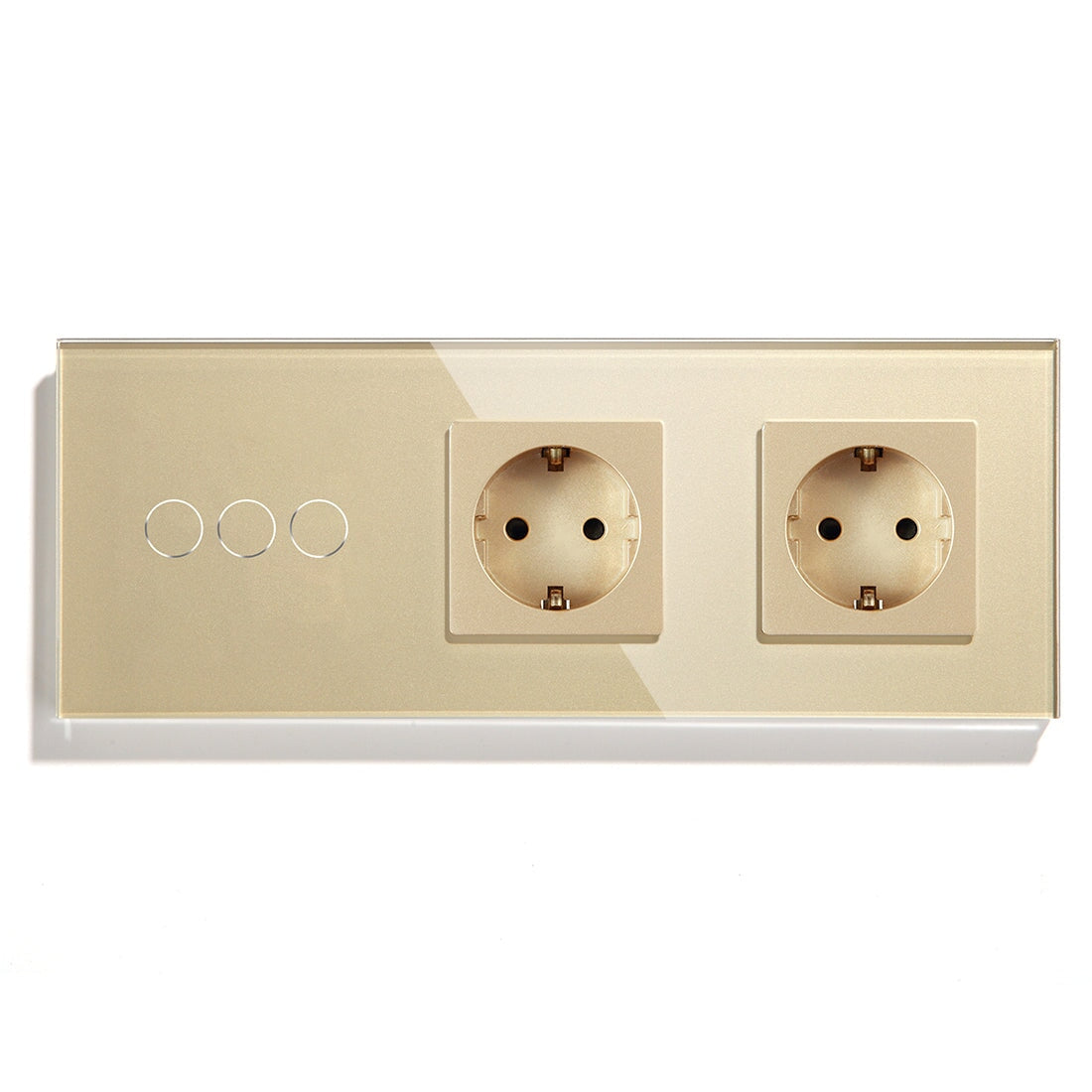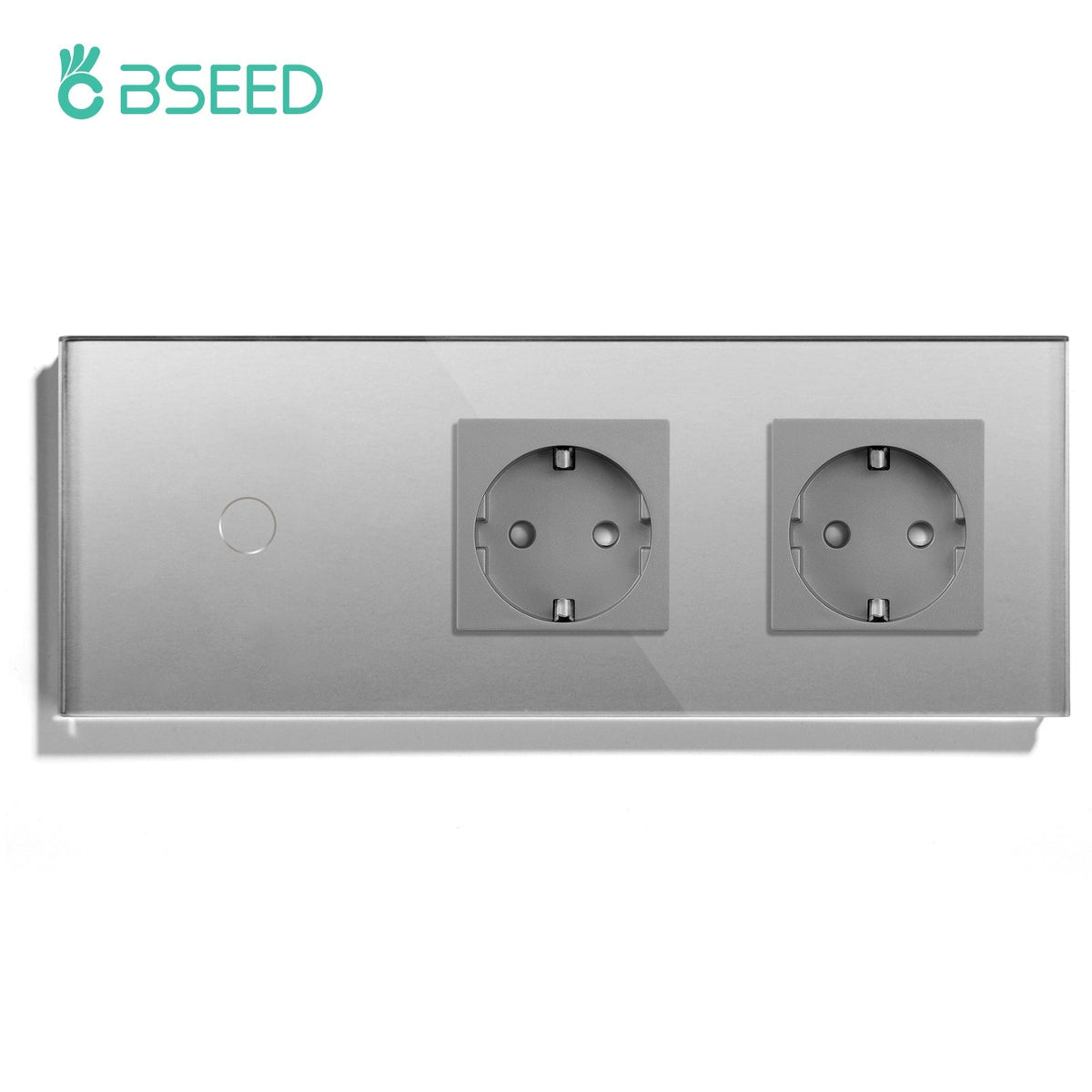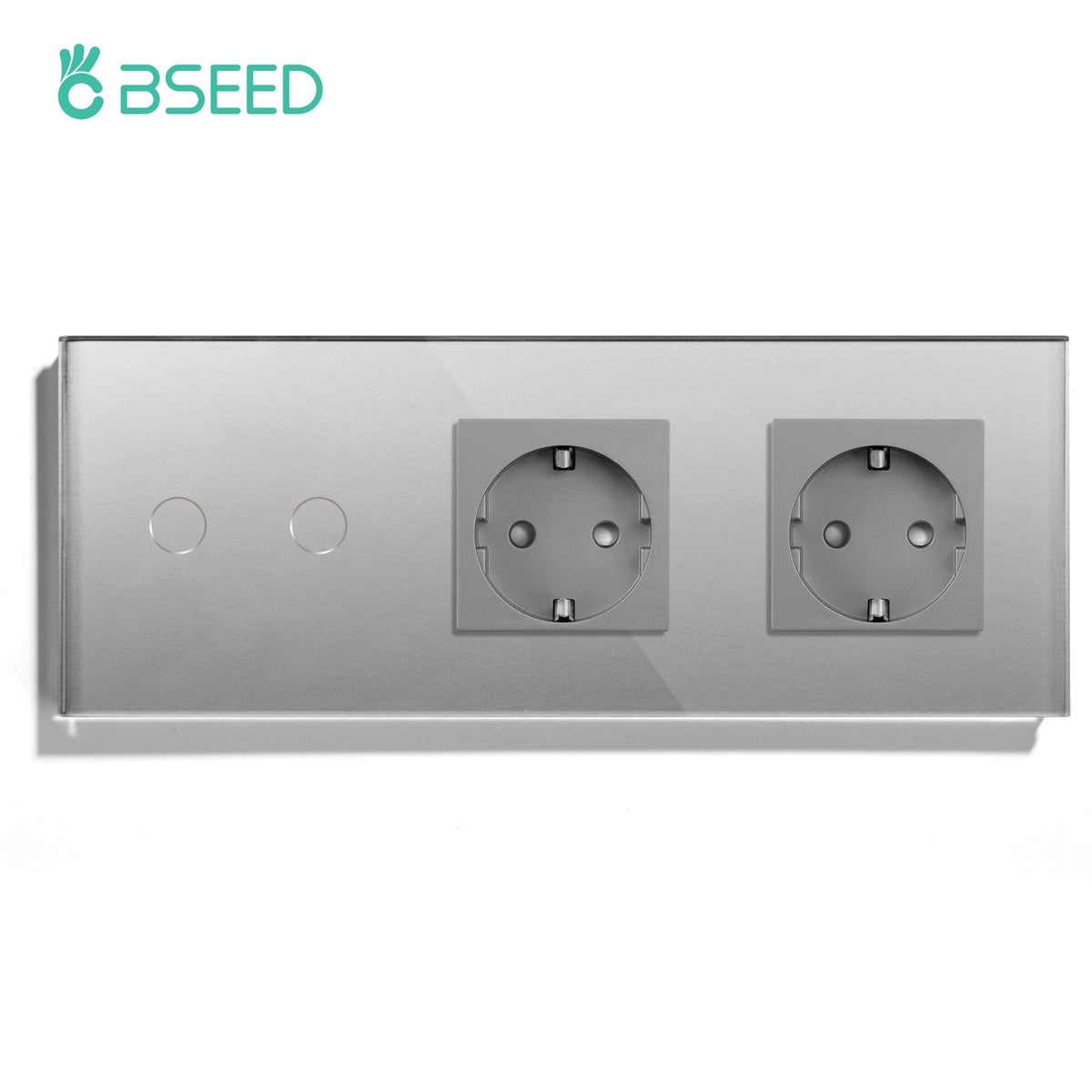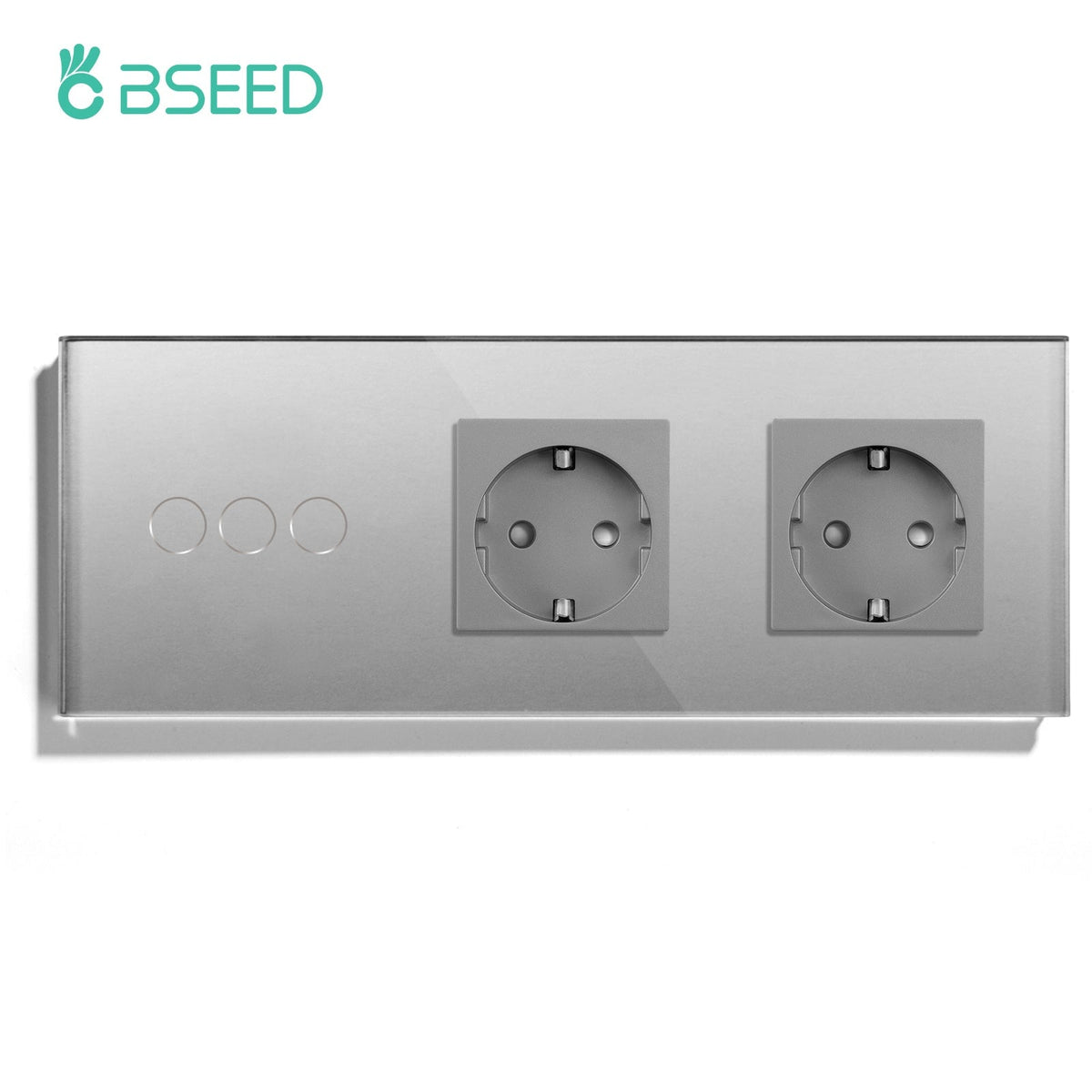
BSEED USB C Wall Socket for Fast Charging Smart Homes

Introduction
How we charge our devices at home has evolved exponentially over the last decade.
Smartphones, tablets, laptops, smartwatches, wireless earbuds, portable gaming devices and a host of other electronics now touch everyday life.
Indeed, previously humble electrical sockets that were designed simply to deliver power are being converted into smart charging hubs, whose evolution forecast a range of superpowers in the coming years.
By 2026, USB-C wall sockets aren’t just an option at a higher price point—they’re a rapidly-growing standard and almost ubiquitous in Europe both in new residential builds and renovations of apartments, hotels, offices and of course smart home installations.
For the homeowner, it’s not just about convenience; a USB-C wall socket can save on how visible cabling is, allows for charging that is more efficient, aids fast-charging technology and leads to a cleaner more habitable living space.
In this guide, we take you through just how private USB-C wall sockets will be an essential part of future-ready smart home.
What Is a USB-C Wall Socket?
A USB-C wall socket is simply a combination of the typical AC size-and-shape socket with a Smart USB-C charging port.
Rather than the plug-in ugly spare charging adapter that you are forced to jam into other plugs when charging from wall, the charging electronics are actually housed within the wall socket itself.
A modern take on a USB-C wall socket could contain:
· Standard AC power sockets
· USB-C Power Delivery (PD)
· USB-A charging ports
· Fast charging
· Smart energy-monitoring
· Matter compatibility
· Zigbee integration
· Child safety protection
They’re the simplest way to charge electronics directly from the wall and without that old-school ugly bulky adapter.
Why is USB-C Replacing Traditional Charging?
The proliferation of USB-C charging happens fast, per usual with all major manufacturers such as Apple, Samsung, Dell, HP, Microsoft, etc.are all going for USB-C as the universal-charge port.
Supported Device Categories
· Smartphones
· Tablets
· Laptops
· Wireless Earbuds
· Portable Gaming Consoles
· Cameras
· Smart Home Devices
The EU has gone so far as to mandate common charging standards across the EU, allowing for a rapid roll-out for USB-C as the charging interface for consumer electronics.
Homeowners have developed a similar expectation that the charging capability will be built into the electrical infrastructure of the home.
Benefits of USB-C Wall Sockets
1. Less Charger Clutter
One immediate benefit is there are fewer little brickish adapters lying around.
A common charging scenario goes:
Wall Outlet → Power Adapter → USB Cable → Device
With a USB-C connection incorporated, you have:
USB-C Wall Socket → USB-C Cable → Device
Fewer things to go wrong, means:
· Less clutter
· Fewer points of failure (fewer things to go wrong)
· Better appearance
· Easier cable management
That is convenience enough for homes and businesses (like hotels and offices) that tend to welcome users on the move.
2. Faster Charging Performance
More dramatic benefits come from the newer USB-C Power Delivery tech that makes loads or charging happen faster for the same amount of actual plugging holes compared to USB-A ports for example.
Here’s how maximum standard charging for various output USB types stack up.
|
USB Charging Type |
Maximum device output |
|
USB-A |
5W to 12W |
|
USB-C Standard |
20W |
|
USB-C PD |
30W to 45W |
|
High Power USB-C PD |
65W |
Many devices can charge much faster.
Some examples include smartphones that reach 50% in half an hour, tablets charge more efficiently, and ultrabooks and light laptop charge directly off the wall socket.
3. Cleaner Interior Design
Minimalism is a big trend for modern home design.
Having chargers and visible extension strips all around not to mention the dark mess of cables can ruin the aesthetic of a room.
USB-C wall sockets help to eliminate:
· Bulky charger bricks
· Possible power strips
· Cable clutter
· Occupied electrical outlets
For premium residential projects, integrated charging infrastructure reduces visual clutter and lends an impression of class.
4. Better Convenience
The average home probably has dozens of rechargeable devices.
Typical daily charging loads include:
· Smartphone
· Tablet
· Smartwatch
· Wireless earbuds
· E-reader
· Portable speaker
· Gaming device
Built directly into the wall, charging ports eliminate the hassle of seeking out a charger.
Why Bedrooms Benefit Most
Bedrooms have become the most common rooms for USB-C wall socket installations in modern homes.
Most of us charge multiple devices overnight.
Typical bedroom charging loads are.
|
Load |
Power Requirement |
|
Smartphone |
20W–45W |
|
Tablet |
20W–45W |
|
Smartwatch |
5W–10W |
|
Earbuds |
5W |
|
Laptop |
45W–65W |
Fully integrated into the wall, charging solutions help homeowners declutter bedside power access.
USB-C Wall Sockets for Home Offices
The explosive popularity of remote work has rapidly changed power requirements inside homes.
Typical home office loads include:
· Laptop
· Monitor
· Smartphone
· Tablet
· Wireless accessories
· USB peripherals
Where USB-C wall sockets provide charging for a lot of devices a single charging solution will save users from too many adapters that become jumbled together.
For heavy users of a home office setup working within an organized environment increases productivity.
Energy Efficiency Gains
One common myth is that integrated charging solutions underperform the output of dedicated chargers.
Such is the power of good technology today that many USB-C wall sockets have conversion efficiencies that rival the output of a high-quality standalone charger.
Common levels include:
|
Charging Device |
Efficiency |
|
Low-Cost Adapter |
80-88% |
|
Standard Smartphone Charger |
88-92% |
|
Premium USB-C PD Charger |
90-94% |
|
Quality USB-C Wall Socket |
92-95% |
Over the years that added higher efficiency saves the user from wasted energy due to conversion.
USB-C and Smart Home Integration
It’s only natural USB-C wall sockets will join the greater smart home ecosystem of today.
They might integrate with:
· Zigbee 3.0
· Matter
· Home Assistant
· Alexa
· Google Home
Manufacturers such as BSEED have added supporting technology to their lines of products, of which help property owners create a unified smart home environment.
Rather than being standalone cachements of charging capabilities wall sockets become one more integrated device among an ever-expanding automation network.
Understanding the Limitations
Despite the advantages they bring USB-C wall sockets can’t do everything.
High-power devices may still require their own power supplies:
· Gaming laptops
· Professional workstations
· Portable power stations
· Electric scooters
· Professional camera systems
Many of these require proprietary charging protocol or power levels outside of the capabilities of most integrated wall sockets.
For these applications, manufacturer supplied chargers still win the day.
The Role of GaN Technology
Gallium Nitride (GaN) technology is playing a major role in the evolution of USB-C wall sockets.
Compared to traditional silicon components, GaN technology offers:
“GaN chargers are packed with state-of-the-art device technology that allows them to be smaller, generate less heat and decrease switching speed” said Horace Poon, CEO of Xsolar Group.
“Using these GaN technology-based chipsets, manufacturers can easily develop compact USB-C wall sockets that can deliver up to 100W of charging power and other enhanced thermal performance.”
Future Trends Beyond 2026
Looking past 2026, we see several trends define USB-C wall sockets.
Wider adoption of USB-C
USB-C will continue to replace old-school USB-A sockets across residential and commercial environments.
Higher power levels
We expect future wall sockets to support:
· 45W USB-C PD
· 65W USB-C PD
· Multi-port charging configurations from a single wall socket
AI-powered energy management
The most advanced smart sockets will automatically analyze everything from:
· Devices’ charging habits
· Standby consumption
· Energy saving opportunities that maybe aren’t “there” yet
· Battery health patterns
In order to maximize efficiency.
More matter ecosystem expansion
As the Matter ecosystem continues to grow, the availability of new smart sockets, switches, thermostats and charging devices that work seamlessly together will only be more plentiful.
Conclusion
IoT isn’t a buzzword with USB-C wall sockets–these devices are core to modern electrical infrastructure.
Between enabling faster charging, cleaner designs and reduced adapter clutter, USB-C wall sockets make for better convenience and more robust integration with smart home systems.
For the homeowner embarking on renovations, building a new home or upgrading smart home technologies USB-C wall sockets represent one of the most helpful “smart” and intelligent investments on the market today.
As a new charging standard comes to fruition and as Matter compatibility and integration continues to ramp up we anticipate that USB-C charging sockets will be everywhere in Europe and growing in popularity globally.
FAQ
Are USB-C wall sockets safe?
Of course. As long as they’re installed correctly and are certified to local electrical standards USB-C wall sockets are as safe as using traditional wall outlets.
Can USB-C wall sockets charge laptops?
Yes.
Most University of California-affiliated residences use USB-C wall sockets to charge laptops up to 45W-65W USB-C Power Delivery (PD) laptops.
Just be sure to check the power rating before you nab one for your home.
Can USB-C wall sockets consume electricity when nothing is charging?
Happily yes, but standby power consumption is typically low.
Are USB-C wall sockets compatible with smart home systems?
Yes, some models also support Zigbee and integration into Matter ecosystem, Home Assistant, Alexa and Google Home.
Is USB-C replacing USB-A?
Yes indeed, USB-C will replace USB-A in most consumer electronics point of sale (the old USB standard used in plug-and-socket connections between computers, smartphones and print devices. It will stick around for awhile longer though).
So. is it worth installing USB-C wall sockets?
For the modern home, office, apartment or hotel environment USB-C wall sockets are a tidy, clean and easy charging solution long term.