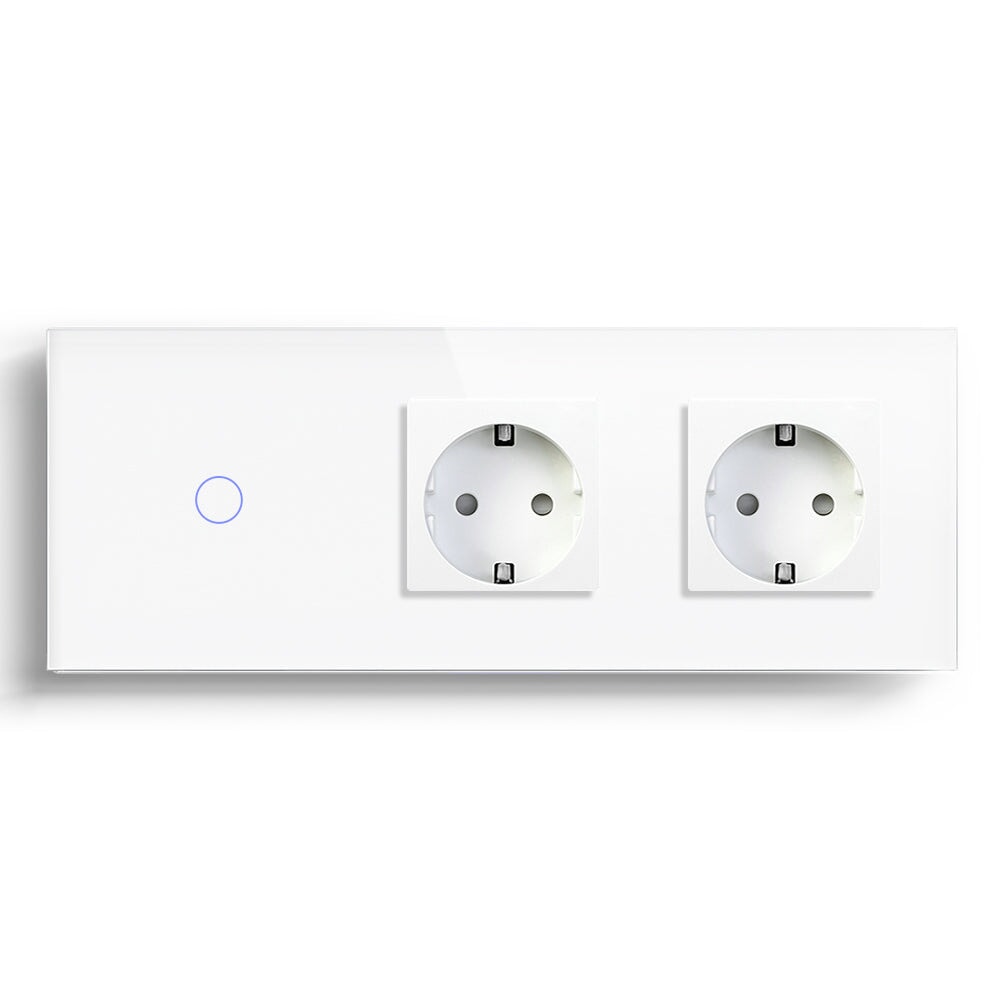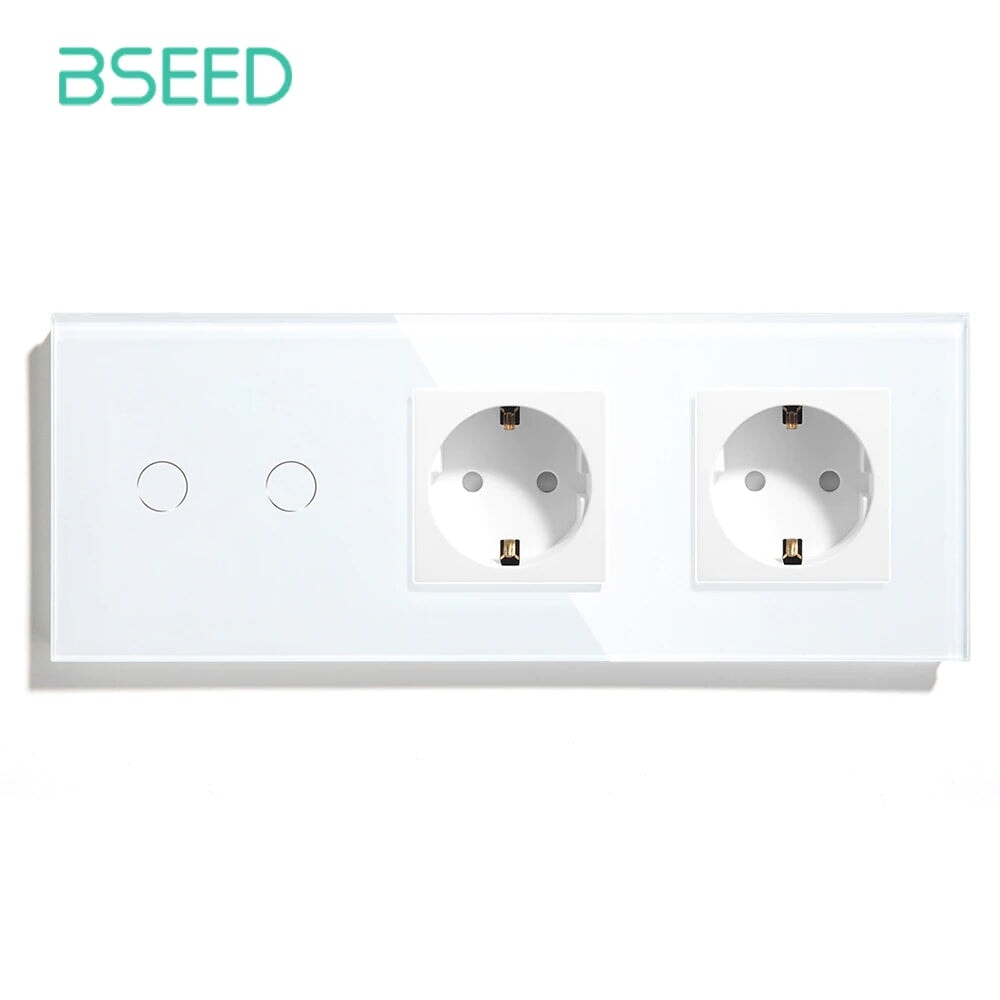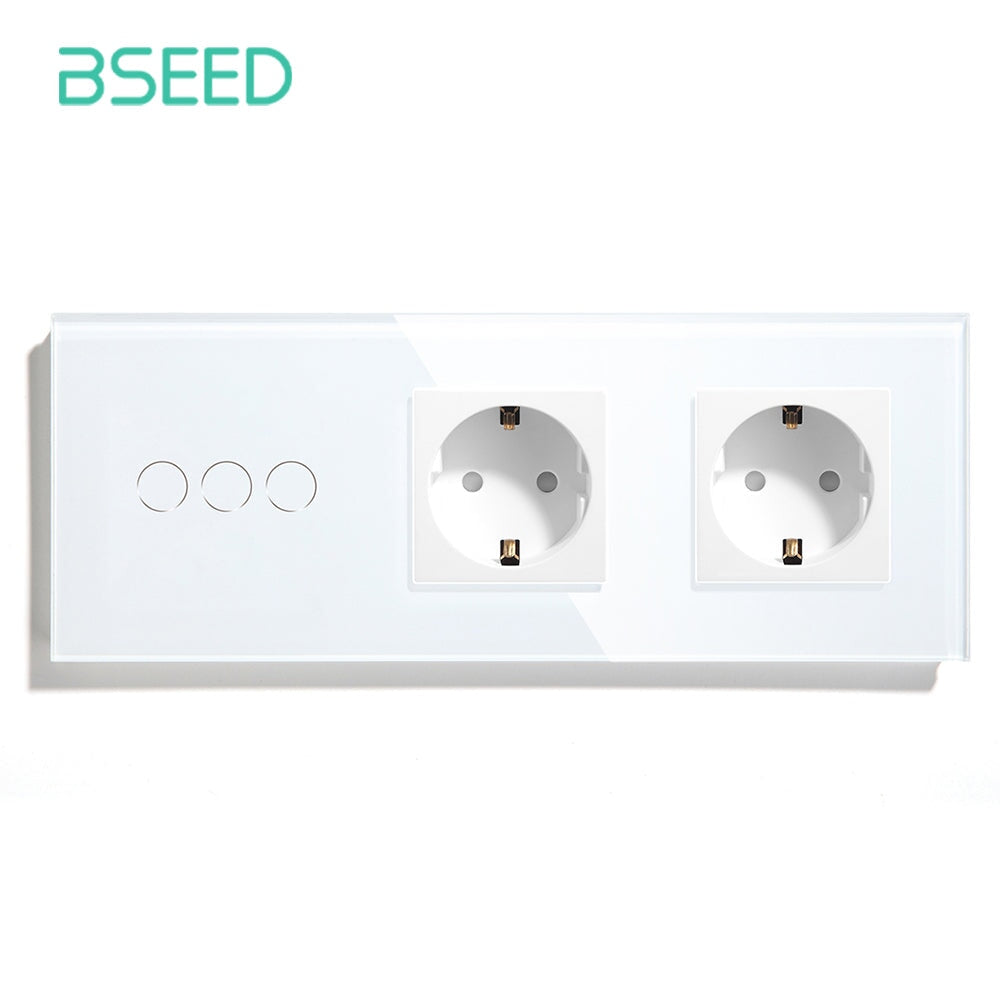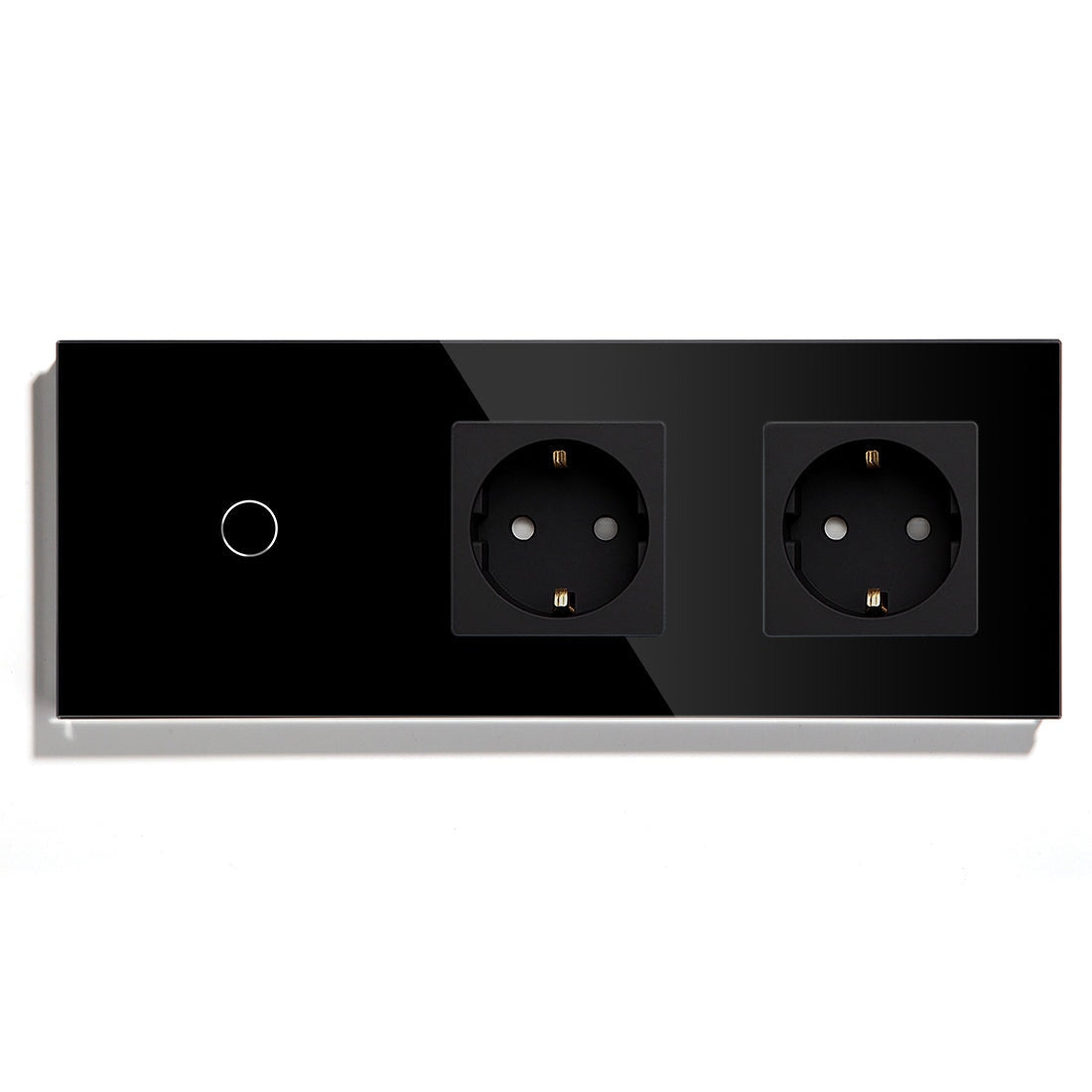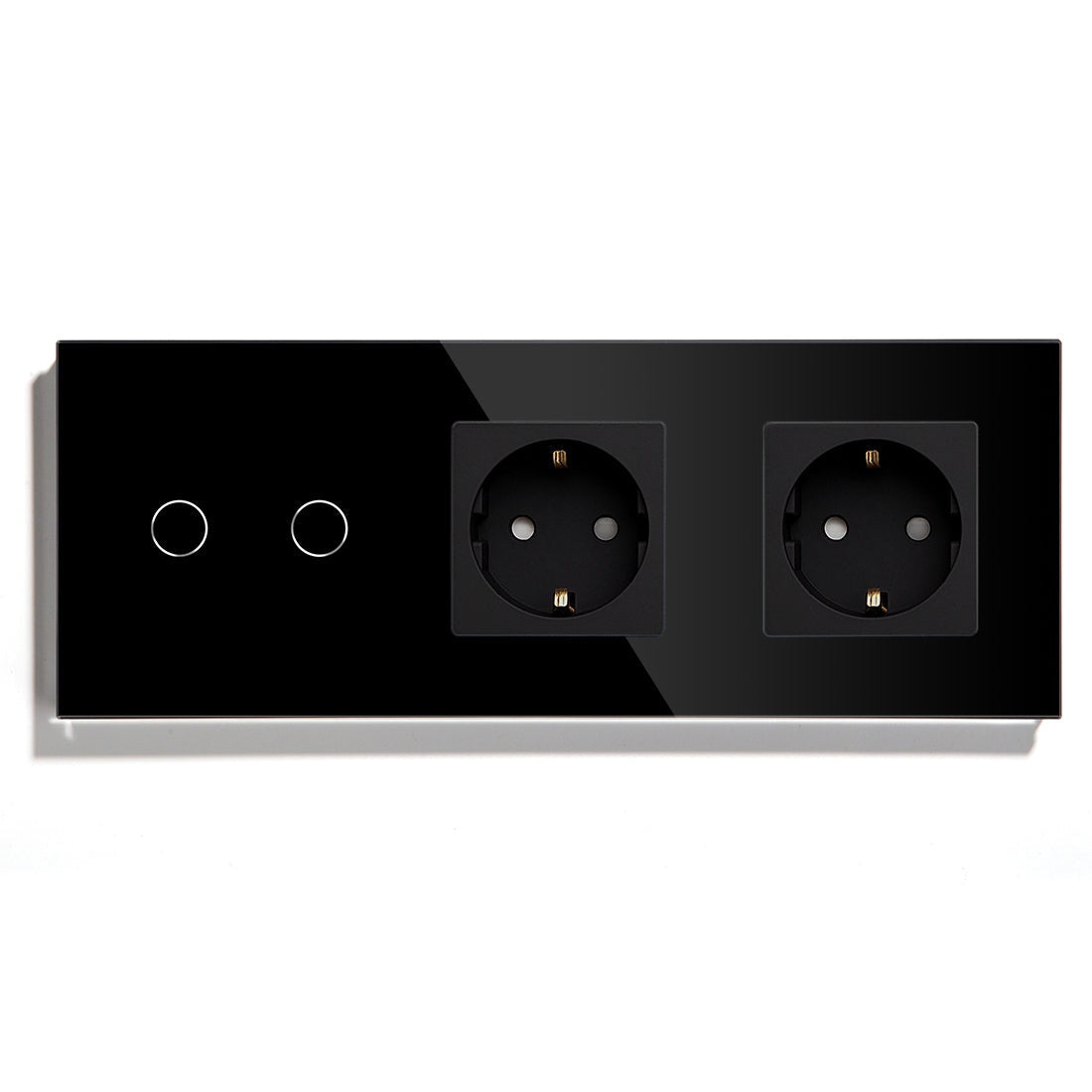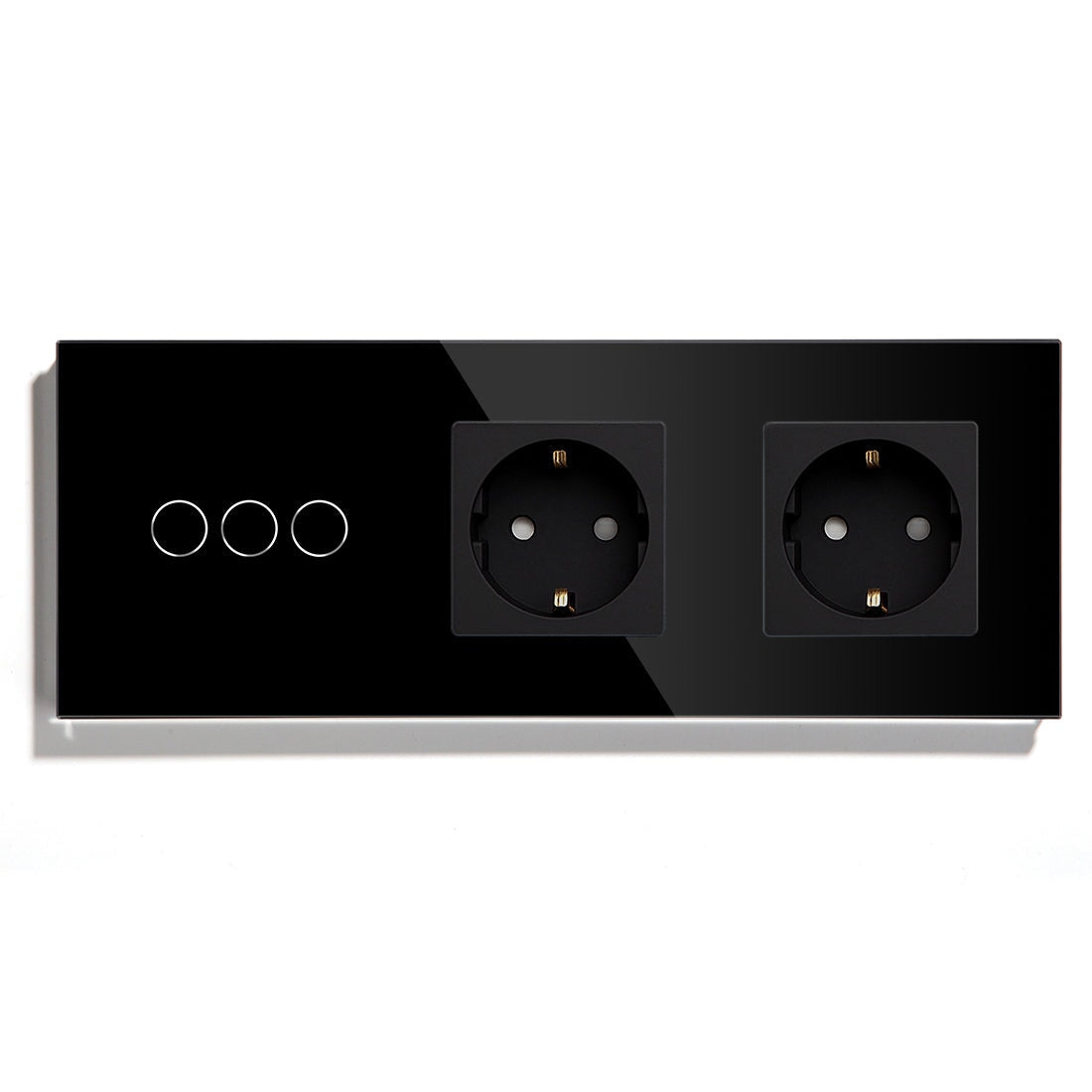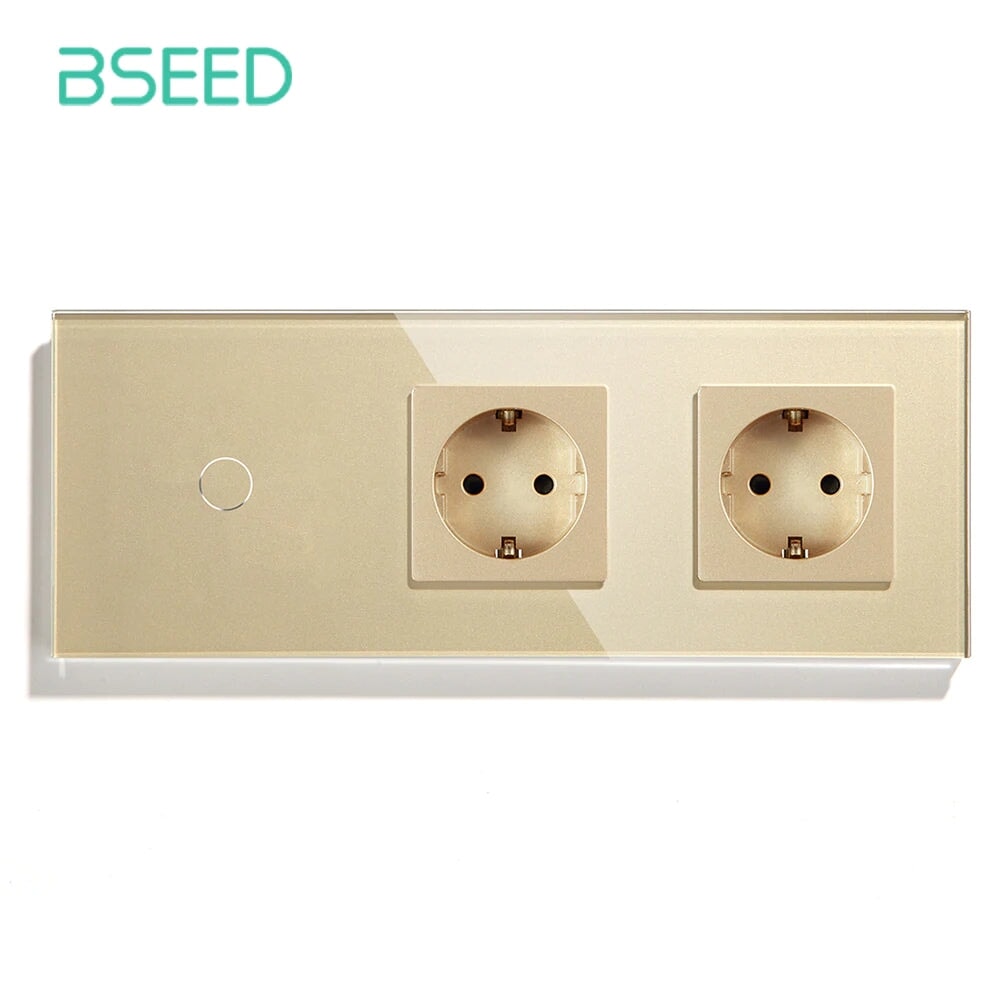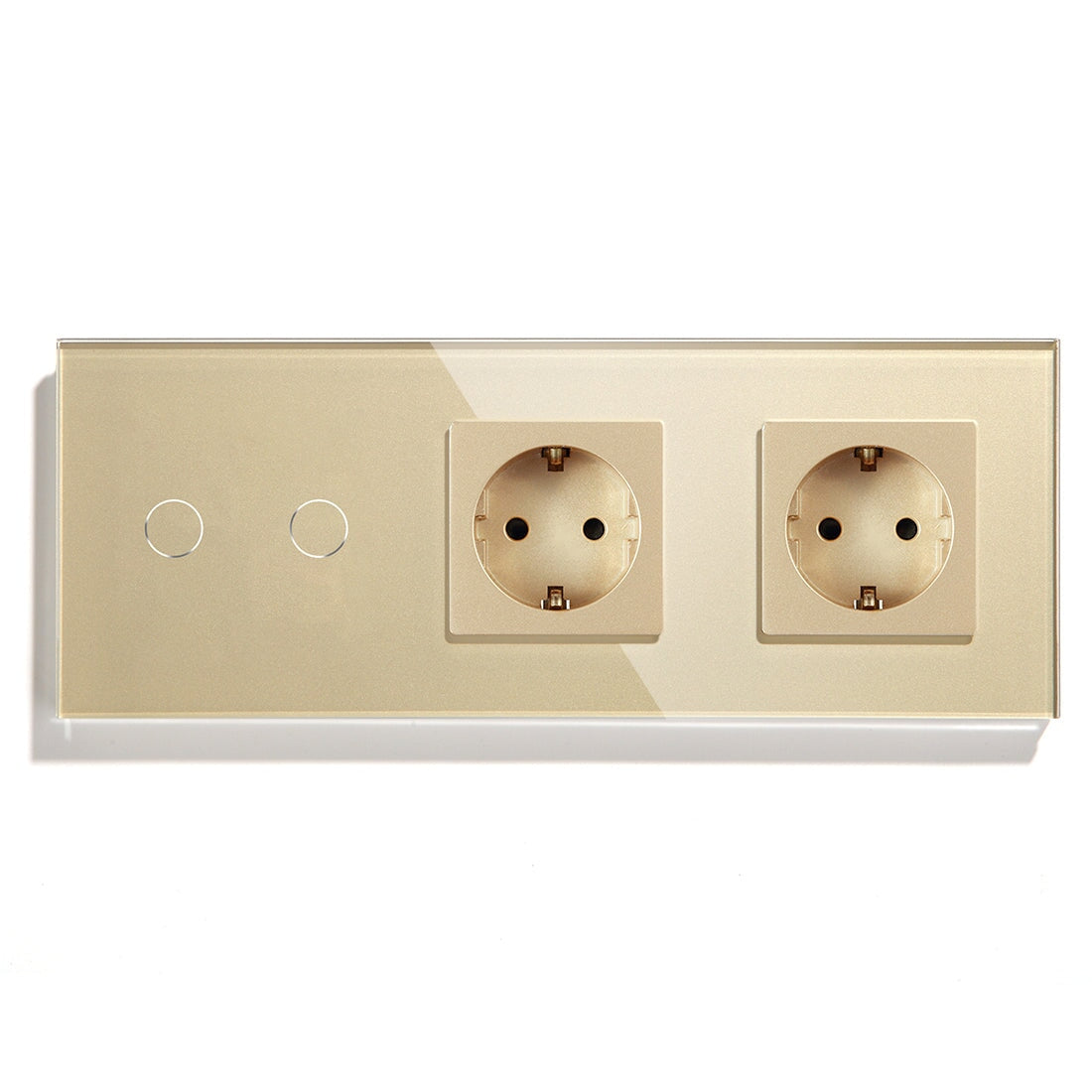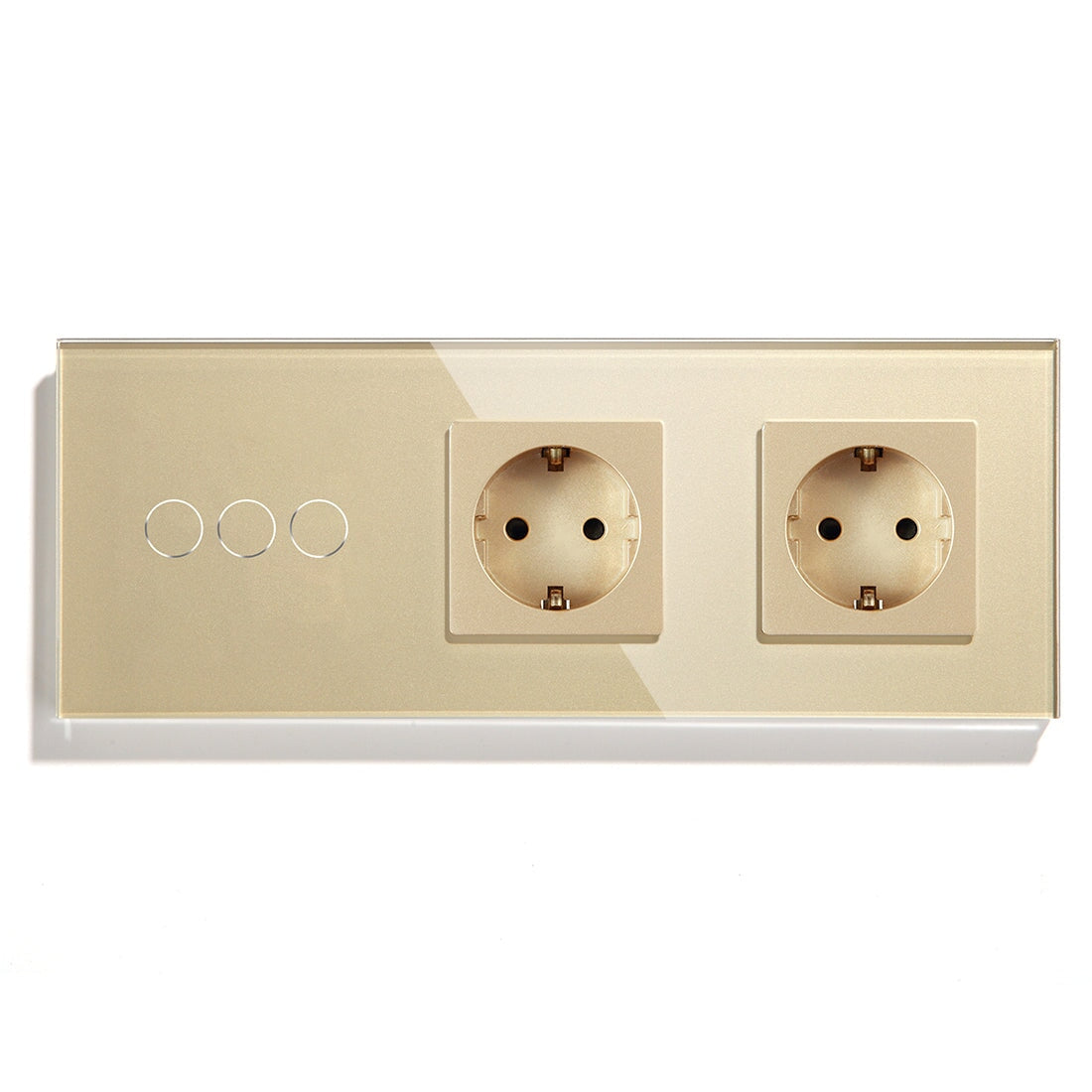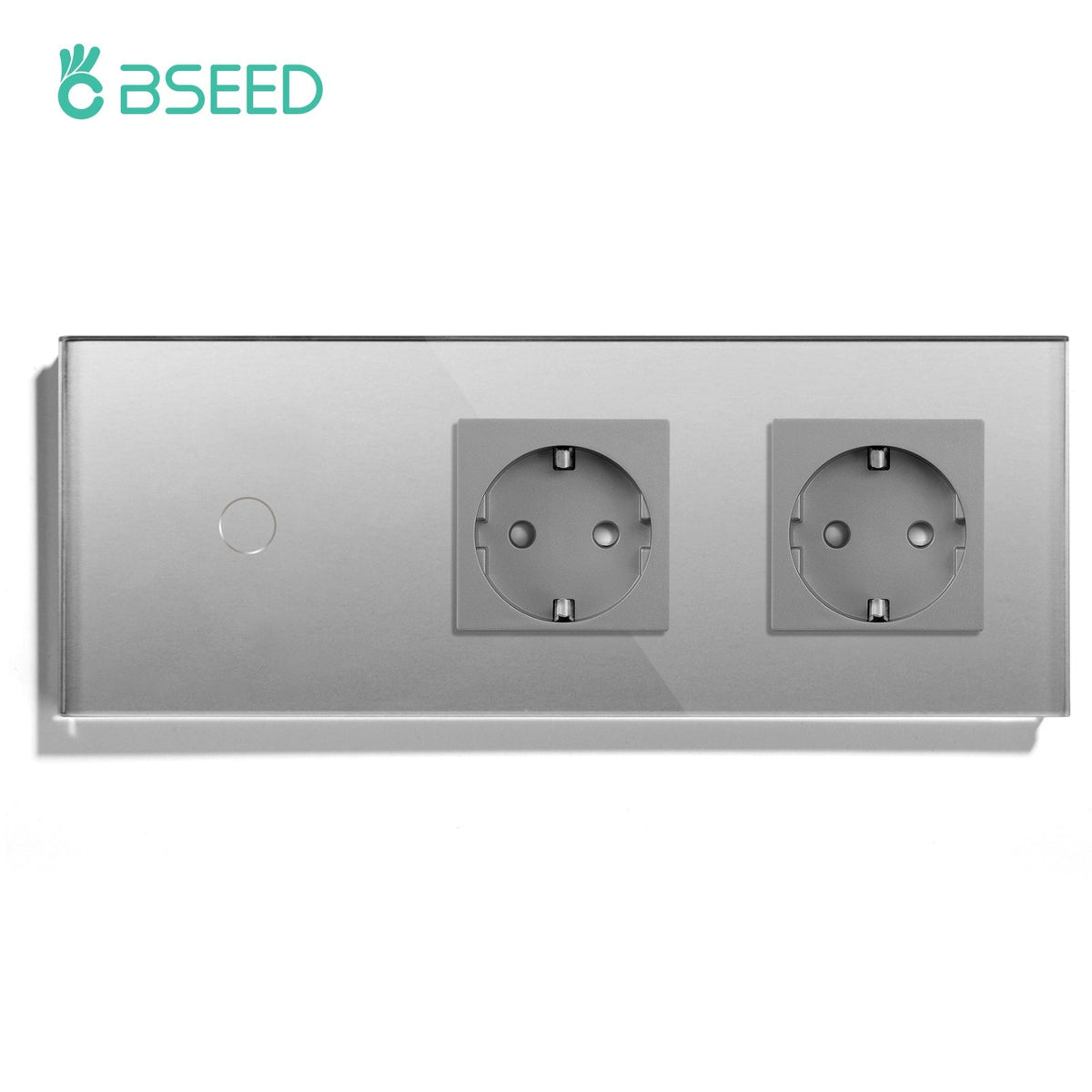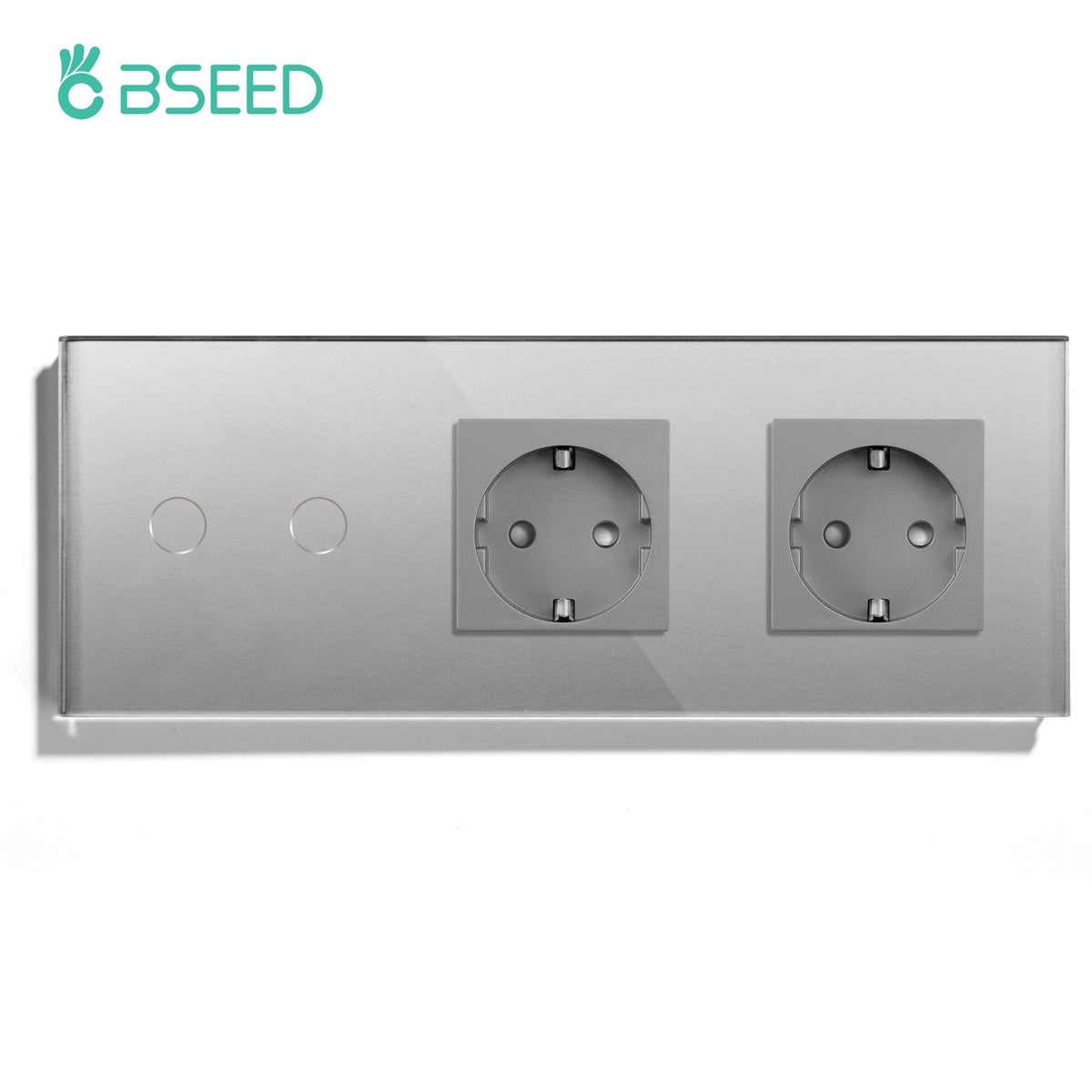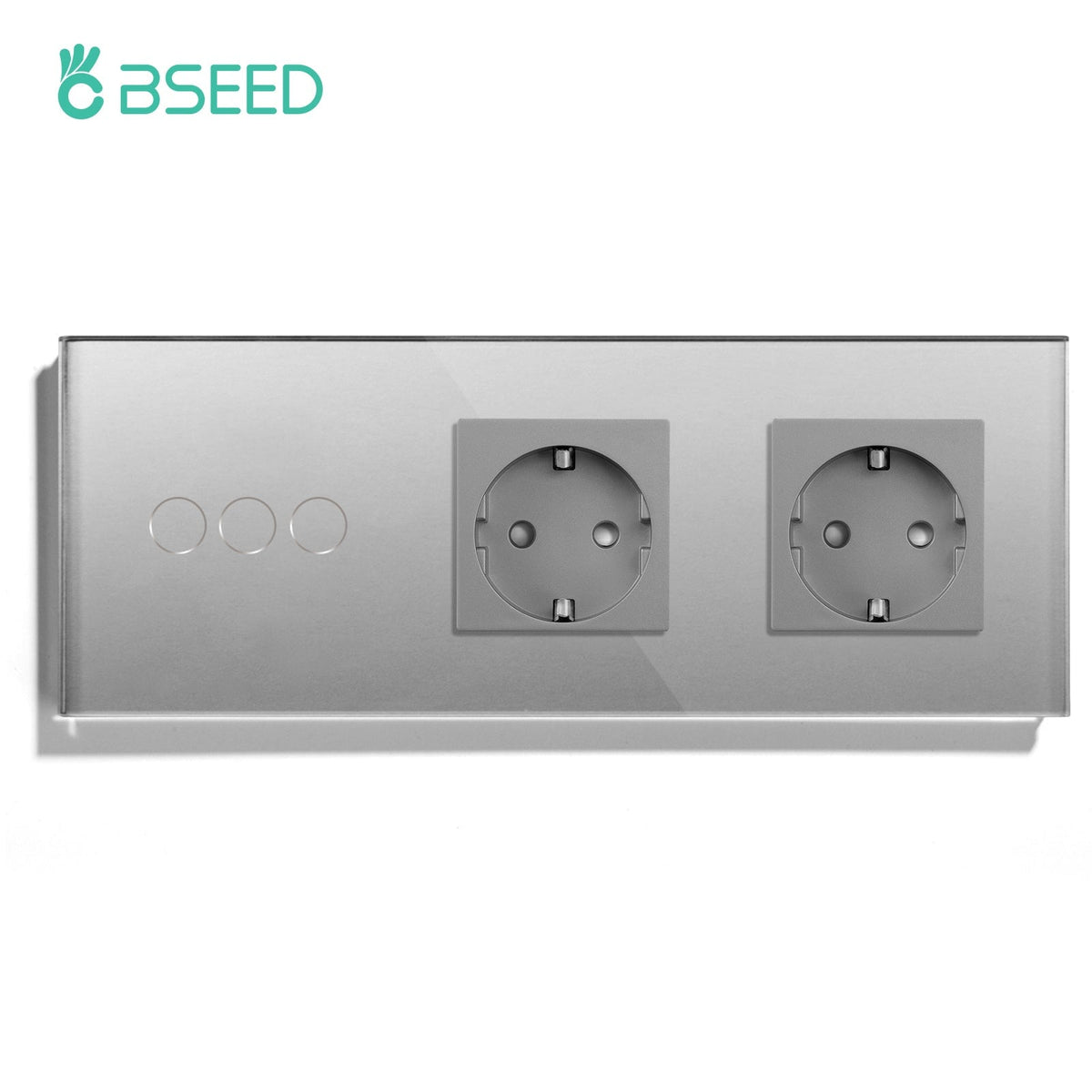
BSEED Smart Socket Compatible with Alexa and Google Home
Introduction
By 2026, being compatible with Alexa and Google Home has lost its luster as a selling point for smart sockets.
Most of the good ones work with voice control.
What separates one smart socket from another is stability, fork support, local automation capability, accuracy of energy monitoring and how the socket fits in with the rest of the smart home.
We’ve installed Bseed smart home systems, Zigbee 3.0 networks, Matter ecosystems, Home Assistant servers, Tuya Zigbee installations, and…you get the idea.
One lesson we keep returning to is that homeowners that are reliant on voice control tend to swap out devices more frequently than those that are reliant on communication protocol and ecosystem longevity.
For many of us Alexa and Google Home are merely the user interfaces.
It’s what’s underneath that counts.
What Changed for Smart Sockets since 2020?
Five years ago the best smart sockets included:
· Remote ON/OFF
· Simple timer
· Voice command
By 2026 the best smart sockets include:
· Energy monitoring
· Zigbee mesh repeater
· Matter-compatible endpoint
· Automation trigger
· Load analysis
· Local control
· Distributed power management
Then you’ve got Bseed, “a company whose ecosystem has grown to include:
· Smart wall switch
· Zigbee light switch
· Matter smart switch
· Smart switch on floor heating thermostat"
· Roller shutter switch
· Touch glass smart switch
· Smart home frame with Zigbee
· Wall socket with USB-C
· Smart socket with energy monitoring
· etc!
So here’s what that looks like:
The way experienced installers select sockets has become modified.
Why Alexa and Google Home Compatibility Is No Longer Good Enough
When searching for their first smart socket, many buyers look for something like:
· “smart socket that works with Alexa”
· “smart socket that works with Google Home”
“Seems fair enough. If voice control works then everything else will work.”
Real world projects look quite different.
Voice assistants are just the ‘visible’ surface on top of:
· Wifi communication
· Zigbee mesh networks
· Matter interoperability
· Local automation engines
· Cloud services
· Device firmware
Voice commands are just a tiny part of that cocktail of different protocols, interactions and commands we use every day.
Most of the time we are letting automation happen silently in the background:
· Night routines
· Presence detection
· Energy saving schedules
· Temperature based triggers
· Solar power optimization
· Floor heating control
The result is that many Home Assistant users actually become less and less reliant on voice assistants and more dependent on automation itself.
The Biggest Mistake about Smart Sockets
The AI of popularity guesses that if a thing is portable then it is also flexible.
In reality, a permanently powered smart socket is likely to be a more reliable smart socket.
That seems bass backward.
Portable smart plugs seem flexible enough because they’re ‘portable.’
But because users routinely unplug them they end up making:
· Roughting haywire
· Mesh instability
· Device rediscovery
· Broken automations
Plug your smart sockets into the wall and they keep routing haywire, they keep the Zigbee mesh stable, and they strengthen the coverage of sensors.
So seasoned smart home installers are now favouring fixed devices rather than portable ones.
WiFi, ZigBee and Matter are not Warring, Mutually Exclusive Technologies
WiFi Smart Socket
Ideal for:
· Small apartments
· Simple installations
· Alexa users
· Google Home users
Pros:
· No hub required
· Easy to put together
· Low entry cost
Cons:
· Router can become congested due to many devices
· Consume power in standby
· Depend on cloud services
Zigbee Smart Socket
Ideal for:
· Home Assistant systems
· Large houses
· People who use a number of different smart devices
Pros:
· Mesh networking
· More energy efficient
· Come with lower power consumption
· Response speed is better
Cons:
· Require a hub
· Potentially complex initial set up
Matter Smart Socket
Ideal for:
· Mixed ecosystems
· Upgradability and future-proofing
Pros:
· Cross-platform compatible
· Locally communicating
· Less ecosystem “lock-in”
Cons:
· Some features aren’t ready yet
· Lots of fun features tied to fewer platforms
Energy Monitoring More Important Than Voice Control
An interesting trend began to appear in 2025 and 2026.
People were buying smart sockets for energy monitoring purpose rather than remote switching purposes.
Typical Appliances Monitored
|
Appliance |
Typical Consumption |
|
Fridge |
100-400W |
|
Air purifier |
20-60W |
|
Dehumidifier |
200-600W |
|
Floor heating pump |
60-150W |
|
Desktop PC |
150-500W |
|
TV |
70-250W |
More and more smart sockets that have energy monitoring on them are boasting accuracy between ±1% and ±2%.
For that level of accuracy, you also get to know:
· Standby consumption
· Cost assessments
· Monitoring appliance health
· Balancing load
· Optimising consumption of solar power
Funny thing is, many owners after smart plug installation find that they hardly turn sockets on and off manually.
They value the monitoring info way more.
Why Zigbee Smart Sockets Work In Larger Homes
Zigbee devices create a mesh network.
Every permanently powered device acts to repeat a message.
Examples
· Zigbee light switch
· Zigbee roller shutter switch
· Smart thermostat
· Smart socket
· Smart home control panel
Typical Zigbee Stability
|
Installation |
Stability |
|
Wireless sensors only |
Poor |
|
Wireless sensors + several smart sockets |
Good |
|
Wireless sensors + switches + sockets |
Excellent |
If you are a keen Home Assistant user with more than 50 devices in your system, you will find Zigbee usually scales more gracefully than WiFi.
High-Power Appliances Need Special Treatment
Not all loads are manageable with smart, or standard smart outlets.
These limitations for use become obvious with:
· Portable heaters 2000Watts
· Electric hot water heater 2000-3000Watts
· EV chargers 3.5kW-7kW
· Air Compressor High inrush current
· Industrial equipment + inductive loads
Electricians then often opt for:
· Contactors
· DIN rail relay
· Dedicated breakers
· Industrial smart energy meters
Applying consumer smart sockets beyond their labelling can lead to either early failure of the relay within.
Why Local Control is Now More Important
The cloud-based service concept has provided us lovely convenience.
It has however introduced a fair handful of frailties such as:
· Internet outages
· Slow servers
· The normal “big brother” concerns of privacy issues
· Latencies
· Vender lock in
Home Assistant users in 2026 prefer their increasingly ZigBee net, and Matter bridges, local automations.
Two common examples are
Floor heating systems
· The temperature logic will still work without the net being there.
Roller shutters
· Schedule still works locally.
Energy management
· Still coupled to solar production and charging batteries.
Lighting scenes
· Latency under 200ms.
Matter Is Changing Smart Socket Selection
Matter is one of the hottest trends in smart home.
Smart sockets that support Matter can also support:
· Alexa
· Google Home
· Apple Home
· Home Assistant
Companies like Bseed are adding support for Matter in:
· Matter light switches
· Smart sockets
· Smart wall switches
· Smart home devices
This gives homeowners adaptability, allowing them to change platforms without needing to replace every socket and power switch in their homes.
USB-C Integration Is Becoming an Industry Standard
Smart sockets today commonly include:
· 20W USB-C
· 30W USB-C
· 45W USB-C
· 65W USB-C PD
These smart sockets allow users to:
· Drop ugly adapters
· Free up occupied outlets
· Unspring the cable from the middle of the room…
They help normal humans get rid of these things.
Most common installation sites appear to be bedrooms and home offices.
92-95% appears to be the typical conversion efficiency, not too far from premium standalone chargers.
Structure Selection Guide
Choose WiFi Smart Sockets If
· You’re a low-key user with (fewer than) ~20 devices in total.
· Alexa and Google Home are your primary platforms.
· Simple setup is where it’s at for you.
· No dedicated hub, thanks.
Choose Zigbee Smart Sockets If
· Home Assistant is your jam.
· Aim to run >30 devices off your smart sockets.
· Stability trumps simplicity for you.
· Roll your own local computers is your spirit animal.
Choose Matter Smart Sockets If
· Ecosystem flexibility is your jam, and you dream of your Apple Home also vibing in Alexa and Google Home.
· Switching up your smart home platform is in the future.
Choose Smart Sockets with Energy Monitoring If
· Electricity prices make you cringe.
· Solar panels on your home.
· Gotta analyze appliance consumption.
· Search and destroy application standby power wasteland.
Store Conventional Ones for
· EV Carcharging
· Massive electric heaters
· Industrial equipment
· Things with crazy inrush
What are the Hot Trends Beyond 2026?
Matter is Going to be everywhere
Matter is meant to ensure devices from different manufacturers can work together, in lieu of proprietary protocols.
Nothing as toasty on Zigbee 3.0 yet
Mesh reliability still appears to be a potential market, and Zigbee is a common choice.
I kinda wonder what ends up happening with the other protocols.
AI Based Energy Analysis
Smart socket technology will likely start providing algos at the admin’s command such as:
· Standby loss
· Old device
· Abnormal Consumption
· Long term learning off user patterns
Local Automation becoming Expansive
The application may transition from the cloud to the Matter and Home Assistant, so perhaps they share bottom line lessons locally.
Smart homes to be viewed as a collection of interconnected systems
Smart sockets, smart switches, thermostats and roller shutter switch USB-C sockets and energy monitoring devices find themselves involved in creating an ‘interconnected systems’ environment instead of features of isolated products.
Conclusion
For installers of smart home in 2026 Europe
A smart socket ‘designed for’ Alexa and Google Home is not judged by the latest voicecombobits feature alone.
The basics include looking forward to see if the damn thing will ‘do you good’ in ten years from now be also able to switch to diverse local automation, and quietly become part of the wall power moving through the home.