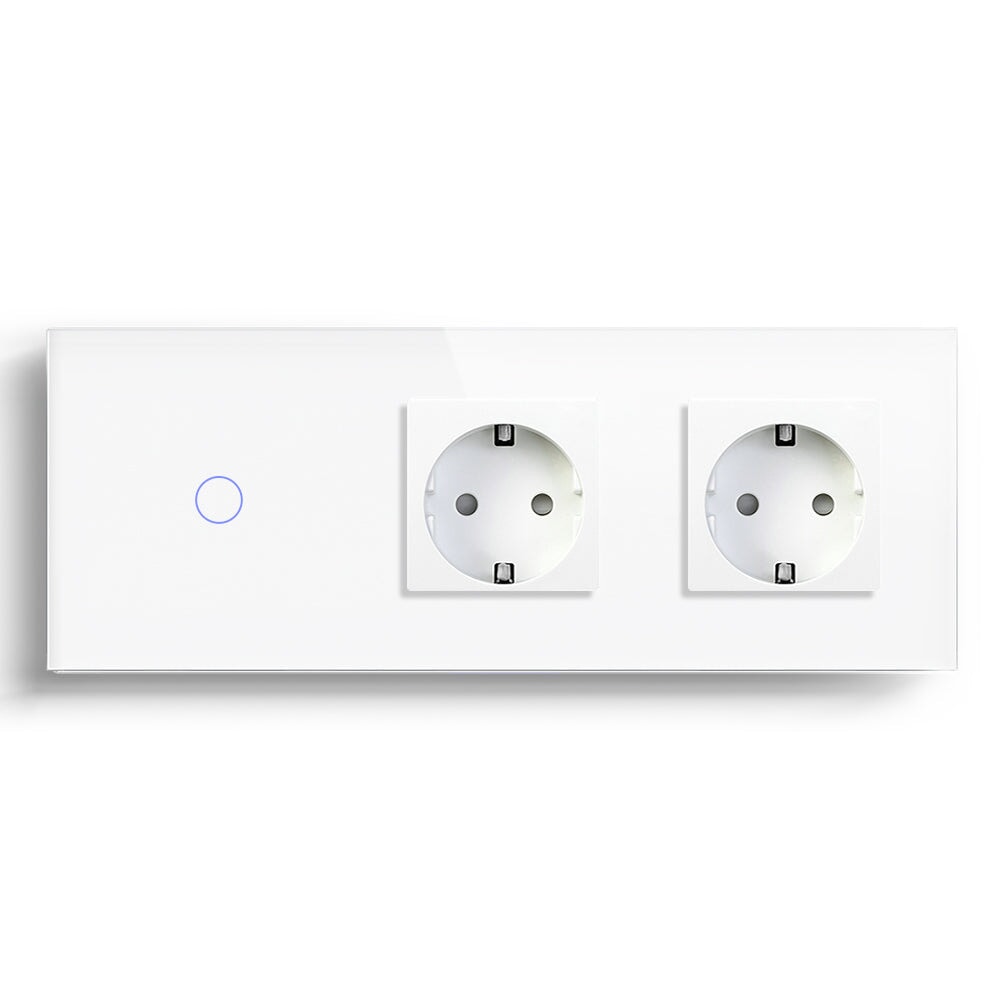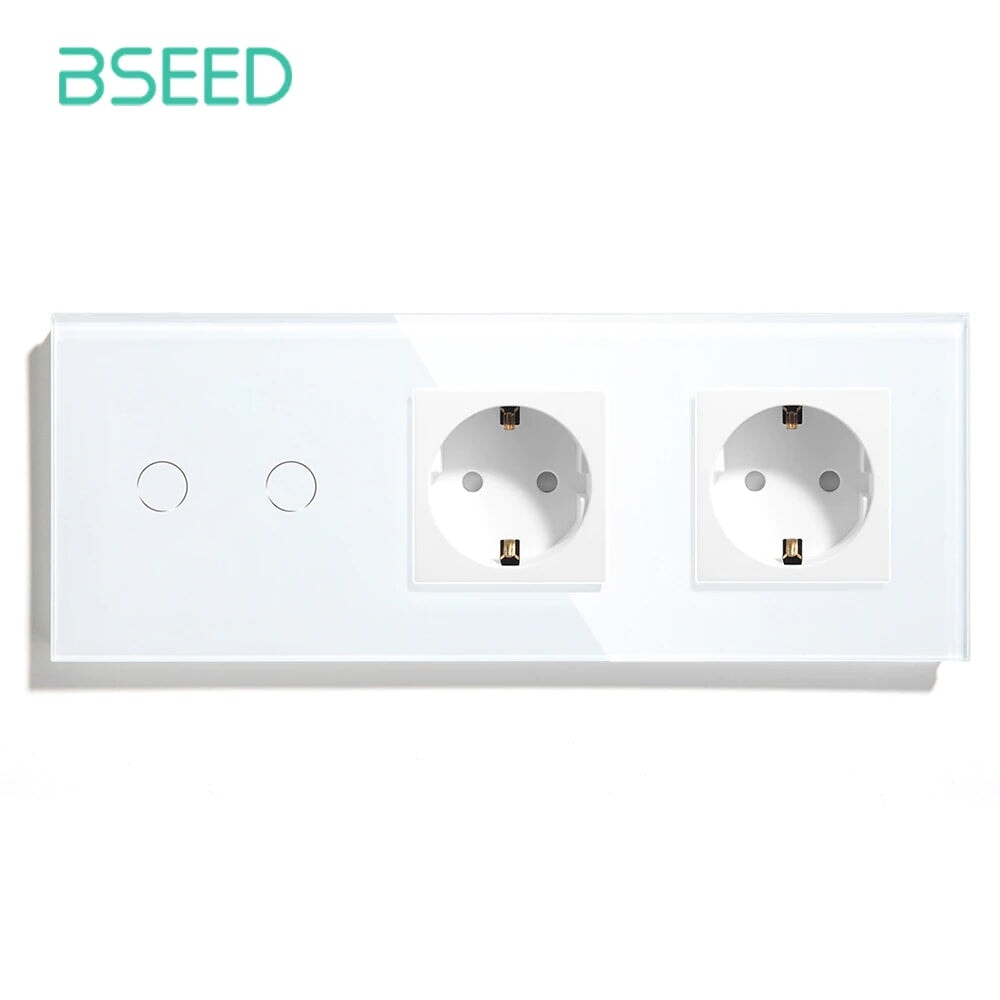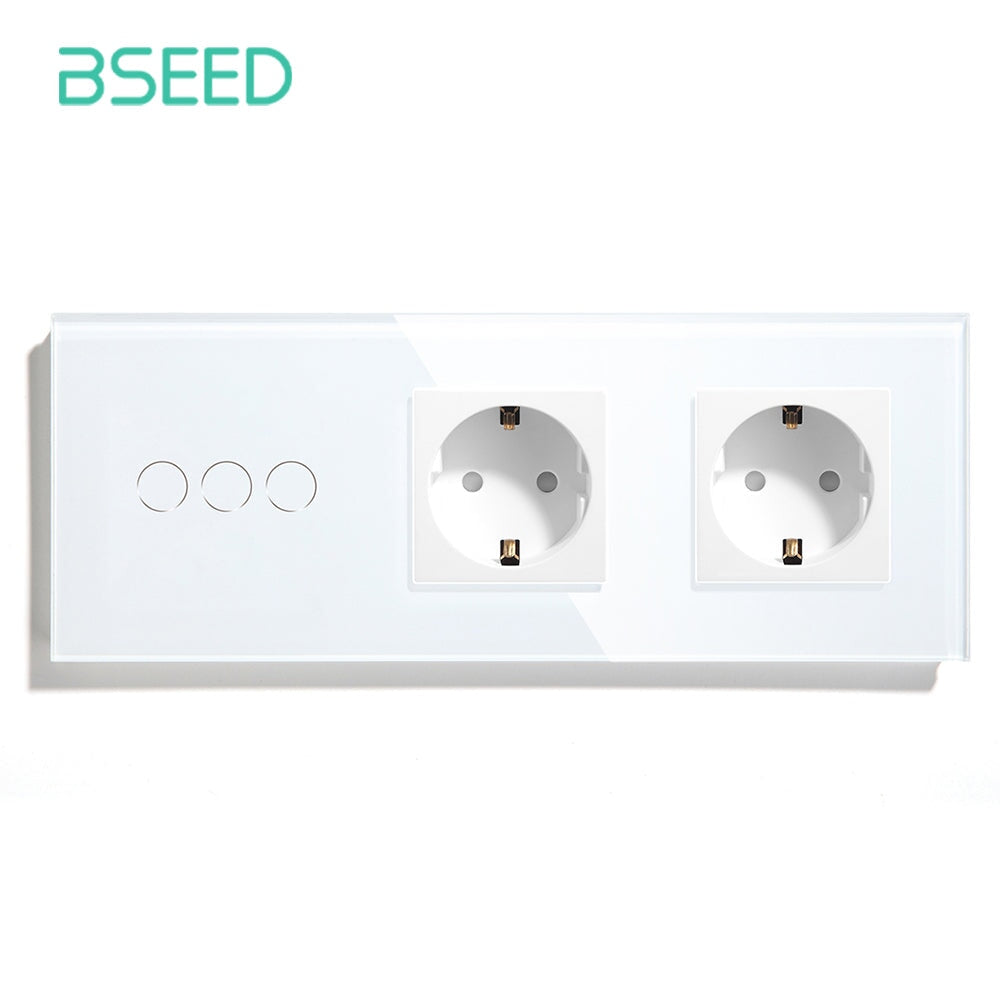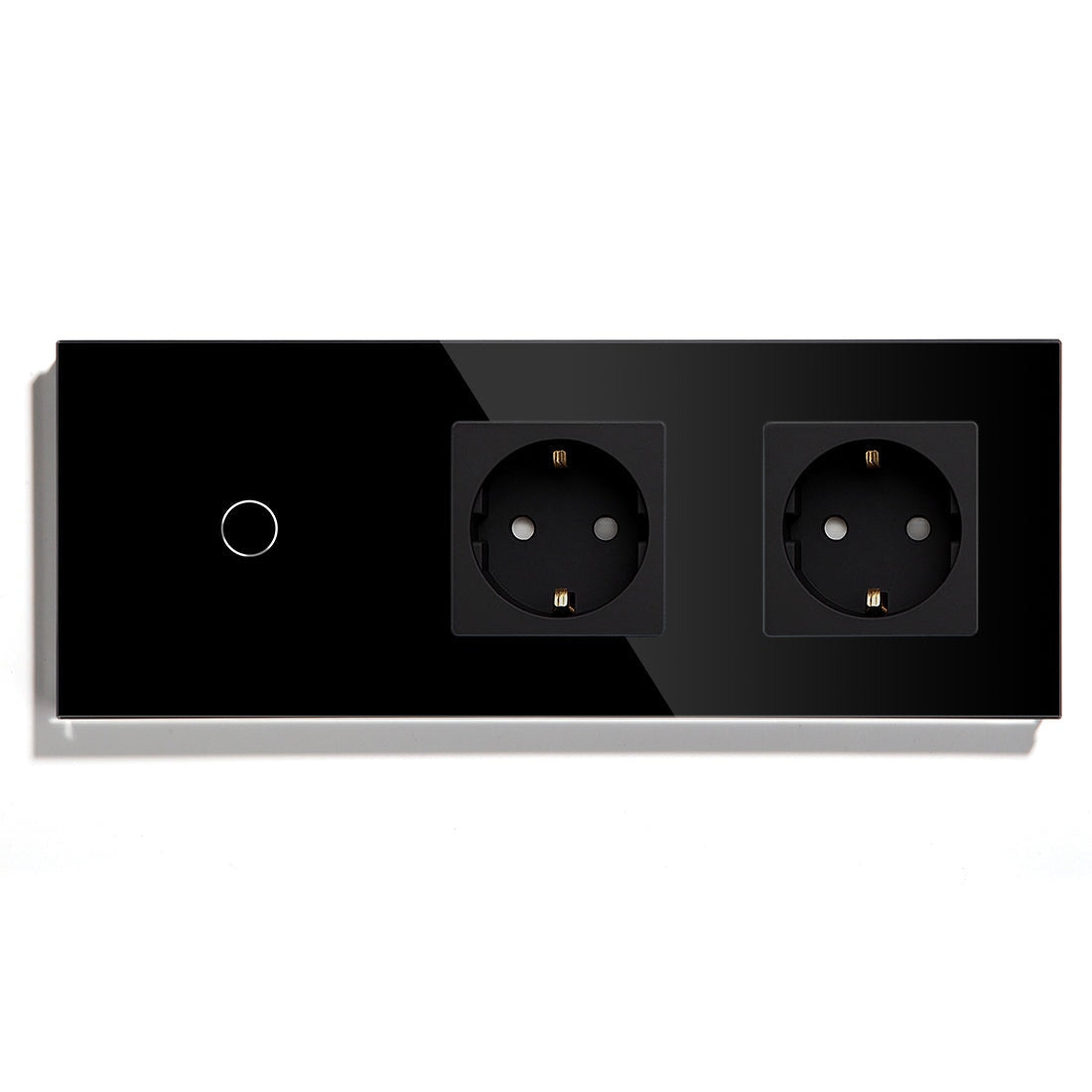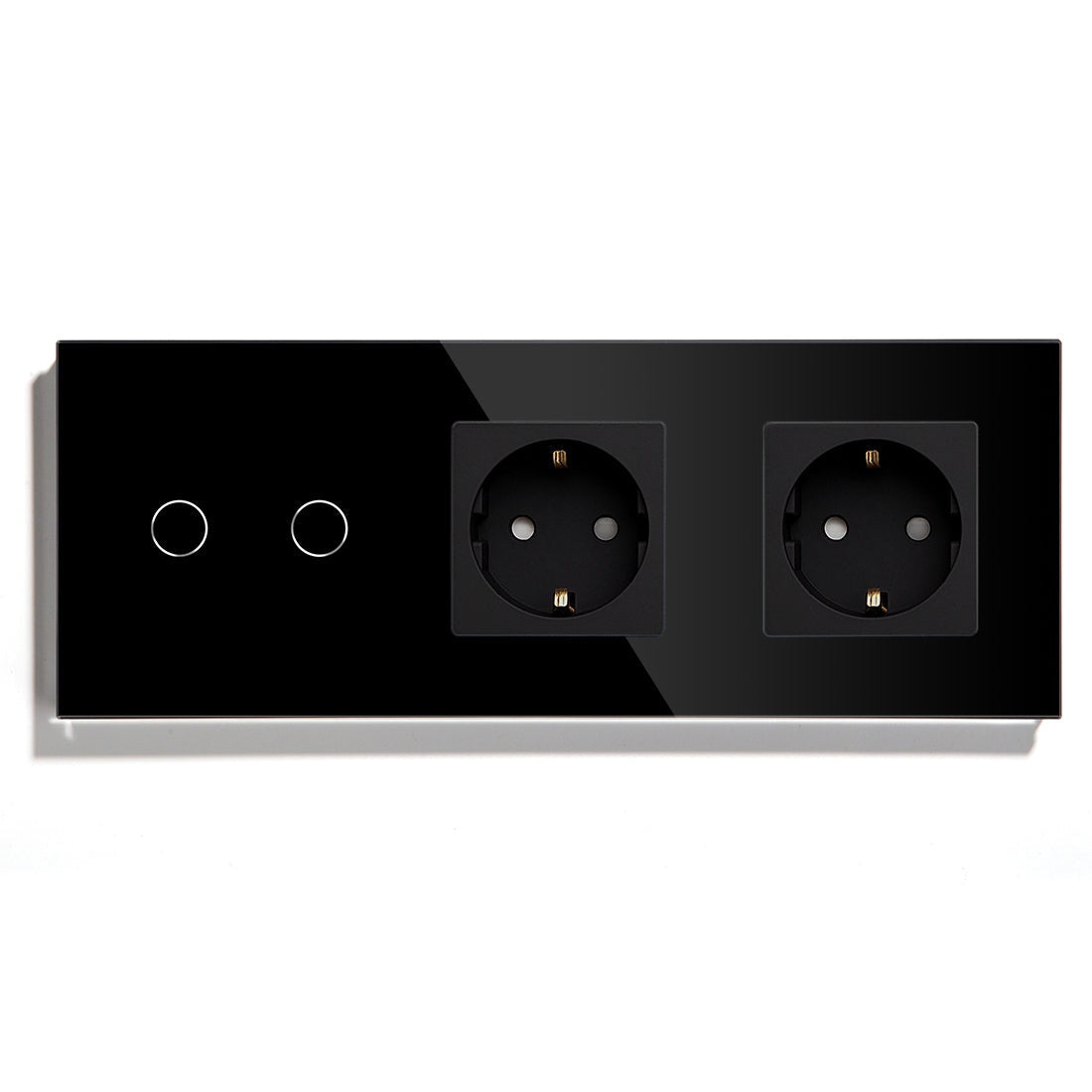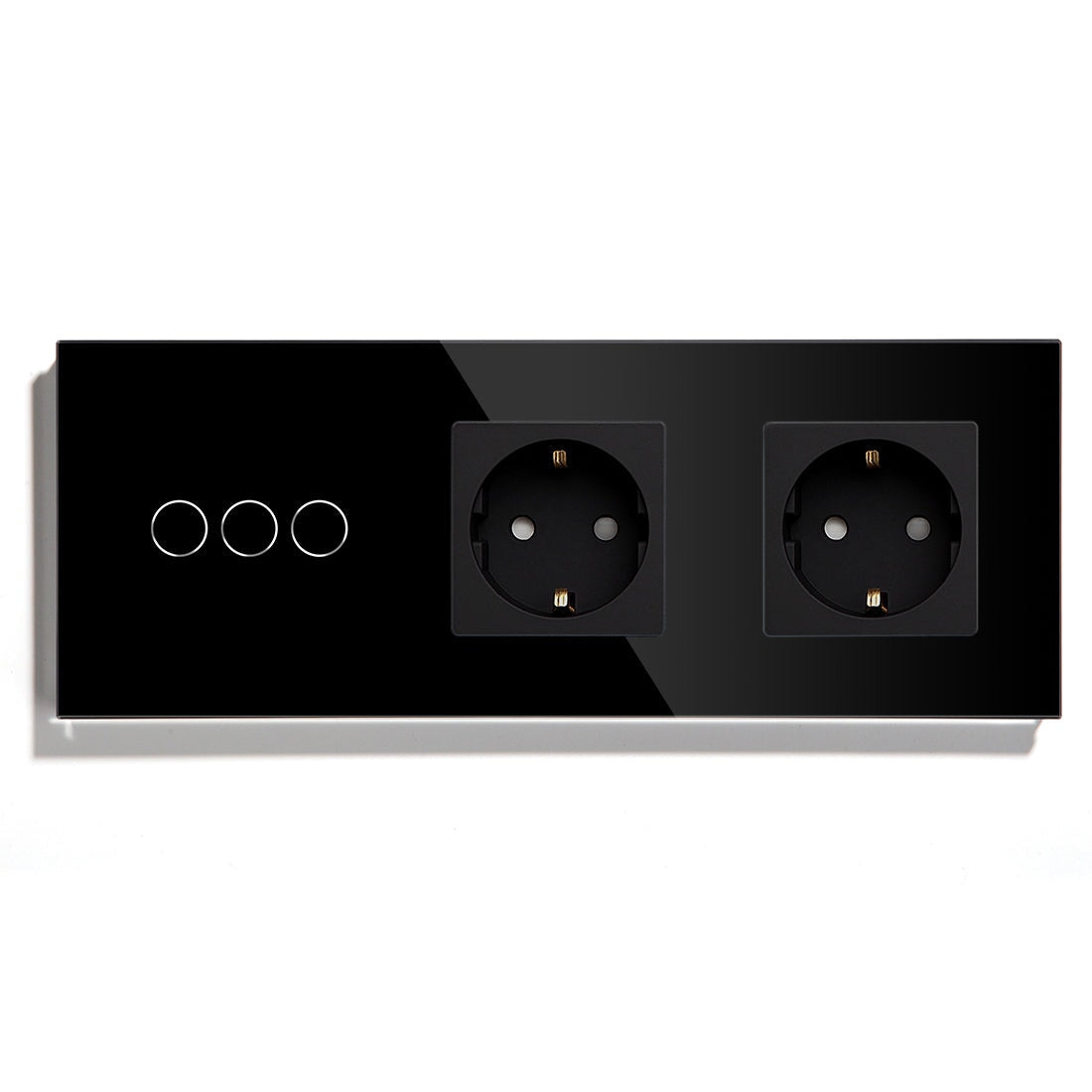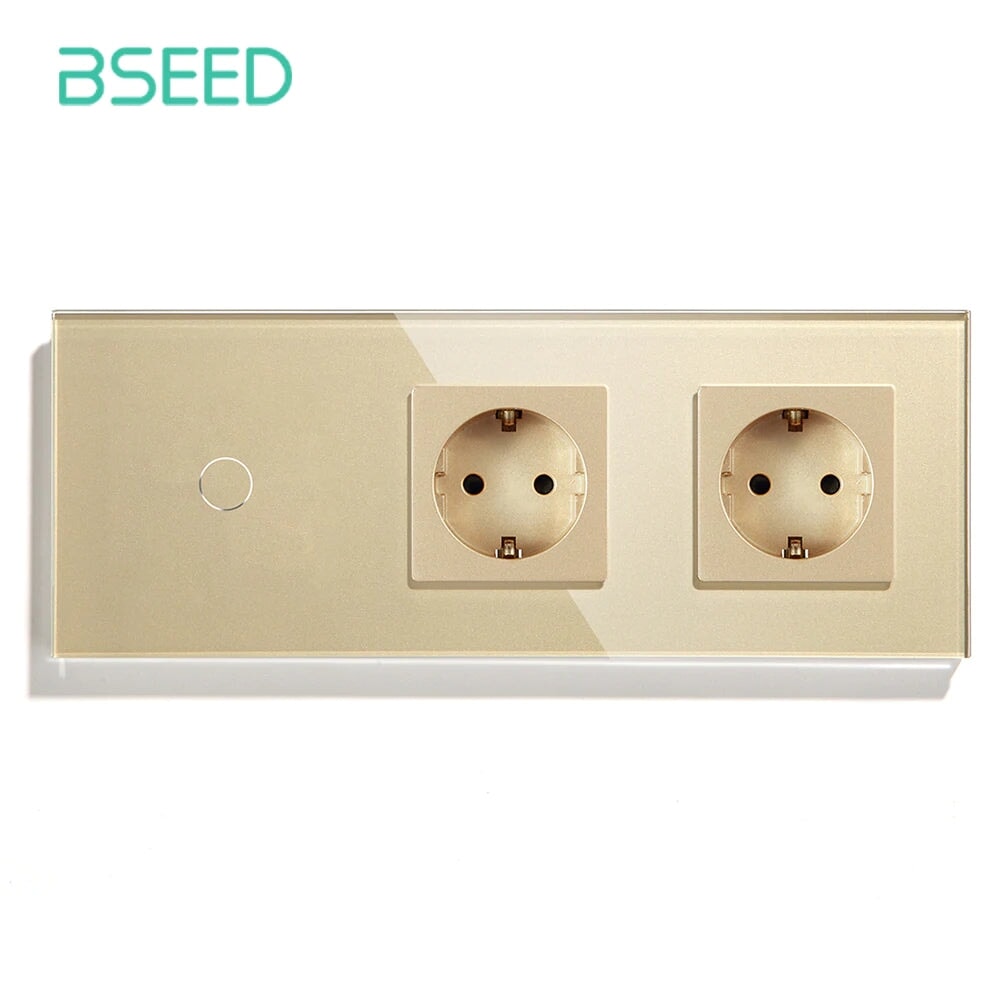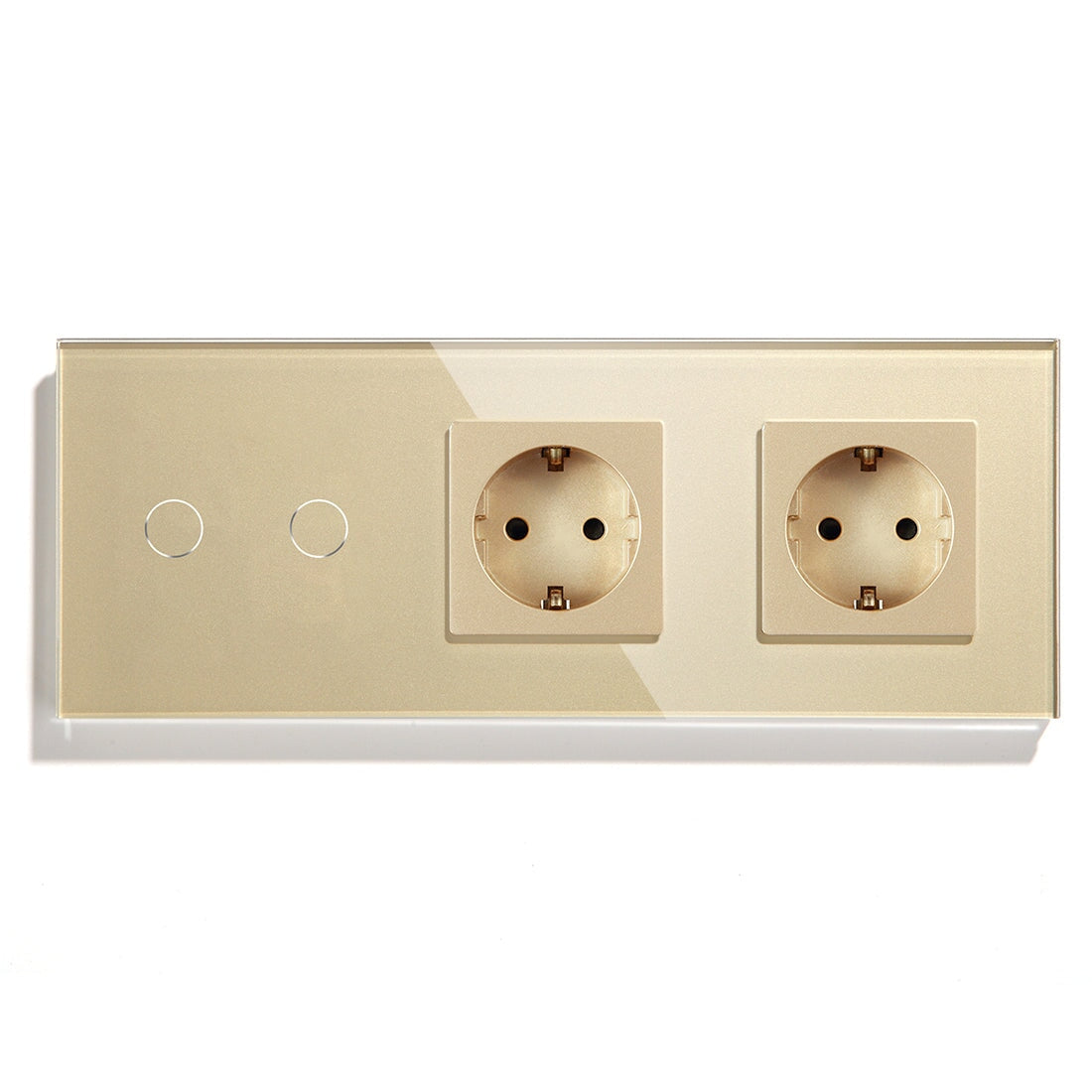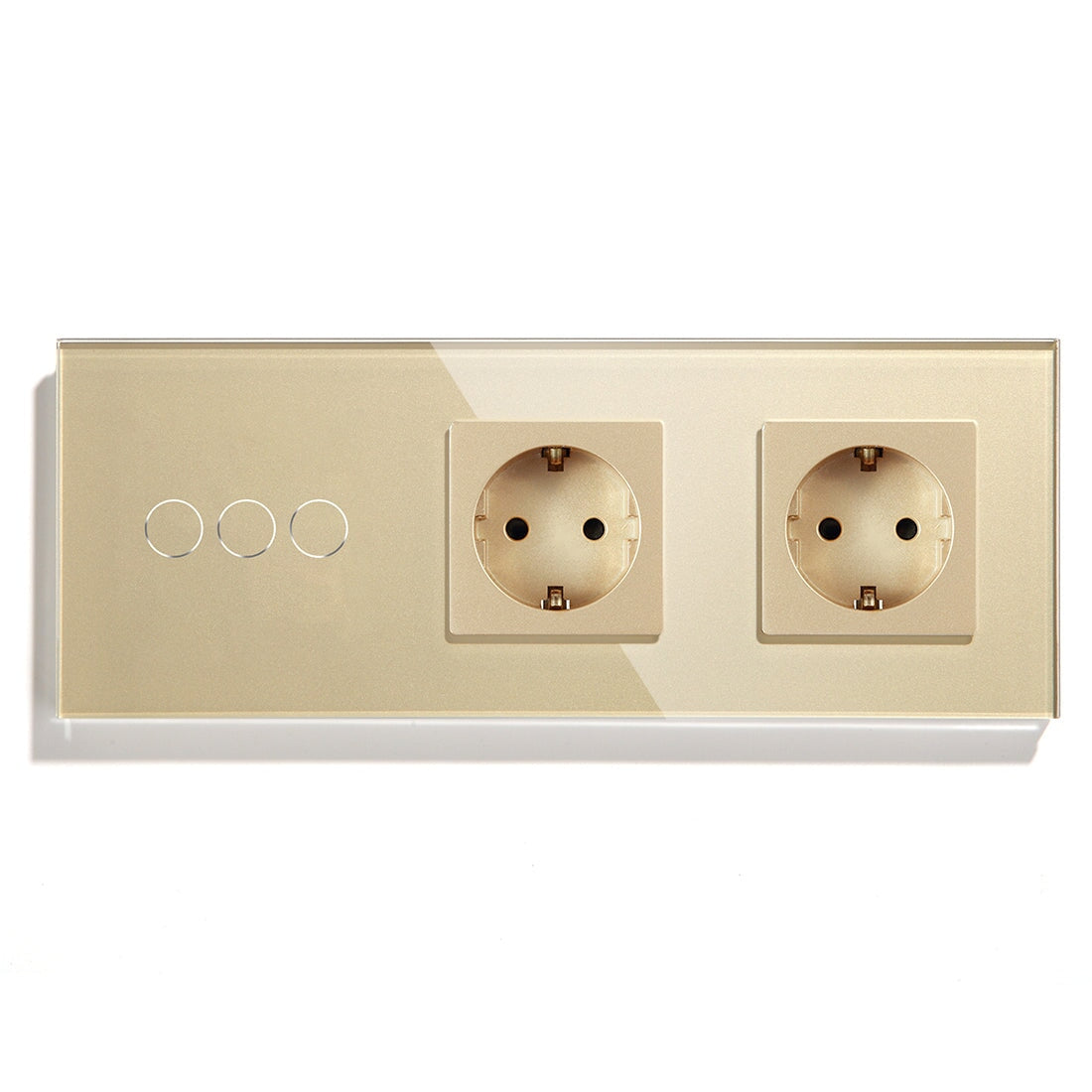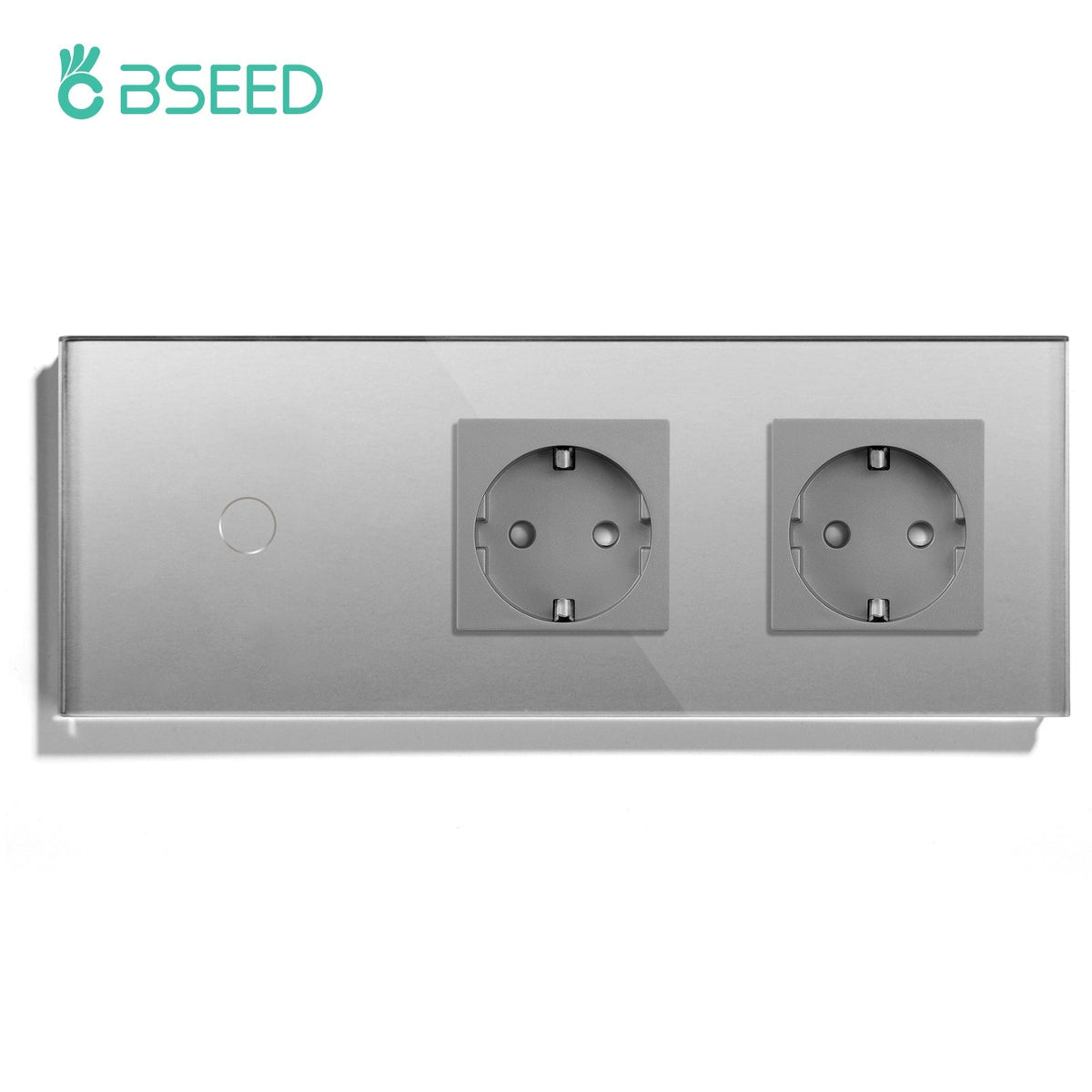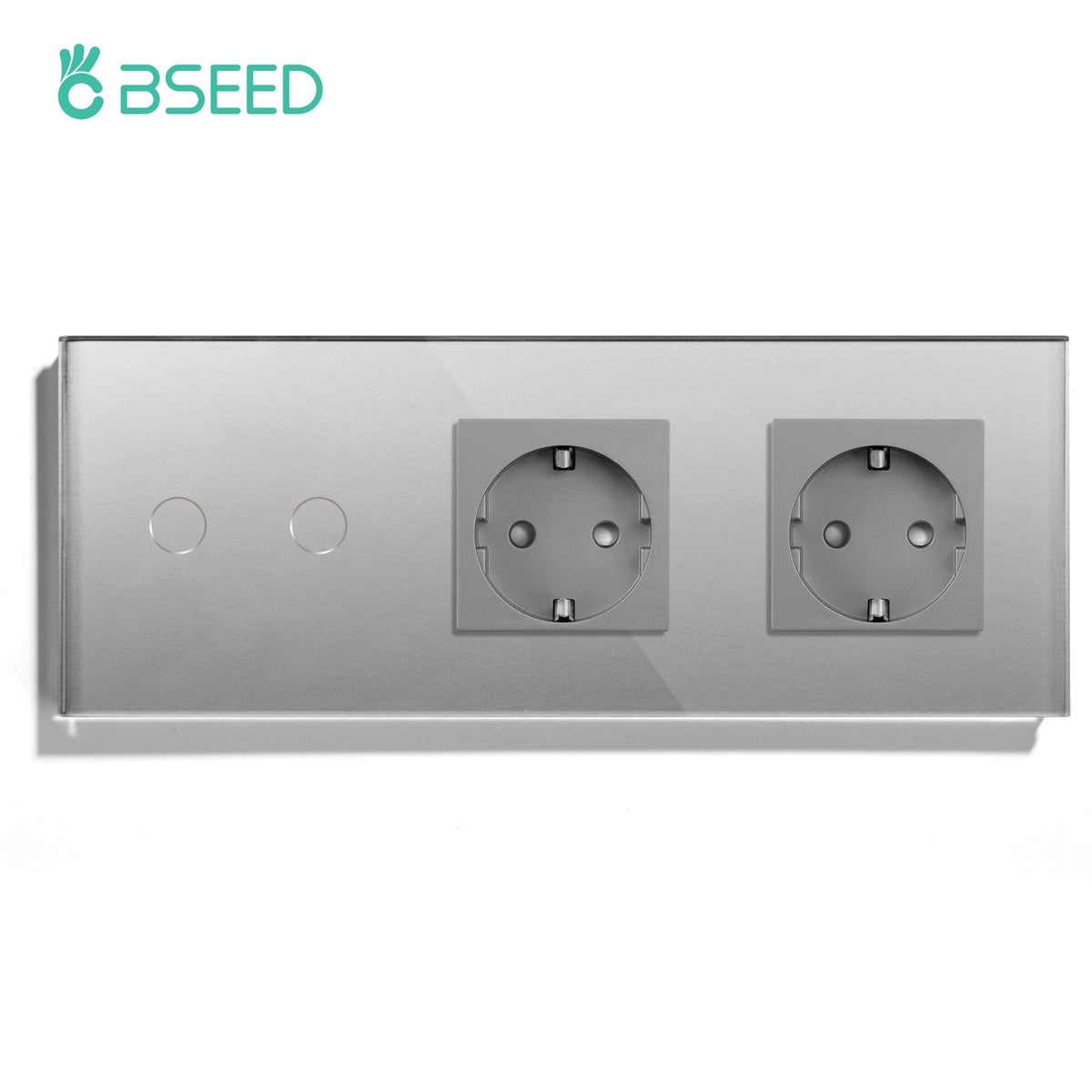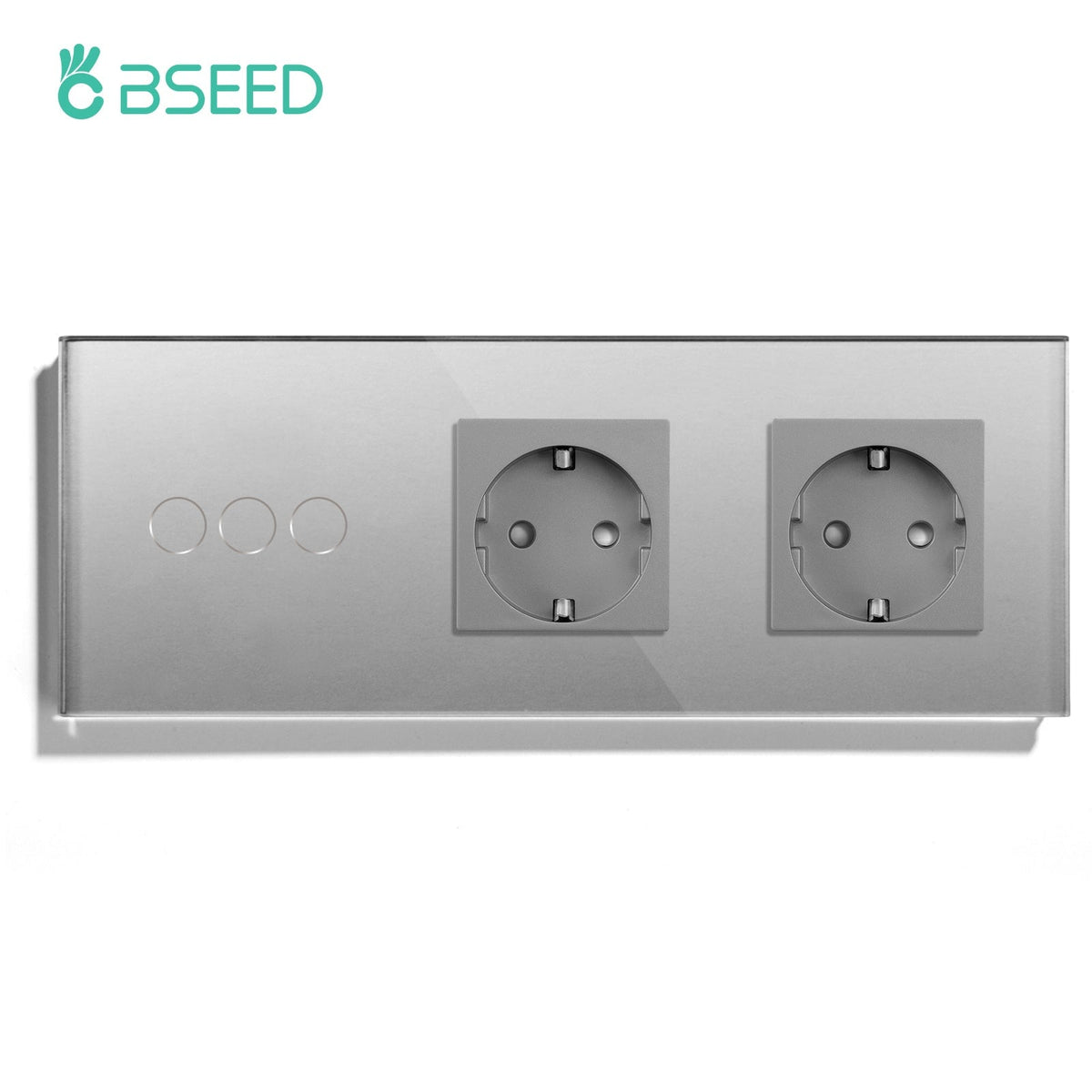
BSEED WiFi Dimmer Switch with Touch Glass Panel
A WiFi dimmer switch with touch glass panel is a good fit when the buyer wants clean wall design, app control, and simple voice integration without building a full Zigbee network. For apartments, small homes, hotel rooms, and light renovation projects, WiFi is often the fastest route. It connects directly to the router and avoids the extra step of adding a hub.
The glass panel is the visible part. LED driver compatibility, wall box depth, neutral wire condition, and WiFi coverage decide whether the customer will be happy after two weeks of daily use. I have seen a nice-looking touch glass smart switch blamed for flickering when the real cause was an LED driver that could not handle low brightness.
Why Touch Glass WiFi Dimmers Sell Well In 2026
Buyers in European smart home projects care about design more than they used to. A white plastic switch may work, but it can look out of place in a renovated apartment. A glass panel smart switch gives the wall a cleaner finish, especially when it matches sockets, curtain switches, and thermostat panels.
WiFi also keeps the buying decision easy. A BSEED WiFi switch is attractive for customers who mainly use Alexa or Google Home and do not want hubs or gateways.
For B2B buyers, the value is not just the panel. BSEED covers WiFi touch light switches, smart sockets, smart thermostats, roller shutter switches, Zigbee switches, Matter switches, and smart control panels, so the wall style can stay consistent across lighting, socket, curtain, and heating control.
What The Dimmer Must Match
A smart dimmer switch has two separate jobs. It has to dim the electrical load, and it has to communicate with the smart home system. Many buyers only check the second part.
For LED lighting, the dimming side is usually where problems begin. A dimmable LED lamp contains a driver. That driver decides whether the light dims smoothly, buzzes, flickers, or drops out below a certain level.
Before choosing a WiFi dimmer switch, check:
1. Whether the LED lamp or LED driver is dimmable.
2. Whether the dimming method matches the switch.
3. The total load and minimum load.
4. Whether the wall box has a neutral wire.
5. The wall box depth and heat condition.
6. The WiFi signal strength at the switch location.
A dimmer rated at 150W may work better than a higher-rated unit if the LED driver match is cleaner. Wattage alone does not prove compatibility.
Where A WiFi Dimmer Switch Works Best
A WiFi dimmer switch with touch glass panel is usually suitable for small and medium projects: apartments, bedrooms, living rooms, short-term rental homes, and renovation jobs where the customer wants a simple app-controlled lighting upgrade.
It is also practical when the system has fewer than 20 smart devices. At that scale, the router usually handles the load without much trouble.
Common use cases include bedroom dimming, living room scene control, hotel-style lighting upgrades, retrofit projects, and smart light switch replacement without adding a hub. For a customer who only wants Alexa or Google Home control, WiFi keeps the buying path short.
Where WiFi Is Not The Best Choice
WiFi dimmers are not the answer for every building. In larger smart homes, Zigbee or Matter may be a better route. A house with 40-60 connected devices can put real pressure on a router.
WiFi is also not ideal where the network is unstable or where local control is the main requirement. Home Assistant users often prefer Zigbee for that reason.
If the project includes many rooms, sensors, smart sockets, thermostats, and roller shutter switches, a BSEED Zigbee switch or BSEED Matter switch may be easier to scale.
Neutral Wire And No-Neutral Options
European homes vary a lot. Some wall boxes have a neutral wire. Many older homes do not.
A neutral-wire WiFi dimmer is usually more stable. It handles low LED loads better, reduces ghosting, and gives smoother low-brightness control.
A WiFi light switch without neutral wire is useful when rewiring would be expensive or messy. The installer still needs to check the LED load and whether a bypass capacitor is required.
This is one small detail that prevents many after-sales complaints. Do not skip it.
Low Brightness Is The Real Test
Customers often ask whether a dimmer can go down to 1%. It sounds good in a comparison, but real LED loads do not always behave that way. Many LED drivers become unstable below 5-10% brightness.
In practical projects, setting the minimum brightness at 10-15% is often a better choice. The customer sees stable lighting, and the installer gets fewer callbacks.
Heat is another issue. A touch glass dimmer inside a wall box has limited airflow. For long-term reliability, it is common practice not to load dimmers beyond 70-80% of their rated capacity.
Buying Rule For B2B Buyers
Use this simple rule before ordering:
1. Choose WiFi when the project is small and the buyer wants easy app or voice control.
2. Choose a glass panel model when the switch must match a modern interior.
3. Choose a neutral-wire dimmer when stability matters most.
4. Choose a no-neutral model only after checking the LED load.
5. Choose Zigbee for larger multi-room systems.
6. Choose Matter when cross-platform compatibility is the main selling point.
For commercial lighting, large transformers, motors, fans, or special control circuits, do not force a residential smart dimmer into the job.
How BSEED Fits This Type Of Project
BSEED's product range is useful because smart lighting rarely stays alone. A buyer may start with a WiFi touch light switch, then add a smart socket, a touch screen smart thermostat, or a smart curtain switch later.
That is where wall design and protocol planning come together. A WiFi dimmer switch with touch glass panel can be a clean, practical starting point for small projects. For larger homes, it should be selected as part of the whole system, not as a single attractive switch on a product page.