BSEED Smart Wall Switch Compatible with Modern Smart Homes
Choosing a smart wall switch for a modern smart home is about more than connecting a light to an app. For European homeowners, compatibility, wiring, installation, smart home platforms and design all need to work together.
A good smart wall switch should keep everyday wall control simple while adding options such as app control, voice commands, schedules and smart home scenes. This makes it a practical alternative to relying entirely on smart bulbs, especially during home renovations or when upgrading several rooms.
What Makes a Smart Wall Switch Suitable for a Modern Home?
A smart home does not need to be complicated. In most homes, the wall switch is still the most natural way to control lighting.
A guest should be able to walk into a room and turn the light on without opening an app or knowing how the smart home system works. App and voice control can then provide additional options for remote control, automation and daily routines.
For bedrooms, living rooms, kitchens, hallways and bathrooms, a smart wall switch can provide this balance between traditional control and smart functionality.
This is particularly useful during renovations. Different rooms may be upgraded at different times, so using consistent wall controls can make it easier to expand a smart home gradually.
Check Wiring Before Choosing a Smart Switch
One of the most important questions when buying a smart light switch in Europe is whether the existing wiring is compatible.
Before choosing a switch, check:
- Whether a neutral wire is available
- The number of gangs and lighting circuits
- The type and electrical load of the lights
- The depth and size of the wall box
- Whether dimming is required
- Whether the switch supports the intended lighting system
- Whether the smart home will use WiFi, Zigbee, Matter or a combination
This is especially important in older European homes, where wiring and wall boxes can vary between properties.
For renovation projects without a neutral wire at the switch position, a no-neutral smart switch may provide a practical solution. However, compatibility still depends on the lighting load, lamp type and installation conditions, so the product specifications should always be checked before installation.
WiFi vs Zigbee vs Matter: Which Smart Switch Should You Choose?
The right smart switch protocol depends on the size and future plans of your smart home.
WiFi Smart Wall Switch
A WiFi smart switch can be a straightforward choice for smaller homes and apartments. It can connect directly to the home's WiFi network and is suitable when only a limited number of smart switches or sockets are required.
For a simple smart lighting upgrade, WiFi can reduce the need for additional hubs or gateways.
Zigbee Smart Wall Switch
A Zigbee smart switch is worth considering when you plan to build a larger multi-room smart home.
Zigbee devices can work together as part of a mesh network, making the technology suitable for homes with multiple smart switches, sockets, sensors, thermostats and curtain controls.
For larger renovations or smart homes with many connected devices, planning the Zigbee network from the beginning can make future expansion easier.
Matter Smart Wall Switch
Matter smart switches are designed to improve compatibility across major smart home ecosystems.
Depending on the product and setup, Matter can work with platforms such as Amazon Alexa, Google Home, Apple Home and Home Assistant. This can be useful for homeowners who want more flexibility when choosing or changing their smart home platform.
Instead of choosing a switch only for today's setup, consider which ecosystem you may use as your smart home grows.
Smart Home Compatibility Is More Than Voice Control
When searching for a smart switch compatible with Alexa or Google Home, it is easy to focus only on voice commands. However, true compatibility involves several layers.
Check whether the switch supports:
- Your preferred smart home platform
- The required app
- Voice assistants
- Automation and scheduling
- Smart scenes
- Remote control
- Local or hub-based control where required
- The electrical installation in your home
For example, a homeowner may use the wall switch for everyday lighting, an app for remote control, a voice assistant for hands-free operation and automated scenes for evening routines.
The best setup is not necessarily the one with the most features. It is the one that gives the household simple control in the situations that matter.
Smart Wall Switches and Home Assistant
For advanced smart home users, Home Assistant compatibility can also be an important consideration.
Home Assistant is often used by homeowners who want to combine devices from different brands and create more customised automations. Zigbee and Matter can be particularly relevant in these setups, depending on the chosen coordinator, hub and device compatibility.
If Home Assistant is part of your long-term smart home plan, check compatibility before purchasing rather than assuming that every Zigbee, WiFi or Matter switch will work in the same way.
Design Matters in Modern European Interiors
A smart home should look as good as it works.

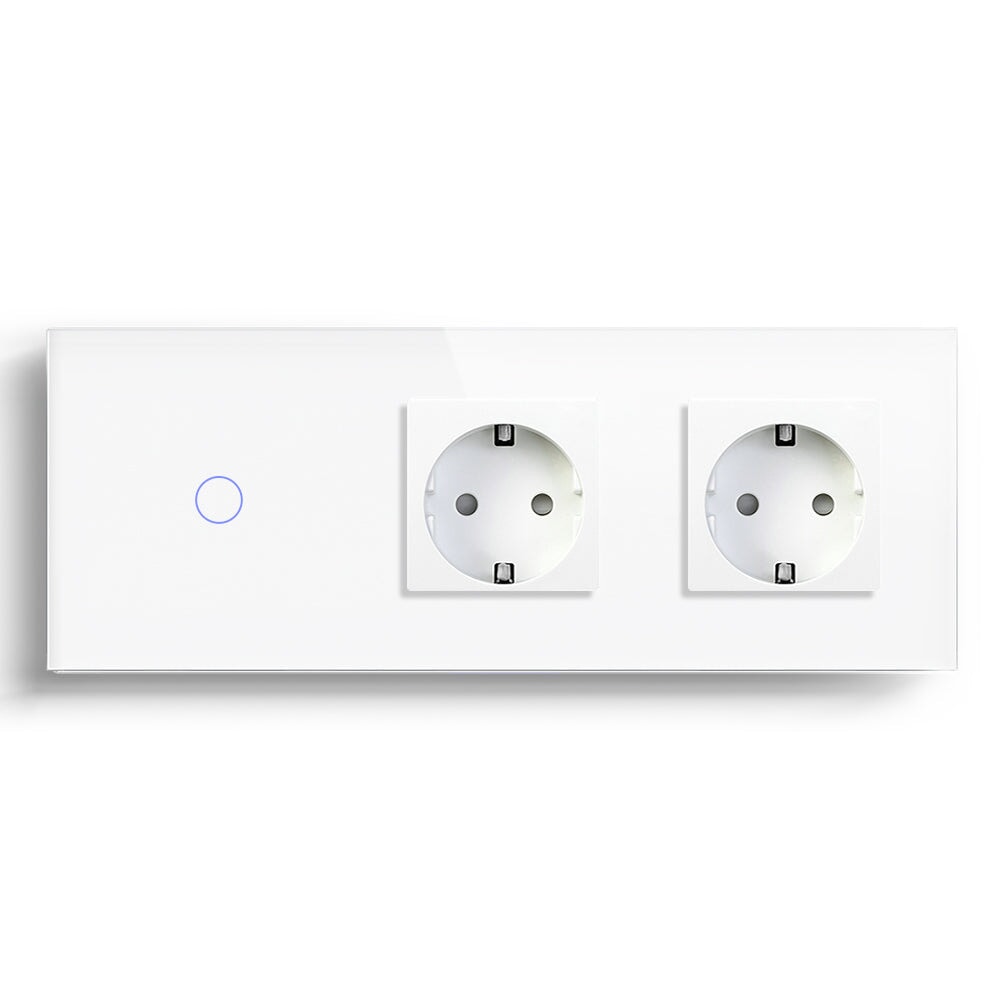
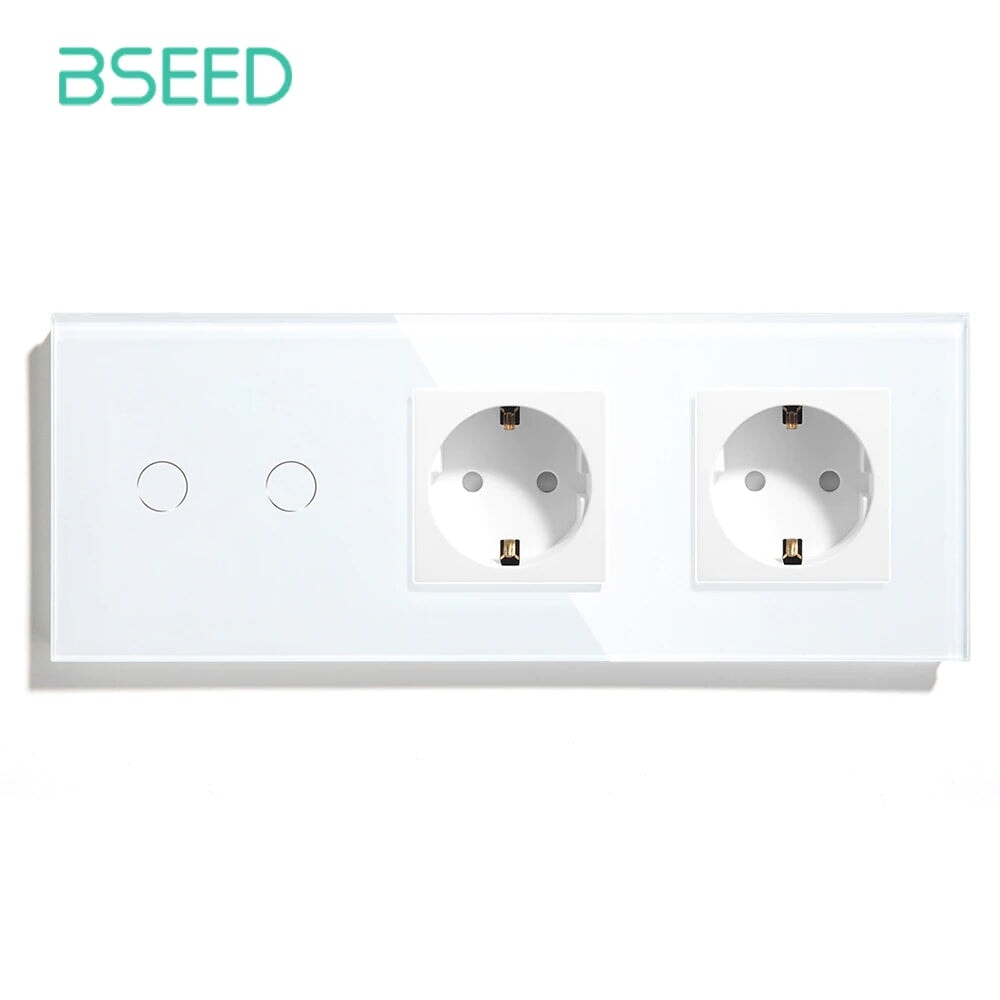
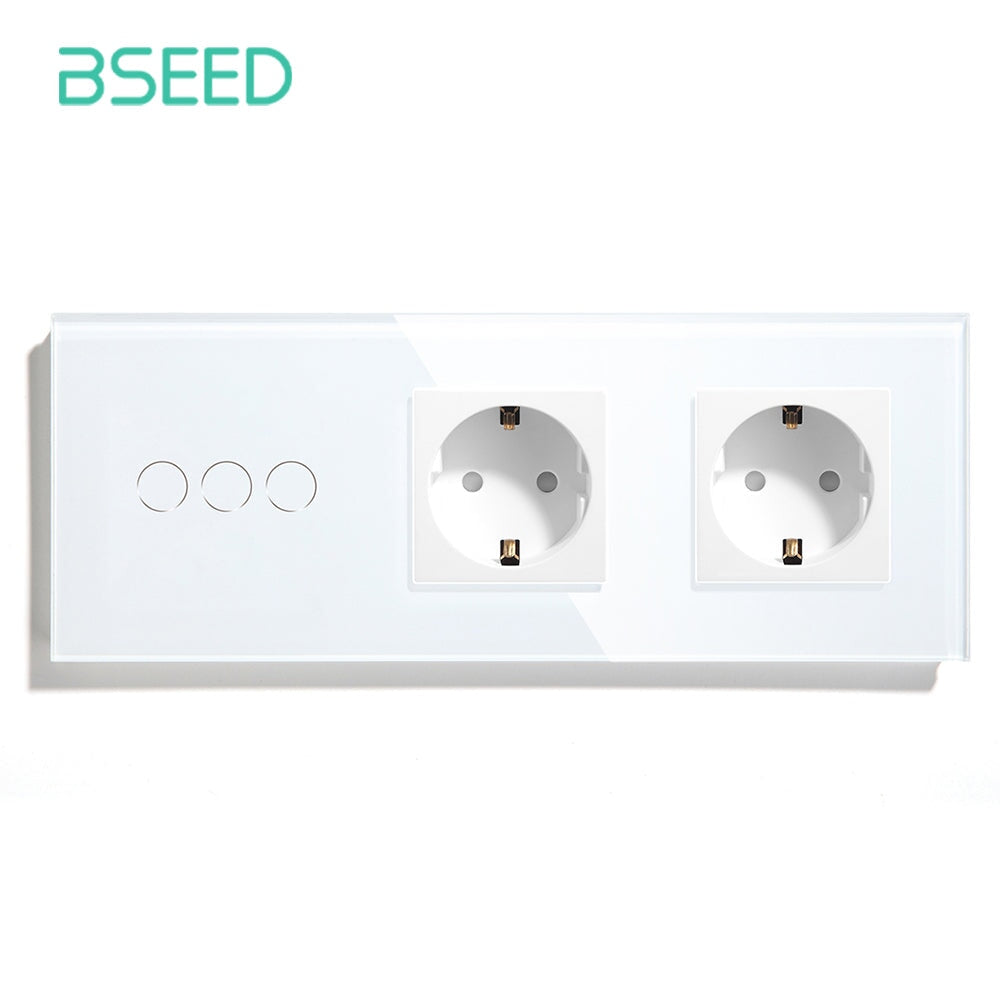
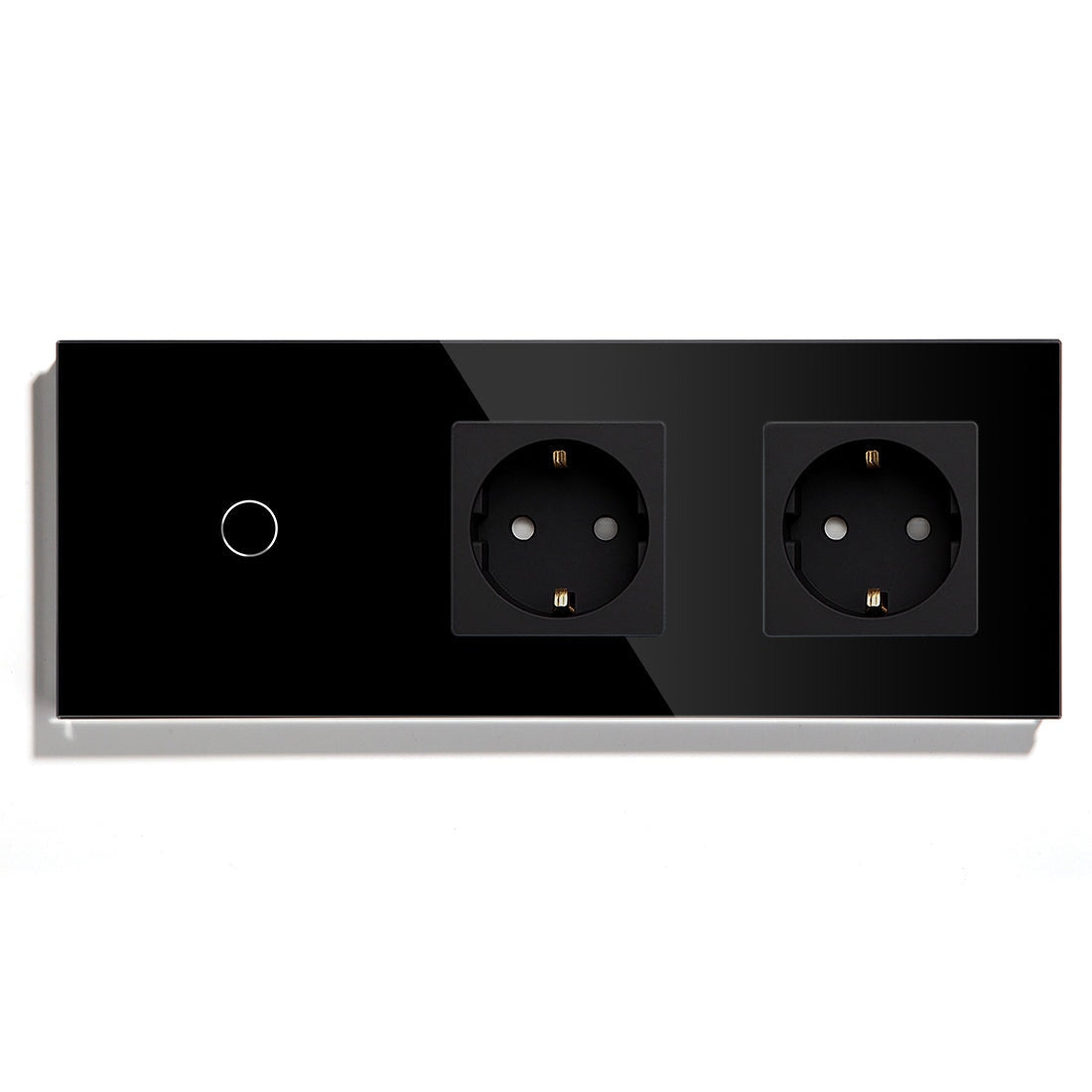
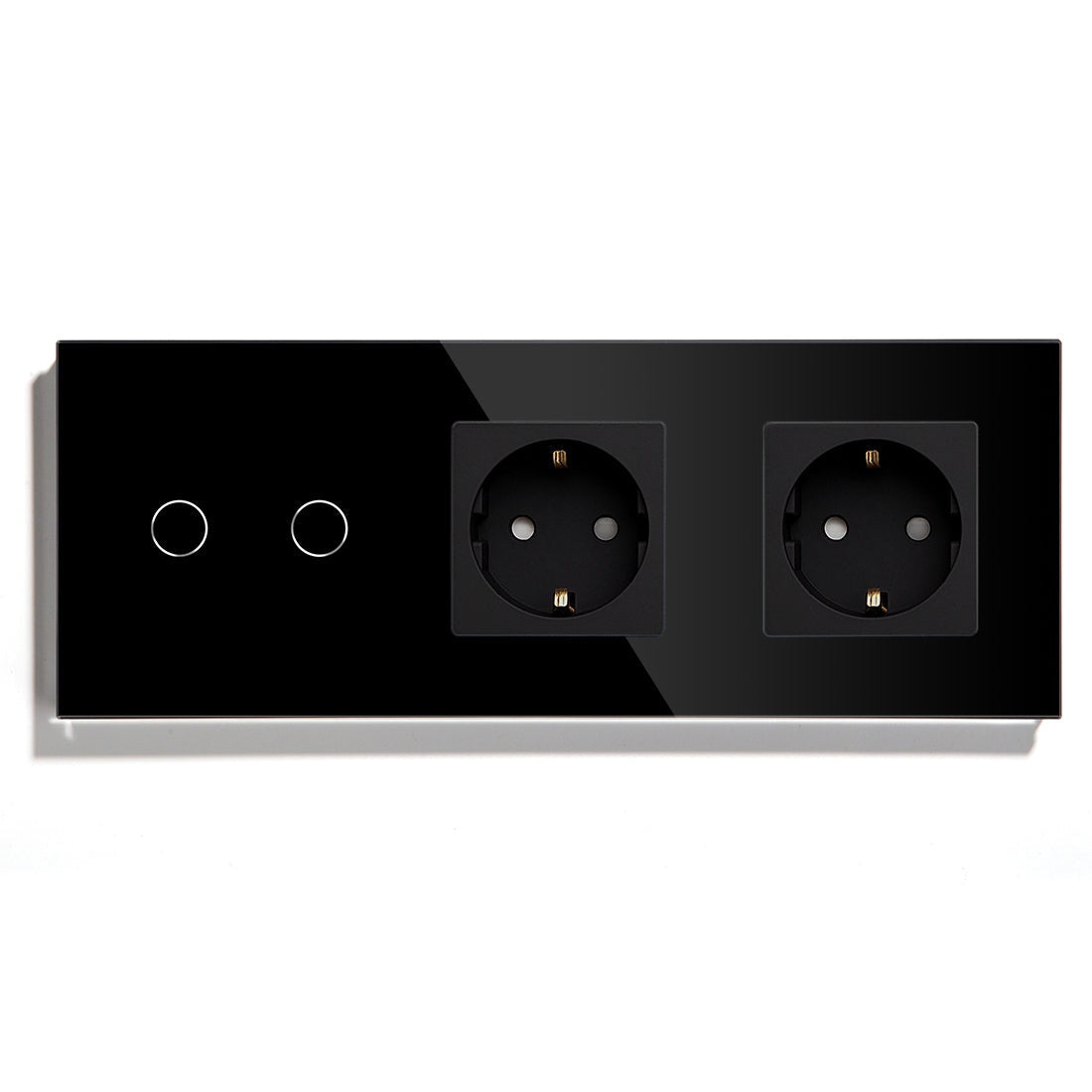
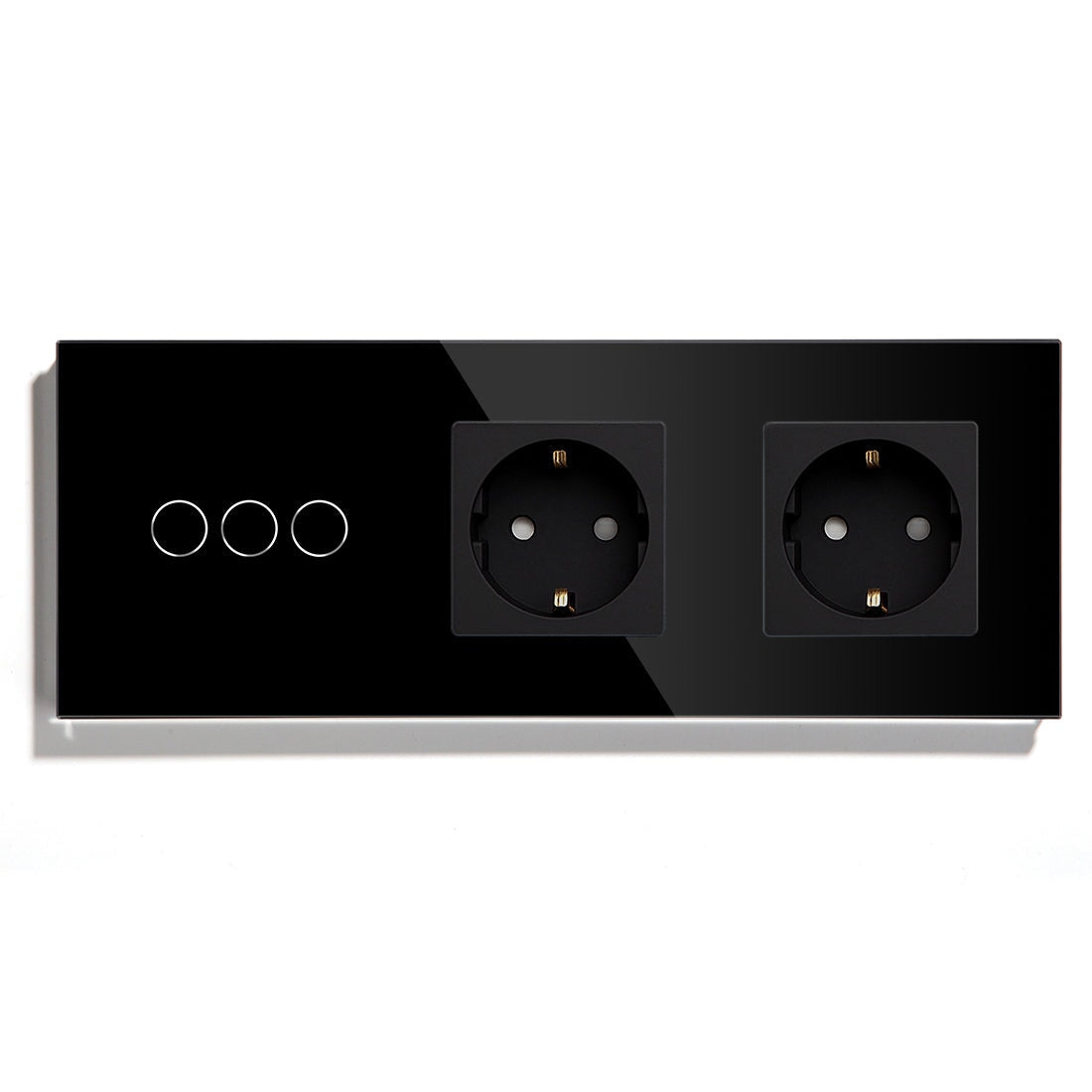
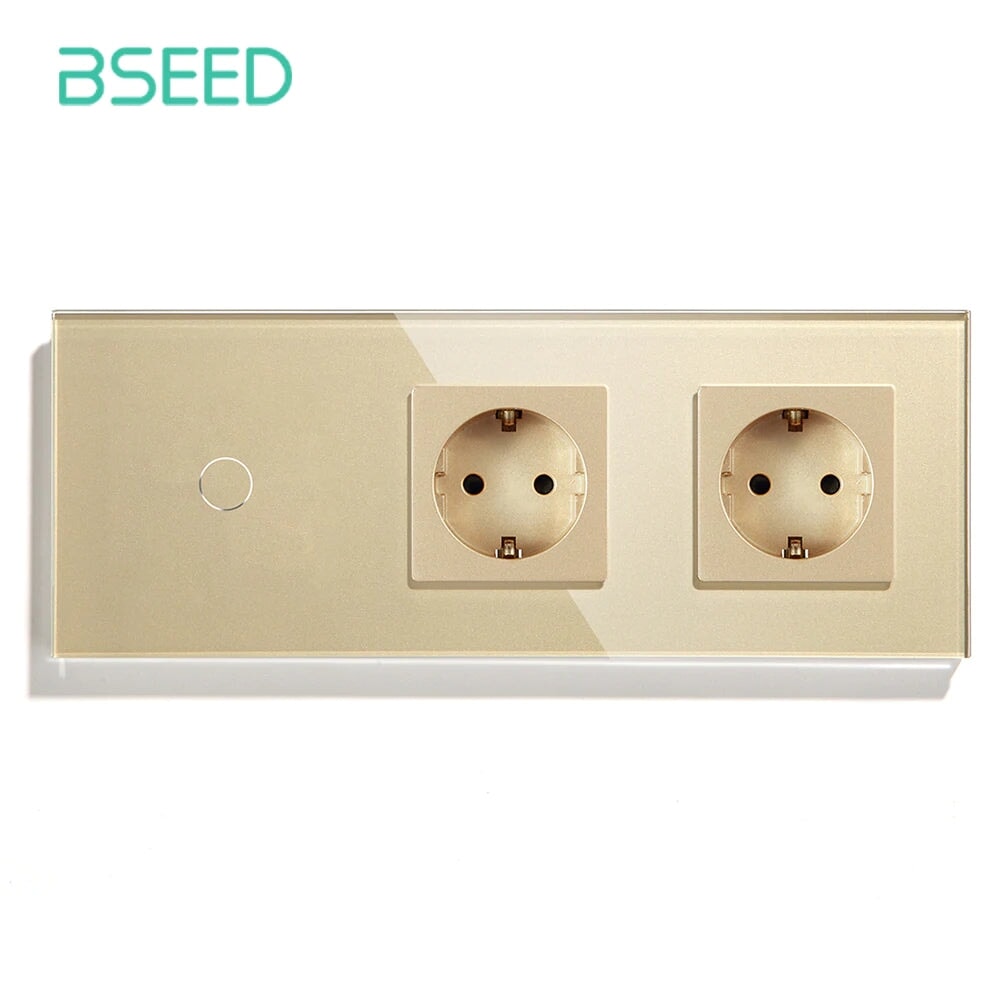
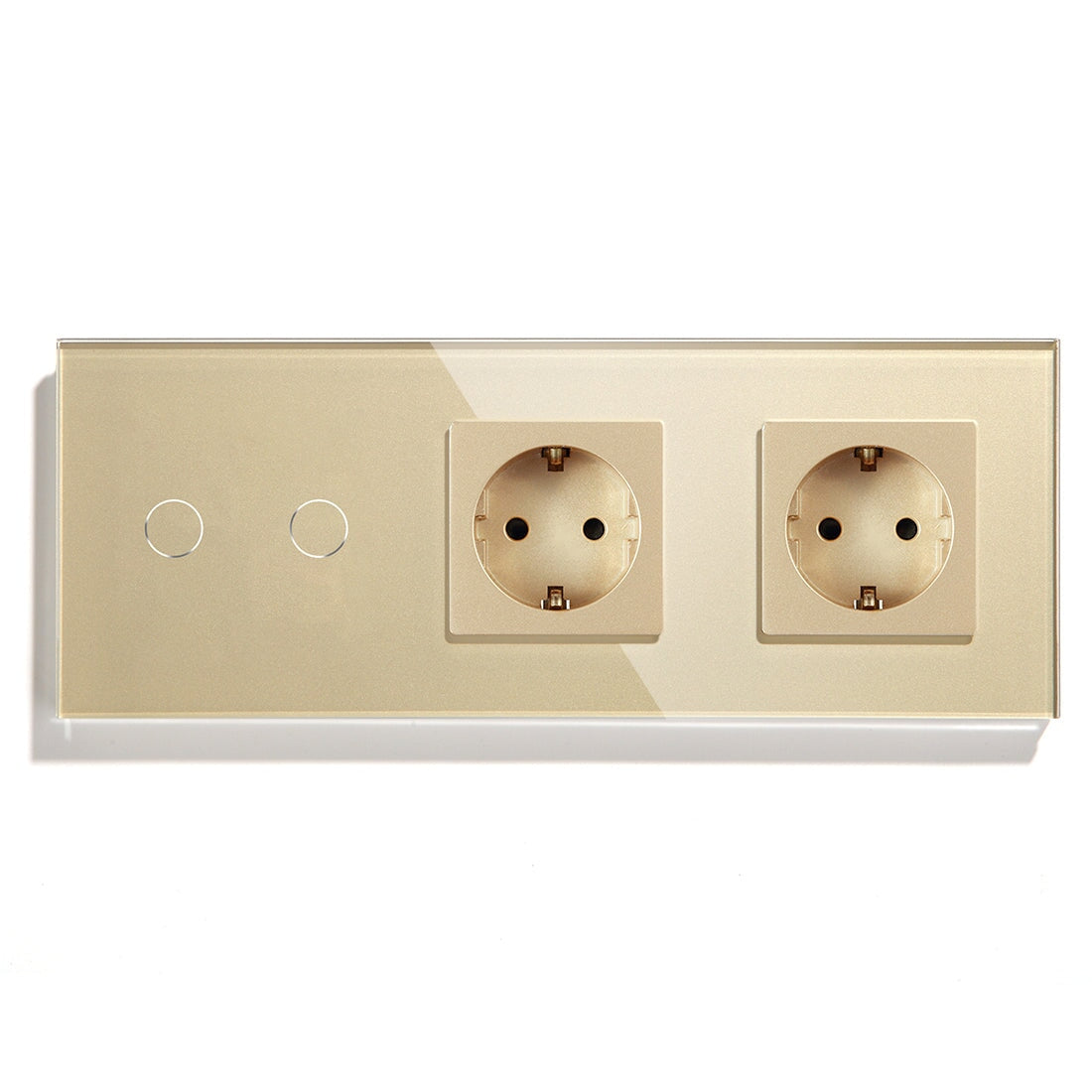
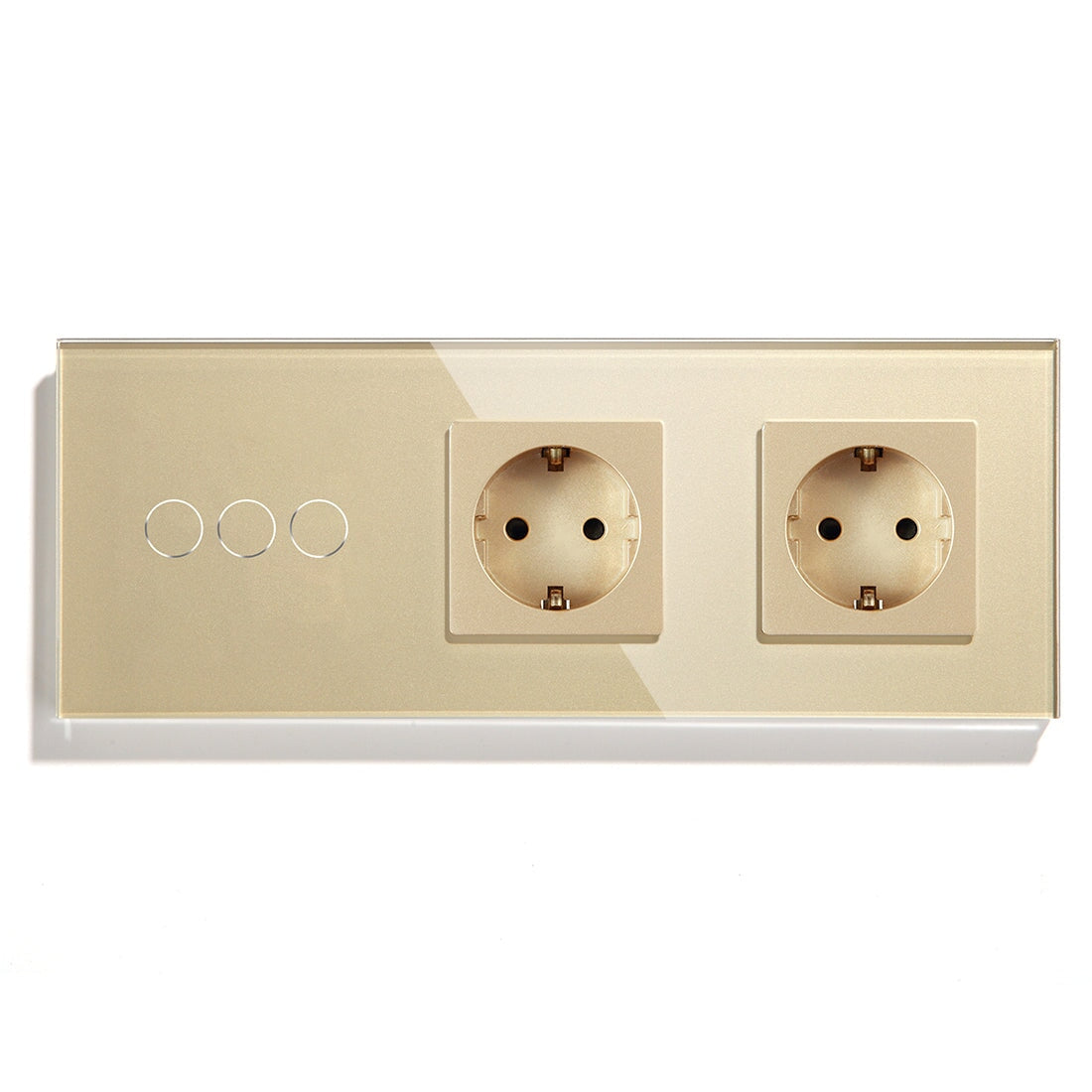
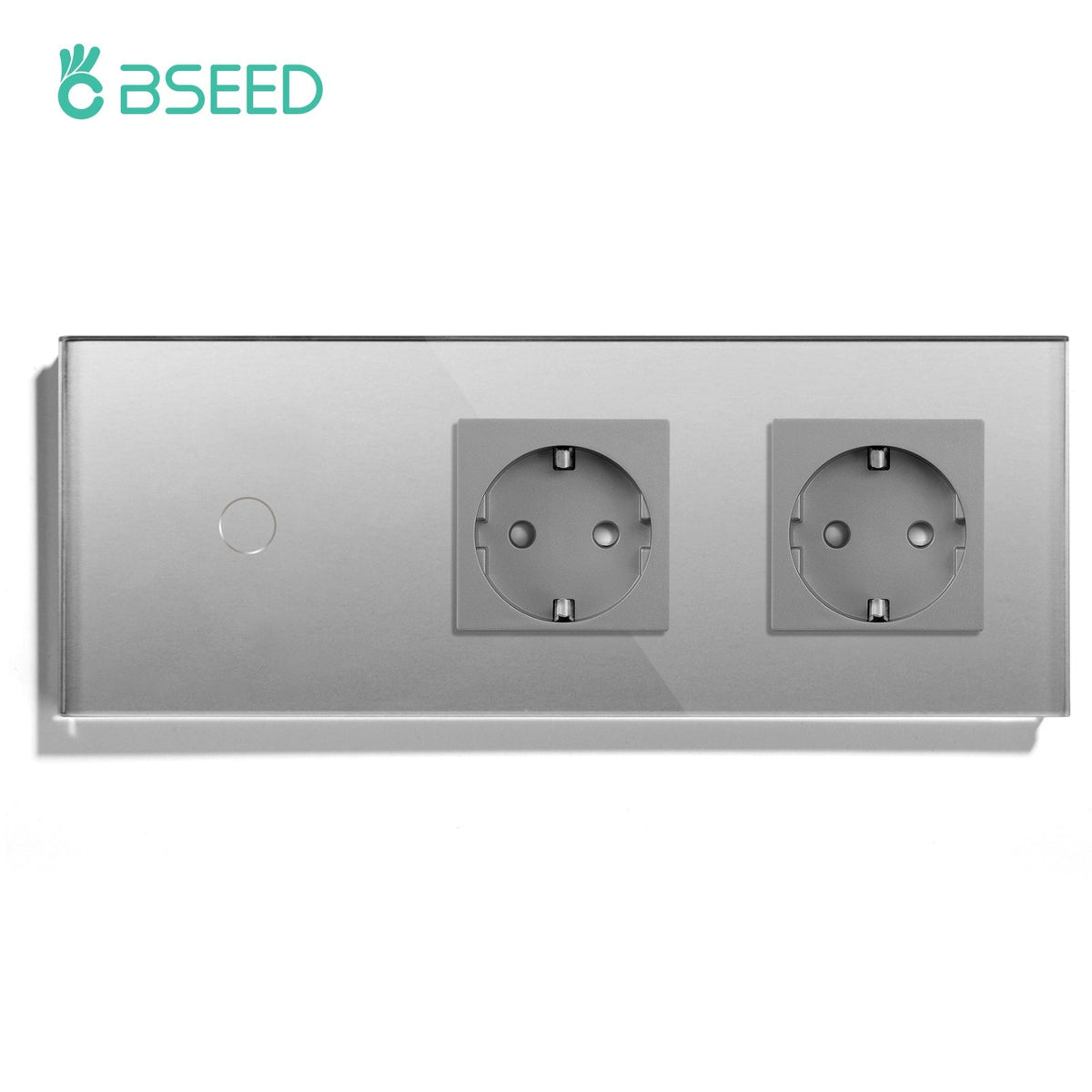
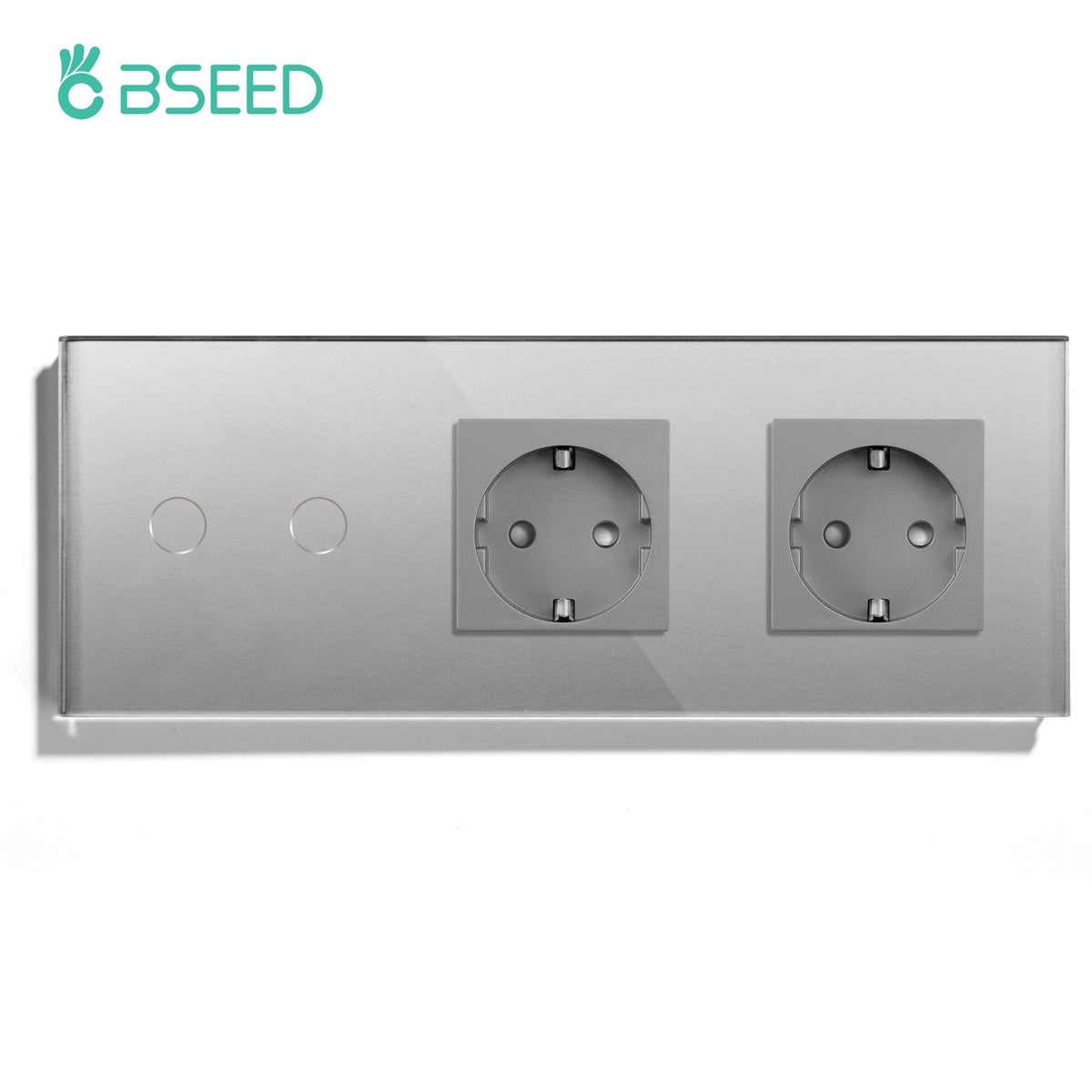
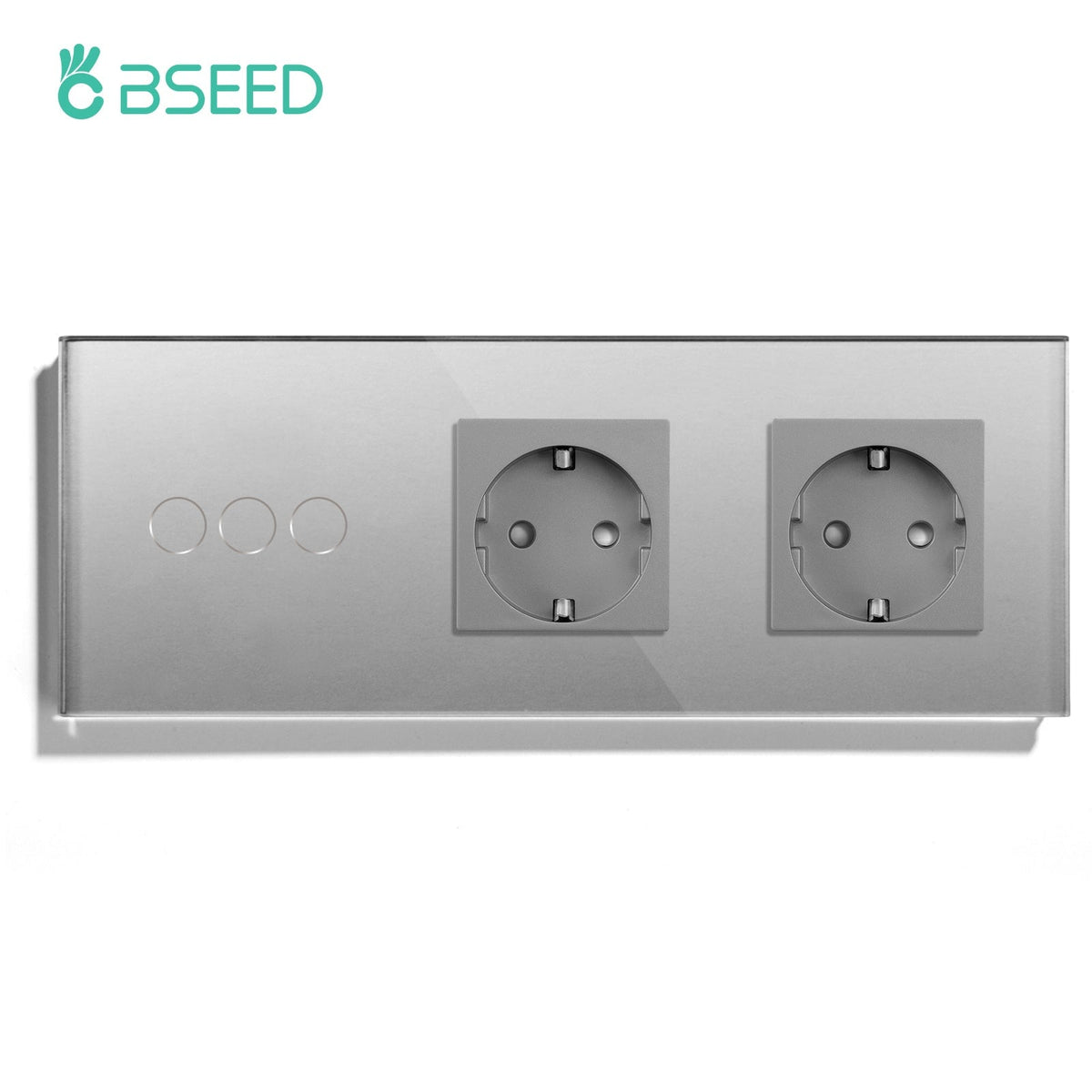
For modern apartments, renovated houses and contemporary interiors, the wall switch is part of the overall room design. A glass touch light switch or modern touch panel can complement other wall-mounted products such as smart sockets, thermostats and curtain switches.
Colour, finish, switch layout and gang configuration should also be considered.
Using products from a coordinated range can help create a consistent appearance across different rooms. This is particularly useful when upgrading several control points during a renovation.
How to Use Voice Control Effectively
If your smart wall switch works with Alexa or Google Home, device naming can make a noticeable difference.
Names such as:
- Living Room Main Light
- Bedroom Ceiling Light
- Kitchen Pendant
- Hallway Light
are easier to understand than technical names such as "Switch 3" or "Device 08".
Keep room names and device names consistent throughout the home. This makes voice commands easier for everyone in the household, including guests and children.
Voice control should also complement physical wall control rather than replace it. A well-designed smart home gives users several ways to control the same device depending on the situation.
When a Smart Wall Switch May Not Be the Right Choice
A smart wall switch is not suitable for every property.
Rental properties may restrict electrical modifications, while older homes may have shallow wall boxes or wiring that requires additional checking. Some lighting systems may also have specific load or compatibility requirement.
In these situations, smart bulbs or plug-in smart devices can provide an alternative without replacing the existing wall switch.
For homeowners carrying out renovations or upgrading their own property, however, a smart wall switch can provide a cleaner long-term solution because normal wall control remains available while smart functions are added.
How to Choose a Smart Wall Switch
Before buying a smart wall switch, follow these steps:
- Check the wiring, including whether a neutral wire is available.
- Measure the wall box and confirm that the switch will fit.
- Check the lighting load and whether dimming is required.
- Choose WiFi, Zigbee or Matter based on your current and future smart home setup.
- Check compatibility with Alexa, Google Home, Apple Home or Home Assistant if required.
- Consider app, automation and remote-control features.
- Choose a design that matches nearby sockets, thermostats and other wall controls.
- Plan device names and room layouts before setting up voice control.
This approach helps you choose a smart switch based on the actual requirements of your home rather than simply choosing the product with the longest feature list.
BSEED Smart Wall Switches for Modern Smart Homes
BSEED smart wall switches are designed to combine familiar wall control with modern smart home functions.
Depending on the product series, homeowners can choose from WiFi, Zigbee and Matter smart switches, including options designed for different wiring requirements. The wider BSEED range also includes smart sockets, dimmer switches, thermostats, curtain switches and roller shutter controls.
This makes it possible to build a more consistent smart home system across different rooms while keeping the wall design coordinated.
A smart wall switch should make everyday life simpler, not more complicated. The light should work from the wall, smart control should be available when needed, and the design should feel like a natural part of the home.
That is the real purpose of a modern smart wall switch: simple everyday control with smart functionality when you need it.