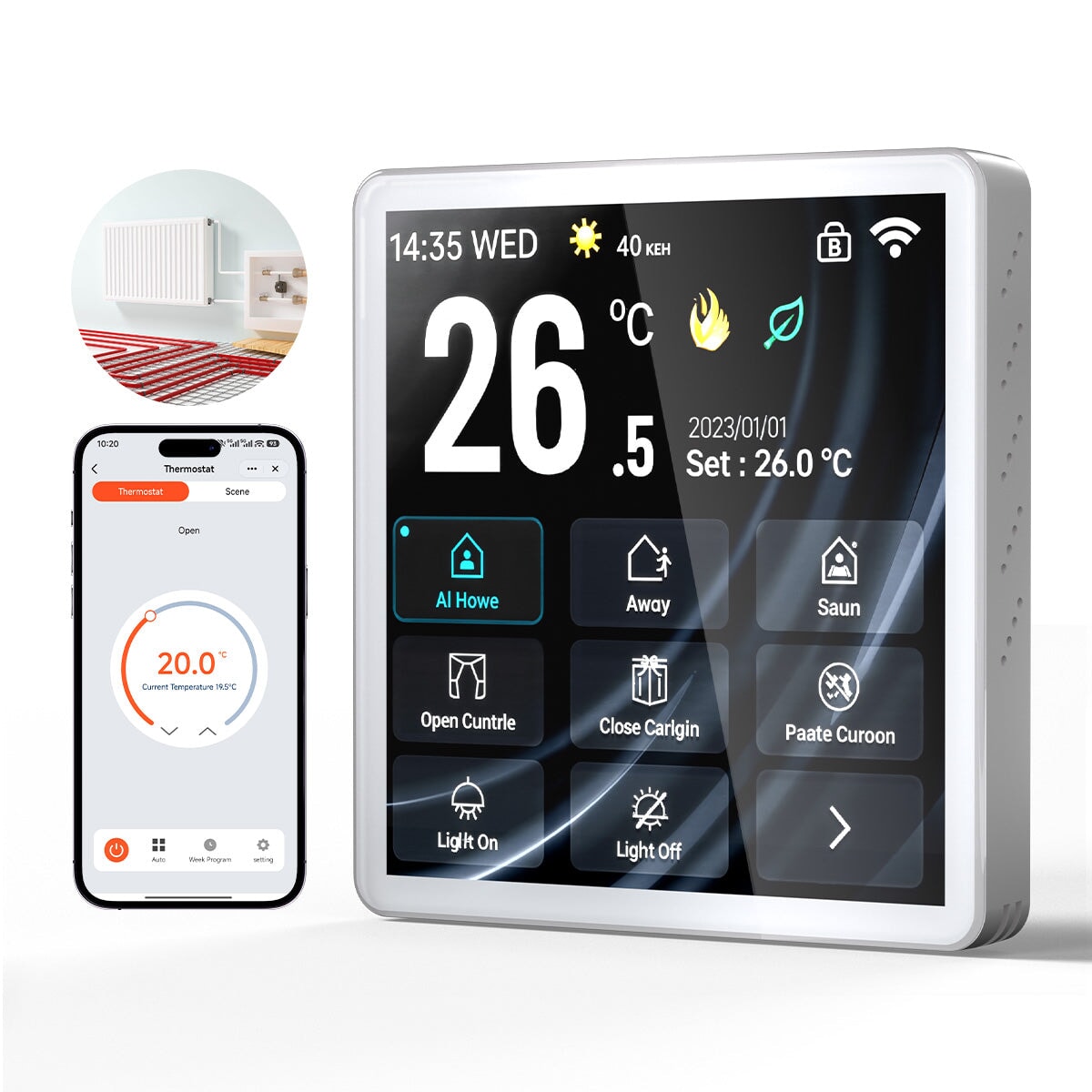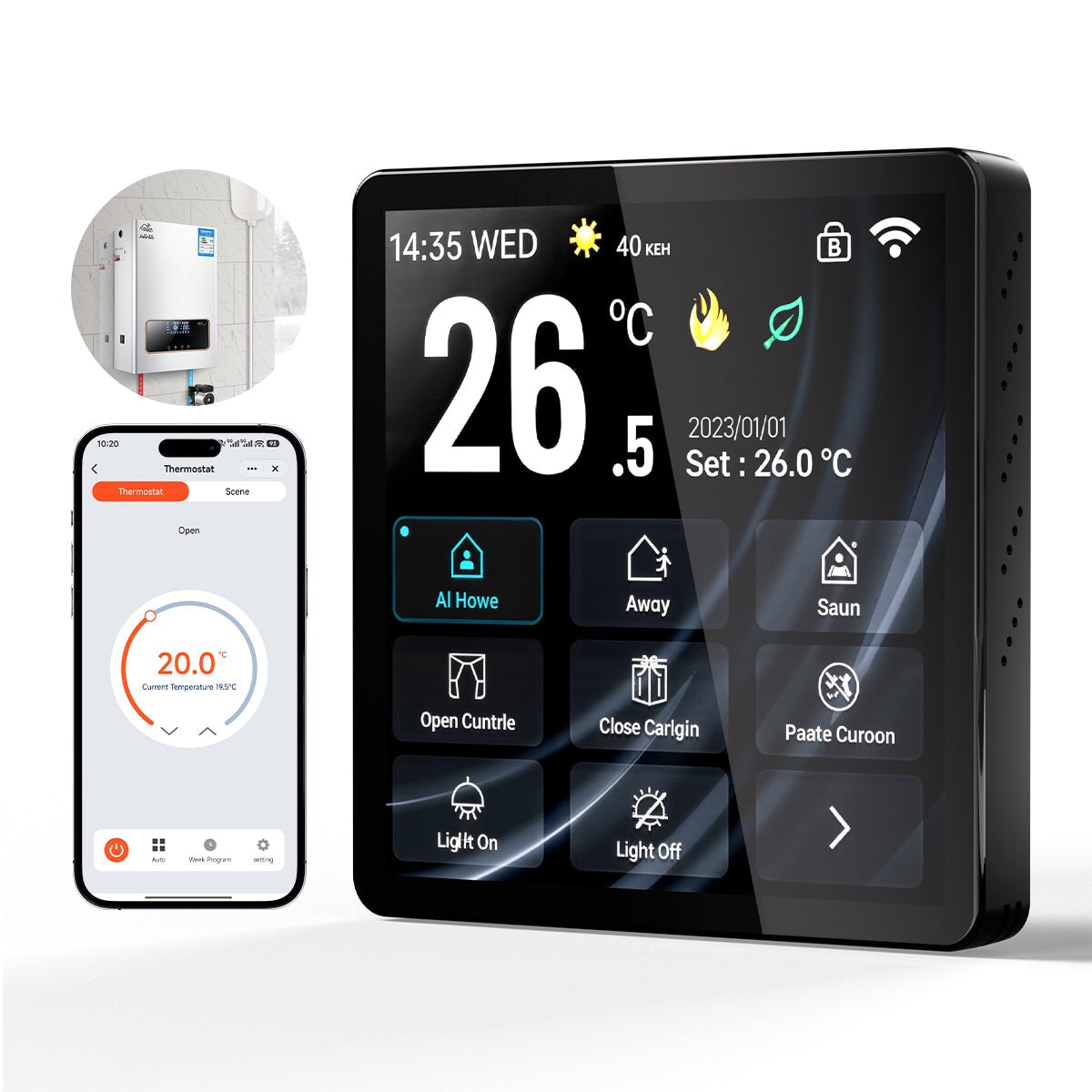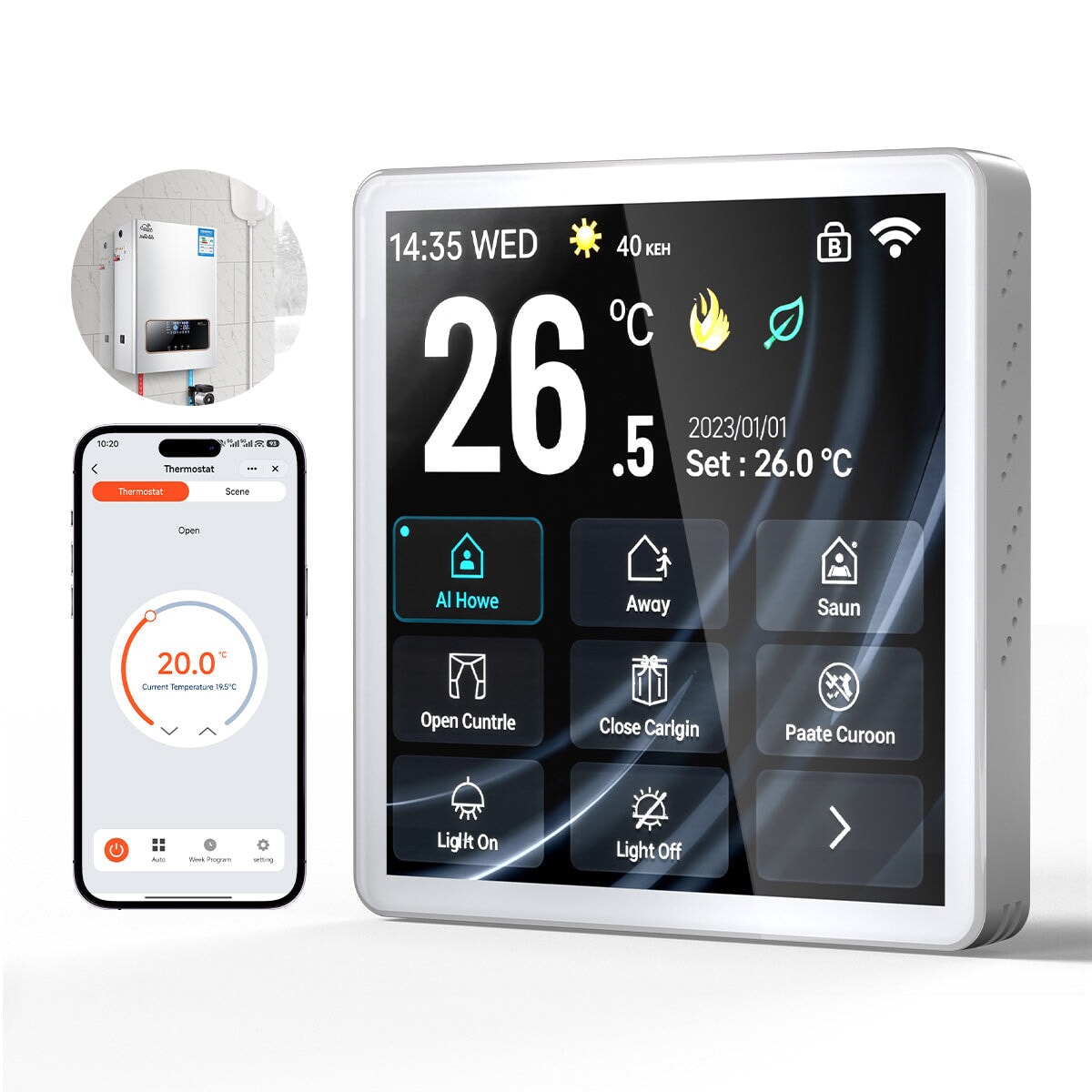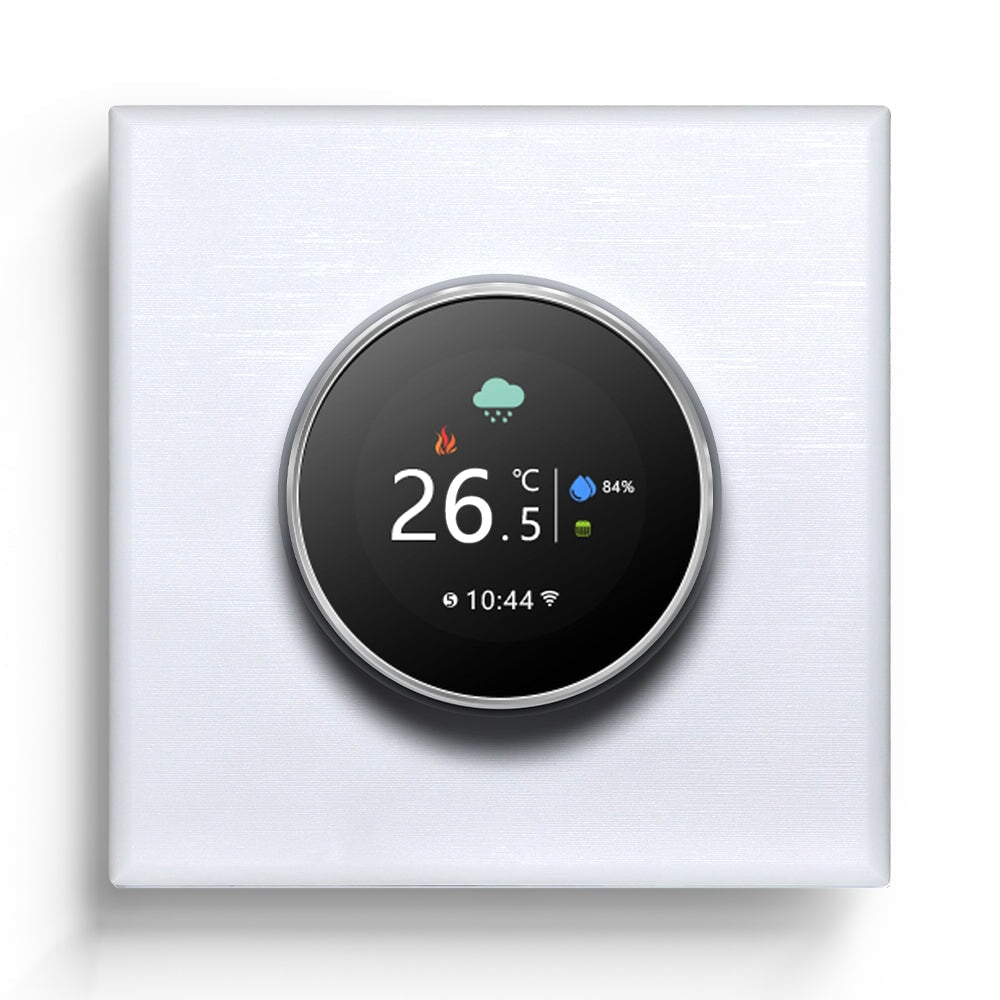
Smart Thermostat for Heating Automation: Zones, Sensors and Schedules
A smart thermostat for advanced heating automation should start with the way your home is heated, rather than simply with the app. Heating systems respond more slowly than lighting and can be considerably more expensive to run. A poorly designed heating schedule can waste energy, leave rooms uncomfortable, and make the entire smart home system feel unreliable.
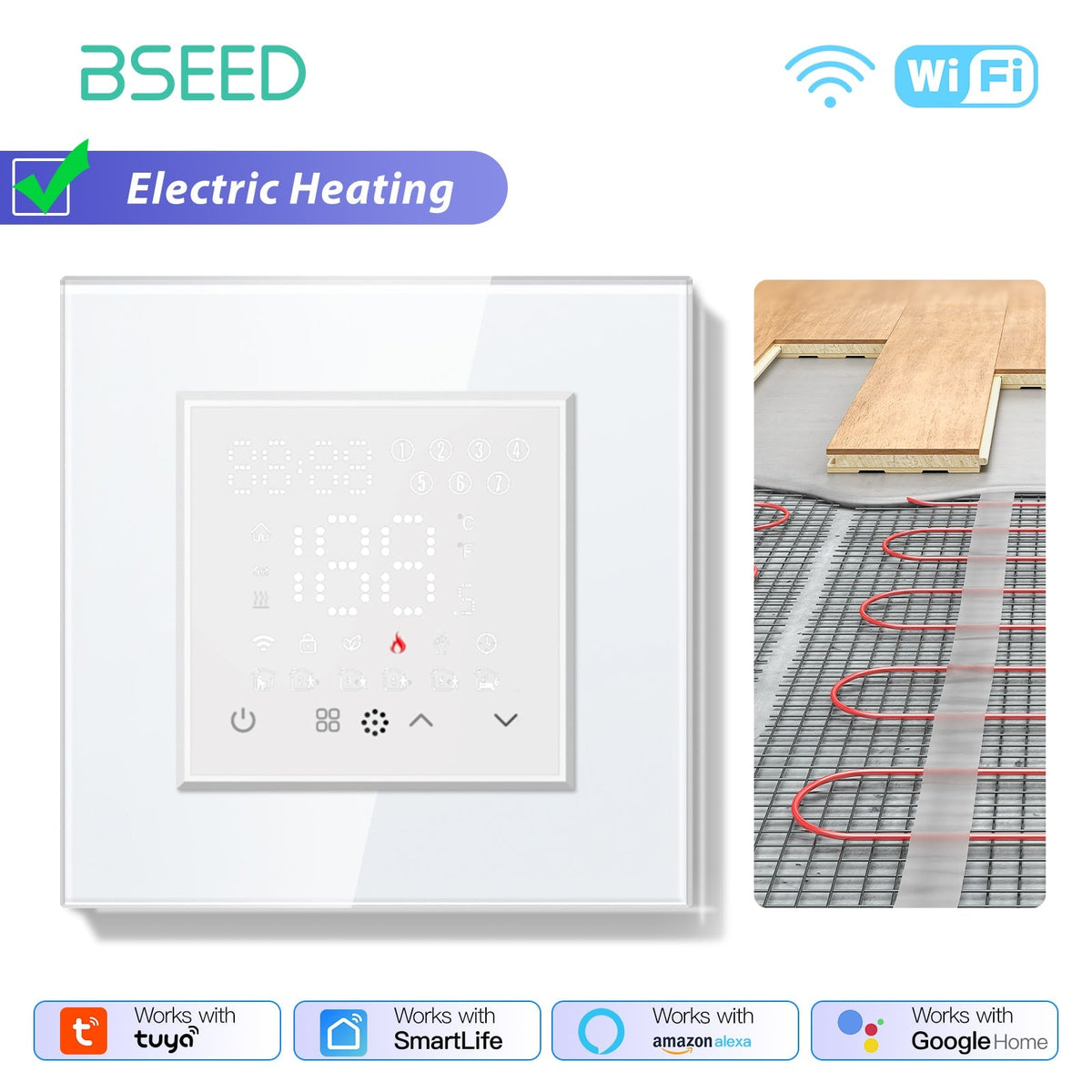
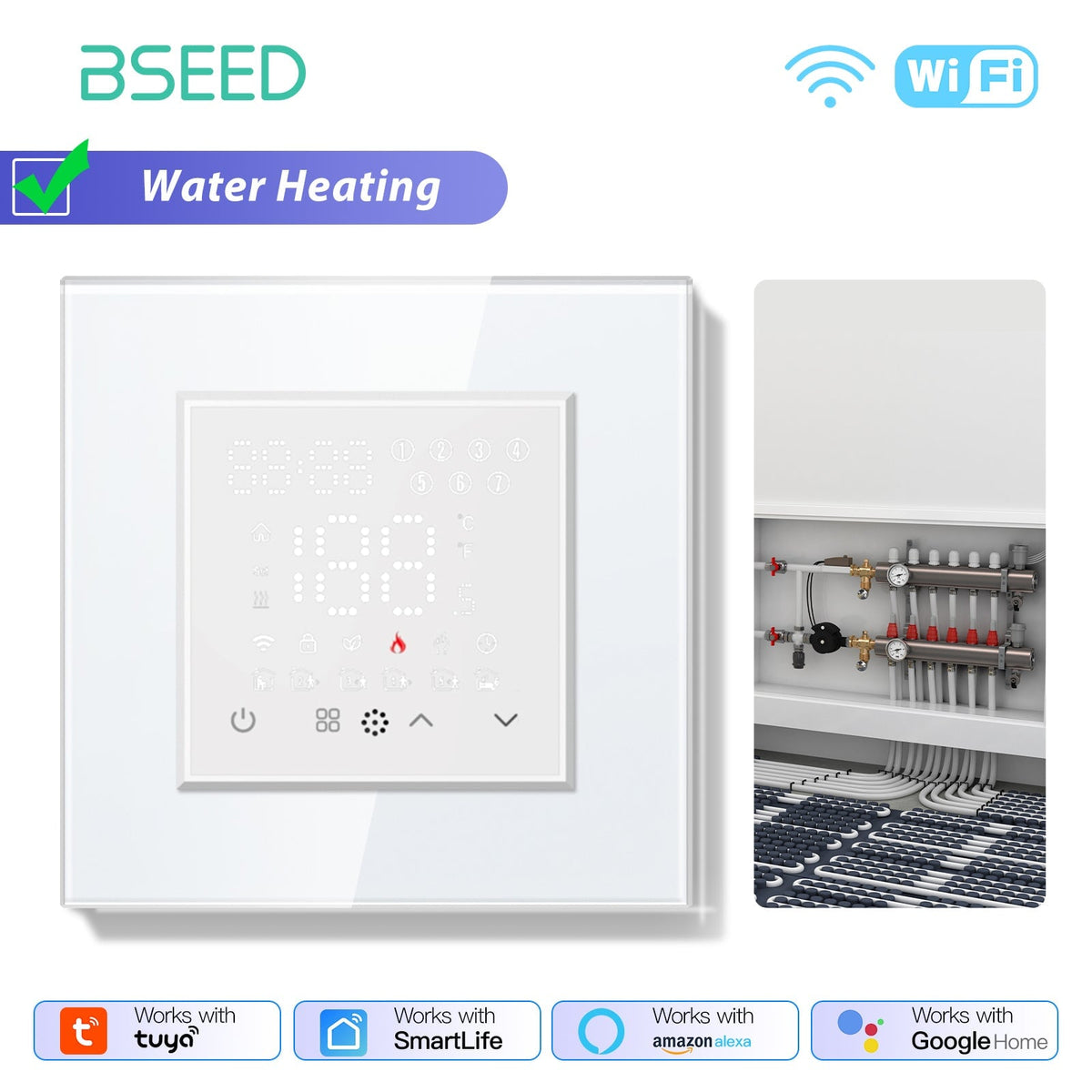
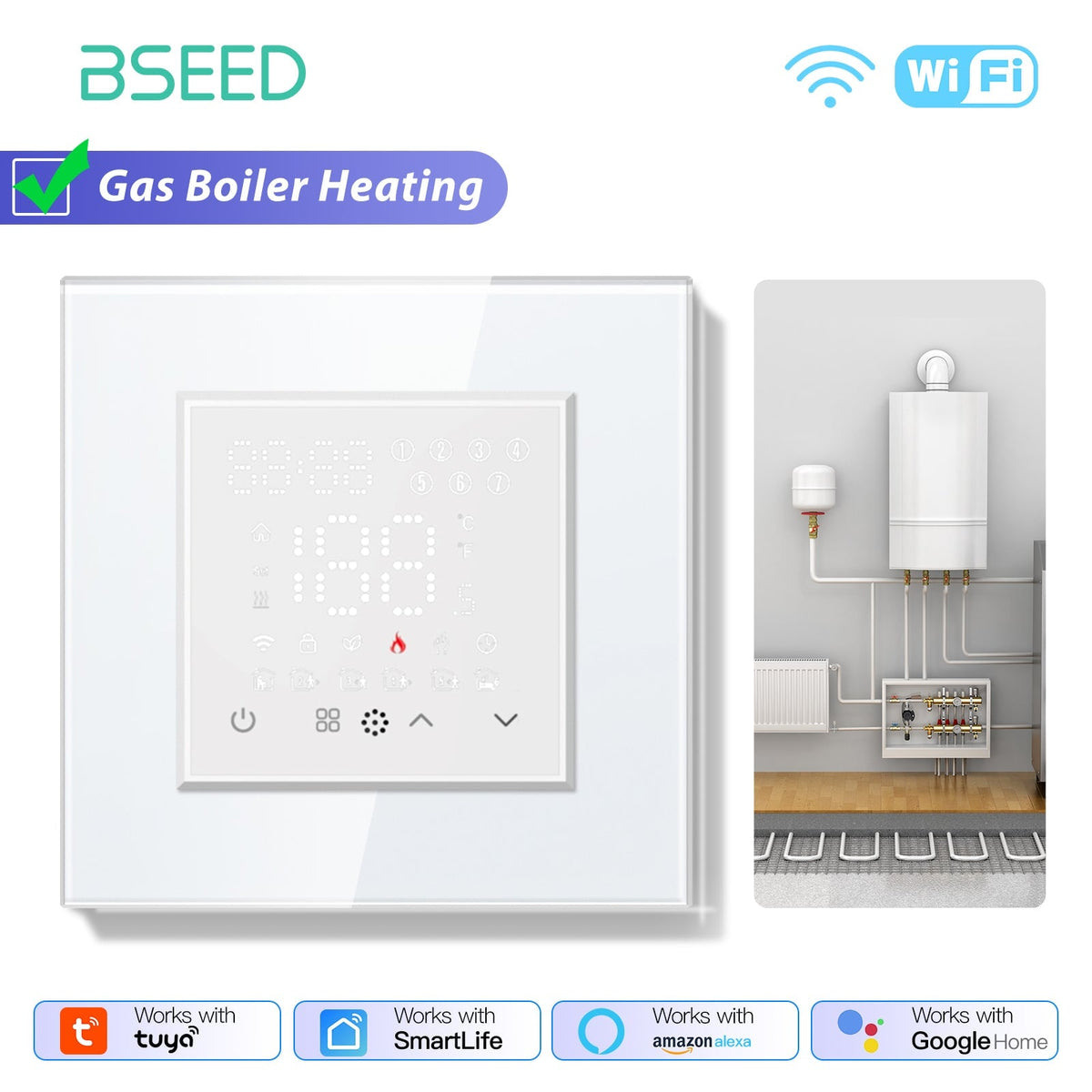
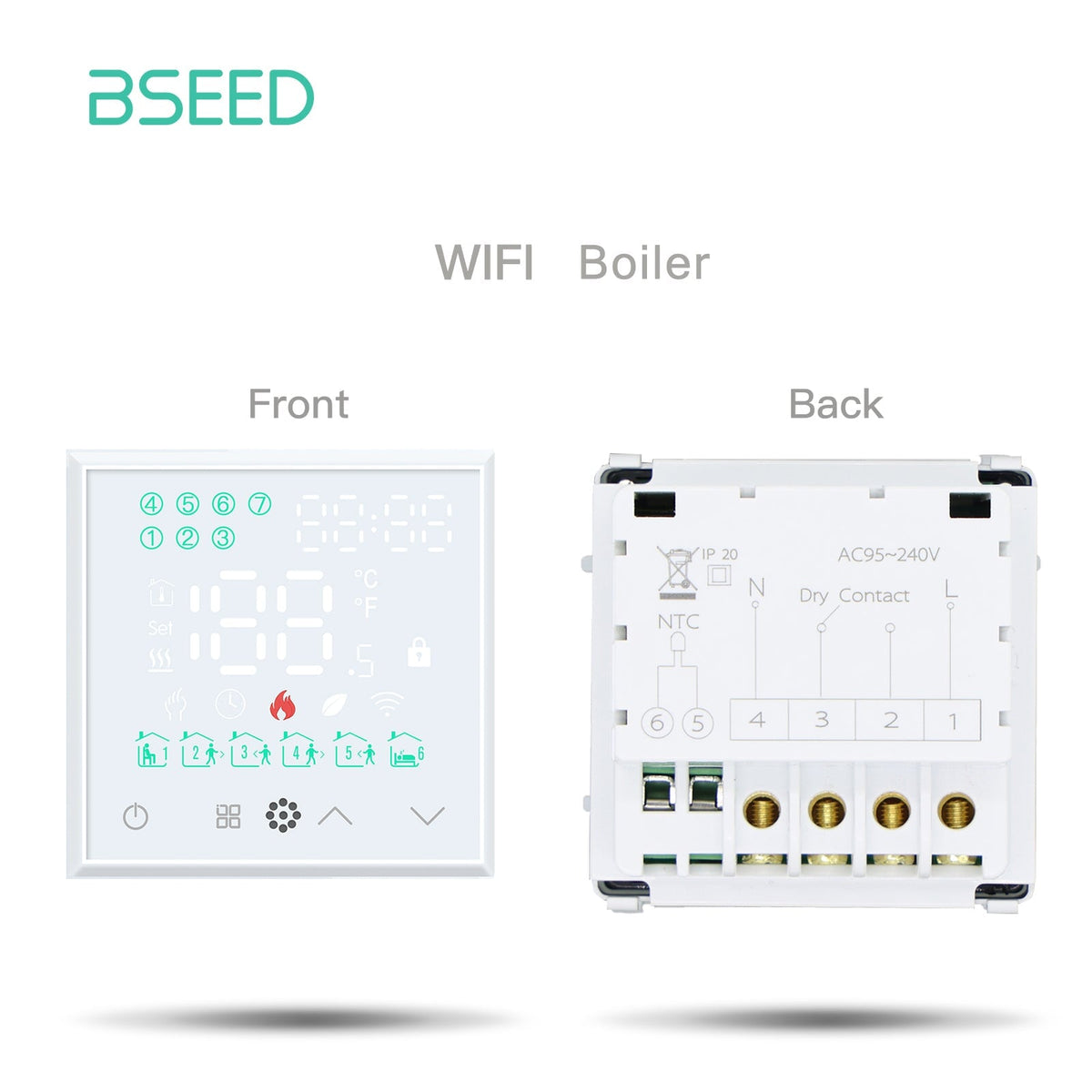
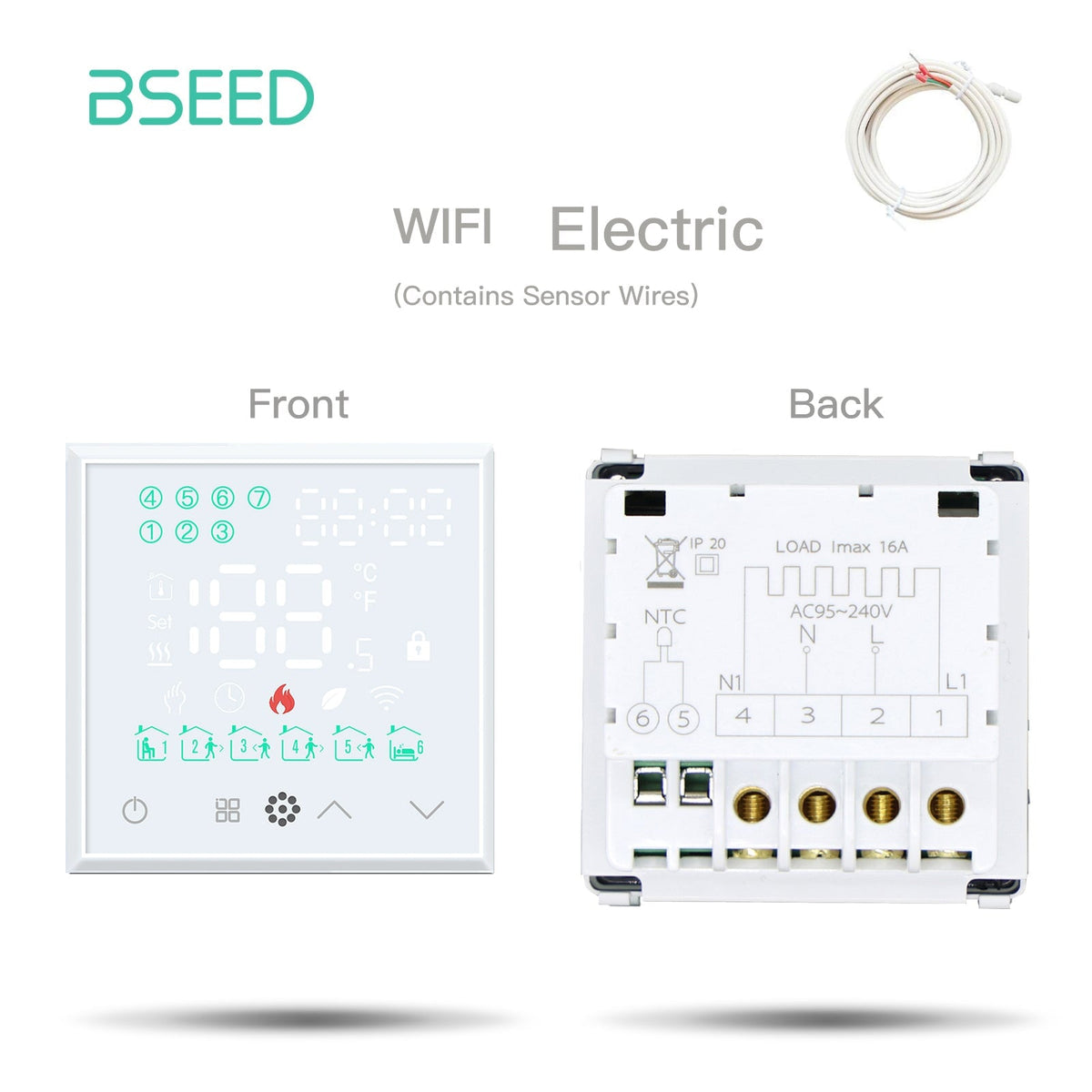
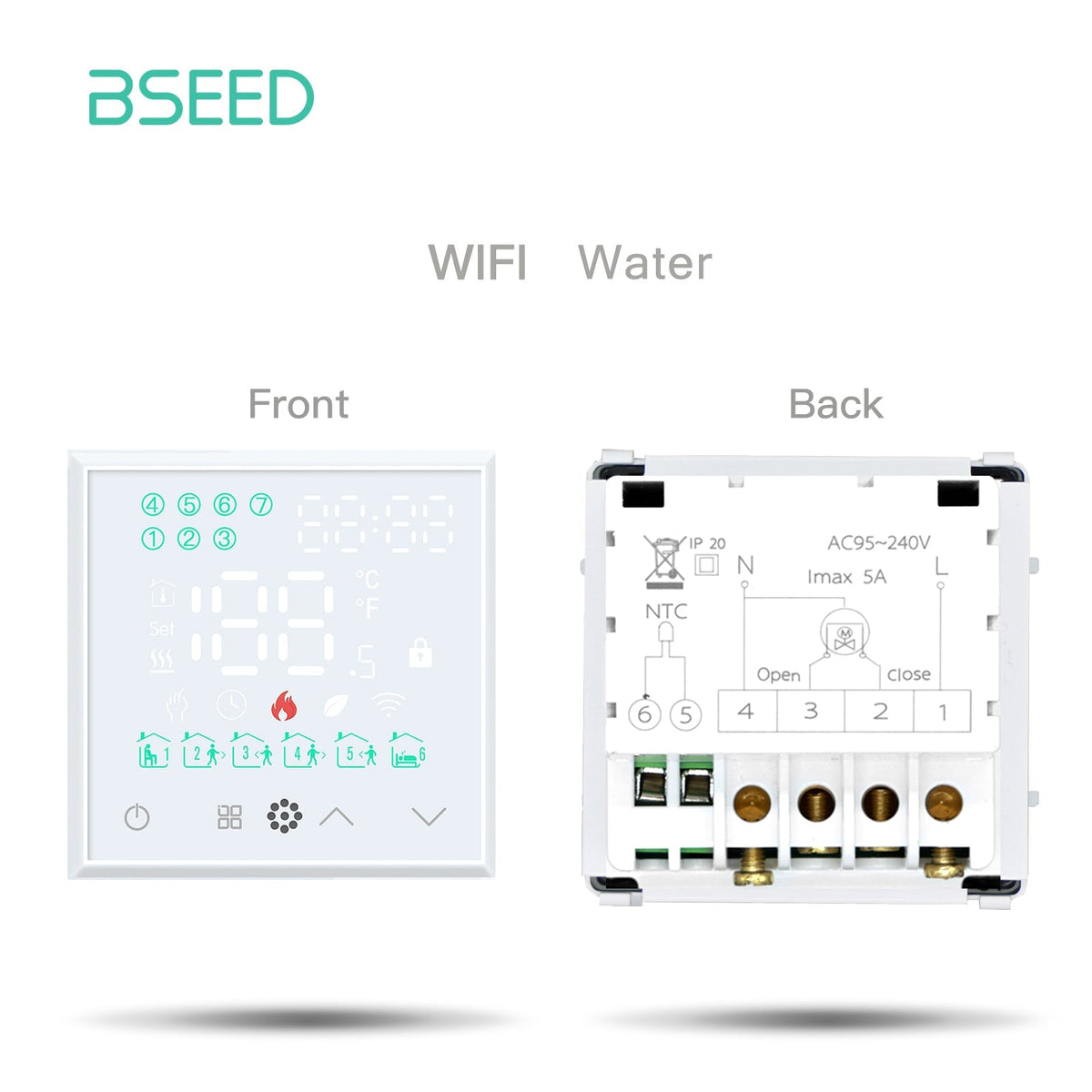
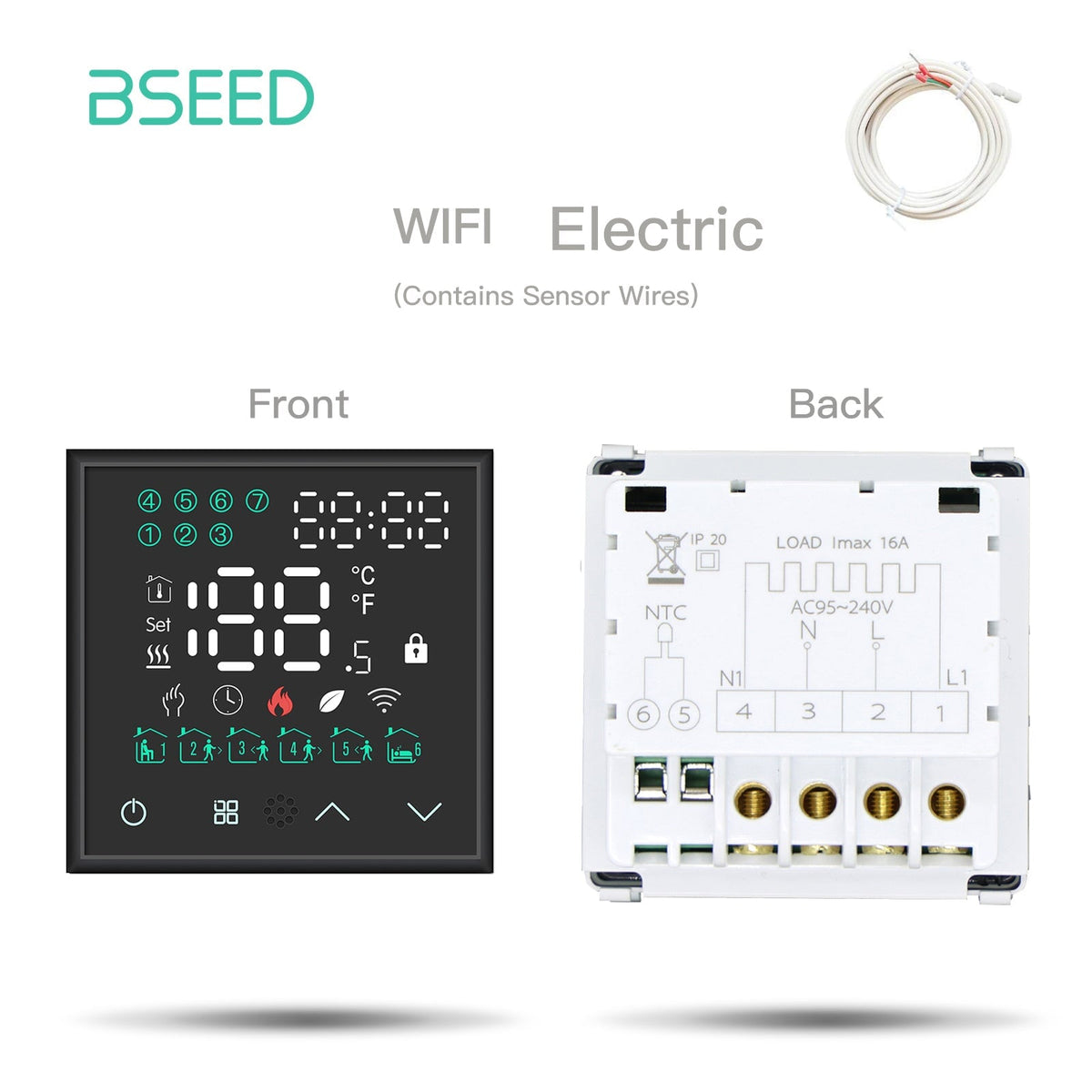
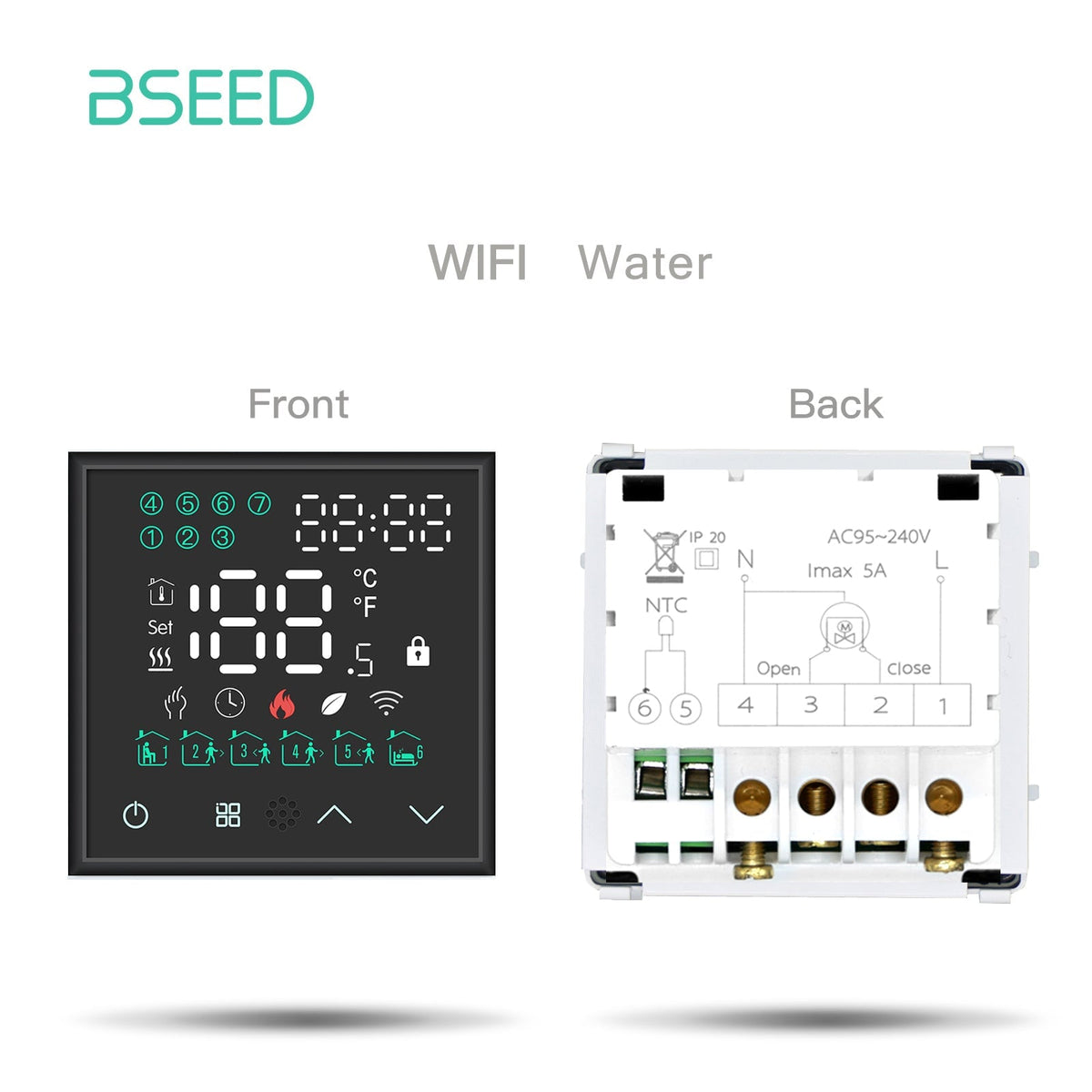
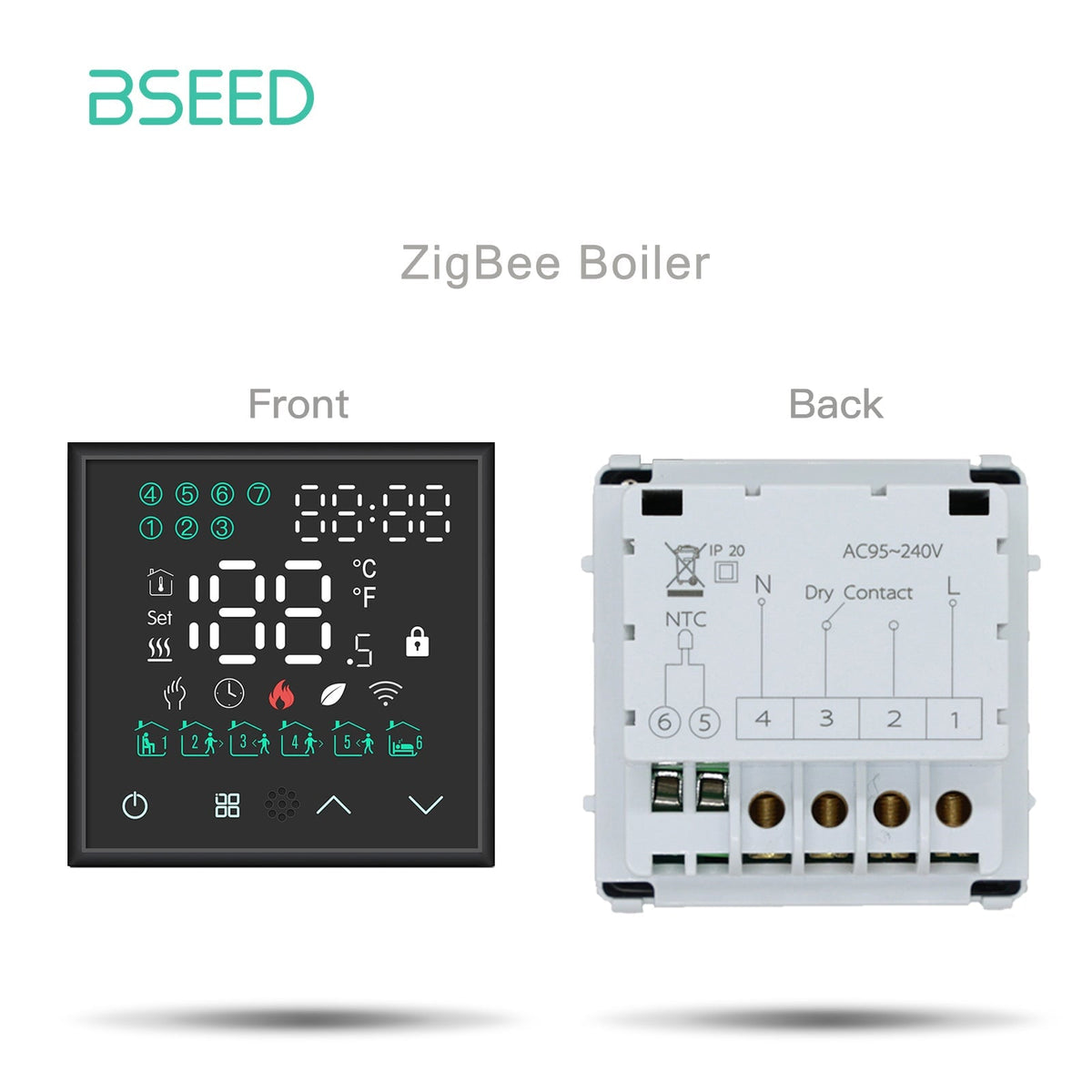
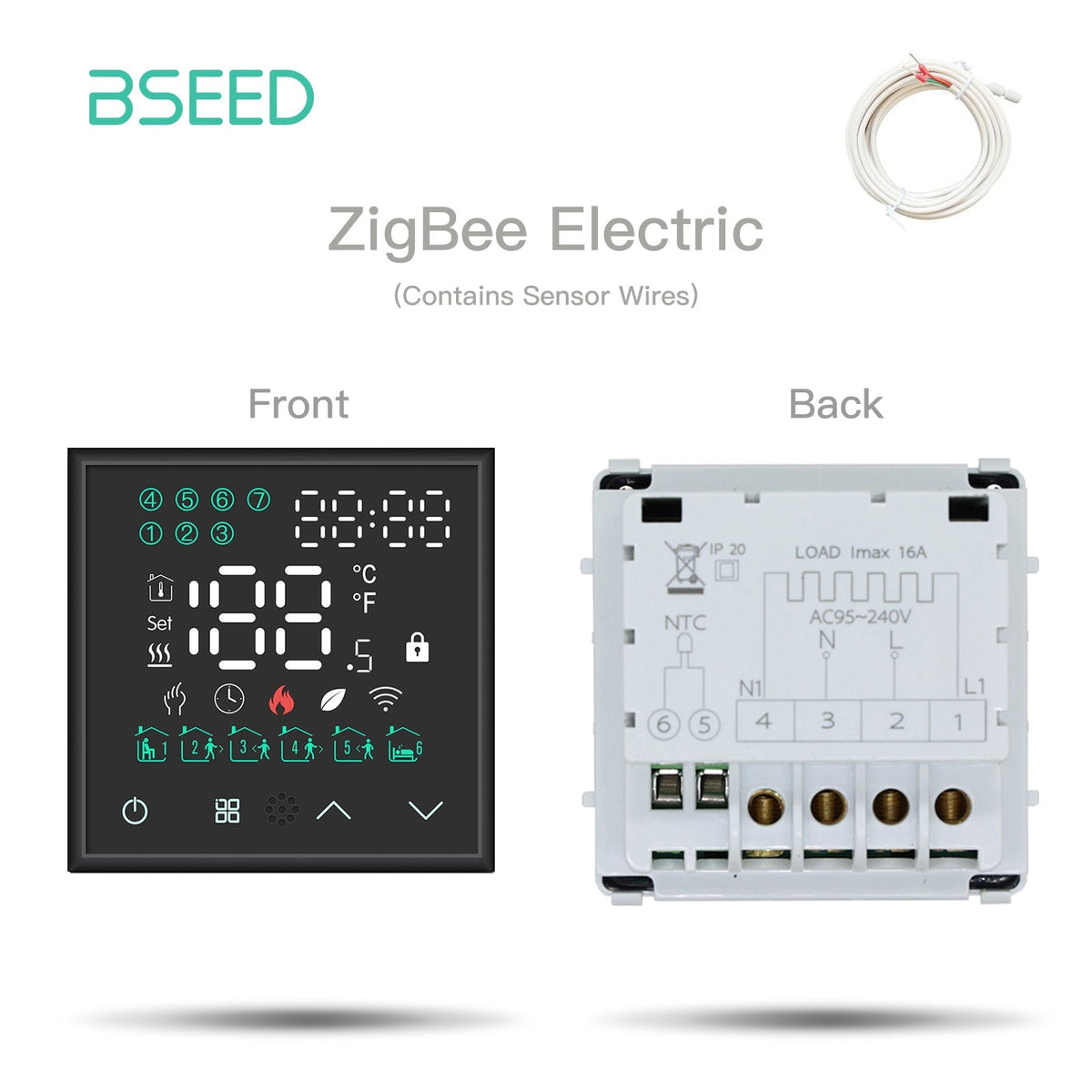
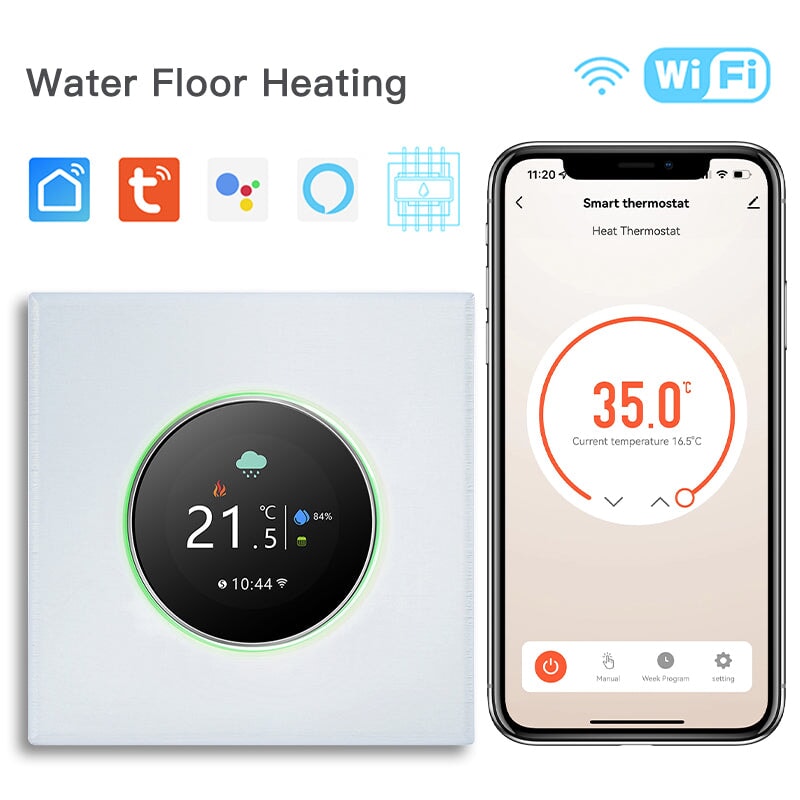
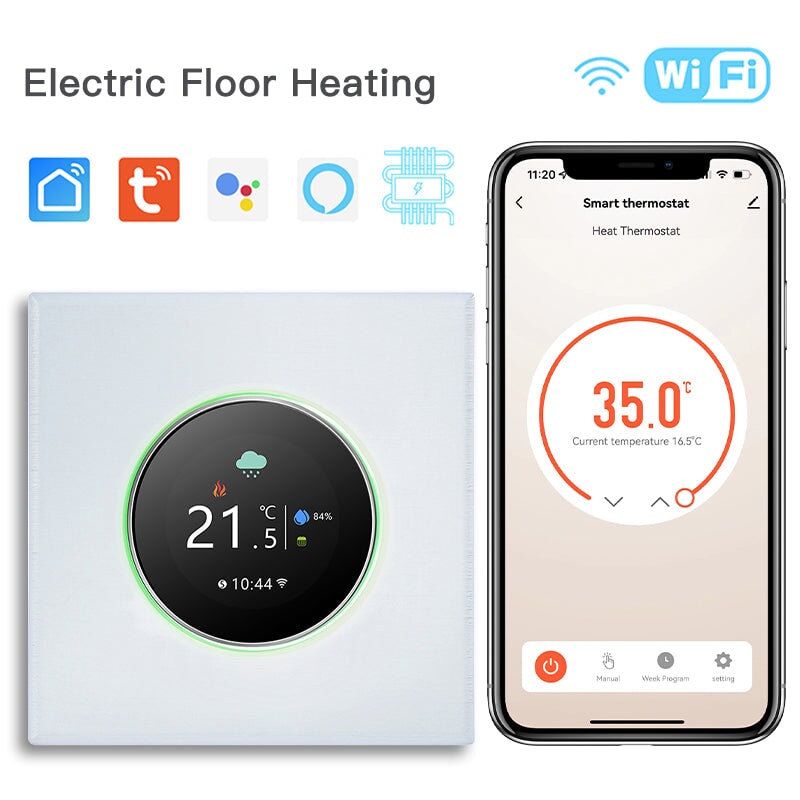
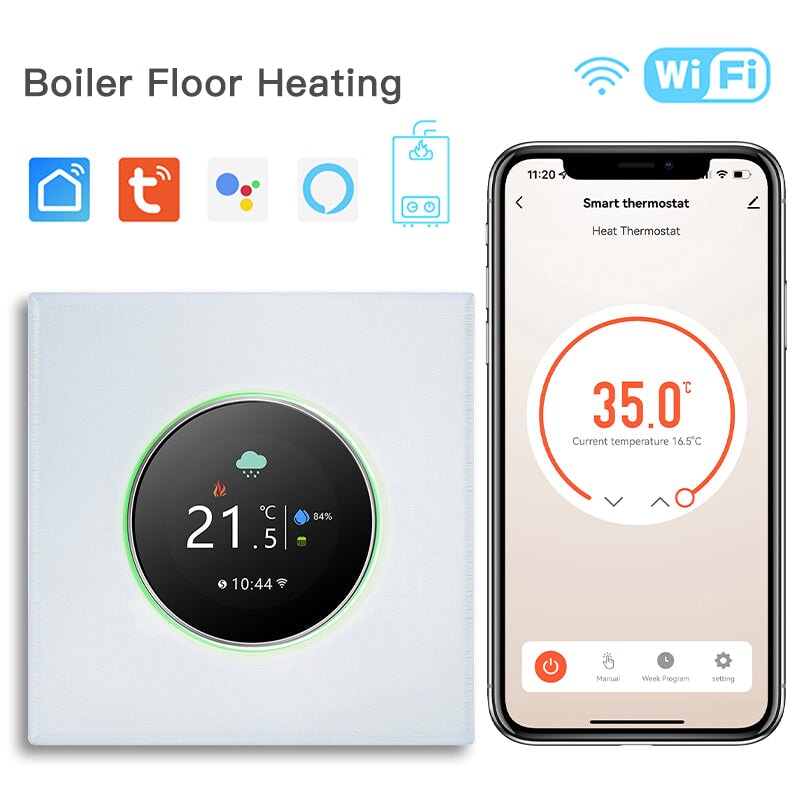
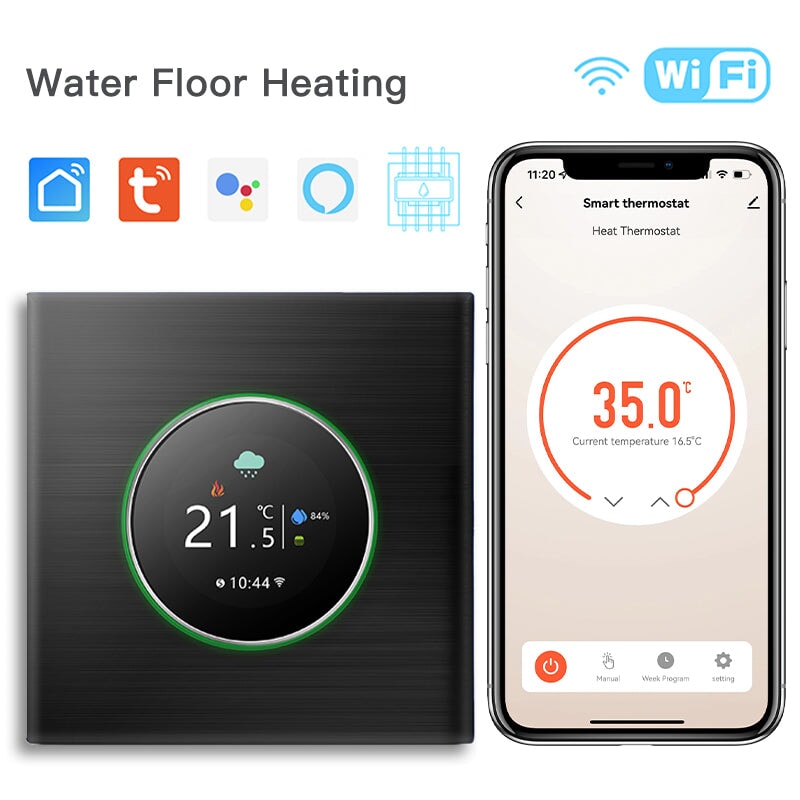
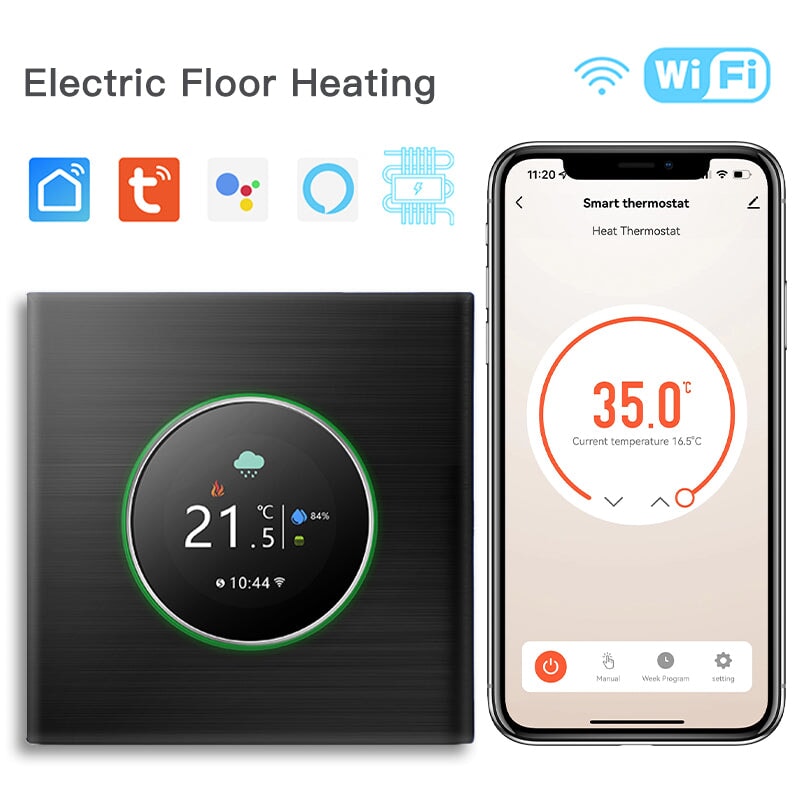
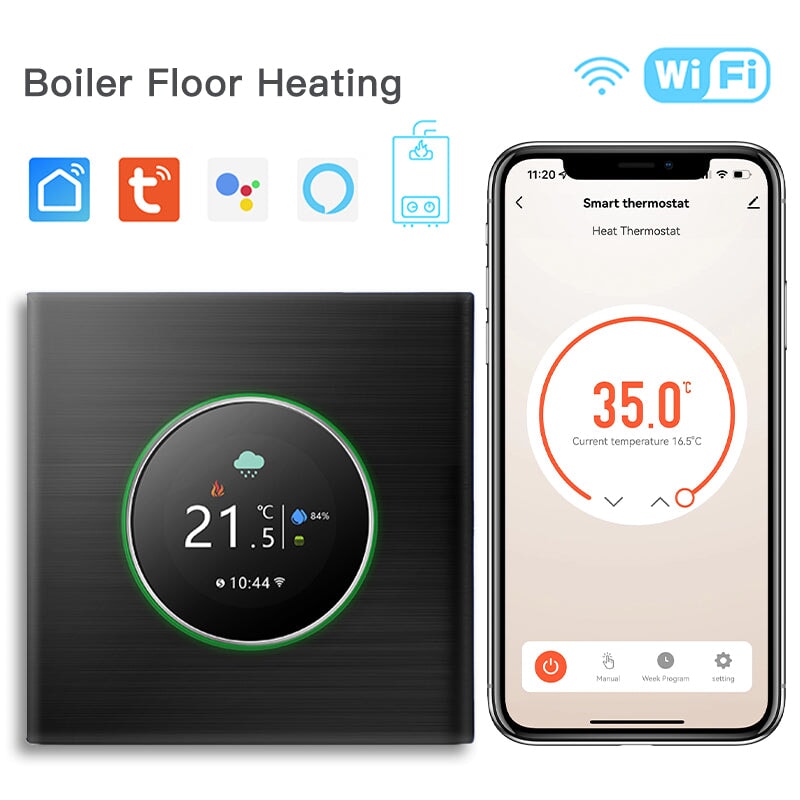
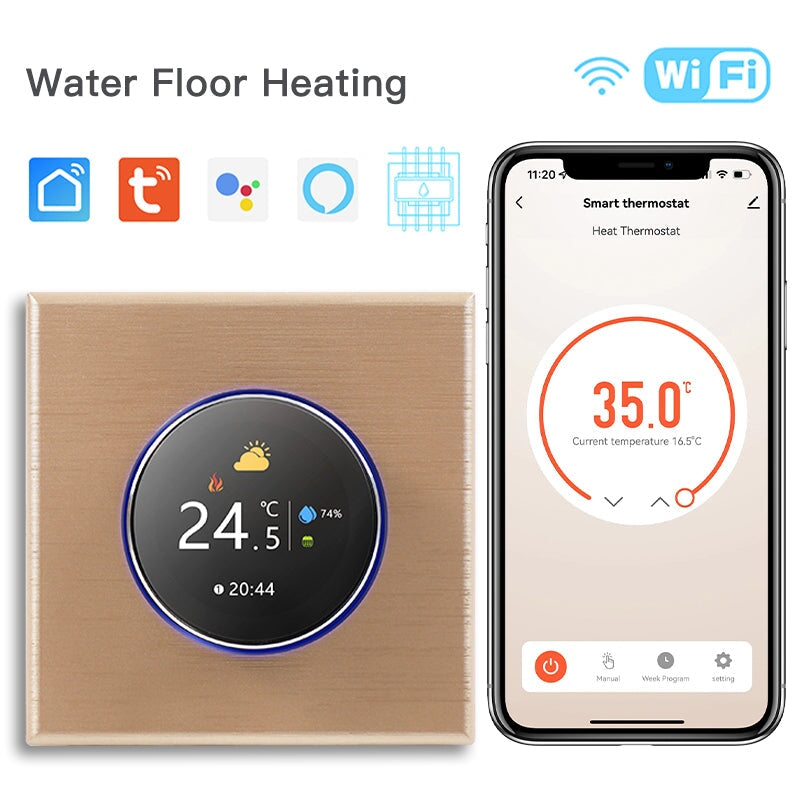
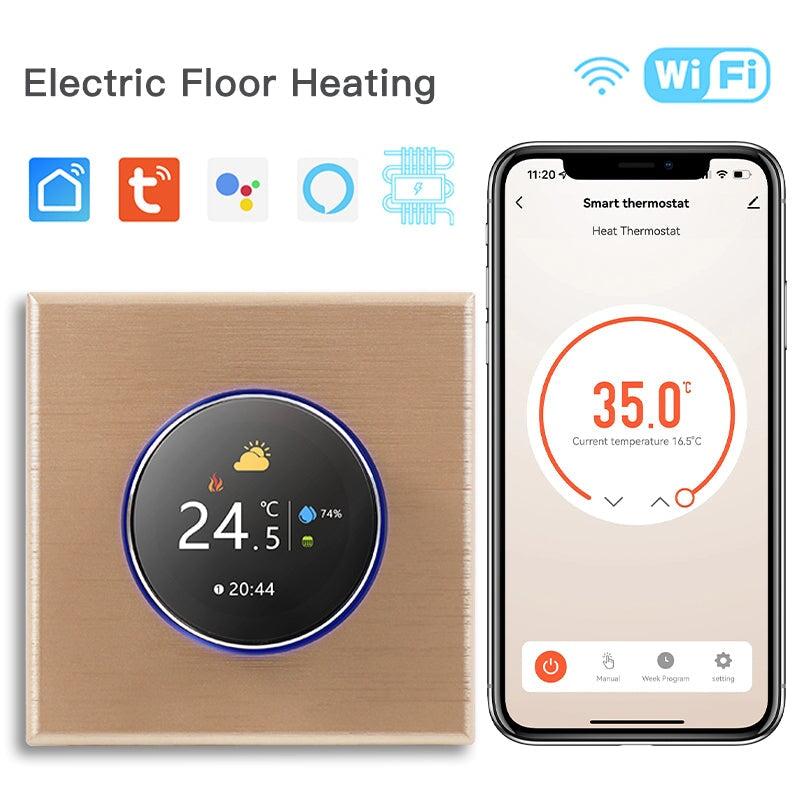
BSEED smart thermostats can provide convenient heating control when the heating system, electrical load, wiring, sensors and daily routine are properly understood. This is particularly relevant in European homes where underfloor heating, individual heating zones and seasonal schedules are common.
The goal of advanced heating automation is simple: make heating more predictable, comfortable and easier to manage — not constantly reactive.
Advanced Heating Automation Does Not Mean Constant Adjustment
Good smart heating automation can actually look quite simple.
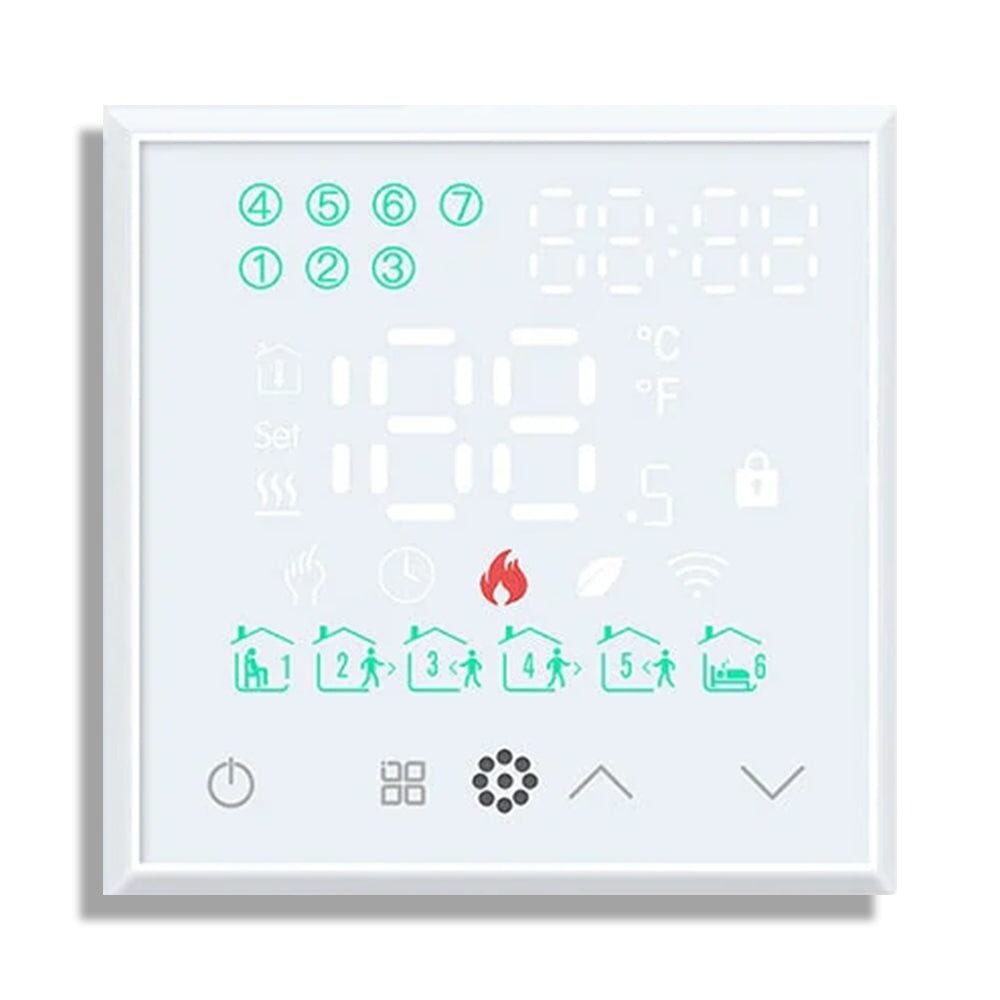
A smart thermostat follows a weekly schedule. The bathroom warms up before the morning routine. The living room reaches a comfortable temperature before the evening. Bedrooms can remain cooler at night if that suits the household.
Once the schedule has been set correctly, users should only need to make occasional adjustments.
Constantly changing the target temperature is often a sign that the heating schedule needs improvement or that the thermostat sensor is poorly positioned. This is particularly important with underfloor heating, which has considerable thermal inertia and does not respond as quickly as a radiator or light.
If the temperature is changed every hour, the floor may always feel as though it is one step behind.
Separate Your Heating Zones
Effective heating zone control is an important part of a smart heating system.Different rooms usually have different heating requirements. A bathroom, living room, bedroom and hallway do not necessarily need the same temperature or schedule.
For example:
- A bathroom may need heating before the morning and evening routines.
- A living room may require more heating during the evening.
- A bedroom may be kept cooler overnight.
- A hallway may require less heating than occupied rooms.
- Guest rooms may only need heating at certain times.

For a BSEED smart thermostat installation, the heating zone plan should answer five basic questions:
- Which rooms need independent temperature control?
- Which rooms can share the same heating schedule?
- Which temperature sensors are required?
- What schedules should run on weekdays and weekends?
- Who should be able to change the heating settings?
The final question is easy to overlook, but it matters in family homes. If several people constantly change the thermostat settings, the benefits of automation can quickly disappear.
Sensor Placement Is a Key Smart Thermostat Decision
The location of a thermostat can have a significant effect on how accurately it controls room temperature.
A thermostat exposed to direct sunlight may detect a higher temperature than the rest of the room. A unit installed close to a draught may read the room as colder than it actually is. Installing a thermostat above or too close to a local heat source can also affect its readings.
In these situations, the thermostat itself may be working correctly while its location creates the problem.
Room sensors and floor sensors serve different purposes.
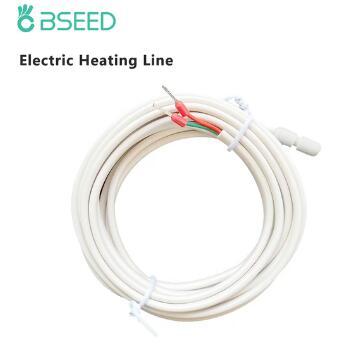
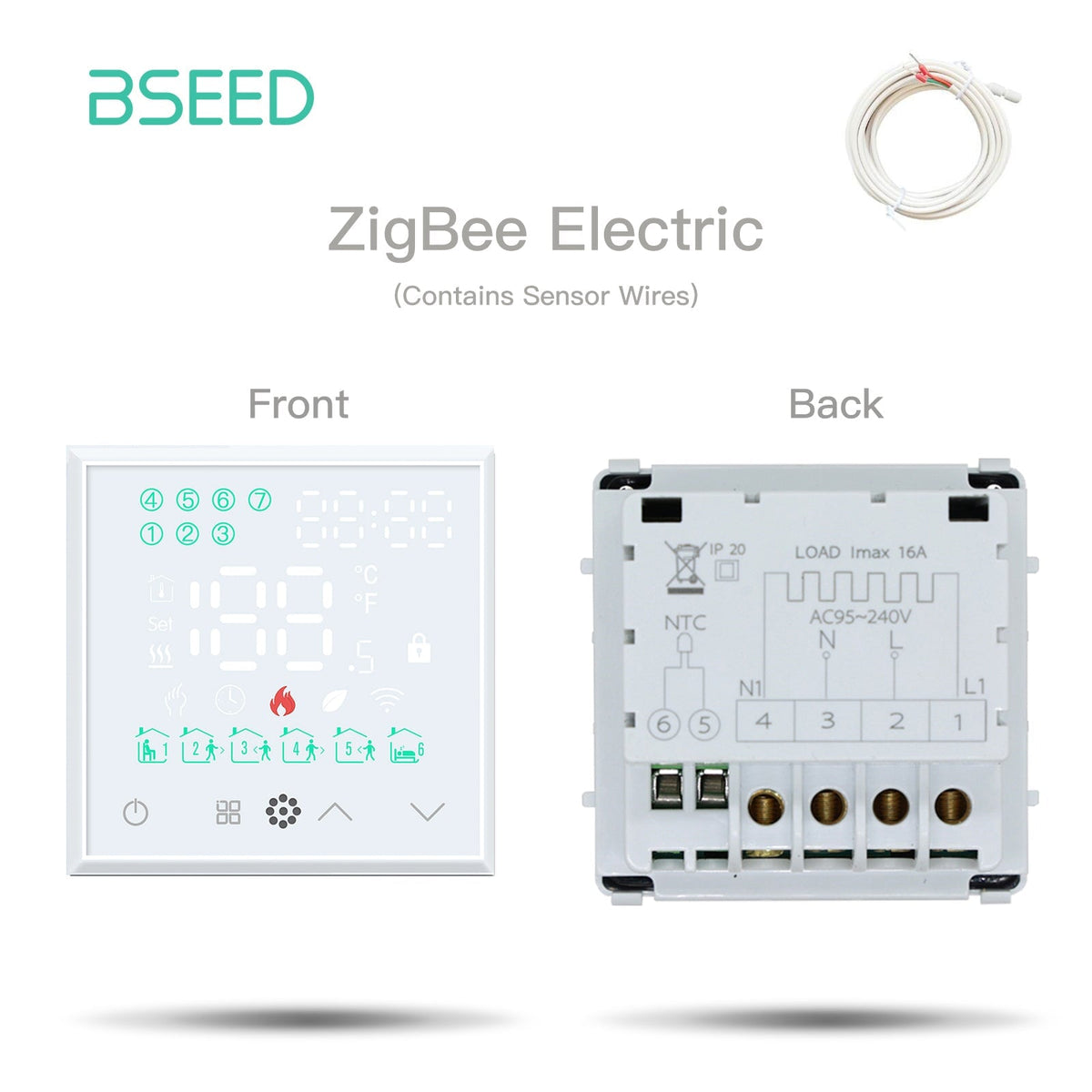
A room temperature sensor measures the air temperature, while a floor sensor measures the temperature of the floor itself. Depending on the heating system and installation requirements, a smart thermostat may use one or both.
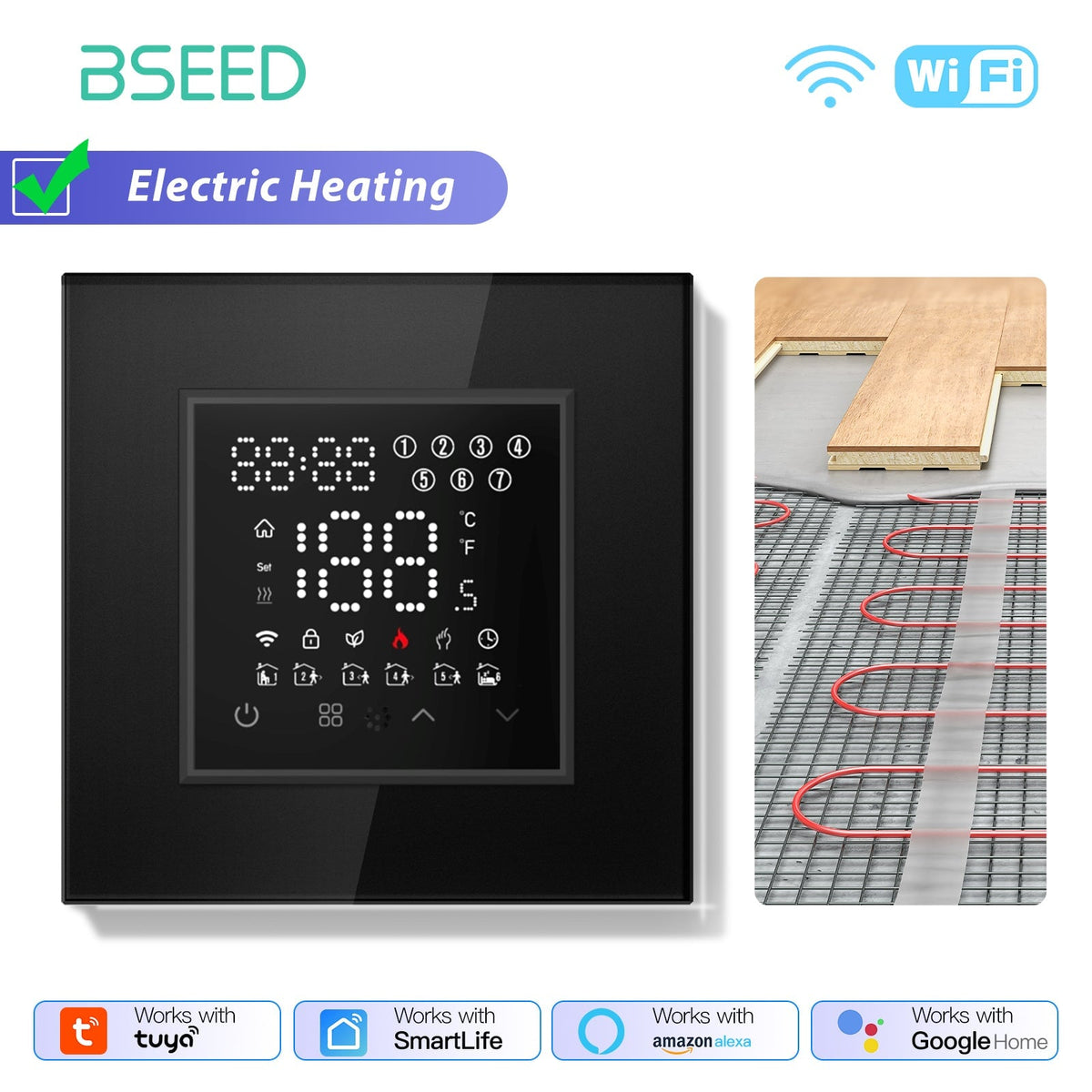
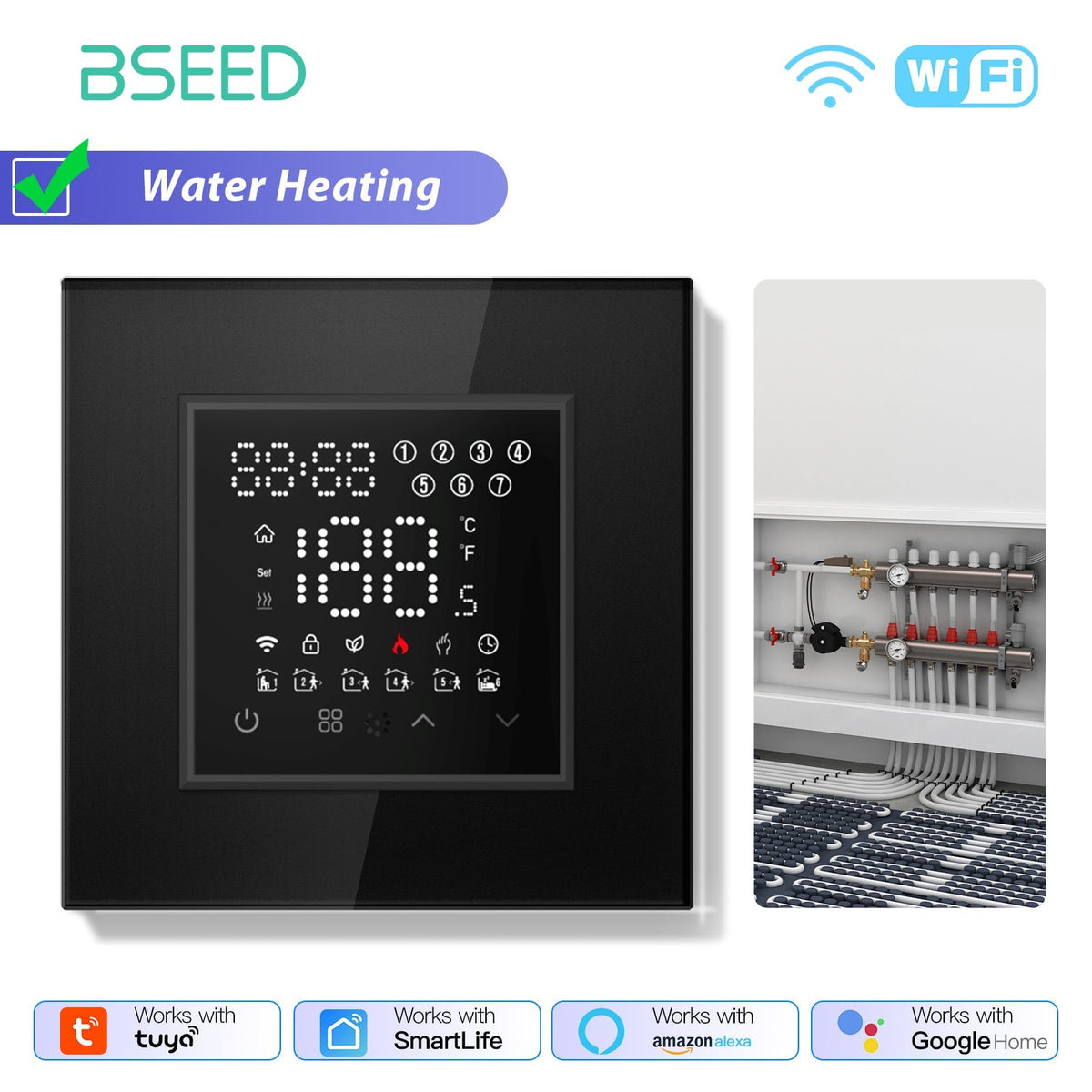
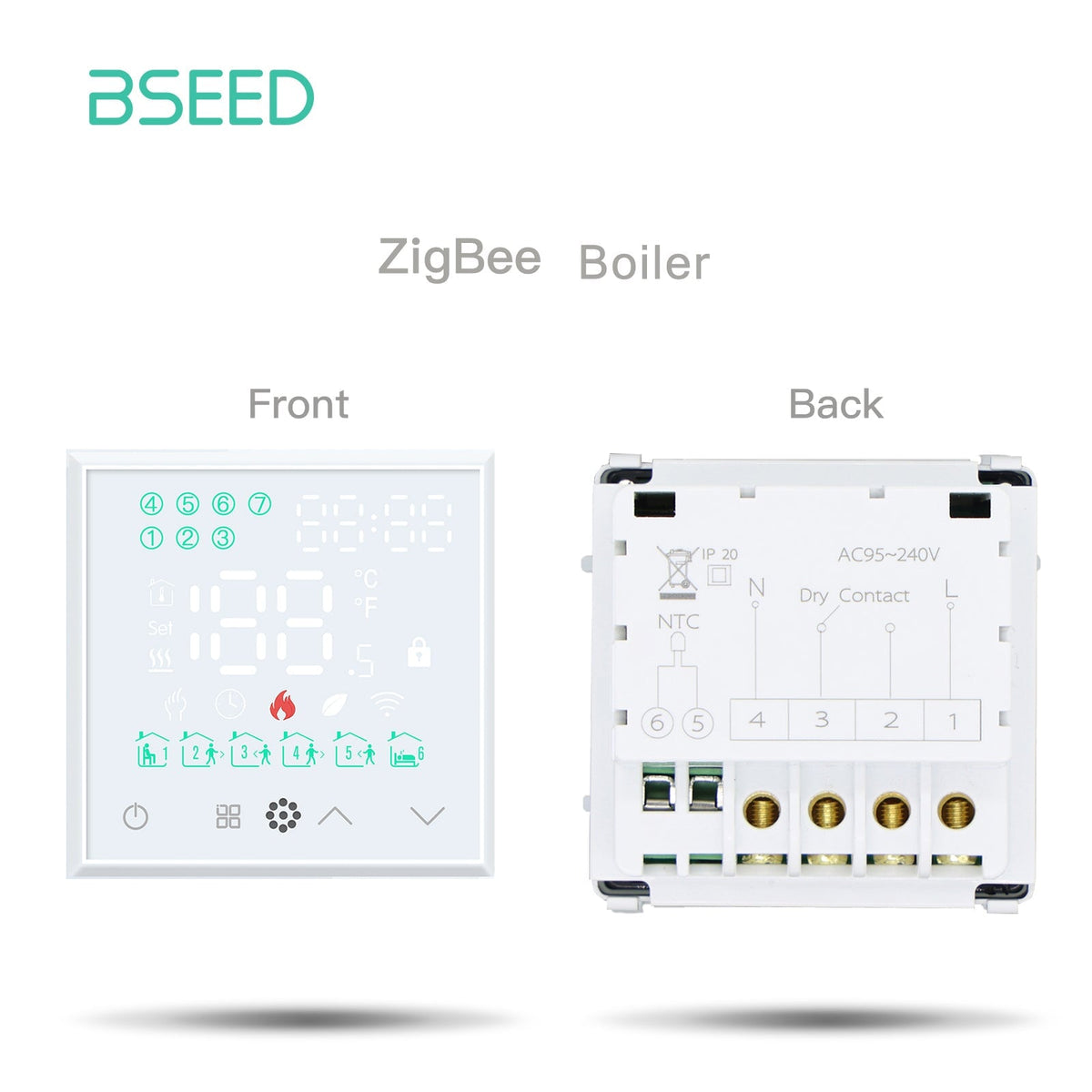
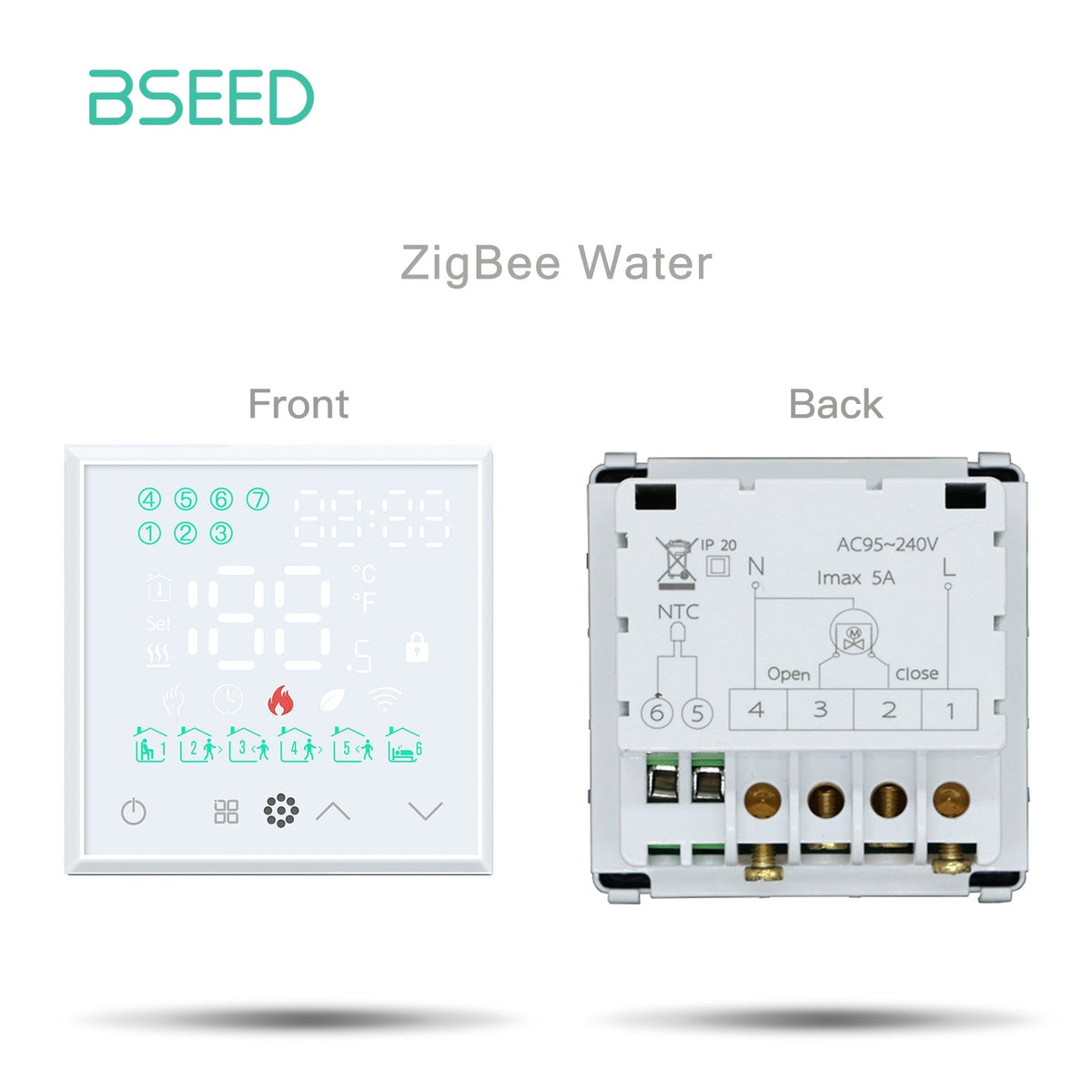
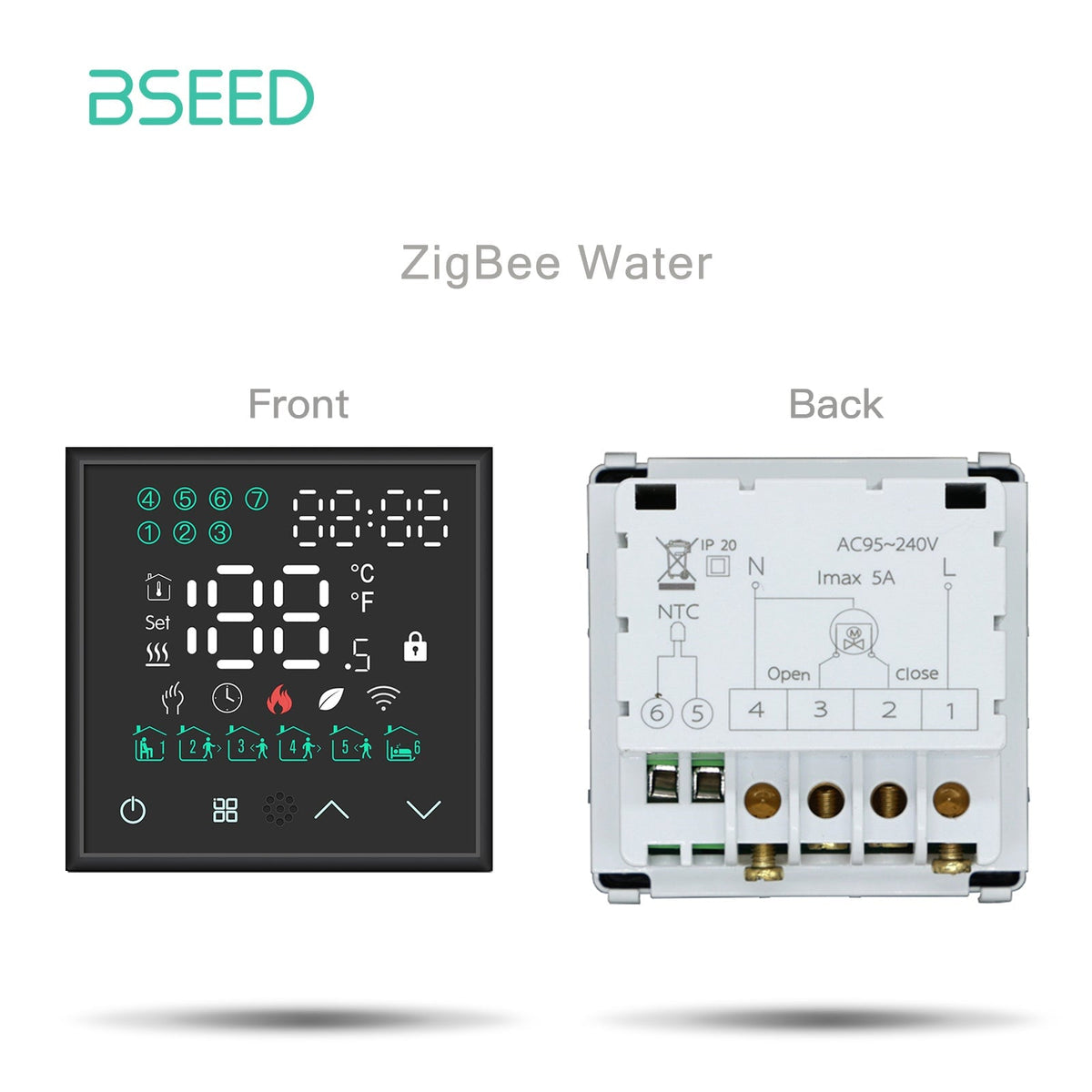
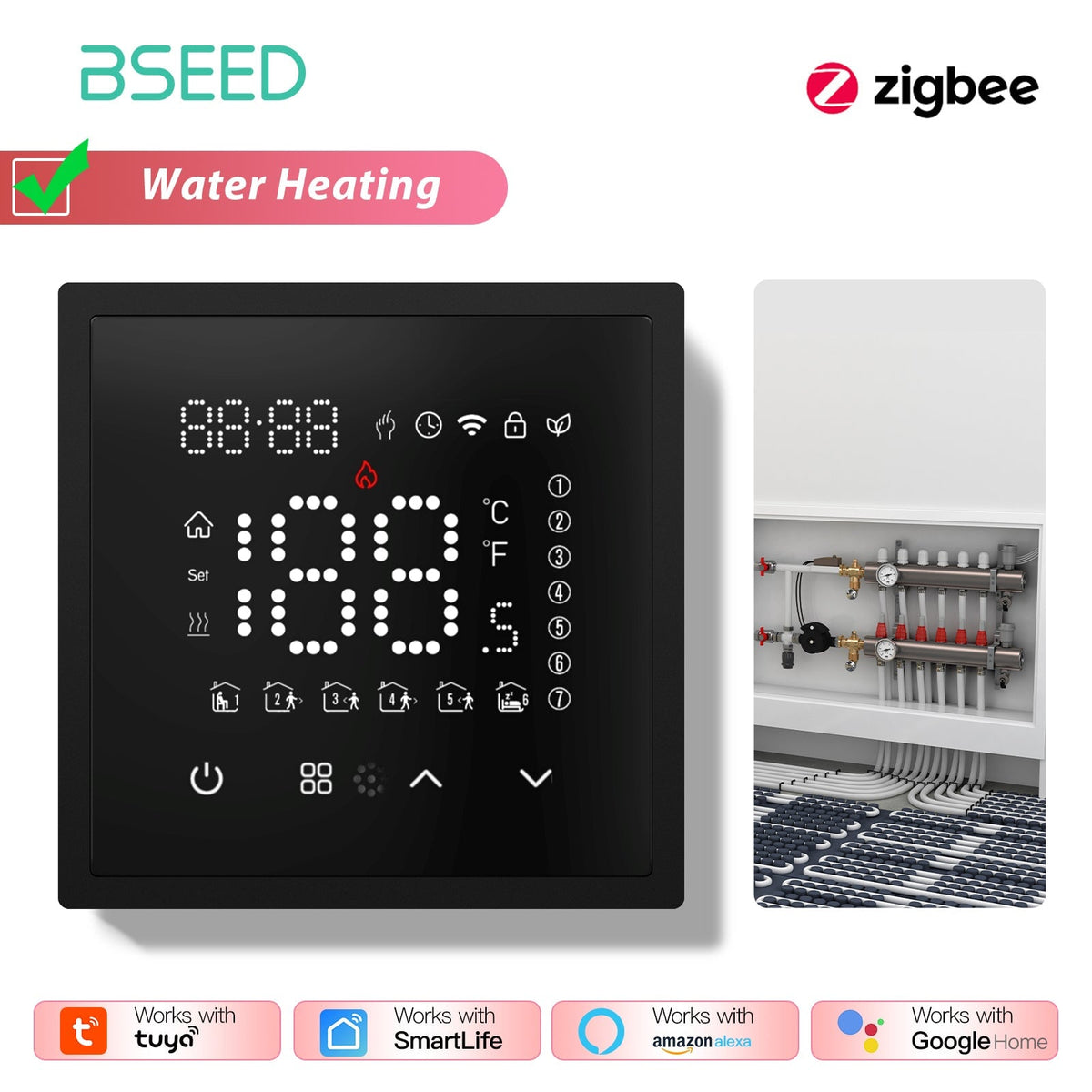
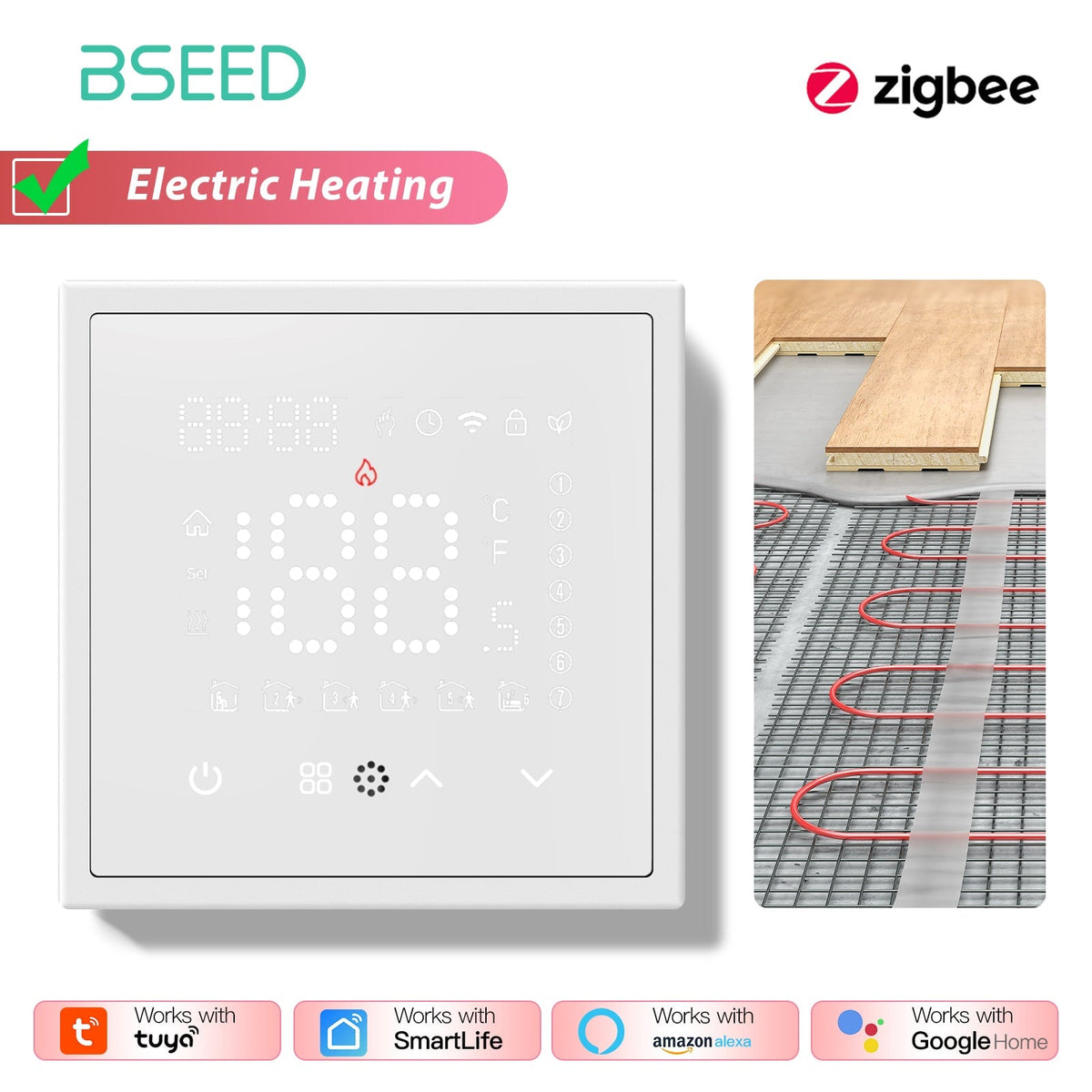
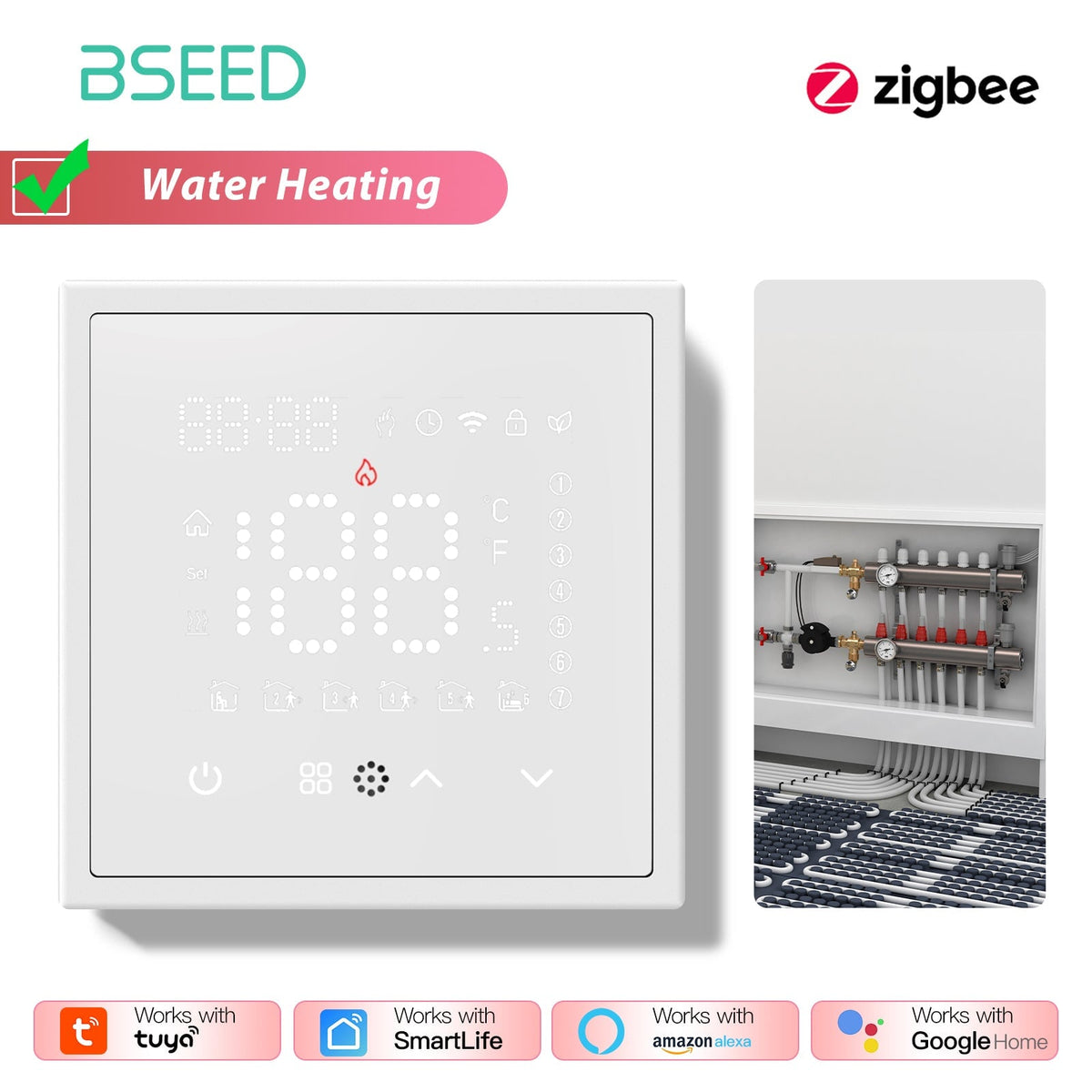
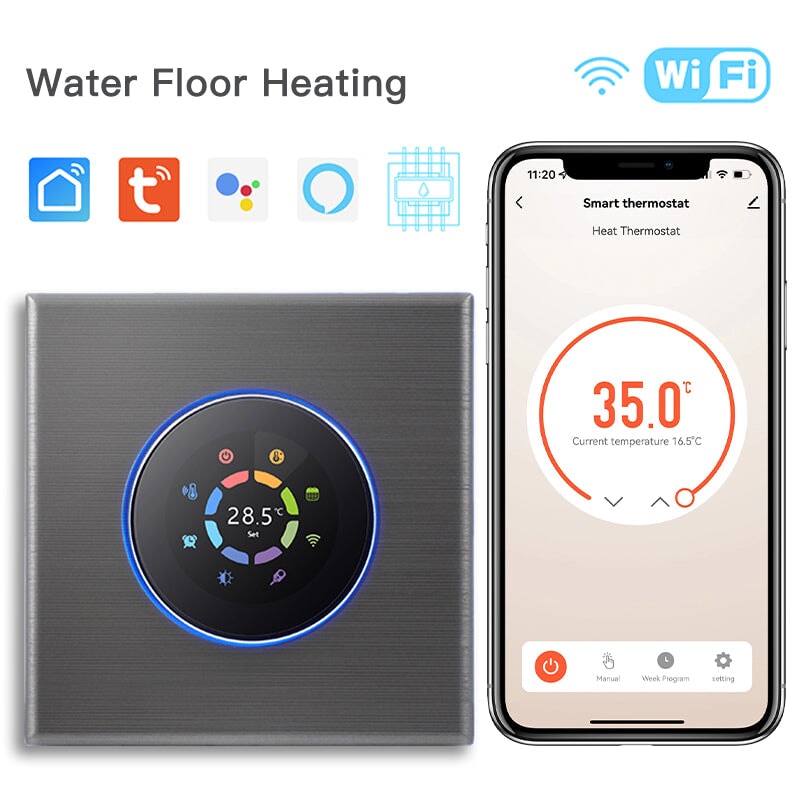
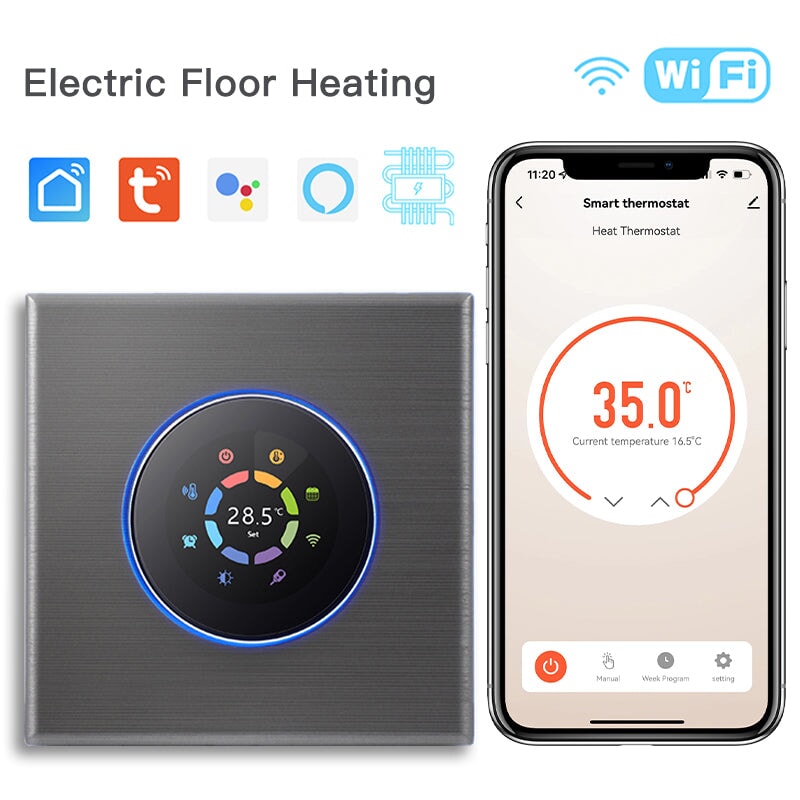
This is why installers should identify the heating system before selecting a thermostat. Electric underfloor heating and water-based underfloor heating are different applications and should not automatically be treated as the same installation.
WiFi, Zigbee, Matter or Touchscreen Thermostat?
The best smart thermostat technology depends on the smart home system already installed and the homeowner's requirements.
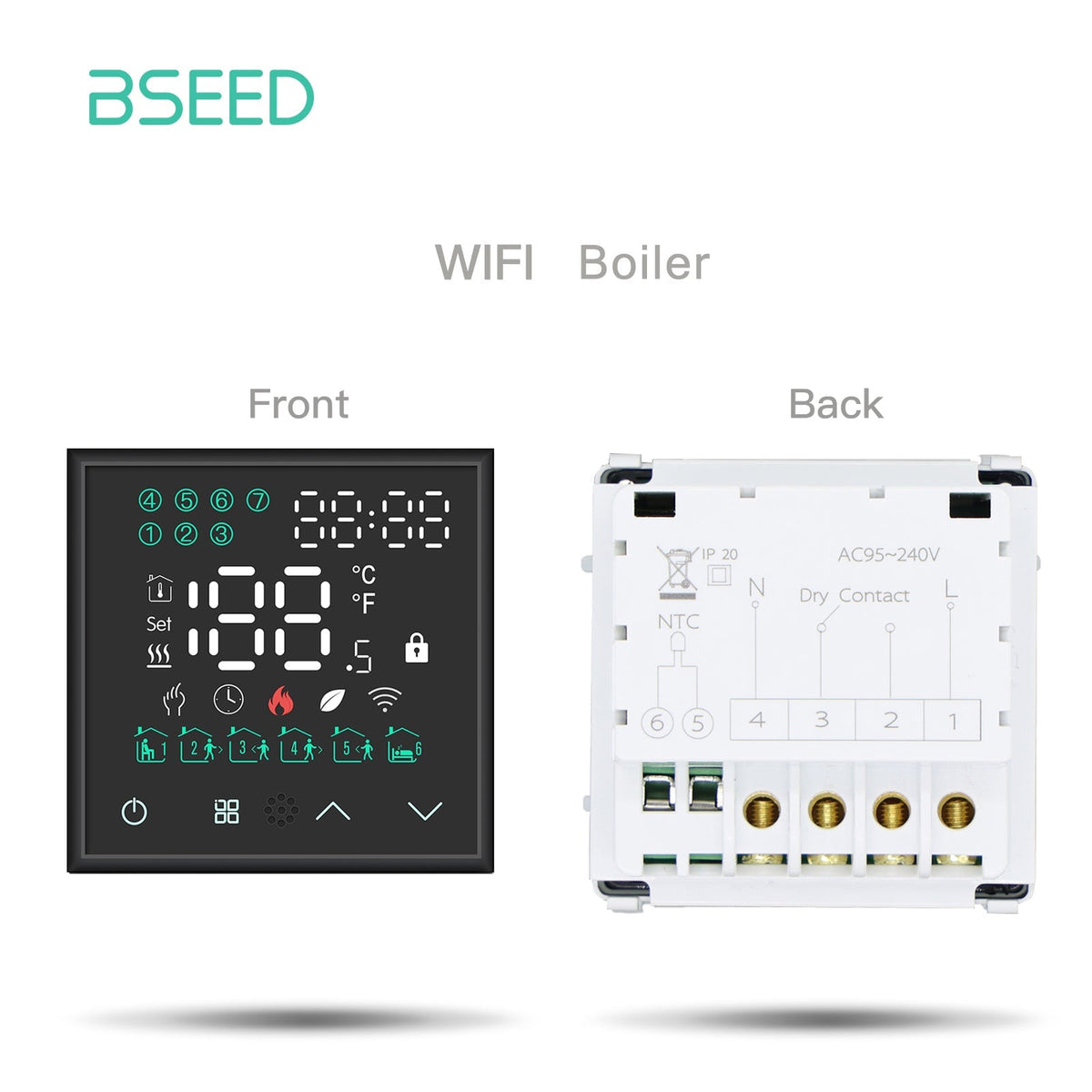
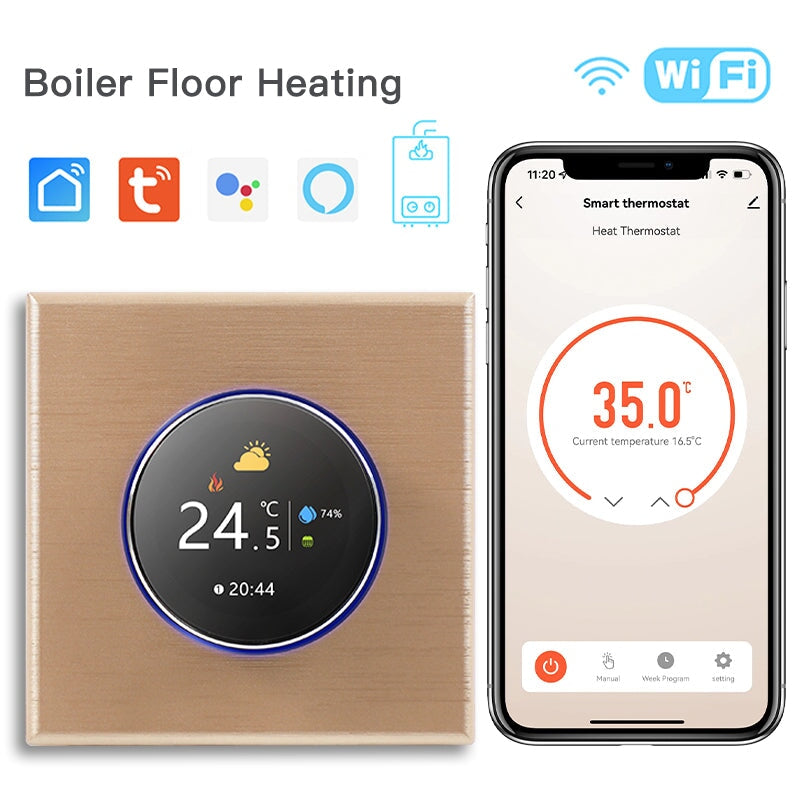
A WiFi smart thermostat can be a practical choice for homeowners who want app-based control, remote access and heating schedules without building a larger Zigbee network.
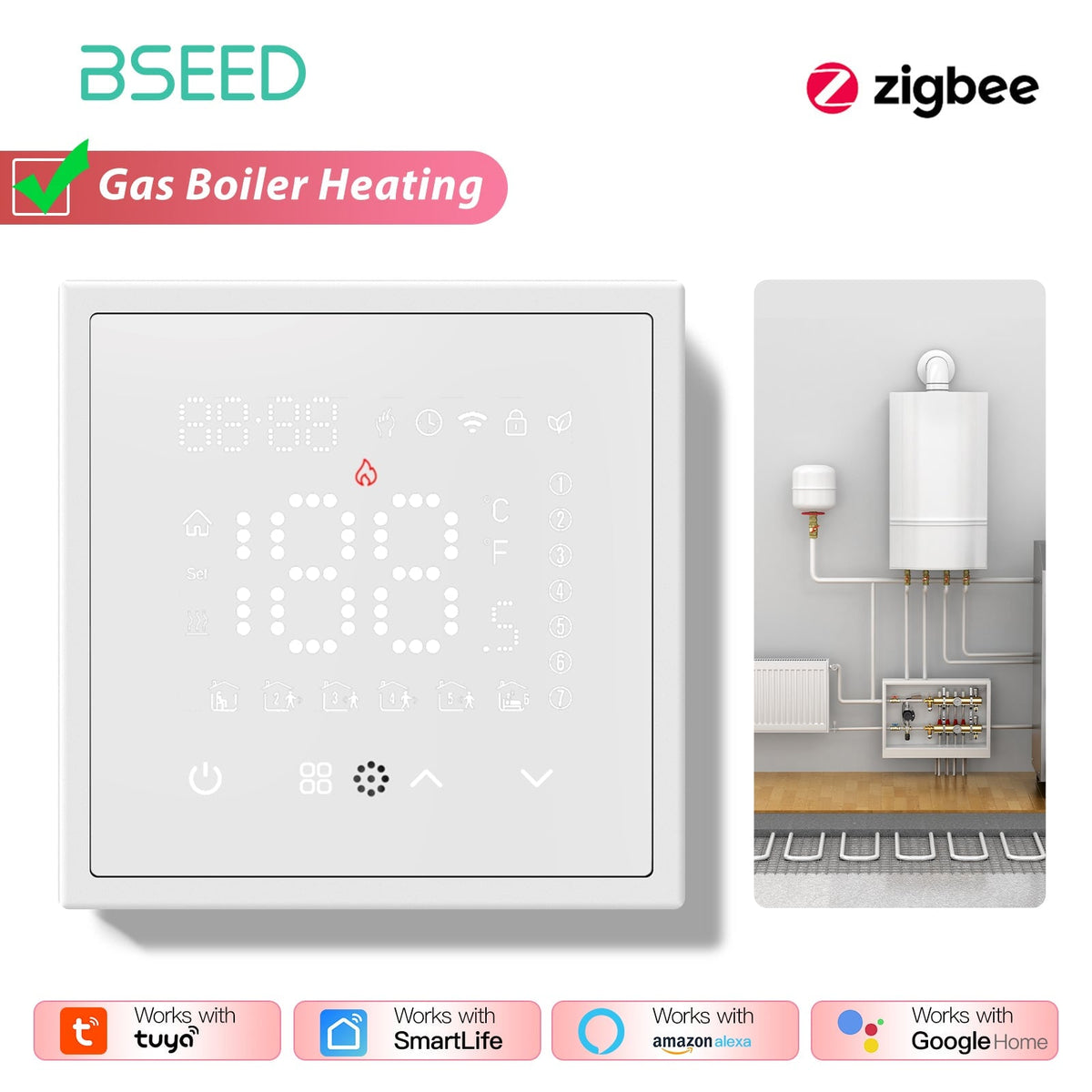
A Zigbee thermostat can be a good fit for homes that already use Zigbee smart switches, sensors, smart sockets or a central smart home hub.
Matter-enabled smart thermostats can be useful for homeowners who prioritise compatibility across different smart home platforms, subject to the thermostat and controller supporting the required Matter features.
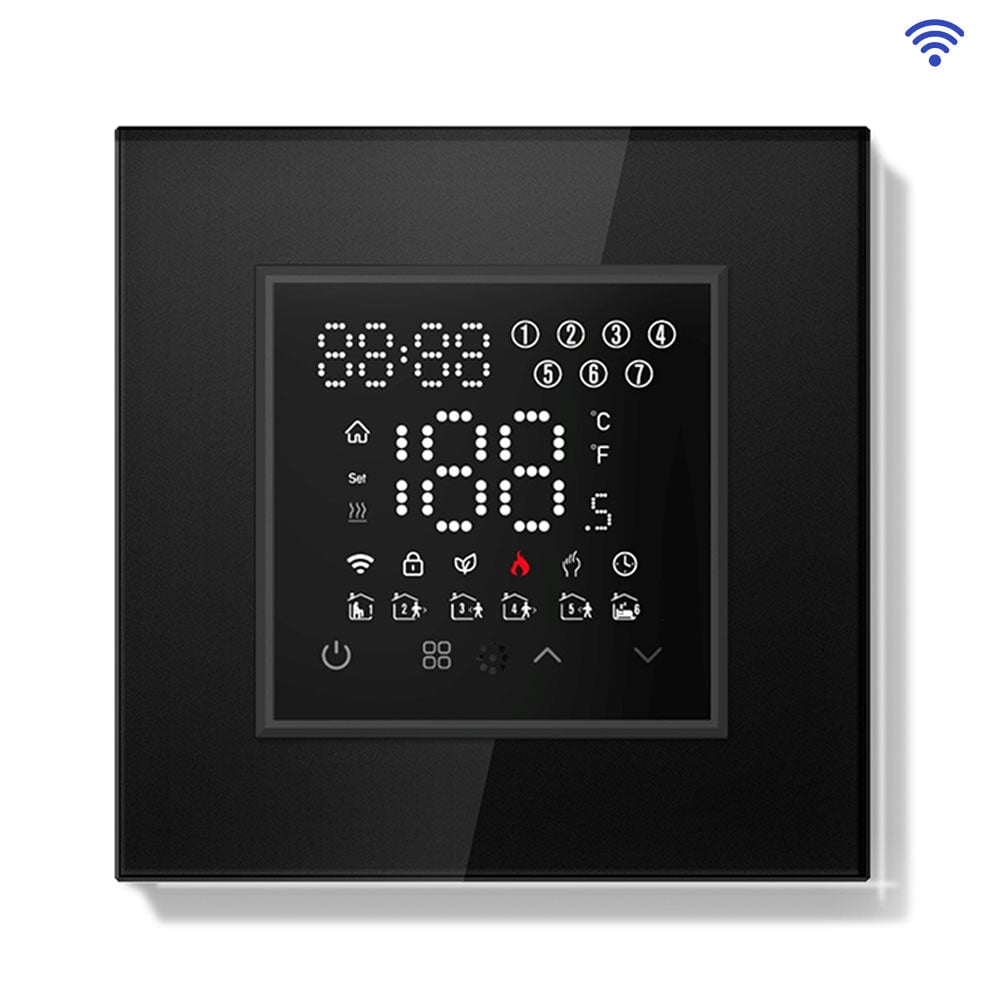
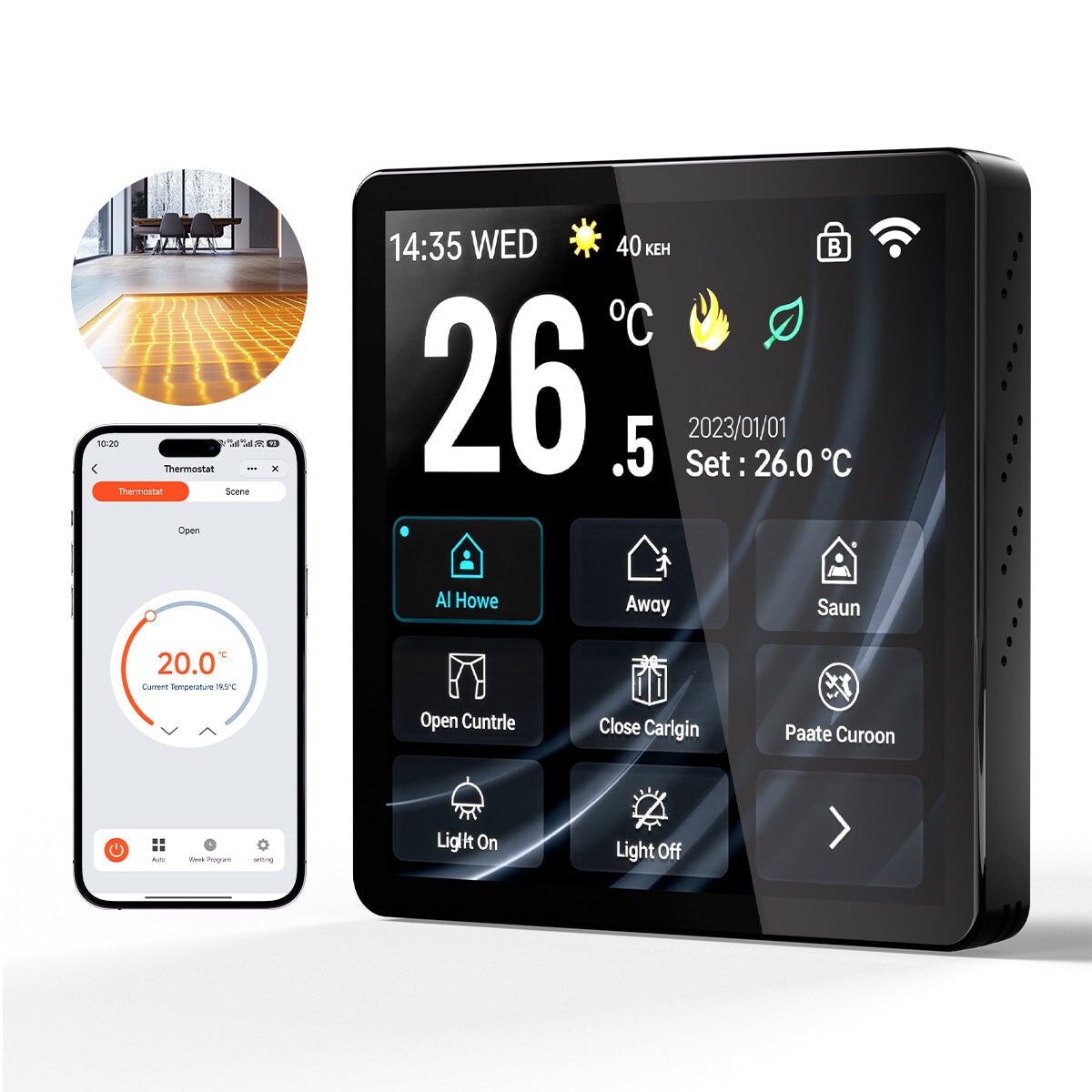
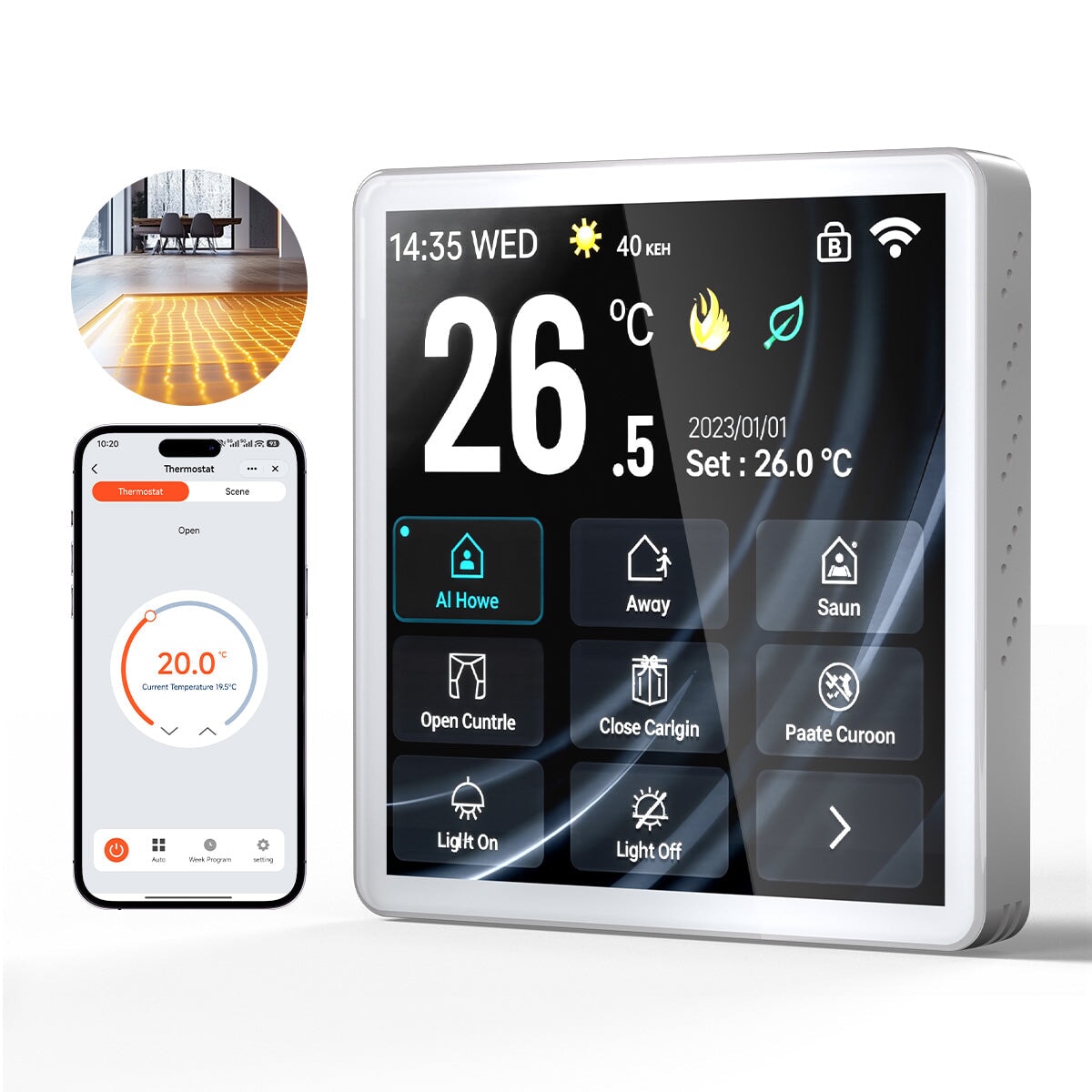
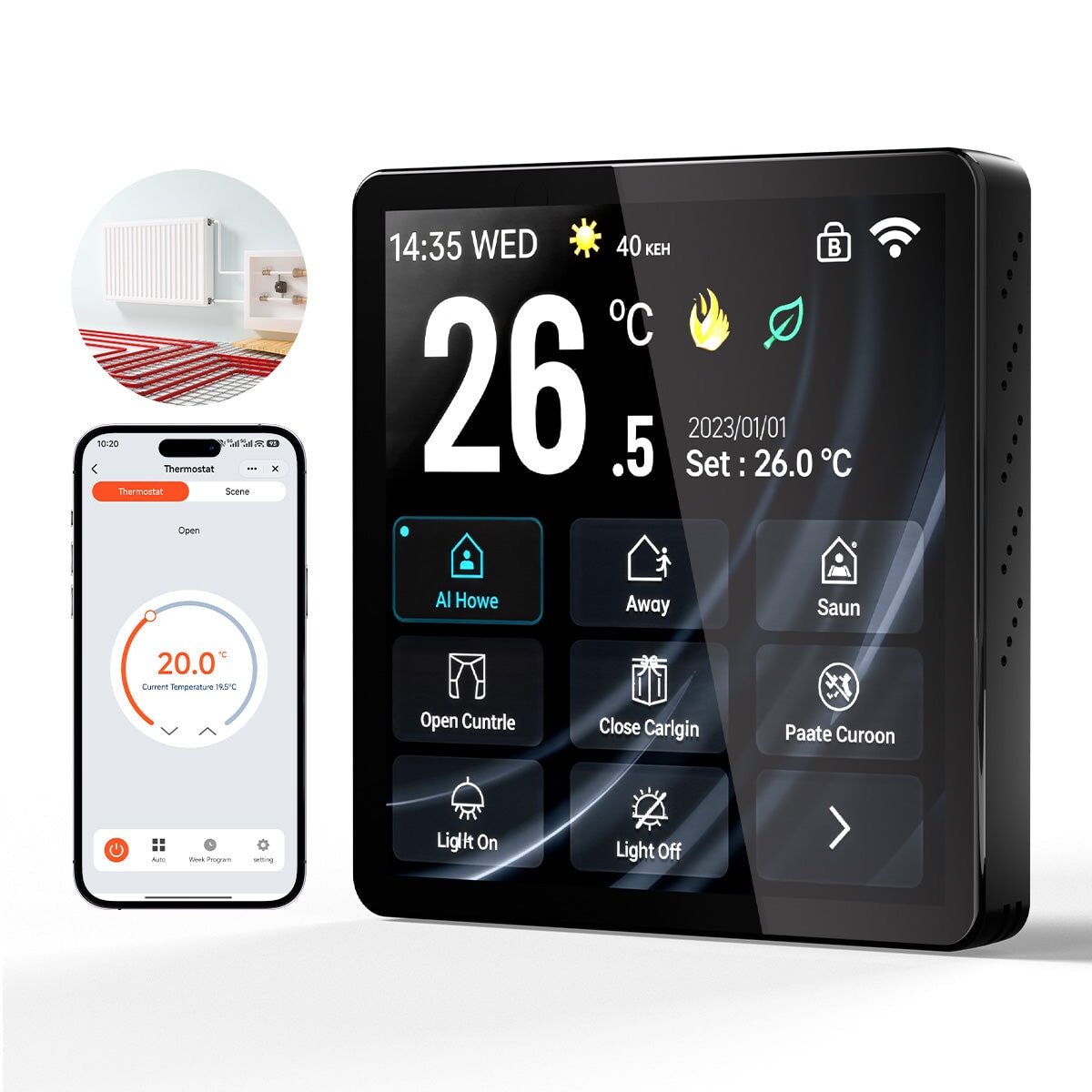
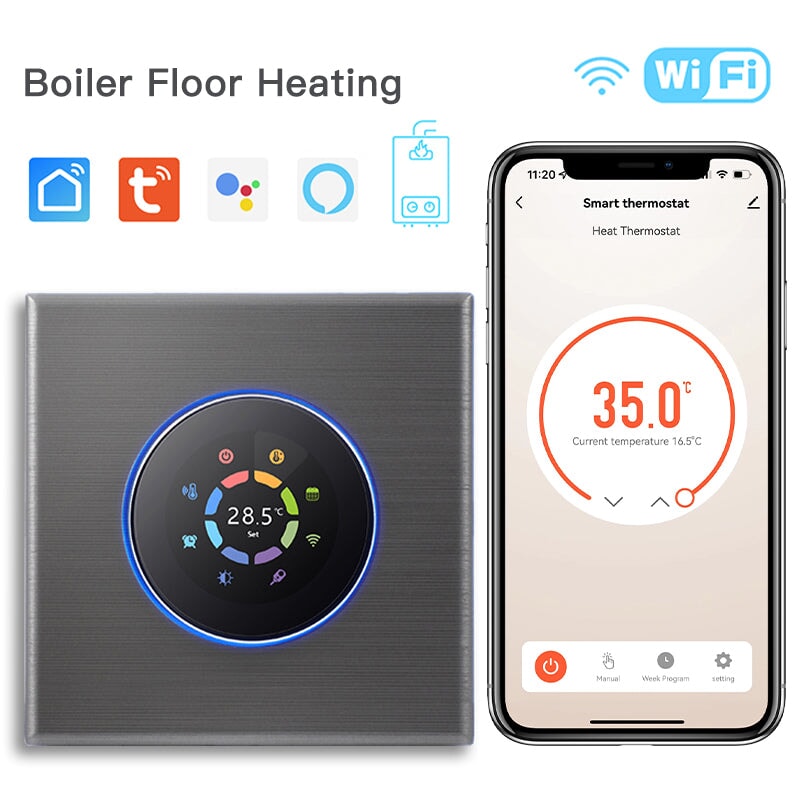
A touchscreen smart thermostat is particularly useful when homeowners want straightforward physical control from the wall as well as app-based management.
The communication protocol should follow the project rather than the other way around. A single bathroom in an apartment does not need the same smart heating architecture as a large house with multiple heating zones.
Set Sensible Boundaries for Heating Automation
Smart heating should not be marketed around unrealistic energy-saving promises.
A smart thermostat can help reduce unnecessary heating when schedules better match actual household routines. However, potential energy savings depend on several factors, including:
- Home insulation
- Heating system type
- Local climate
- Energy prices
- Property size
- Household behaviour
- Desired indoor temperature
For this reason, a fixed energy-saving percentage should not be promised without reliable measured data.
Heating automation should also avoid reacting to every small change.
For example, switching the heating off whenever someone leaves a room for ten minutes may be appropriate for some fast-response heating systems, but it can be inefficient or uncomfortable with underfloor heating, where the thermal mass of the floor means temperature changes happen more slowly.
A Practical Smart Heating Automation Ladder
|
Level |
What It Does |
When It Makes Sense |
|
Basic schedule |
Runs weekly heating times |
Most homes with regular routines |
|
Room zoning |
Different schedules by room |
Larger apartments, villas, family homes |
|
Scene link |
Away or evening mode adjusts heating |
Homes already using smart switches and sockets |
|
Platform control |
App, voice, or control panel access |
Users who want central management |
|
Deep automation |
More conditional rules |
Only when the heating behavior is well understood |
This step-by-step approach helps avoid introducing complicated automation before the basic heating schedule and room temperatures are working properly.
How BSEED Fits into a Smart Heating System
BSEED offers smart thermostats alongside smart light switches, smart sockets, dimmers, curtain and roller shutter switches, WiFi and Zigbee devices, Matter options and smart home control panels.

This allows heating to become part of a wider smart home automation system.
For example, an evening scene could combine:
- A comfortable living room temperature
- Softer lighting
- Closed curtains
- Controlled smart sockets
- Other connected home devices
When configured correctly, these devices can work together to create a more comfortable and convenient home environment.
However, heating automation should remain more conservative than lighting automation. Turning a light on or off is almost instantaneous. Changing the temperature of a room, particularly with underfloor heating, involves thermal delay and should therefore be handled with more carefully designed rules.
Smart Thermostat FAQs
Can a smart thermostat control underfloor heating?
Yes, provided the thermostat is compatible with the heating system, electrical load, wiring and required temperature sensors. Always confirm the heating system and installation requirements before choosing a thermostat.
Is advanced heating automation suitable for every home?
Not necessarily. Many homes only need a reliable weekly heating schedule. More advanced automation is most useful when the property's heating zones, occupancy patterns and daily routines are already well understood.
Can a smart thermostat work with other smart home devices?
Yes. Depending on the system and available integrations, heating can be included in Away, Evening or other smart home scenes. However, it is best to keep the rules simple until the system has demonstrated reliable behaviour.
Is WiFi or Zigbee better for a smart thermostat?
Neither is universally better. WiFi can be convenient for straightforward app-based control, while Zigbee can be useful for homes that already have a Zigbee smart home network. The best option depends on the wider smart home ecosystem and the homeowner's requirements.
The Goal of Advanced Heating Automation
Advanced smart heating automation should remove guesswork rather than create more settings to manage.
The ideal system is one where the room is comfortable when it needs to be, the heating schedule is easy to understand, and nobody needs to adjust the thermostat several times a day.
For homeowners, installers and smart home designers, the most effective approach is to start with the heating system, zones, sensors and daily routines. Once these foundations are right, technologies such as WiFi, Zigbee, Matter and smart home scenes can add further convenience without making the heating system unnecessarily complicated.