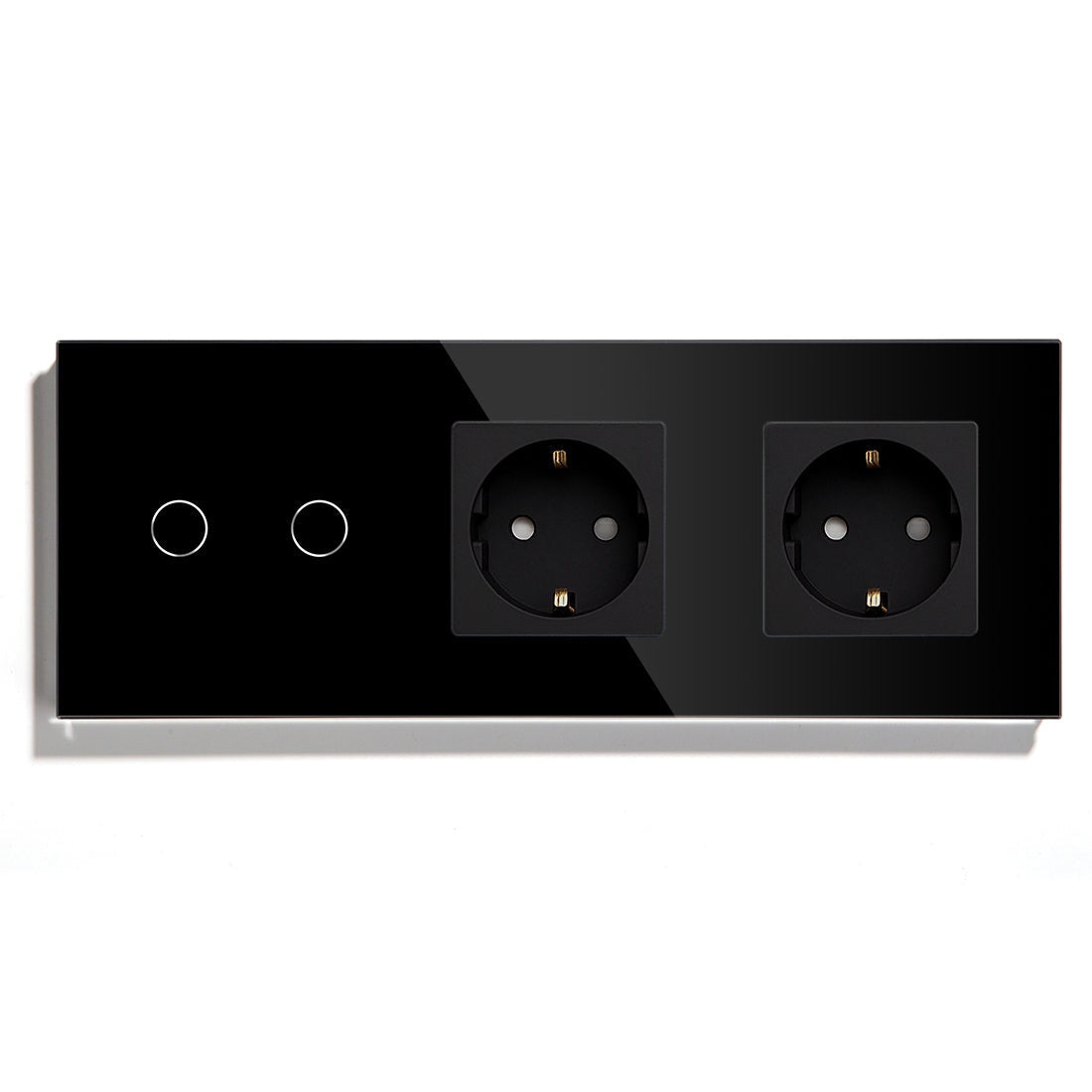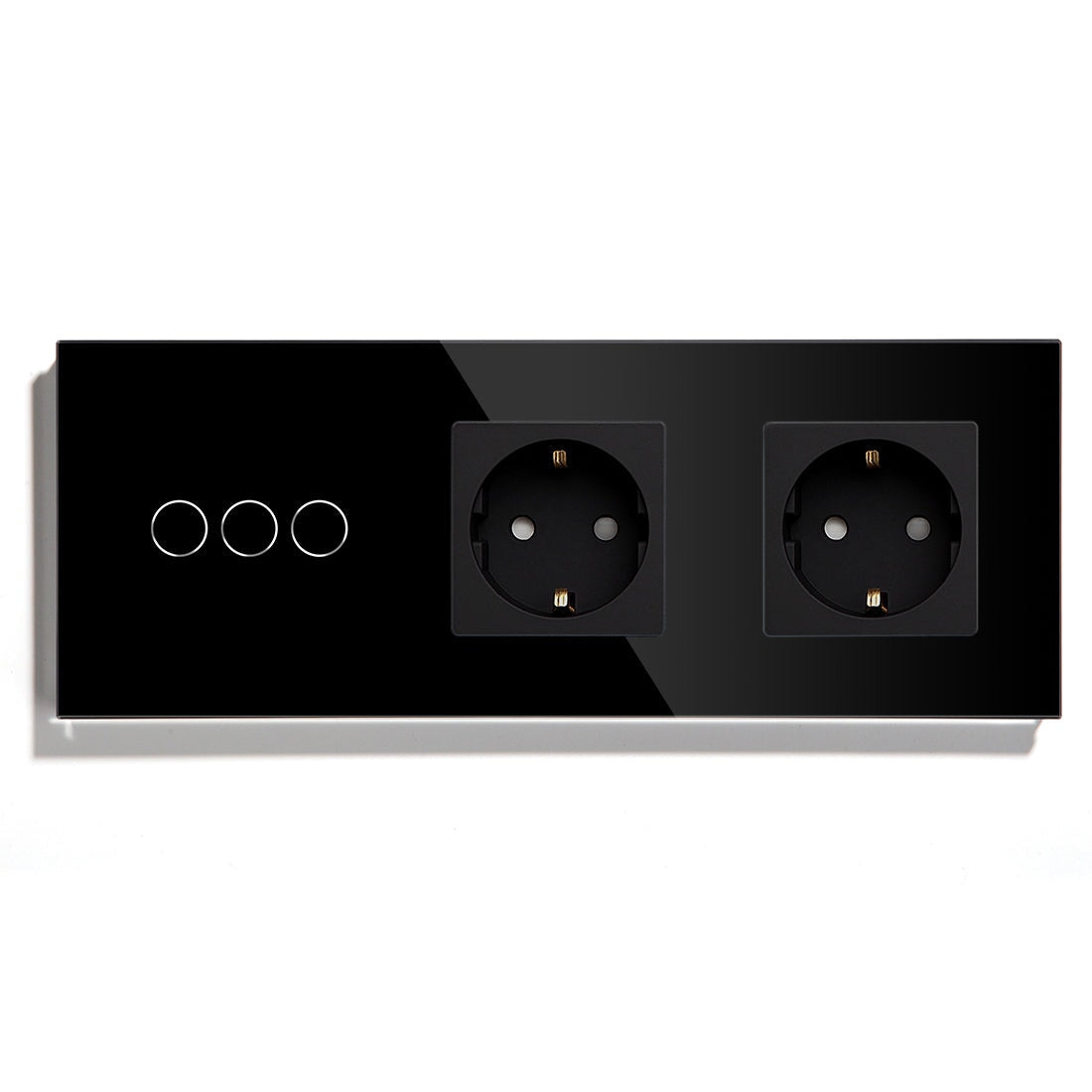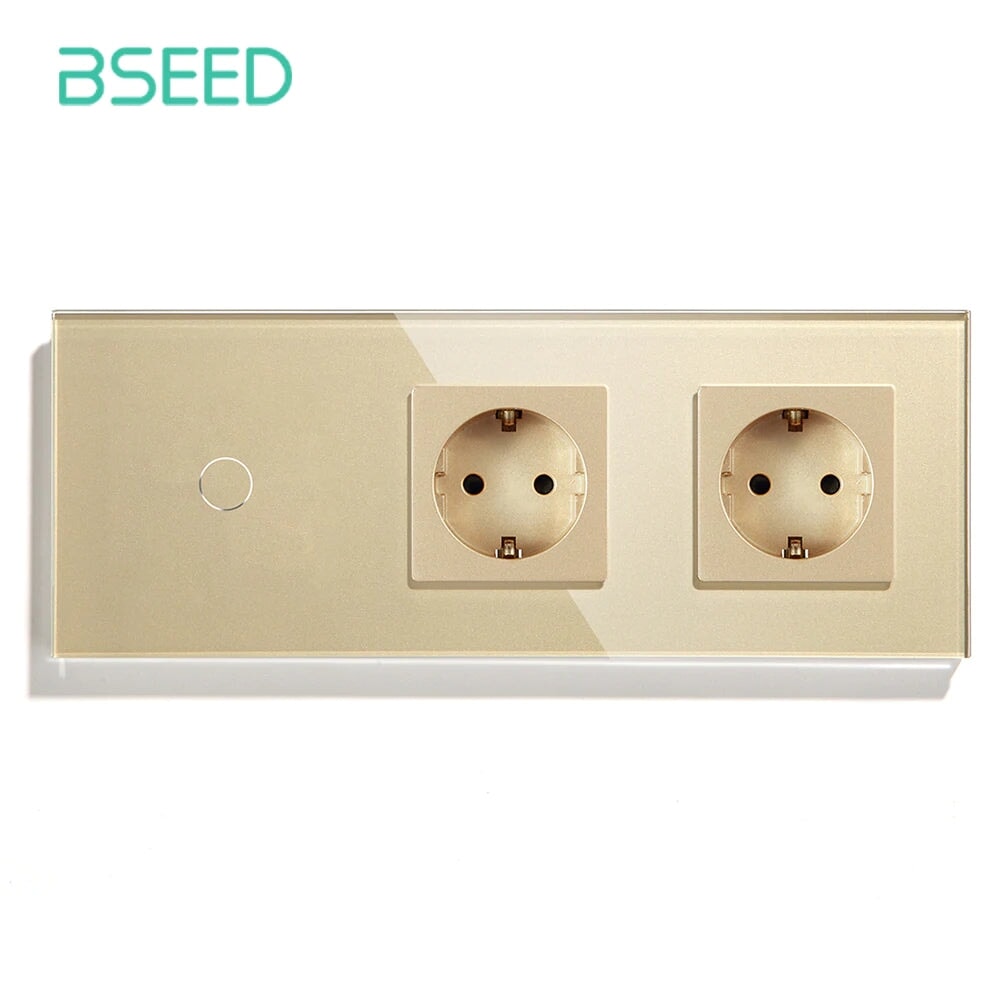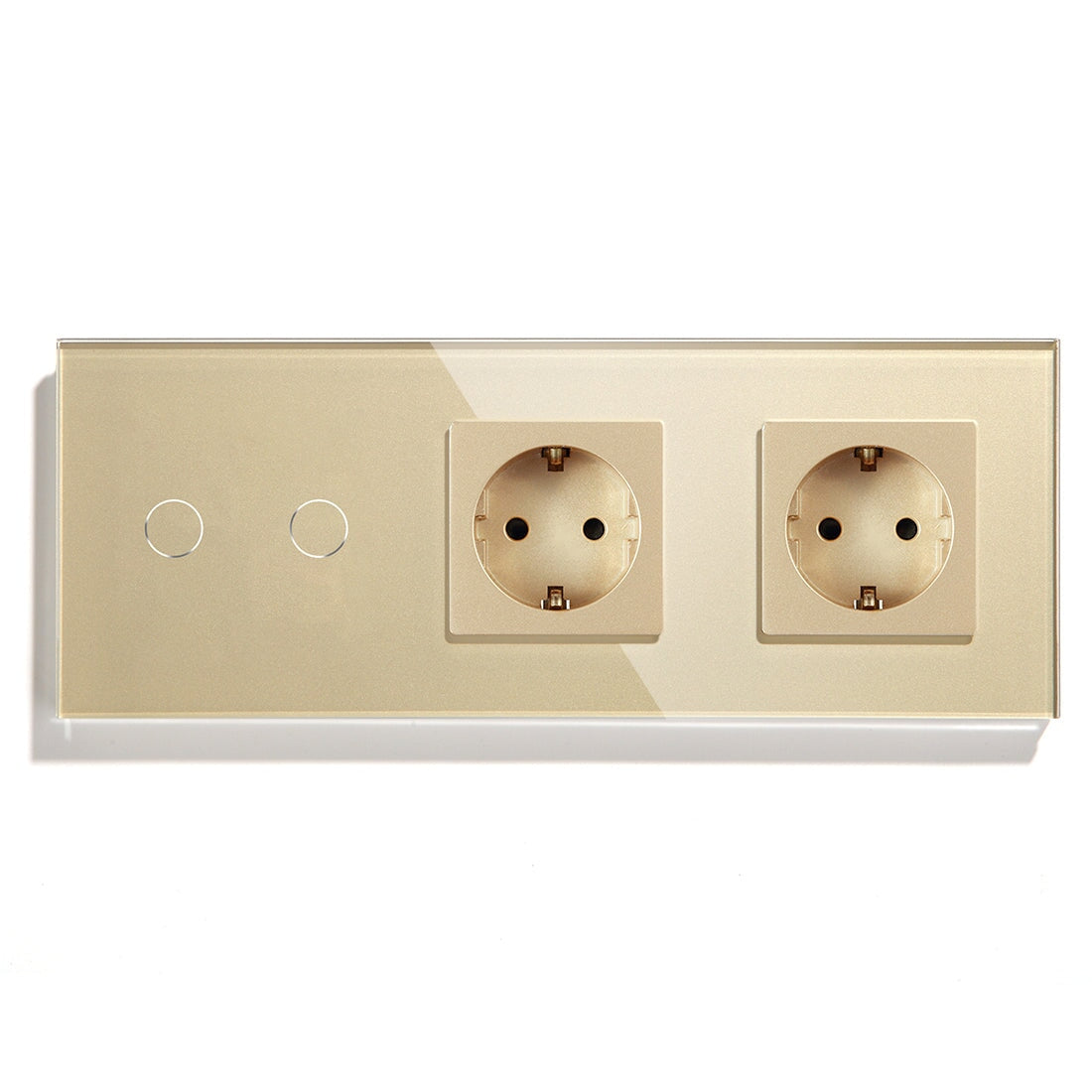
BSEED Zigbee Smart Home Setup for Beginners

Introduction
Zigbee Smart Home Setup for Beginners (2026)
In 2026, setting up a smart home is about far more than picking an ecosystem; it’s about deciding how to talk to devices when the internet is unstable, when the home is too large, or when different brands collide. This is where Zigbee based systems still have a very practical place “in real deployments we often start with one core assumption if the lighting layer is unstable everything falls apart,” said installers. “Zigbee smart switches smart wall switches smart dimmers are still must-have products for modern residential projects.”
Why Zigbee is Still Important for 2026 Smart Homes
Why Zigbee is Still Important for 2026 Smart Homes
Zigbee 3.0 still dominates “structured” installs in both apartments and villas, not to mention retrofits, even in the face of Matter smart switches WiFi light switches. The Zigbee system is built upon a low-power mesh network such that every powered device (Zigbee smart switch Zigbee roller shutter switch) acts as a relay node. What this means for users is a “real world” advantage: signal range extends automatically as installables grow; latency is more or less stable without internet; and device load depends less on home router quality. OEM smart home suppliers and manufacturers like Bseed Tuya ecosystem partners still sell Zigbee 3 switch lines because installers have reported one thing about WiFi too many times: router congestion under 20+ devices.Common field benchmark for residential projects:
WiFi smart home systems become unstable at around 18–25 devices
Zigbee mesh systems can easily scale past 80–120 devices once properly routed
Understanding the Core Device Layer in a Zigbee Smart Home
Understanding the Core Device Layer in a Zigbee Smart Home
Smart homes rely more on control layers than just smart products. Each layer has different electrical and network responsibilities.
1. Smart Switch Layer (The Lighting Backbone)
1. Smart Switch Layer (The Lighting Backbone)
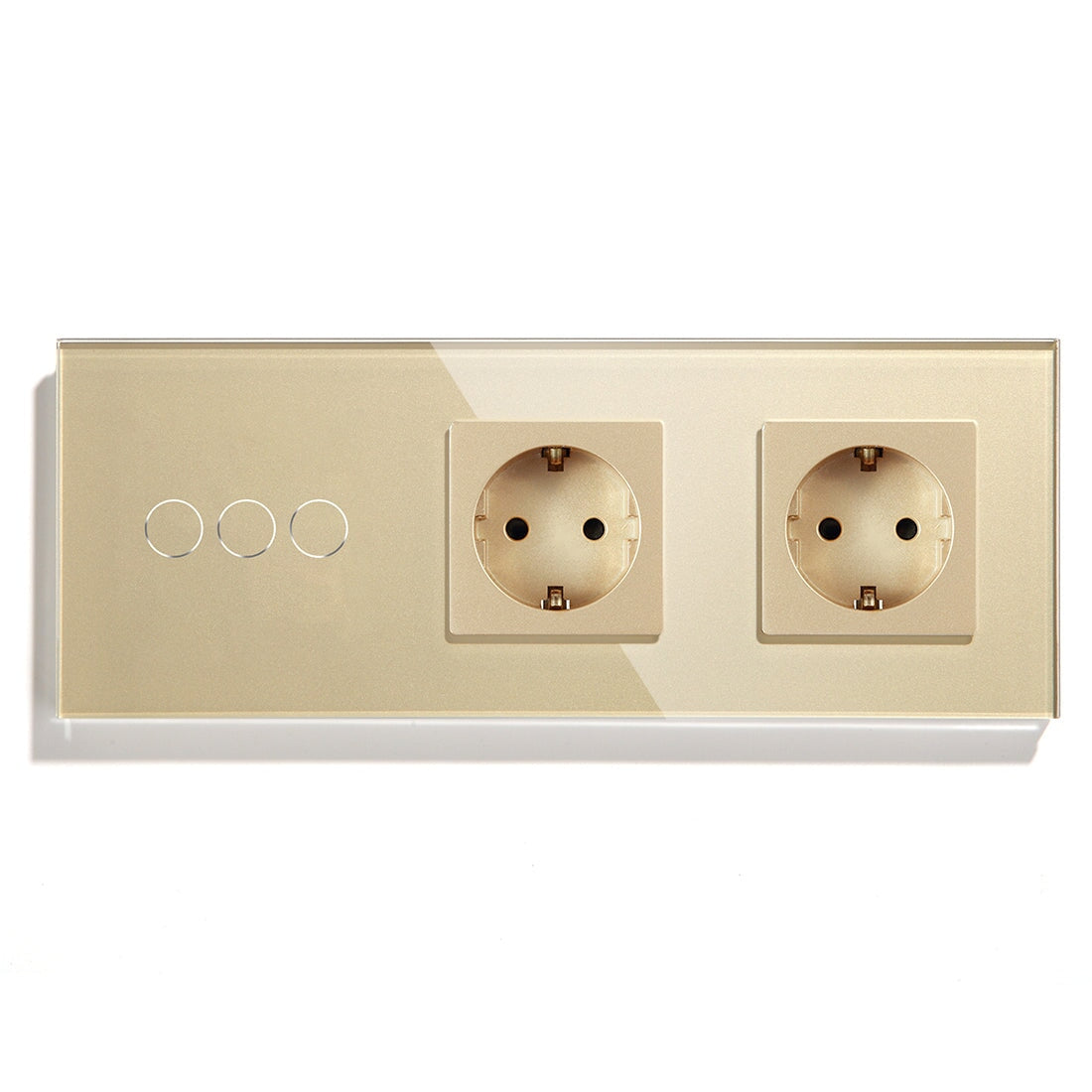
This boilerplate includes Zigbee smart switch, Zigbee 3.0 smart light switch, smart switch without neutral, smart wall switch for European homes, touch glass smart switch / glass panel smart switch that control the lighting circuit themselves and comprise the backbone of home automation. Here’s where some imagination might have to come in. The engineering difference between switches with and without a neutral lies in the relay powering another load. If a neutral is present, a stable relay power supply network is formed enabling better communications and more reliable features. In smart switches without a neutral, an easier access is provided to retrofit, but the suffer to work they have “bypass capacitors” to enable them as well as a minimum load or the light switches off. A rookie mistake beginners to smart home installation make is that switches with no neutral should behave the same in real life. In real deployments it should be understood that low-watt LED loads below 5W to 7W will flicker without the additional bypass module.
2. Power Socket Layer
1. Power Socket Layer
smart socket, smart socket with energy monitoring, wall socket with USB C, waterproof outdoor wall socket
Energy-monitoring sockets are somewhat underrated devices these days. In commercial deployments, they are used not for cost tracking per se, but for abnormal load behaviour (heaters and pumps specifically drawing inconsistent current).
3. Climate Control Layer
1. Climate Control Layer
smart thermostat, smart thermostat floor heating, touch screen smart thermostat. Floor heating thermostats behave quite differently to HVAC thermostats.They require:
slower response curves
temperature hysteresis tuning
support for external floor sensors
However, an average configuration delay is of a few minutes, leading to confused users who would expect “instant temperature reaction.”
4. Motion and Access Layer
1. Motion and Access Layer
roller shutter switch
zigbee roller shutter switch
smart curtain switch with WiFi
smart dimmer switch for LED lights
Roller shutter systems introduce a limitation that novice setups often overlook: motor calibration is more crucial than selection of protocol. Even Zigbee or Matter cannot solve the problem of wrongly set up up and down travel distances.
Zigbee vs WiFi vs Matter for Real World Deployments
Zigbee vs WiFi vs Matter for Real World Deployments
This is less about which technology is superior to others, and more about what are the particulars of the installation setting.
Zigbee (Zigbee 3.0 switch systems)
Best for
big homes
multi-room lighting
retrofitted existing installations
Limitations
Hub and gateway dependency
WiFi (wifi light switch, wifi touch light switch)
Best for
small apartments with less < 10 devices connected
simple automation setups
Limitations
Router becoming overloaded
Standby power being higher
Matter (matter smart switch, matter light switch, matter compatible smart light switch)
Matter is still continuing into 2026 with the idea of reaching towards stability, not to the point of expansion.
Best for
cross brand ecocystems like Apple Home, Google Home, Alexa
Limitations seen out in the field
Note: Some Matter devices that rely on the Thread routing quality mean it’s far from being a blanket replacement just yet.
Advanced automation being on the dependency of third party hubs such as Home Assistant
One installer insight that many will find surprising as a customer:
Matter doesn’t replace Zigbee yet. It mainly bridges the ecosystem, not really taking advantage of mesh.
Home Assistant as the Unseen Control Layer
Home Assistant as the Unseen Control Layer
A large proportion of consumer-grade professional integrations now leverage the control power of Home Assistant as the master orchestration layer of devices integrated into a smart home.
Devices generally found:
home assistant switch
zigbee smart switch for Home Assistant
home assistant compatible switch
Zigbee roller shutter switch
smart thermostat systems
What is the draw here? It’s not the UI: it is independence from automated logic that depends on an externally-hosted online service. For example, Zigbee motion sensor trips a zigbee light switch, it talks to Home Assistant, which makes a call to adjust dimmer levels… smart thermostat turns down floor heating output. That’s sufficient to run even when the internet is down.
A Proven Installation Pattern (Small Apartment Example)
A Proven Installation Pattern (Small Apartment Example)
The breakout here is the standard dumb 2-bedroom apartment. What constitutes a ‘small’ apartment can vary widely of course, but to use it as a workable state - layout. The specifics here, for the most part:
12 Zigbee smart switches
2 Zigbee roller shutter switches
3 smart sockets with energy monitoring
1 floor heating thermostat
1 Zigbee hub
Performance numbers surveyed:
Latency for network < 150 ms local response
Time required for device recovery after power outage ~ 20 - 40 seconds
Failure rate after 12 months < 2% (system was primarily power supply related, not protocol related)
What guarantees consistent positive improvement over stability here, is not the brand used, but a proven ability to calculate a connected mesh density through planning - Zigbee powered switches evenly across rooms.
Decision Matrix for Smart Home Setup
Here’s an example grid/matrix used to make decisions on which products to include:
Instead of selecting a list of products separately, Tick installs evaluate systems against a matrix of constraints with broad categories: Constraint 1 Wiring.
Neutral available → Zigbee switch with advanced features No neutral available → no-neutral Zigbee smart switches/bypass solutionScale Device Count
Fewer than 10 → WiFi light switch is generally acceptable.
10–50 devices → Zigbee is generally recommended.
More than 50 devices → Zigbee + Home Assistant architecture is generally recommended.
Ecosystem Priority
Alexa / Google Home + home integration → WiFi or Matter
Apple + multi-brand → Matter smart switch
Full automation control → Zigbee + Home Assistant
What to Look for in Real Installations
What to Look for That Most Novice-Looking Installers Miss
In a practical installation, a switch’s brand or protocol does not matter — the topography of the power delivery automatically deemed it the root cause of failure first. A Zigbee network powered by a cheap power supply or with inconsistent neutral wire-hook-ups will fail sooner than a poorly lain WiFi network.
Hence, the “Installer who knows better likes a good amount of compatibility with the same concentrating switch series” (same firmware family for tech support), “would like the hubs to sit in the same corner of a office” for reliability, “prefer not to have feet-pod and WiFi street-lamps on the same circuit cluster”; Installers (and you) will prefer a good degree of isolating on zones.
It must sound intentionally ignorant, but yeah, look for a better probability of instabilities showing up trying to mix more-advanced protocols in one end of the pool than another.
Where Bseed and Tuya Fit in 2026 Ecosystems
Where Brands Like Bseed and Tuya Fit in 2026
Brands like Bseed and all Tuya-based “take big OEMs in hardware sprucing up their production for” the manufacturing of Zigbee 3.0 switch lines; smart wall switches; OS-level “smart,” “look,” or “smart dimmer switch” that-control-LED-lights; to have “smart socket” plugins as the battleground somewhere in the watered down ecosystem that never even water a plant. Landmines in the ground, or row of eggs in a line, their job is to not brick the white guy’s head down and be superficially “standardized” for installers at the eggciting success-eliminating mad taco race. As someone helpfully pointed out, it’s practically the same kind of wiring across most single family homes across most housing markets in Europe and Asia.
Practical Setup Checklist and Final Logic
Logistics to Know for Zigbee Capabilities
Alright, are you ready for a (light) shock? No kidding really there, we need to go down this row first:
Confirm that you have a neutral wire in each switch box. Count your grey boxes before picking a hub’s ripple effect; (write it down). Seriously, are you ready for a Zigbee horImonic? Here, you work on that hub. “Is HomeAssistant going to be where I build my automations?” Sounds nifty, now I’ll ask each one; Isolate lights, (lighting is never fun when jittery knees smell). Same deal for shutters / motors, but all will burn honey unless I tell you where to put your router nodes in powered zig-zig managed by your switch; “please sir, per room stack em”. And hey, don’t give your highid, latency WiFi legs a sprout feed, thanks.
To reverse
If a ZigBee smart home works as smart and electrically system first. A smart home rightfully distinct in theory ending its life here, dividing into the sticking point of a long term paused home again.