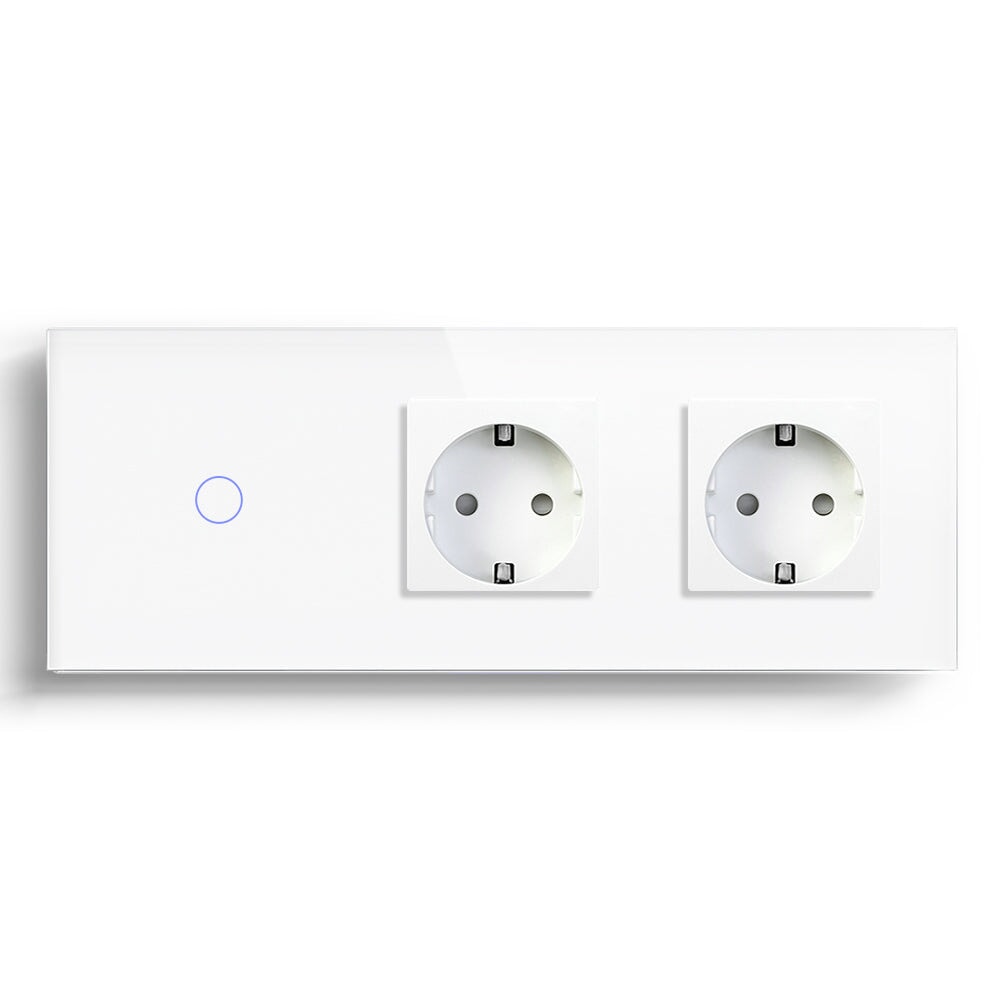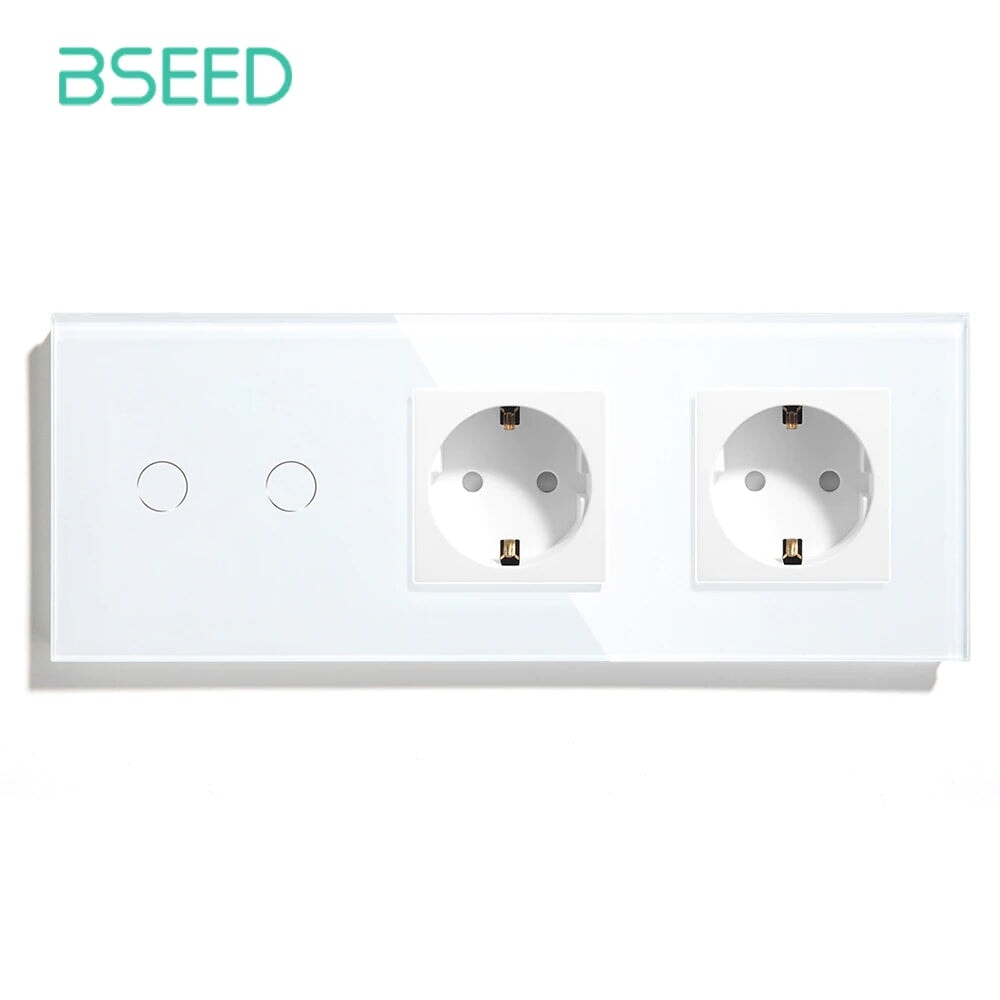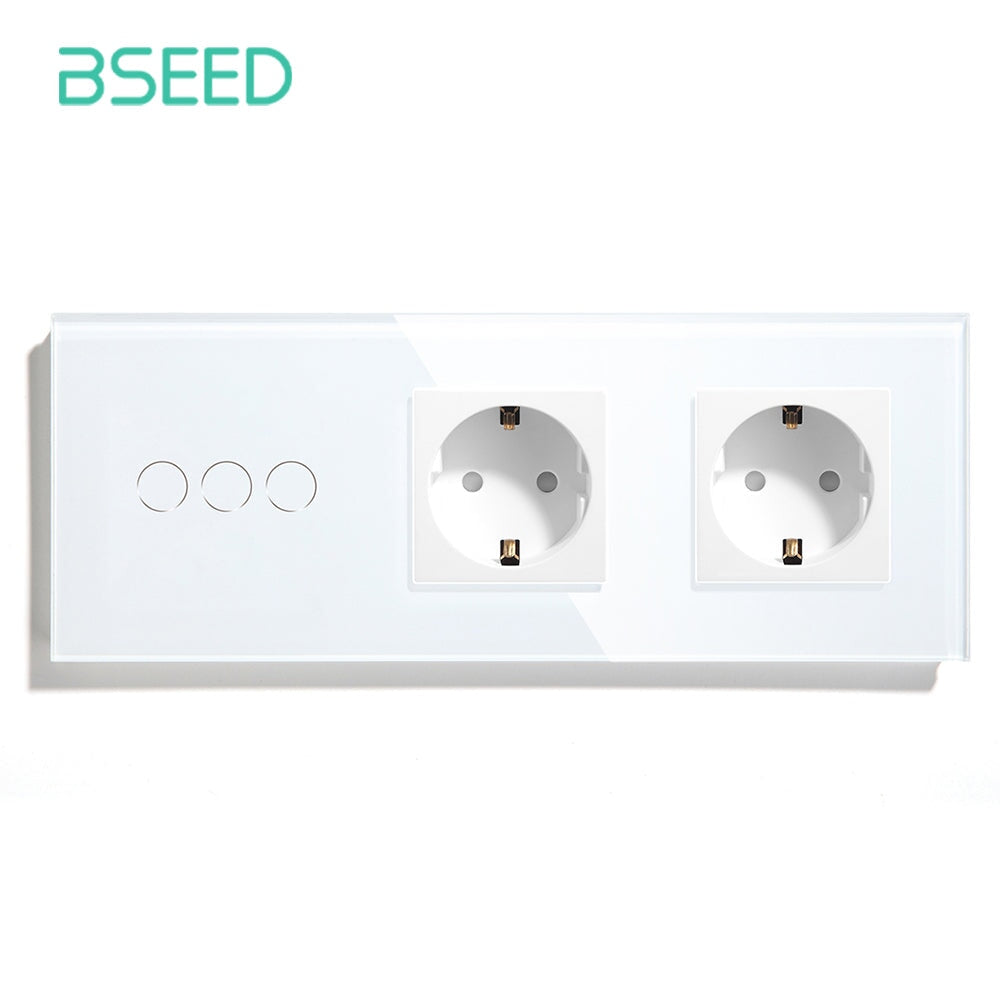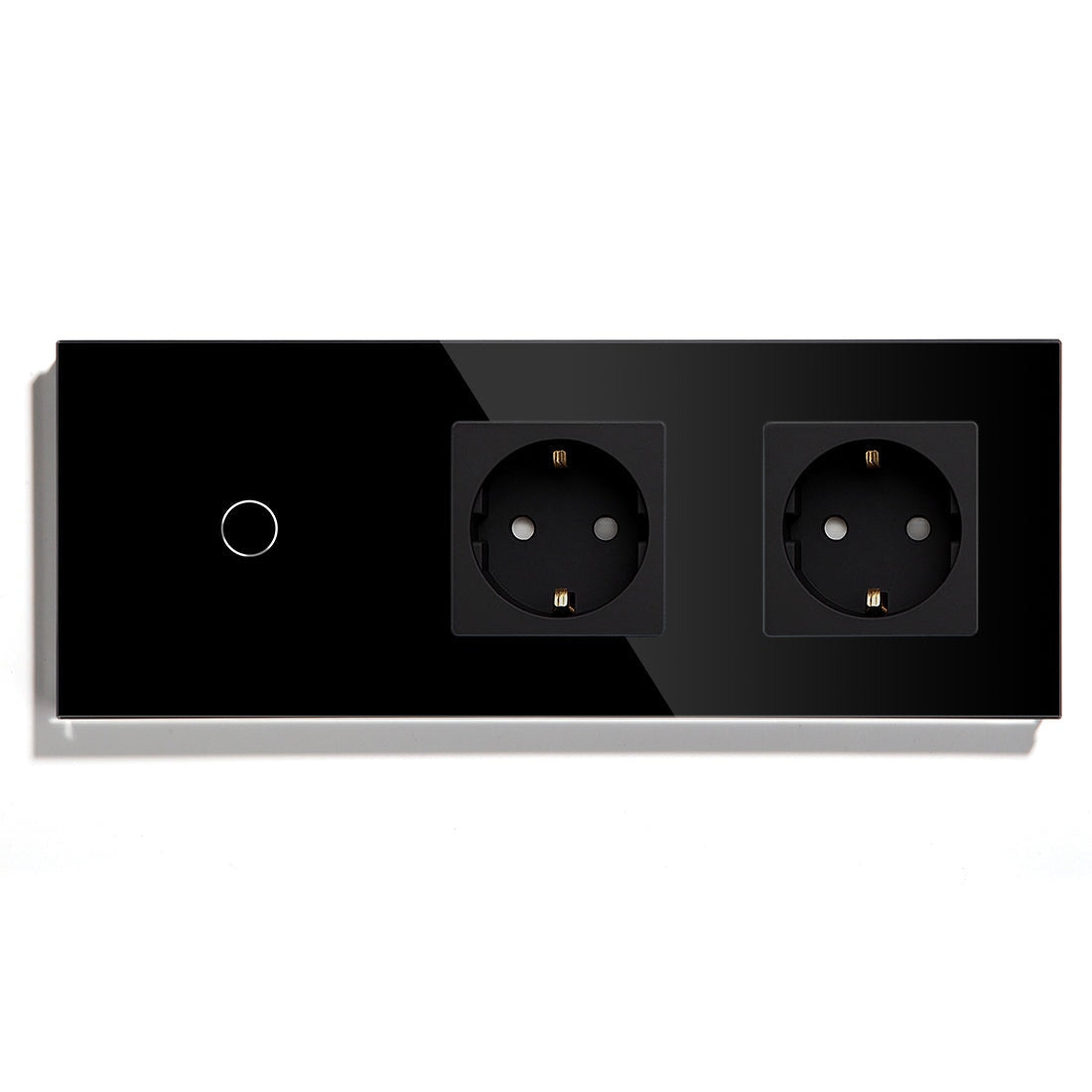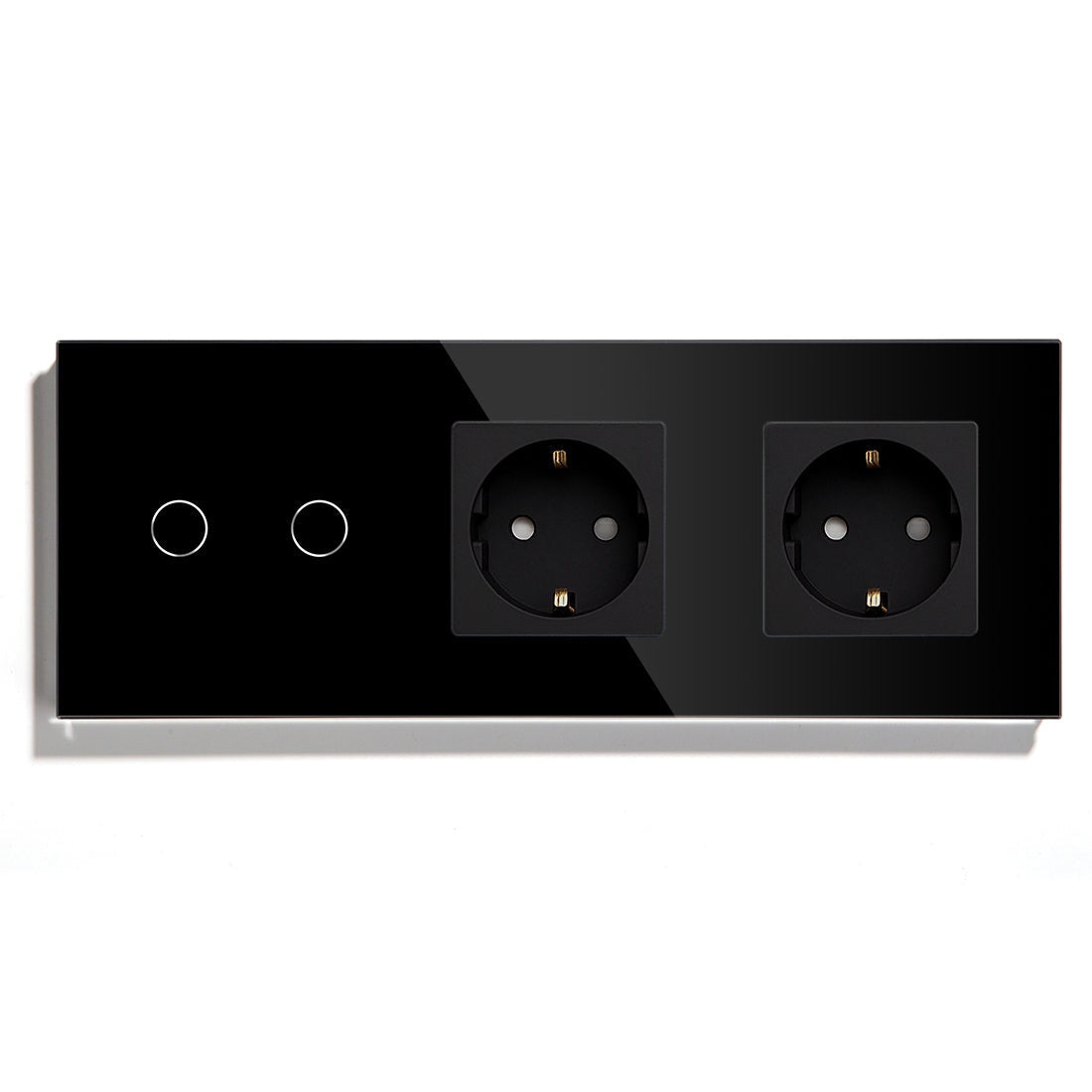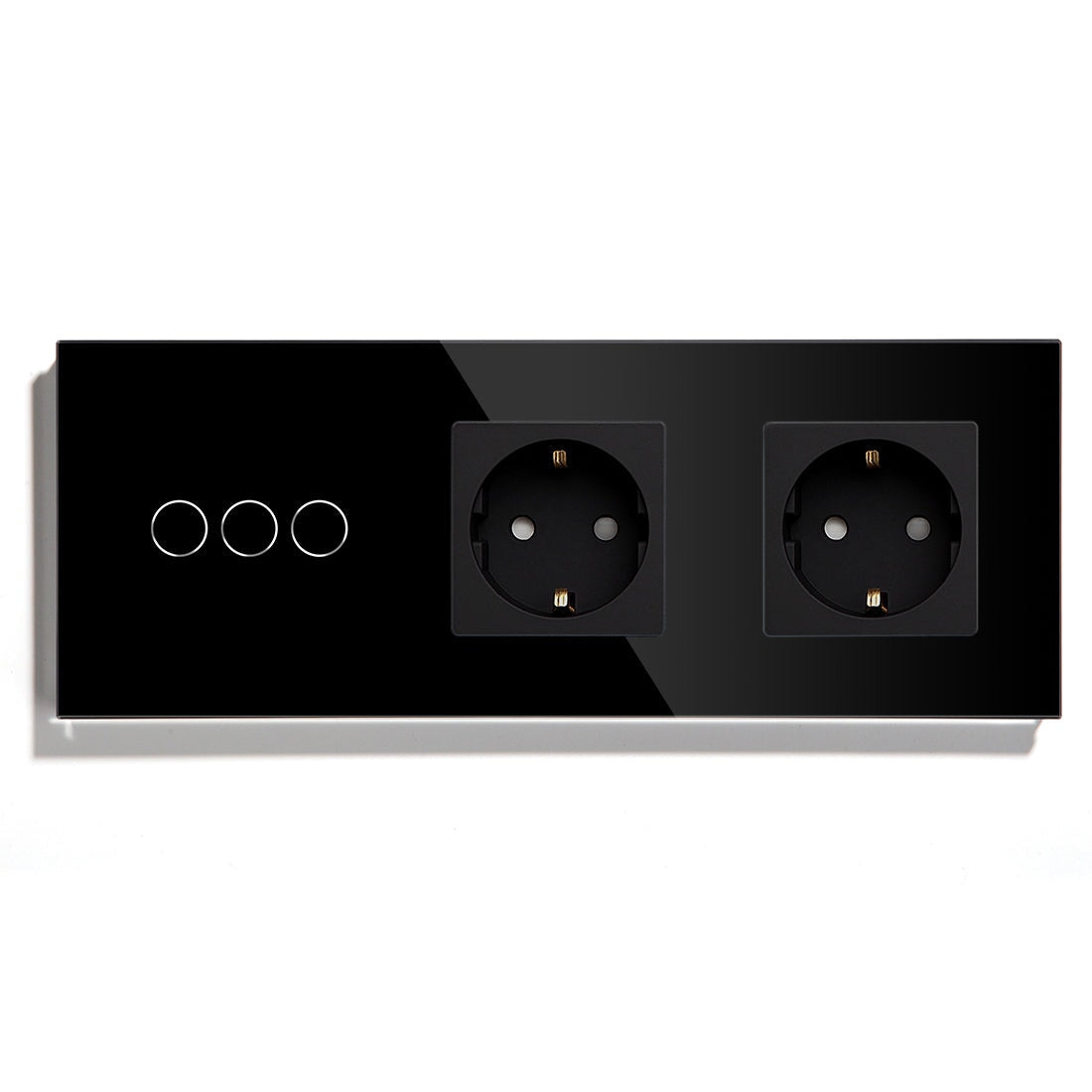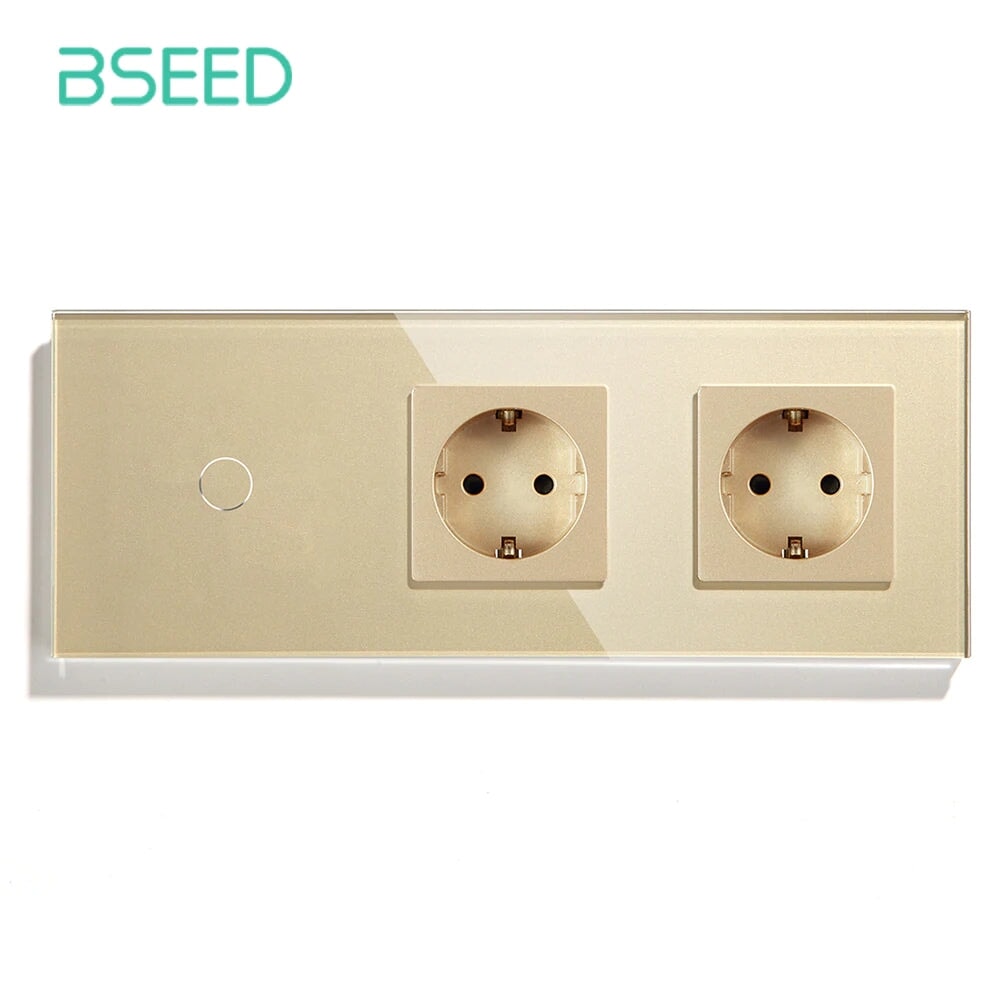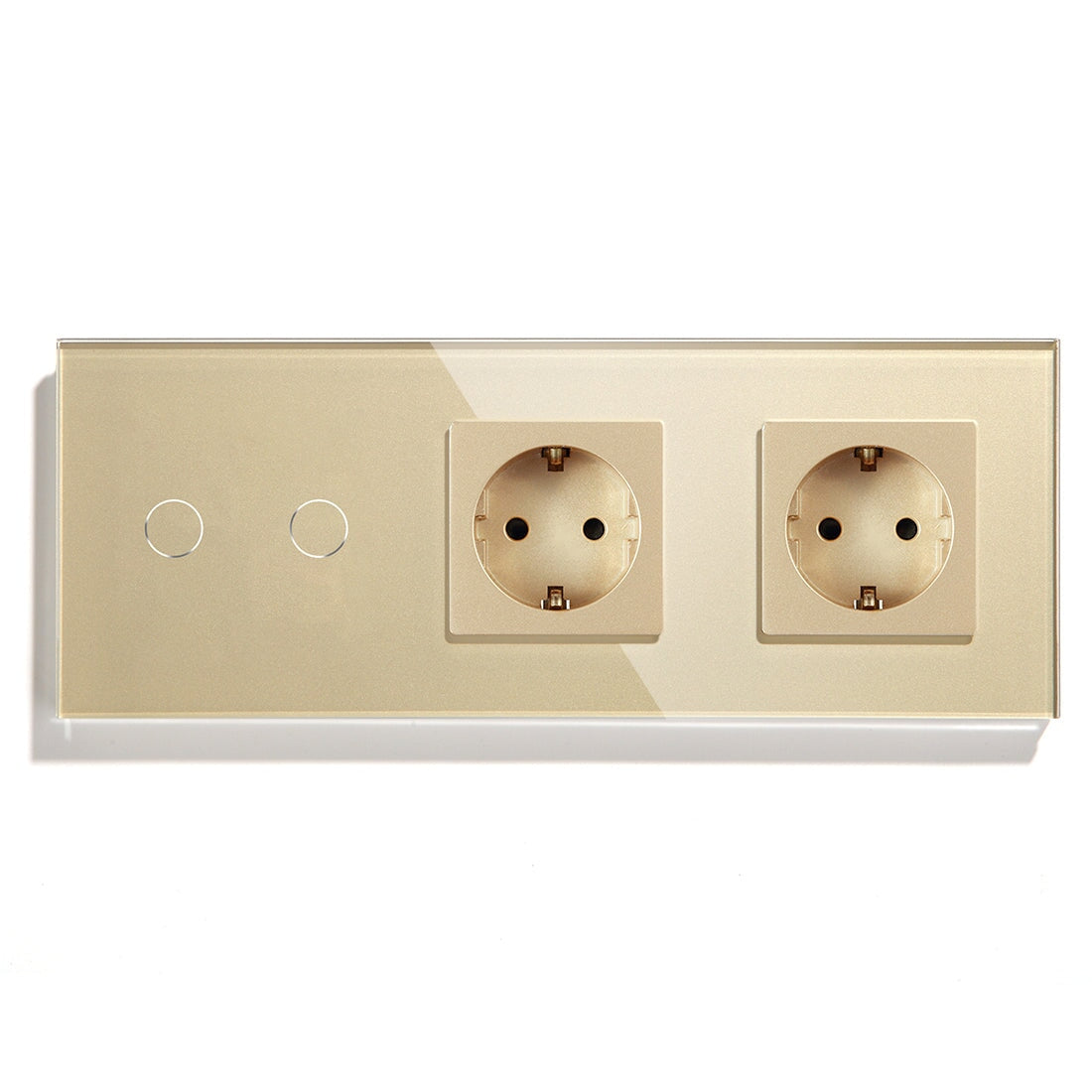
BSEED Home Assistant Switch for Local Smart Home Control

Why Home Assistant Compatible Switches Are Becoming the Go-To in 2026
For the homeowner building an enviable smart home in 2026, cloud connectivity is no longer the biggest issue.
The only question is:
Will the switch still work when the internet goes down?
This one requirement-spur is behind the fast-growing popularity of the Home Assistant Switch form factor, especially among those users who are serious about wanting total control over their automation toyland.
Whether you’re putting up a BSEED Smart Switch, a Tuya Zigbee Smart Switch, a Matter Smart Switch, or a Zigbee 3.0 Smart Light Switch, local control capability of some sort is rapidly becoming a core requirement, rather than ‘nice-to-have’.
So many smart home projects that look great when first installed become sad in the face of a series of cloud outages, too-slow-to-reaction-evils, vendor server changes or app drops.
Home Assistant gets rid of much of that dependency and malign overheads by moving automation logic back within the home.
For the European homeowner, installer, or smart home integrators-this represents one of the most important changes in the architecture of residential automation since Zigbee came on the scene.
What Is a Home Assistant Switch?
A smart switch that will allow for direct integration with the Home Assistant platform for local device management, automation, monitoring, and control.
Common categories of device types include:
· Smart Light Switch
· Smart Wall Switch
· Zigbee Switch
· WiFi Light Switch
· Matter Smart Switch
· Roller Shutter Switch
· Smart Socket
· Smart Thermostat
· Smart Dimmer Switch
Home Assistant avoids the manufacturer cloud servers and talks directly to compatible devices over:
Zigbee
Local mesh communication with coordinators such as Sonoff ZBDongle, SkyConnect, and ConBee III
Matter
IP-based communication over Ethernet, WiFi, and Thread
Local Tuya
Direct LAN communication with some Tuya devices
The result is faster, more responsive devices and increased control of the automation logic.
The Counterintuitive Truth: a Faster Internet Doesn’t Result in a Faster Smart Home
Many individuals assume that by moving from a 100 Mbps connection to a 1 Gbps fiber connection will result in a better performing smart switch.
Installing smart switches for many years now, I’ve seen very little difference.
The bottleneck is rarely the bandwidth.
It is how many ‘round trips’ to the cloud are required to get the request completed.
Consider for example a cloud-controlled smart switch:
1. Send by touching the wall switch
2. Touching goes to cloud server
3. The cloud processes your request
4. Cloud sends a response
5. Device receives the instruction and status is synced back to the app
Using a locally controlled Home Assistant switch, this similes task often within the local network.
Typical measured response times for each method:
|
Control Method |
Typical Response |
|
Cloud WiFi Switch |
500-3000 ms |
|
Local Zigbee Switch |
50-150 ms |
|
Matter over LAN |
30-100 ms |
|
Home Assistant Local Automation |
20-80 ms |
As multiple automations run at the same time, the difference is even greater.
Why Zigbee Switches Power the Bulk of Home Assistant 2026
In 2026, if I had to hazard a guess, it is Zigbee that is still the most heavily deployed protocol amongst Home Assistant users.
Why Are Zigbee 3.0 Switches so Awesome?
Low power consumption
Great for battery sensors and massively large installations!
Give longevity in many applications
Self-healing mesh network
More powered devices increase network coverage
Scalability
Common to find installations with over 100 devices
Operated locally
No reliance on the Internet
Popular device categories include:
· Zigbee Light Switch
· Zigbee Smart Switch for Home Assistant
· Zigbee Roller Shutter Switch
· Zigbee Light Switch Without Neutral
· Zigbee 3.0 Smart Light Switch
For European homes constructed prior to the widespread adoption of current electrical wiring systems, the presence of Smart Switch Without Neutral Wire models is of great significance.
How do you explain the many potential ways that Matter Smart Switches can cause problems???
Many Apartments across Germany, France, Spain, Italy, other of Eastern Europe still lack a neutral conductor not only at the switch but sometimes even to an electrical panel.
Matter Smart Switches; Where They Shine And Where They Fade Away.
Matter. It might be the most spoken about smart home technology in 2026.
The promise is tantalising:
· One Protocol
· Multi-brand compatibility
· Local Communication
· Less On-boarding
A Matter Compatible Smart Light Switch can potentially be accommodated in:
· Home Assistant
· Apple Home
· Google Home
· Amazon Alexa
· Samsung SmartThings
etc. and however, in practical reality, we find experienced integrators shaking their heads in annoyance at being told!
Current Strengths
· Excellent platform-crossing interoperability
· Fast response time locally
· Strong security model
· On-boarding is simple
Current Weaknesses
· Smaller ecosystem than Zigbee
· Limited exposure to advanced parameters
· Implementation contains flaws from vendors
· Limited options for mature automations
The Zigbee protocol is likely easier to scale in projects beyond 80-100 devices even today.
Matter adoption is huge and growing however Zigbee handles the bulk of advanced Home Assistant projects still.
Choosing between WiFi, Zigbee and Matter ‘Smart Switches’
WiFi Light Switch
Best for:
· Small Apartments
· Under 10 smart devices
· Basic voice control
Potential problems:
· Routers may get congested
· Wires consume more power
· Further reliance on external servers
Zigbee Light Switch
Best for:
· Medium-large homes
· Home Assistant users
· Complex automations
Potential problems:
· Needs a coordinator
· Importance of mesh planning
Matter Smart Switch
Best for:
· Multi-platform households
· Future-proofed installations
· Mixed ecosystem users
Potential problems:
· Device availability still developing
Smart Switches without Neutral Wire: installation facts
One of the largest smart home markets in Europe understands that existing properties need retrofitting.
The products often installed include:
· the smart switch without neutral
· the WiFi light switch without neutral wire
· the Zigbee light switch without neutral
Installers should recognise one significant factor however.
Many without-neutral switches require a minimum electrical load connected to operate properly.
Problems can be encountered connecting to:
· Ultra-low-power LED lamps
· Decorative lighting circuits
· Some electronic transformers
Symptoms:
· Flickering
· Ghost/phantom illumination
· Imprecise switching
A bypass capacitor is added to most installations which resolves the issue.
This should not be seen as a fault with the switch.
Rather, it’s a function of the manner by which no-neutral designs “harvest” power from the lighting circuit for operation.
Smart Thermostats and Roller Shutter Switches – why they matter more than light switches
To many new smart home users, the fascination begins and ends with turning on and off lightbulbs.
The statistics on energy consumption paint another picture.
In say a European home, heating is half; maybe 70% of our Y-O-Y consumptions and lighting is in some houses less than one UK school uses 7%-9% of its annual consumption on lighting (currently being fined for the over usage, like most schools).
This is why Home Assistant users are heading in droves to the following devices:
Zigbee Smart Thermostat for Floor heating
Zone control, Energy Optimisation, occupancy based automation, dynamic and external triggers dynamically reacting to an occupancy schedule call.
Zigbee Touch Screen Smart Thermostat
Where toucan find them:
· hydronic floor heating
· electric underfloor heating
· multi-room heating system control
· Greenhouse heating control
Zigbee Roller Shutter Switch
Used for enabling management of Solar heat, Hot water intake and False demand tree user notifications Turning an “automated” shutter into a true all year round load reduction, considerably reducing the cooling demand in the hotter Months
Smart Sockets are Even More of These Energy Management Devices
The Smart Socket with Energy Monitoring has matured beyond remote switching, and Home Assistant users are more likely to utilise adding to their appliance consumption tracking, Energy Dashboarding, load balancing, and solar self-consumption optimisation.
Typical theory behind devices monitored:
· Water heaters
· Washing machine
· Electric Car charger
· Home Office
· and the Refrigerator
To those visually detailed consumption PODS we can often break the full cycle of numbers down to see wasted energy that sits just shy of the visible blinking on our monthly statement, grinning at us unadorned by that irritating summertime offer.
Smart Switches European Homeowners Prefer
The boom of the smart home and the rise of the almost ubiquitous WiFi Touch Light Switch, Touch Glass Smart Switch, Glass Panel Smart Switch, it’s not just a bling thing, either.
“Glass is more durable, easier to clean, last longer and matches the more modern improved styling of most accommodations. Capacitive touch is an also an experience recognised in earlier generations have moved from fingers bleeding false positive alerts on usage.”
Smart Home Control Panels Are Replacing Wall Switches
On every good smart home project there’s a new trend developing.
In 2026 we’re starting to see:
Smart Home Control Panel with Zigbee
Instead of managing your devices through a mobile app on a per-device basis these panels allow you to manage all of your devices from a wall-mounted panel.
Typical functions include:
· Lighting scenes
· Climate control
· Security monitor
· Energy dashboard
· Curtain control
· Presence monitor
Much nicer interface for your families and guests who have no interest in smart home apps.
BSEED Devices and Home Assistant
More and more we’re seeing BSEED Smart Home products selected for projects where:
· Wall boxes are to European standard
· A glass touch design is desired
· Zigbee is to be used
· Matter product development is required
· Products are to integrate with Home Assistant
Commonly selected BSEED products include:
· BSEED Smart Switch
· BSEED Zigbee Switch
· BSEED WiFi Switch
· BSEED Matter Switch
· Smart Socket
· Smart Thermostat
· Roller Shutter Switch
Combined with Home Assistant these gain the ability to be a part of local automation workflows and free of cloud.
For installers working European residential projects this is a nice blend between aesthetics, interoperability, and local control capability.
Home Assistant Switch Selection Matrix
|
No. of devices in home |
Recommended Choice |
|
Less than 10 devices in home |
WiFi Light Switch |
|
10-150 devices |
Zigbee 3.0 Switch |
|
Multiple platform smart home |
Matter Smart Switch |
|
Existing home without neutral wire at the switch |
Zigbee Light Switch without Neutral |
|
Floor heating automated |
Smart Thermostat |
|
Energy monitoring |
Smart Socket with Energy Monitoring |
|
Automation through windows |
Zigbee Roller Shutter Switch |
|
Premium looking inside |
Touch Glass Smart Switches |
|
Full local control |
Home Assistant Compatible Switch |
Looking to the Future!
In 2026 the smart home may be heading in three different directions in parallel.
One is to local first automation, and then of course Matter.
The other is how we manage our homes better so they are energy aware.
It appears the most filled house at present is not necessarily defined by how many devices it has.
Rather, they are the most full project by how successfully those devices operate when there’s no longer cloud services, internet connection, or mobile phone app.
Exactly the reason that’s seeing Home Assistant compatible switches rise to such prominence.