BSEED Dimmer Switch Compatible with Alexa and Google Home
A dimmer switch compatible with Alexa and Google Home is a good product to sell when the customer wants lighting control that feels simple from day one. They do not want to study a smart home manual. They want to say, “dim the living room lights,” and see the room respond.
For small apartments, rental properties, showrooms, and single-room upgrades, that is often enough to close the deal.
But voice control is only the front end. The switch still has to work with the LED driver, the wiring, the wall box, and the network behind it. Alexa and Google Home can send the command. They cannot fix a poor LED driver, an unstable WiFi signal, or a dimmer matched to the wrong load.
Why Voice-Compatible Dimmers Are Easy To Sell
Most users already understand Alexa and Google Home. That helps B2B buyers, especially dealers and installers, because the customer does not need a long explanation before saying yes.
A voice-compatible dimmer is useful in bedrooms, kitchens, living rooms, small offices, and display areas. In a bedroom, the customer may want low light at night. In a kitchen, hands-free control is practical. In a showroom, lighting scenes help demonstrate the space quickly.
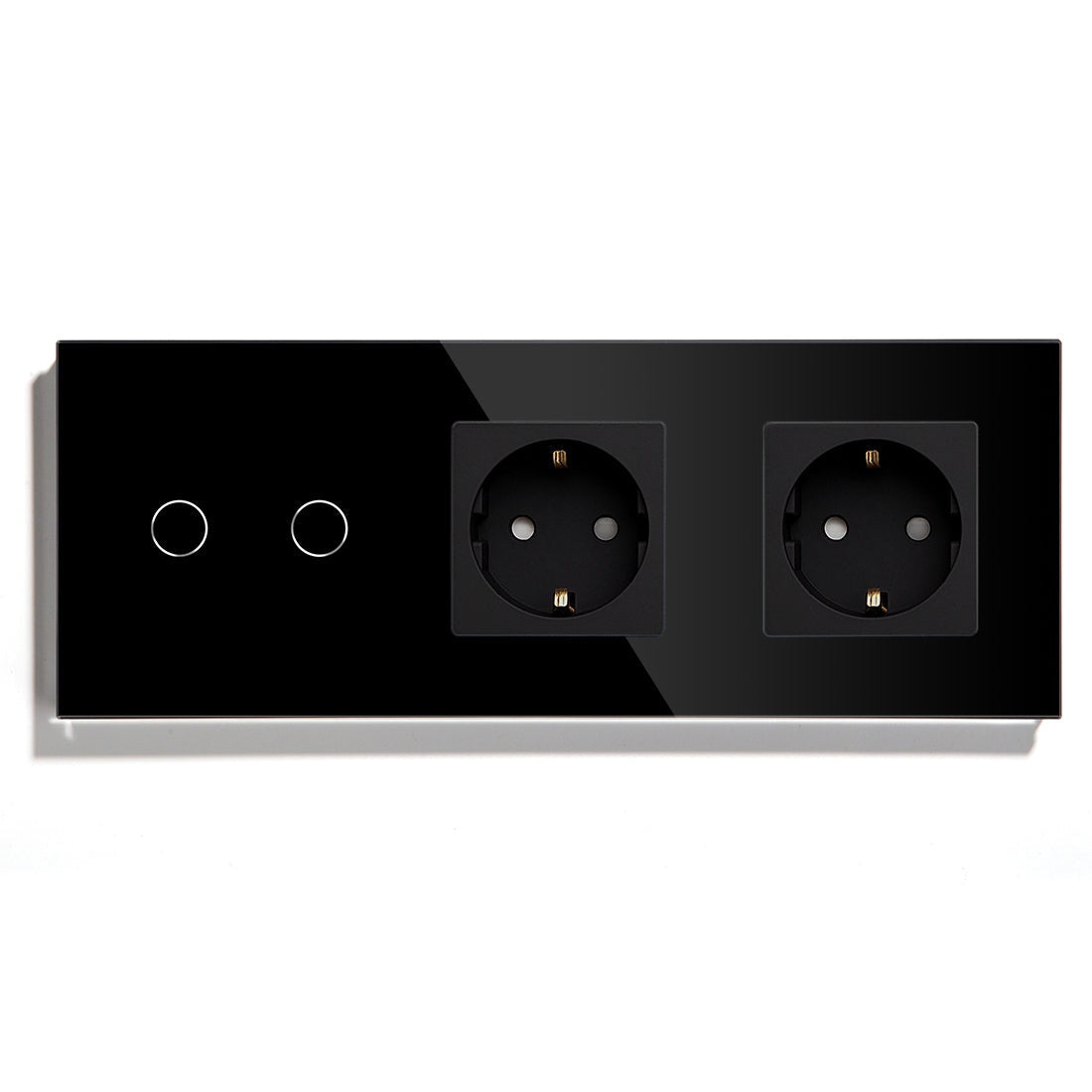
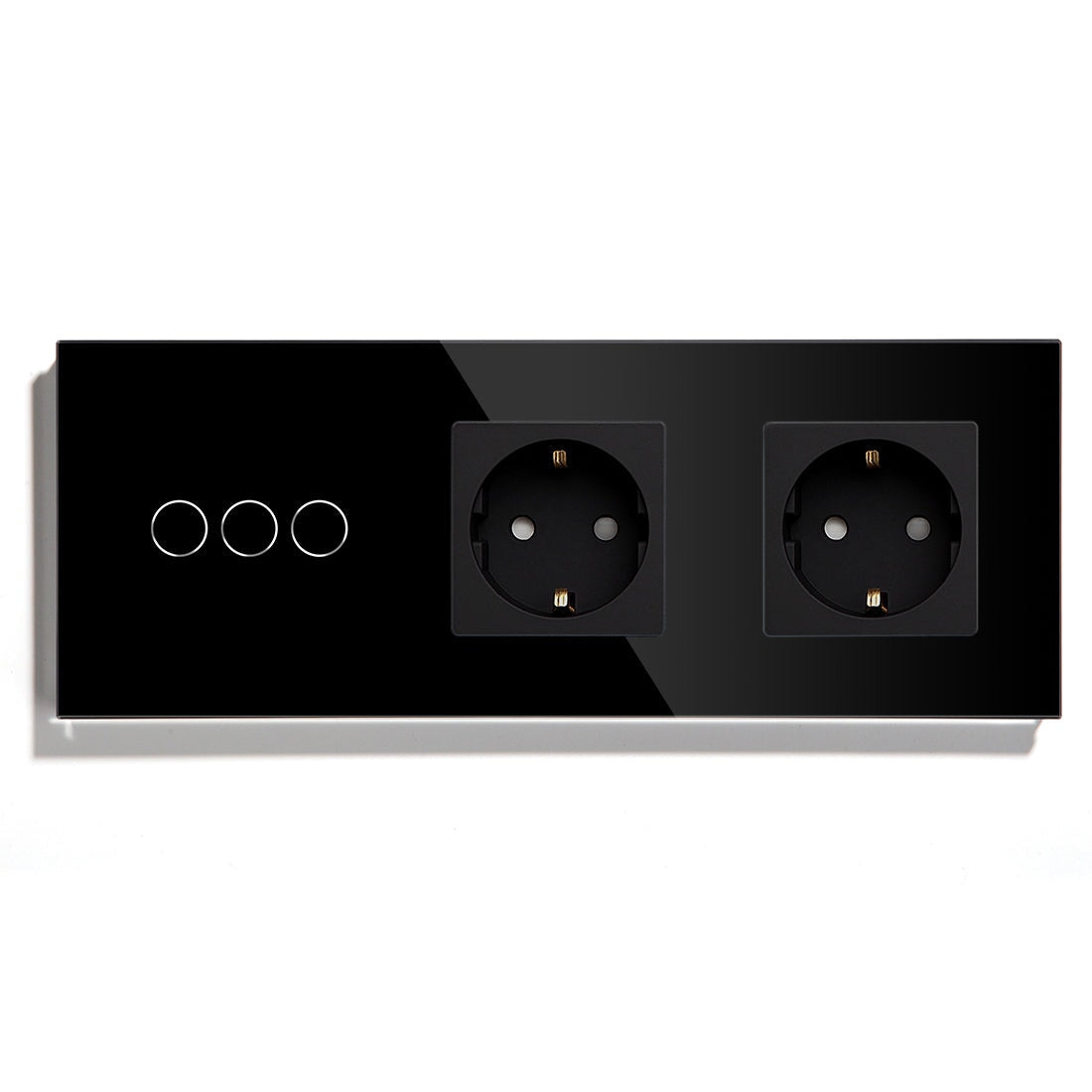
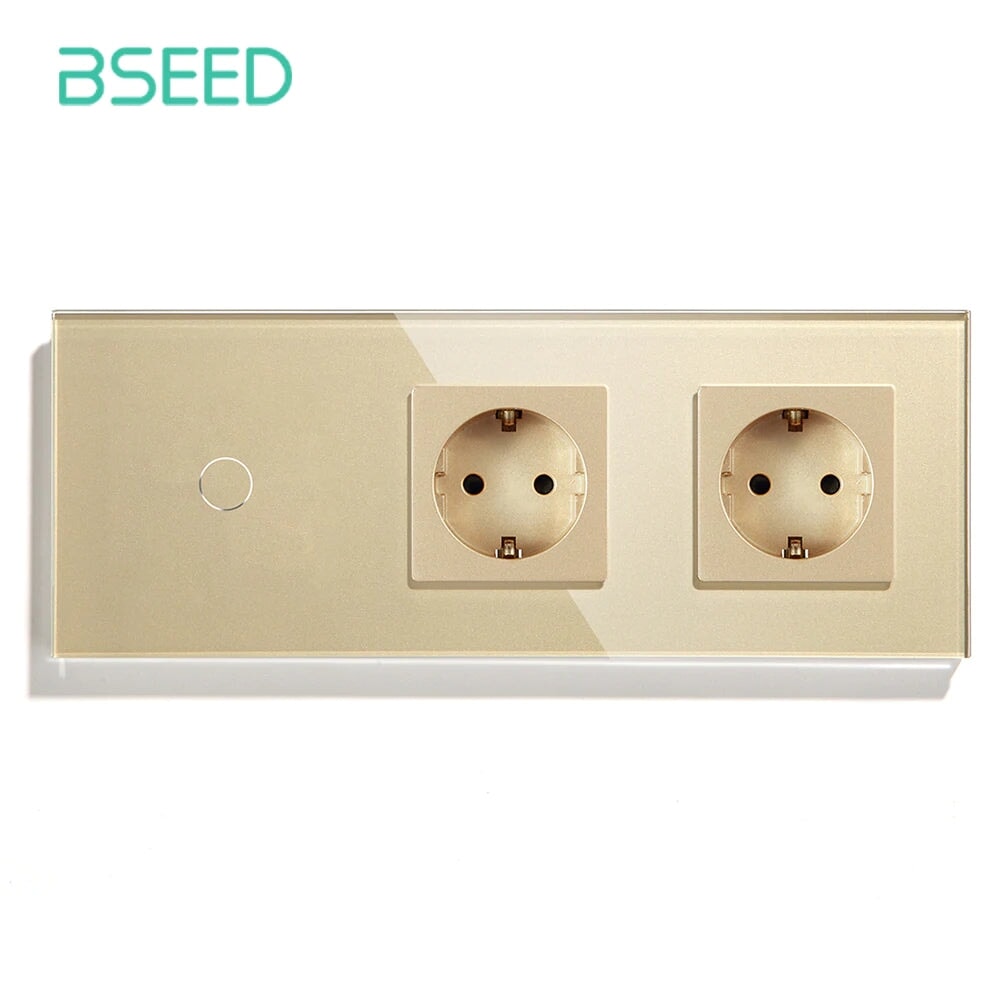
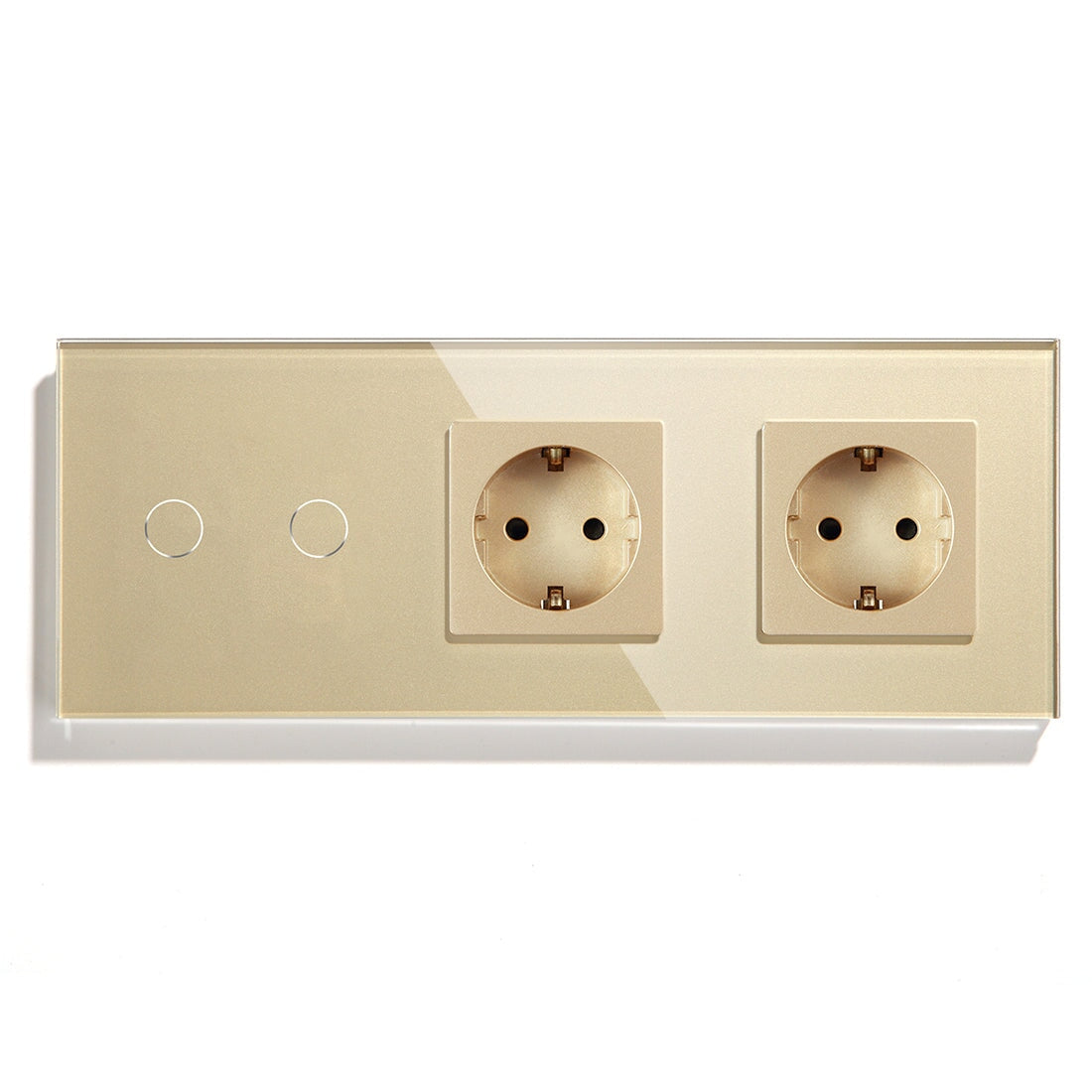
BSEED fits this type of project because its smart home range covers smart light switches, WiFi switches, Zigbee switches, Matter switches, smart sockets, roller shutter switches, smart thermostats, and touch glass panels. A buyer can start with voice-controlled lighting and later add curtains, sockets, or heating control without changing the whole product style.
Voice Control Does Not Replace Electrical Matching
This is where many projects go wrong. A dimmer can be compatible with Alexa and Google Home and still perform badly on the wall.
If a customer says, “Alexa dims the light, but it flickers at 20%,” I would not blame Alexa first. I would check the lamp and driver.
Common causes include:
1. The LED driver is not truly dimmable.
2. The minimum load is too low.
3. The dimming method does not match the lamp.
4. A no-neutral circuit needs a bypass.
5. The wall box is too shallow or too hot.
I have seen installers replace the smart switch before testing the lamp. That usually wastes time. A cheap LED driver can make a good dimmer look defective.
WiFi, Zigbee, Or Matter?
For simple voice-control projects, WiFi is often the easiest choice. A BSEED WiFi switch can connect through the app and work with Alexa or Google Home without a Zigbee hub. If the home has fewer than 20 smart devices, WiFi is usually practical.
Zigbee makes more sense when the project becomes larger. A BSEED Zigbee switch can join a mesh network, which helps in homes with several rooms, thick walls, or many smart devices. Home Assistant users often prefer Zigbee because it can support more local control.
Matter is useful when the buyer wants flexibility across ecosystems. A BSEED Matter switch or Matter compatible smart light switch may be a better choice if the customer uses Alexa today but may add Google Home, Apple Home, or Home Assistant later.
The apartment and the villa should not be sold the same way. Scale changes the right answer.
Where Alexa And Google Home Dimmers Work Best
A dimmer switch compatible with Alexa and Google Home is a good fit for:
1. Bedrooms where users want low light before sleep.
2. Living rooms with movie, reading, or evening scenes.
3. Kitchens where hands-free control is useful.
4. Small offices and meeting rooms.
5. Rental homes that need simple operation.
6. Showrooms where lighting affects product display.
A common BSEED setup might use a WiFi touch light switch in the living room, smart sockets for lamps, and a smart thermostat for floor heating. The customer can control each device by voice or combine them into scenes.
Where Voice Control Is Not Enough
A smart wall switch still needs reliable manual control. Guests, children, elderly users, and hotel customers may not know the right voice command. They will touch the wall switch first.
Voice assistants also depend on the network and, in many cases, cloud service. If the internet is down, local control becomes important. This is why Zigbee and Home Assistant are often preferred in more serious smart home projects.
Commercial projects need another level of caution. Offices, hotels, and public spaces may require schedules, sensors, staff permissions, or building management integration. A residential voice-controlled dimmer is not always the right tool.
A Practical Buying Rule
Before choosing a voice-compatible dimmer, use this rule:
1. Choose WiFi for small homes and simple Alexa or Google Home control.
2. Choose Zigbee for larger homes, multi-room automation, or Home Assistant.
3. Choose Matter when cross-platform compatibility is the main selling point.
4. Choose a neutral-wire dimmer when stability matters most.
5. Use a smart switch without neutral only after checking the LED load.
6. Test dimming around 10-15% before confirming the setup.
Do not promise smooth 1% dimming unless the lamp, driver, and dimmer have been tested together. Many LED drivers cannot hold that range without flicker.
LED Dimming Details Buyers Often Miss
Most residential LED circuits are not high-wattage circuits. A bedroom may only have 20-50W of LED load. A corridor may be around 10-30W. The dimmer rating matters, but the LED driver behavior often matters more.
Heat also matters. A touch glass smart switch sits inside a wall box with limited airflow. If the dimmer runs close to its maximum rating for long periods, reliability can suffer. In real projects, keeping the actual load below 70-80% of the rated capacity is a safer habit.
These details sound small during sales. They become very visible after installation.
How BSEED Fits Voice-Controlled Projects
BSEED products can support smart lighting projects that start with voice control and grow into wider automation. A buyer may begin with a dimmer switch compatible with Alexa and Google Home, then add a smart curtain switch, a Zigbee roller shutter switch, a smart socket, or a touch screen smart thermostat.
For dealers and installers, that creates a practical upgrade path. Start with the room where the customer feels the benefit every day. Make the dimming stable. Then expand carefully.
The voice assistant may help sell the first switch. The wiring, LED driver, and device planning are what keep the project working after the invoice is paid.