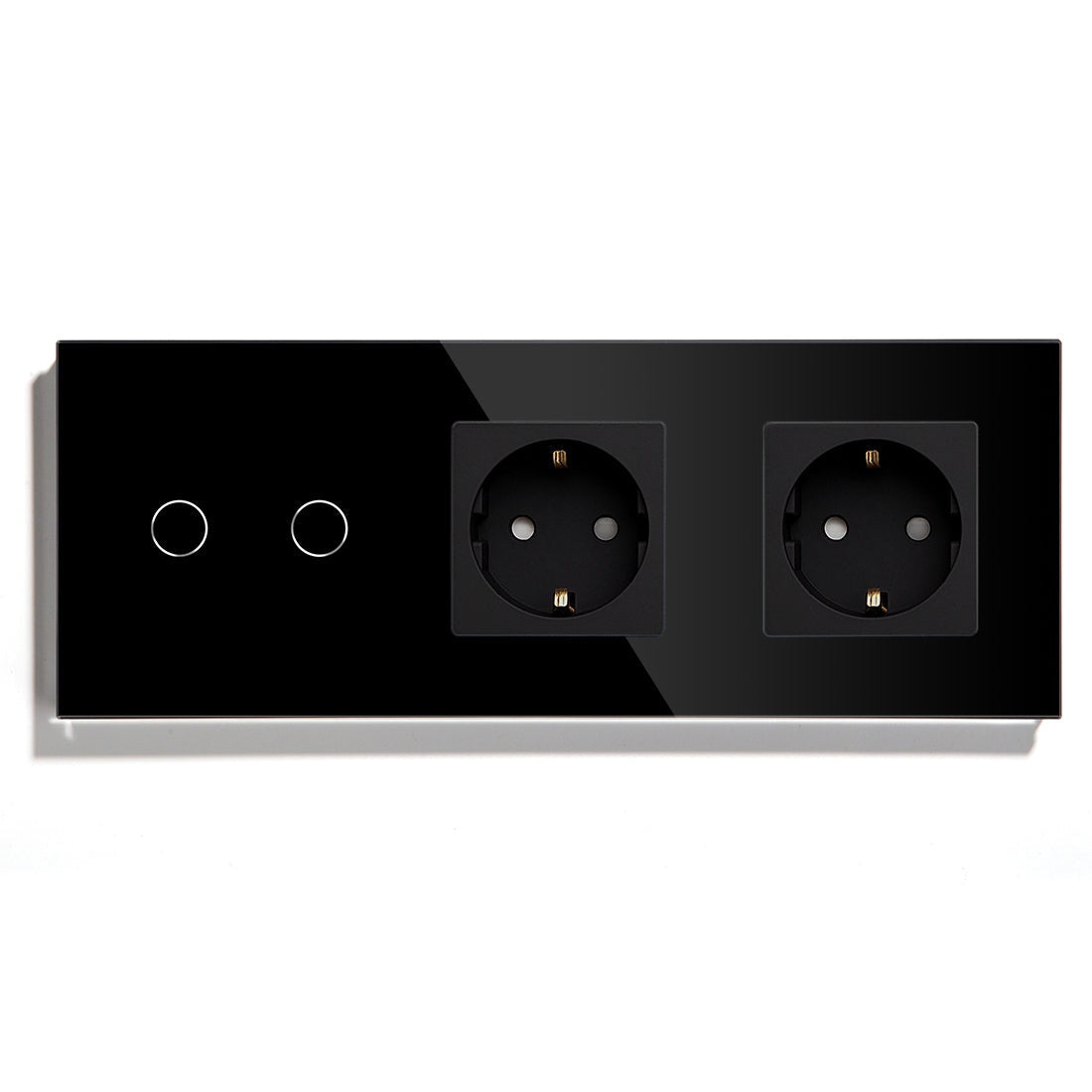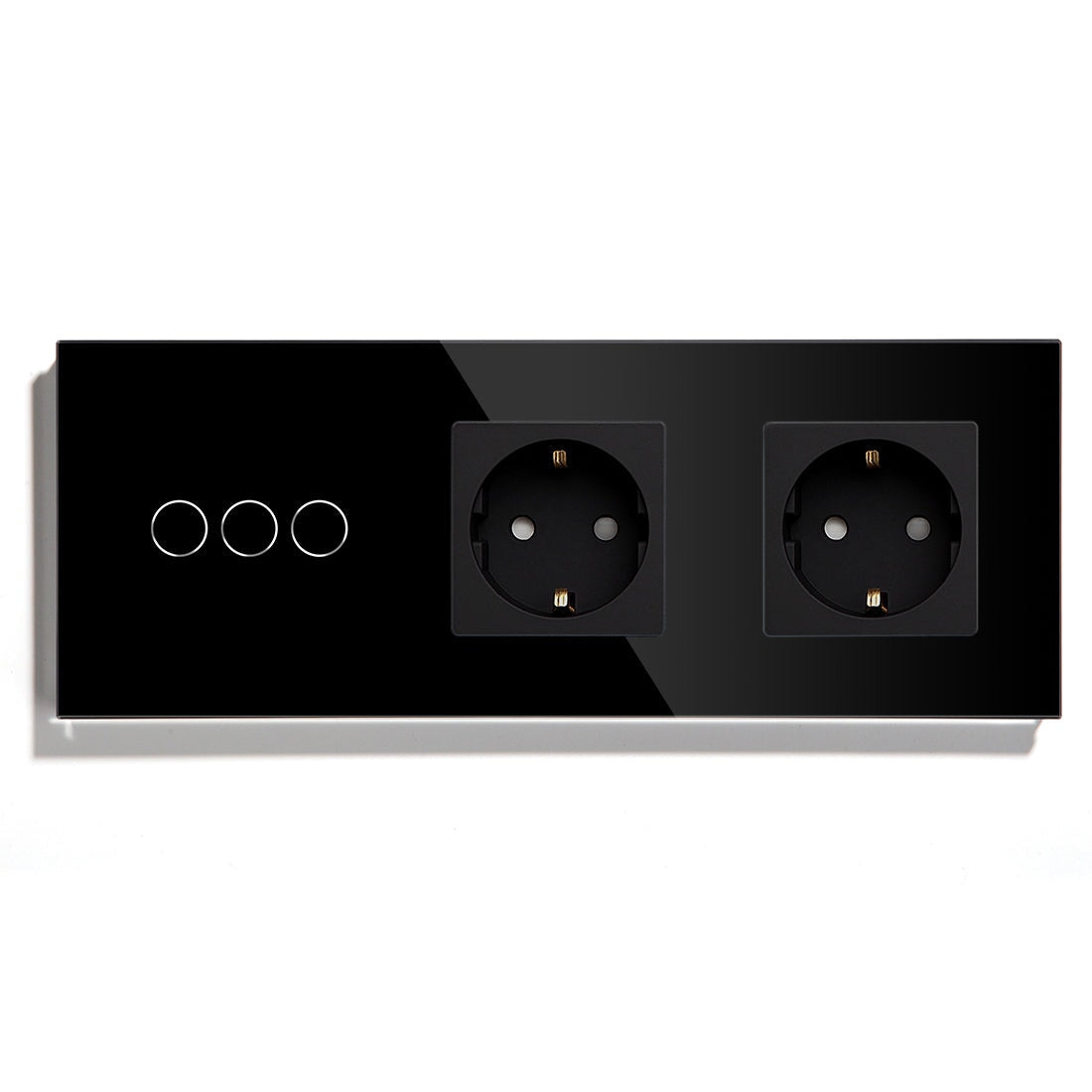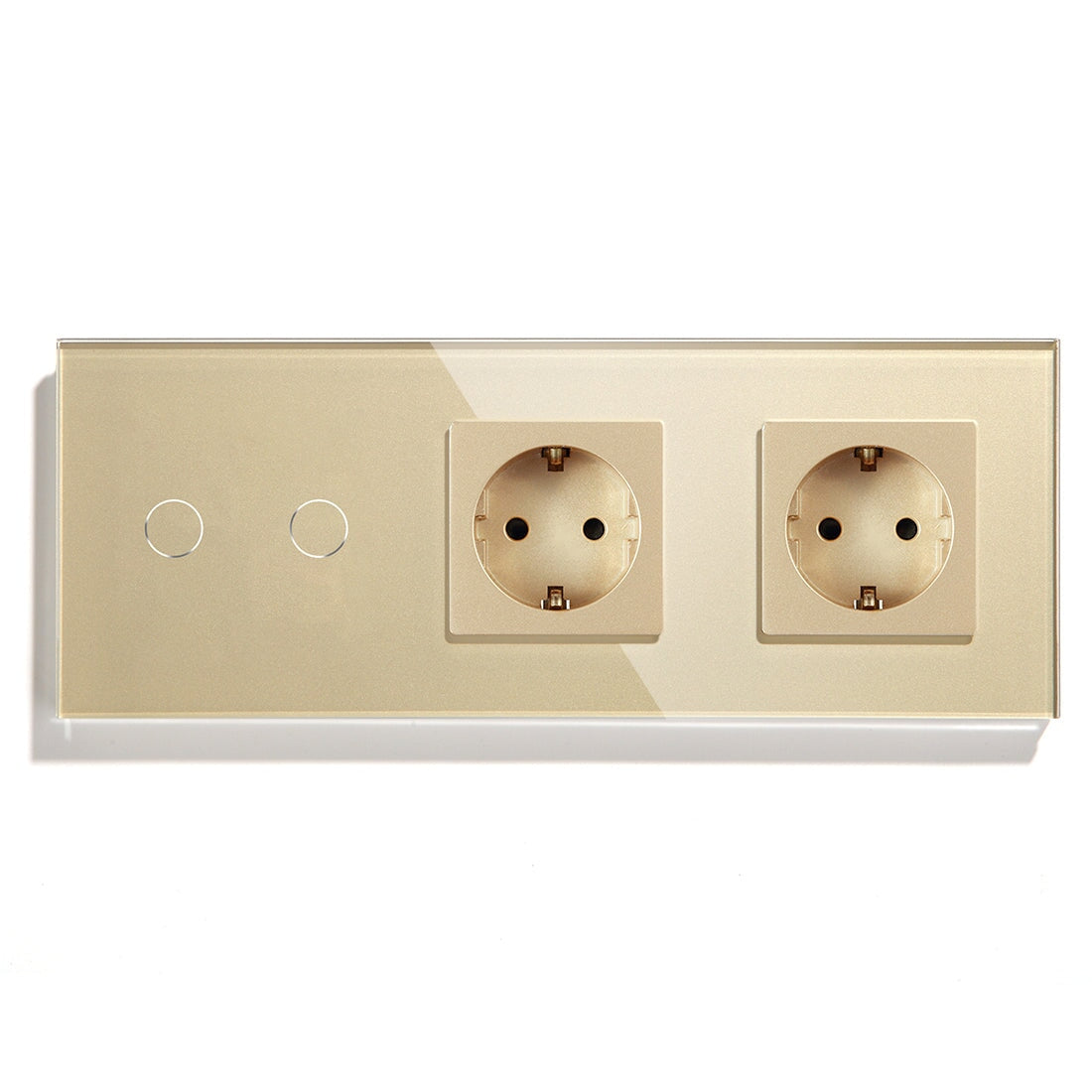
BSEED Waterproof Outdoor Wall Socket Buying Guide

Introduction
Water and heat don’t mix, and even less so with electricity. A buying guide for outdoor wall sockets that are waterproof in 2026. By this time in 2026, we no longer treat distribution of power outdoors in residential and light commercial deployments the same way we do indoors. Waterproof outdoor wall sockets have become part of a broader distributed electrical fabric – in smart homes especially. Zigbee smart switches are common along with smart wall switches, energymonitoring smart sockets and smart home control panels. We in the field are beginning now in 2026 to look closely at how well outdoor sockets perform – not only at their waterproofing rating in essence, but how they behave in mixed-load smart home deployments comprising WiFi light switch systems, matter smart switch for smart home deployments, Home Assistant switch… you get the idea. Many of us in the world install have settled into common consensus: outdoor sockets don’t ‘fail’ from rain exposure, they die from Load Behavior and too little Weatherproofing.
How did waterproof outdoor sockets become critical infrastructure well before 2026?
How did waterproof outdoor sockets become critical infrastructure well before 2026? Where microinfrastructure and critical power technologies are concerned, outdoor sockets are more like weathered reaches than touch ugly little ugly towers:
New outdoor uses are now a constant support and not an occasional service. Outdoor loads in 2026 using sockets are…
smart curtain switch with wifi systems on terraces
zigbee roller shutter switch installations for sun shading
outdoor lighting gained by zigbee 3.0 lighting smart light switch nodes
smart socket with energymonitoring supplying pwr for surveillance
garden automation part of smart home switch deployments
Field data from residential jobs shows:
average outdoor socket use time from 2-4 hours/day (pre-2020) to 10-18 hours/day (2026)
peak outdoor circuit load spikes over 1200-2500W when heaters/pumps energize
standby leakage on outdoor smart devices accounting for 3-7% of total garden circuit usage
Waterproof Rating is Not The Real Deciding Factor
Waterproof Rating is Not The Real Deciding Factor
Many buyers care too much about IP rating, whilst install companies look at sockets under a wider lens.
IP Rating For Real Life Outdoor Use Cases
IP44: splash withstand, good for under-covered balconies
IP55: rain withstand, usual minimum in residential gardens
IP66: heavy rain +jet wash protection, used for exposed installations
IP Rating Only Describes Performance Of The Enclosure, So It Follows:
How does condensation build up inside?
How does thermal expansion of the sealing gaskets affect service?
What UV degradation happens over time?
Does cable gland fatigue take place as they are heated under load whilst engaged?
A socket can achieve IP66 and fail prematurely if the insulation reaction to heat cycles is not considered.
Electrical Behaviour Most Users Don’t Think About
Electrical Behaviour Most Users Don’t Think About
Outdoor waterproof sockets increasingly paired up with:
smart socket with energy monitoring system
wifi light switch or wifi touch light switch outdoor control nodes
zigbee smart switch Home Assistant controllers
matter smart switch cross-platform outdoor control ecosystems of apps
smart dimmer switch for outdoor led lighting
has changed the behaviour pattern to such a degree:
We no longer have a static load on an outdoor circuit but an event-driven load.
Example:
irrigation pump: 800-1500W burst
heater system: 1200-3000W cyclic load
lighting network: persistently low draw
smart controllers: always-on to baseline
What Kills Most Equipment in the Field? A Lesson in Engineering Detail
What Kills Most Equipment in the Field? A Lesson in Engineering Detail
It’s rarely water ingress, rather the heat build up within a sealed enclosure under load.
A waterproof socket designed to operate at:
70% to 80% of the rated load continuously
inside their sealed outdoor box
under the sun
can see internal temperatures of over 55°C (130°F–Hill), 65°C (149°F)
Resulting in:
accelerated oxidation of contacts
hardening of all gaskets seals
lack of relay stability especially on smart versions
drop in voltage on peak loads
Installers blame it on “quality of brand”, when in fact this is a mischaracterization of enclosure thermal design.
Cool external environment and warm internal workings, make a smiling face or a laughing fool out of you.
Smart Outdoor Sockets vs. Traditional Outdoor Sockets
Smart Outdoor Sockets vs. Traditional Outdoor Sockets
Traditional Waterproof Socket.
Passive power-delivery.
No internal status being monitored.
No actionable decisions made, protection done entirely by whoever is upstream.
Smart Waterproof Socket.
with control of relays
monitoring capability for energy drawn
remote management or switched via Zigbee / WiFi / Matter
Talk to Home Assistant switch systems
Adding one benefit to the system of outdoor sockets, they begin increasing in value:
You can treat an outdoor circuit as an observables electrical node, rather than just a blind endpoint.
Where Smart Outdoor Sockets Fail in Real Deployments
Where Smart Outdoor Sockets Fail in Real Deployments
A deep dive across a range of deployments across networks in Europe and Asia residential construction show some consistent fails;
1) Mixed Smart + High Surge Loads
You can go with all about;
married roller shutter switch systems to outdoor heaters to smart socket with energy monitoring module,
and now have wild surges working on you when all of decide to go on for whatever reason.
Weak neutral line quality in outdoor extensions
Often ‘inherited’ from indoor systems:
smart switch with no neutral wire installations zigbee light switch without neutral deployments
Troublesome retrofit wifi light switch systems
Outdoor sockets inherit instability from the quality of the upstream wiring.
3. Overloading from invisible devices
Common hidden loads:
a garden lighting network using zigbee 3.0 nodes
WiFi repeaters outdoors
smart thermostats in outdoor heating zones
These hidden devices seldom make it into manual load calculations.
Field Data in Residential Outdoor Installations (2026)
Field data in residential outdoor installations (2026)
From our mid-density smart home deployments:
IP55–IP66 sockets show failure rate less than 3% a year if installed properly
If a poorly ventilated installation fail in year one, two to four times as fast
smart outdoor sockets reduce rate of outages detected by 40–70% when used in conjunction with Home Assistant
Fascinating part of operational insight “Have customers whose outdoor smart sockets part of energy solution. Failure of the pumps always occur three to six weeks before we get known circuit breaker errors.”
Comprehensive Integration into Smart Home Ecosystems
Comprehensive integration into smart home ecosystems
Commonplace waterproof outdoor sockets quickly becoming part of; home assistant switch dashboards zigbee smart switch being pulled into Home Assistant automation layer smart switch that’s capable getting Google Home or Amazon Alexa control matter smart switch getting smart home cross-platform control smart home control panel getting Zigbee as central electronic link
Outdoor sockets part of same logic-tree as indoor lighting control circuits, heater turn off after two hours, and stop sign switches. Example: smart socket sees pump overload, Home Assistant start dims garden lighting off with dimmer switch and then smart thermostat does its smart schedule adjustment based on outdoor loads.
Must haves in a decision framework for outdoor socket selection
Must haves in a decision framework for outdoor socket selection
1. Exposure Level
covered balcony → IP44–IP55 sufficient
open garden wall → IP55–IP66 required
coastal/humid zones → corrosion resistant housing required
2. What loads?
Lighting only → standard waterproof only
pump + heater draw → high-load rating smart socket preferred
mixed smart ecosystem, → energy monitoring smart socket
3. How smart is this smart socket going be?
WiFi socket fine standalone, suffices
partial smart home, zigbee preferred
full automation, then it needs to Shed some light on what an HA type switch architecture comprises
4. Ecosystem Compatibility
Alexa / Google Home? Fine if WiFi, Matter or if zigbee smart plugin
Multi brand integrated (Amazon, Philips etc smart home)? Matter smart switch ecosystem, or if it’s to start being doing some heavy lifting making it a zigbee smart switch for home assistant; advanced automation ready for another layer.
Not Bseed but where we think Bseed and OEM brands fit in
Not Bseed but where we think Bseed and OEM brands fit in
In our scale of deployment, from retailer in Europe/Asia, Bseed and OEM including tuya based production lines delivering waterproof outdoor wall socket modules, zigbee smart switch system, smart wall switch platforms, smart socket + energy monitoring units, smart dimmer switch for LED Light networks.
But their role is of that being sending it whose won ip55 smart socket, make our Bseed smart socket to hit the meter on Auto instead of manual. Actually water in combat boots.
Glance into war stories from project installation logs
Glance into war stories from project installation logs
Across the real projects we see:
outdoor failures starting at thermal blow up, not water
energy monitoring reduce from days to hours
who installer, engineer, to installer thinking of our outdoor circuits now as low-voltage aware, hybrid nodes rather than passive outlets
Consistent engineering pattern result. As “once put smart home logic on outdoor sockets, suddenly stop at passive points and start looking it as distributed control endpoints plugged in our whole ecosystem”