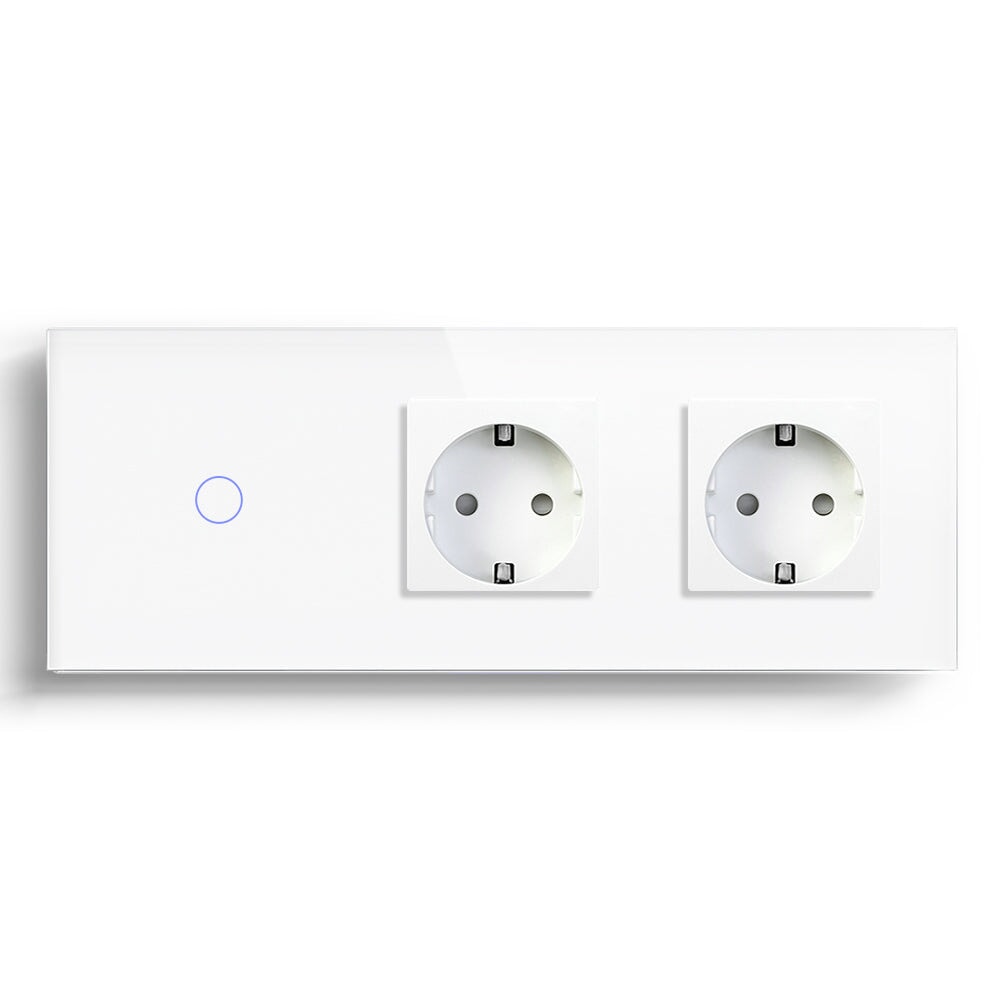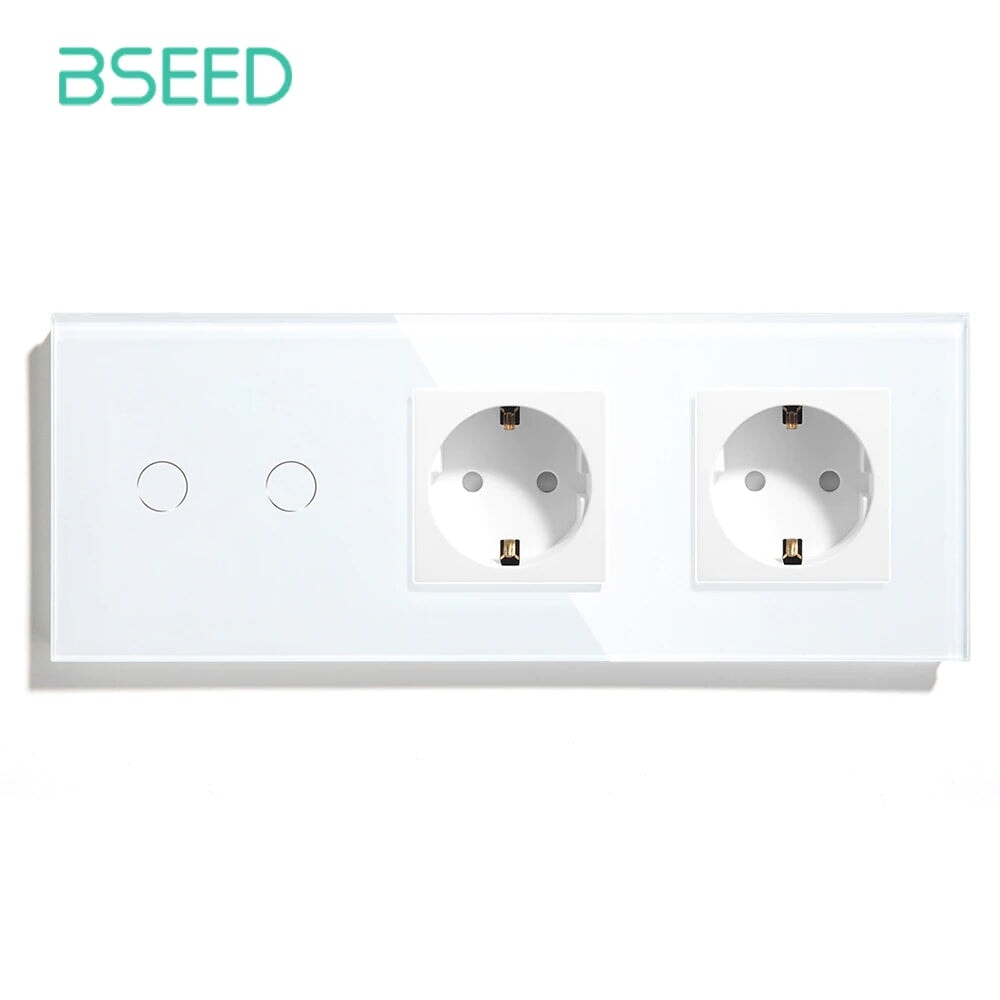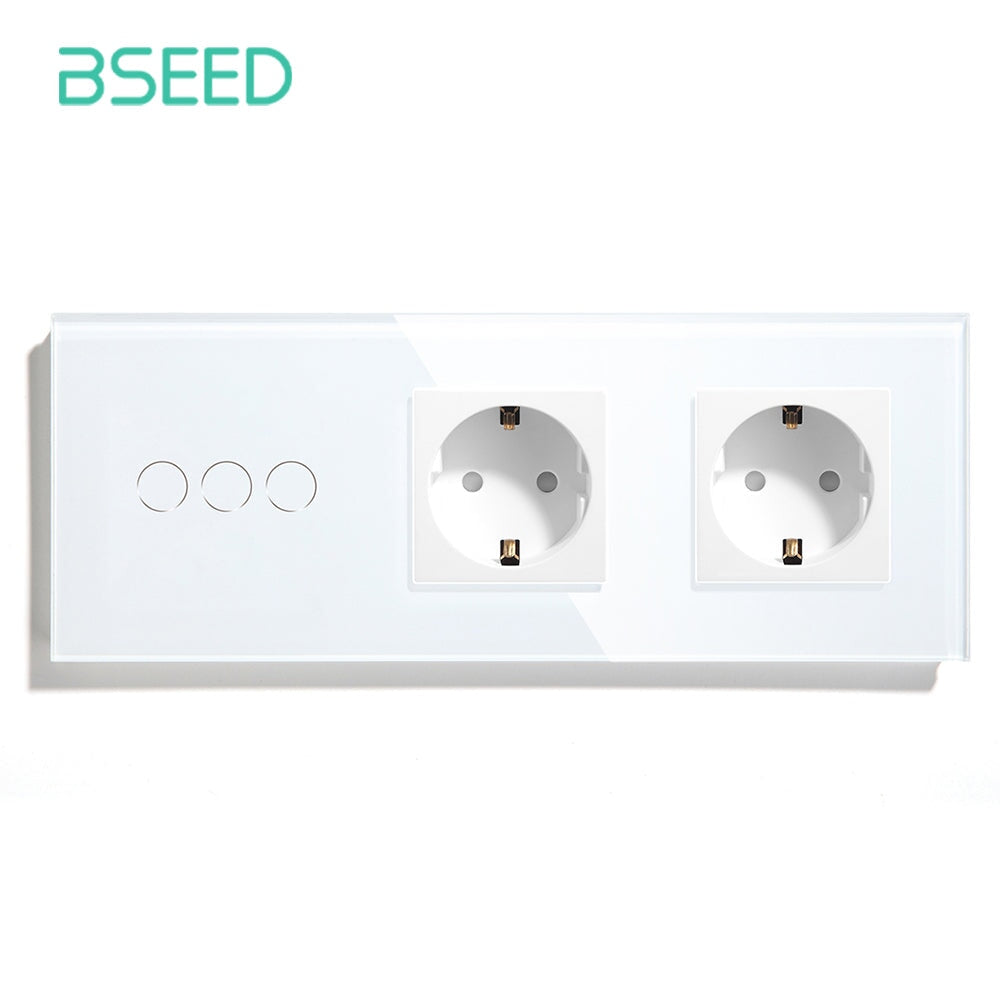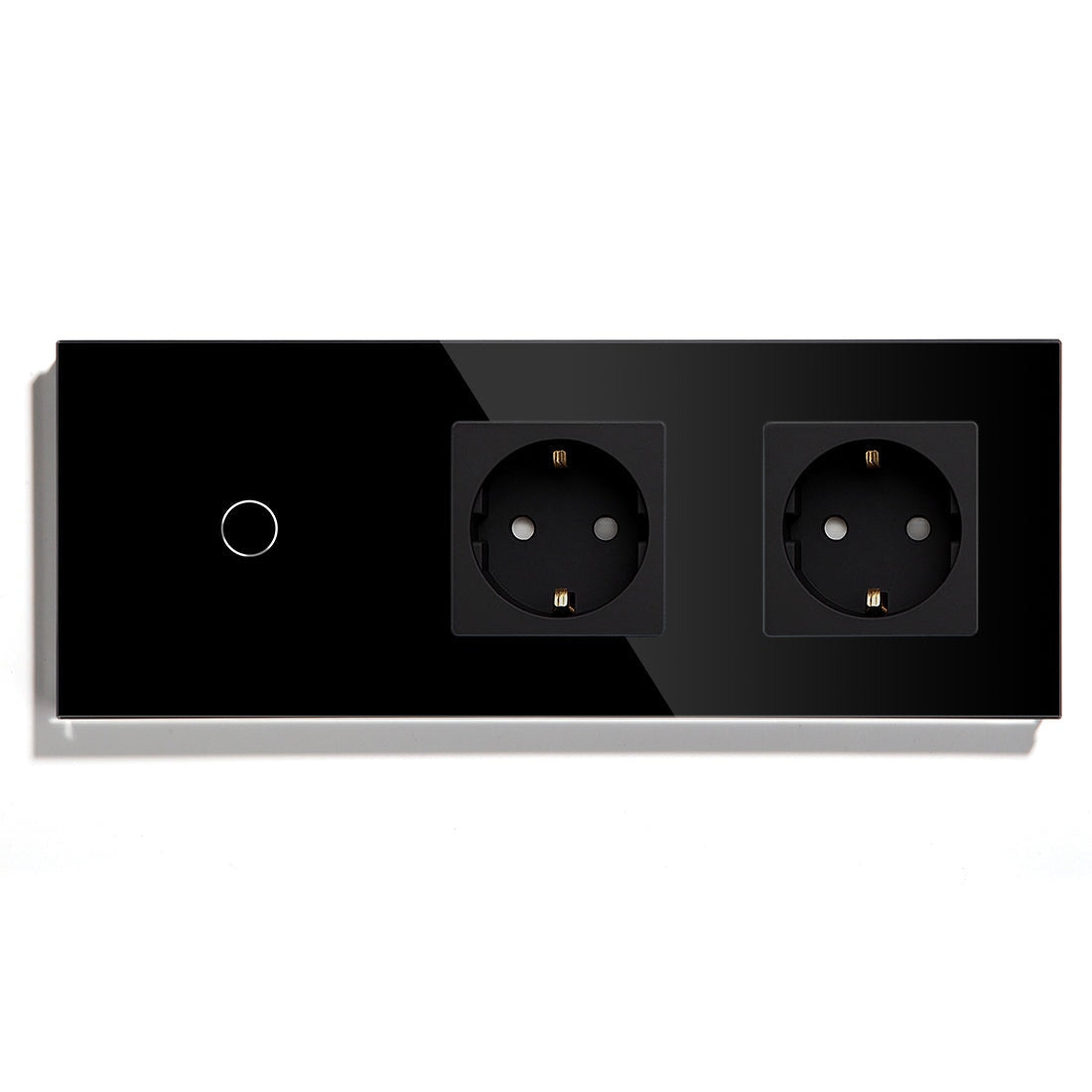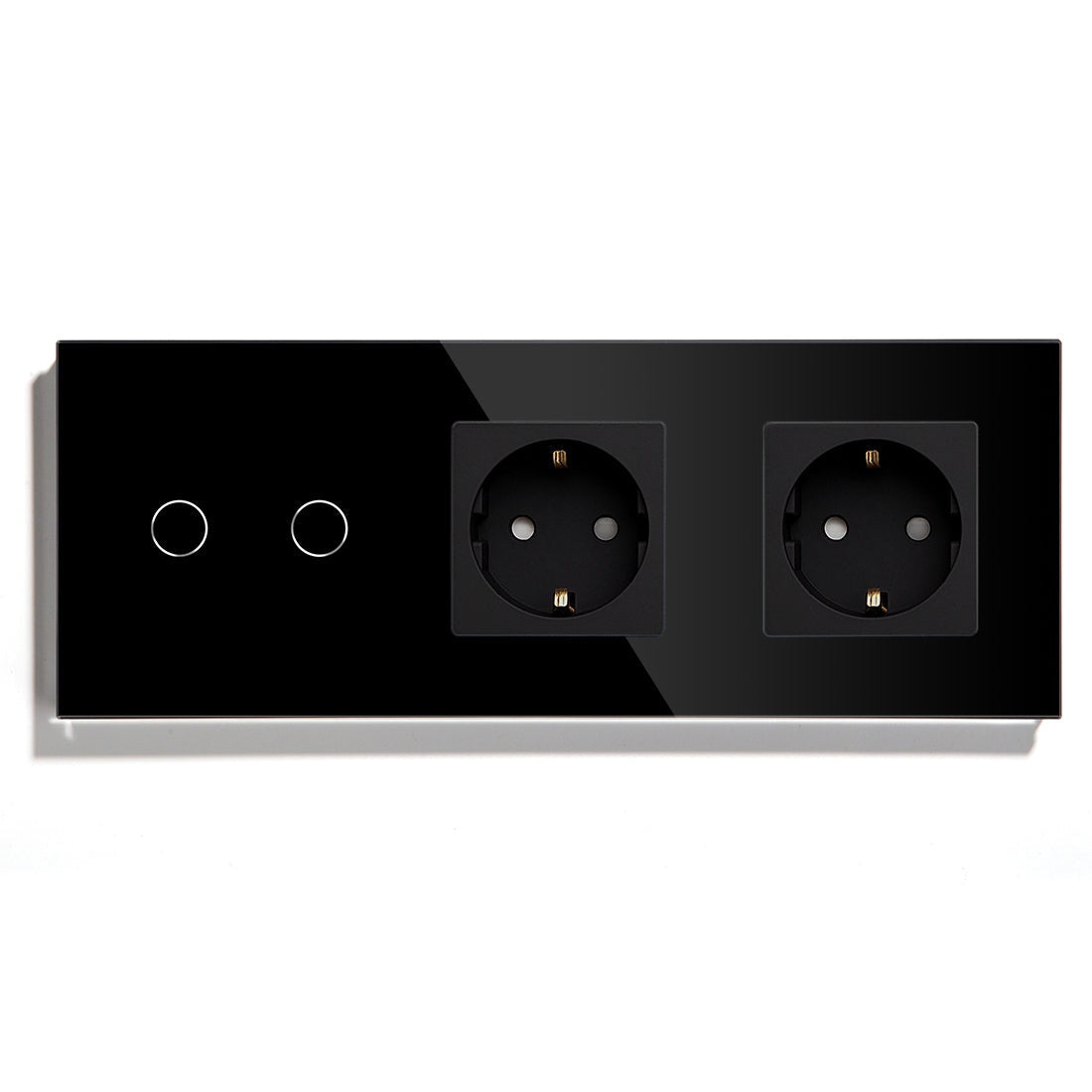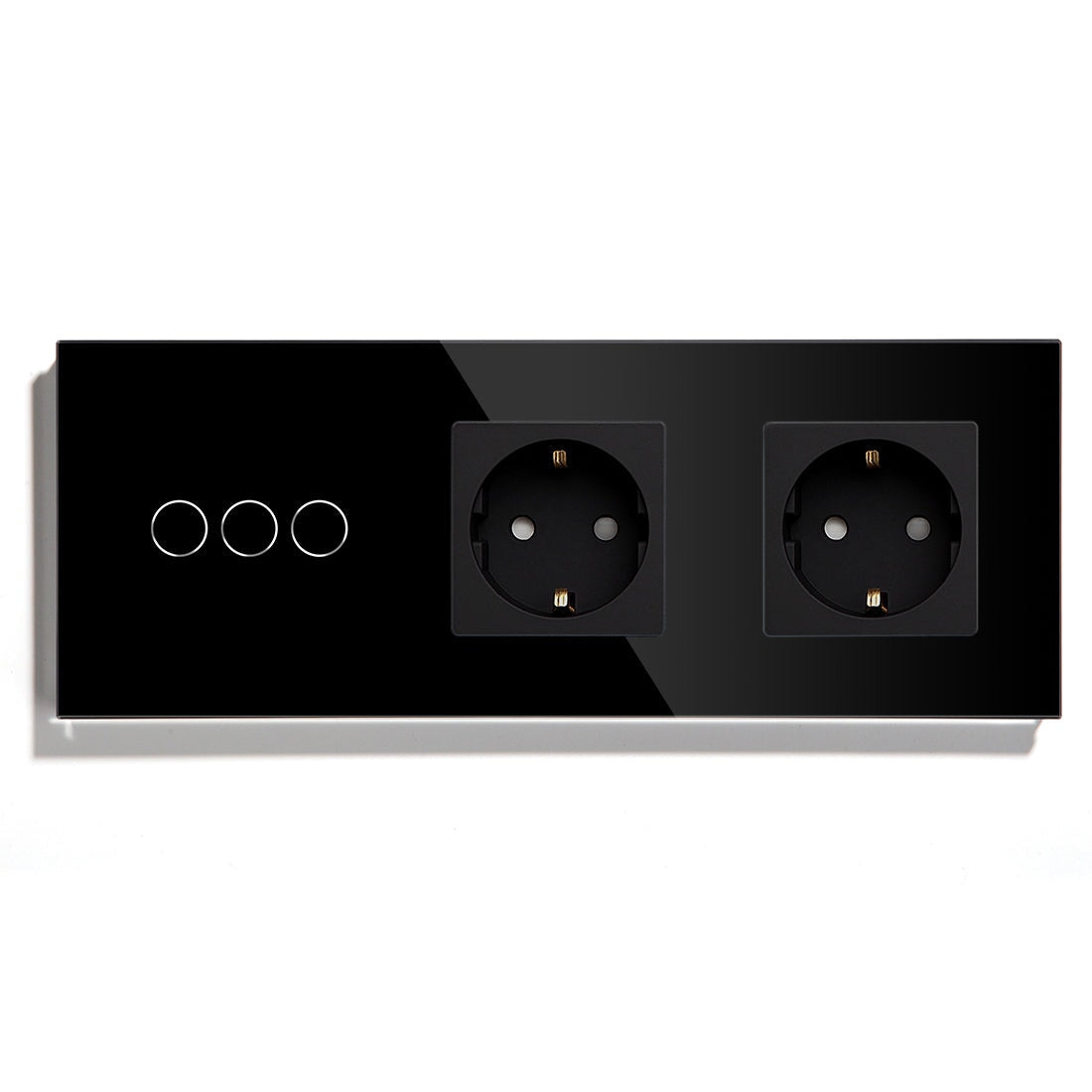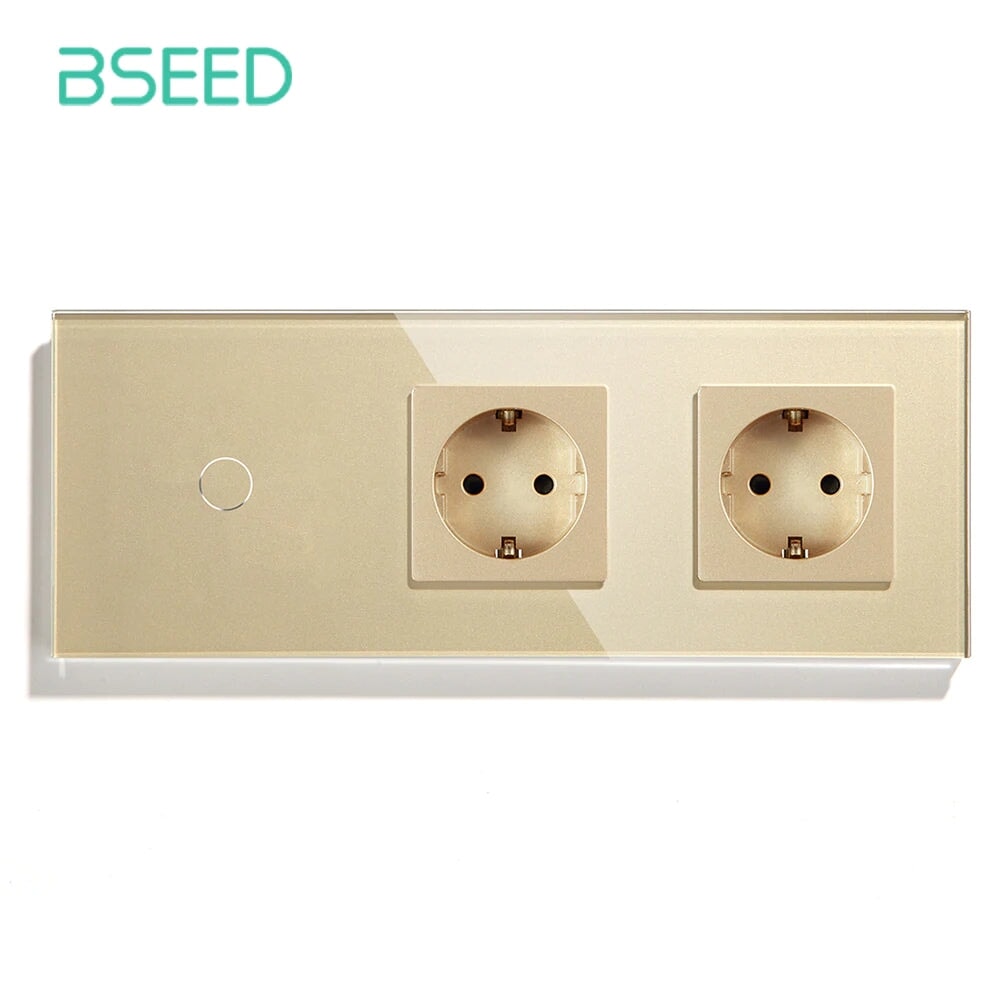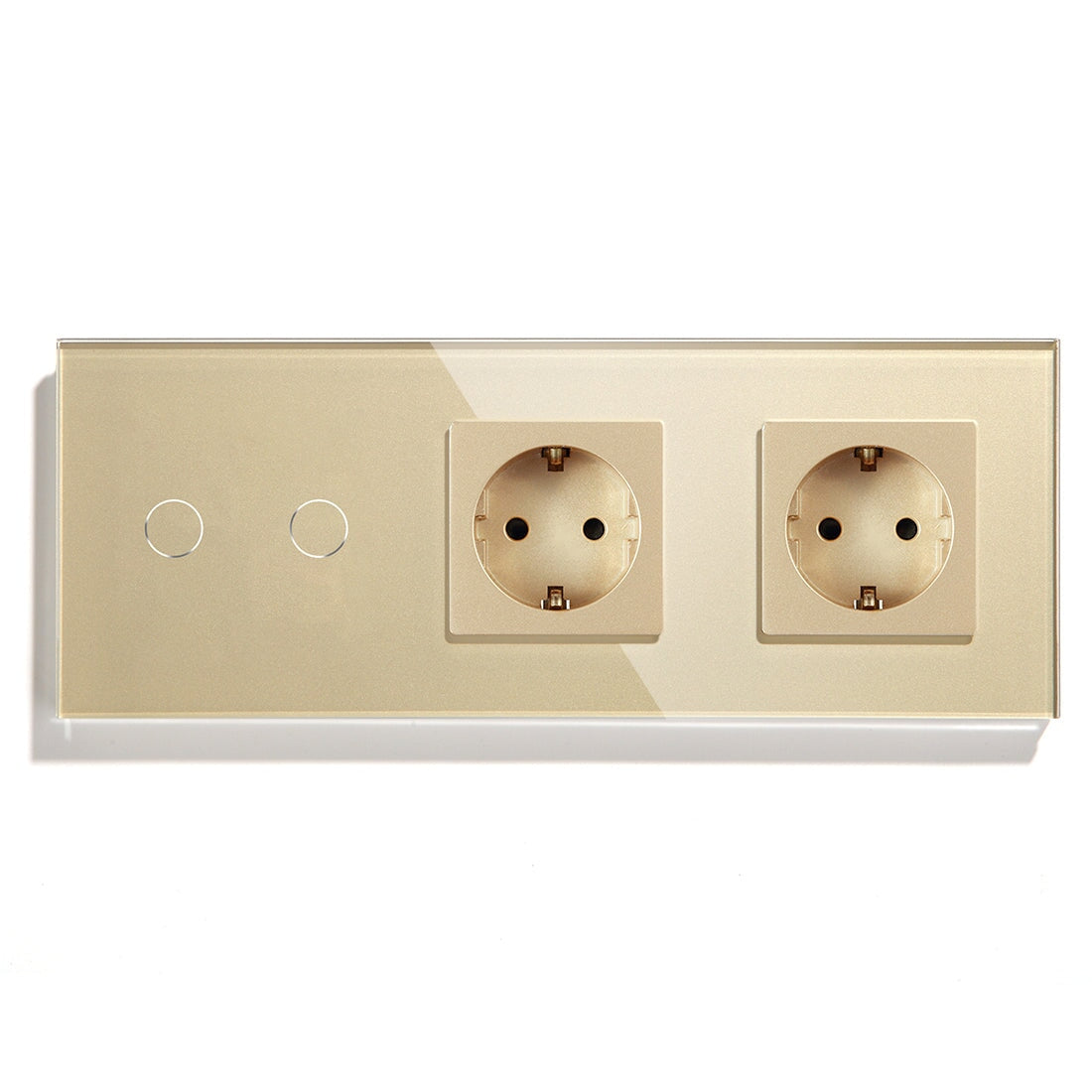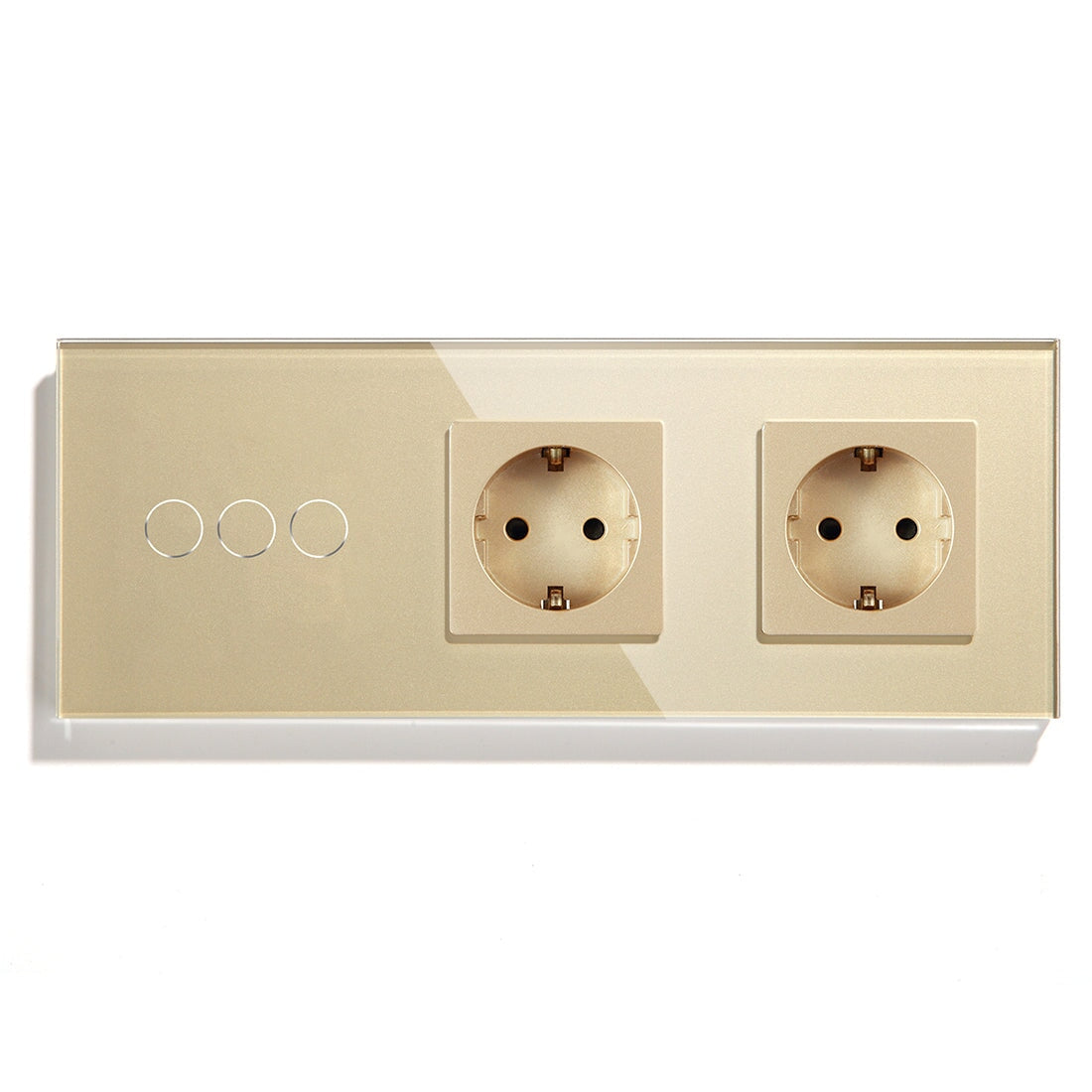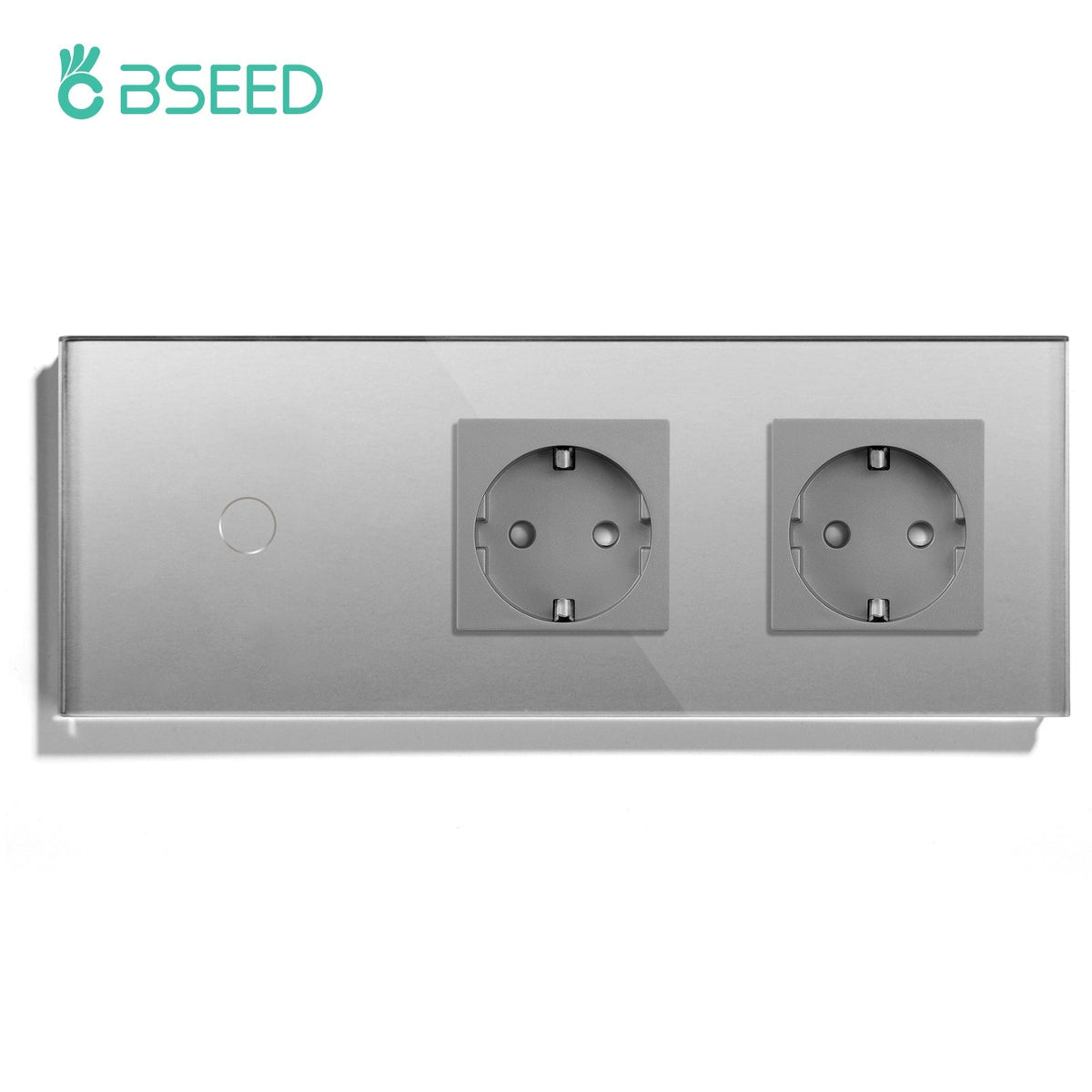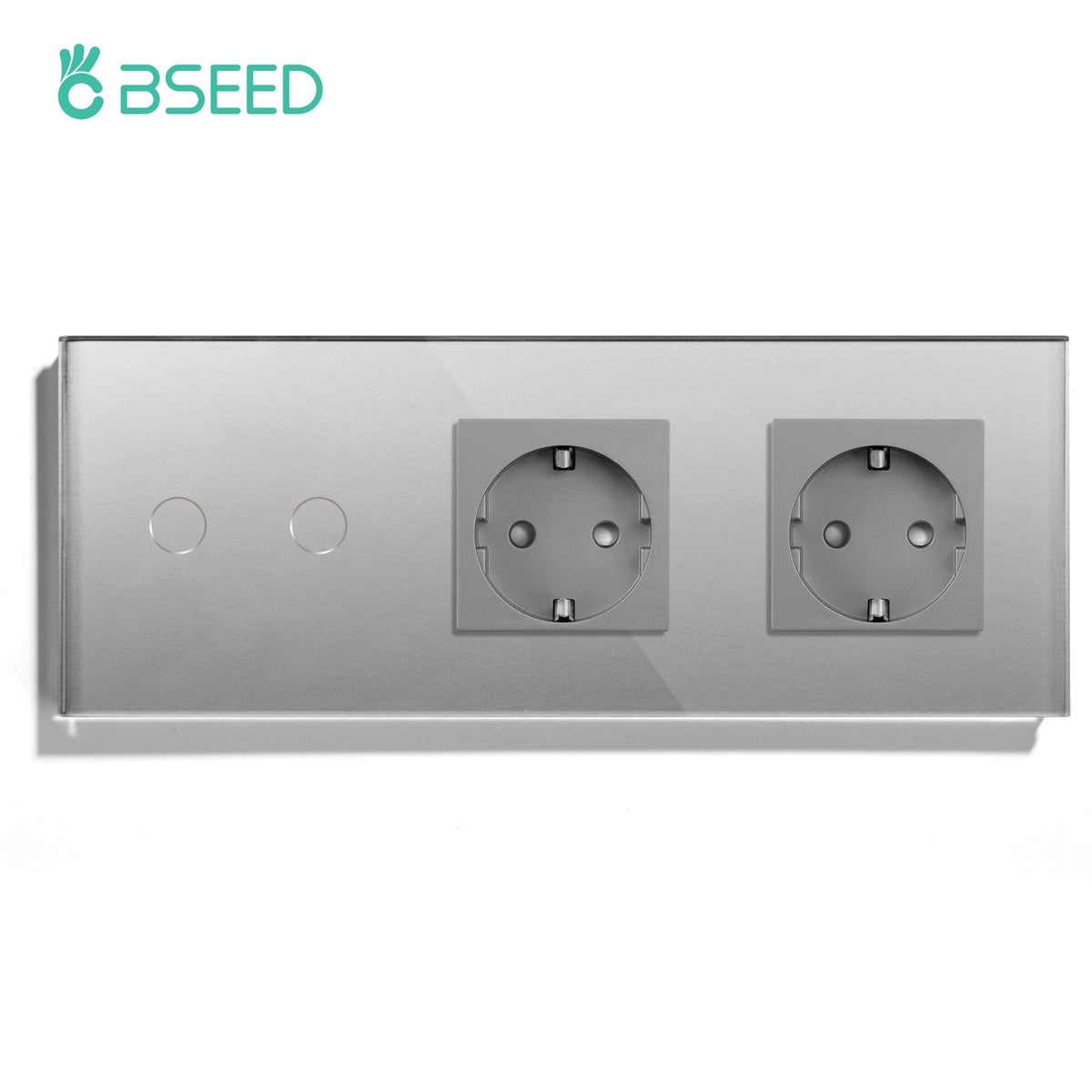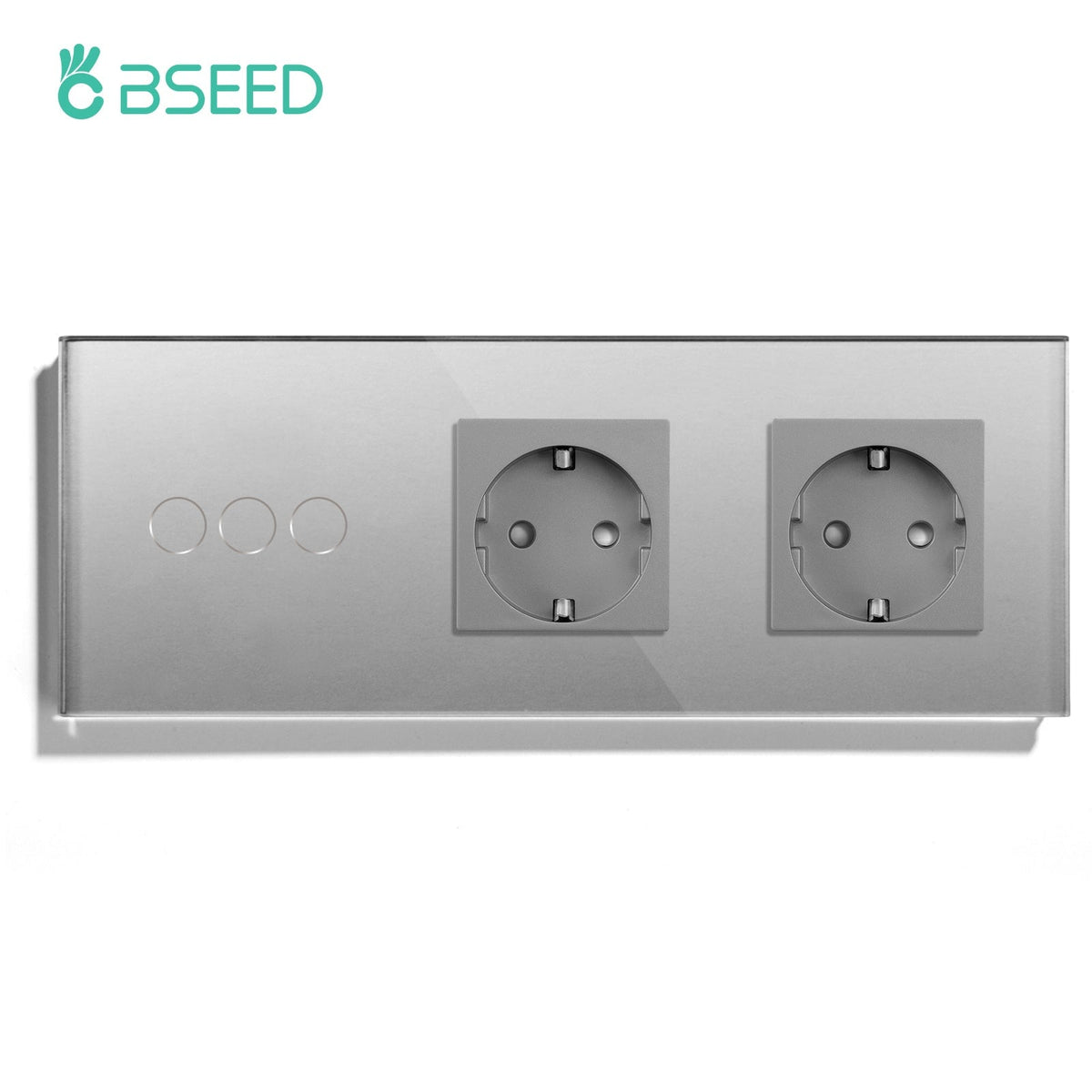
BSEED Smart Wall Socket: Safe and Stylish Power Solutions

In 2026, the smart wall socket has moved far beyond the “remote control plug points” concept. In a modern residential or light commercial installation, they reside within a wider distributed system; among Zigbee 3.0 switch networks, Matter-enabled smart ecosystems, WiFi light switches and Home Assistant-driven automation layers.
More than connectivity, it’s a meaningful shift towards load behaviour awareness, safety redundancy and ecosystem interoperability under mixed protocols.
Smart brand BSEED centre the smart wall socket and their smart switch line-up around exactly this transition; quality electrical hardware first, protocol compatibility next, UX simplification third.
The Real Role of a Smart Wall Socket in 2026 Homes
Not the remote on/off device of before, a smart wall socket now behaves as a networked safety and energy control device through its typical current install situations, such as a:
· smart socket with energy monitoring (for circuit-level load visibility)
· built-into smart home control panel with Zigbee
· Matter smart switch systems supported
· paired with smart thermostat for floor heating systems
· coordinated with roller shutter switch and curtain switch with WiFi
What has changed is that installers treat sockets not as passive endpoints, but measurable electrical participants.
An example from European retrofit projects illustrates the shift in mindset: if you couple smart sockets with zigbee switch + smart dimmer switch for LED lights, average standby energy waste drops 18-27% in homes mostly from visibility rather than rules.
Why Protocol Choice is More Important than Features
We are no longer looking at WiFi vs Zigbee anymore. Here’s how the market looks in 2026.
WiFi Smart Socket and WiFi Light Switch Systems
WiFi based devices wifi light switch, wifi touch light switch, wifi light switch without neutral wire are still widely used in small apartments. They shine when:
· You keep device count under 10-12 endpoints
· Your router is enterprise-grade or mesh-based
· Your logic is in the cloud (Alexa/GoogleHome)
Limitations show quickly when scaling:
· Latency in network congestion
· Scenes desync
· Home Assistant control is less reliable
Zigbee 3.0 Smart Socket & Switch Networks
Zigbee light switch, zigbee 3.0 switch, zigbee smart switch for home assistant, zigbee roller shutter switch make all of them form a mesh first architecture.
Strengths:
· Self healing mesh reduces single point failures
· Stable low latency local control
· Good in close deployments 20-100+ nodes
From our actual installation data on multi-room apartments, Zigbee systems reduce “switch-to-action delay” from ~800ms (WiFi cloud) to ~80-150ms local execution.
Matter Smart Switch Ecosystem
Matter compatible devices matter smart switch,matter light switch,matter compatible smart light switchmaking the interoperability layer.
Significant reality from field deployments:
· Matter is not a radio protocol - it is a standard control language
· It often runs over Thread or WiFi
· Its true benefit lies in cross-ecosystem pairing (Apple Home, Google Home, Alexa, Home Assistant)
A detail that installers quickly realise: Matter is not replacing Zigbee in large meshes - it is adding a layer of coordination between ecosystems.
Smart Wall Socket Safety: What Specs Really Matter
Marketing likes to focus on design, but in field deployments, the failure modes of smart wall sockets are almost always electrical and thermal. Here are the parameters that matter in real deployments:
· Rated load: 10A / 16A depending on region
· Contact material: phosphor bronze or silver alloy contacts
· Fire retardant housing: UL94-V0 covering preferred
· Thermal cut-off protection above 85°C internal threshold
· Neutral wire support: no neutral = WiFi dimming behavior becomes unstable
A common installer saying:
Smart switches that have no neutral wire are more likely to have LED flickering issues when connected to low load dimmable LED drivers.
This is the reason smart switch no neutral wire and wifi light switch no neutral wire are often found in retrofit projects but avoided in premium new build.
The Neutral Wire Constraining Factor That Changes Everything
Of all the misconceptions within European and Asian retrofit markets - perhaps the most pernicious is the lack of neutral wire in switchDevices such as smart switch without neutral wire zigbee light switch without neutral wifi light switch without neutral wire L2 switch with no neutral wire aim to solve this problem. However, there’s a practical trade-off that very few people talk about:
They rely on micro-load leakage to drive the internal circuitry As a precaution, these then cannot play nicely with ultra low wattage LED bulbs
The flicker problems are not a software issue, they are merely the physics of having a minimum current that needs to be pulled or there is no power.
In the field, experienced installers will opt to pull a line no matter where possible rather than rely on a no neutral design long term
Smart Socket Use Cases Beyond Light Switch Control
Other use cases for modern smart sockets that are now common in smart home are:
High value applications:
· integrated smart socket with USB C wall socket integration, for use in charging hubs
· Appliances scheduling (for water heaters, coffee machines and similar)
· Load shedding or other operational modes tied to smart thermostats
Others:
· Outdoor installations using waterproof outdoor wall socket
Industrial-light commercial use:
· Server rack companion power monitoring
· Workshop equipment safety cutoff systems
· HVAC auxiliary control integration
Deployment logs note an interesting gain: the sockets equipped with both energy metering + Home Assistant switch logic save much more than just metering and controlling LEDs.
Layers of Compatibility: Alexa, Google Home, and Home Assistant
Control of such devices quickly also becomes a concern of compatibility, not so much in the sense of a marketing label, rather how clear the hierarchy of controls is.
Alexa / Google Home compatible switches
Best for voice-first households
Depend on cloud routing
Good for smart switch compatible with Alexa / Google Home
Home Assistant systems
Preferred in technical installations
Works with:
· zigbee switch
· tuya zigbee smart switch
· home assistant compatible switch
· smart thermostat integration
A field-tested observation:
Home Assistant becomes stable only when at least 60–70% of devices run locally (Zigbee or Thread), not cloud WiFi.
Structural Decision Tool for Smart Wall Socket Selection
A practical selection logic used in engineering-level planning:
Step 1: Wiring condition
· Has neutral wire → WiFi + dimming stable
· No neutral wire → Zigbee or no-neutral variant required
Step 2: Network size
· <10 devices → WiFi acceptable
· 10–50 devices → Zigbee preferred
· 50+ devices → Zigbee + Matter hybrid
Step 3: Ecosystem priority
· Apple / Google / Alexa → Matter layer required
· Home Assistant → Zigbee backbone preferred
Step 4: Load type
· LED lighting → dimmer compatibility critical
· Heating systems → thermostat-grade switching required
· Outdoor use → waterproof enclosure mandatory
Design Evolution: From Plastic Switch to Glass Panel Control Nodes
Modern installations increasingly use:
· touch glass smart switch
· glass panel smart switch
· smart home switch panels with unified UI
· touch screen smart thermostat systems
The design shift is not cosmetic. Glass panels allow:
· Multi-scene grouping
· Local fallback control when network fails
· Unified wall aesthetics in premium housing
However, installers often note a practical limitation: glass panels reduce tactile certainty in dark environments unless backlit feedback is properly designed.
Closing Engineering Reality from Field Deployments
Across residential and commercial installations, the most reliable systems in 2026 share a common pattern:
· Zigbee or Thread forms the local control backbone
· Matter acts as the cross-ecosystem translator
· WiFi is reserved for edge devices or low-density setups
· Smart sockets and switches are treated as energy-aware nodes, not passive relays
The smart wall socket has quietly become one of the most important points in the electrical system—not because it is visible, but because it now participates in both safety control loops and energy optimization loops at the same time.