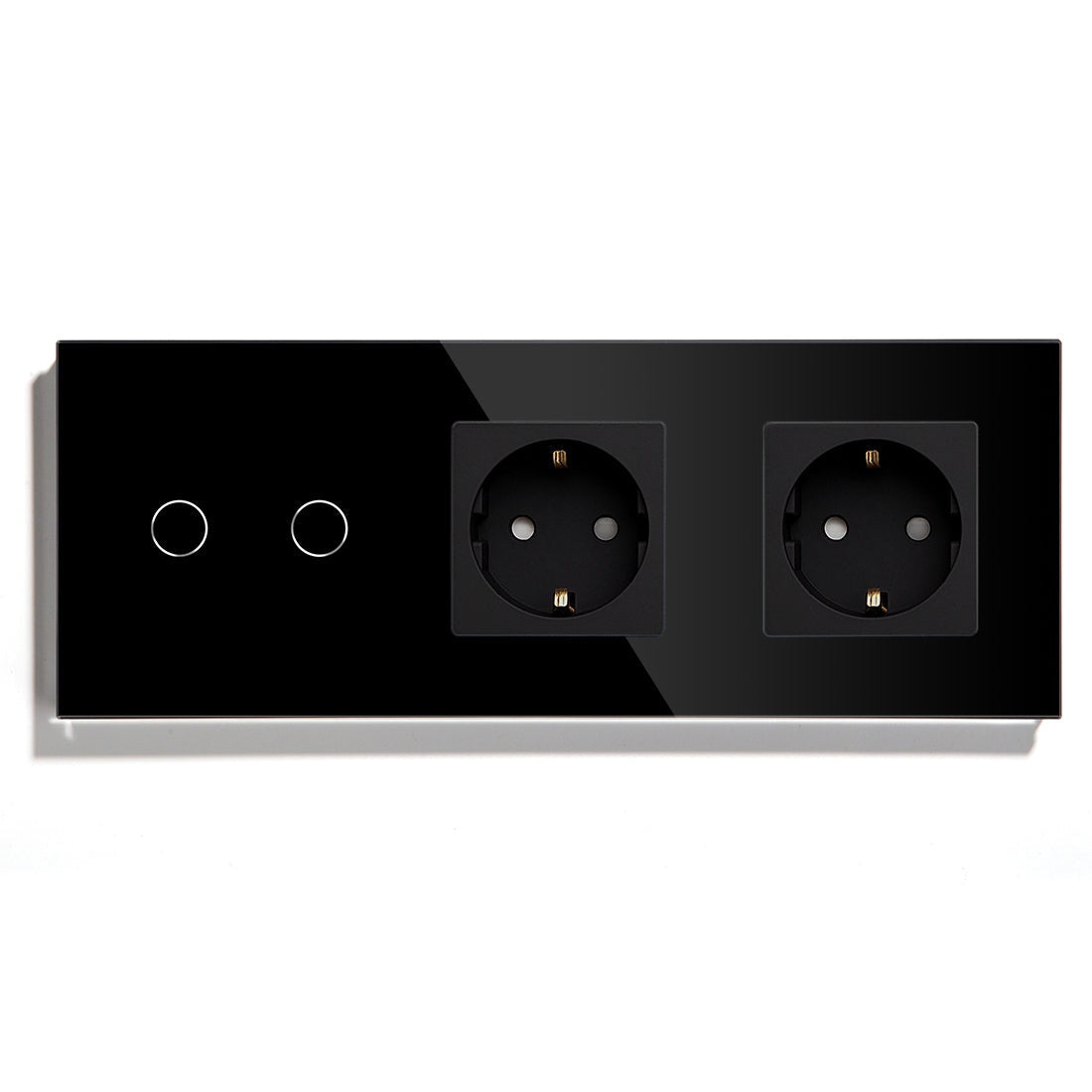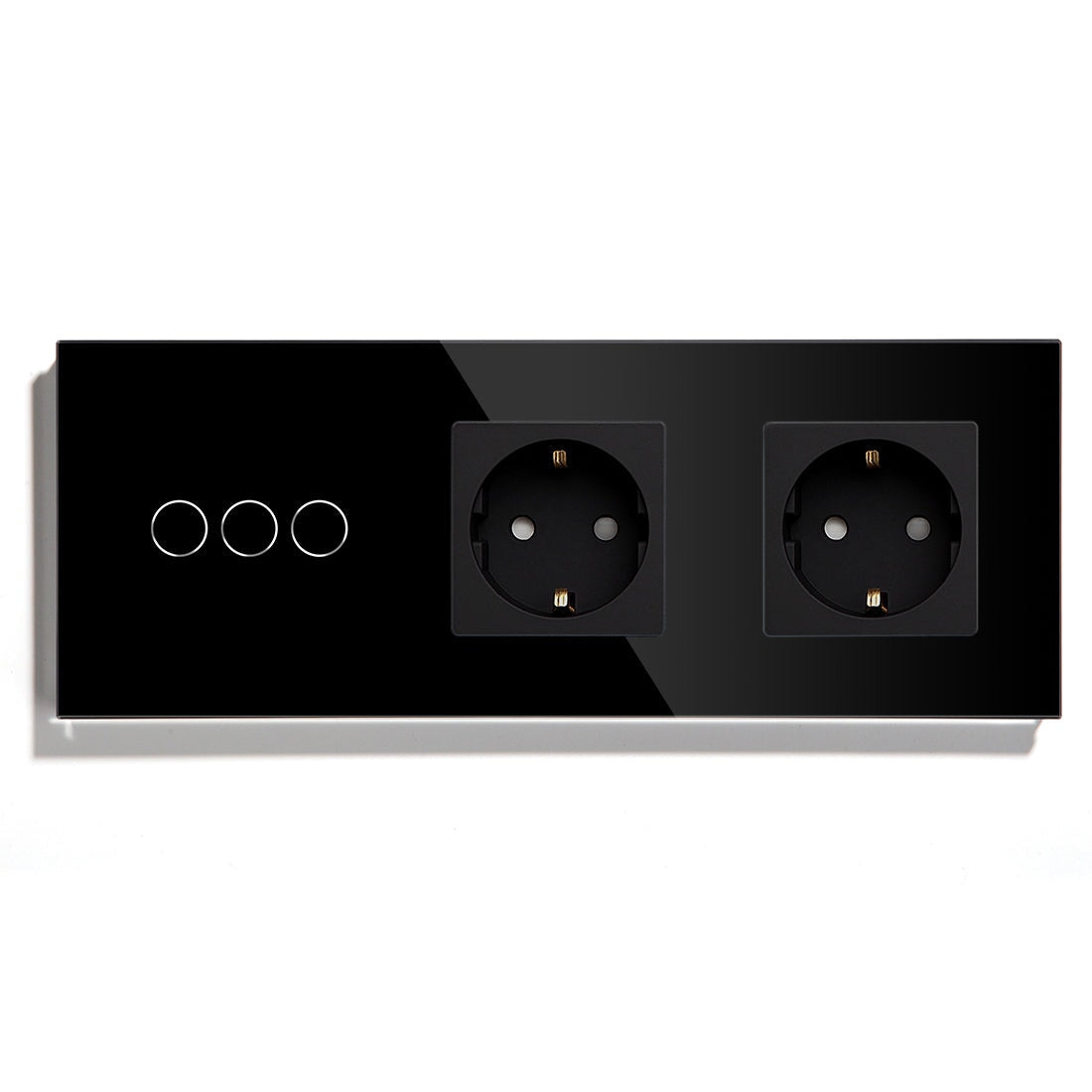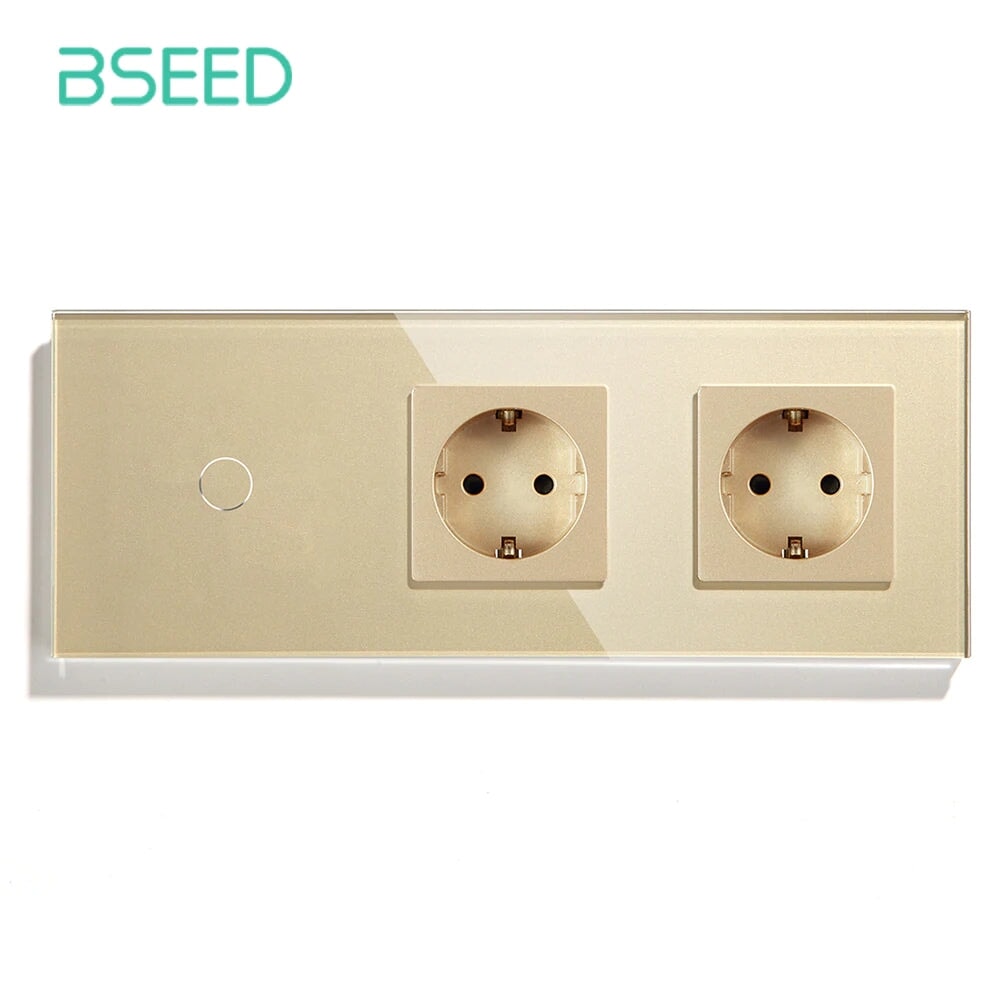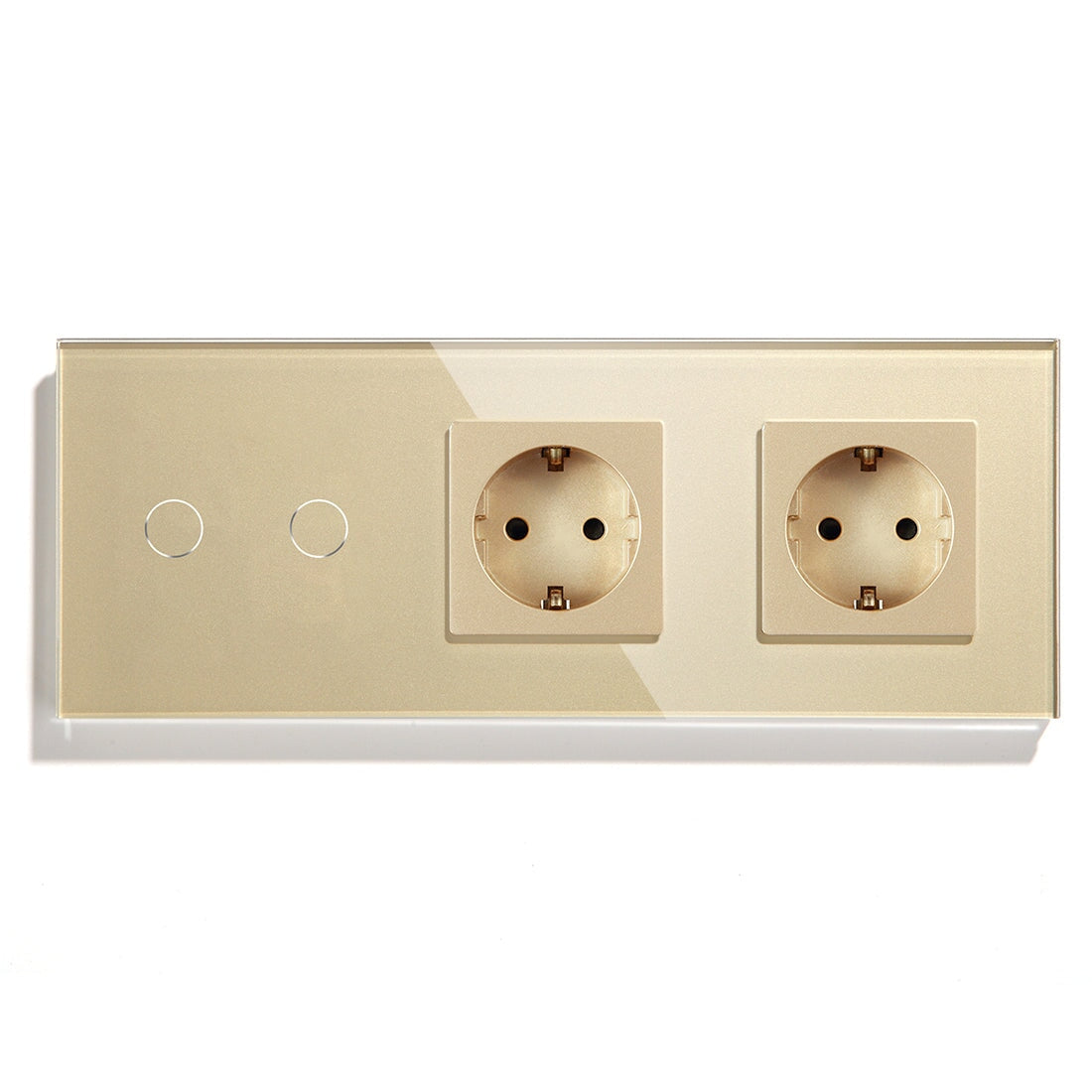
Matter Compatible Smart Home Devices Explained
Matter is easiest to explain with a normal family problem. One person uses Alexa in the kitchen. Someone else prefers Google Home. A guest still presses the wall switch. Later, the homeowner may change phones, speakers, or apps. Nobody wants the lighting, sockets, and switches to become a locked box just because the first platform choice was too narrow.
That is the value of BSEED Matter compatible smart home devices. Matter is not a magic upgrade that makes every wiring issue disappear. It is a way to make platform planning less fragile. For homeowners, that usually means more confidence when choosing a Matter light switch, a Matter smart switch, or other smart home devices that may need to work across different ecosystems.
The Real Problem Matter Tries To Reduce
Most smart home frustration starts with a simple question: "Will this work with what I already have?" People do not want to read protocol documents before buying a smart wall switch. They want to know whether the device can be controlled from the app, by voice, and by the family members who use the home every day.
Matter helps by giving compatible products a more common control language. That can be useful in homes that use Alexa, Google Home, Apple Home, or Home Assistant in different rooms. It can also help a buyer who is not sure which platform the family will prefer two years from now.
The cautious part is important. Matter compatibility does not mean every advanced function appears in every app in the same way. Basic control may be smoother across platforms, while detailed settings can still depend on the device type, app, hub, or firmware. Good expectations prevent support problems later.
A Better Way To Explain Matter To Homeowners
I would not start by saying, "Matter is the future." That sounds big, but it does not help a buyer choose a switch. I would say this instead:
Matter is useful when the home may mix platforms, when the customer does not want to depend too heavily on one ecosystem, or when a dealer wants to reduce compatibility arguments after the sale.
That is clear enough for most households. A homeowner choosing a BSEED Matter switch for lighting is not buying a technical theory. They are buying a wall control that should still make sense if the home later adds smart sockets, a smart thermostat, curtain control, or a smart home control panel.
When Matter Makes Good Sense
Matter deserves a closer look in these homes:
1. The family already uses more than one voice assistant.
2. The homeowner may move from one platform to another.
3. The project includes several product categories, not only one switch.
4. The buyer wants a cleaner long-term upgrade path.
5. The dealer sells to customers who ask different platform questions every day.
For BSEED users, Matter can sit beside WiFi and Zigbee choices. WiFi may still be the simplest route for a small apartment. Zigbee may still be better for dense multi-room automation or Home Assistant users who want a planned mesh. Matter is mainly about platform flexibility.
What Matter Does Not Decide For You
Matter does not choose the right wiring version. It does not confirm whether the switch box is deep enough. It does not make a smart dimmer switch for LED lights compatible with every LED driver. It does not decide whether a curtain motor should use open-close-stop wiring or another control method.
That is where many online explanations become too cheerful. A Matter smart switch still has to match the job in the wall. For lighting, check neutral requirements, gang layout, load type, and manual control behavior. For sockets, check load rating and placement. For thermostats, confirm heating type and sensor requirements.
The Homeowner's Short Test
Before buying Matter compatible smart home devices, ask four questions:
1. Which app or voice assistant do we use now?
2. Might that change later?
3. Are we adding only lighting, or also sockets, curtains, heating, and sensors?
4. Can every product be installed safely in the existing wall boxes?
If the answers point to a mixed or growing system, a BSEED Matter switch can be a sensible starting point. If the answer is one room, one platform, and one simple light, Matter may still be nice to have, but it is not the whole reason to buy.
How BSEED Fits A Matter Plan
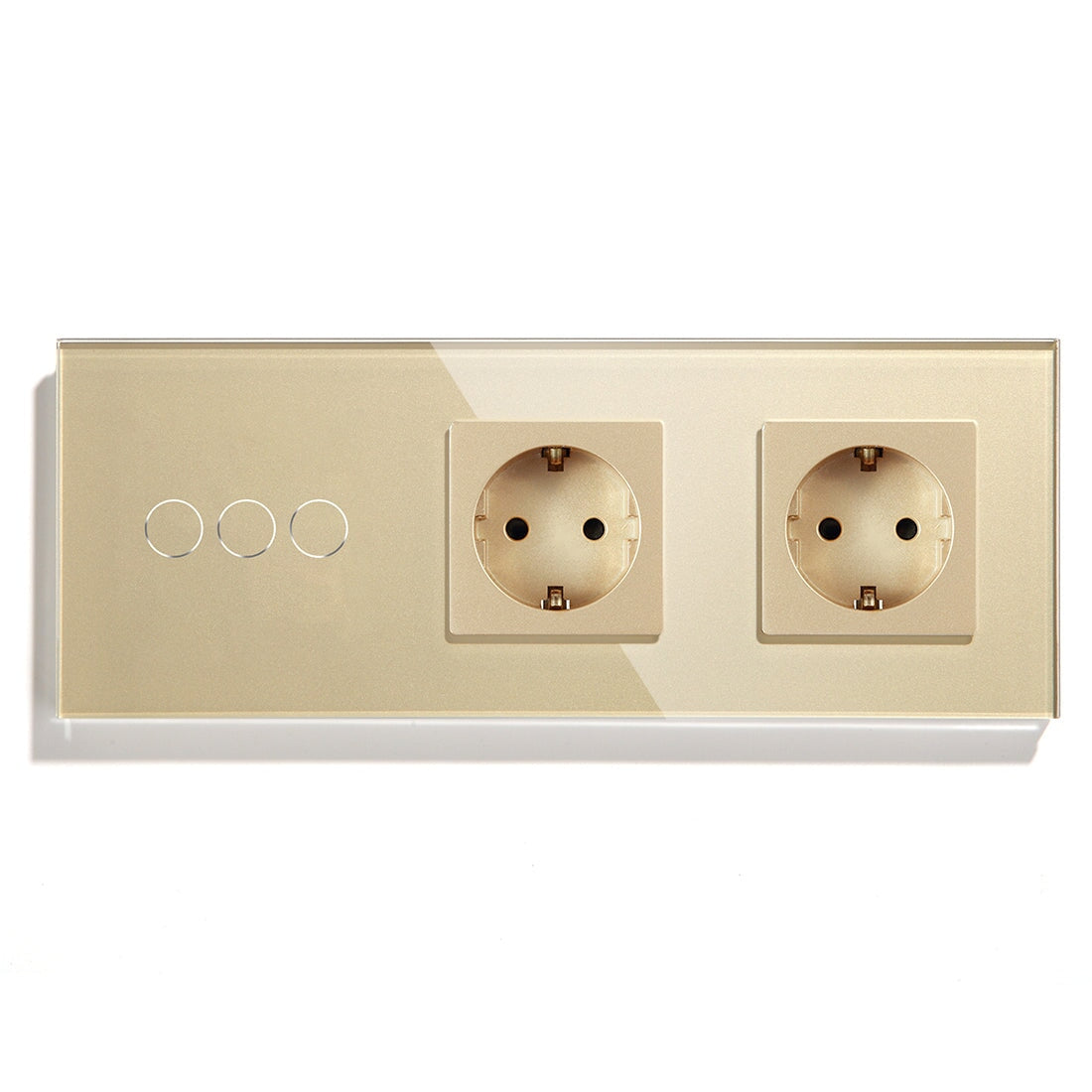
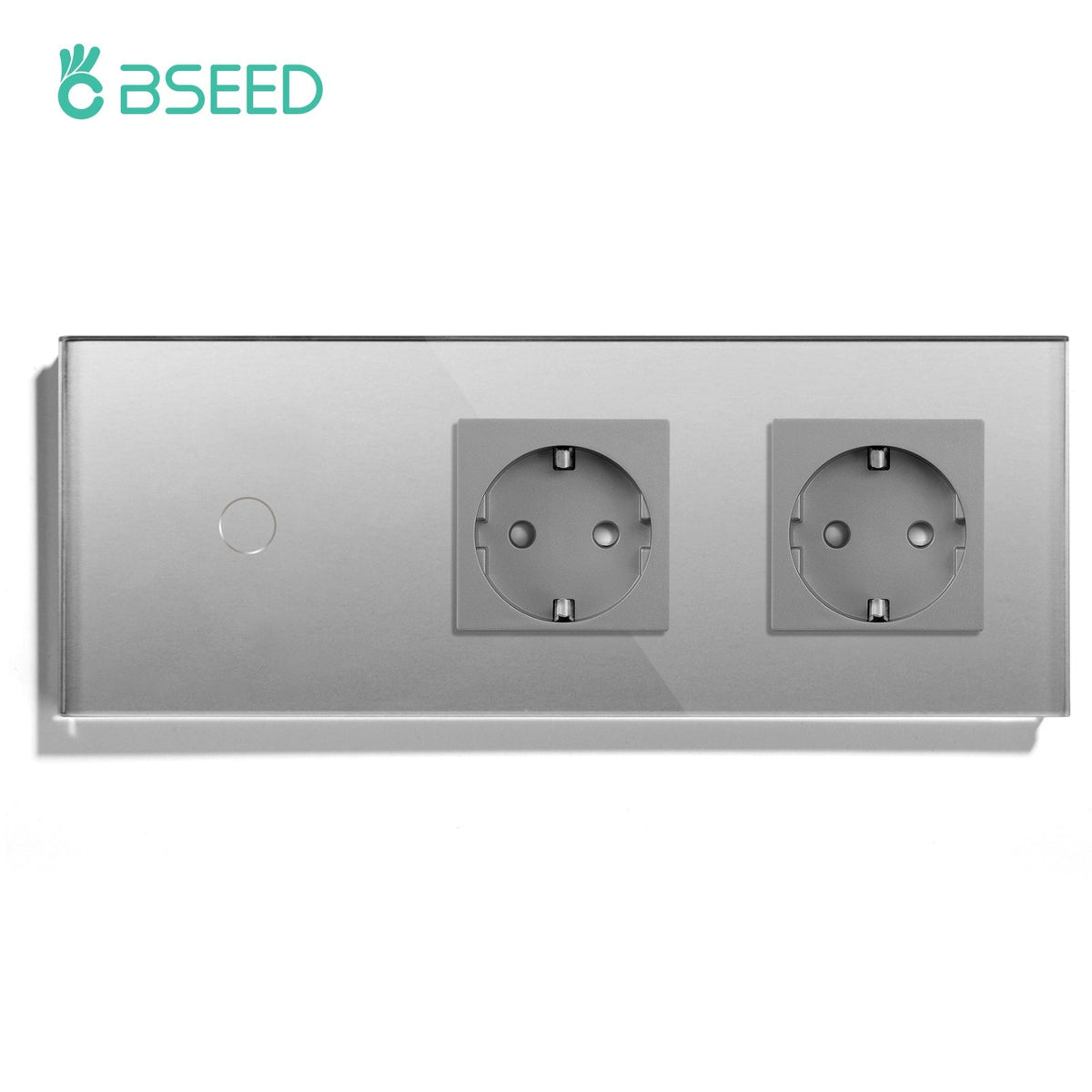
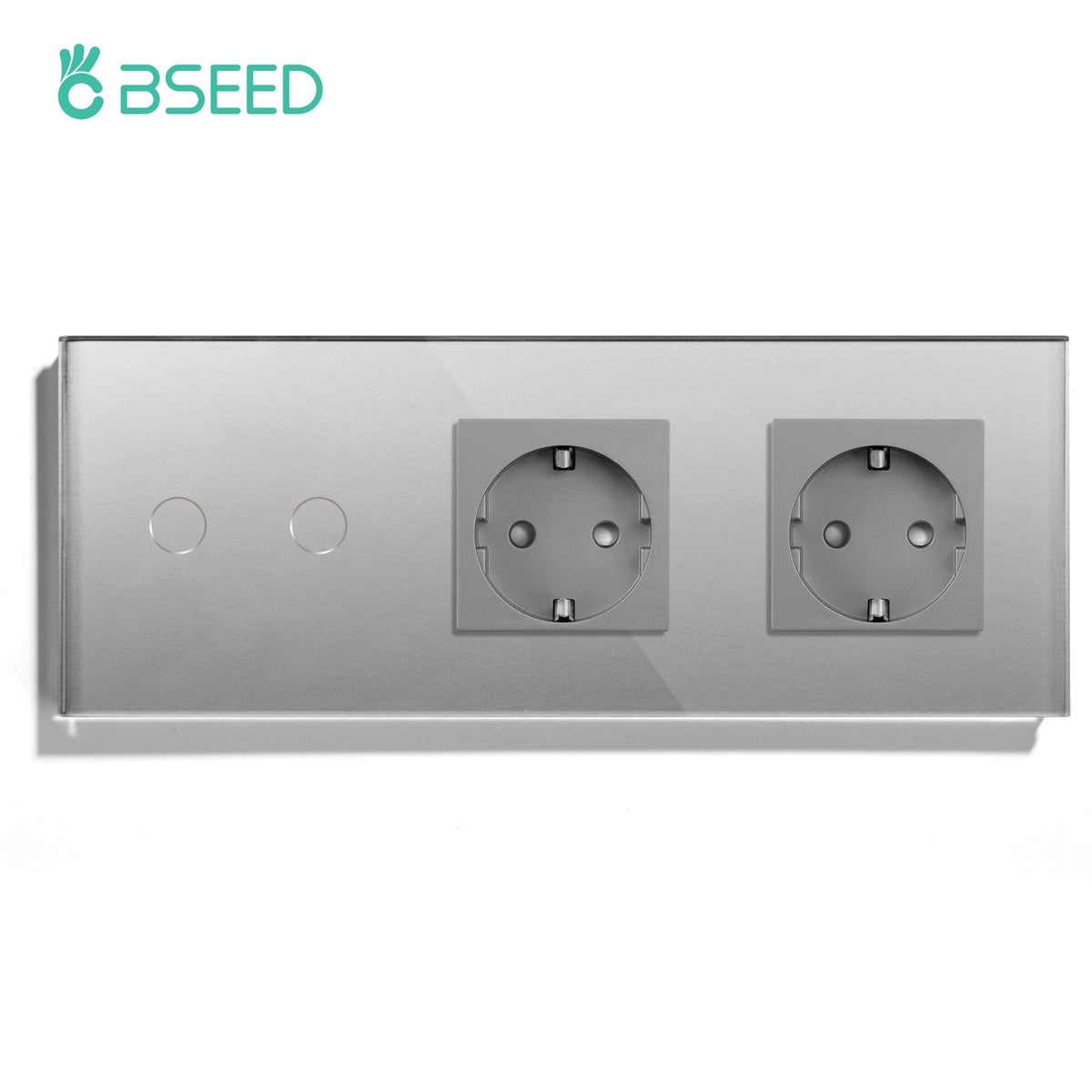
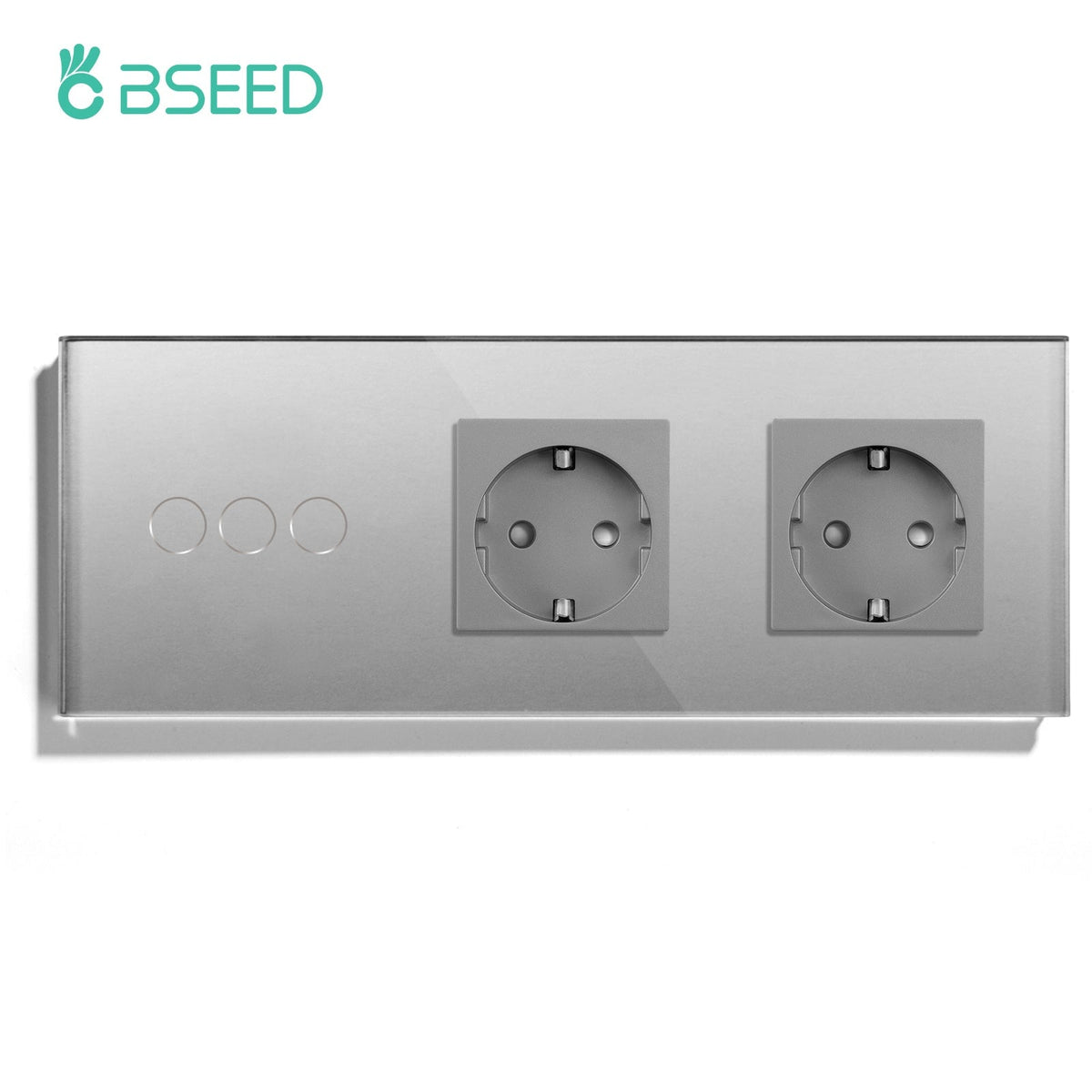
BSEED's product range covers smart switches, WiFi and Zigbee switch options, Matter switch options, smart sockets, dimmers, thermostats, smart blind and roller shutter switches, and control panels. That range is useful because smart home upgrades rarely stop exactly where they start. A lighting project often becomes a comfort project, then a curtain project, then a heating schedule project.
Matter helps when that growth should remain flexible. It gives the homeowner room to choose the platform later instead of making every product decision depend on the first app installed on the phone.
Practical Questions
Should I choose Matter instead of Zigbee?
Not automatically. Choose Matter when platform flexibility is the main concern. Choose Zigbee when mesh stability and multi-room automation structure are the priority.
Is Matter useful for a beginner?
Yes, if the beginner wants a setup that can work across different ecosystems. The installation checks are still the same: wiring, load, wall box depth, and product type.
Can Matter devices work with Home Assistant?
Matter can be part of a Home Assistant plan, but the exact experience depends on the device, controller, and setup. Check compatibility before buying a full set.
Matter is valuable when it reduces a real decision risk. Treat it that way, and the buying choice becomes much calmer.