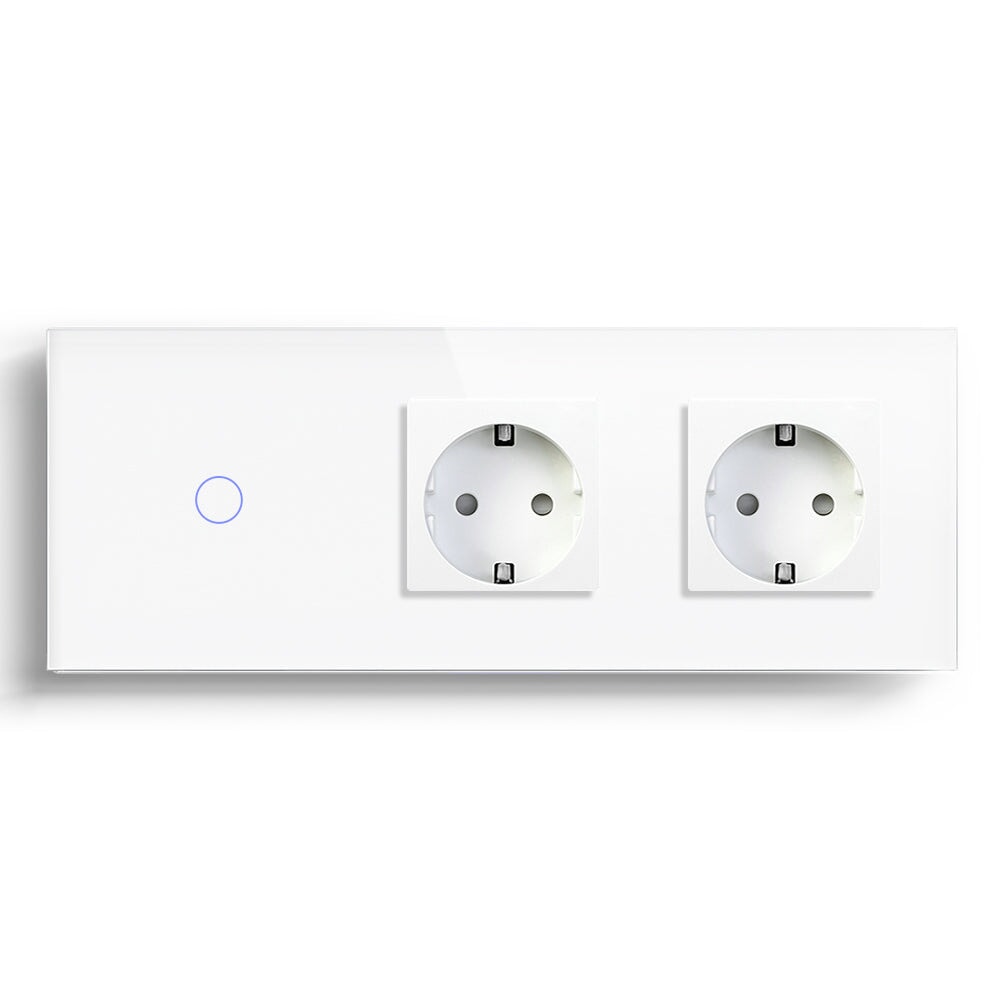
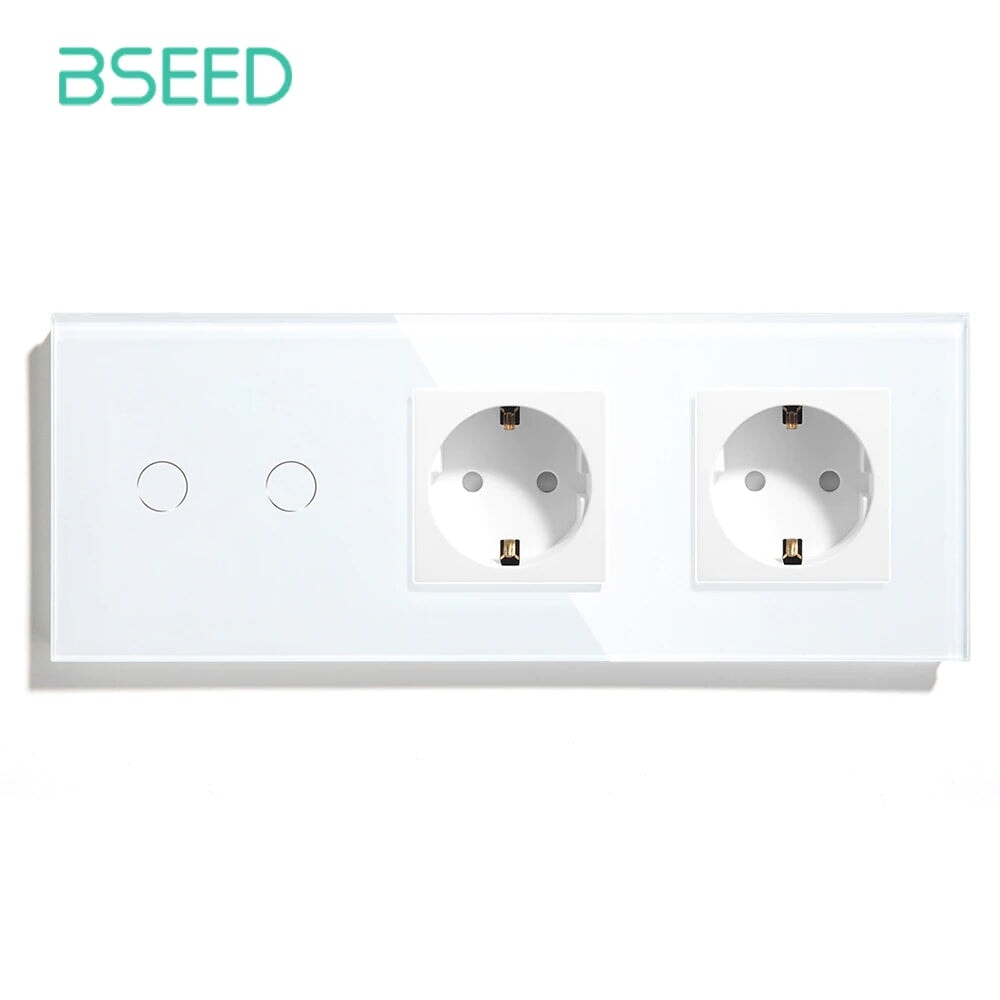
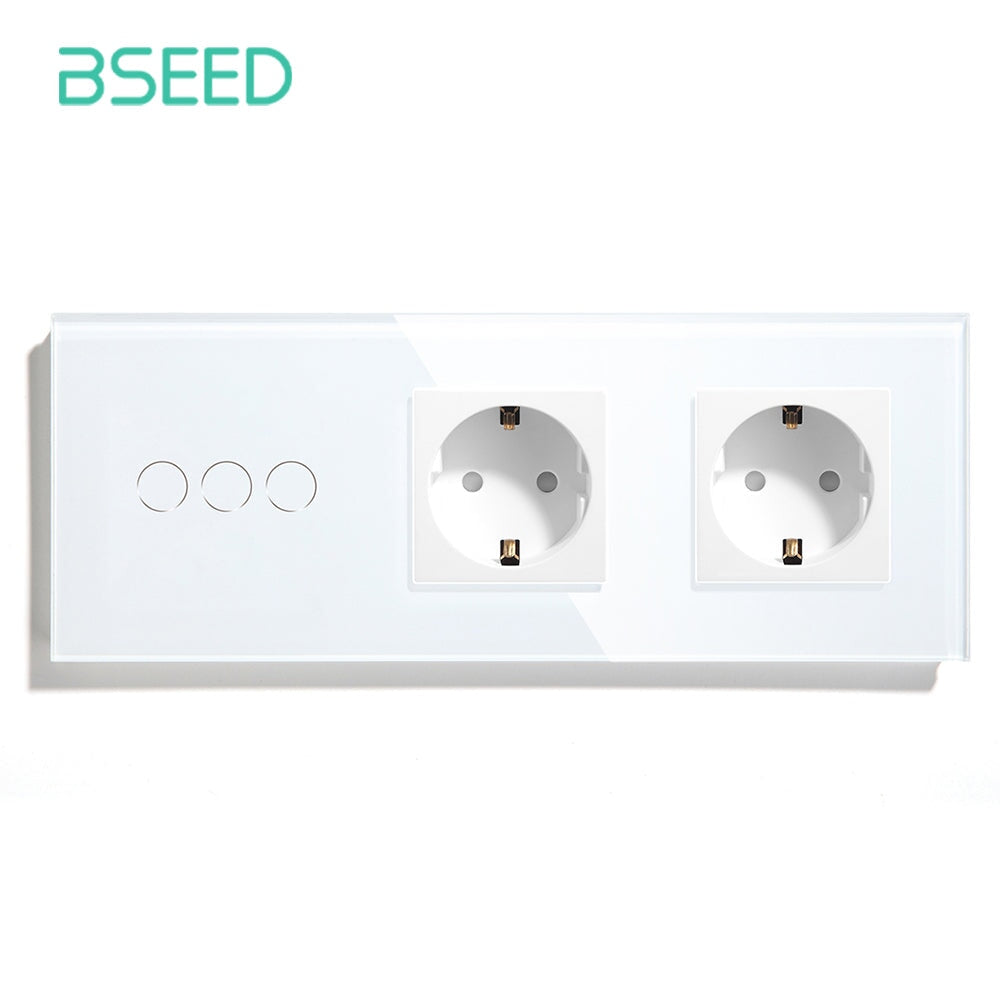
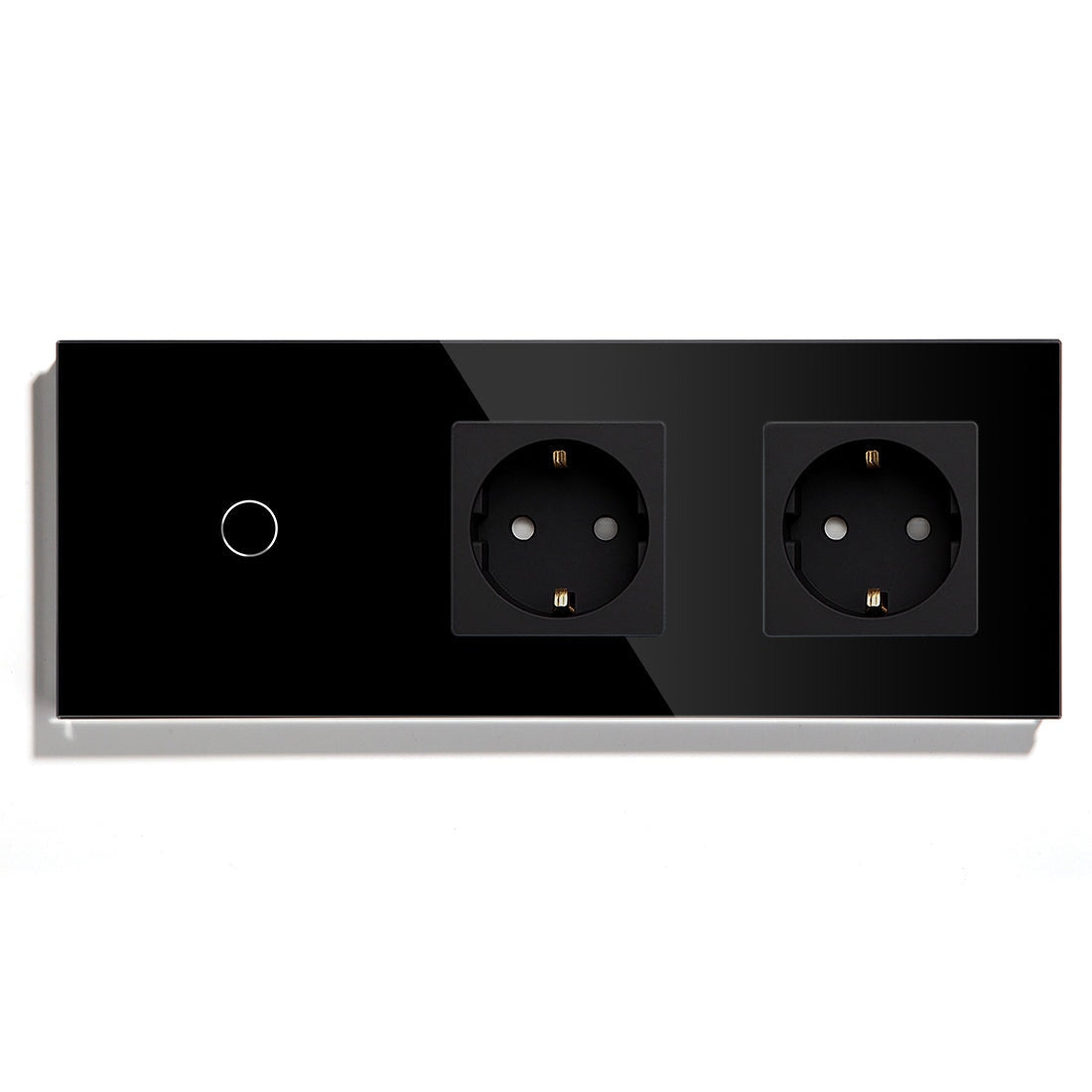
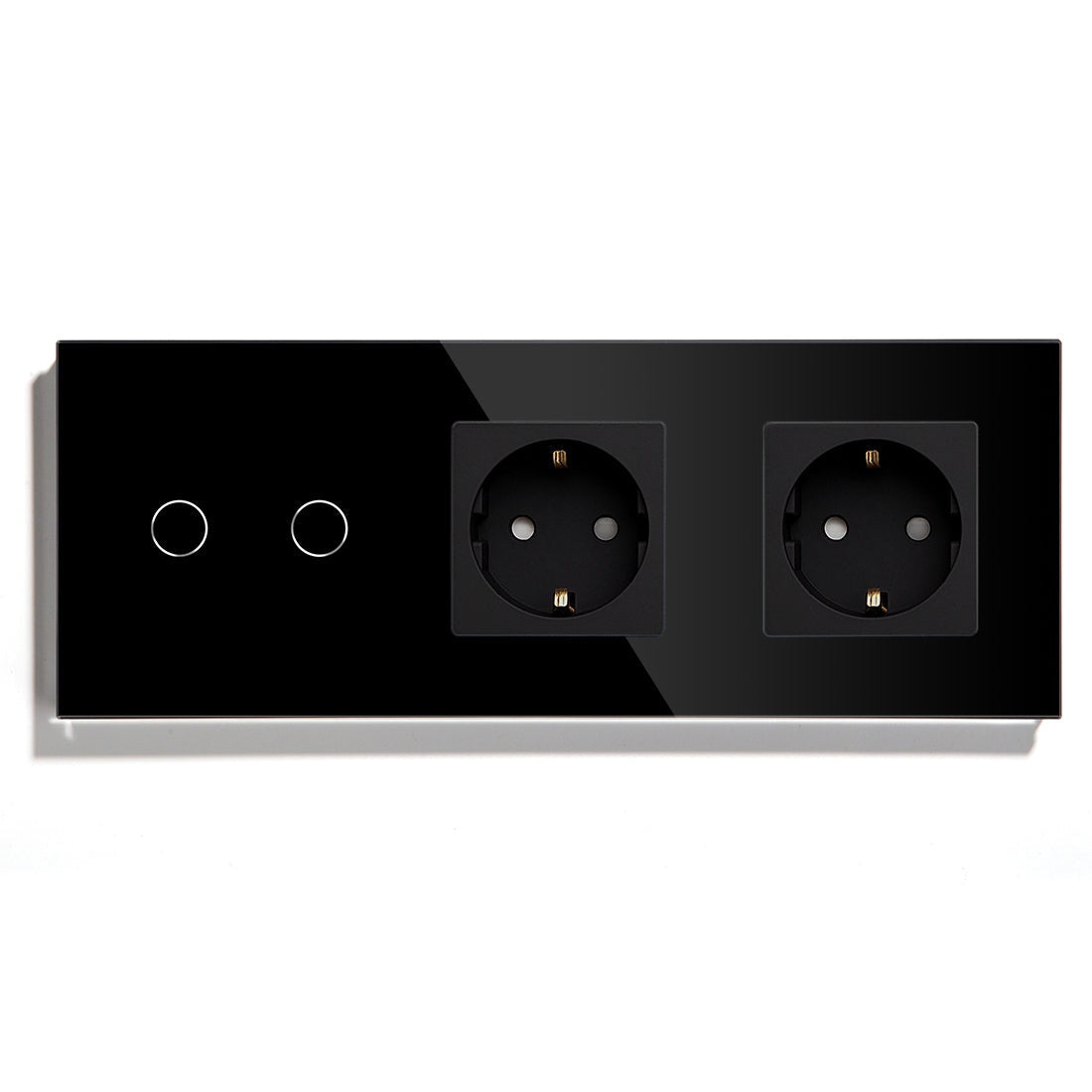
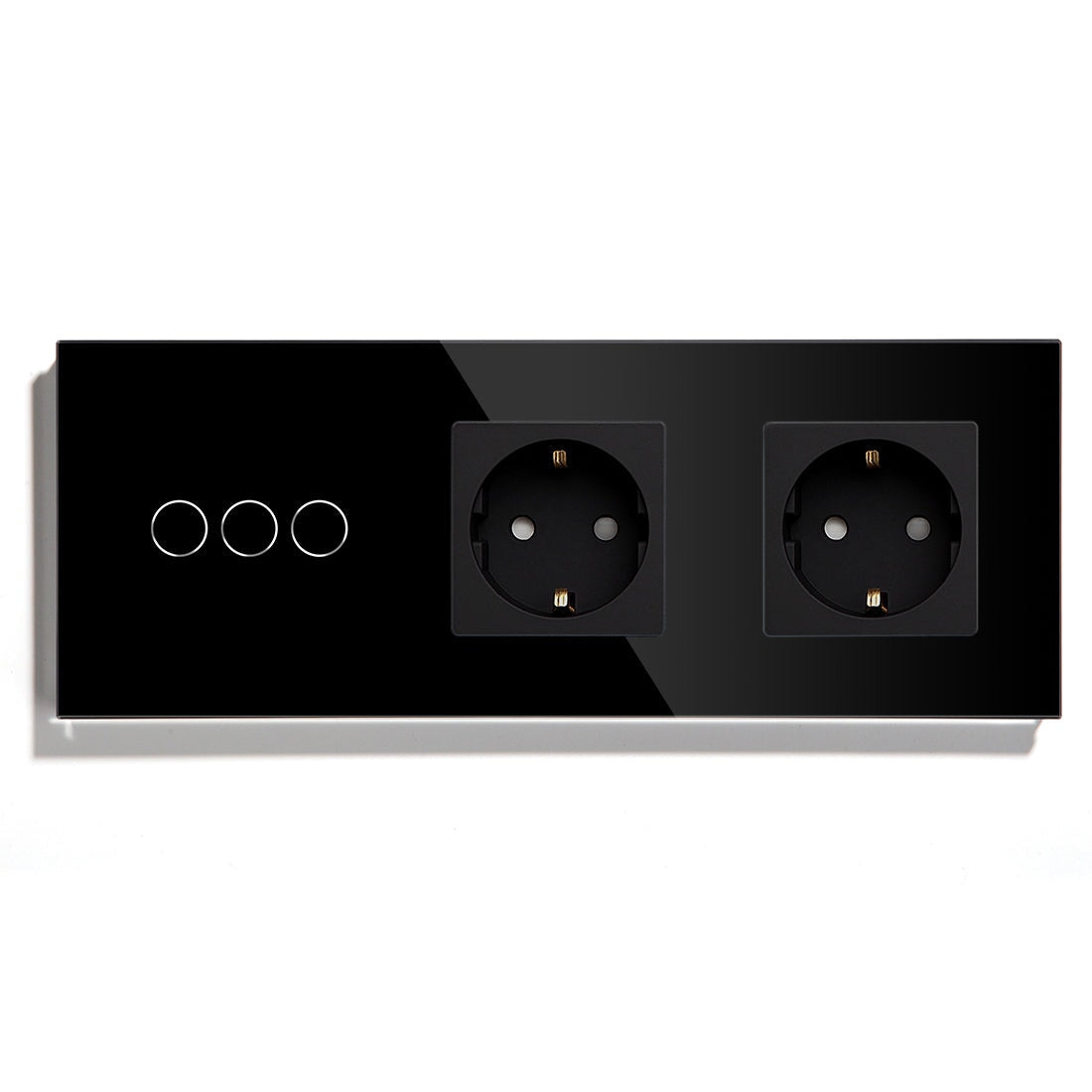
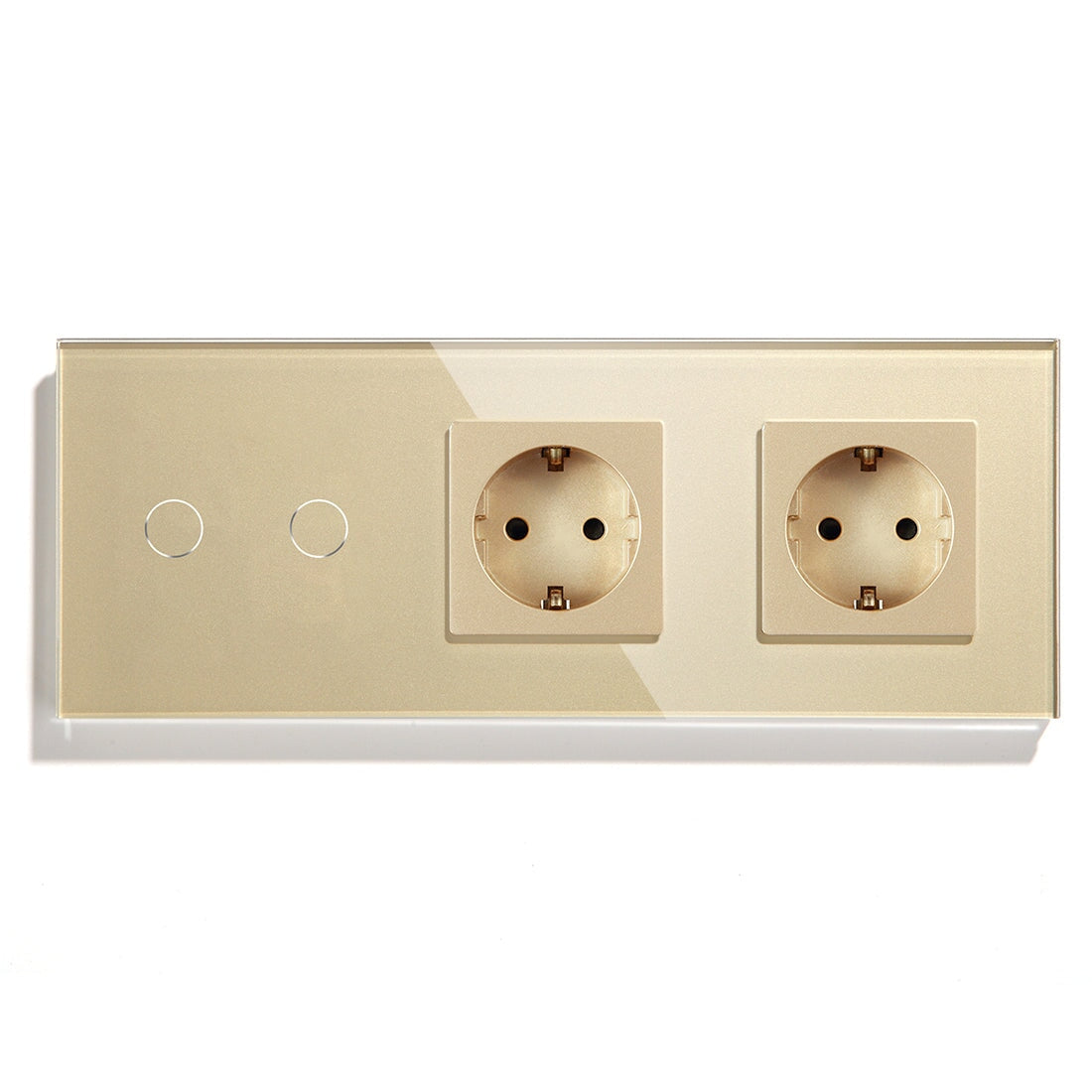
BSEED Zigbee 3.0 Smart Light Switch: Faster and More Stable Connectivity

In smart home deployments across Europe and Asia in 2026
In smart home deployments across Europe and Asia in 2026, the most reliable lighting control systems are defined less by app design or even voice assistant support, and more by one technical decision: whether the switch runs on a mesh-based local protocol like Zigbee 3.0 or is reliant on a congested WiFi network.
Installers working in large residential refurb projects tend to see a similar pattern. Once a house passes the tipping point of 15–25 connected devices, WiFi light switches start responding more slowly, glitch out to “ghost offline” states at random, or miss button presses altogether. Zigbee 3.0 switches, especially when deployed in a proper mesh structure, can cope with pressure on the router or even the whole ISP being interrupted without breaking down.
Brands like Bseed Smart Home have pushed this architecture into mainstream refurb, optimizing for relay response timing, antenna design, and low-power routing behaviour for the stew of high density apartments in Europe.
Why Zigbee 3.0 actually performs differently in real homes
Zigbee 3.0 is often simplified to ‘low power mesh’. But actually, in engineering terms it behaves more like a distributed relay network.
Whereas each individual WiFi light switch has to fight the router for bandwidth, a Zigbee switch:
· Communicates using its own dedicated 2.4GHz low-bandwidth channels
· Uses neighbouring devices as signal repeaters (mesh routing)
· Operates independently of the internet
A matrix we see in field testing provides a key measure of performance:
Zigbee switch average time taken to respond: 80ms-200ms
WiFI switch average time taken under load: 250ms-900ms (may spike over 1s when router is full)
A tidbit that surprises many 1st time installers is that Zigbee switches actually becomes more stable once you add more devices, while the opposite tends to happen with WiFi.This is why larger apartments, with 20+ smart nodes, tend towards Zigbee smart home architecture than exit, no WiFi-only paid setups.
Mesh Reality: Where Zigbee 3.0 Succeeds and Where It Stumbles
Zigbee 3.0 is not always the best. Field deployment data, for retrofit projects, highlights clear edges:
Strong performance scenarios
· Multi-room apartments (80-180 m²)
· Villas with lighting zones + distributed living rooms
· Systems with constant power devices acting as routers (switches, sockets)
Weak performance scenarios
· Isolated single device installations with few mesh neighbors
· Metal junction boxes with notoriously strong RF shielding
· Mixed bad third party Zigbee repeaters
A practical rule sometimes used by installers:
If less than 3 Zigbee mains powered devices within 10 meters, less like a mesh and more like star, with worse latency variance.
Neutral Wire Dependency: The Hidden Constraint
One of the most hidden installationSmart switch without neutral wire solves retrofit problems, but has design trade-offs
1. Lower internal power budget (= shutter stability drop when driving over rated inductive load)
2. Limited selection of LED-compatible drivers
3. Limiting LED compatibility regime for ‘no-neutral’ switches
“Zigbee switches with neutral wire offer to retrofit and workaround:”
1. “Stable relay switching even in LED low load flicker issues”
2. “Dimmable/down to absolute zero compatible LED dimmers and drivers for use in home”
3. “Lower false-trigger rates in long term use as compared to standard no neutral wire versions.”
Field data gleaned from installers in 2025-2026 retrofits: Switches which do not have a neutral wire matched with low grade drivers result in 2-4 times higher flickering complaints. Particularly prominent in bad homes which are old in cities in Europe 2026 .”
Ecosystem Compatibility: Alexa Smart Switch, Google Home, Matter, Home Assistant
it’s rare nowadays that a smart home will solely rely on one ecosystem. Zigbee 3.0 smart light switches are expected to integrate across multiple control layers:
· Amazon Alexa
· Google Home
· Matter-compatible hub
· Home Assistant
“Davesason404” writes “2016, more manufacturers will start making Matter-enabled devices, 7% growth YOY! Zigbee remains dominant in retrofit environments b/c of their networks. Matter being the control standard, Zigbee remains the device-level transport layer needing to be mixed with Matter. “Amazon Alexa, Google Home, Matter smart switch, Zigbee switch, WiFi touch light switch in a hybrid of small wireless power inverters that are going to be more sent to global markets from davesason404 and friends c.c.,”
Real Deployment Scenarios (2026 Field Data)
Scenario 1: 120m² Apartment (18 devices)
“WiFi switches: 12% noted a delay in activation after 3 months of use
“Zigbee3.0 switches: reliably actuated even under full load. The CPU usage of the router reduced by about 35%.”
Scenario 2: Villa (260 m², 32 devices)
“WiFi-only system, there were about 2-3 dead zones in the stairwell, and garage. “With zigbee mesh we had full coverage after adding 4 repeater sockets. The average trigger delay for automation was less than 0.25s.”
Scenario 3: Rental where they had done a retrofit and there was no neutral wiring available.
A system with mix of zigbee no-neutral smart switches, and smart sockets in a few room(s). There was reduction in flicker but careful balance on load was necessary for the one with LED circuit.
Decision Framework: Choosing the Right Switch Architecture
Choosing between what should be Zigbee light switch vs WiFi light switch, vs any matter smart switch, installler 2026 uses this decision logic:
· Device count > 15? → Zigbee 3.0 preferred
· No neutral wire available? → No-neutral smart switch but expect tuning for LED-touch
· Need cross-platform control (Alexa + Google + Home Assistant)? → Maybe Matter compatible, or in Zigbee bridged via hub
· Stable internet not guaranteed? → Zigbee Mesh, or local-first system, perhaps WiFi switch okay now
· Small single-room upgrade? → WiFi switch acceptable but no biggie.
Where is it going in six months? Nordicsmart intra-intra-off bridge feature slated in update for smart light switches timed with quarterly rollouts. Zigbee switches are rarely released..
Zigbee 3.0 Smart Switches Where Are They Headed
Hybrid home architectures: Zigbees comms layer reliable. Matter orchestration layer, WiFi switches, affordable ≤low-density. Zigbee 3.0 and Matter bridging, multi pattern protocol firmware installed behind some smart-wall switch, dimmer switch, roller shutter switch. Smart Socket with intelligent energy monitoring lines crossing multi-protocol networks Ethereum and in-ginyaallitechturesupportnode. There.ecta compact are in the pipeline for economy versus breeding flip873jmtprgr of having the most reliable smart home”. g“Best homes in 2016 are those who started thinking Zigbee mesh network design first before everything else they added.”