BSEED Smart Switch Without Neutral Wire Explained for Beginners

One of the most common questions users ask in 2026 when upgrading their homes to us is straightforward: “Can I use a smart switch with no neutral wire in my home?”
The answer for many homes in Europe is, yes.
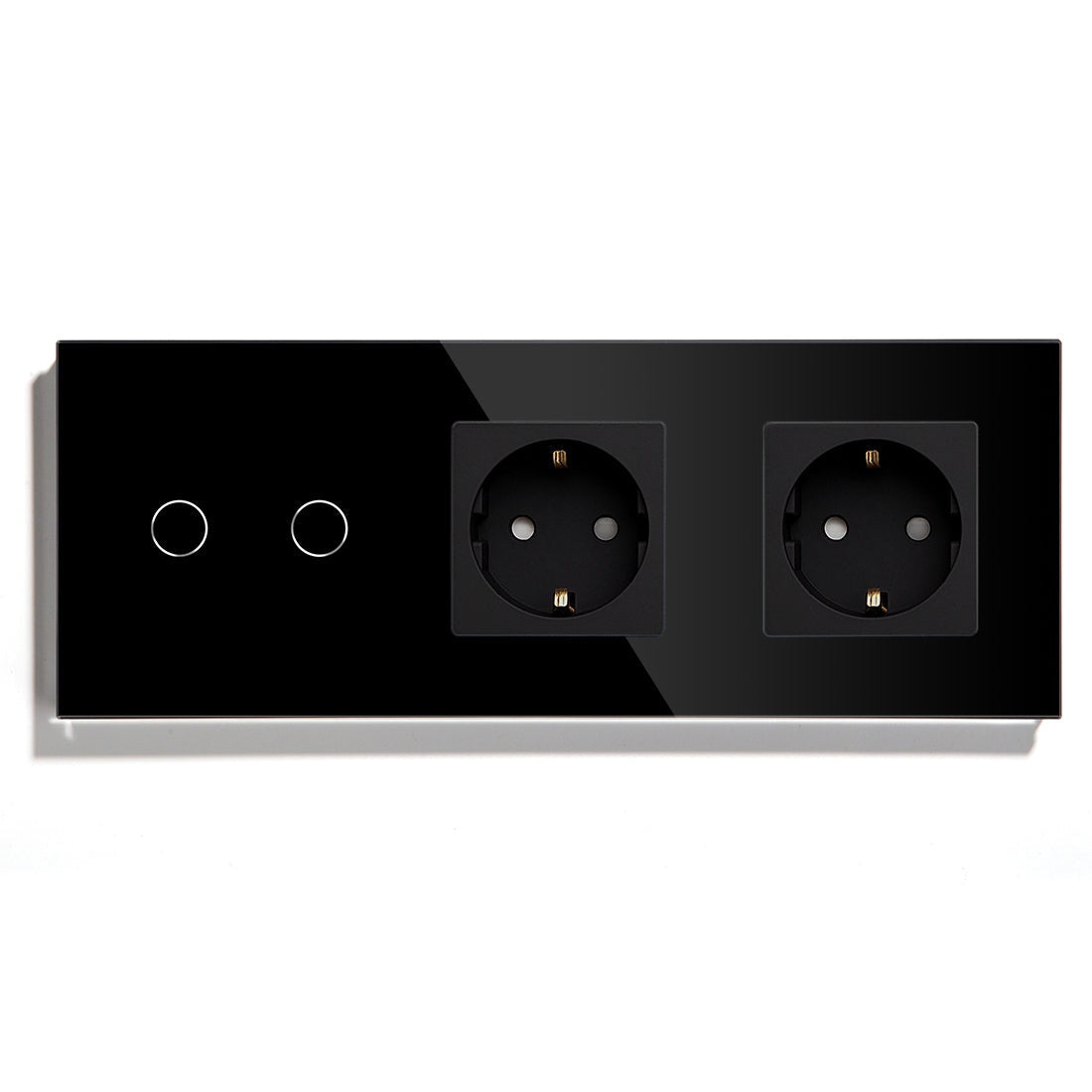
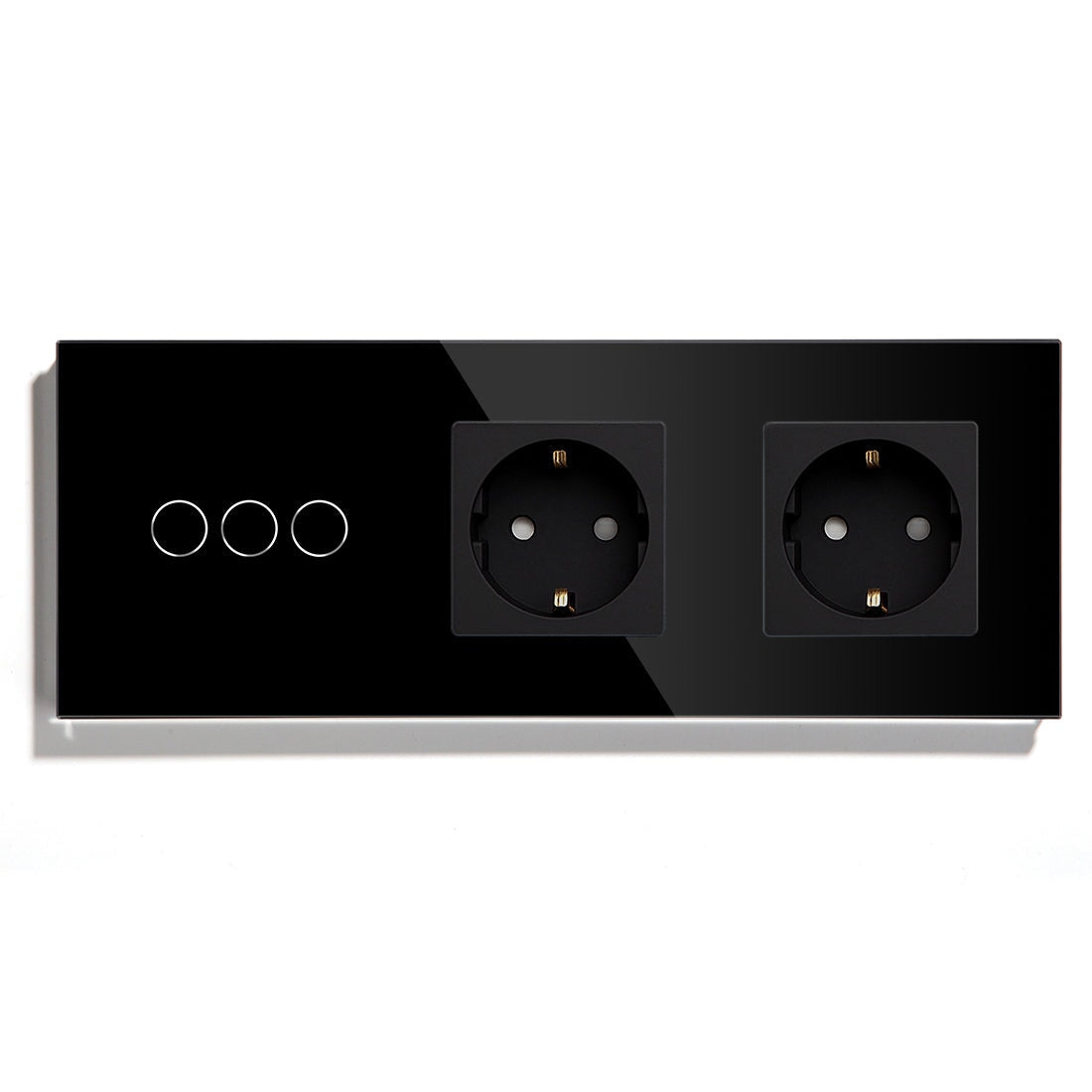
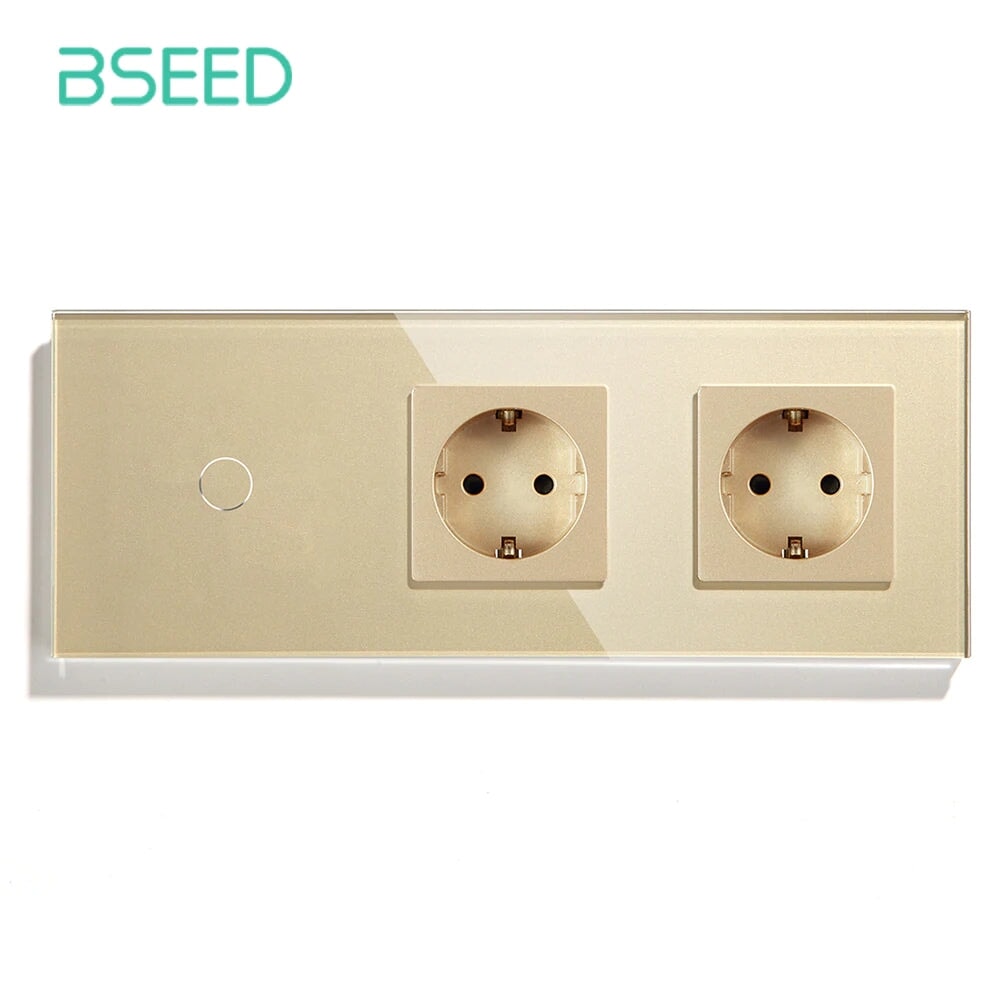
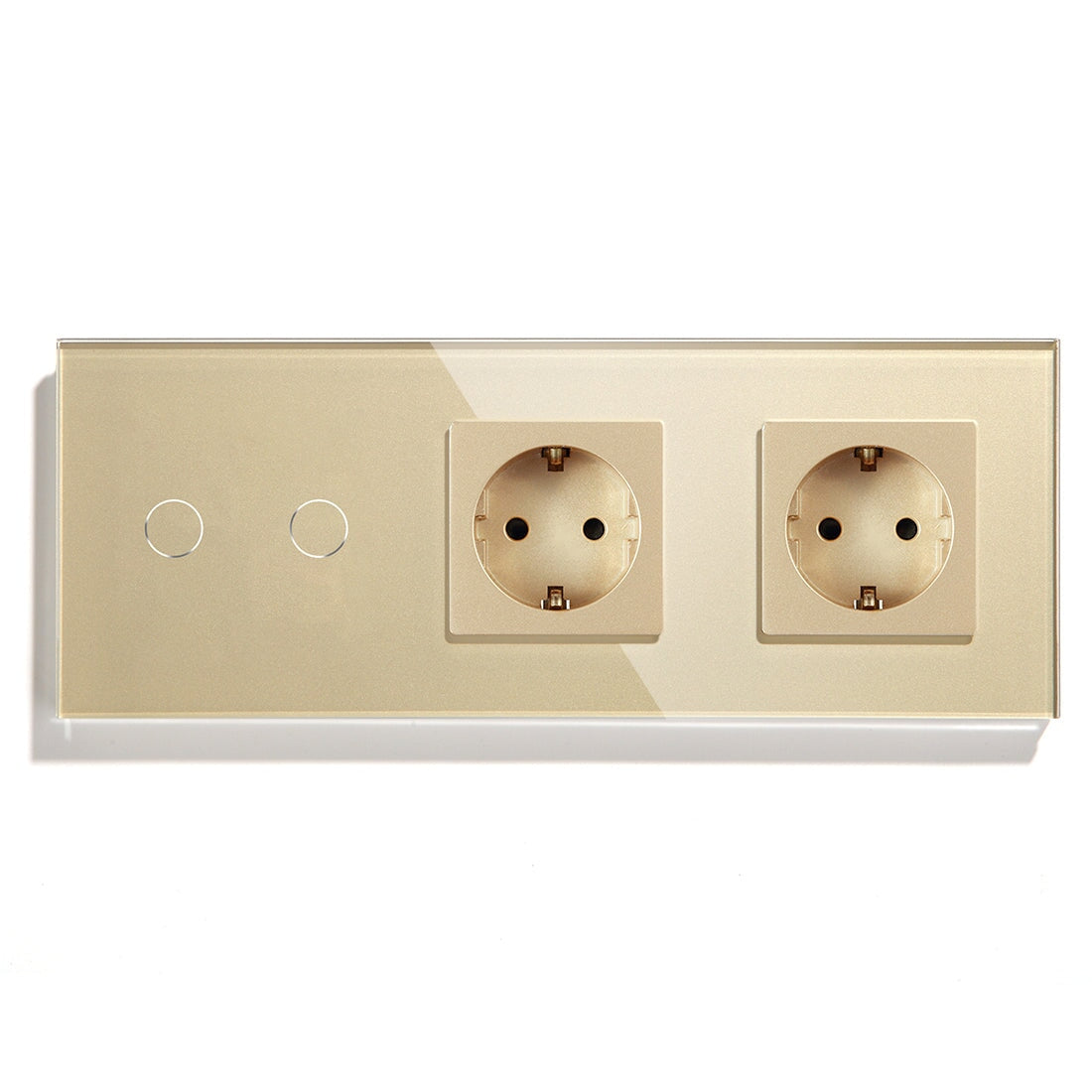
An example would be the BSEED Smart Switch Without Neutral Wire aptly named, BSEED Zigbee Switch, BSEED WiFi Switch and BSEED Matter Switch designed for older electrical systems where there is no neutral wiring at the switch location.
For the beginner, it is more essential to understand how these chips in general work, rather than making that decision between WiFi/WiFi/Zigbee or Matter.
What’s lurking in the wall behind a switch is often more important than the software settings you reach for later.
What Does It Mean to be “Without Neutral Wire”?
An electrical switching circuit in the “normal” sense was installed in many homes older than the 90s.
The installer often found only:
· Live wire
· Switched live wire
Inside the box in the wall.
The neutral conductor terminated at the light fixture instead of at the location of the switch.
Power is required continuously by conventional smart switches to handle:
· Wireless communications
· Control relay
· Sync state
· Automation processing etc.
A Smart Switch Without Neutral Wire uses a few milliamps of current that is flowing in the lighting circuit of the electronics which allows it to remain powered yet operational.
This design allows the homeowner to install a Smart Light Switch, Smart Wall Switch, or Home Assistant Switch with no cutting of walls or pulling in new electrical cable.
Why Have No-Neutral Switches Become Popular in Europe?
The most expensive part of your smart home renovation is not the device itself.
It’s the electrical modification.
Failing to wire neutrals in new or renovated apartments is turning out to be a key oversight, with using BSEED Smart Switch likely increasing standard renovation labour costs by several hundred euros per room if neutrals don’t already exist in the wallbox as they do in typical European apartments.
By contrast, swapping out an existing switch for a BSEED Smart Switch can be achieved in minutes, when existing wiring permits.
The demand for:
· WiFi Light Switch Without Neutral Wire
· Zigbee Light Switch Without Neutral
· Smart Switch Compatible with Alexa
· Smart Switch Compatible with Google Home
· Home Assistant Compatible Switch
is driven by this insight.
Across renovation projects in Germany, France, Italy, Spain, and Eastern Europe, no-neutral solutions are among the fastest-growing smart home categories.
The LED Compatibility Detail Most Beginners Miss
Almost all novice installers assume that the switch is the most important thing, but savvy electricians often look at the light fixture itself instead.
Field support statistics show that a big proportion of no-neutral installation difficulties concern LED lighting loads instead of failure in the switch itself.
The most common warning signs are:
· Lights flickering
· Lights glowing dimly after swtiching off
· Delayed switching on and off
· Lights behaving erratically in automation setups
All these issues manifest when low-power LED fixtures draw less than 5W.
A beginner’s shocking realisation is that proper upgrades of more expensive switches don’t necessarily solve the issue also.
More often than not, replacing a cheap LED driver creates more difference than changing even the switch itself.
WiFi, Zigbee or Matter? What Should You Choose?
WiFi Light Switch
Best for:
· Small apartments
· Upgrade single room
· Users wary of needing a hub
Advantages:
· Connects directly to router
· Easy to set up
· Cheaper start
BSEED WiFi Touch Light Switch and Glass Panel Smart Switch are chosen for simple smart home projects.
Zigbee Light Switch
Best for:
· Big homes
· Multi-room automation
· Home Assistant buyers
Advantages:
· Mesh networking
· Response is faster
· Better scalability
Your Zigbee 3.0 Smart Light Switch could be a part of a “life-boosting” self-healing system where the devices are “chatting” and “educating” one another.
At least that’s the intention.
Installationers cite a 30-device capacity when planning a house full of smart gadgets.
They like the Zigbee Smart Switch for Home Assistant, and tend to avoid WiFi switches.
Matter Smart Switch
Best for:
· Cross-platform
· Future-proofing
· Mixed-brand smart home households
Goes with:
· Amazon Alexa
· Google Home
· Apple Home
Matter Smart Switch is being buried into lots of smart homes in 2026.
Smart Home Devices Going Beyond Just Lighting
Homeowners have begun to expect all devices to play in one ecosystem.
Favorites include:
· Smart Socket
· Smart Socket with Energy Monitoring
· Smart Thermostat
· Smart Thermostat for Floor Heating
· Roller Shutter Switch
· Zigbee Roller Shutter Switch
· Smart Curtain Switch with WiFi
· Wall Socket with USB C
· Waterproof Outdoor Wall Socket
· Touch Screen Smart Thermostat
· Smart Home Control Panel with Zigbee
Latest BSEED Smart Home has many of these options within an ecosystem.
Quick Check Guide
Choose a BSEED WiFi Switch When:
· You want a simple installation.
· Less than 20 smart devices are in the plan.
· No desire for a hub.
Choose a BSEED Zigbee Switch When:
· More than 20 smart devices are in-plan.
· Home Assistant integration is a must.
· Long-term expansion is anticipated.
Choose a BSEED Matter Switch When:
· Multiple ecosystems are on-board.
· Future-proofing matters.
· Matter-enabled your smart switches already.
Conclusion
“The problem for most old homes in Europe is not finding a suitable smart switch, but the right product that pairs to existing wiring, LED bulbs, and goes with the new smart home.
Products like BSEED Smart Switch, BSEED Zigbee, BSEED WiFi Switch and BSEED Matter Switch continue to gain love in renovation projects all over Europe in 2026.