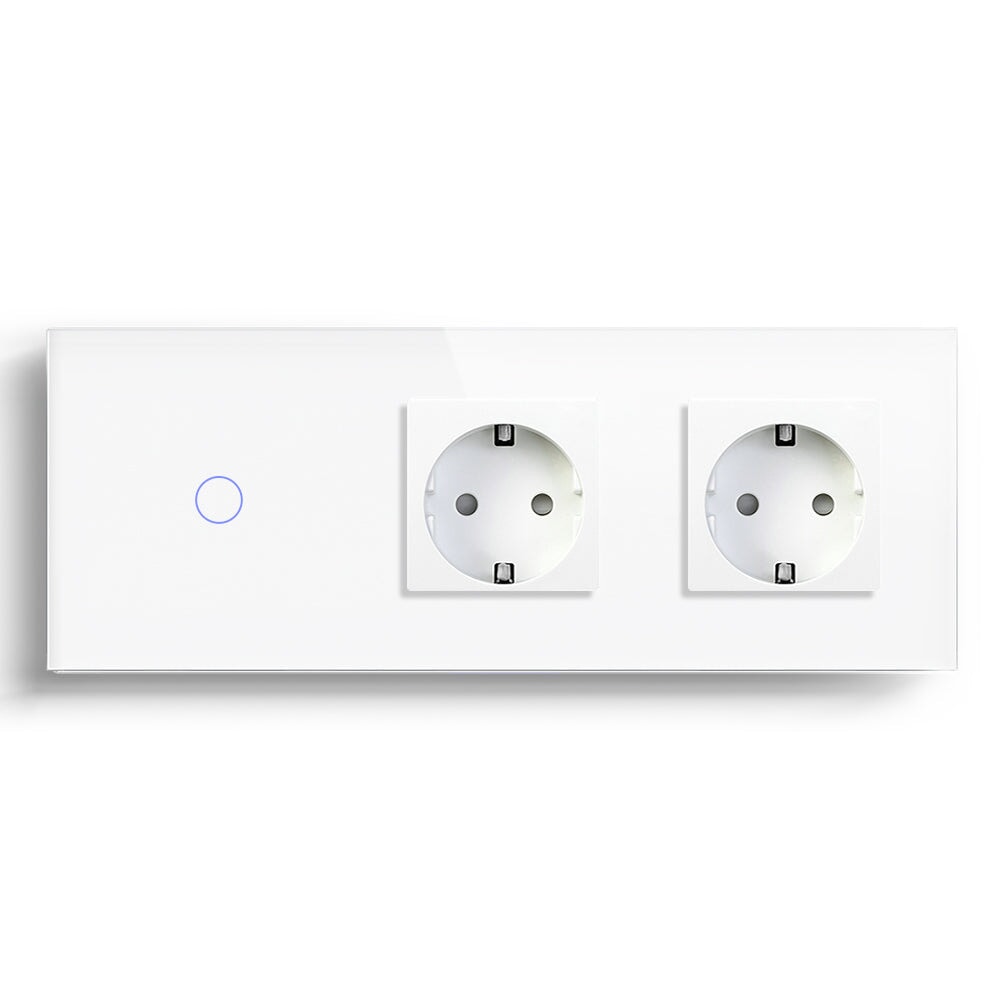
BSEED Smart Socket for Smart Kitchen Appliance Control
A smart socket for kitchen appliances can make everyday routines easier without making the kitchen unnecessarily complicated. From controlling a small coffee station to managing charging points or switching off selected appliances remotely, a smart socket is most useful when it solves a real problem
For homeowners planning a smart kitchen, the key is not to connect every appliance. Instead, choose the devices that genuinely benefit from scheduling, remote control or smarter power management.
Start With the Appliance, Then Choose the Smart Socket
Kitchen appliances have different power requirements and usage patterns. A coffee machine, phone charger, under-cabinet light and water dispenser do not all need the same type of control.

Some smaller appliances may benefit from smart plug or smart socket control, while high-power appliances may require a dedicated circuit or a different installation approach depending on the appliance and local electrical regulations.
Before buying a smart socket, ask two simple questions:
Which appliance do I regularly forget to switch off? And which appliance would actually benefit from remote or scheduled control?
A BSEED smart socket can be useful for a small coffee station, selected chargers, decorative lighting or other suitable low-power devices. It can also help reduce the number of adapters around a kitchen worktop and create a cleaner wall setup.
However, high-load appliances such as built-in ovens, large heaters and other equipment that exceeds the socket's rated load should not be connected to a smart socket simply for automation.
Always check the appliance load and socket rating first.
Practical Smart Kitchen Uses
The most useful smart kitchen automation is often simple.
Instead of adding technology for its own sake, focus on everyday tasks that can be made easier through smart control.
Common applications include:
- Switching off a coffee station after the morning routine.
- Reducing standby power for selected small appliances.
- Scheduling kitchen lighting for early mornings or evenings.
- Controlling hard-to-reach sockets through a mobile app.
- Managing charging points for phones, tablets and other devices.
These functions may seem small, but they can make a noticeable difference when used every day.
A smart socket should remove a repeated inconvenience rather than create another device that the whole family has to manage.
For this reason, it is usually better to install a few well-planned smart sockets than to connect every kitchen appliance to a smart home system.
Smart Socket, USB-C and Energy Monitoring
Modern kitchens are also becoming charging and working spaces. Phones, tablets and laptops are often used around the kitchen, particularly in apartments where the worktop may also serve as a temporary workspace.
A smart socket with USB-C charging can provide convenient access to power without requiring another plug adapter.

However, USB-C should not be the only reason to choose a smart socket. Consider the complete installation, including the socket position, charging habits, faceplate design and electrical load.
Energy monitoring can also be useful for homeowners who want to understand how much electricity selected appliances consume.
For example, energy monitoring may help identify unnecessary standby consumption. But if the information does not influence how the household uses its appliances, it may not provide much practical value.
The best smart home features are the ones that help people make better everyday decisions.
Create a Consistent Smart Kitchen Design
A smart socket does not have to work alone.
It can be integrated with other smart home devices, including smart wall switches, glass touch switches, smart thermostats and smart curtain controls.
This is particularly useful in open-plan European homes, where the kitchen, dining area and living room often share the same visual space.
Using a consistent switch and socket design can help create a cleaner interior while allowing different smart functions to work together.
For homeowners renovating an apartment, villa or modern family home, this combination can provide both smart home functionality and a coordinated interior design.
Safety Comes Before Smart Features
Before installing a smart socket in the kitchen, check the basic electrical and installation requirements.
1. Check the appliance load
Make sure the connected appliance is within the smart socket's rated load and electrical specifications.
2. Check the installation location
The socket should be installed in a suitable position for the kitchen environment.
3. Avoid splash-prone areas
Keep electrical sockets away from areas exposed to water or frequent splashing unless the product and installation are specifically designed for that environment.
4. Check the wall box
Make sure there is sufficient space and depth behind the wall socket for the selected product.
5. Choose the right type of control
Decide whether you actually need manual control, app control, scheduling or voice control.
Good smart home planning starts with electrical requirements and everyday use, not with the number of smart devices that can be installed.
Smart Life App Control for Kitchen Appliances
For many households, Smart Life app control provides enough flexibility for everyday kitchen automation.
Depending on the compatible product and setup, users can schedule a smart socket, remotely check its status or include it in a smart home scene.
For example, a simple evening scene could switch off a selected kitchen light and suitable standby devices.
A morning routine could also activate a suitable coffee station before the kitchen becomes busy.
The important point is that the connected appliance must be appropriate for this type of automated control.
Keep Voice Control Simple
Smart sockets can also be integrated with voice assistants such as Amazon Alexa and Google Home, depending on device compatibility.
In a busy kitchen, simple device names work best.
Names such as:
- "Coffee Socket"
- "Kitchen Lamp"
- "Kitchen Charger"
are easier to remember than technical product names or long device descriptions.
Voice control should make everyday tasks easier, not add another layer of complexity.
Where Should You Not Use a Smart Socket?
A smart socket is not a replacement for proper electrical planning.
It should not be used to control appliances that exceed its rated load. It should also not be installed in locations where excessive heat, moisture or limited access could create a problem.
Think carefully before connecting essential appliances that should always remain powered.
The purpose of a smart socket is to provide useful control, not to make every electrical device in the kitchen smart.
A good rule is simple:
Use smart control where scheduling, remote access or power management provides a clear benefit. Use a standard socket where simple and continuous power is all you need.
How to Choose a Smart Socket for Your Kitchen
When choosing a smart socket for kitchen appliances, consider these five factors:
- Appliance compatibility – Check the appliance type and electrical load.
- Smart control options – Decide whether you need app control, scheduling or voice control.
- Charging requirements – Consider whether USB-C charging would be useful.
- Energy monitoring – Choose it when tracking electricity consumption has a practical purpose.
- Interior design – Select a socket that fits the overall style of your kitchen and other wall controls.
For a modern smart home, the goal is not to make every socket intelligent.
The goal is to make the right sockets smarter.
A Practical Smart Kitchen Upgrade
A BSEED smart socket can be a useful addition to a smart kitchen when it simplifies a repeated task, such as controlling a small appliance station, managing charging, reducing selected standby consumption or controlling a hard-to-reach light.
For appliances that simply require continuous power, a standard socket may be the better choice.
A well-designed smart kitchen should feel simple rather than complicated.
If a smart socket keeps the worktop organised, works within the electrical limits and gives the household a useful way to control everyday devices, it can be a practical part of a wider smart home system.
The best smart kitchen is not the one with the most connected appliances. It is the one where smart technology solves real everyday problems without getting in the way.