BSEED Energy Saving Smart Thermostat for Modern Homes
A BSEED energy saving smart thermostat for modern homes should not be judged only by the app, the screen, or the word “smart” on the product page. The real question is simpler: does it help the home heat the right room at the right time?
That is where energy saving usually happens.
A thermostat does not reduce waste just because it connects to WiFi or an app. It helps when it stops empty rooms from being heated all day, keeps floor heating from running longer than needed, and gives the homeowner a schedule they will actually keep using.
For homeowners, the goal is comfort without waste. For installers and dealers, the goal is a little more technical: choose a thermostat that fits the heating system, the sensor setup, the room use pattern, and the customer’s daily routine.
What Energy Saving Really Means
In home heating, energy saving usually comes from timing and control. Not magic. Not one button.
A smart thermostat can lower the temperature when the room is empty, warm the space before people use it, and reduce heating at night. That sounds basic, but in real homes, basic control is often where the waste sits.
A bathroom may only need strong heating in the morning. A living room may need comfort in the evening. Bedrooms usually do not need the same temperature all night. A guest room may sit unused for days.
If every room runs the same schedule, the thermostat is not really working smartly. It is just a digital version of an old controller.
For underfloor heating, this matters even more. Floor heating responds slowly. Small planned adjustments usually work better than sudden changes. If the schedule is too aggressive and the homeowner feels cold twice, they will override it and leave the temperature high. Then the “energy saving” feature is basically gone.
What Homeowners Actually Want
Most homeowners are not looking for a technical control system. They want the home to feel right.
A BSEED smart thermostat can help when it is set around real routines. A family may use a morning schedule for the bathroom, an evening schedule for the living room, and a lower night setting for bedrooms. A villa owner may reduce heating in guest rooms when nobody is staying. A rental apartment may need a simple weekly routine that tenants can understand without calling the landlord.
The app is useful, of course. Remote adjustment is convenient. But the schedule is what makes the thermostat valuable every day.
For a modern home, the best setup is usually not complicated. It is clear, stable, and easy to edit.
What Installers And Dealers Should Be Careful About
Installers and dealers should avoid promising fixed savings numbers unless the project has real data. Heating savings depend on too many things: insulation, climate, heating type, floor construction, electricity or gas pricing, and how the user actually lives.
A safer and more honest message is this: a smart thermostat can help reduce unnecessary heating when it is installed correctly and used with a sensible schedule.
Before selling or installing, check:
1. Heating type and load.
2. Required sensor: floor sensor, room sensor, or both.
3. Room use pattern.
4. WiFi, Zigbee, Matter, or Tuya Smart Life requirements.
5. Wall box size.
6. Whether the thermostat should match switches and sockets.
7. Whether the customer wants scenes with lighting or roller shutters.
That checklist may feel boring, but it prevents the expensive problems. A thermostat that does not match the heating load or sensor requirement will not become reliable just because the app looks good.
Working With Other BSEED Smart Home Devices
A BSEED energy saving smart thermostat can also work as part of a wider smart home package. This is where the product becomes more interesting for both homeowners and B2B buyers.
Smart roller shutter switches can help reduce glare and heat gain. Smart sockets can turn off unused standby devices. Smart light switches can run scenes together with heating and curtains.
For example, an away scene may lower heating, close selected shutters, and turn off non-essential sockets. A night scene may lower the room temperature, turn off living room lights, and keep only the necessary devices running.
For a homeowner, that feels like a simpler home. They press one scene, and the house follows the routine.
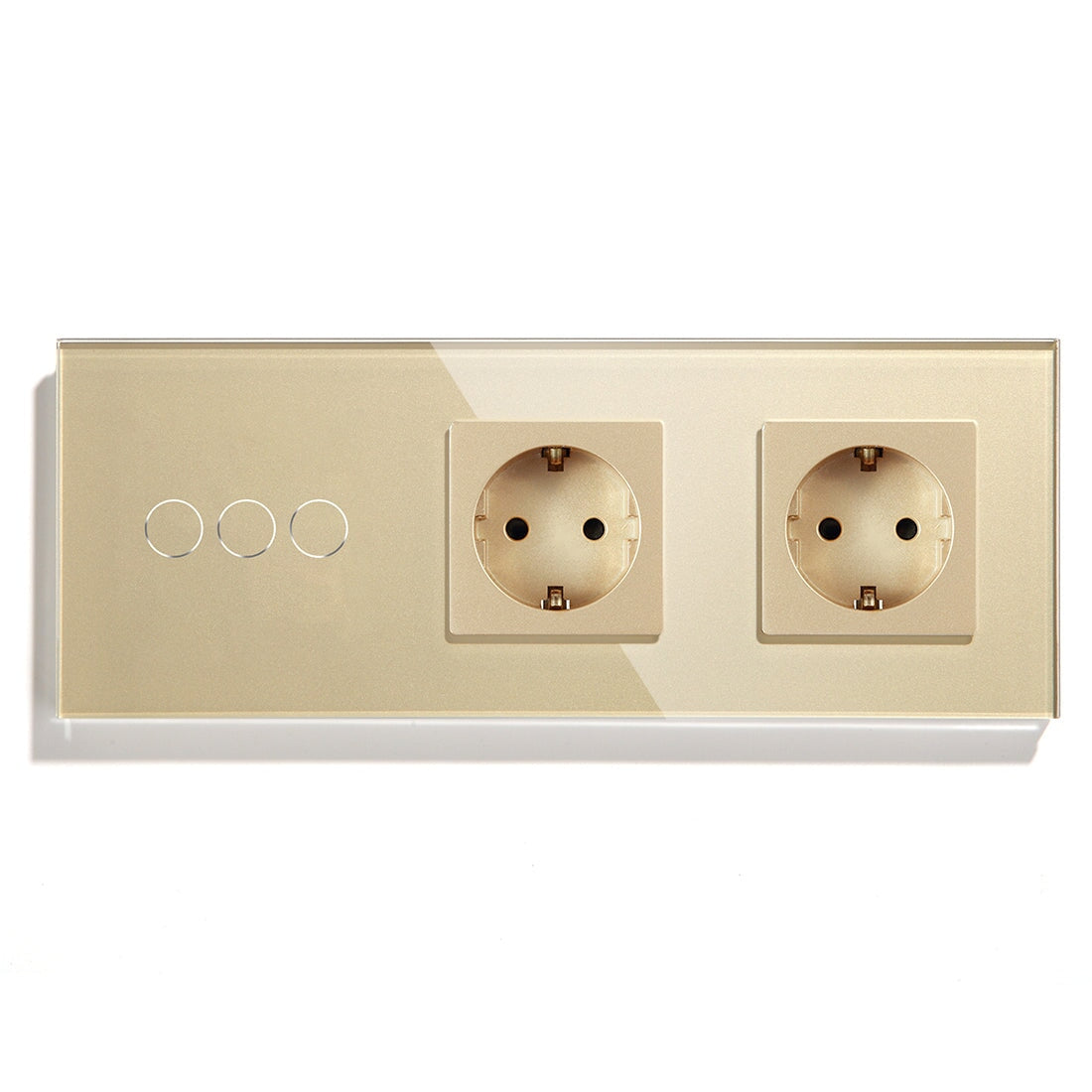
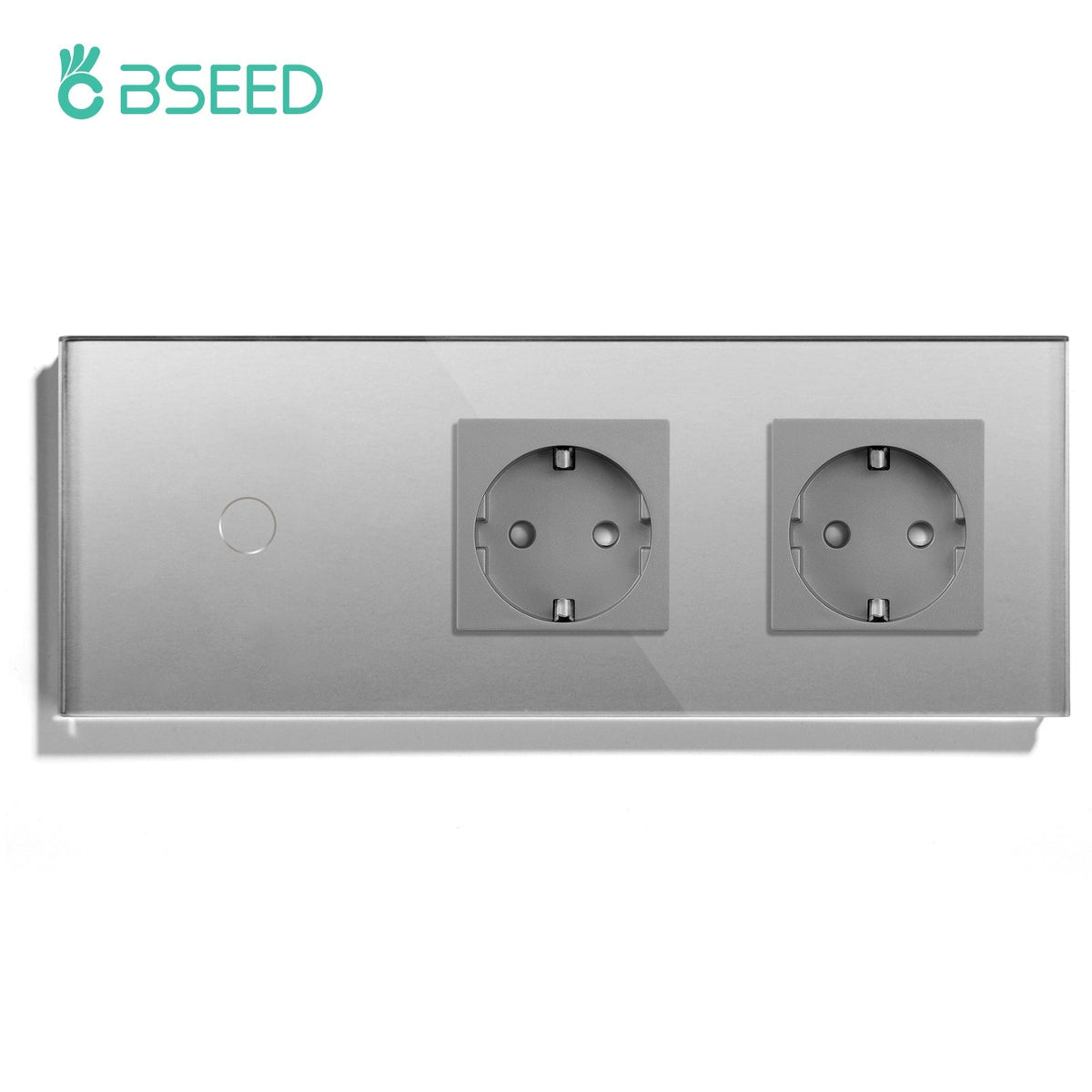
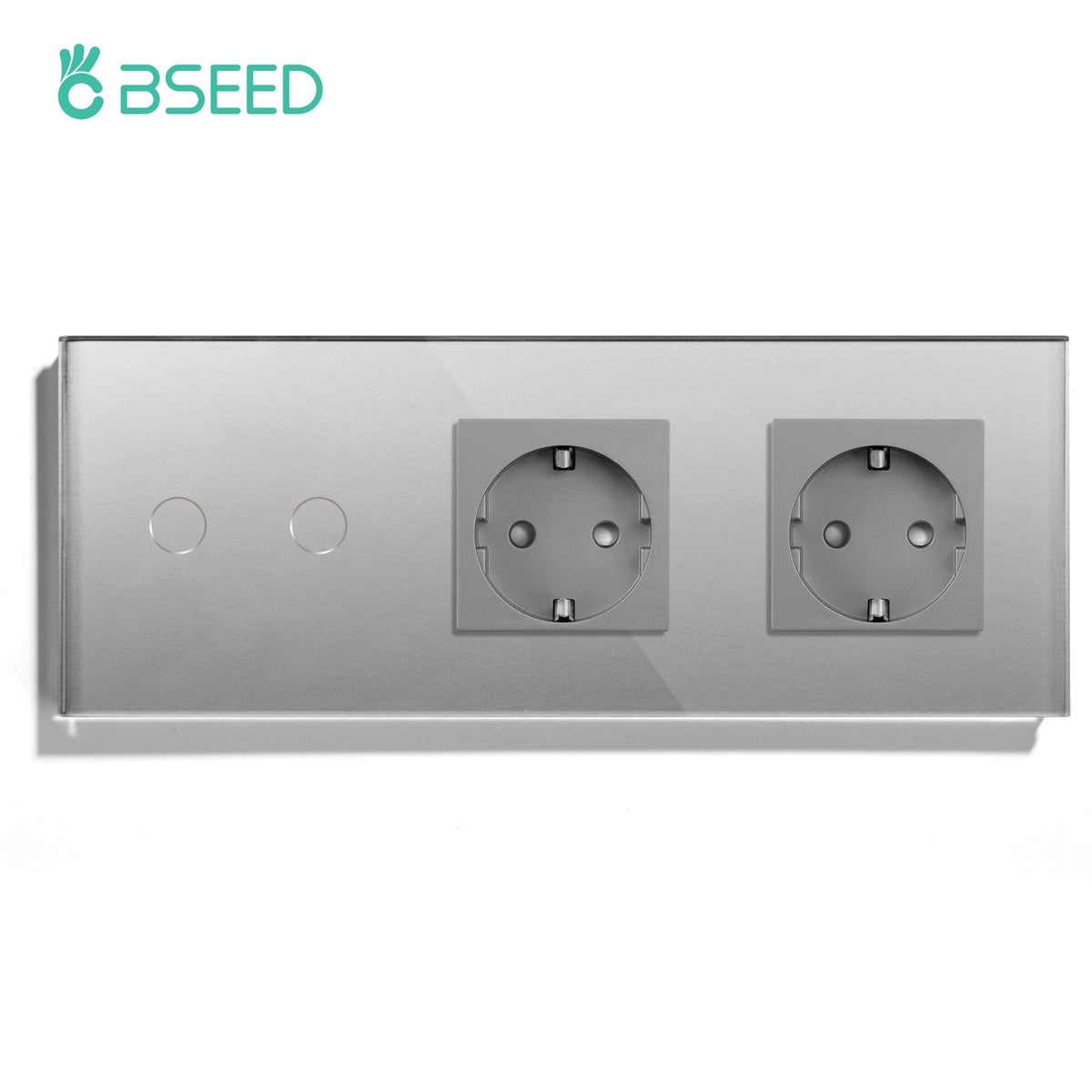
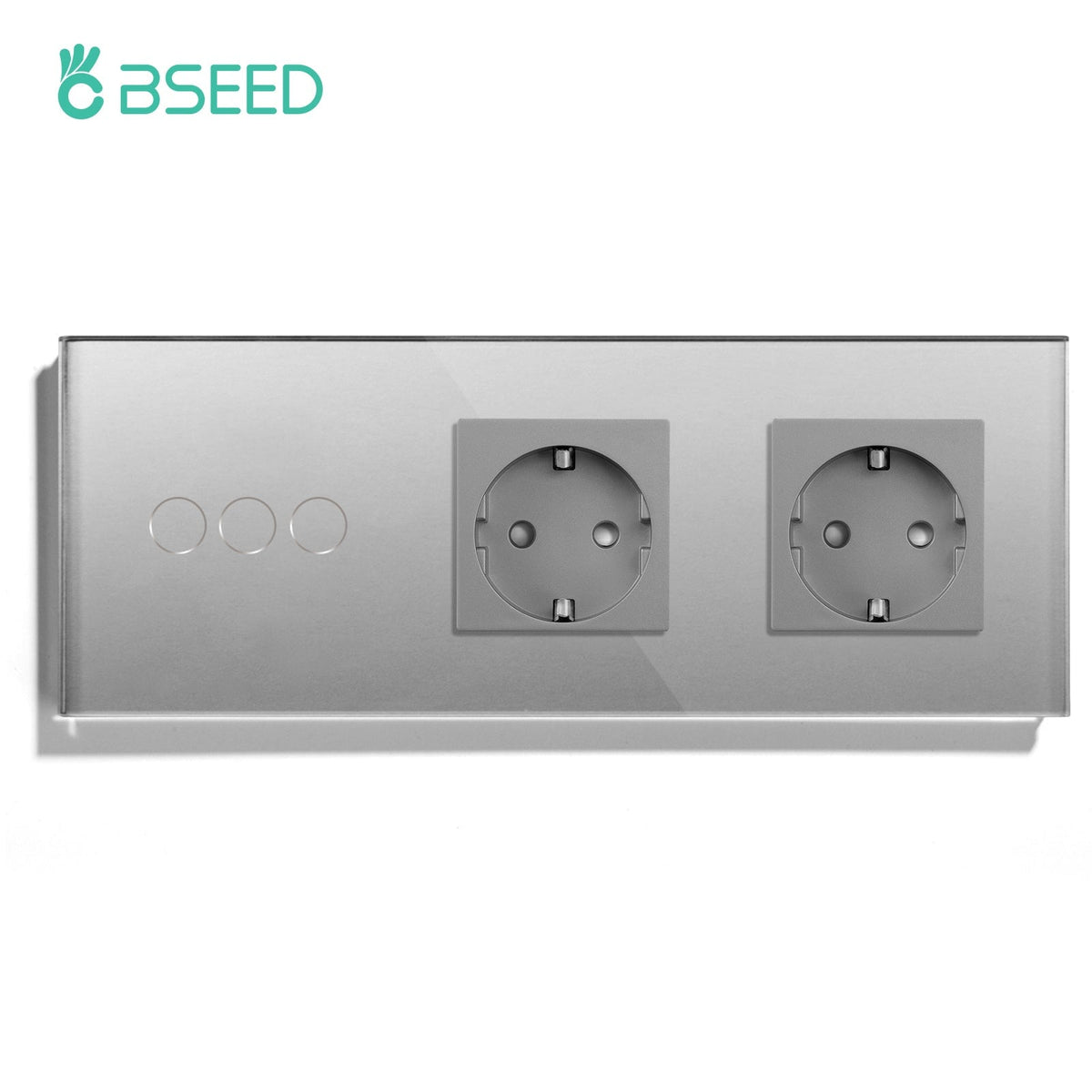
For dealers and installers, it creates a stronger package than selling one thermostat by itself. BSEED’s range includes smart thermostats, smart light switches, smart sockets, roller shutter switches, Zigbee switches, WiFi switches, Matter switches, and glass panel wall devices. That makes it easier to build a consistent system instead of mixing unrelated products on the same wall.
Where This Thermostat Works Best
A BSEED energy saving smart thermostat is useful in apartments, villas, bathrooms, living rooms, bedrooms, and home offices. It is especially helpful in homes with regular routines or rooms that are not used all day.
A home office may need heat from Monday to Friday, but not on weekends. A bathroom may need a short morning comfort window. A living room may need warmth in the evening, then a lower setting overnight.
For homeowners, the most useful saving is often invisible. The room is not overheated when empty. The floor is not kept warm all night without reason. The user does not have to think about it every day.
For installers, that means the thermostat should be configured around occupancy and room use, not just a target temperature.
When It May Not Help Much
A smart thermostat will not fix poor insulation. It will not fix an undersized heating system. It will not solve incorrect floor heating installation.
It also cannot save much if the homeowner keeps every room at the same high temperature all day. The thermostat can offer control, but the setup has to make sense.
If the heating system requires a special controller, do not replace it with a residential smart thermostat without checking compatibility. Large commercial systems may need dedicated HVAC or building management controls.
Energy saving also depends on trust. If the customer feels uncomfortable, they will override the schedule. A moderate setup that keeps comfort stable usually saves more in real life than an aggressive setup nobody wants to use.
Buying Rule
Use this rule before choosing:
1. Confirm the heating type first.
2. Check load and sensor requirements.
3. Choose WiFi for simple app control.
4. Choose Zigbee for larger homes or local automation.
5. Consider Matter when platform flexibility matters.
6. Build a simple weekly schedule first.
7. Use room-specific settings.
8. Add scenes with shutters, sockets, and lighting where useful.
9. Avoid promising fixed savings without project data.
An energy saving thermostat is not about chasing the lowest temperature. It is about heating the right room at the right time, with a setup the homeowner will keep using. Comfort comes first. Savings come from control discipline. And the thermostat has to fit the heating system before it can do either job well.