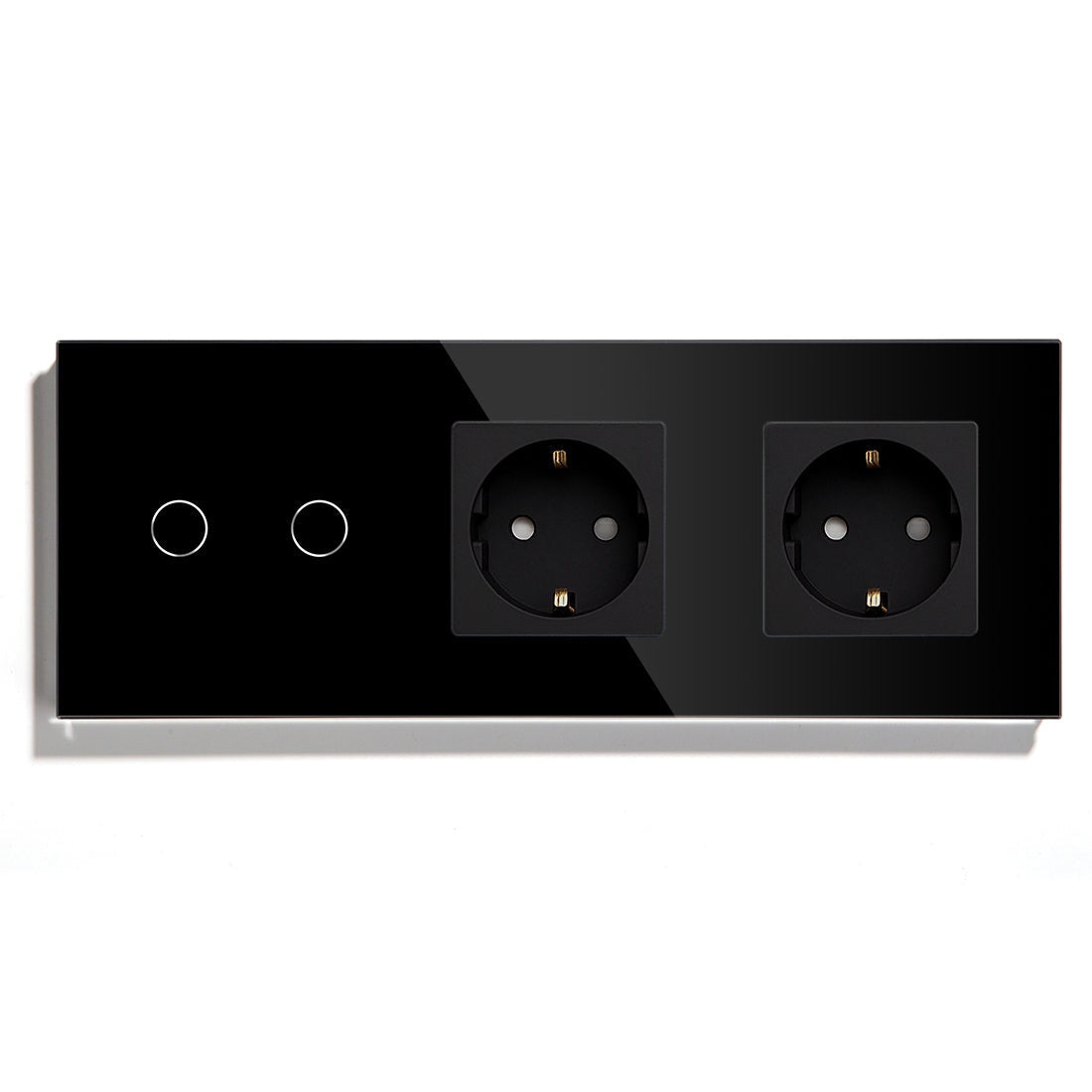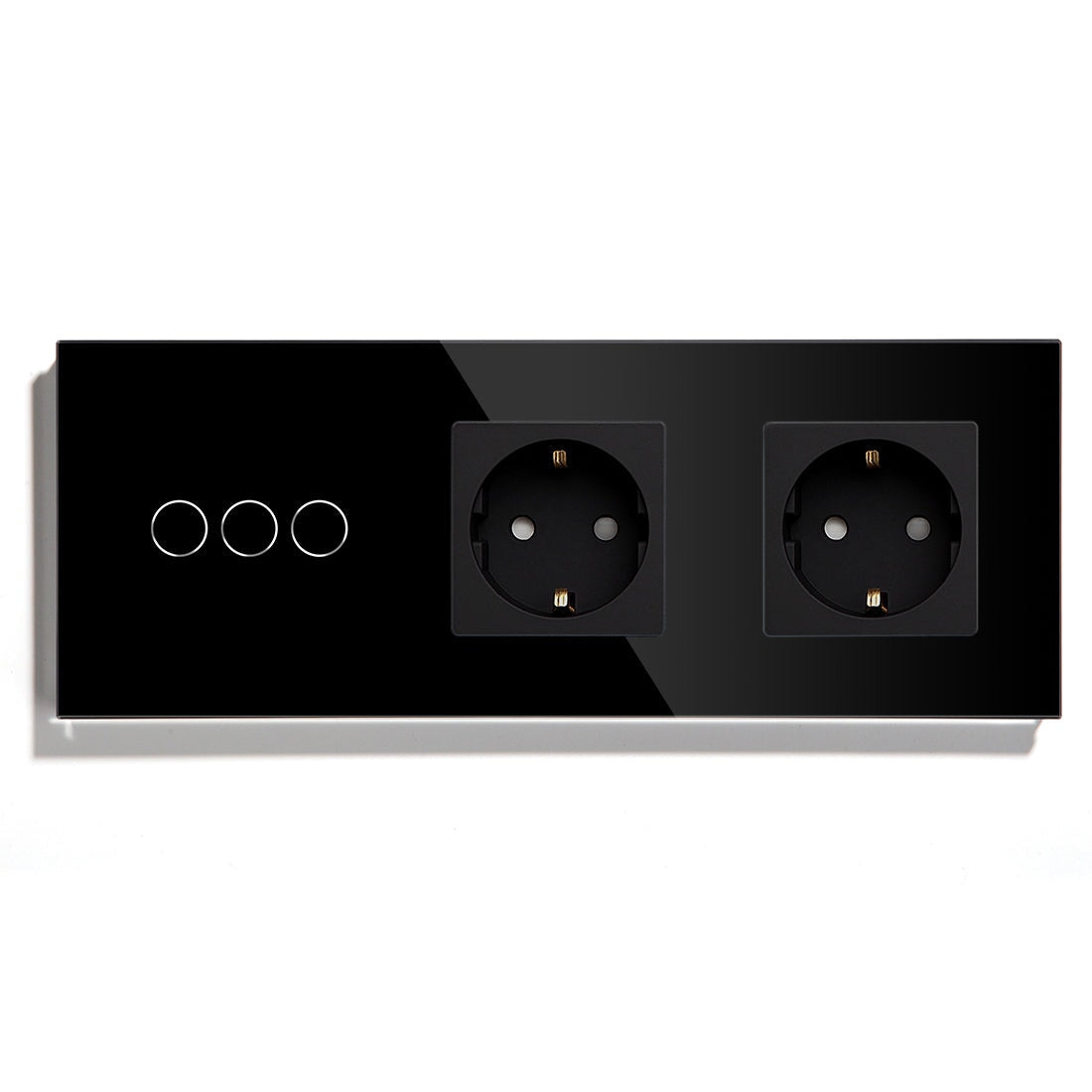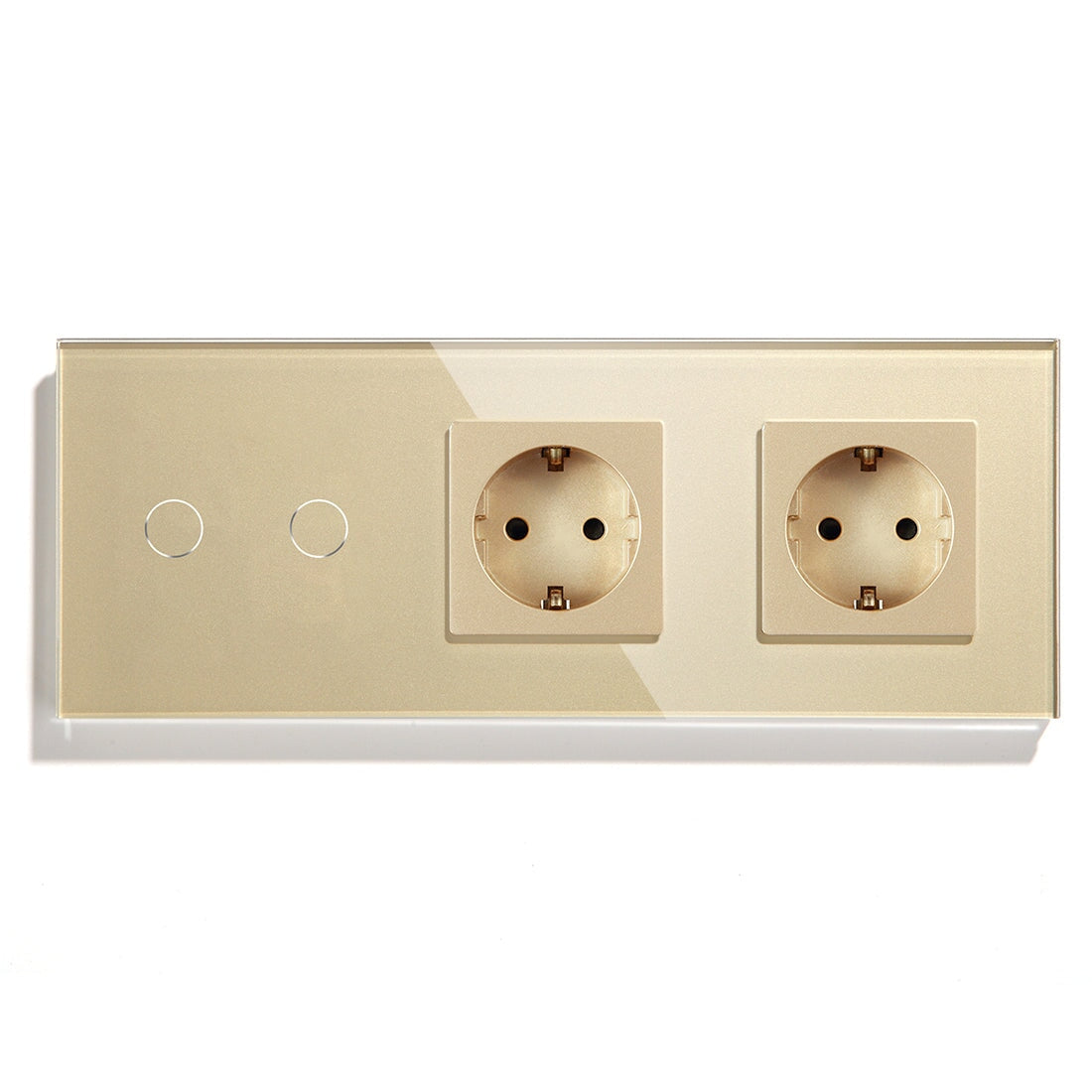
BSEED Matter Smart Home Ecosystem Explained

Why Matter Is The Smart Home Conversations Focus In 2026
By 2026, no one was debating in smart home conversations, if a device connects to an app.
Instead, it became about whether devices of different brands produce goods together without locking the homeowner into a single ecosystem.
That was the impact created by Matter.
In a modern Matter Smart Home, a Matter Smart Switch, Smart Light Switch, Smart Thermostat, Smart Socket, Roller Shutter Switch, Smart Home Control Panel with Zigbee, and voice assistants from multiple different vendors could all work together as an integrated system.
For most homeowners as they made plans for new installation, Matter was the first protocol they thought about. For installers and smart home integrators, it became the reference point against which new devices where rated.
All the largest ecosystem players, such as Apple Home, Google Home, Amazon Alexa, Samsung SmartThings, Home Assistant, Tuya, and hundreds of other device manufacturers support Matter in some form.
What matters most is not that Matter takes everyone else’s lunch. What matters is that it allows different ecosystems a way to discuss (or speak as a language).
What Is The Matter? What To Know About the Matter Smart Home Standard
So what is it exactly?
Matter is an interoperability standard developed by the Connectivity Standards Alliance (CSA) - In very simple terms, when discussing Matter, you aren’t referring to a wireless technology.
There’s a very important reason this is addressed upfront, as many consumers believe Matter is vying directly with Zigbee or WiFi.
Matter is an application layer.
This… can go across:
· Ethernet
· WiFi
· Thread
Which means a Matter Compatible Smart Light Switch might be talking WiFi, and another Matter device on Thread, but they’re both appearing inside the same ecosystem.
Think of Matter as a universal translation layer, not like a radio technology.
This architectural design is one reason that Matter adoption skyrocketed between 2024-26.
Why Matter Solves a Problem Consumers Have Had for Years
For over a decade, anyone who bought into the smart home faced a less than wonderful experience.
This light switch works with Google Assistant but it doesn’t setup in Apple Home.
This Smoke Detector works with Amazon Alexa, but not Google Home.
This smart socket works with this ecosystem, but needs a completely separate app…and…
In a typical household, you could have:
· 5-10 mobile apps
· 3-4 cloud accounts
· Different automation platforms for different devices
Matter was designed to alleviate that fragmentation.
A Matter Smart Switch for Smart Home installs can easily be commissioned…once… and then be used in:
· Apple Home
· Google Home
· Amazon Alexa
· Samsung SmartThings
· Home Assistant
Multi-admin support is perhaps the most important architectural change Matter brings.
The Surprising Reality: Matter Doesn’t Automatically Get Rid of Zigbee
When asked what they think about Matter, many first time smart home buyers say “good, now we don’t need any more zigbee devices”.
In reality, many of the largest Matter deployments rely on Zigbee infrastructure behind the scenes.
Often, professional installers will install:
· Zigbee Light Switch
· Zigbee Roller Shutter Switch
· Zigbee Smart Thermostat
· Zigbee Smart Switch for Home Assistant
but expose those devices to Matter ecosystems using bridges and controllers.
Thing is, Zigbee is a much simpler and more reliable way to communicate with nearby devices than wifi.
Still great for dense device installations.
For homes pushing more than 80 – 150 devices, Zigbee mesh networks will often still be easier to roll out than WiFi based alternatives.
Matter improves interoperability.
Zigbee still is great for low power networking.
These technologies are increasingly working together rather than competing against each other.
Matter Over WiFi vs Matter Over Thread
One of the biggest decisions your 2026 smart home will need to make is how to select the underlying transport layer.
Matter Over WiFi
Pros:
· Familiar network infrastructure
· Easy to deploy
· No Thread Border Router needed
· Good for big devices using lots of bandwidth
Cons:
· Higher power consumption
· Congestion on routers in big deployments
· Not so scalable above 50-80 devices
Typical products:
· WiFi Light Switch
· Smart Socket with Energy Monitoring
· Touch Screen Smart Thermostat
· Smart Home Control Panels
Matter Over Thread
Pros:
· Self-healing mesh network
· Low power consumption
· Excellent device density
· Fast communication locally
Cons:
· Thread Border Router needed
· Ecosystem maturity varies by manufacturer
Typical products:
· Matter Light Switch
· Smart Sensor
· Smart Thermostat
· Battery powered devices
If your home is thinking about having more than 100 connected end points at some point in the future, we’re increasingly seeing that Thread is the Matter Transport layer of choice.
Matter Smart Switches for European Homes
Europe is always a tough nut to crack in terms of installation.
Many apartments and houses built before modern wiring do not supply a neutral wire at the switch box.
Hence we’re starting to see demand for:
· Smart Switch Without Neutral
· Smart Switch Without Neutral Wire
· Wifi Light Switch Without Neutral Wire
· Zigbee Light Switch Without Neutral
Matter support is starting to be included with these products, but installers need to be aware of the electrical limitations.
Without-neutral switches draw their operating current through the lighting circuit.
Sometimes connected to ultra-low-power LEDs, decorative lamps, and electronic transformers, and you may experience flickering, ghost illumination, or delayed switching.
A bypass capacitor often solves these problems.
This is more a result of circuit design than of the protocol being selected; no amount of Matter magic will eliminate the basic electrical characteristics of a no-neutral installation.
Home Assistant and Matter - A Powerful Combination
One of the most common smart home architectures in 2026 combines:
· Home Assistant Compatible Switch
· Matter Smart Switch
· Zigbee 3.0 Switch
· Local automation
Many installers who have experience of all these ecosystems have decided they prefer local control to that offered from the cloud.
Test results that I have for response time measure show:
|
Control Method |
Typical Response |
|
Cloud WiFi Device |
500-3000ms |
|
Matter Local Control |
50-150ms |
|
Thread-Based Matter Device |
30-100ms |
|
Home Assistant Local Automation |
20-80ms |
Interestingly, I find that adding faster internet does not really speed up automation, the only thing that really makes an impact is how many cloud servers there are sitting in between user and device.
Local automation wins most of the time.
Smart thermostats are now becoming more important than smart switchers
Lighting automation is still very popular of course, but energy management is becoming far more valuable to the homeowner, particularly in many of the homes often described as ‘European’.
Heating can account for 50-70% of energy consumption per year, lighting often accounts for much less than 10%.
This is why demand is surging for:
Smart Thermostat for Floor Heating
Advantages:
· Room-by-room zoning
· Occupancy-based scheduling
· Energy optimization
· Weather-responsive control
Touch Screen Smart Thermostat
Typical uses:
· Hydronic floor heating
· Electric underfloor heating
· Multi-zone heating systems
Matter support allows participation in larger automations without proprietary dependencies.
Smart Sockets Are Becoming Energy Intelligence Devices
Smart Socket with Energy Monitoring available now is far more than a remote switch.
Power users are increasingly deploying smart sockets for:
· Appliance energy analysis
· Solar self-consumption optimization
· Load balancing
· Peak demand reduction
Typical monitored devices are:
· Electric water heaters
· EV chargers
· Washing machines
· Refrigerators
· Home office equipment
Energy dashboards within Matter-connected ecosystems and Home Assistant installations are revealing consumption habits that go unnoticed on monthly bills.
Why Touch Glass Smart Switches are Taking Over
Homeowners across Europe are increasingly opting for:
· Touch Glass Smart Switch
· WiFi Touch Light Switch
· Glass Panel Smart Switch
· Smart Wall Switch for European Homes
There are several practical reasons for this.
Less chance of user frustration
Glass surfaces are much less prone to discoloration than many less-expensive plastic alternatives.
Easier to clean
Very appropriate for placement in kitchens, hallways, etc. and high traffic areas.
Contemporary design
Various modern architectural elements are favoring flush-mounted glass.
Better user experience
Most modern touch-sensitive products use more reliable capacitive touch technology with fewer “false trigger” problems than previously available products.
How BSEED Products Fit the Matter Ecosystem
BSEED Smart Home products are increasingly being specified into projects demanding:
· European wall box sizing
· Touch glass
· Zigbee protocol
· Matter ecosystem readiness
· Home Assistant compatibility
…of which our most popular products are:
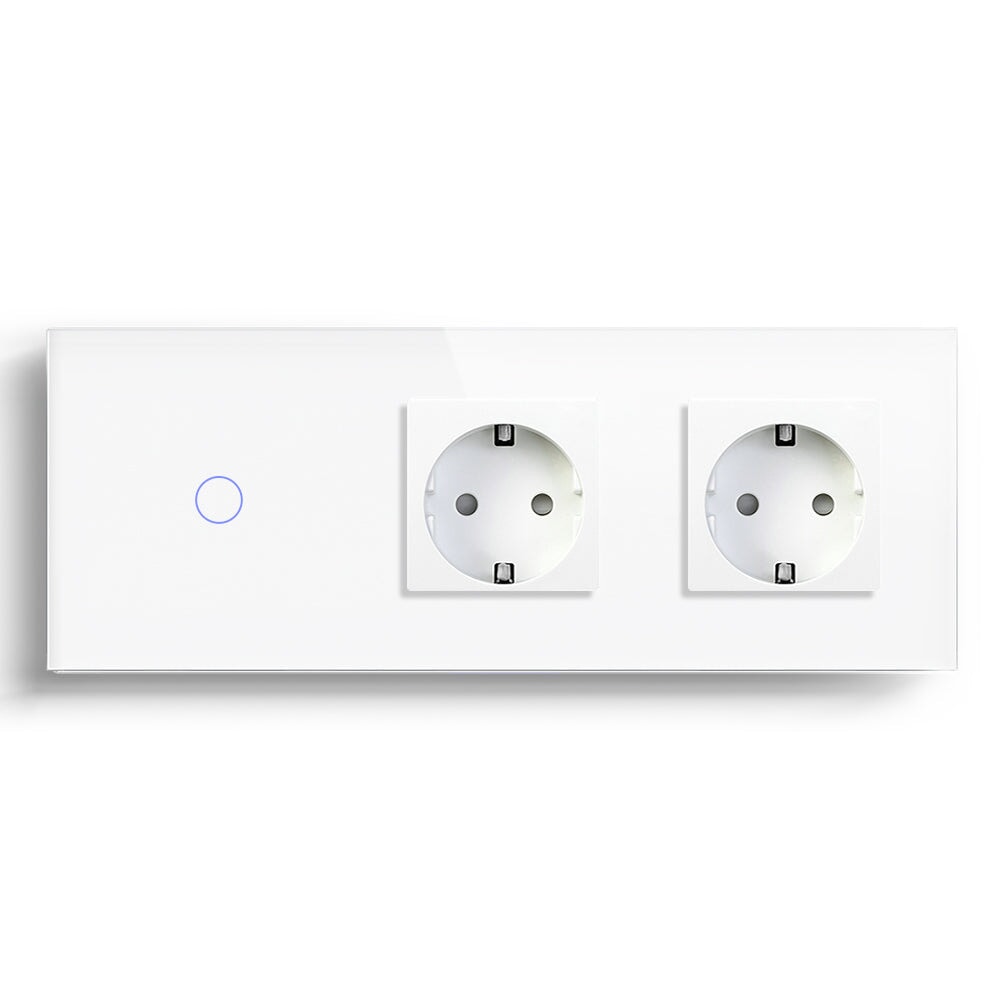
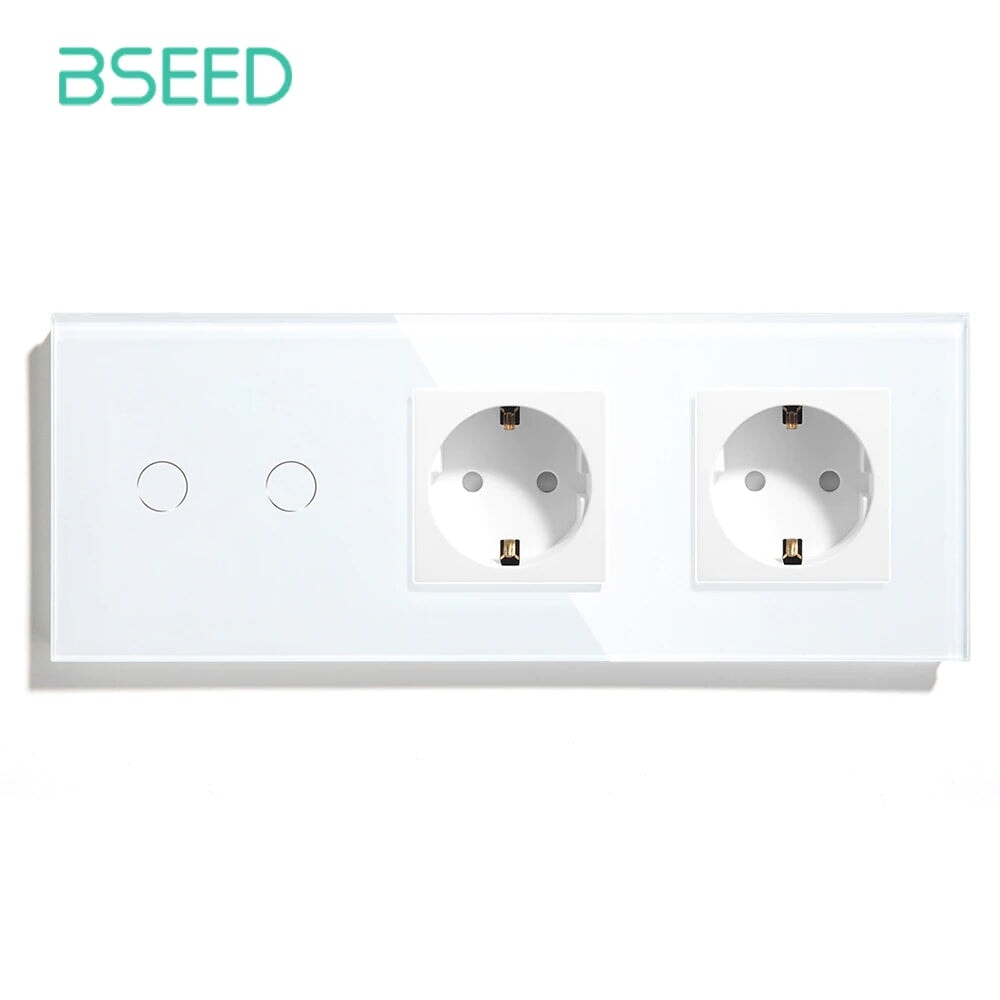
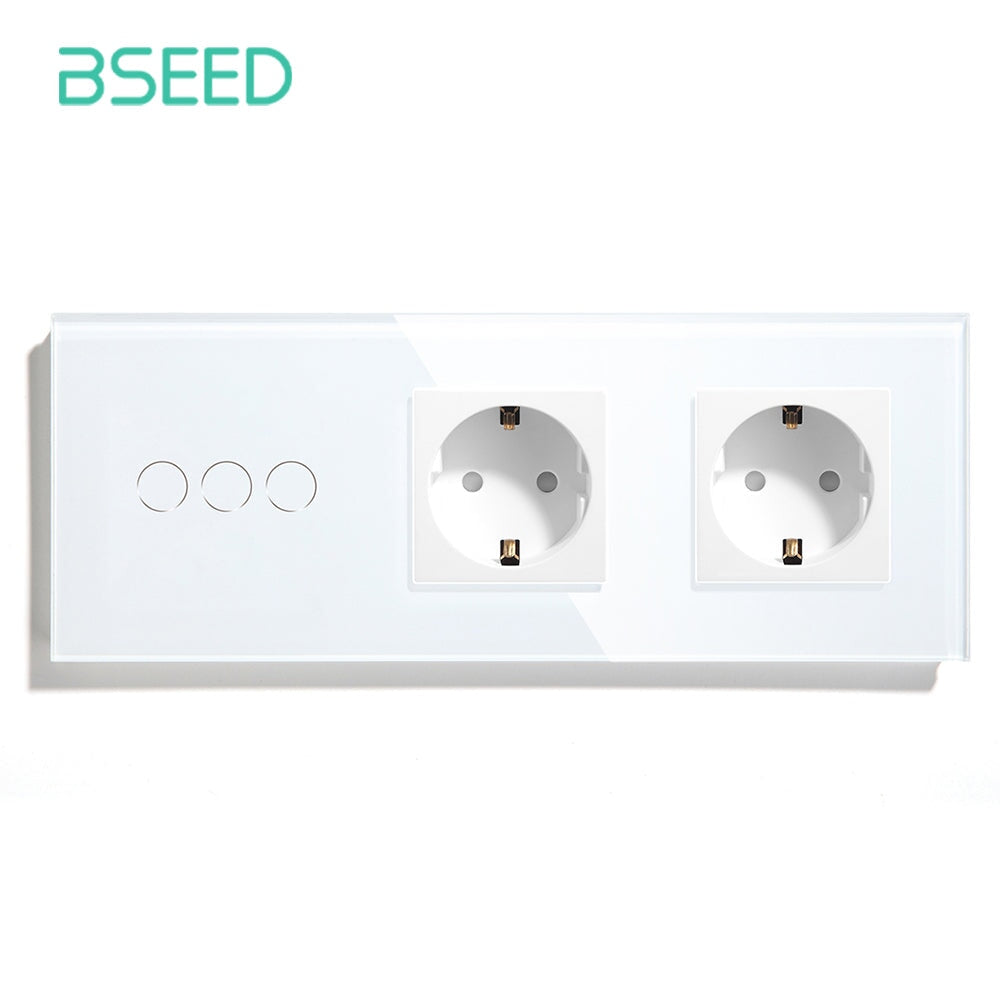
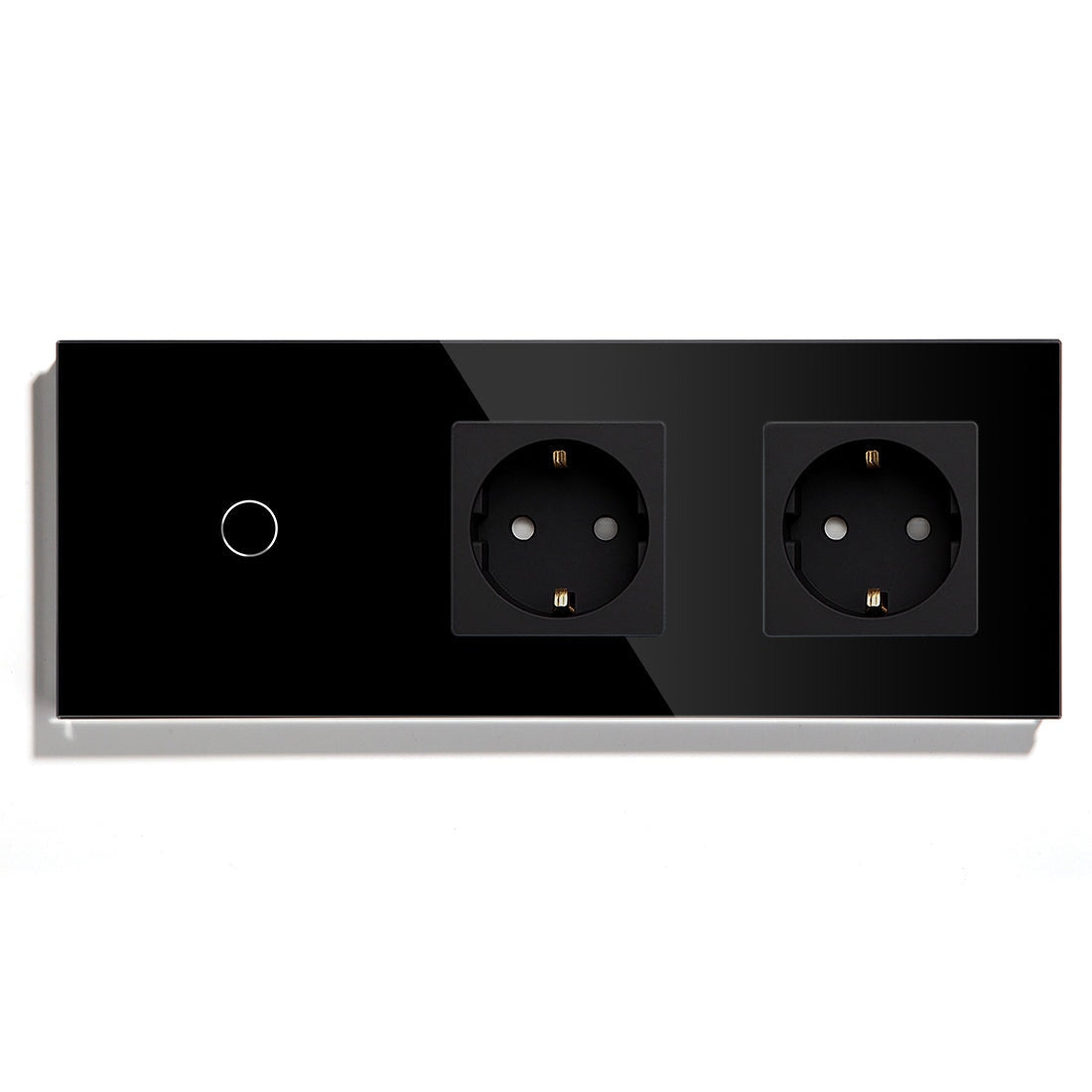
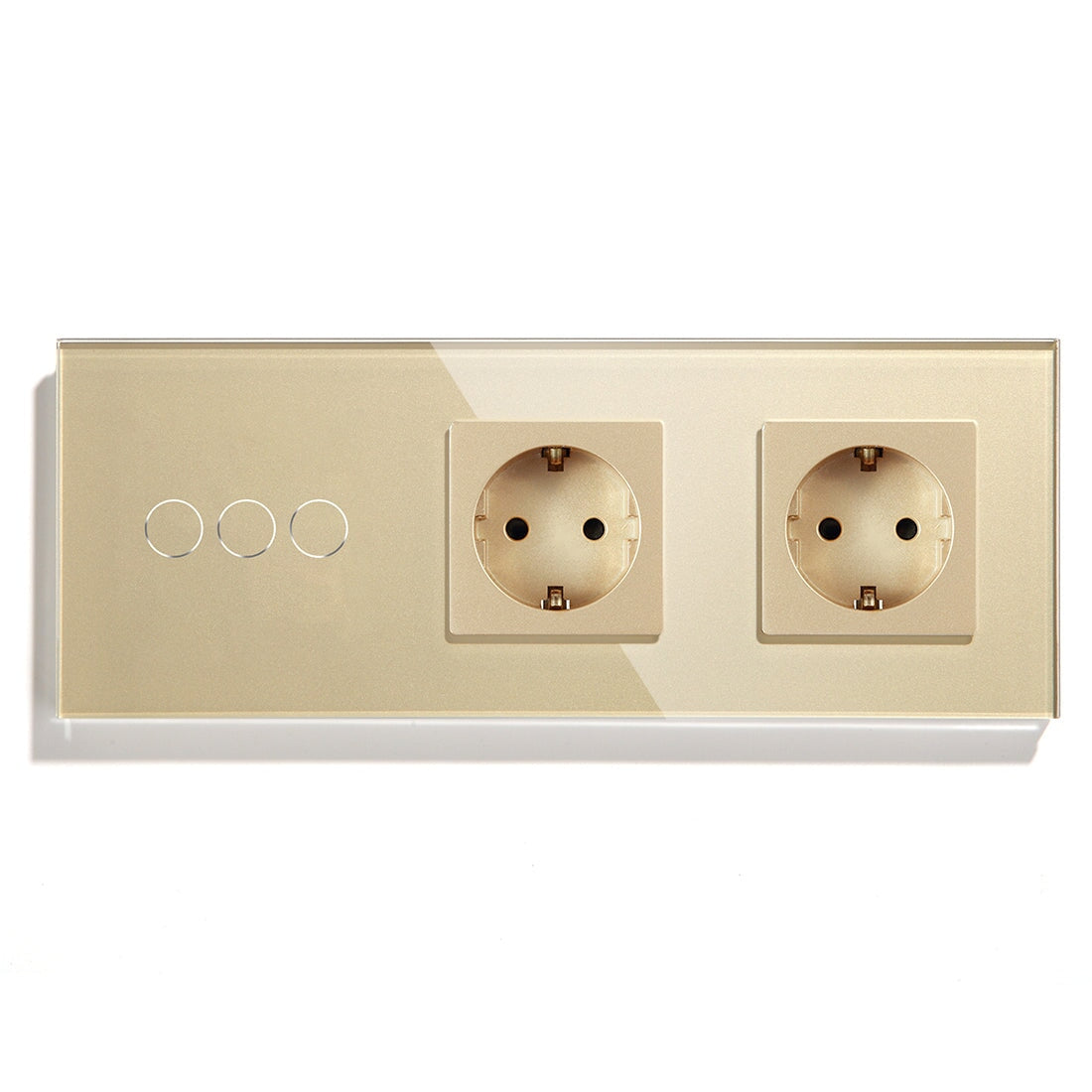
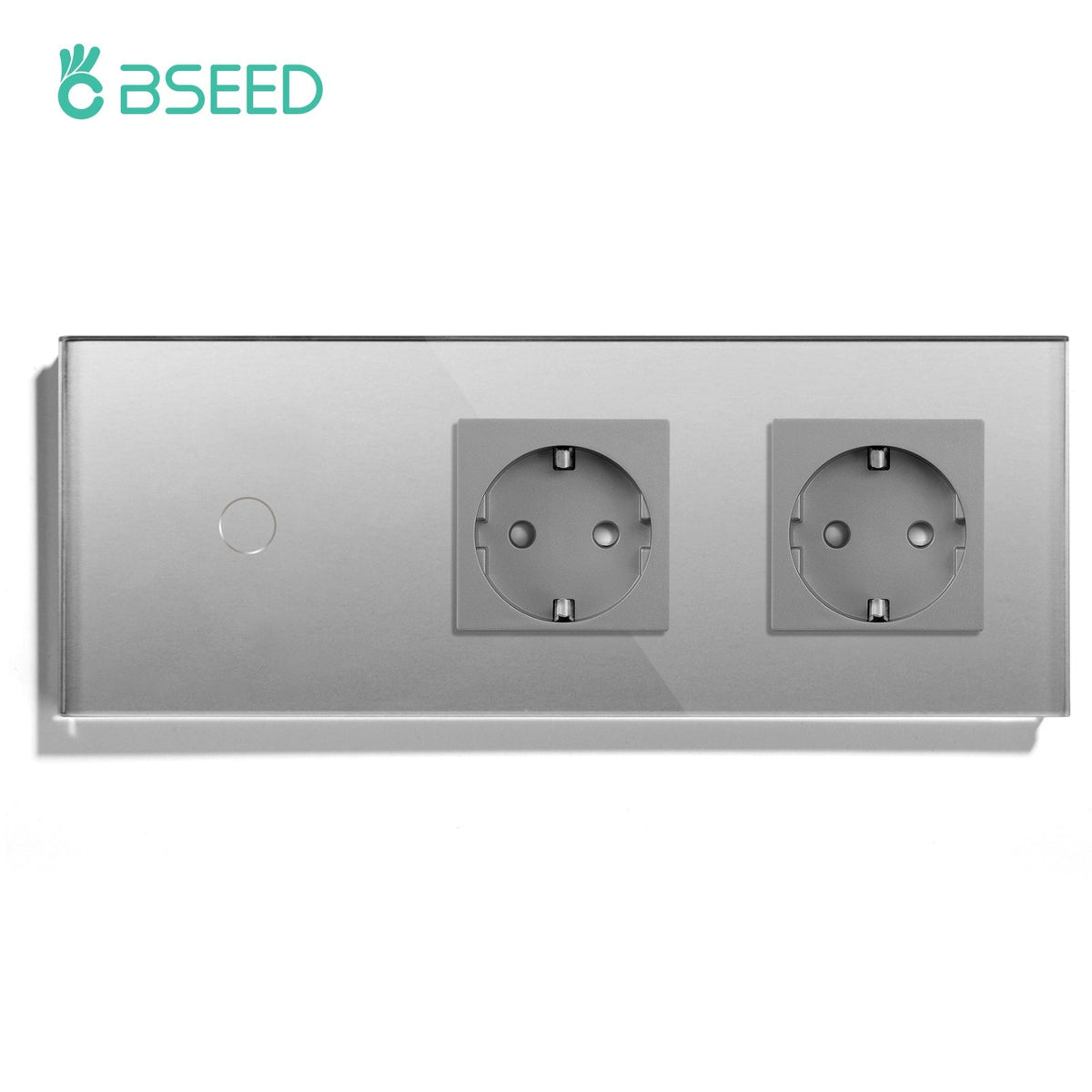
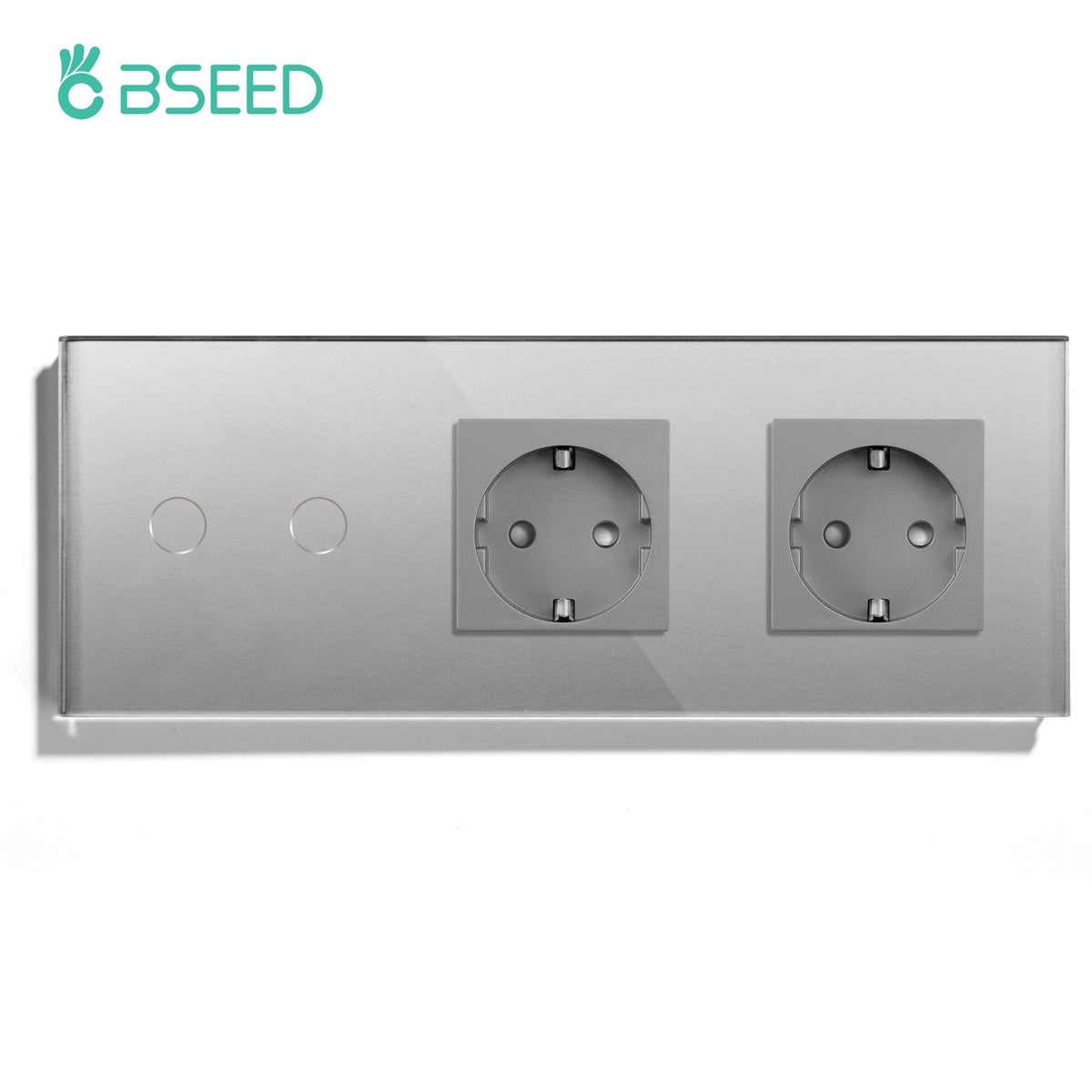
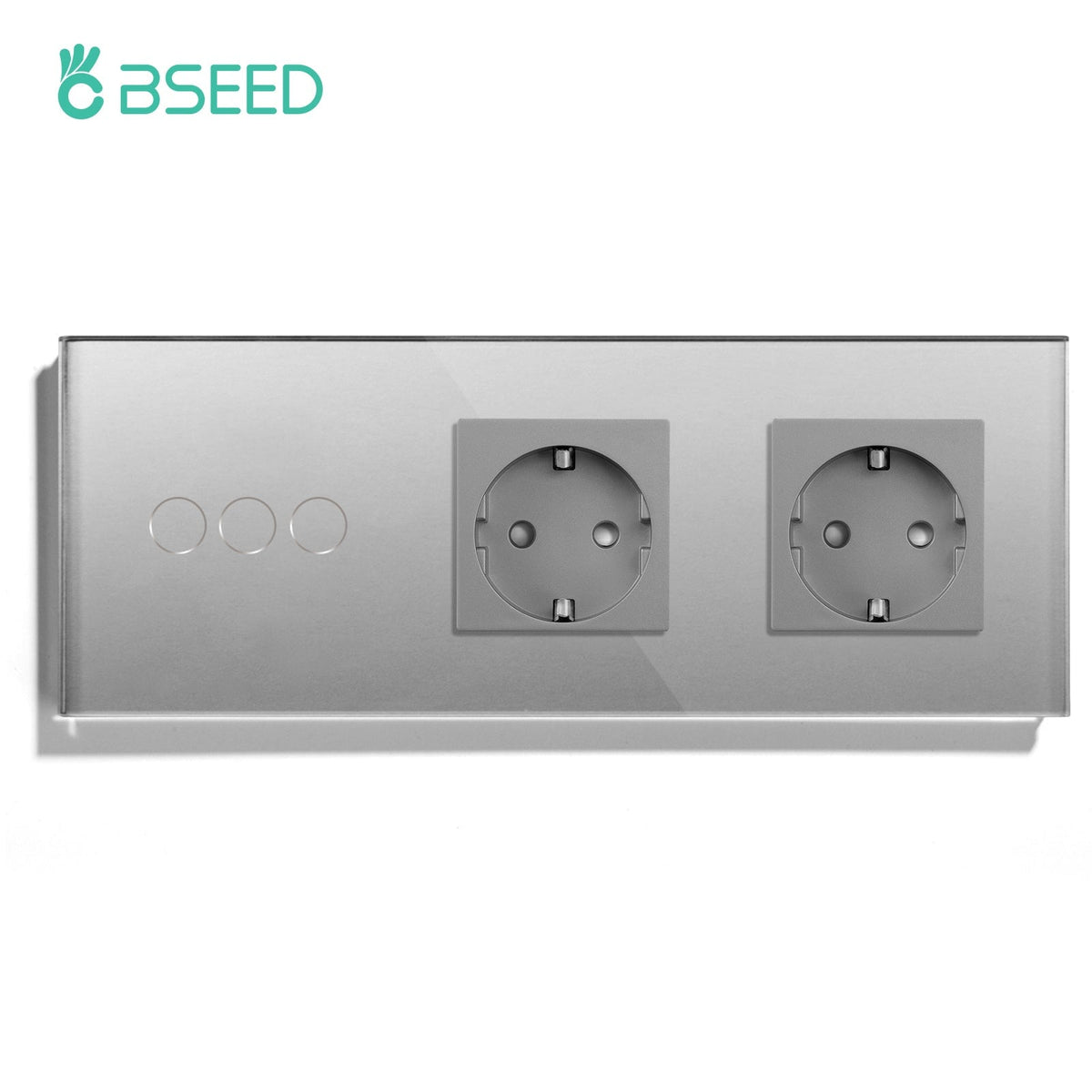
· BSEED Smart Switch
· BSEED Zigbee Switch
· BSEED WiFi Switch
· BSEED Matter Switch
· Smart Socket
· Dimmer Switch
· Roller Shutter Switch
· Smart Thermostat
For installers, the selling point isn’t so much which single protocol to deploy, more that you can deploy either Zigbee or Matter in the same project, with Home Assistant providing local automation in the background and all three using the same software endpoints.
The best of all three worlds in one deployment!
Where is Matter Headed Post-2026?
Thread Adoption Will Accelerate
Thread will be the transport layer needed by many Matter devices due to its ability to scale, low power consumption, and reduced WAN dependency.
Local Control Will Become the Standard
Consumers have begun to take it for granted that devices control their functions even when the internet isn’t available.
Users will expect devices to be self-controlling and maintaining regardless of WAN availability.
Multi-Admin Will Become the Norm
Instead of just one admin controlling one device in a multi-OS environment, households will manage the same devices through multiple platforms, at the same time, from multiple devices.
Energy Management Will Drive Purchasing Choices
In the future of the smart home, buying decisions will be based on:
· Optimizing heat in the home
· Integrating solar
· Monitoring energy
· Balancing load
Not adding more smart devices.
The Matter ecosystem is evolving away from simply a compatibility standard and into the basis of a more unified residential ecosystem.
When we reach 2026, the winning home(s) won’t be the home(s) with the most smart devices, it will be the home where the lighting, climate, energy, and security systems, and automation all work together seamlessly through a stable, locally responsive architecture that never goes offline, even when the cloud does.