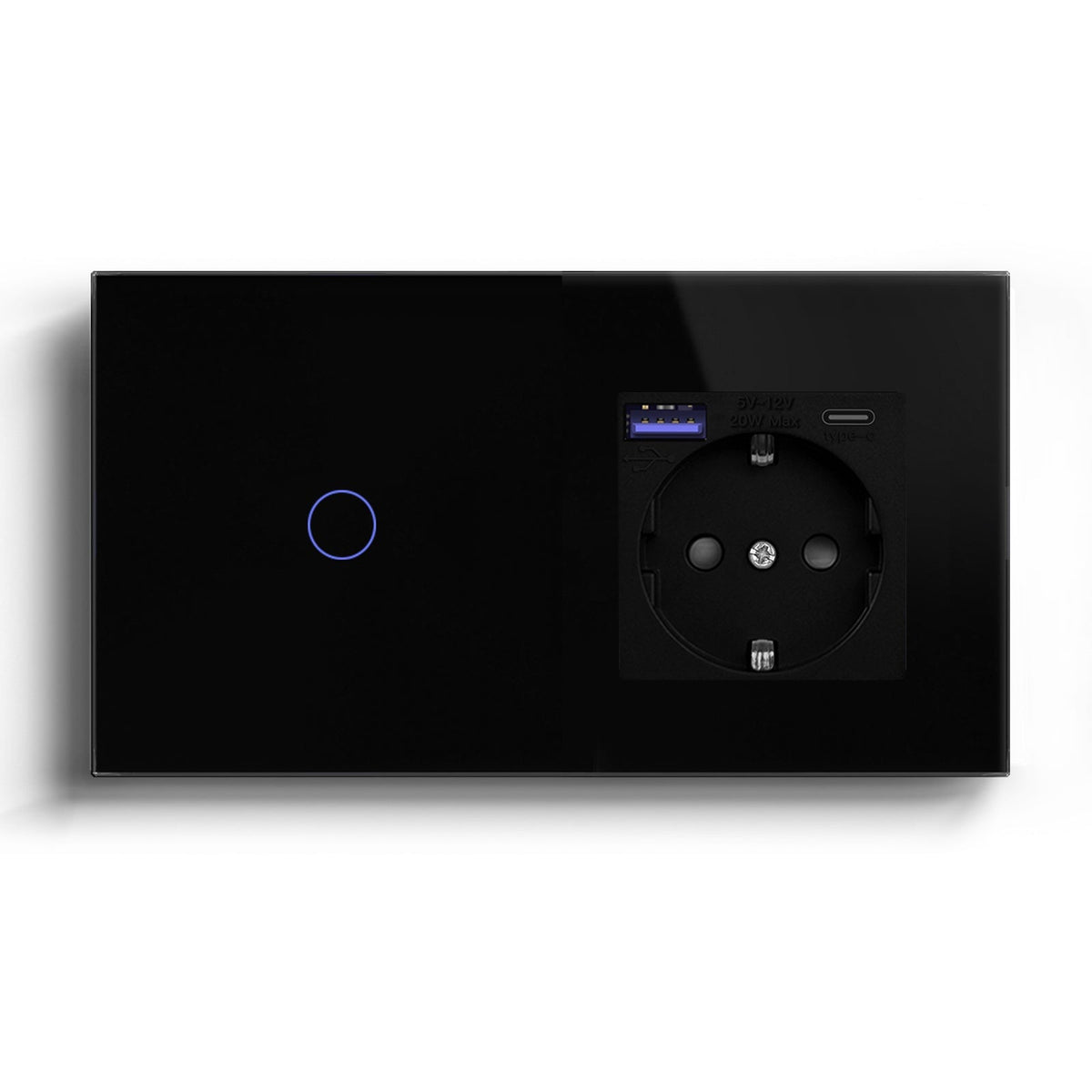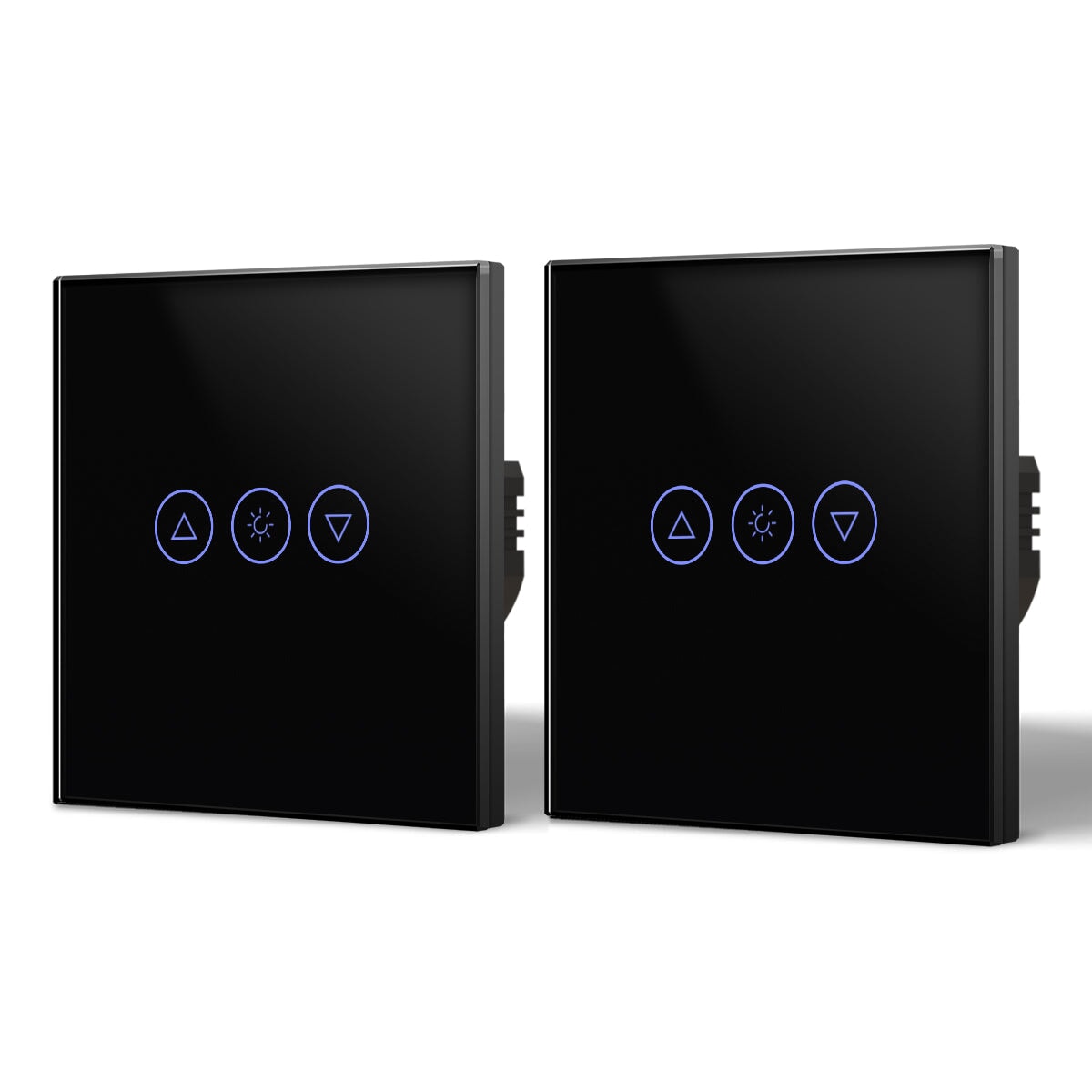
Zigbee Smart Switch for Stable Smart Lighting
When people talk about stable smart lighting, they are usually trying to avoid everyday problems: a light that responds slowly, a scene that occasionally fails, or a smart switch that works well in one room but becomes less reliable in another.
In a real smart home, stability does not mean adding more features. It means the light turns on when expected, the wall switch remains easy to use, and the lighting system continues to work as more rooms and devices are added.
This is where a Zigbee smart switch can make sense.
Zigbee is not a magic solution, and it does not replace good electrical planning or the right load configuration. What it offers is a network structure designed for connected devices, making it particularly useful for multi-room smart lighting, apartments with thick walls, larger homes and smart home systems that are likely to expand.
What Does Stable Smart Lighting Mean in Daily Use?
A stable smart lighting system should feel simple.
The bedroom light turns on when you press the switch at night. A hallway lighting scene responds without unnecessary delay. A wall switch remains familiar enough for guests, children and older family members to use without thinking about the technology behind it.
This is one reason smart lighting should be planned around the home rather than around a single device.
A smart home may look perfect in an app, but the actual experience depends on how the devices are connected, how the network is structured and whether the switches and lighting loads are correctly matched.
For this reason, it is worth considering the smart home network structure first and the communication protocol second.
Where Does Zigbee Smart Lighting Work Best?
A Zigbee smart home becomes particularly useful when several rooms and devices need to work together.
Unlike a setup where every smart device relies on a direct connection to the WiFi router, Zigbee devices can form a mesh network. Powered Zigbee devices can help pass signals through the network, which can make it easier to extend smart lighting across different areas of a home.
This can be useful in:
- Hallways and staircases where lighting is used frequently and needs consistent response.
- Bedrooms that are located further away from the main router.
- Living rooms with multiple lighting scenes and wall control points.
- Apartments and villas where several rooms need to be connected.
- Renovation projects where smart home devices will be added gradually.
The benefit is not simply having another smart home protocol. It is having a network structure that can support a growing number of Zigbee devices.
Zigbee for Multi-Room Smart Home Control
As a smart home expands, lighting is rarely the only system being automated.

A homeowner may start with a few smart switches and later add smart sockets, sensors, thermostats, curtain controls or a central control panel.
Using devices within the same Zigbee ecosystem can help create a more organised smart home network.
For example, a multi-room setup may include:
- Zigbee smart switches for lighting
- Smart sockets for selected appliances
- Sensors for motion or environmental monitoring
- Smart thermostats for room-by-room heating control
- Curtain or roller shutter controls
- A central control screen for easier home management
The goal is not to make the technology more complicated. The goal is to keep the user experience simple while allowing the network behind the scenes to handle more connected devices.
What Can Still Affect Zigbee Reliability?
Zigbee can provide a strong foundation for smart lighting, but it still needs to be planned correctly.
A poorly positioned hub can affect network performance. Too few powered devices may result in a weak mesh network. Mixing several smart home protocols without a clear structure can also make a system harder to manage.
There is another important point that should not be overlooked:
A Zigbee network cannot fix an electrical compatibility problem.
If a smart switch is not suitable for the lighting load, or the wall box does not provide enough installation space, changing the communication protocol will not solve the issue.
Before choosing a Zigbee smart switch, check:
- The type and power of the lighting load
- LED compatibility
- Whether a neutral wire is required
- Available wall-box depth
- Hub or gateway requirements
- The planned location of Zigbee devices
- How the system may expand in the future
A reliable smart lighting system needs both a suitable network and correct electrical planning.
What Should a Good Zigbee Layout Feel Like?
When a Zigbee smart lighting system is designed properly, users should not need to think about the protocol.
The hallway responds consistently every evening. The bedroom switch feels just as responsive when the router is busy. Family members can continue using physical wall switches without needing to understand how the smart home network works.
This is one of the main advantages of a well-planned Zigbee lighting control system.
The technology works in the background while the room remains simple to use.
A Room-by-Room Zigbee Smart Lighting Check
| Room | Why Zigbee Fits | What to Check |
|---|
| Bedroom | Reliable everyday lighting and convenient scene control | Place the hub and powered Zigbee devices carefully |
| Hallway | Frequent access to lighting and automation | Avoid unnecessary control points on the same wall |
| Living Room | Suitable for multiple lighting scenes and loads | Check LED compatibility before using dimming functions |
| Villa Corridor | Useful when rooms are spread over a larger area | Make sure enough powered devices support the Zigbee mesh |
This approach turns the Zigbee discussion into a practical room-by-room decision rather than simply asking which smart home protocol is better.
When to Consider a Zigbee Smart Switch
A Zigbee smart switch is worth considering when the home has multiple rooms, several smart devices or plans for future expansion.
It can be particularly suitable for:
New smart home projects
When the network can be planned before devices are installed.
Large apartments and villas
Where devices may be separated by thick walls, long corridors or multiple floors.
Multi-room lighting systems
Where several switches, scenes and lighting zones need to work together.
Homes that will expand over time
Where smart sockets, sensors, thermostats and other Zigbee devices may be added later.
For a very small and simple home, WiFi may be enough. The right choice depends on the size of the home, the number of devices and how much the system is expected to grow.
BSEED Zigbee Smart Home Solutions
For projects that require multi-room smart lighting and connected home control, the BSEED Zigbee Series provides a starting point for building a Zigbee-based smart home system.
The wider BSEED Smart Home range can be used when lighting needs to work alongside smart sockets, thermostats and curtain controls.
For projects that require more centralised control, the BSEED Central Control Screen can also be considered as part of the overall smart home setup.
The key is to think about the complete system rather than choosing one smart device in isolation.
The Quiet Rule for Zigbee Smart Lighting
If a home is small, simple and unlikely to expand, a Zigbee system may offer more structure than necessary.
But when a home already has multiple rooms, several smart devices and plans for future automation, a Zigbee smart home can provide a more organised foundation for expansion.
The important question is not simply:
“Which smart home protocol should I choose?”
It is:
“How will the lighting system work as my home becomes smarter?”
That shift in thinking can make the difference between a collection of smart products and a smart home that actually feels connected.
When Does a WiFi Smart Switch Feel Too Limited?
WiFi smart switches can work very well in smaller and simpler smart home setups.
However, as the number of connected devices increases, the system may become more dependent on the home's WiFi infrastructure. Each device becomes another part of the network that needs to be managed.
For homeowners planning several rooms, multiple lighting scenes and future smart home devices, Zigbee can offer a different approach.
Instead of treating every smart switch as an individual device, a Zigbee smart switch becomes part of a wider mesh network.
That is why Zigbee is often considered for larger apartments, villas and multi-room smart lighting projects.
The switch is not only solving today's lighting needs.It is becoming part of the smart home network that supports the devices the homeowner may add tomorrow.