How BSEED Zigbee Switches Improve Smart Home Stability
BSEED Zigbee switches improve smart home stability when the project is designed as a network, not a pile of independent devices. This is the B2B point dealers and installers need to understand clearly. Zigbee does not automatically fix a bad project, but it gives a well-planned project a stronger structure.
Most support problems show up after handover: delayed response, devices dropping offline, scenes that fail in one room, or a customer who says, "It worked yesterday." Stability is not a feature line. It is a delivery result.
Why WiFi-Only Projects Can Become Hard To Support
WiFi is easy to sell for small upgrades. A few smart switches or sockets in an apartment can work well when the router is strong and the device count is low.
The support problem starts when the project grows. Phones, cameras, speakers, TVs, laptops, and smart devices all compete for the same home network. The installer may have no control over the customer's router quality, placement, password changes, or future network habits.
For B2B buyers, that means a WiFi-only plan can become harder to support in larger installations. It is not that WiFi is bad. It is that the router becomes part of your product experience, even when you did not supply it.
What Zigbee Changes
Zigbee devices communicate through a hub or gateway, and powered Zigbee devices can help form a mesh-style network. A BSEED Zigbee switch, Zigbee 3.0 switch, smart socket, or compatible powered device may support communication across the home when placed well.
This gives installers more structure. Instead of hoping the router reaches every corner, the project can place powered nodes where the home needs coverage. In multi-room homes, that can reduce weak spots and create a clearer device map.
The network still needs planning. A poor hub position, too few powered devices, or a long distance between device clusters can still create problems.
Site Planning Before Pairing
Before pairing devices, map the building. Mark floors, thick walls, metal cabinets, outdoor areas, and rooms with many controlled circuits. Decide where the hub or smart home control panel will sit. Then choose where powered Zigbee devices should be installed.
For villas and large apartments, I like to think in zones: entrance, living area, bedroom wing, utility area, and outdoor or shutter zones. Each zone should have enough powered devices to support communication. Battery sensors should not be expected to carry the network.
This planning step is where experienced installers earn their money. It is also where many cheap projects fail quietly.
Where BSEED Zigbee Switches Fit
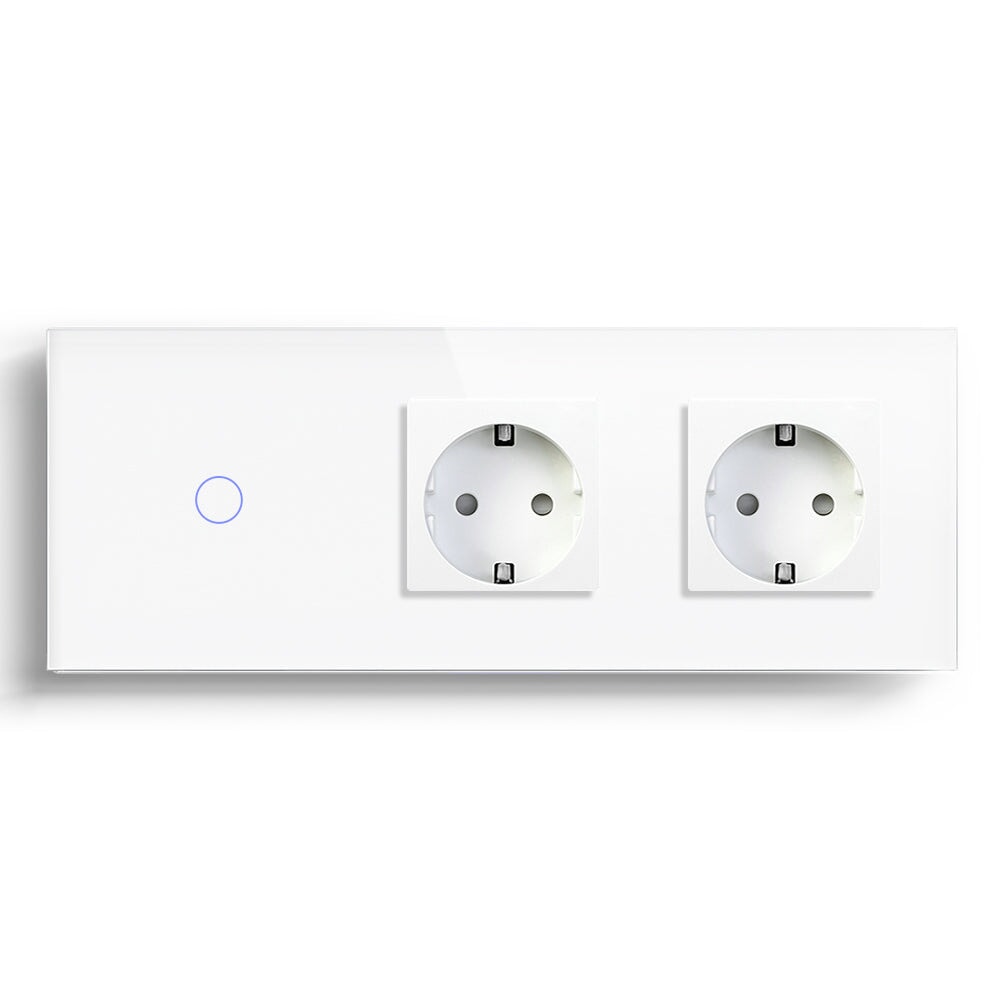
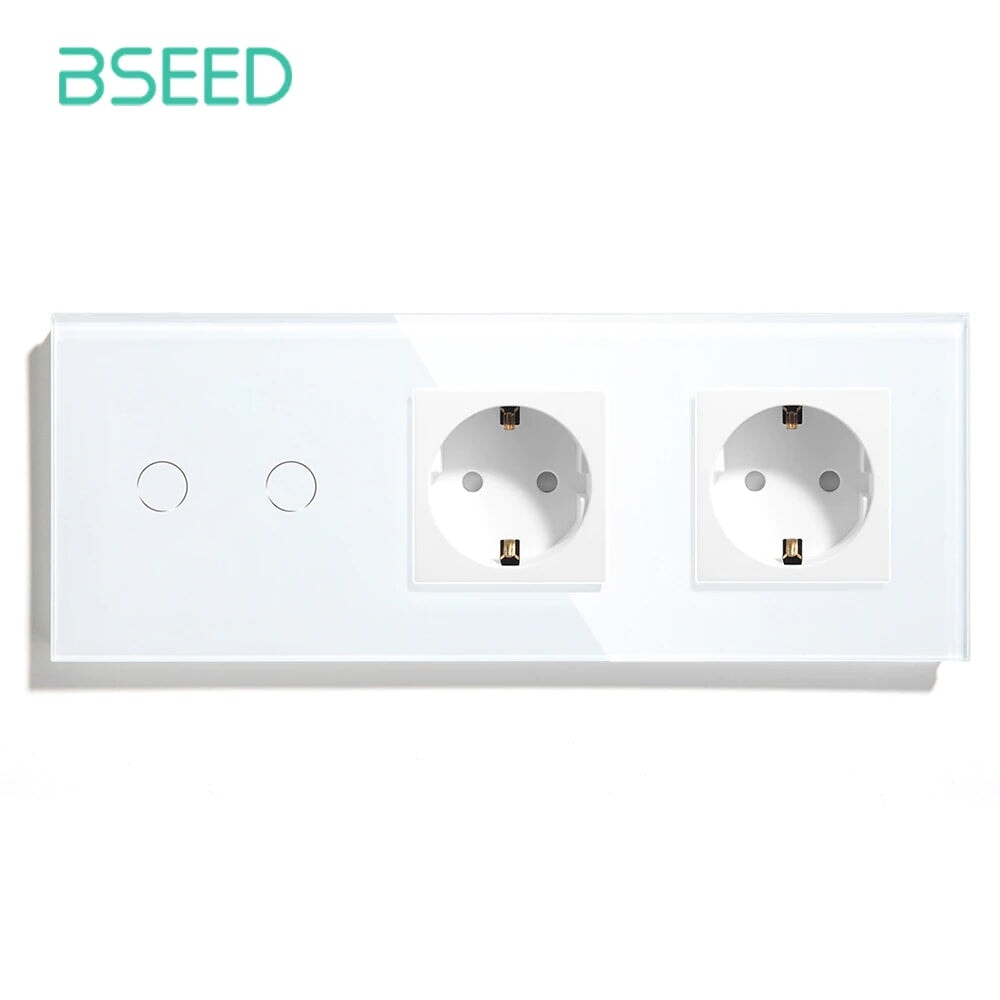
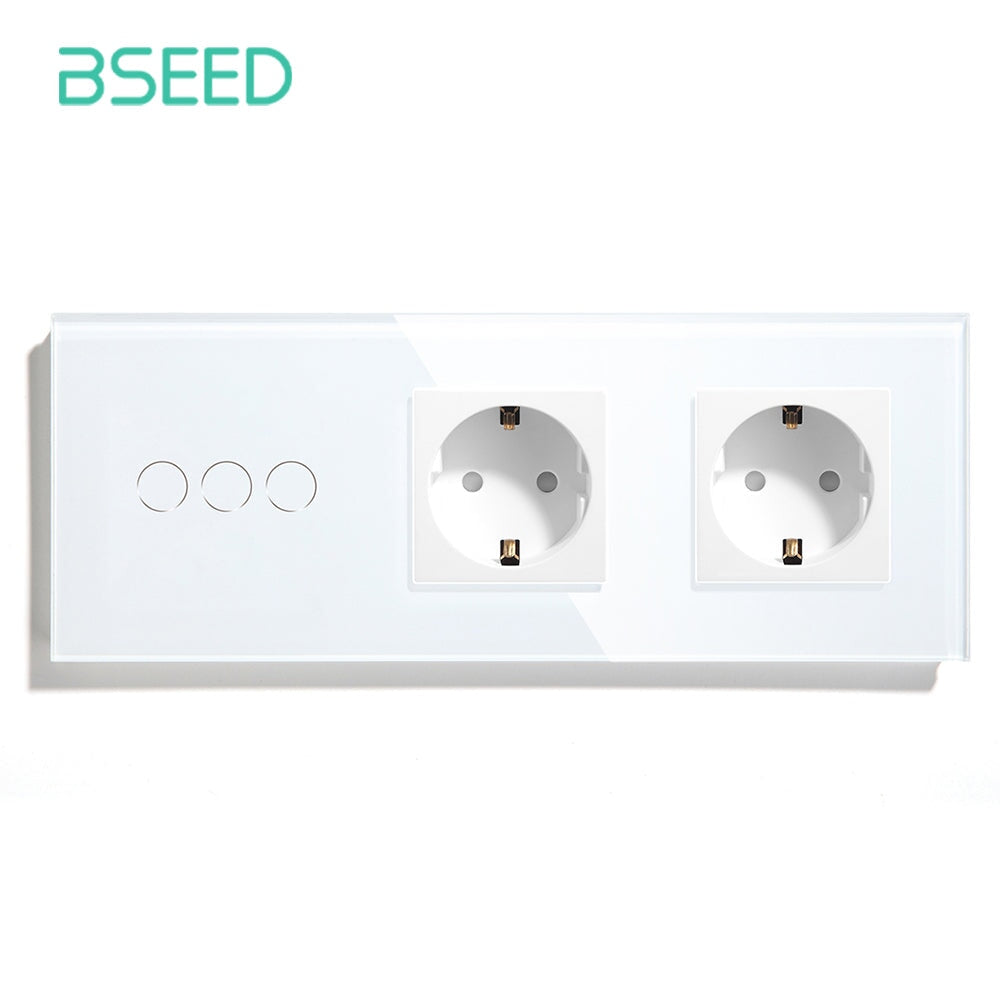
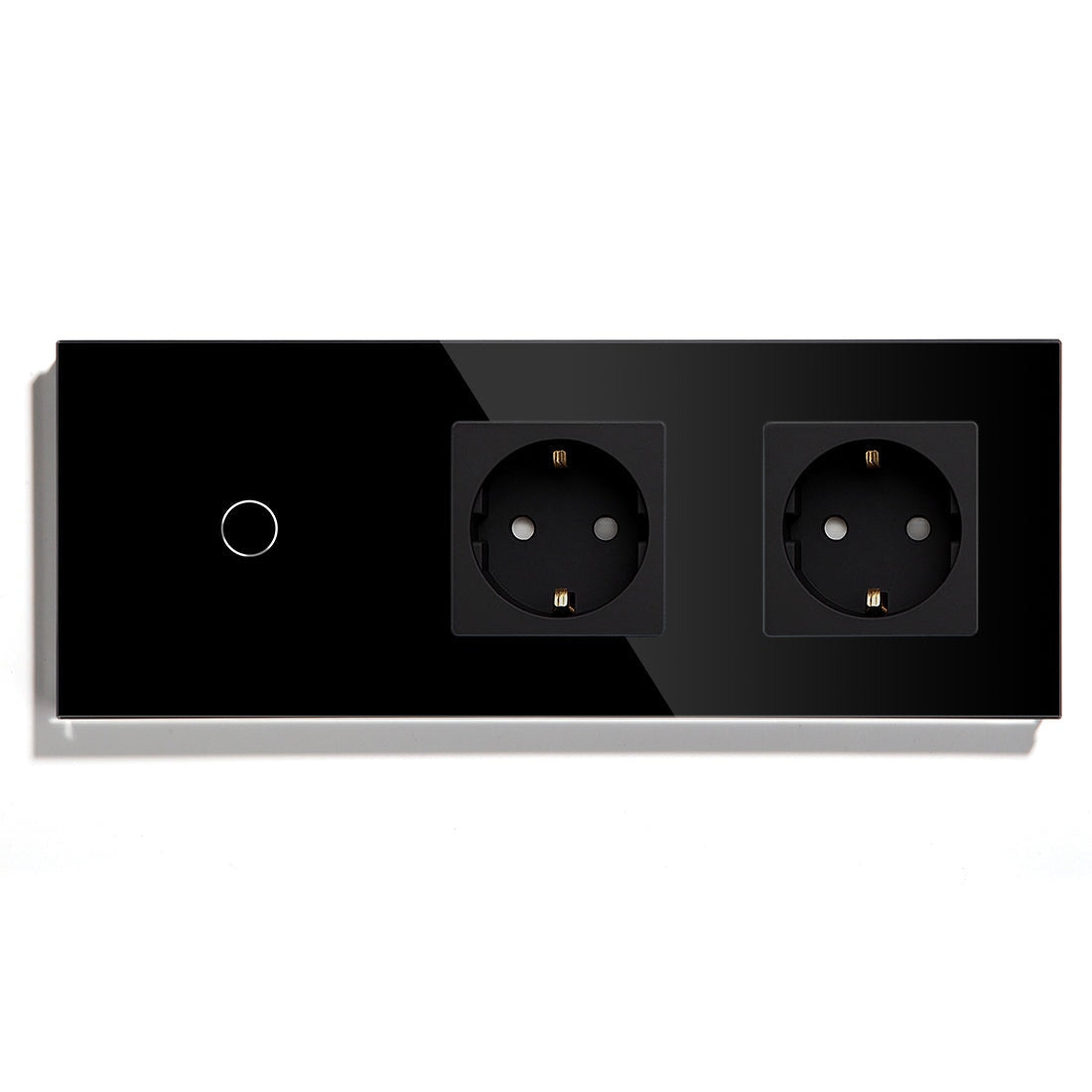
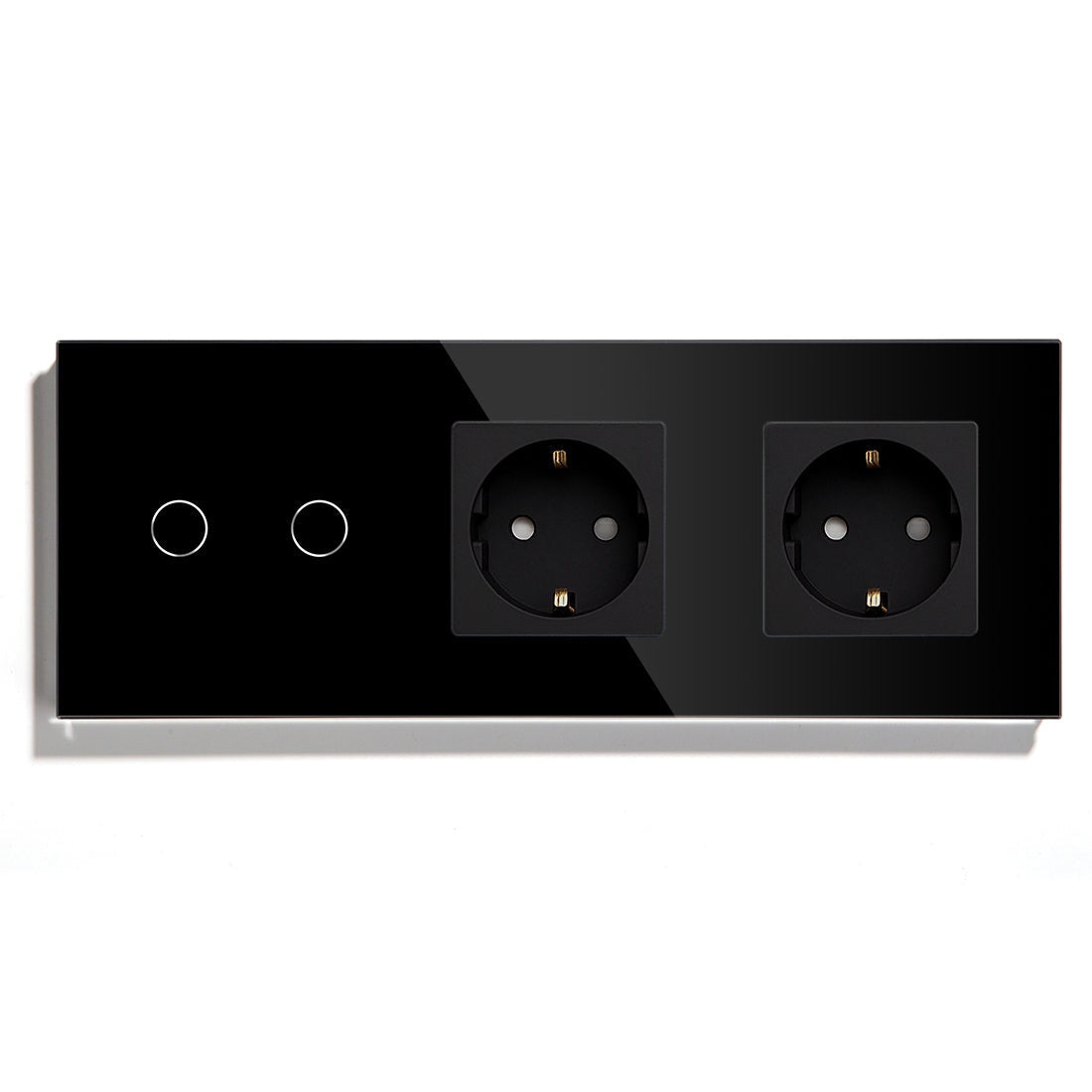
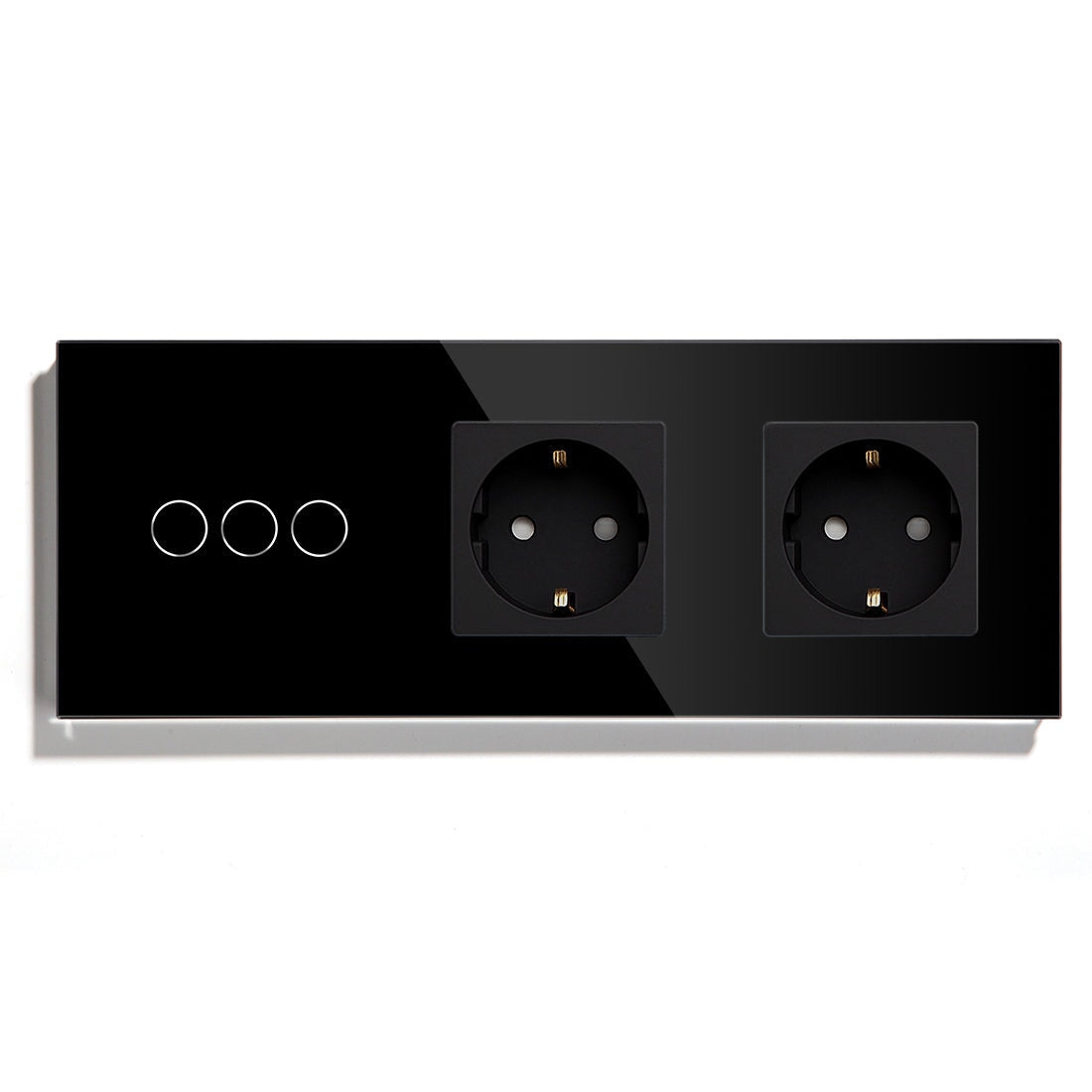
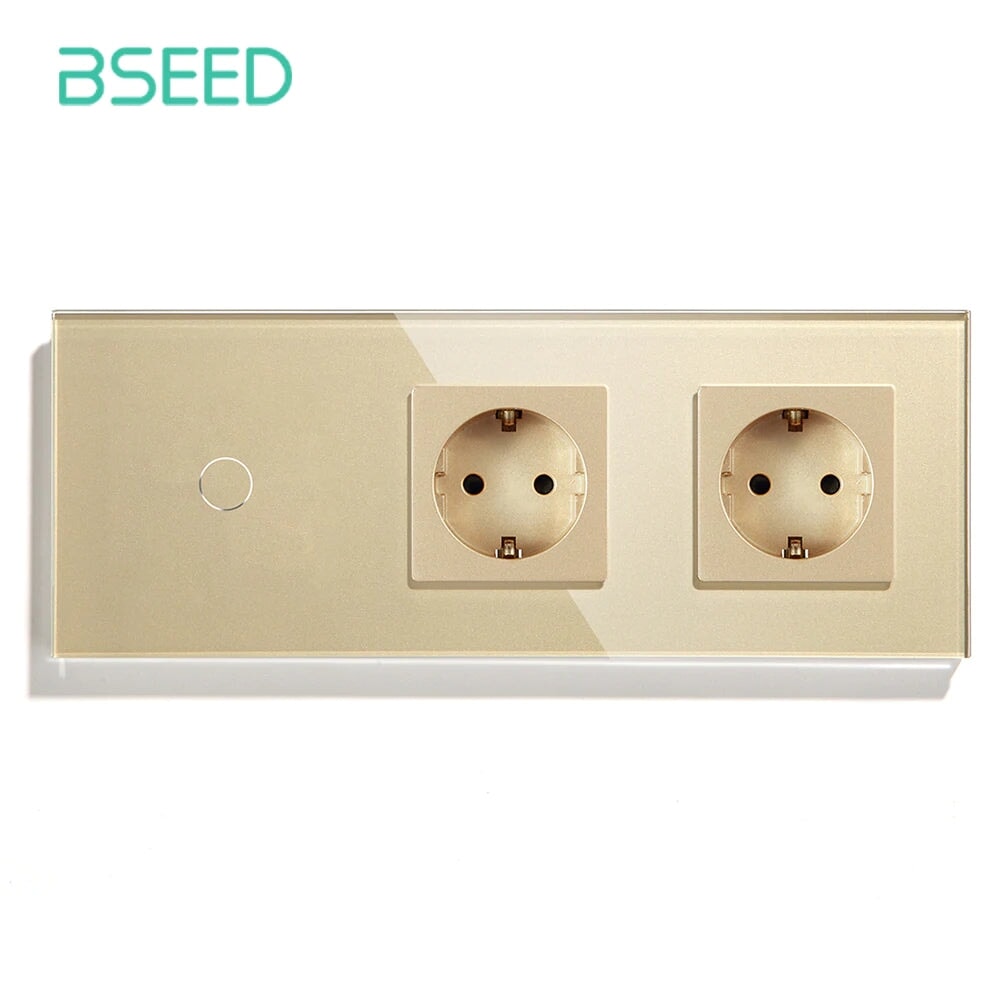
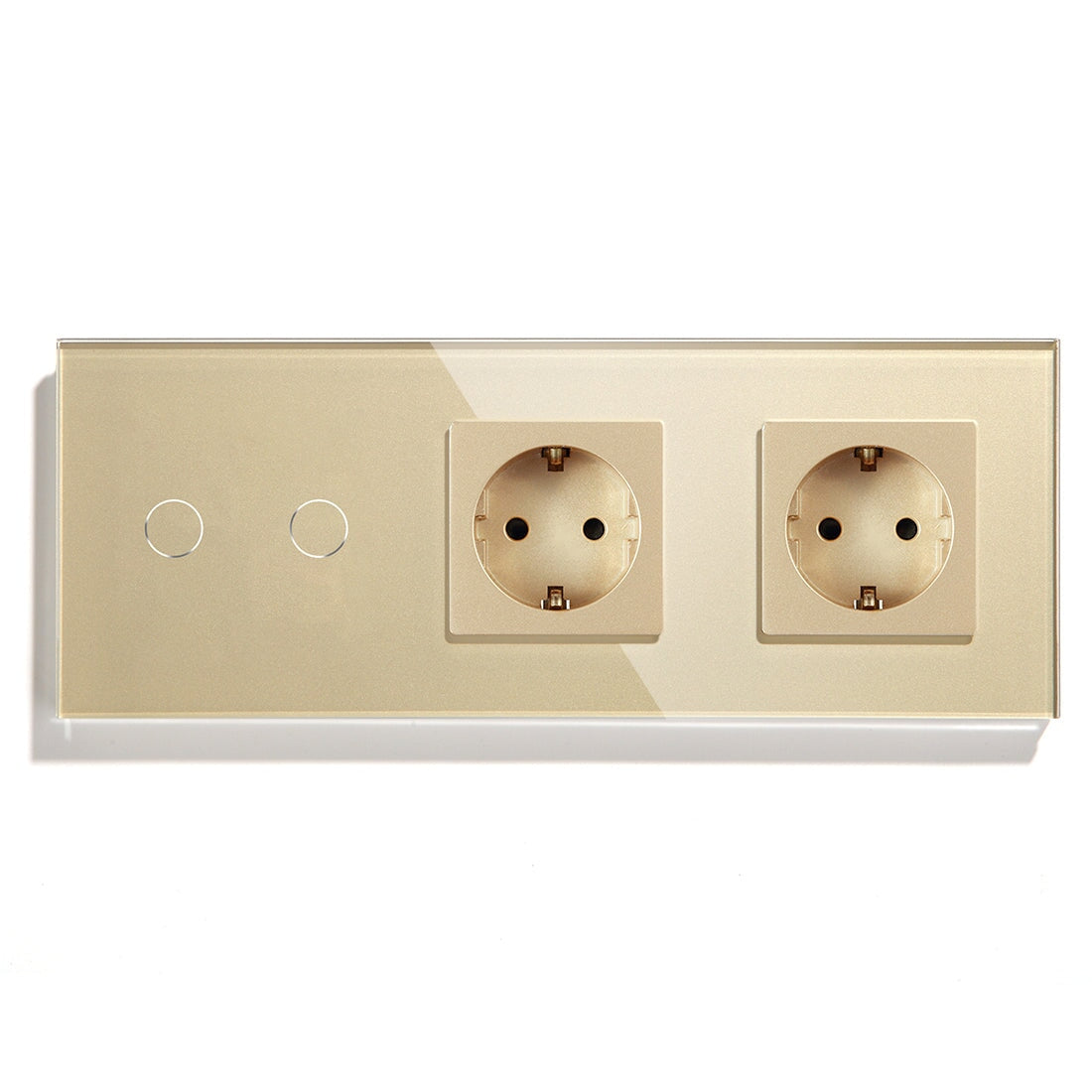
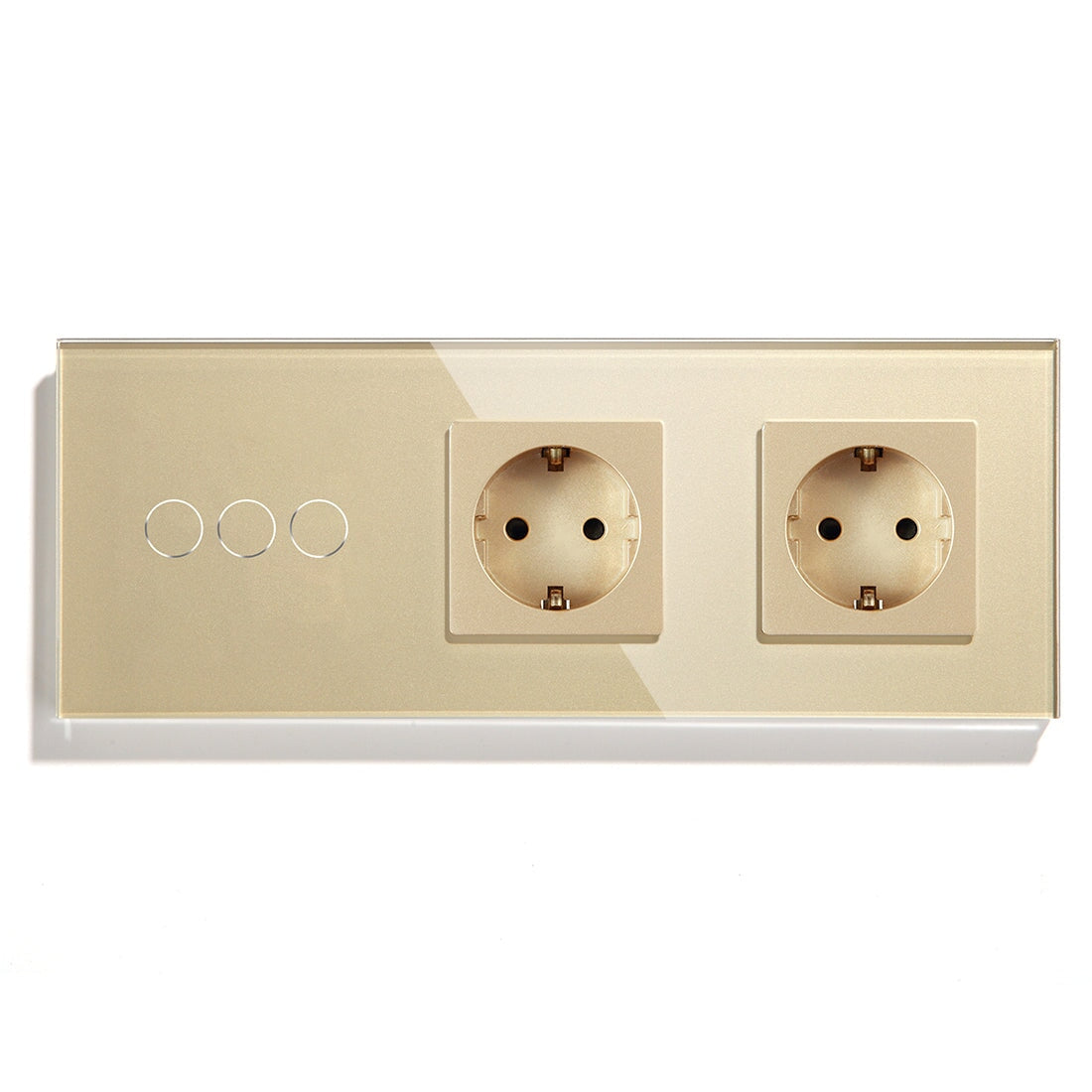
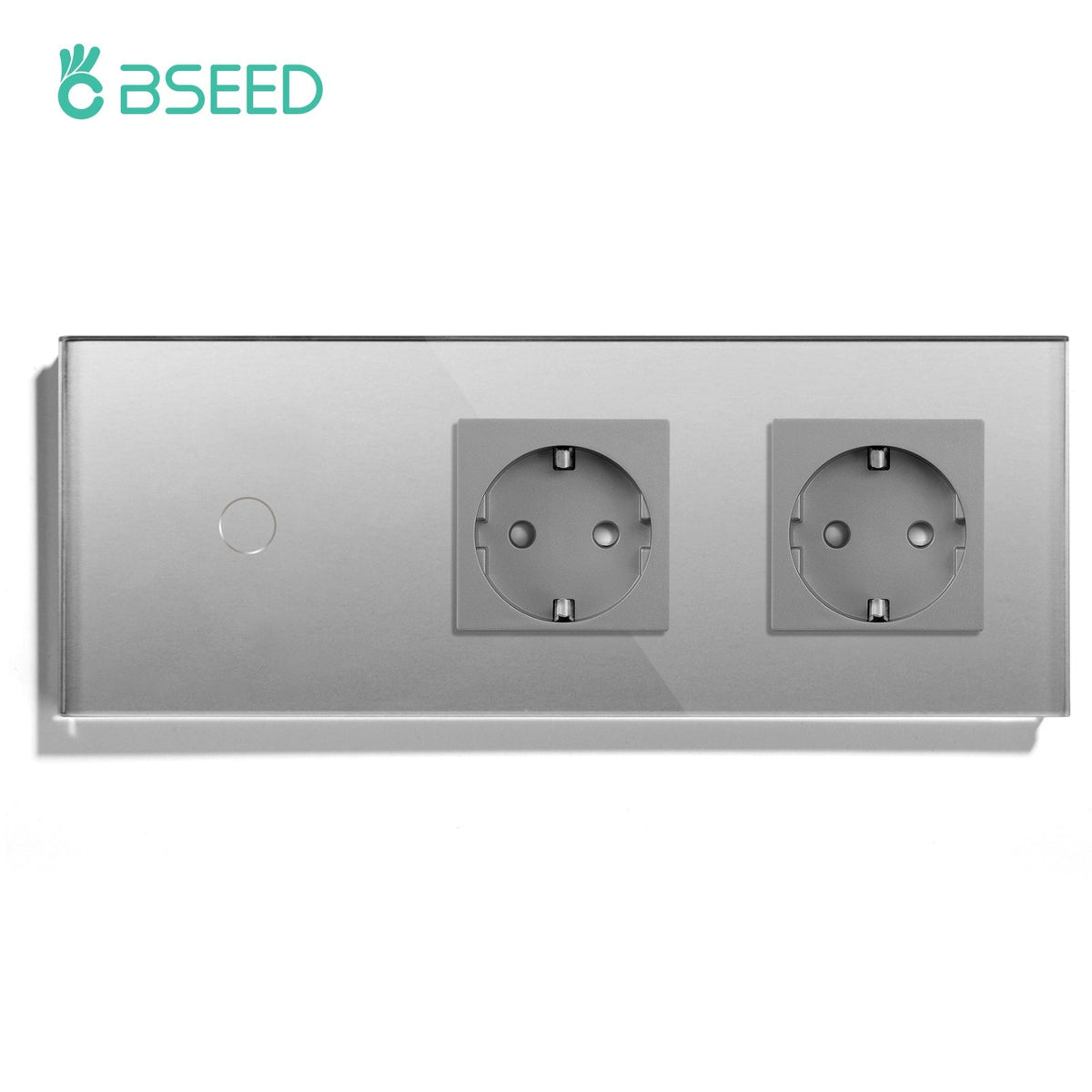
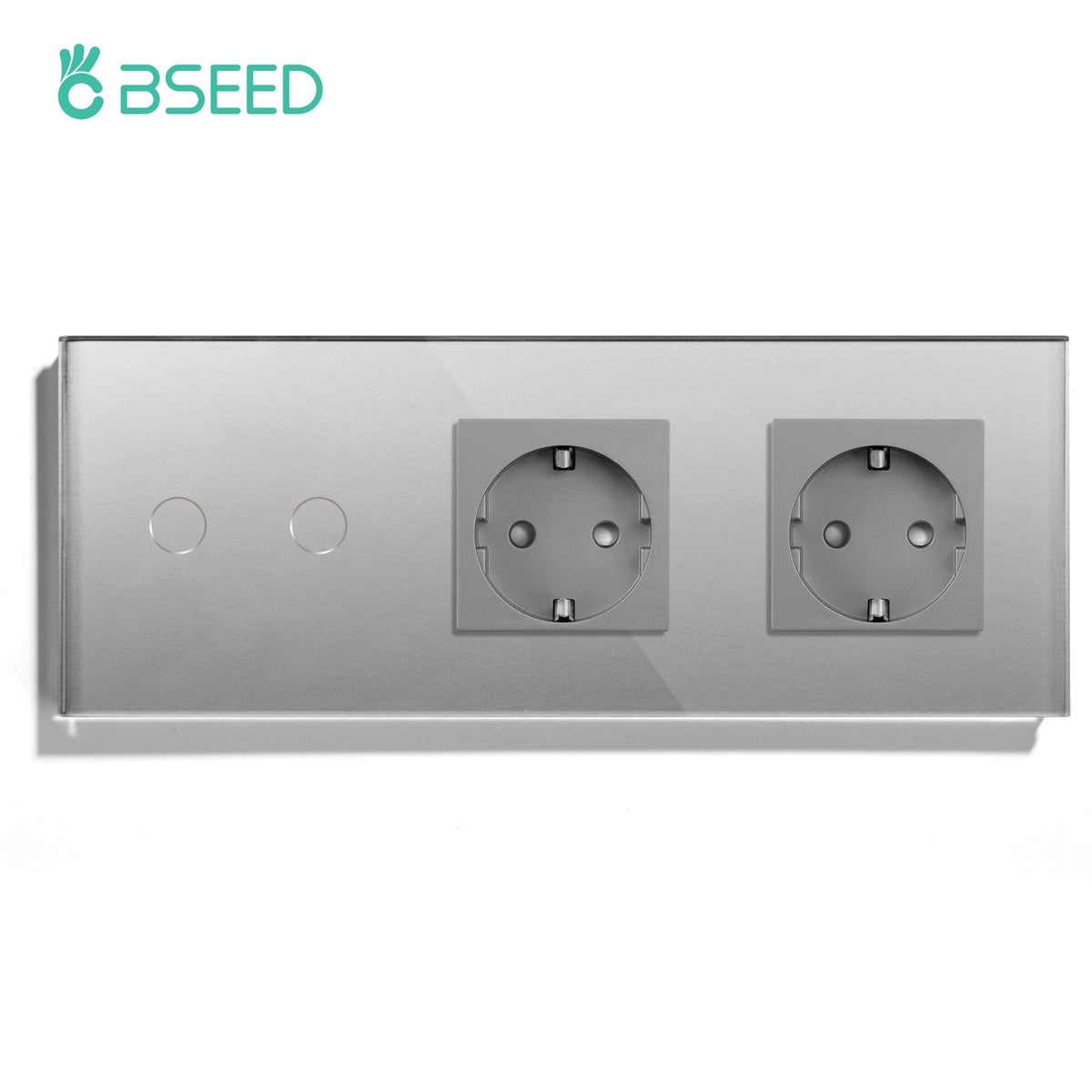
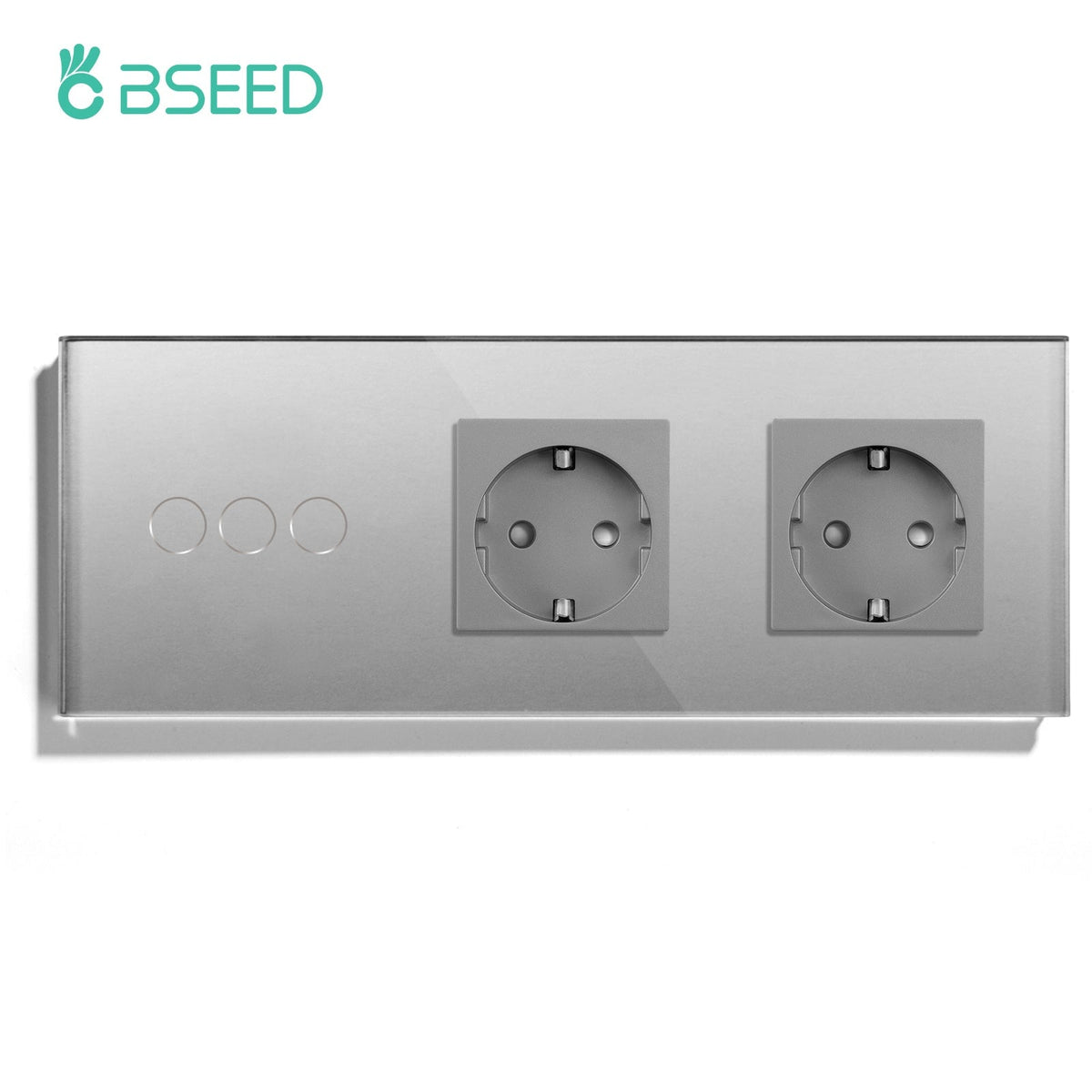
BSEED Zigbee switches fit projects that need smart lighting, scene control, curtain or roller shutter coordination, smart sockets, and thermostats working as a system. They are also relevant for Home Assistant compatible switch projects where the client wants a more integrated smart home structure.
For a hotel room, serviced apartment, or villa package, Zigbee can help the installer create repeatable room logic. The same scene design can be copied with room-specific naming and tested before handover.
For retail orders of one or two switches, Zigbee may be more than the buyer needs. That is why product recommendation should follow project size.
Stability Checks For Installers
Before delivery, test the system in the way the customer will use it:
l Press the wall switch.
l Trigger the scene from the control panel.
l Test app control.
l Test voice control if Alexa or Google Home is promised.
l Test the farthest room.
l Test after power cycling the hub and selected devices.
Do not test only beside the electrical cabinet. The customer will not live there.
Common B2B Mistakes
The first mistake is selling Zigbee as automatically stable. The second is hiding the hub in a poor location. The third is mixing device categories without a naming and room structure. The fourth is handing over a system without explaining basic recovery steps.
Another common issue is overloading the first project with too many scenes. If every switch, socket, curtain, and thermostat is tied into every other scene, troubleshooting becomes slow. Use clean scene logic. Keep names consistent. Leave documentation.
A Better Buying Rule
For dealers, WiFi is easier for small retail orders. Zigbee is stronger for multi-room systems, Home Assistant projects, and homes where device count will grow. Matter should be considered when platform flexibility is a major selling point.
BSEED's Zigbee range gives B2B buyers a way to build projects beyond simple one-device upgrades. The value is not only the switch. It is the ability to create a stable, repeatable structure for lighting, sockets, shading, and control panels.
When a customer says stability matters, do not answer with a protocol name only. Show the network plan.