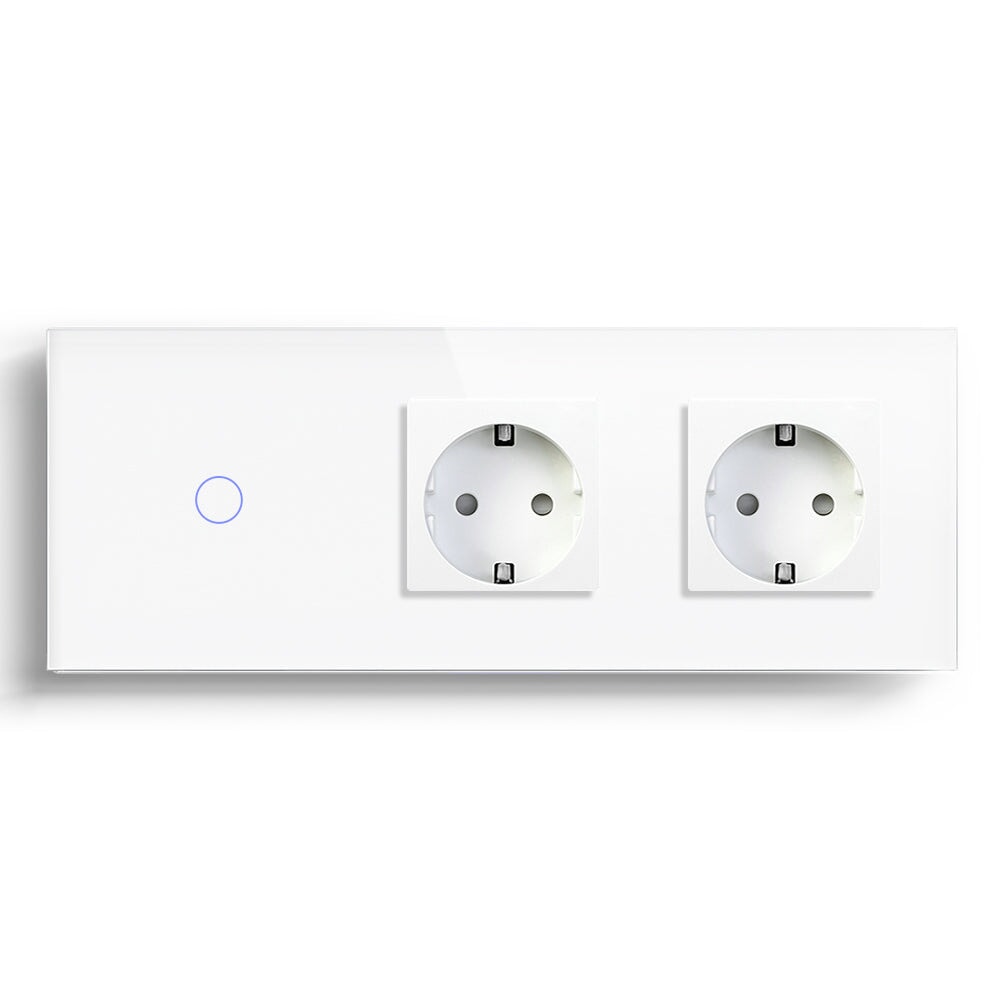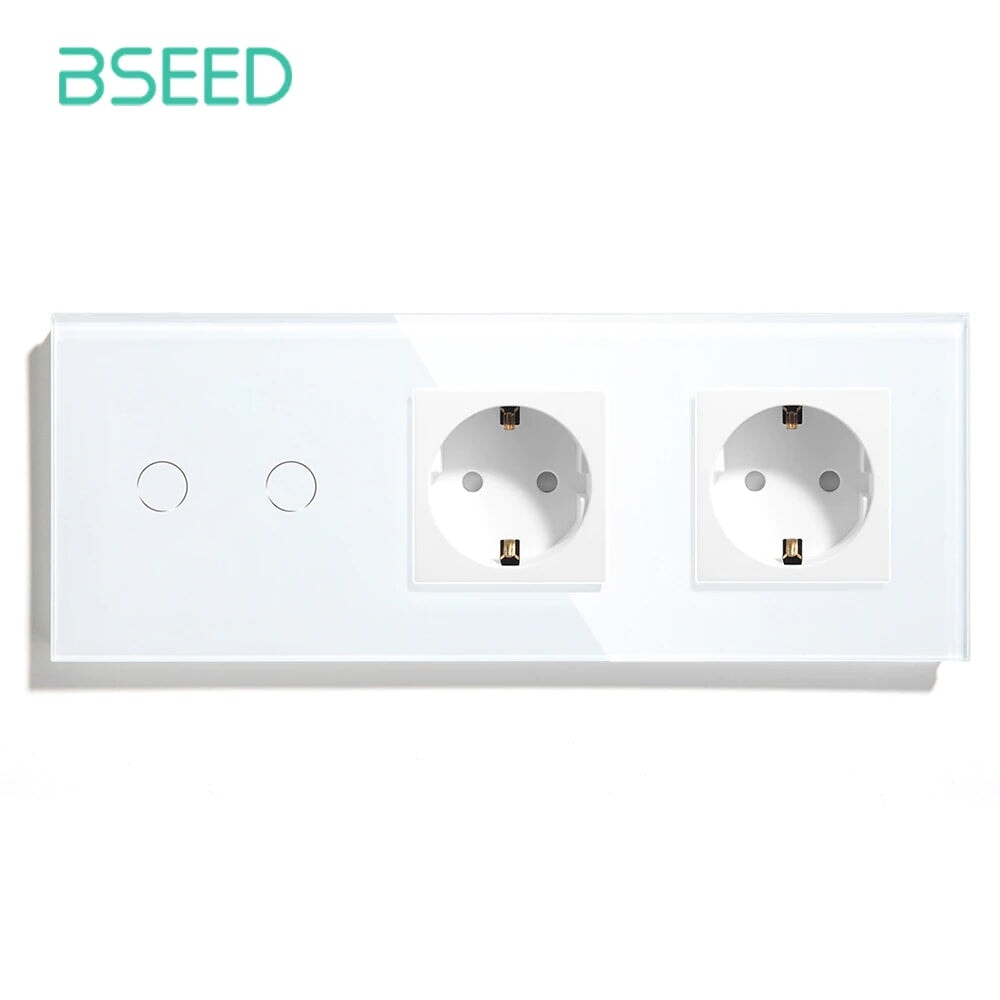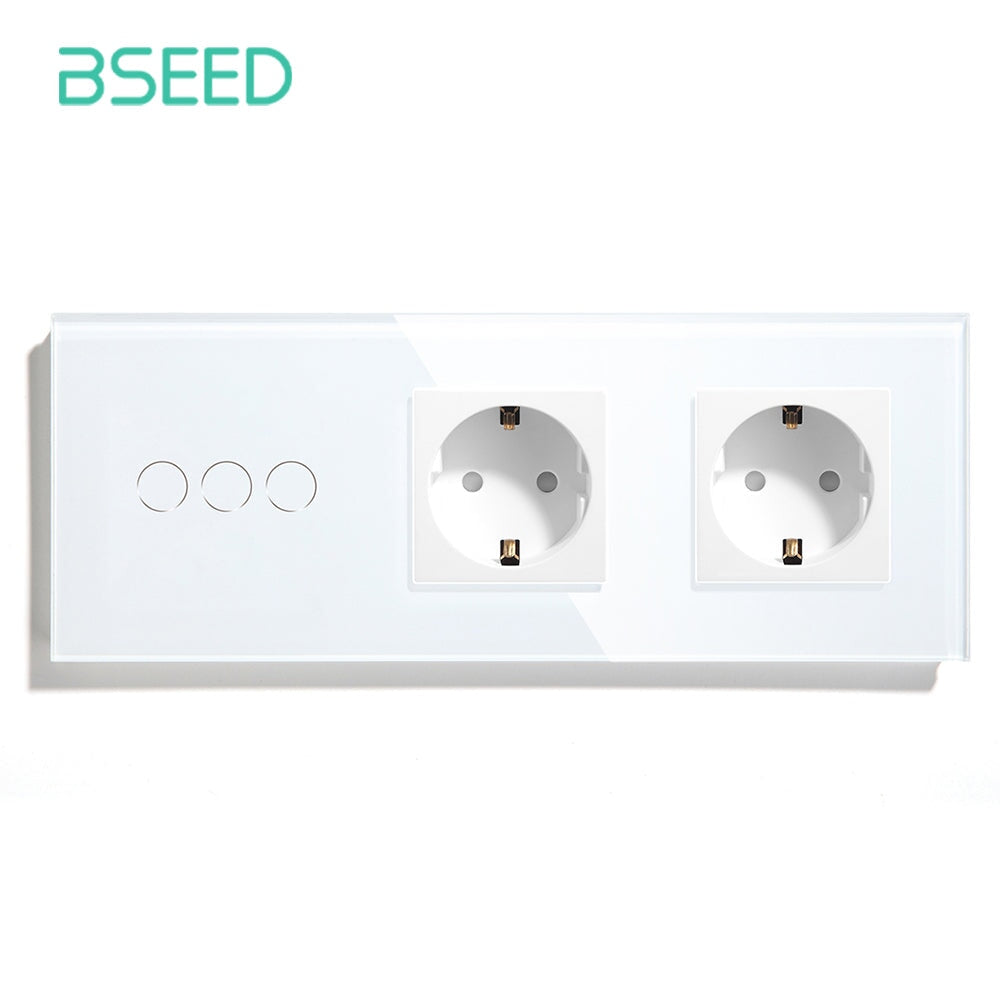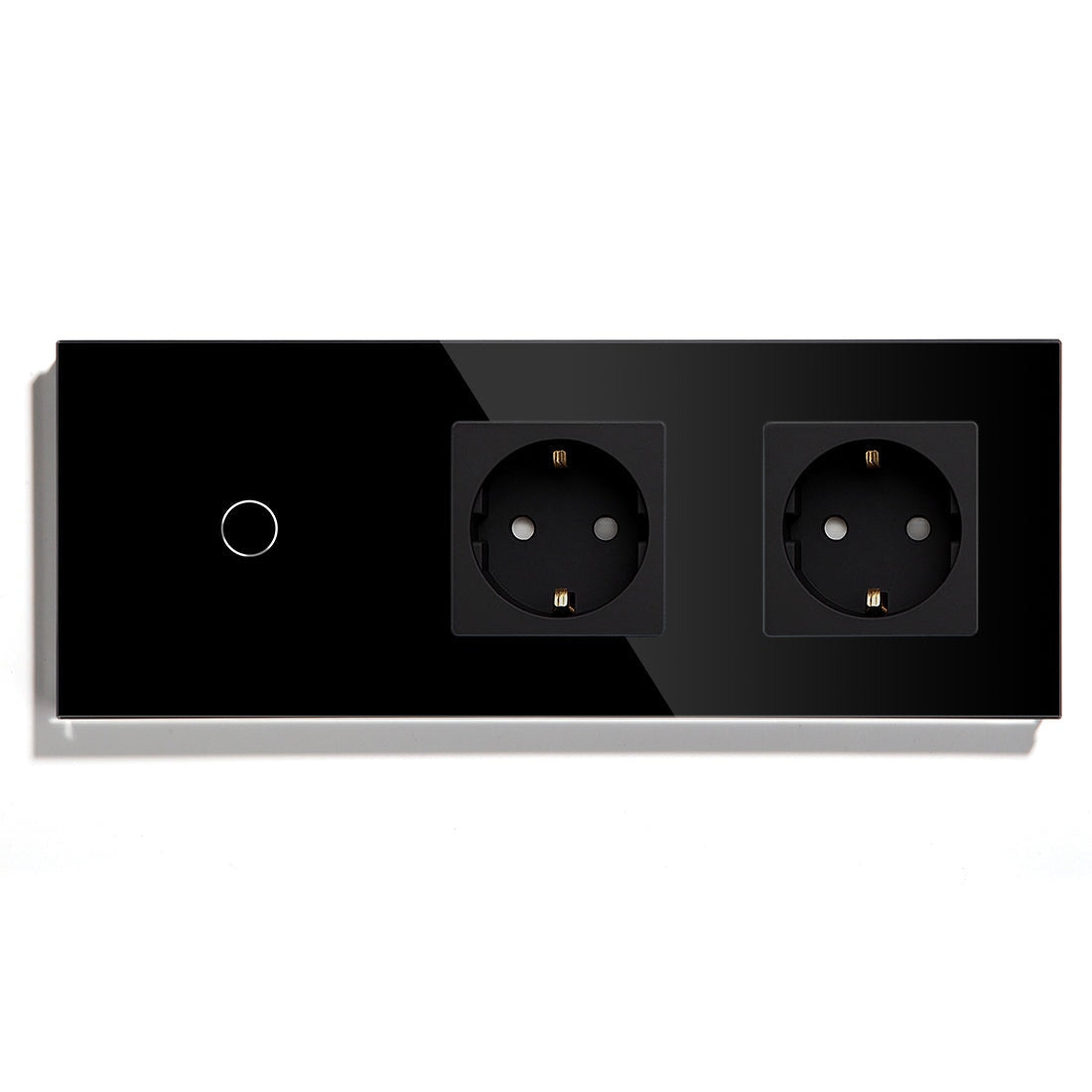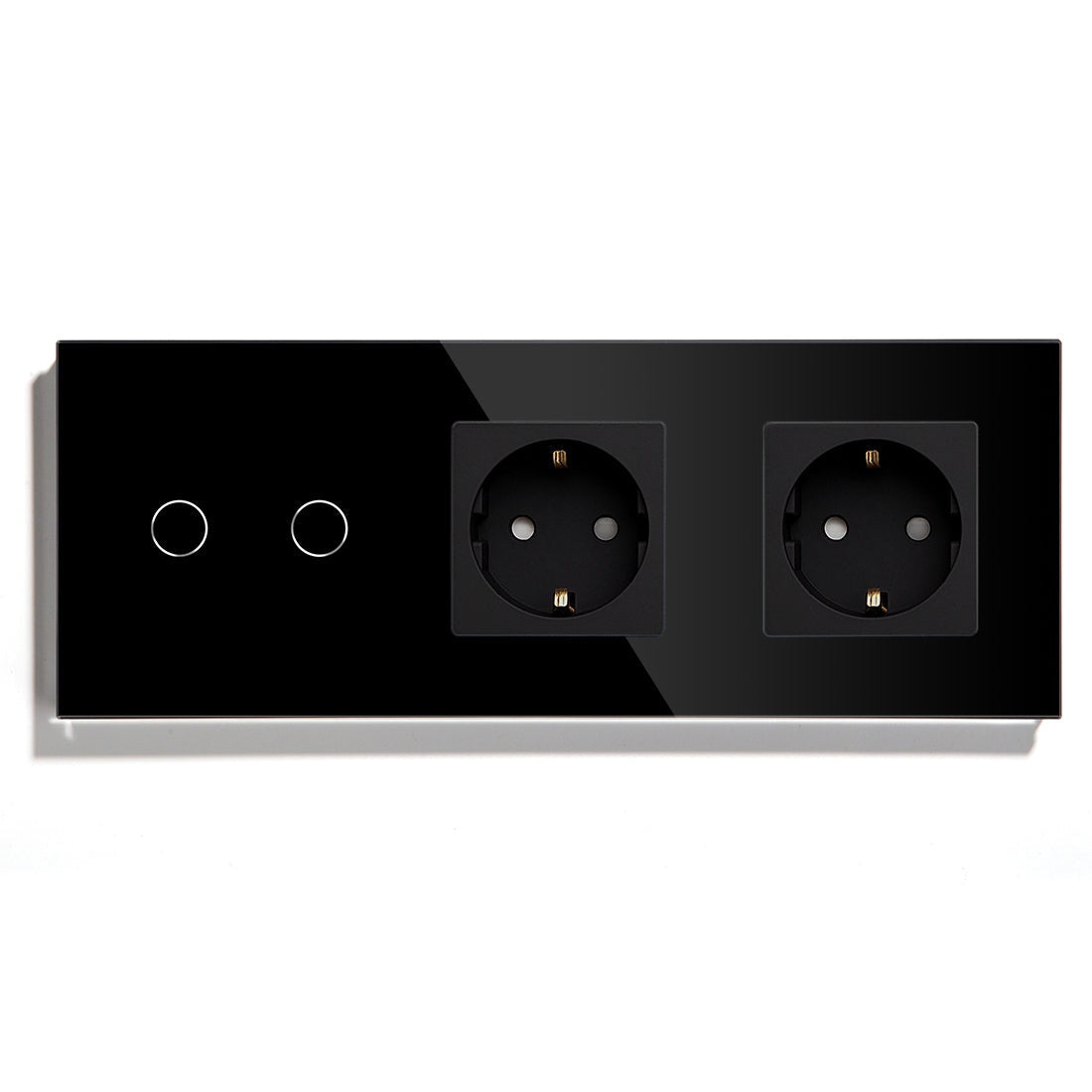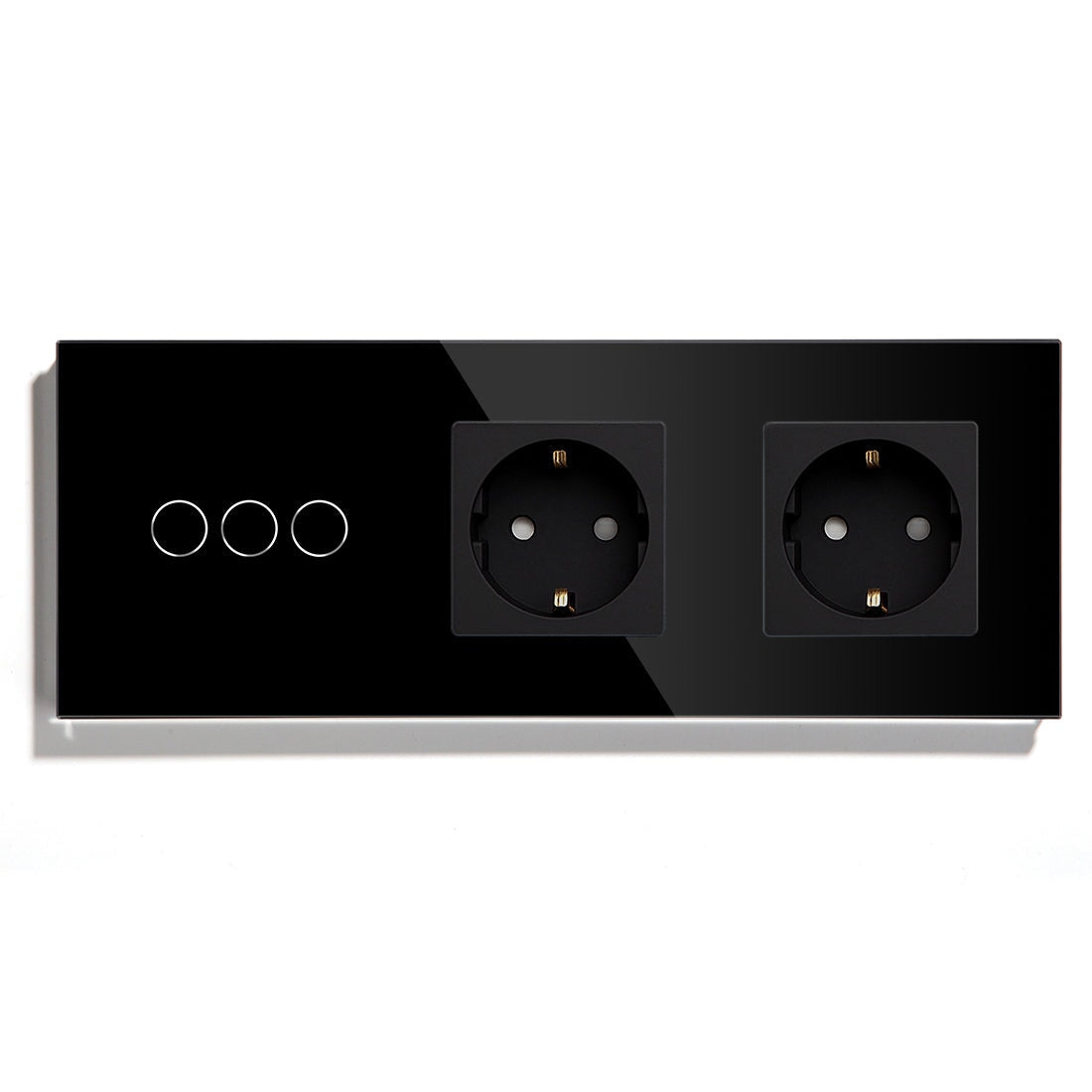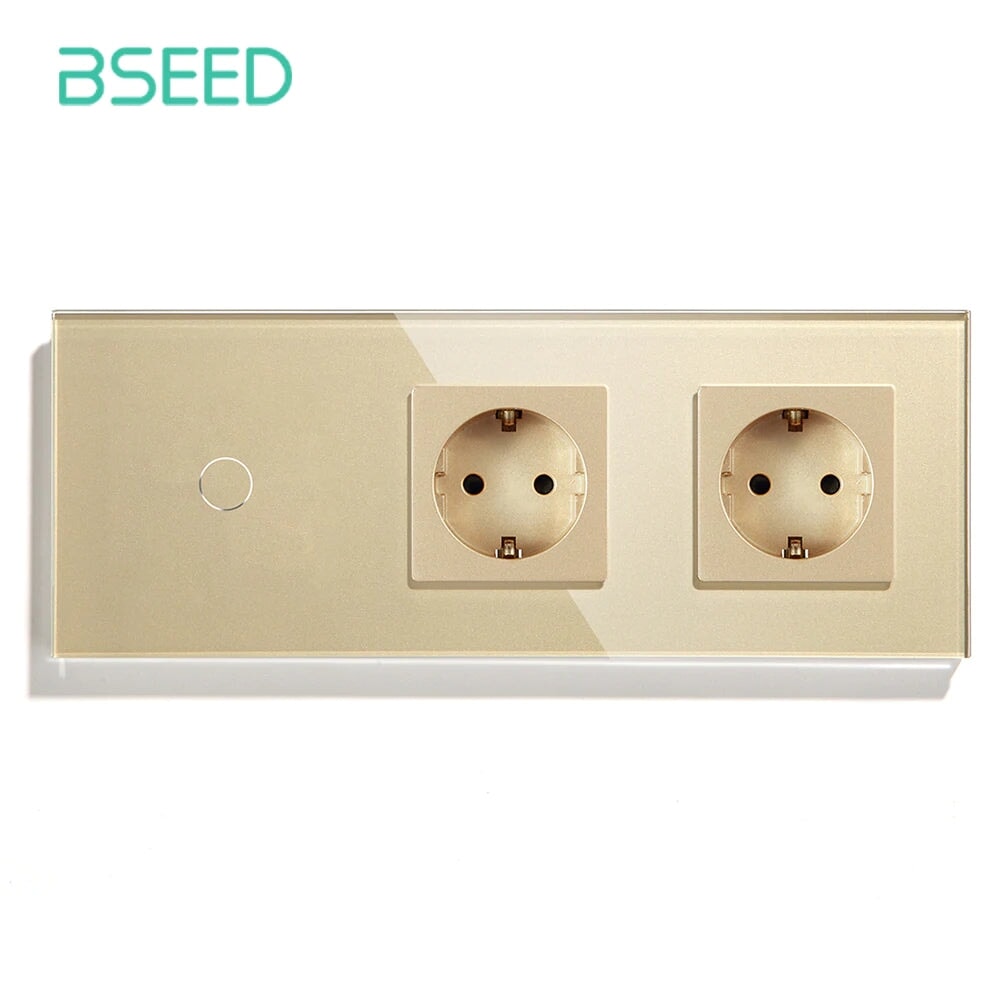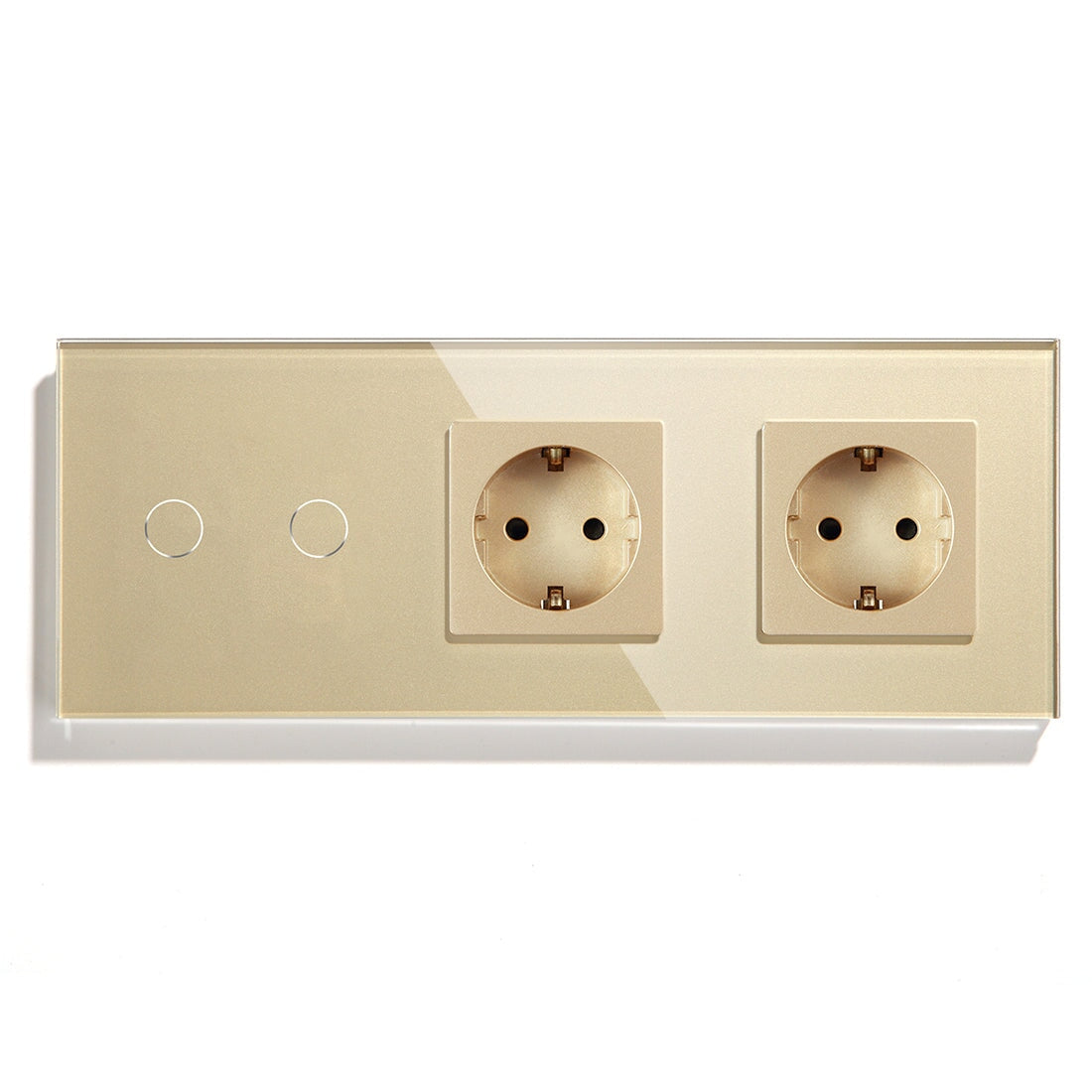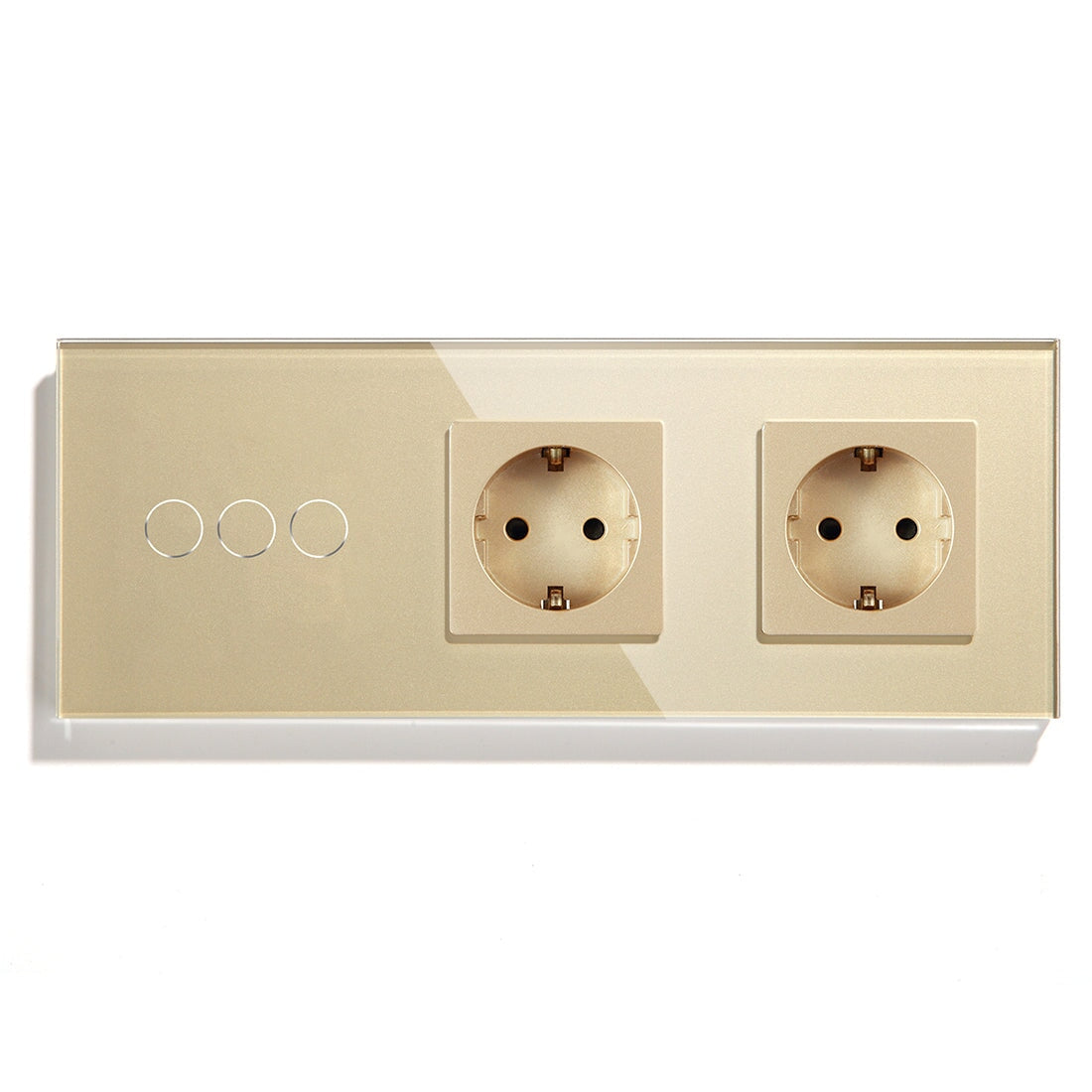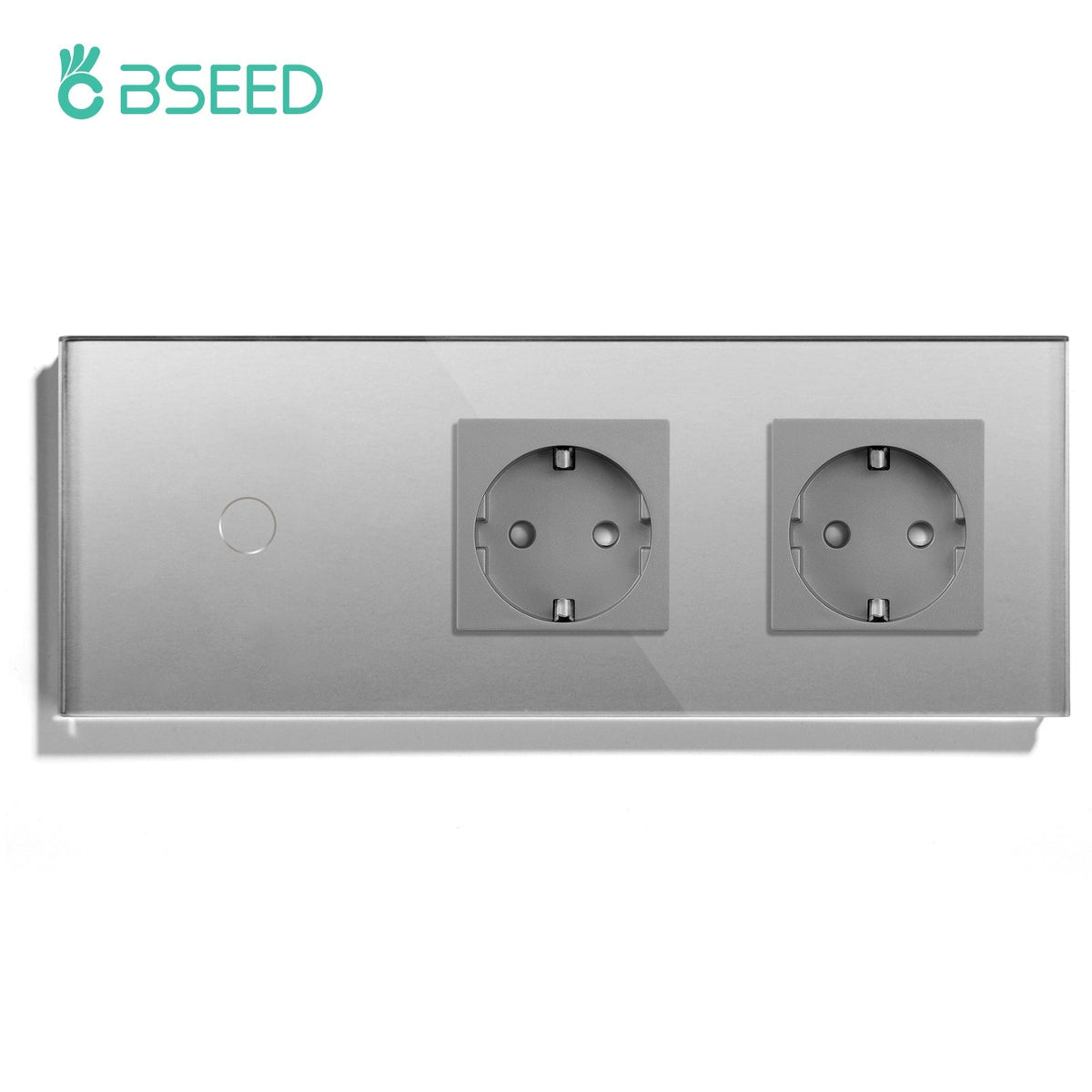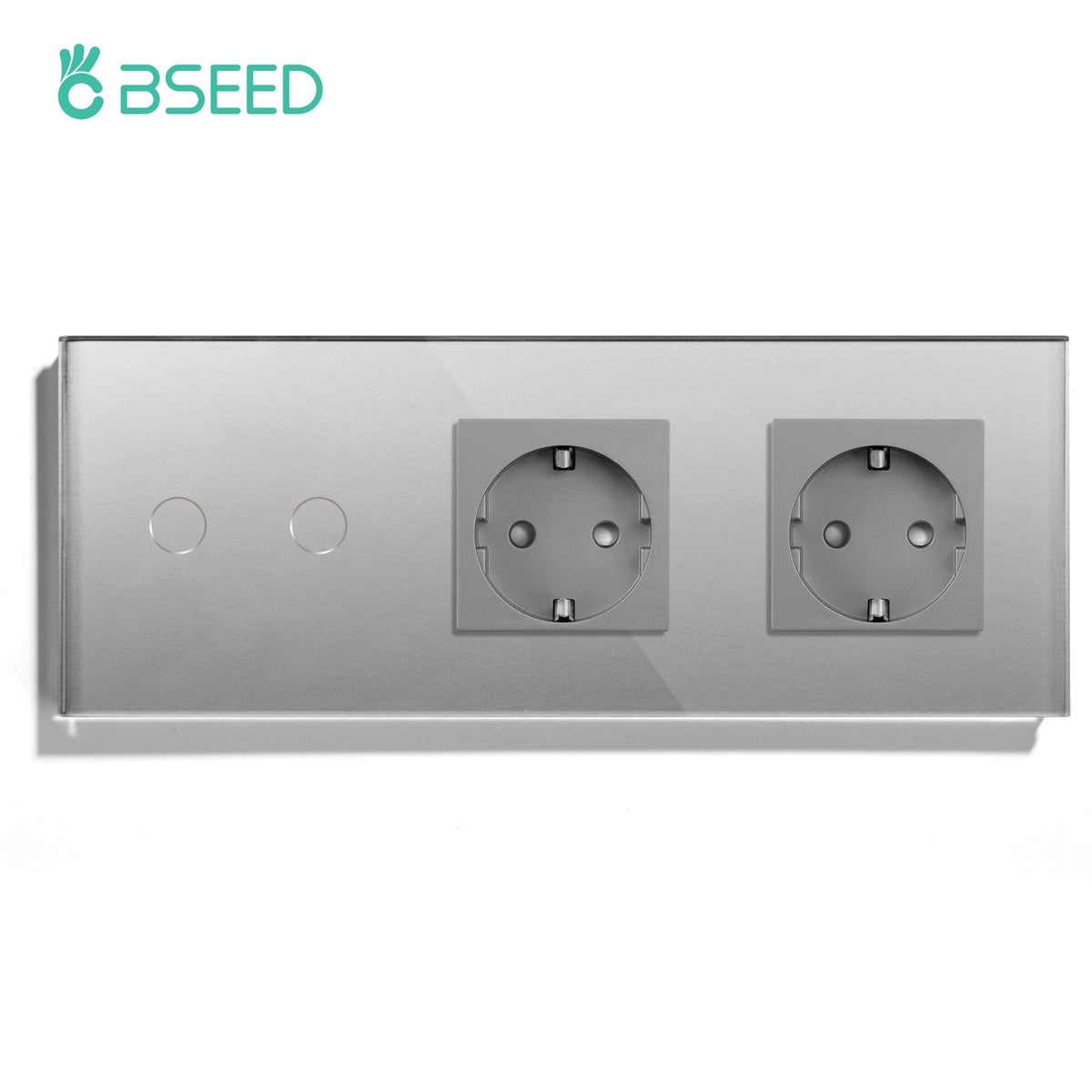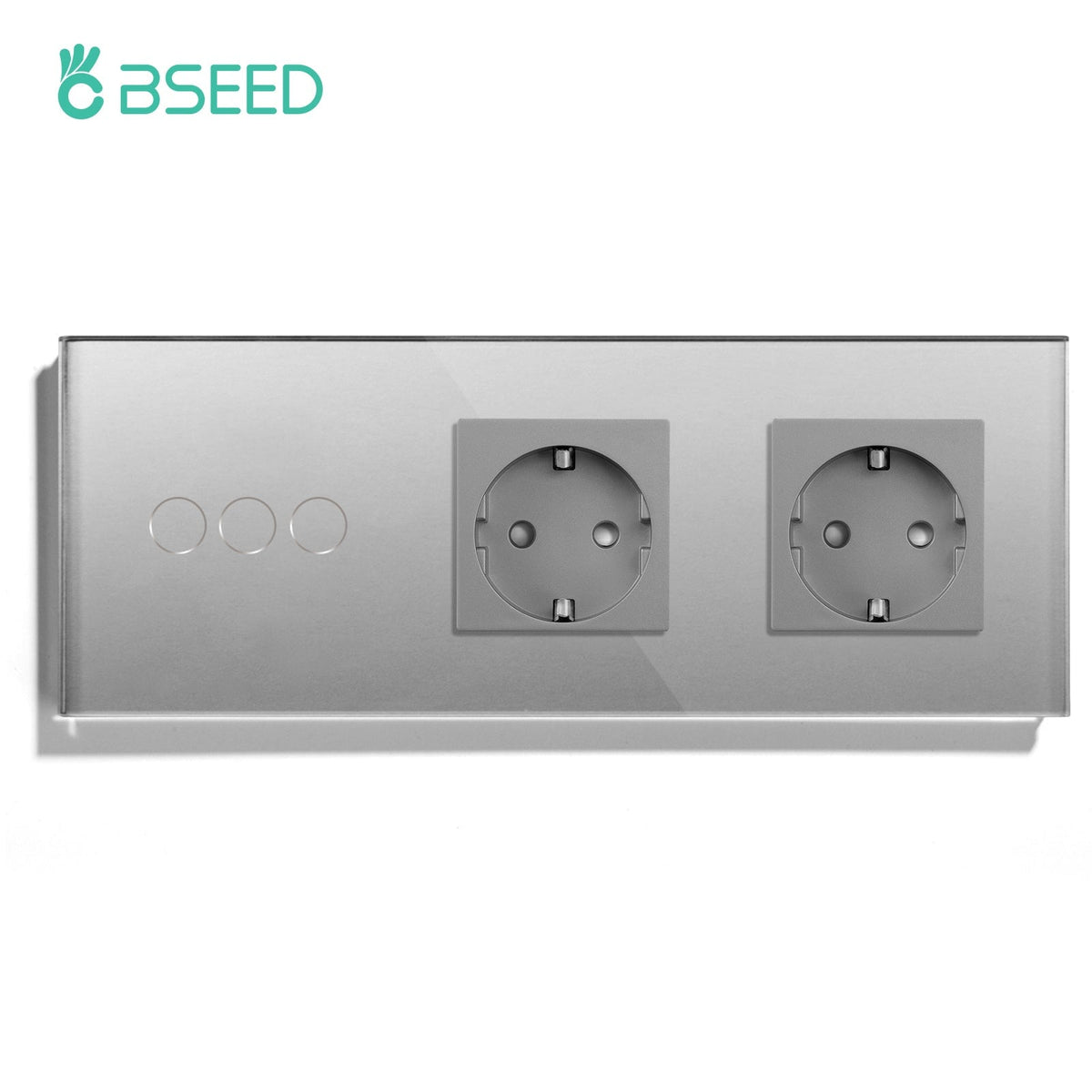
BSEED Zigbee Dimmer Switch for Smart Lighting Systems
A Zigbee dimmer switch for smart lighting systems is a good choice when a project has more than one or two smart devices. If it is a small apartment with two smart switches, WiFi may be enough. If the buyer wants wider platform support, Matter may be worth considering. But when the job involves several rooms, lighting scenes, thermostats, roller shutters, and local automation, Zigbee is usually easier to scale.
That does not mean every Zigbee dimmer will work well in every home. The switch is only one part of the system. LED drivers, wiring, wall box depth, minimum load, hub placement, and device compatibility all affect the final result.
I have seen this happen many times: the customer blames the smart wall switch for flickering, but the real problem is a low-quality LED driver. Change the lamp or driver, and the “faulty” dimmer suddenly works normally.
Why Zigbee Still Has A Place In 2026
Smart home projects are becoming more mixed. One house may use Alexa, Google Home, Home Assistant, WiFi switches, Matter devices, smart sockets, and Zigbee sensors at the same time. That gives users flexibility, but it also creates more points where something can go wrong.
Zigbee remains useful because it builds a mesh network. In simple terms, powered Zigbee devices help pass signals across the home. This is helpful in European apartments with thick walls, villas with multiple floors, and renovation projects where the router is not close to every switch box.
A BSEED Zigbee switch fits this type of setup well when the customer wants stable lighting control, scene automation, and connection with a smart home control panel with Zigbee.
What A Zigbee Dimmer Switch Really Controls
A dimmer switch has two jobs.
The first job is electrical. It adjusts the output to the lamp. This is where many problems start, especially with LED lighting. LEDs do not behave like old incandescent bulbs. They rely on drivers, and those drivers decide how smoothly the light dims.
The second job is communication. A Zigbee light switch connects to a Zigbee hub or compatible gateway. From there, the light can be controlled through an app, Home Assistant, Alexa, Google Home, or preset automation scenes.
Both sides need to work. A perfect app connection will not fix a bad LED driver. A good LED lamp will not help much if the Zigbee network is poorly planned.
Where Zigbee Dimmer Switches Work Best
A Zigbee dimmer switch is usually a strong fit for:
1. Homes with more than 20-30 smart devices.
2. Multi-room lighting control.
3. Home Assistant projects.
4. Larger European homes using several smart wall switches.
5. Smart lighting systems connected with curtains, sockets, and heating.
6. Buyers who want less pressure on the WiFi router.
A typical BSEED smart home project may include a BSEED smart switch in the living room, a smart thermostat for floor heating, a roller shutter switch, and smart sockets with energy monitoring. In that kind of project, lighting is not isolated. It becomes part of the whole home control plan.
When Zigbee Is Not The Best Answer
Zigbee is not magic. For a small project with only one or two switches, a BSEED WiFi switch may be simpler because no hub is required. If the customer wants easy cross-platform pairing across Apple Home, Alexa, Google Home, and Home Assistant, a BSEED Matter switch may be easier to explain.
Zigbee also needs proper layout. If the hub is placed badly, or the system has too few powered Zigbee devices, the network may feel unstable. For B2B buyers, this matters. A product that works well in a showroom can perform differently in a real building if the system design is weak.
LED Driver Compatibility Comes First
Many buyers ask about wattage first. That is understandable, but it is not enough.
A 150W dimmer can perform better than a 400W dimmer if the LED driver match is better. In many homes, LED loads are not very high anyway. A bedroom may only need 20-50W of LED lighting. A corridor may sit around 10-30W. Even a hotel room often falls in the 30-60W range.
The better questions are:
1. Is the LED driver dimmable?
2. Does it support the dimming method used by the switch?
3. What is the minimum load?
4. Does it stay stable below 10% brightness?
5. Will heat build up inside the wall box?
Many LED drivers become unstable at very low brightness. In real installations, setting the minimum brightness at 10-15% is often more reliable than chasing “1% dimming” on paper.
Neutral Wire Or No Neutral Wire
This is a practical issue in Europe. Some homes have a neutral wire in the switch box. Many older homes do not.
A neutral-wire smart dimmer is normally more stable. It handles low LED loads better, reduces ghosting, and gives smoother low-brightness control. For new construction or a full renovation, I would usually choose this option.
A smart switch without neutral wire is useful for retrofit projects where rewiring would be expensive or messy. A Zigbee light switch without neutral can save installation time, but the installer should check the lamp load and whether a bypass capacitor is required.
This small check prevents a lot of after-sales trouble.
A Simple Buying Rule For B2B Projects
Before choosing between WiFi, Zigbee, and Matter, use this rule:
1. Choose WiFi for small homes and simple voice-control projects.
2. Choose Zigbee for larger systems, Home Assistant, and multi-room automation.
3. Choose Matter when platform flexibility is the main selling point.
4. Choose a neutral-wire dimmer when stability matters most.
5. Choose a no-neutral dimmer only after checking the LED load.
6. Do not use residential dimmers for motors, ceiling fans, large transformers, or commercial lighting circuits.
For commercial lighting, DALI, KNX, 0-10V dimming, or contactor-based control may be the better route. A consumer smart home switch should not be forced into a job it was not designed to handle.
How BSEED Fits Into Smart Lighting Projects
BSEED covers several product categories used in smart home systems, including smart light switches, Zigbee switches, WiFi touch light switches, Matter switches, smart sockets, roller shutter switches, smart thermostats, glass panel smart switches, and smart control panels.
That product range is useful for B2B buyers because a real smart home project rarely stops at lighting. A customer may want one scene to dim the living room lights to 30%, lower the roller shutters, adjust the floor heating through a touch screen smart thermostat, and turn off selected sockets.
To the user, it feels like one simple command. To the installer, it only works well when the wiring, protocol, hub, and devices are chosen correctly.
A Zigbee dimmer switch is worth choosing when the project needs stability, scale, and local automation. Start with the LED driver. Confirm the wiring. Check the hub plan. Then choose the switch. That order avoids most of the problems people wrongly blame on smart lighting.