BSEED Smart Home Automation System for European Houses
A BSEED smart home automation system for European houses should be planned around the house first, then the devices. Europe is not one wiring pattern, one wall box depth, or one lifestyle. A German house with roller shutters, a French apartment with older switch wiring, and a UK home with different lighting circuits do not need the same automation plan.
That is why a good European smart home project starts with the building.
Germany: Roller Shutters Are Part Of Daily Comfort
In many German homes, roller shutters are not a luxury feature. They are part of privacy, sunlight control, insulation habits, and daily routine. A BSEED roller shutter switch or smart curtain switch can make those routines easier, especially for bedrooms, living rooms, and west-facing windows.
The important check is the motor. Open, close, and stop wiring need to match the selected switch. Travel limits should be handled correctly by the motor or installation setup. Wall box depth also matters because some older shutter controls leave little space behind the panel.
For homeowners, the useful scenes are simple: open shutters in the morning, close selected shutters after sunset, and lower west-facing shutters during strong afternoon sun. This is a more specific value than a vague "smart home" promise.
France And Southern Europe: Retrofit Wiring Comes First
In many retrofit apartments, the first practical question is whether the switch box has a neutral wire and enough depth. A smart switch without neutral wire may be relevant in some projects, but it should never be guessed from the sofa. The box needs to be checked.
French, Spanish, Italian, and Portuguese homes can have beautiful wall finishes and compact switch positions. In those rooms, a glass-front BSEED smart switch is partly a design decision. The device has to look right in the room, not just connect to the app.
For apartments, I would usually begin with lighting and one or two curtain controls. Whole-home automation can wait until the owner knows which rooms actually benefit.
The UK: Respect The Existing Lighting Circuit
UK-style lighting circuits can surprise people who are used to other wiring layouts. Multi-way switching, older back boxes, and neutral availability should be checked before a smart wall switch is specified.
For a homeowner, the safe approach is to ask an electrician to confirm wiring before choosing between a WiFi light switch without neutral wire, a standard smart switch, or a different control method. For BSEED content, this point should be stated plainly. Compatibility begins behind the wall, not inside the app.
Apartments, Row Houses, And Villas Need Different Networks
A small apartment may run well with a few BSEED WiFi switches and a smart socket or thermostat. The router is nearby, the device count is low, and the owner wants a simple upgrade.
A row house or villa can be different. Thick walls, multiple floors, outdoor sockets, shutter controls, and heating zones create more communication challenges. In those homes, Zigbee or Matter planning deserves attention. A BSEED Zigbee switch can be useful in a larger smart home structure, while a BSEED Matter switch can help when the family wants platform flexibility.
The wrong move is to choose one protocol before understanding the building. A WiFi device in the wrong corner may feel weak. A Zigbee system without a sensible hub position may disappoint too.
Heating Is A Separate Design Topic
European homes often combine different heating habits: underfloor heating, radiators, bathrooms that need morning comfort, and bedrooms that should stay cooler at night. A BSEED smart thermostat can help, but only when the heating type is confirmed.
Electric underfloor heating and water-based floor heating should not be treated as the same installation. Sensor type, load, actuator control, and wall placement need to be checked. A touch screen smart thermostat looks easy from the front; the specification lives behind it.
For homeowners, the most useful heating automation is usually a weekly rhythm. Warm the bathroom before the morning routine. Reduce unused rooms during work hours. Keep bedrooms cooler at night. That is better than chasing comfort with random manual changes.
A European Selection Path
For most European houses, the sequence should look like this:
l Check wiring, wall box depth, and neutral availability.
l Confirm shutter, curtain, and heating hardware before choosing controls.
l Start with the rooms that affect comfort every day.
l Use WiFi for simple apartments when the network is stable.
l Consider Zigbee, Matter, or Home Assistant compatibility for multi-room homes.
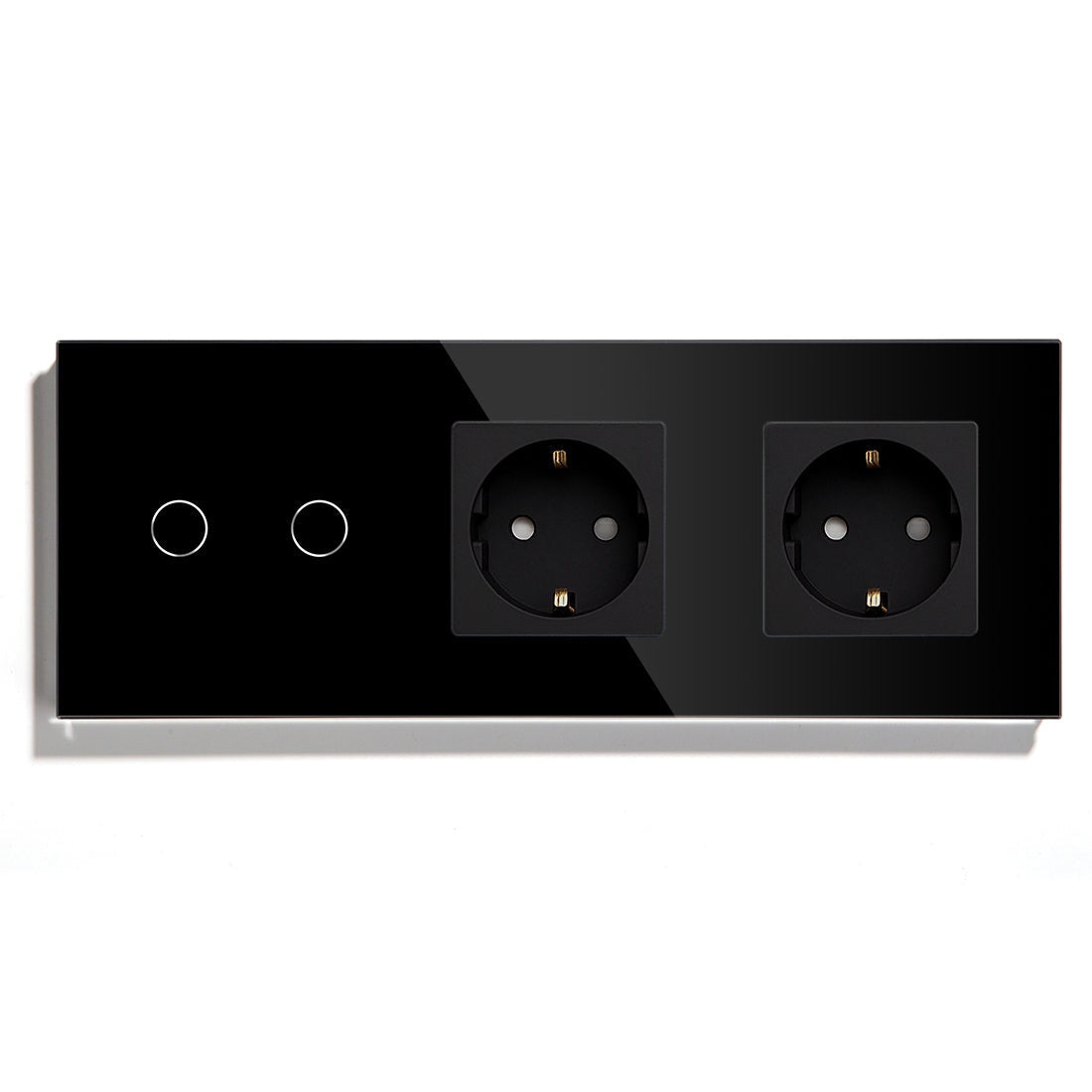
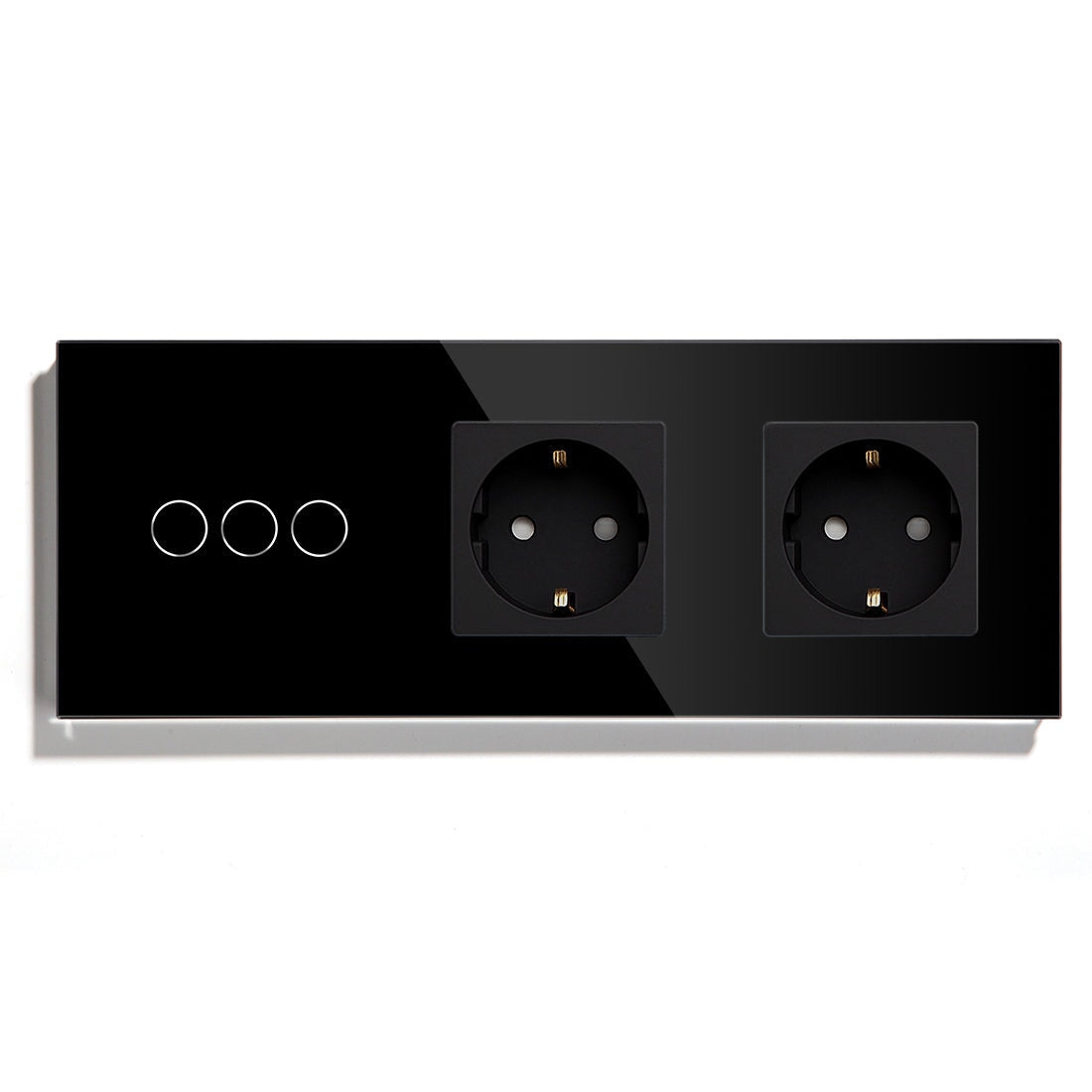
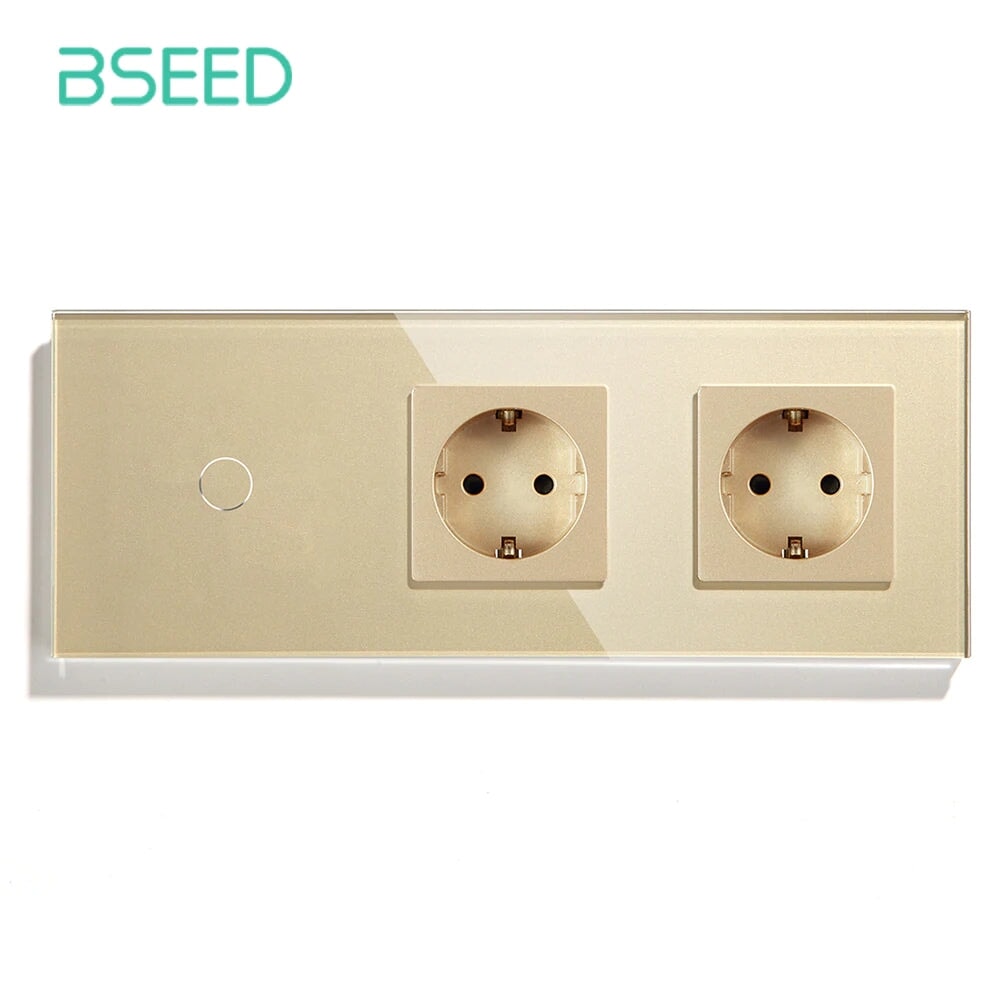
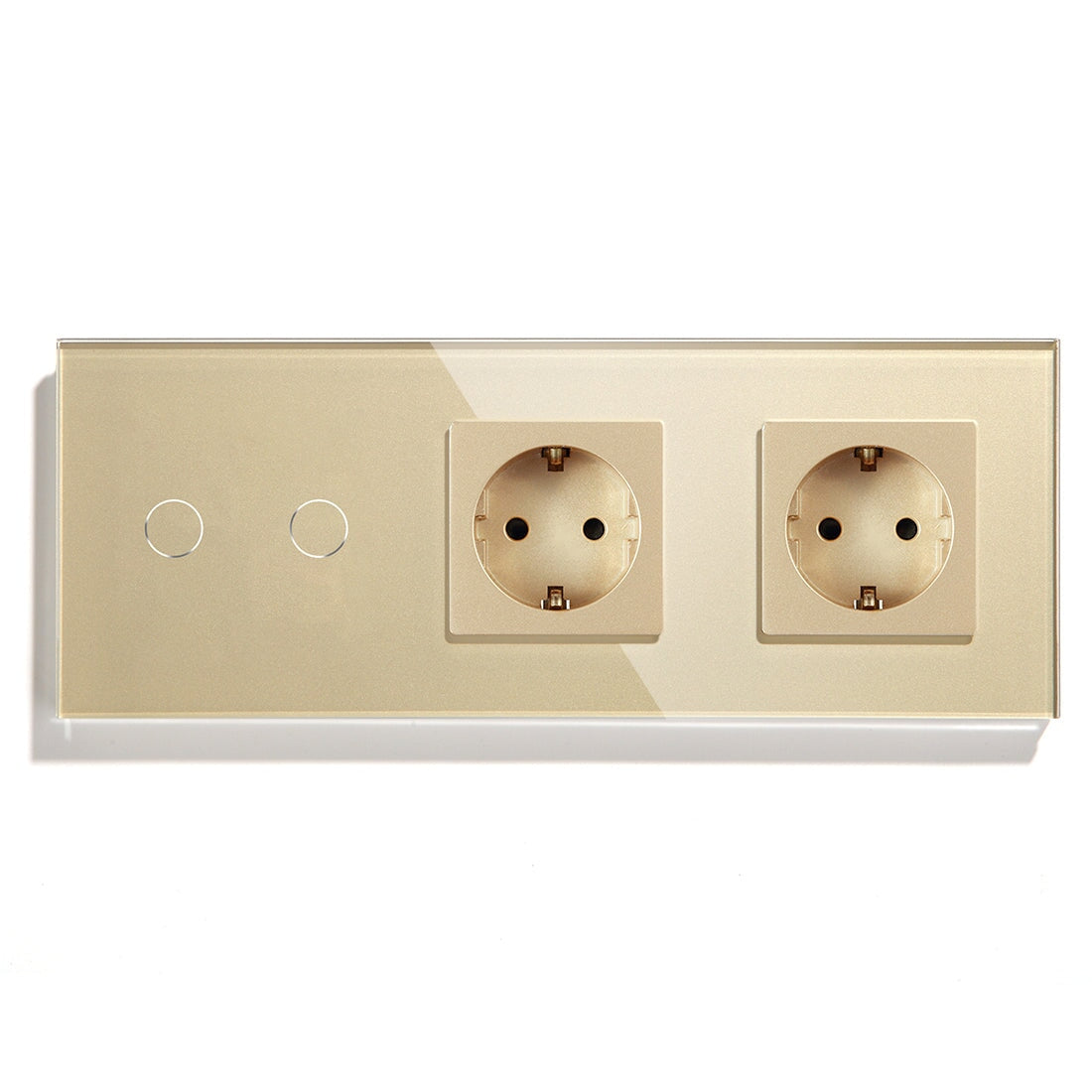
BSEED's range is useful here because the same project may need a smart light switch, a smart wall switch for European homes, a roller shutter switch, a smart thermostat, a smart socket, and a control panel. The stronger the house-specific plan, the less the buyer has to rely on generic smart home advice.
The Real Test
After installation, the home should still feel like a home. Wall switches should be obvious. Scenes should match local habits. Curtains, shutters, and heating should respond to the way the family lives in that country and that building.
Europe rewards products that respect the building. It punishes lazy assumptions.