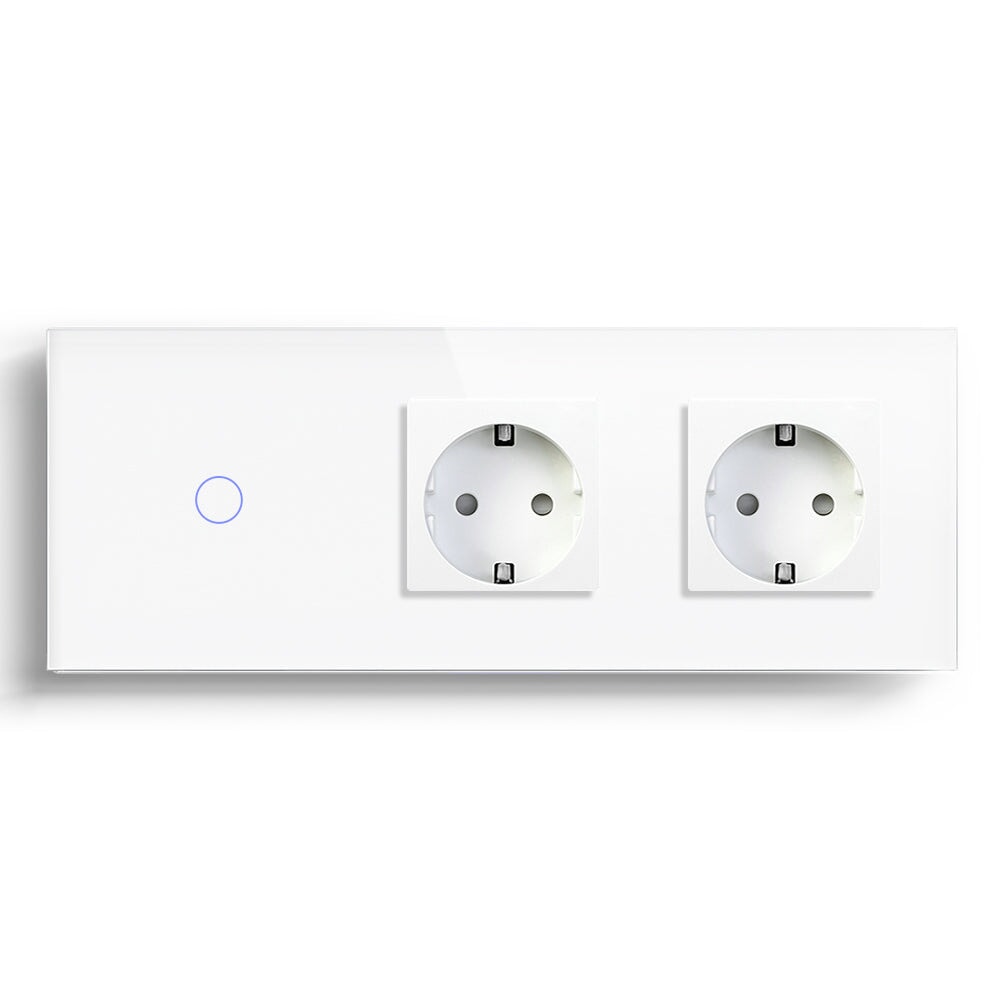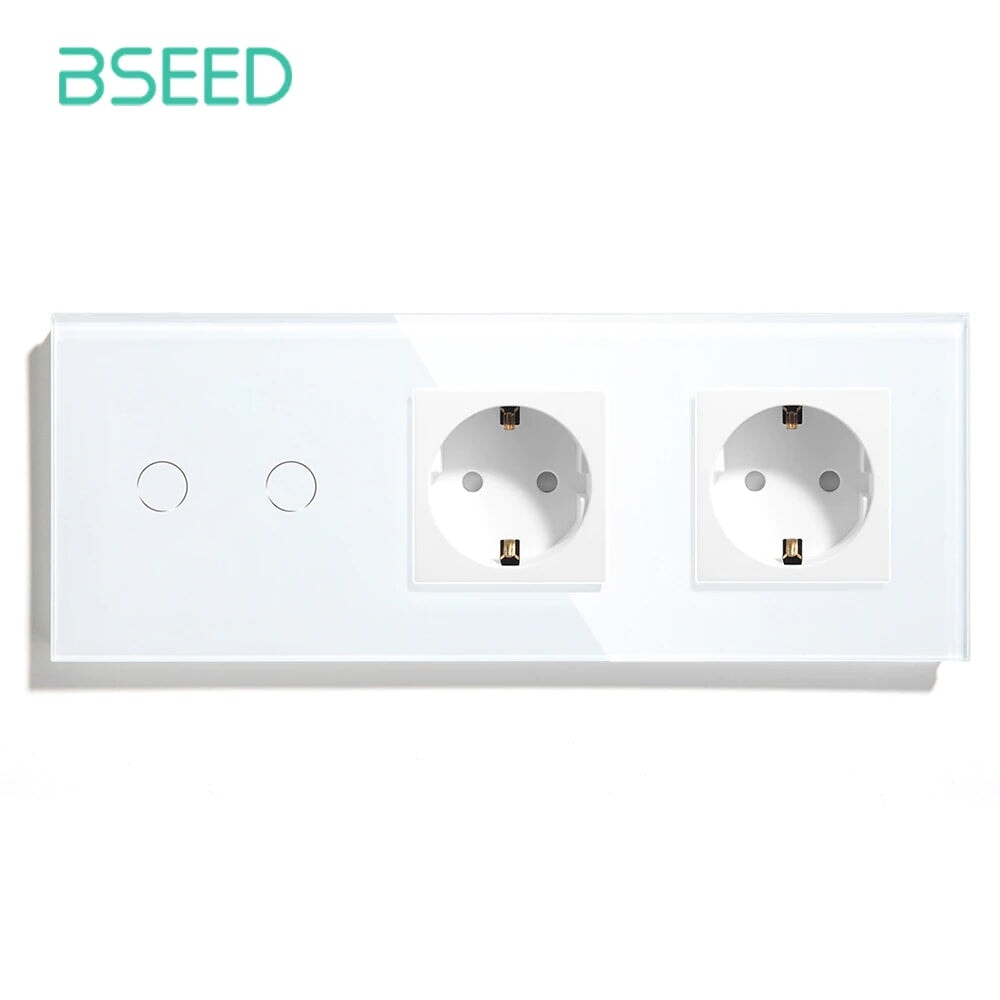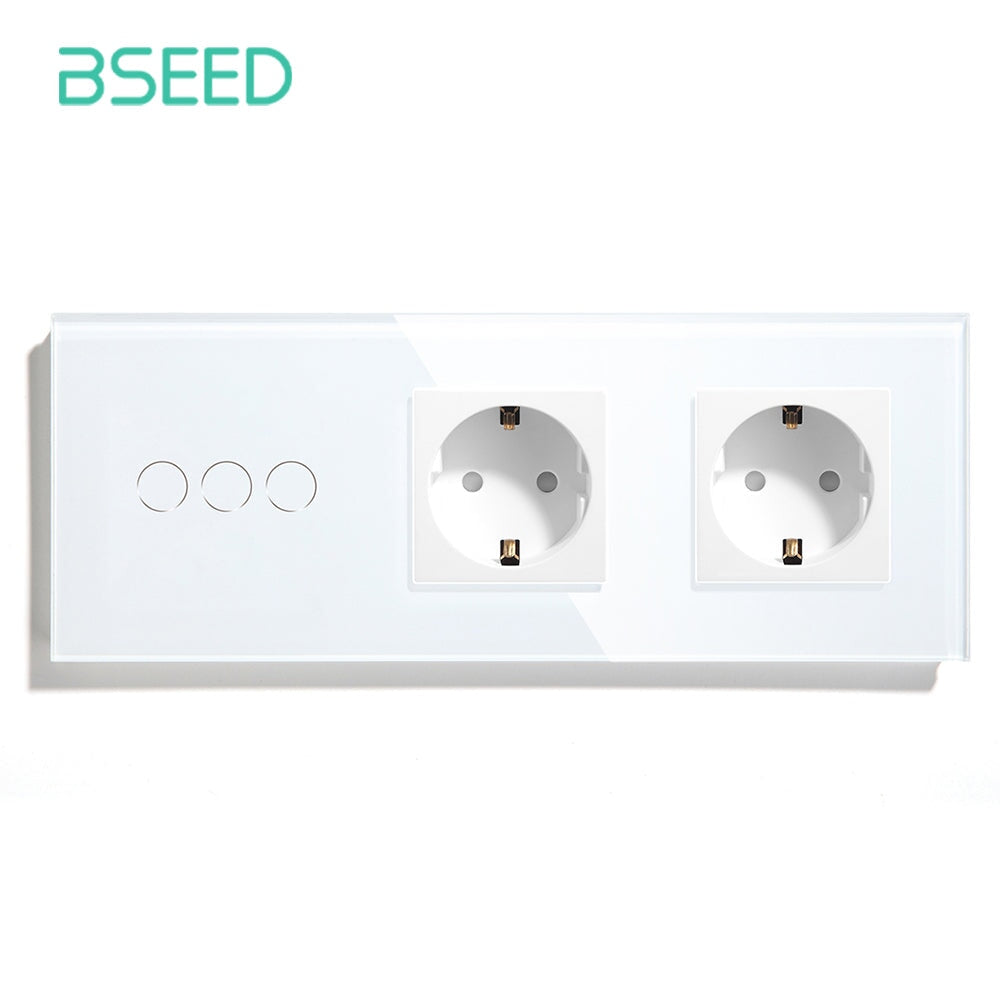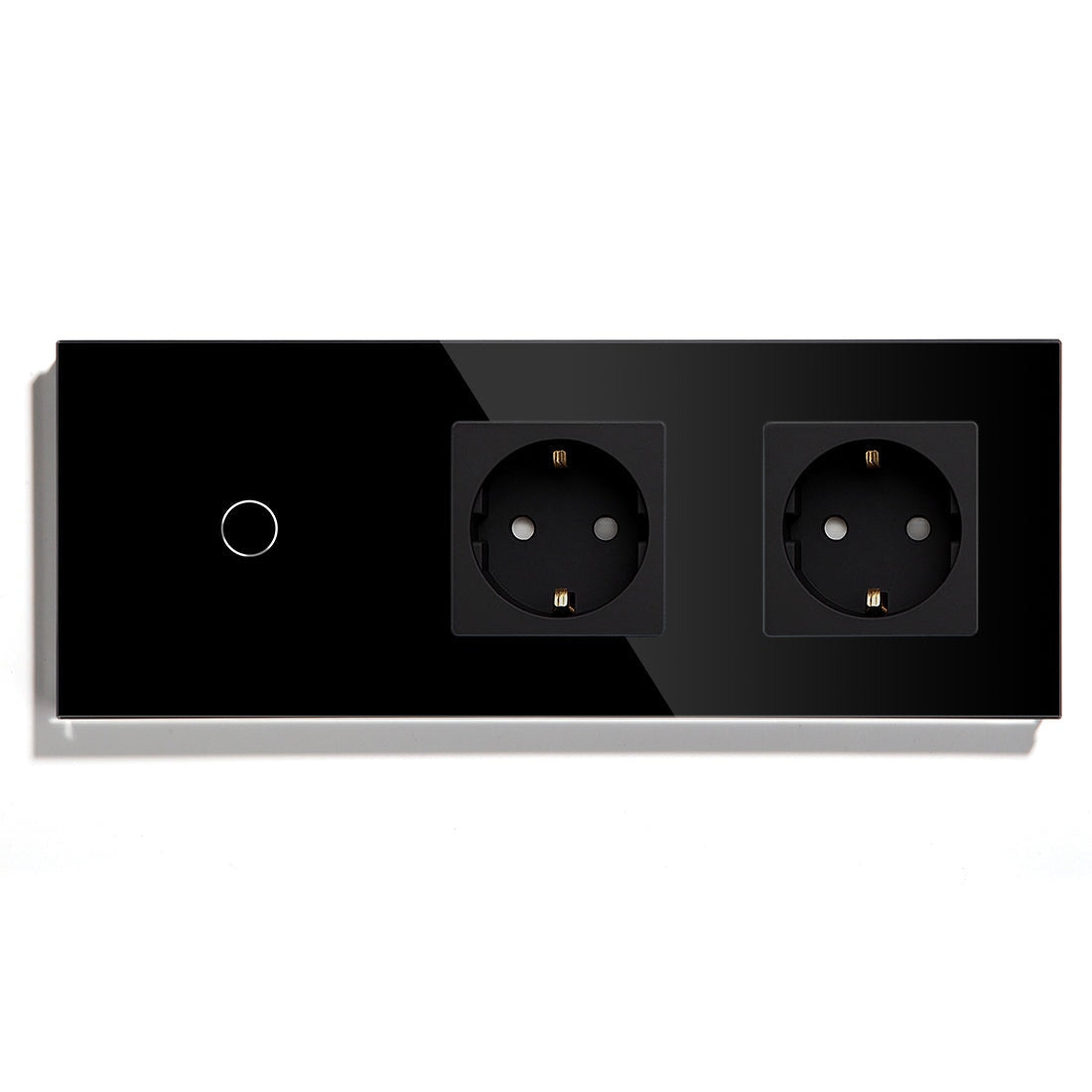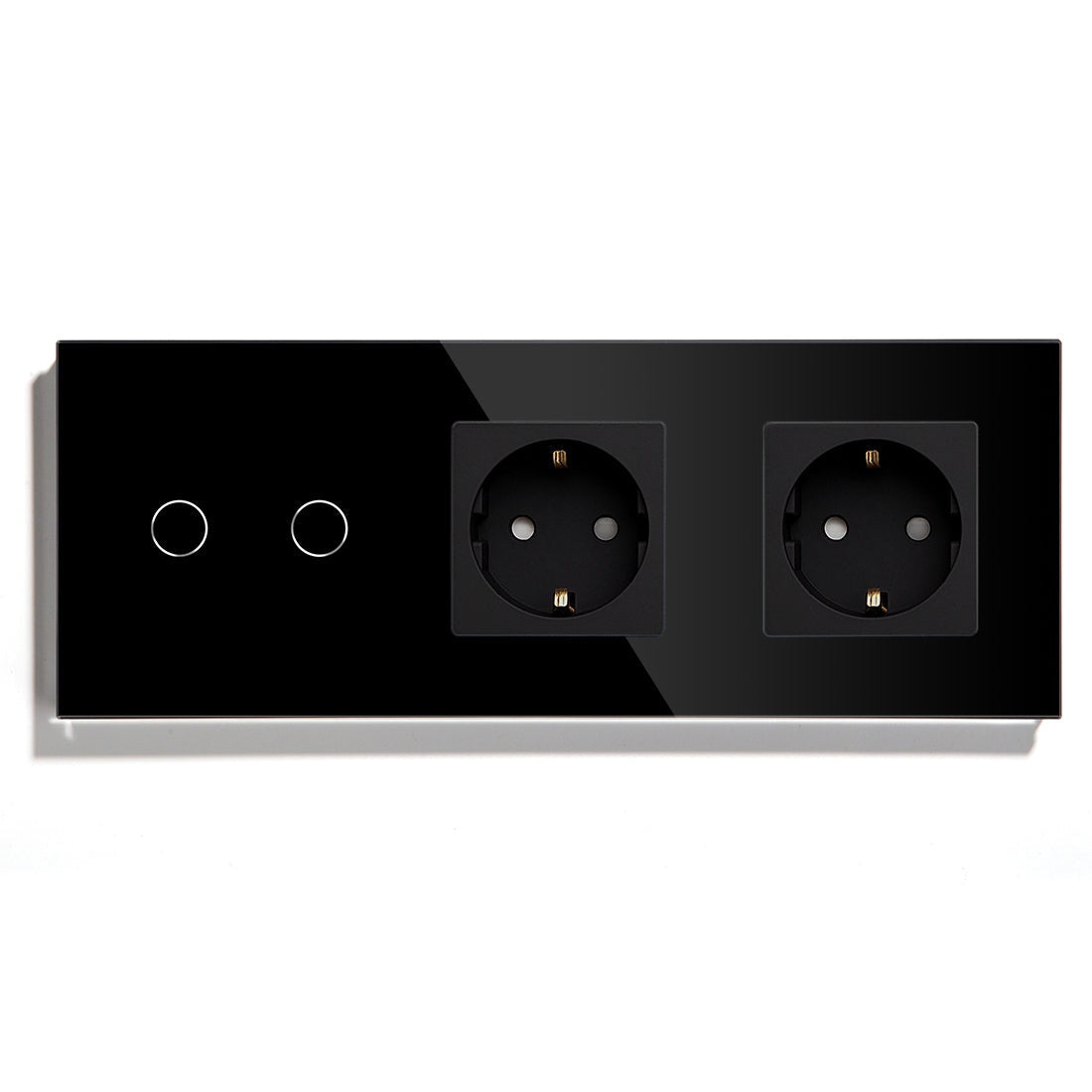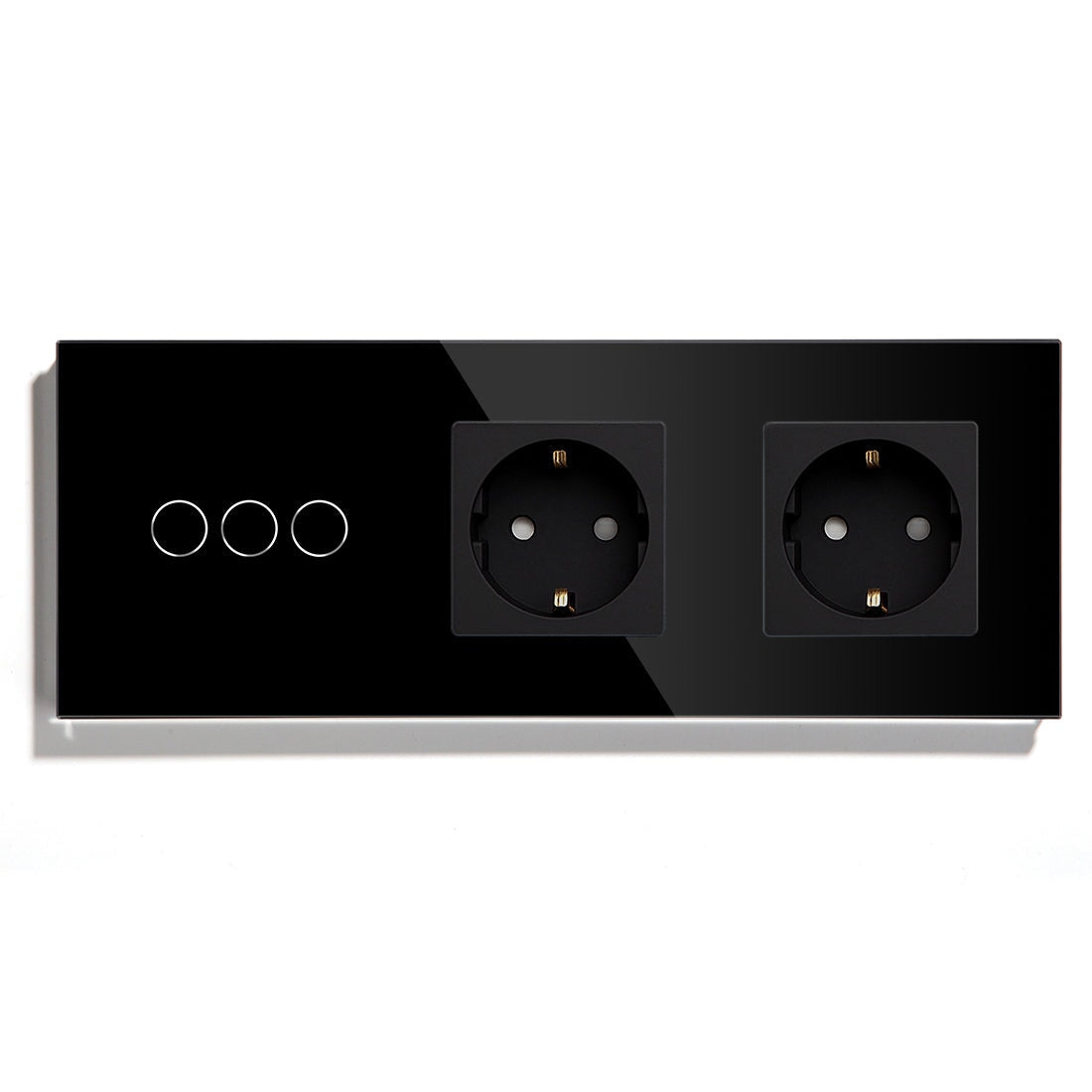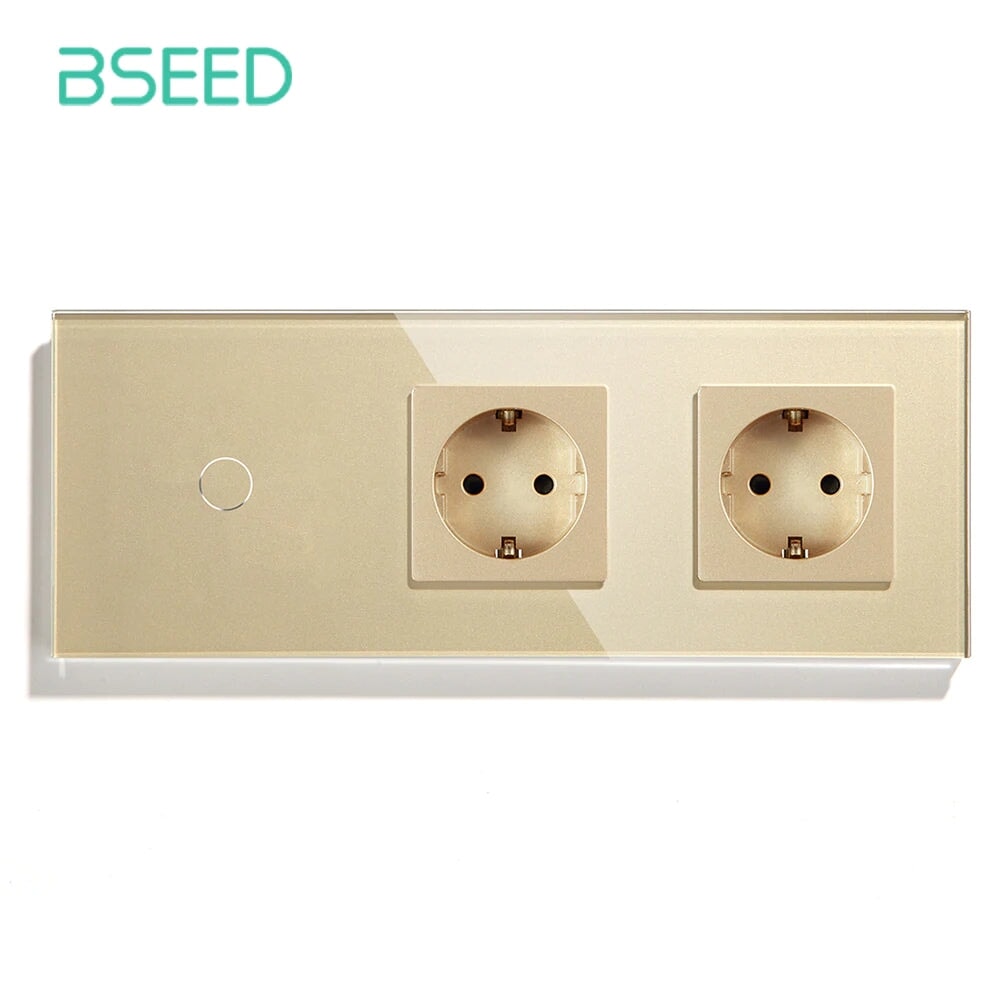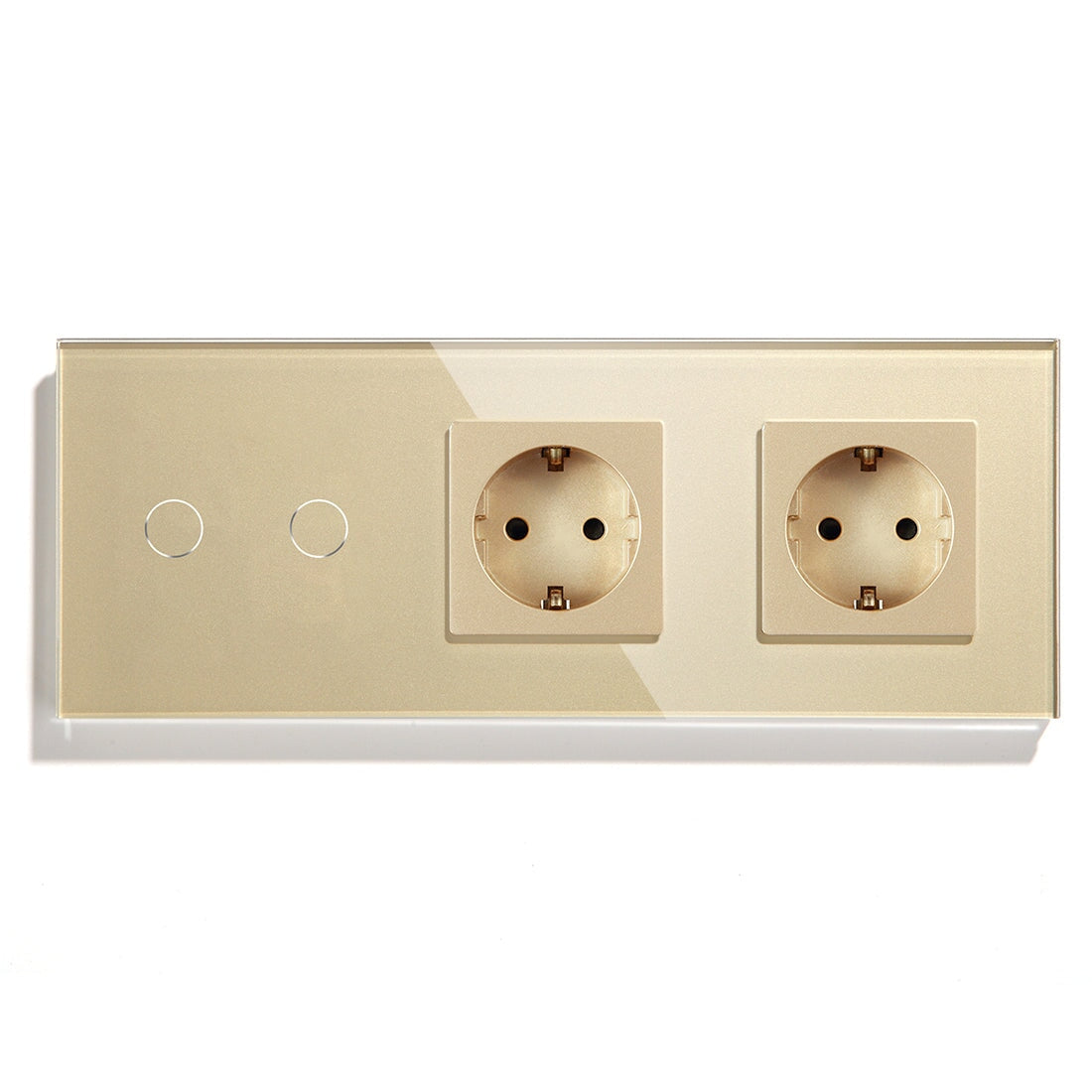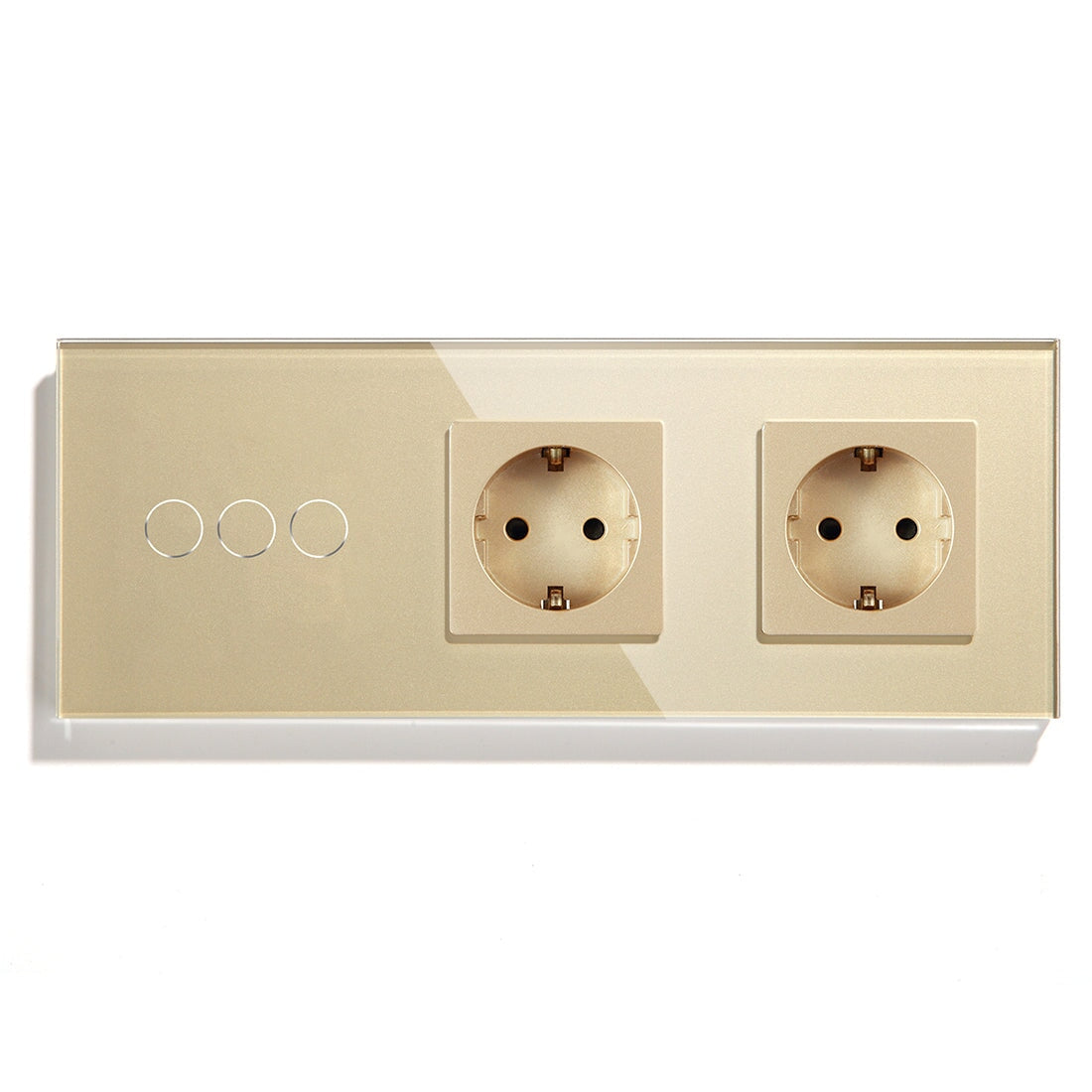
BSEED Smart Socket with Energy Monitoring for Smart Homes

Introduction
In our 2026 smart home, energy monitoring sockets have evolved from “nice-to-have gadgets” into a critical diagnostic layer for residential and light commercial electrical systems. When we talk to smart home installers about stability, rarely do they start with lighting anymore—they start with load visibility. A smart socket with energy monitoring is often the first thing we will plug in and use to help determine if the system is behaving correctly or silently degrading.
In projects in the field, brands like Bseed and Tuya-based OEM ecosystems, along with multi-protocol manufacturers, wrap energy-monitoring sockets into larger infrastructures with Zigbee smart switches, smart wall switches, and Home Assistant switch systems—and the socket becomes less of a “control” and more of a “system observation” device.
Why Energy Monitoring Sockets Became Crucial in 2026 Smart Homes
The shift happened because smart homes stopped being single device networks and became multi-load electrical ecosystems.
Today an average smart home contains:
Zigbee smart switches and Zigbee 3.0 switch clusters
smart dimmer switches for LED lighting
smart thermostat systems for floor heating
roller shutter switch and curtain motors
WiFi light switch or the hybrid Matter smart switch layers
When such systems are artificially scaled to beyond 15-20 endpoints, installers start hitting the same trouble: hidden load instability.
As a smart plug with energy monitoring discovers, it solves a problem most users aren’tTypical field readings:
Idle standby load of WiFi smart devices: 0.3–1.2W per node
Zigbee switch mesh nodes: 0.2–0.6W
Heating devices: sudden spikes of 800–3000W
Water pumps / motors: irregular surge patterns up to 5–7× nominal current
Without monitoring sockets, these patterns remain invisible until failures occur.
What a Smart Socket with Energy Monitoring Actually Measures
Most beginners think it only shows “power usage.” In real deployments, it is closer to a mini electrical diagnostic sensor.
A modern smart socket (especially Zigbee or Matter-based) typically measures:
Real-Time Electrical Parameters
Voltage (V)
Current (A)
Active Power (W)
Energy Consumption (kWh)
Power Factor (PF)
The power factor value is often ignored, but in professional installations it is one of the earliest indicators of degraded appliances.
For example:
PF dropping below 0.7 in a motor circuit often signals capacitor aging
Stable LED loads usually sit between 0.85–0.98
Zigbee vs WiFi vs Matter Energy Sockets in Real Installations
Energy monitoring socketsZigbee Smart Socket Layer
Seen in:
zigbee smart home switch systems
zigbee smart switch for Home Assistant setups
smart home control panel with Zigbee ecosystems
Strength:
Low standby consumption
Stable mesh reporting
Works even when internet is down
Limitation:
Requires hub coordination
Slight delay in cloud reporting if cloud-linked
WiFi Light Socket Layer
Common in:
wifi light switch ecosystems
wifi touch light switch installations
Strength:
Direct app connectivity
No hub required
Limitation:
Higher internal power draw
Router congestion under 20+ devices
Less stable long-term telemetry consistency
Matter Smart Socket Layer
Used in:
matter smart switch for smart home
smart home devices compatible with Matter
matter compatible smart light switch setups
Strength:
Cross-platform visibility (Apple Home, Google Home, Alexa)
Cleaner onboarding experience
Limitation in 2026 field data:
Energy reporting granularity varies by OEM
Thread routing stability still depends heavily on topology
Advanced analytics still pushed to external systems like Home Assistant switch architectures
A pattern seen repeatedly in large deployments: Matter devices are excellent “entry visibility tools,” while Zigbee remains the “continuous monitoring backbone.”
Where Energy Monitoring Actually Prevents Real Failures
Field deployments across residential and small commercial buildings show three dominant use cases:
1. Hidden Heating Load Detection
smart thermostat systems for floor heating often behave normally at UI level while consuming abnormal energy.
Energy socket detects:
Heating cycle stuck ON
Relay failure causing continuous draw
Temperature sensor drift causing overcompensation
2. Motor Degradation Early Warning
Found in:
roller shutter switch systems
zigbee roller shutter switch” setups
smart curtain switch with wifi
...
Early indicators:
Increasing peak current over weeks
Increasing start up surge time
...
“This behaviour is observable much earlier than actual mechanical failure.”
3. Phantom Load in Smart Home Clusters
In homes using:
smart wall switch” systems
zigbee light switch” networks
smart socket” clusters
...
Cumulative power consumption while idle:
“a typical ‘25-device home’ will implement a ‘continuous phantom load’ of anything between 6-18W into its overall grid consumption.
That’s going to be the equivalent of anywhere between ~50-160kWh per year!!!”
“Definitely not something you’re going to really starting to notice right off the bat unless you’re monitoring your sockets!!!”
The Detail Most Installers Don’t Talk About
“The thing all pros find is that energy monitoring features are more useful for debugging installations than they are for actually saving electricity.
The thing designers find as the biggest surprise after the fact is that homes with ‘energy monitoring’ sockets aren’t necessarily using less energy at all in month 1, and often in fact only really start to show a reduction in month 3 or month 6 in use.
What actually improves first are:
Faulty device finding
Reduction of debug cycle times
Prevention of unnecessary hardware swapping
Better stability to final Zigbee mesh decisions”.
Integration with Smart Home Ecosystems
Energy monitoring sockets become a node in larger networks:
home assistant switch dashboard
zigbee smart switch for Home Assistant
smart switch compatible with Alexa or Google Home systems
matter smart switch ecosystems for crossvisibility between brands
tuya zigbee smart switch platform for OEM deployments
In more sophisticated installations, the socket triggers events:
If smart socket load is > 1500W sustained
Home Assistant lowers dimmer switch brightness
Zigbee smart thermostat lowers target floor heating temperature
It’s in this automation across layers that energy sockets deliver tangible use.
Decision Matrix for Energy Monitoring Socket Selection
An installer typically scores them against a set of factors:
1. Type of electrical load
Heating / HVAC → high accuracy energy monitoring needed
Appliances → basic monitoring
Outdoor systems (waterproof outdoor wall socket) → rugged design ok
2. Ecosystem dependence
Home Assistant or automation need → Zigbee
Apple or Google or Alexa dependent use → Matter compatible smart socket
Mobile controls only → WiFi socket ok
3. Scale of installation
<10 devices → WiFi socket ok
10~50 devices → Zigbee preferred
50+ devices → Zigbee + Home Assistant
4. Wiring environment
Stable neutral wiring → full capability smart sockets supported
Mixed or unknown wiring → load rated models only
Where Bseed and OEM Ecosystems Fit
In most deployments throughout Continental Europe and Asia, manufacturers Bseed and OEM factory partners (effectively Tuya) supply the bulk:
smart socket with energy monitoring units
Zigbee 3.0 smart light switch ecosystem
smart wall switches series
glass panel smart switch designs
smart dimmer switch for LED lighting
Their role in 2026 is more about availability than branding, and ensuring hardware consistency across mixed-smart-home infrastructure.
Practical Reality from Install Logs
In real installation logs from an average mid-size apartment:
Devices using energy monitoring sockets sees 30~60% faster diagnosis cycles in faultso
Home Assistant based systems reduces troubleshooting time from days to hours
Zigbee based monitoring is ‘more stable’ than Wifi equivalent under the load of continuous monitoring reporting
Worst case is not user facing control - it’s understanding where a system fault lies. Energy monitoring sockets end up quietly being the electrical equivalent of a ‘black box recorder’ as part of a smart home - they define whether or not the rest of it can be trusted or needs redesign.