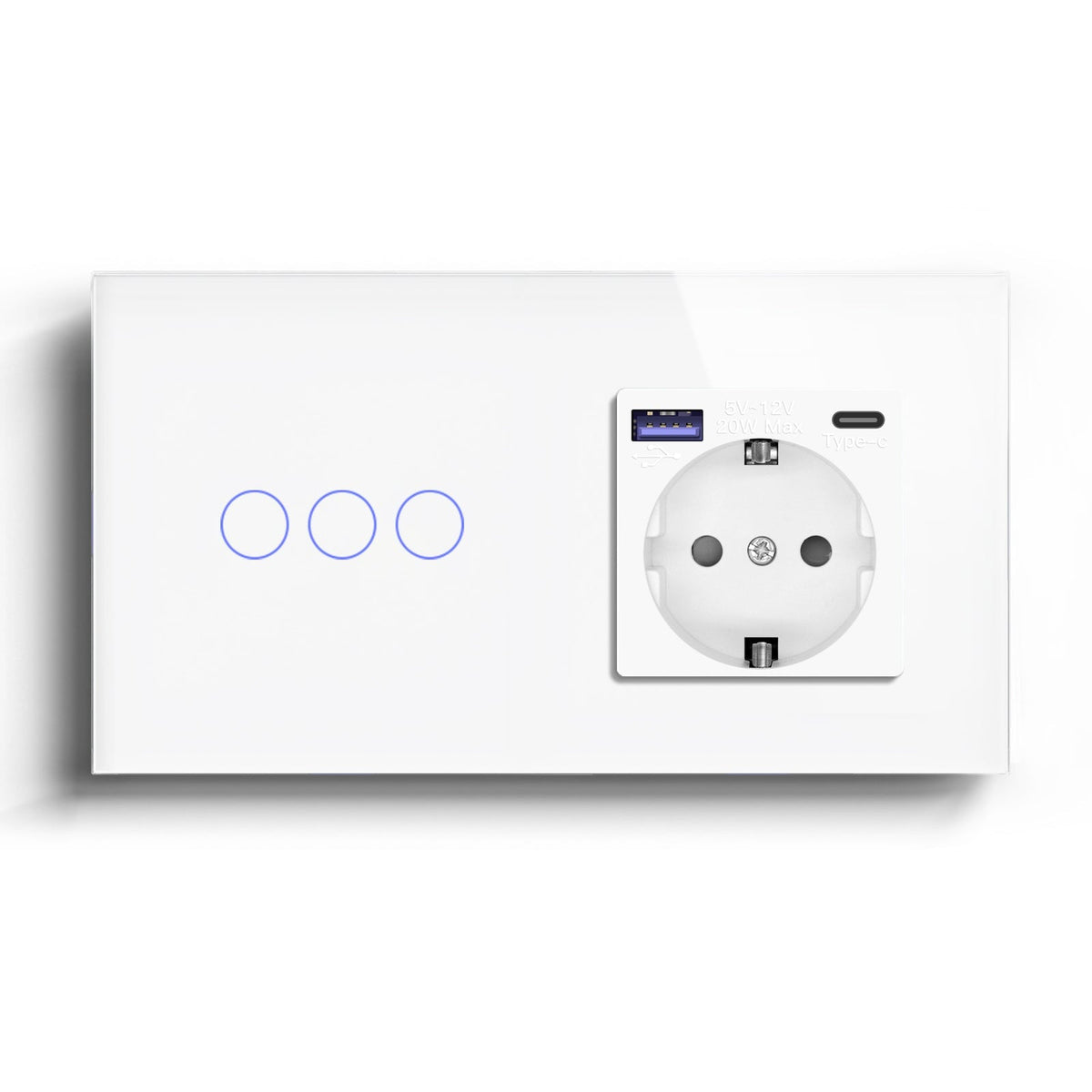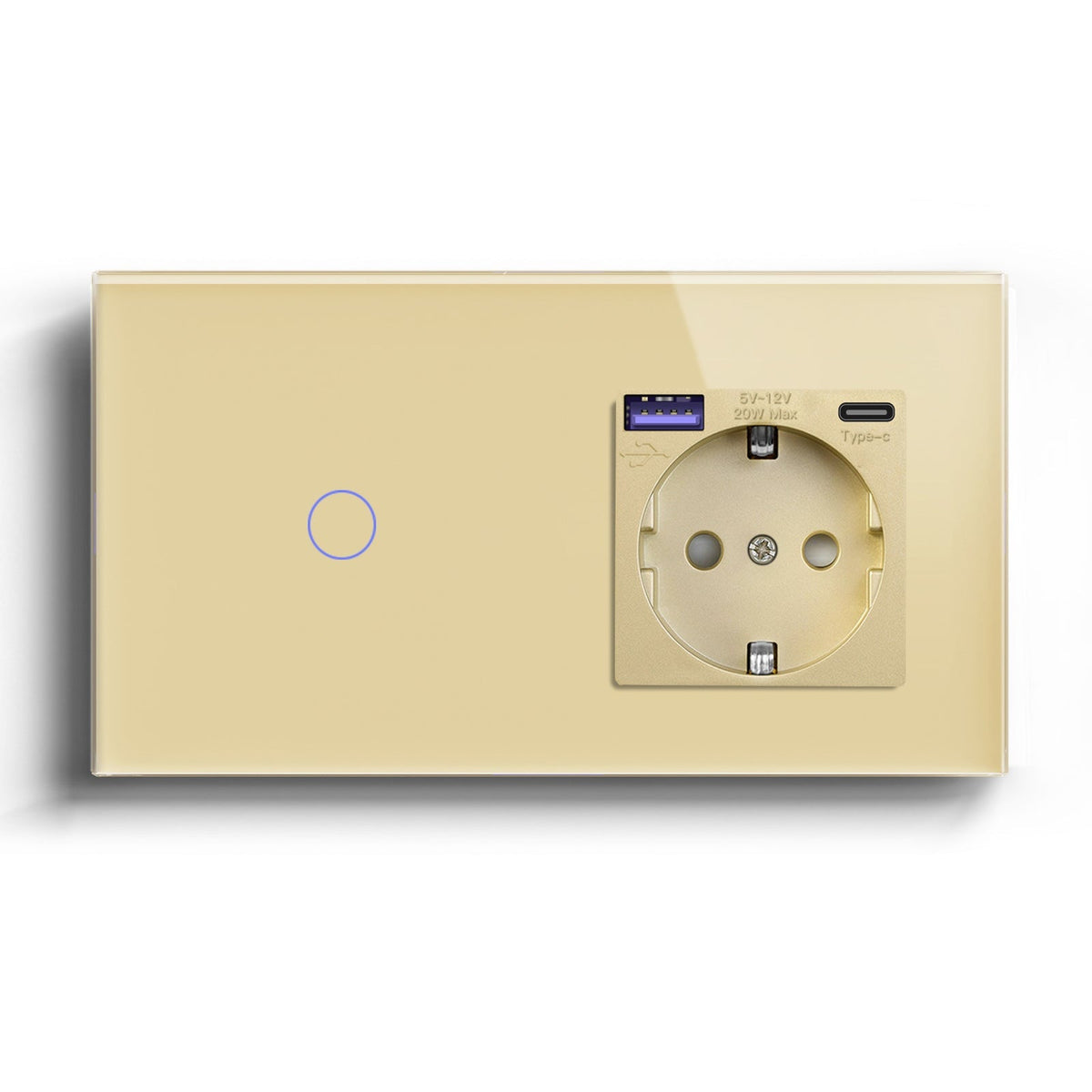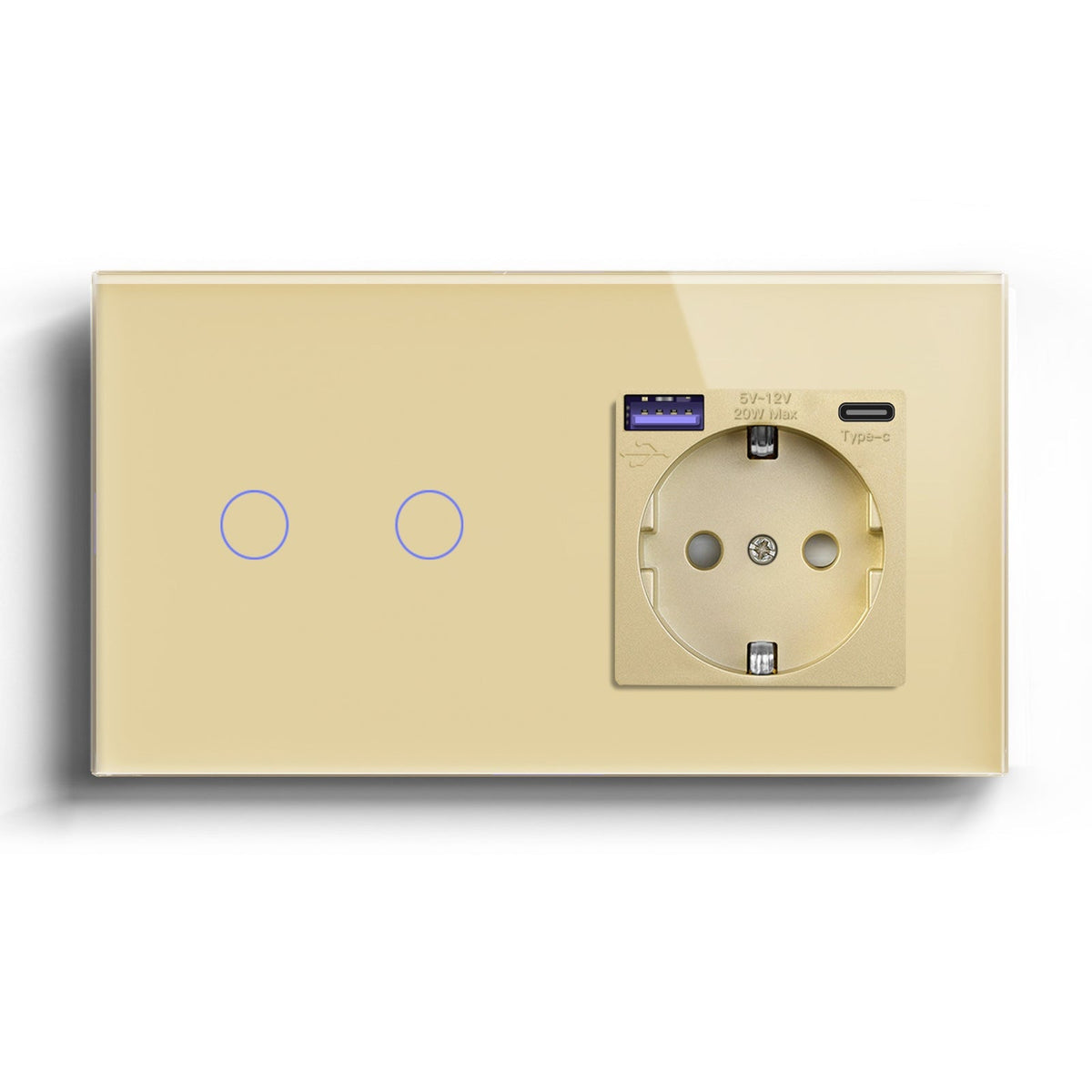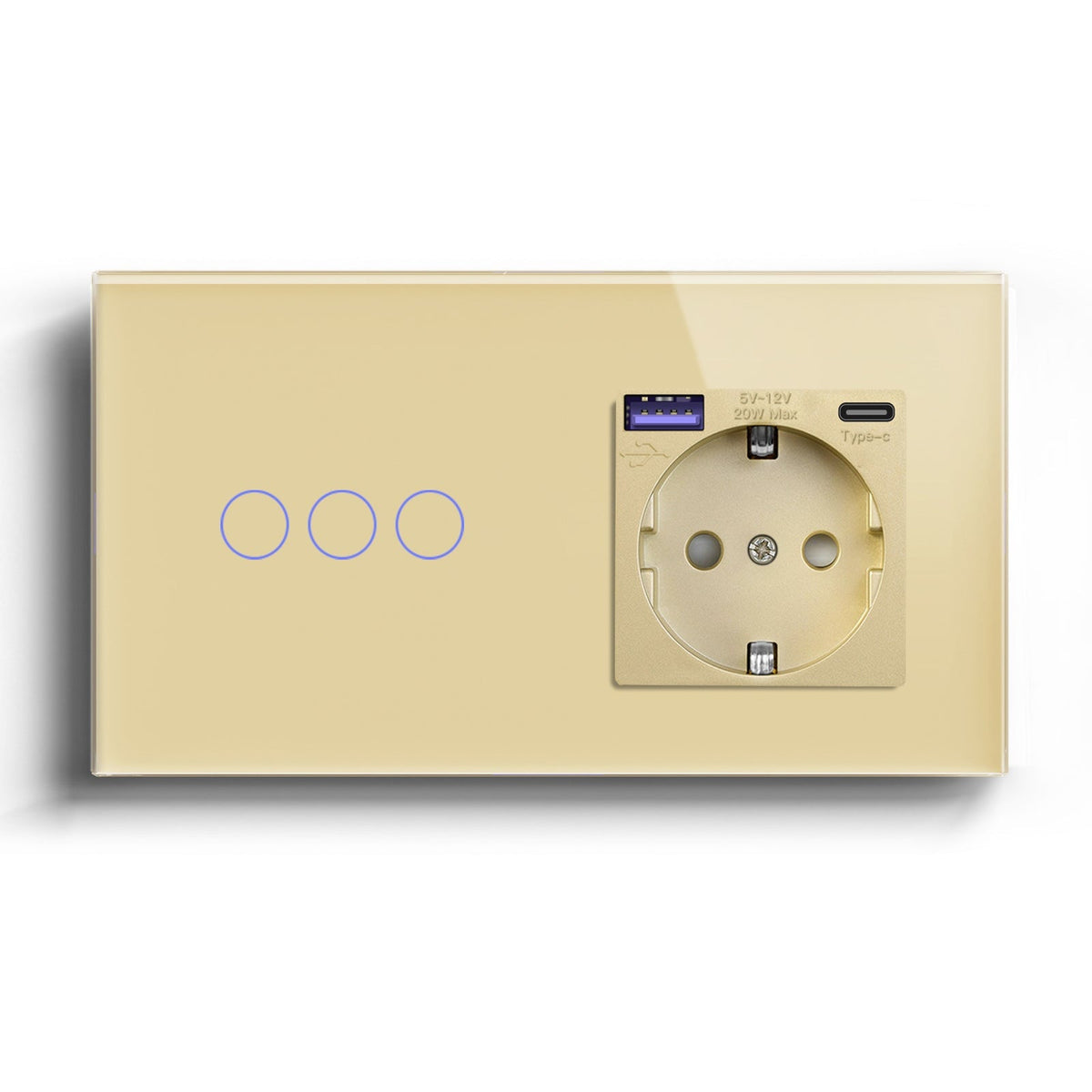
Zigbee Smart Home Devices for Families: Stable Multi-Room Control
For modern families, the most important question when choosing Zigbee smart home devices is actually quite simple: Can everyone in the household use the system easily without feeling that it is complicated?
People in the same household often have different habits. Children may simply press the wall switch, parents may prefer voice control, and guests may look for a wall-mounted control panel. Some people like using an app, while others want everything to remain as simple and natural as in a traditional home.
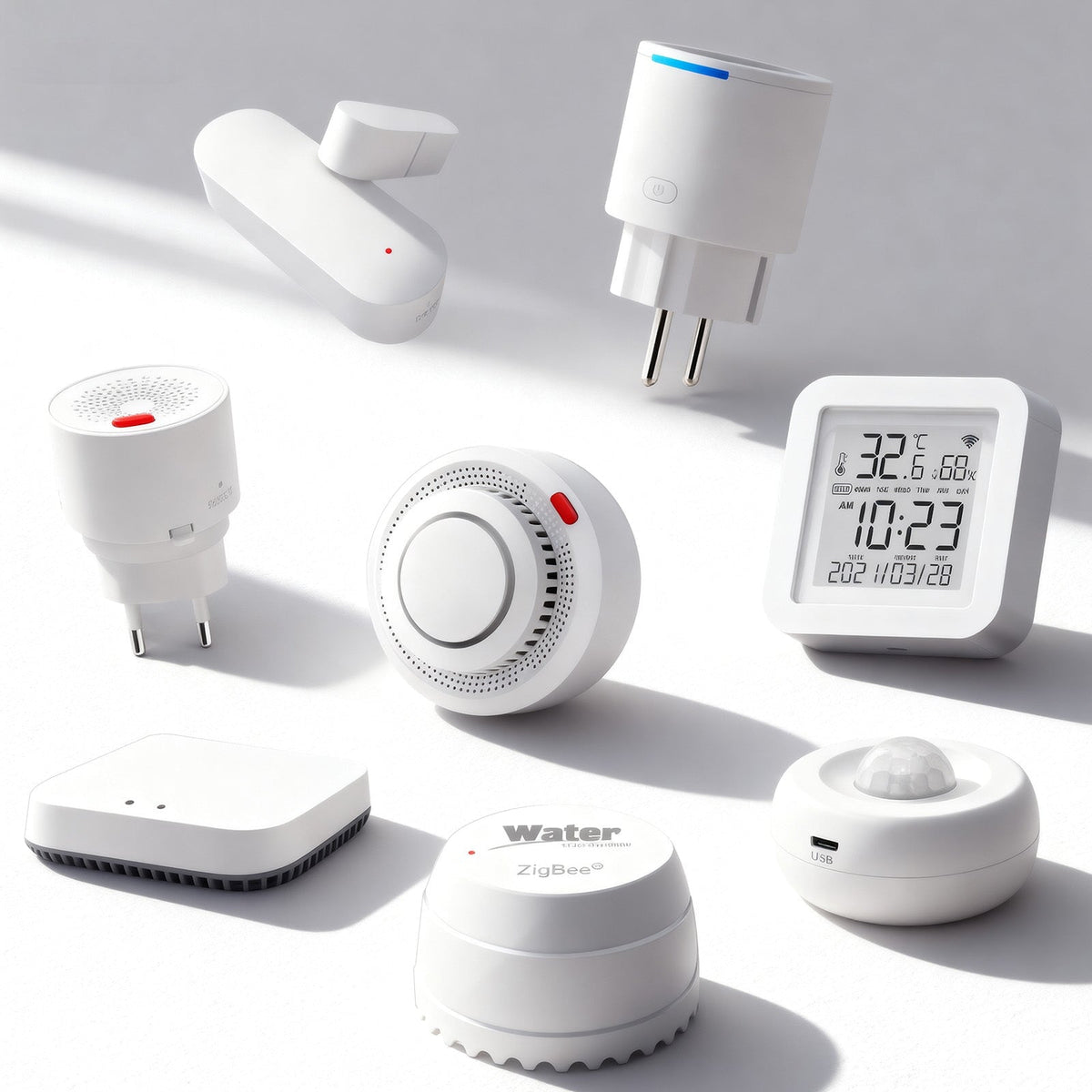
BSEED Zigbee smart home devices can meet the needs of this type of household, but the entire system must be planned around a mesh network rather than simply combining various independent smart devices.Lighting, smart sockets, sensors, smart thermostats, curtain switches, and roller shutter controllers can all become easier to manage when the network structure is clearly planned.
However, Zigbee requires a gateway or hub and careful device placement. It is not a system that automatically solves every problem immediately after installation.
Family Use Requires Different Standards from Technical Testing
Technical users may enjoy complex control panels and automation settings, but most families usually prefer to reduce unnecessary operations.
For example:
- Hallway lights should respond quickly;
- Bedroom scenes should not suddenly wake family members at night;
- Living room switches should work normally when guests press them;
- The thermostat should not be adjusted randomly because of an automation scene.
This is one of the reasons Zigbee is suitable for family use.
Powered Zigbee devices can help relay signals throughout the home, improving network coverage in larger apartments, villas, and European homes with commonly thick walls.
Ultimately, family members do not need to understand the underlying network technology. What they actually experience is that the smart home system responds to commands more reliably and consistently.
Start with Shared Family Spaces
A family smart home is best developed by starting with shared areas.Entryways, hallways, living rooms, and kitchens affect everyone in the household. If these areas work well, the entire home can gradually develop a smart living experience without requiring every private space to be included from the beginning.
For example, installing a BSEED Zigbee smart switch in the hallway can meet everyday lighting control needs.Adding a smart socket in the living room can control devices such as table lamps.Curtain or roller shutter switches can help provide privacy and sun-shading control.
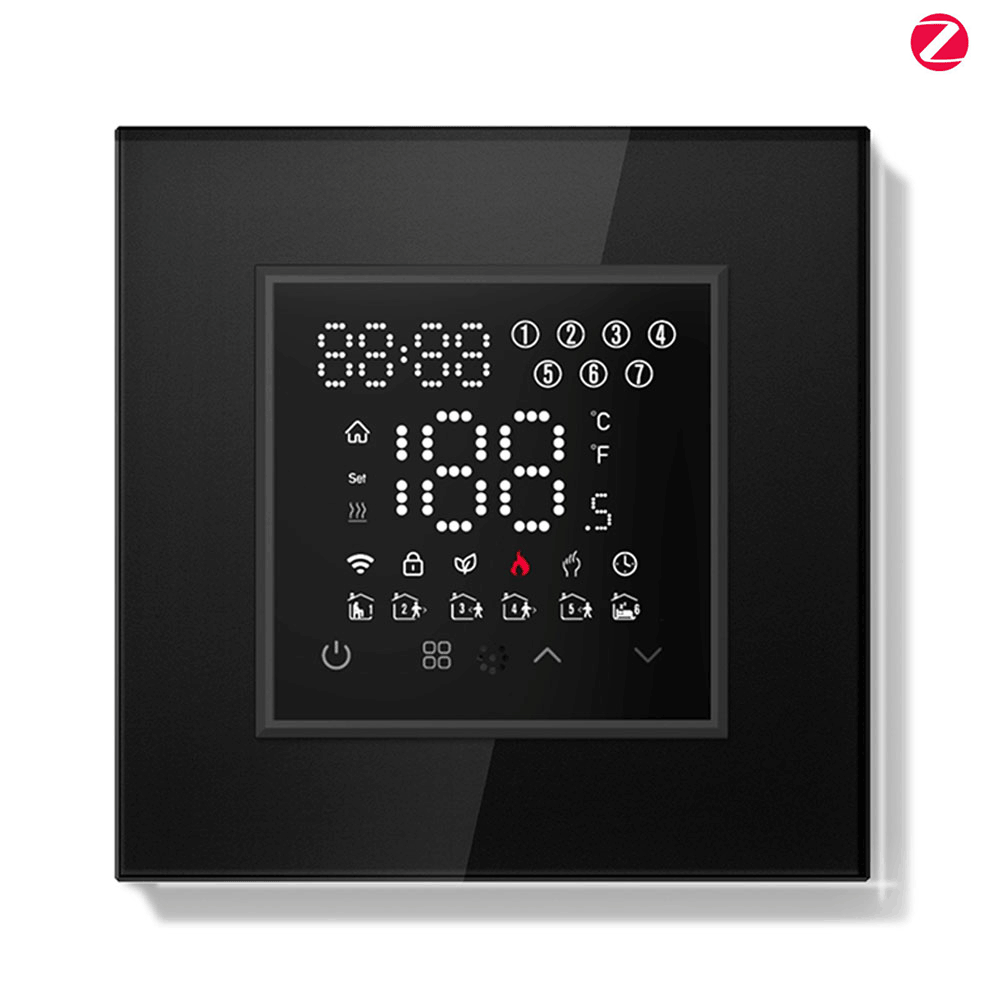
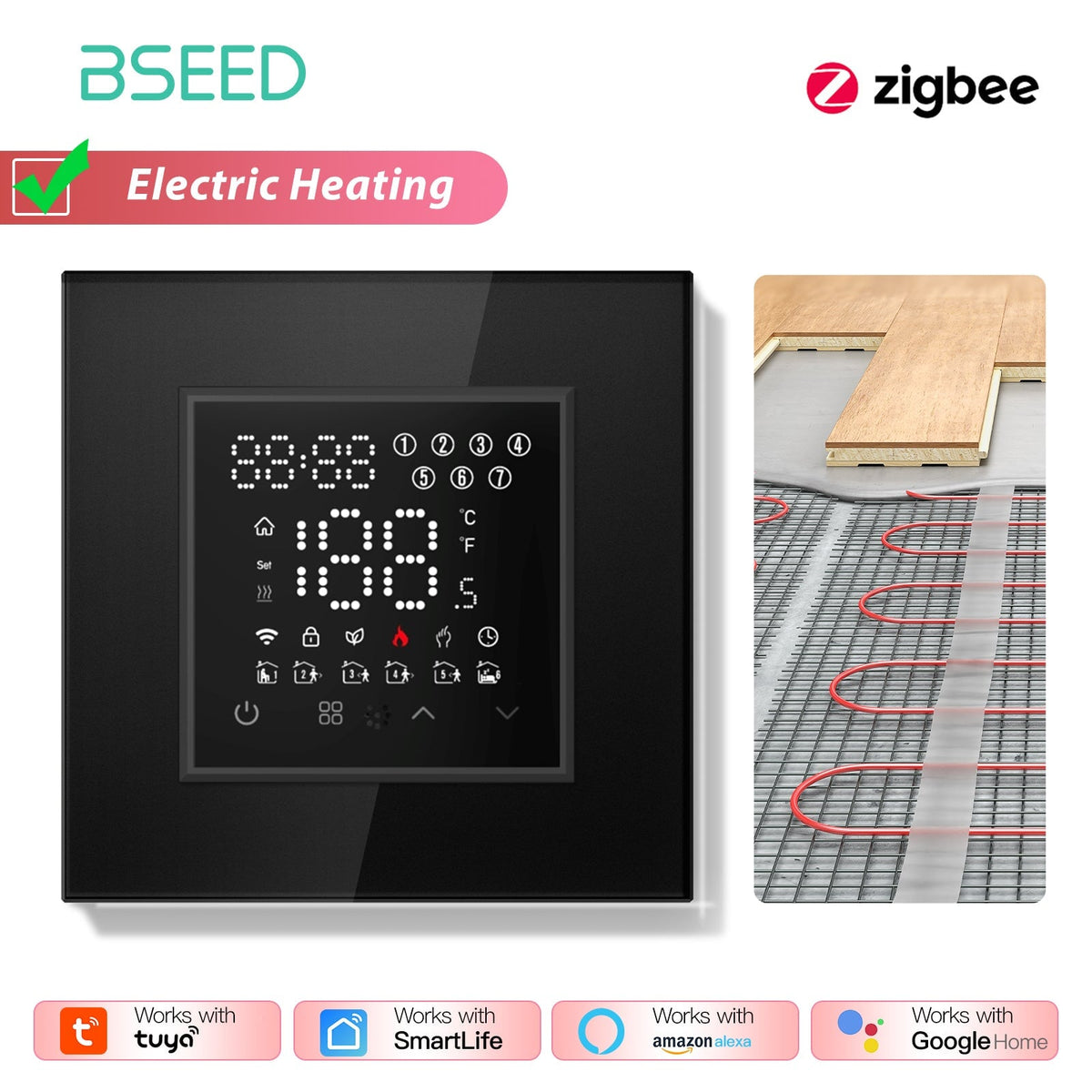
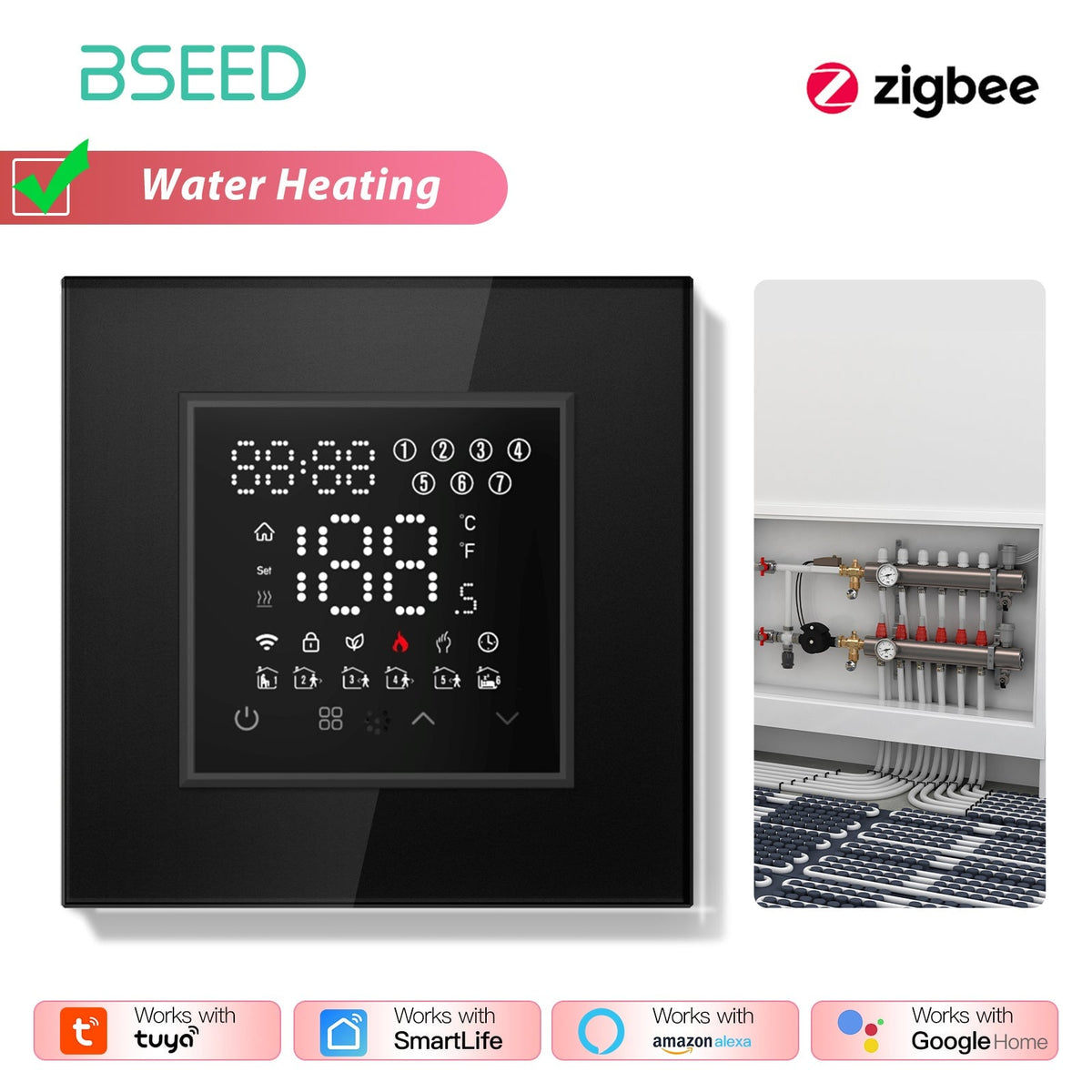
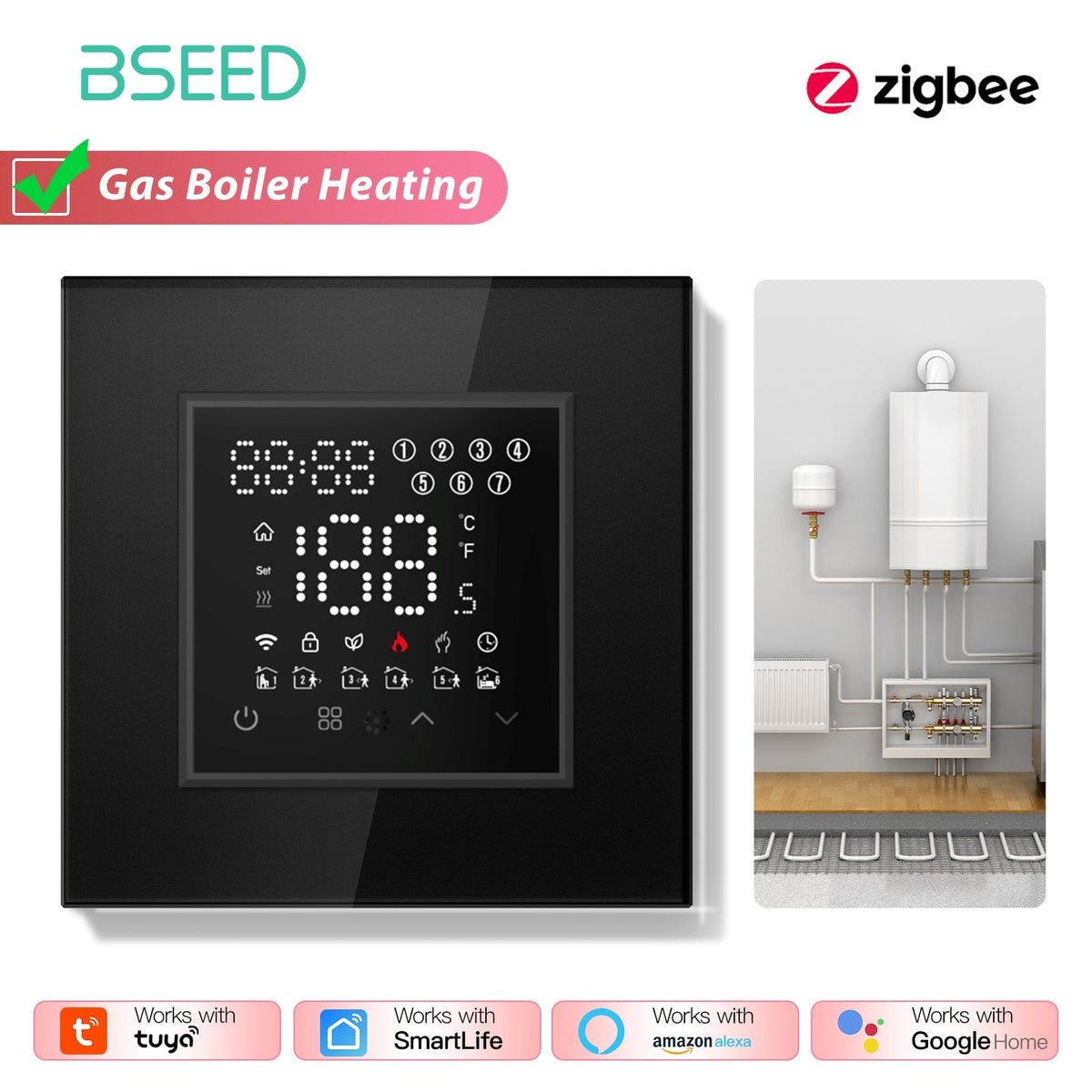
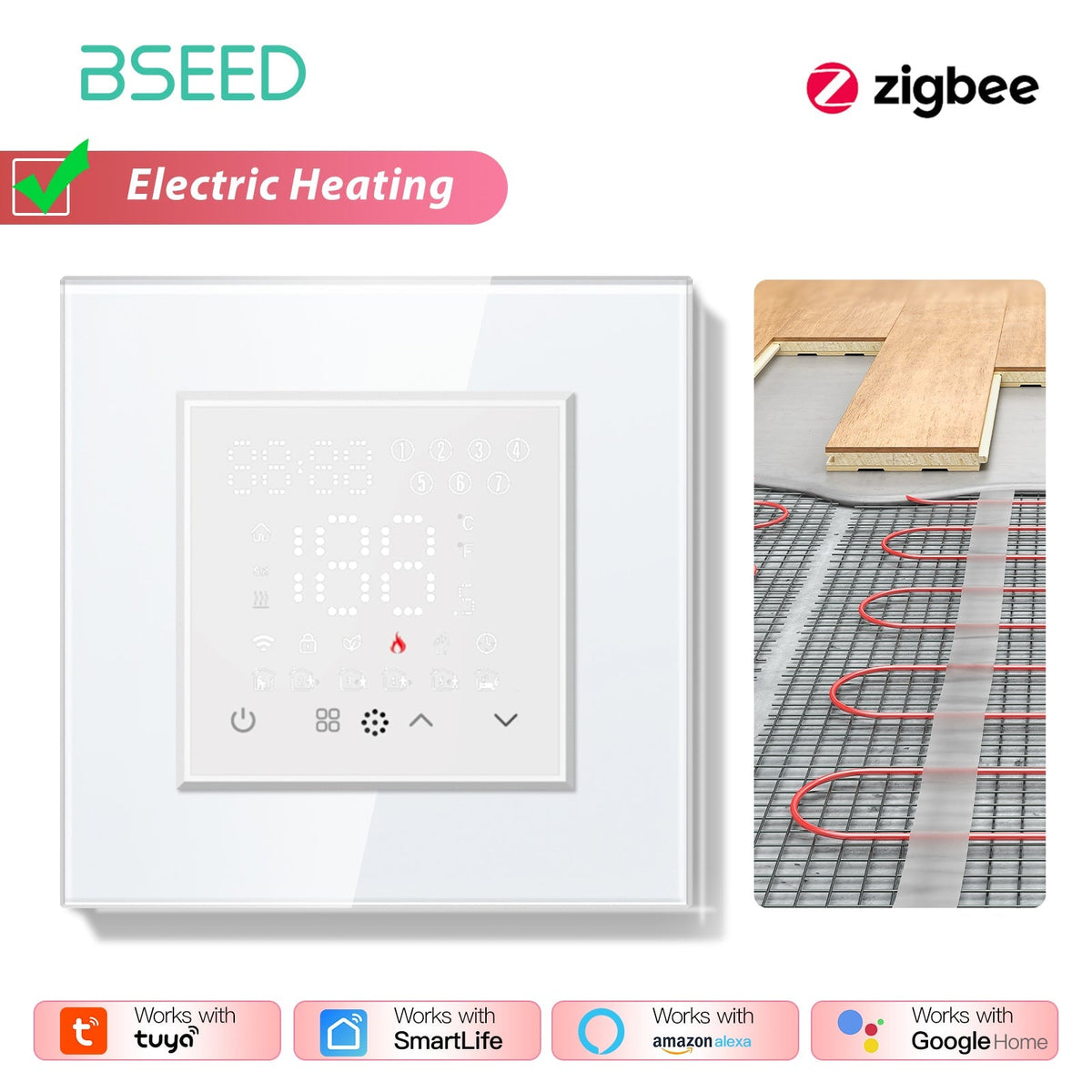
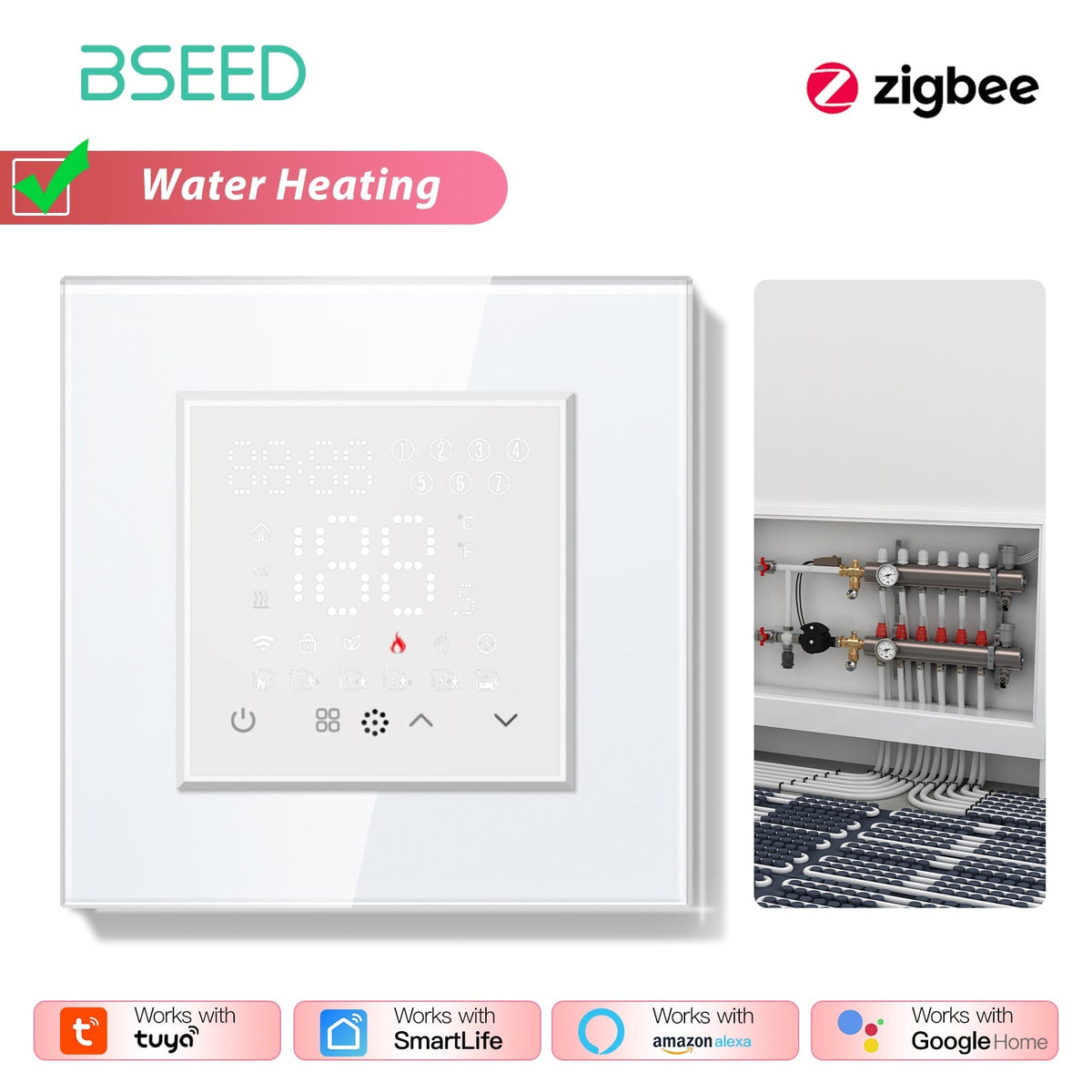
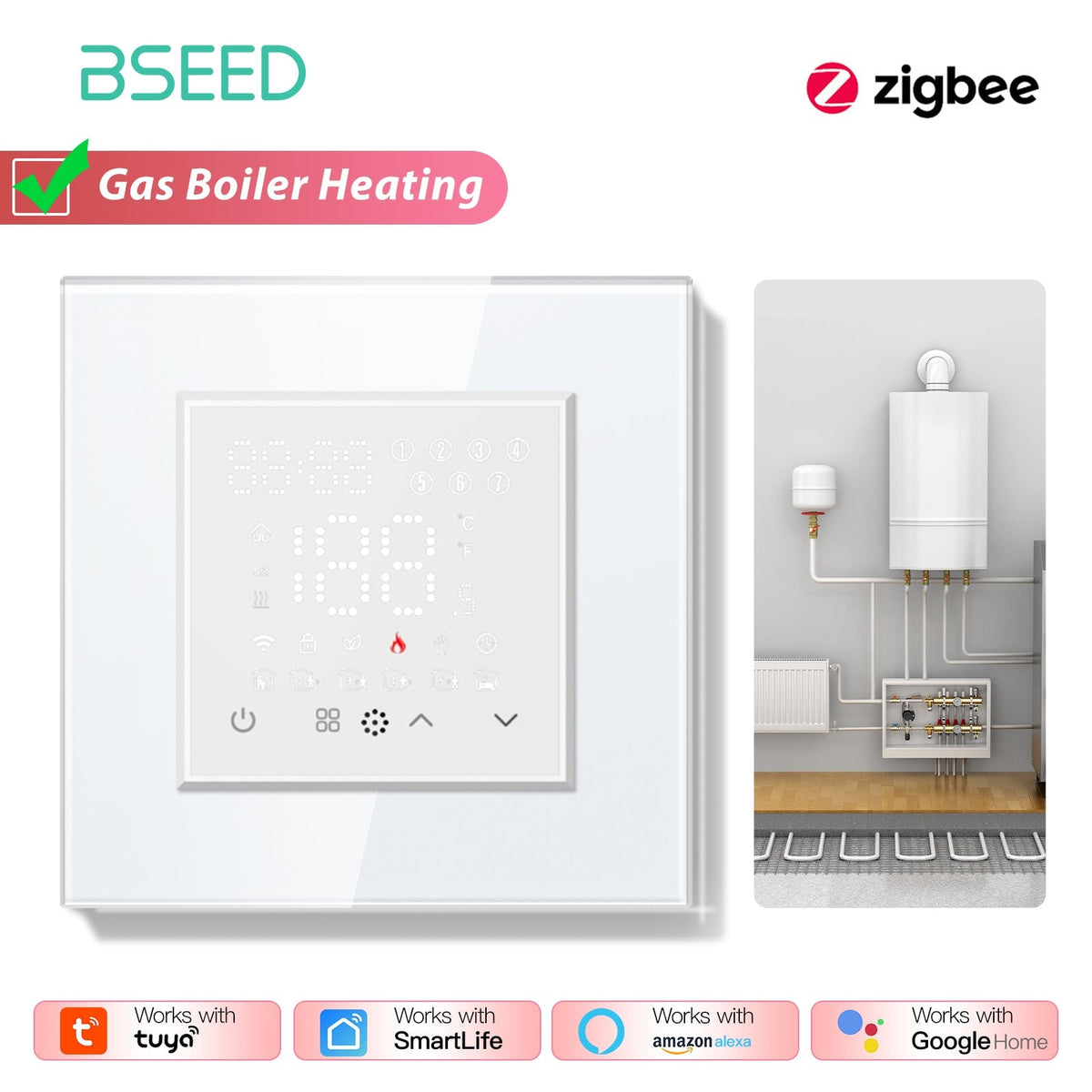
A smart thermostat can be used to manage heating in different zones, but heating systems require careful planning because they directly affect household comfort and energy consumption.
Bedrooms can be upgraded later, as different family members usually have more personalized habits in these spaces.
Keep Manual Control as a Priority
For families, manual wall control remains extremely important.A smart home system that relies entirely on an app can easily become inconvenient for some household members.
Children may not have access to the app; guests may not know the names of different scenes; and busy or tired parents may simply press the nearest wall switch out of habit.
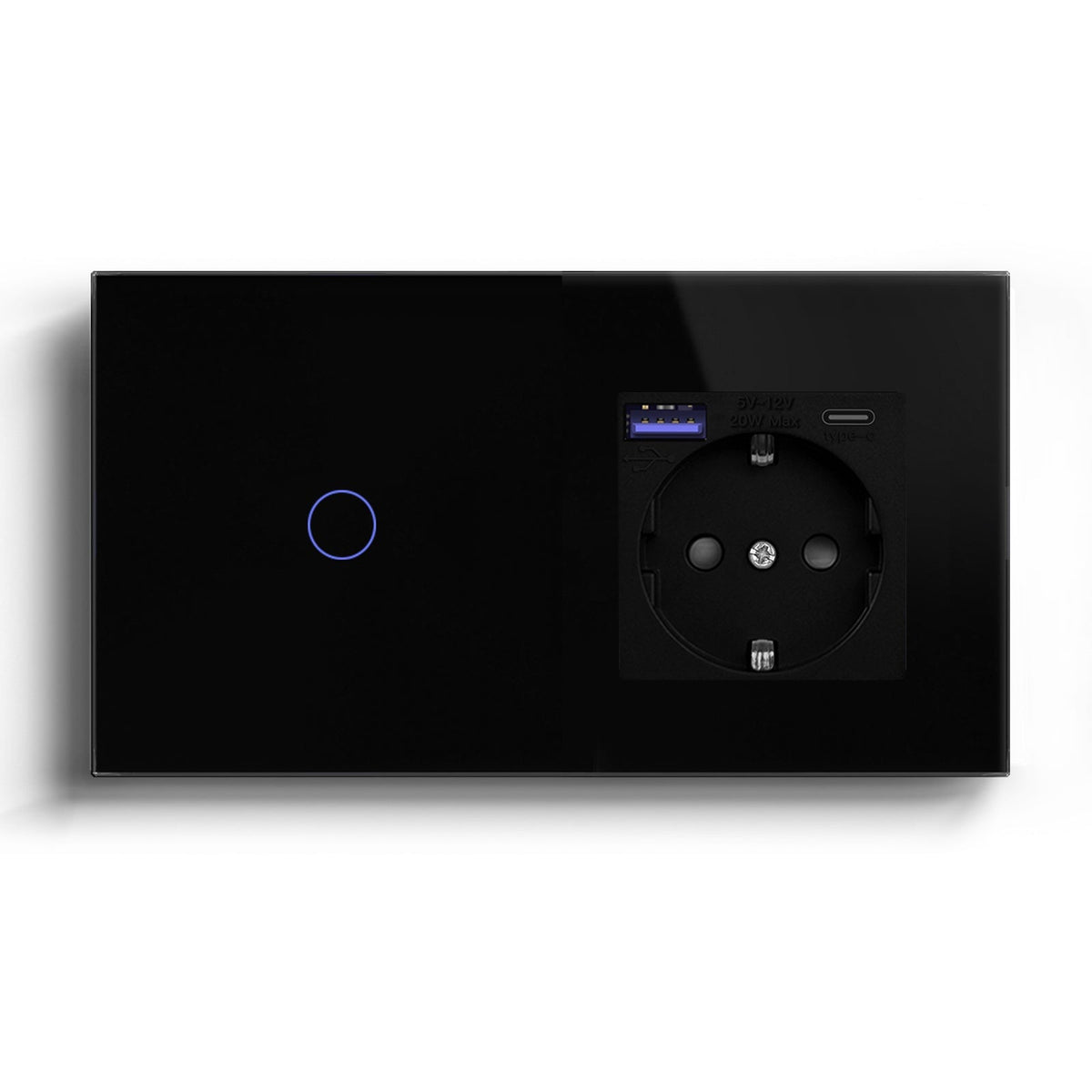
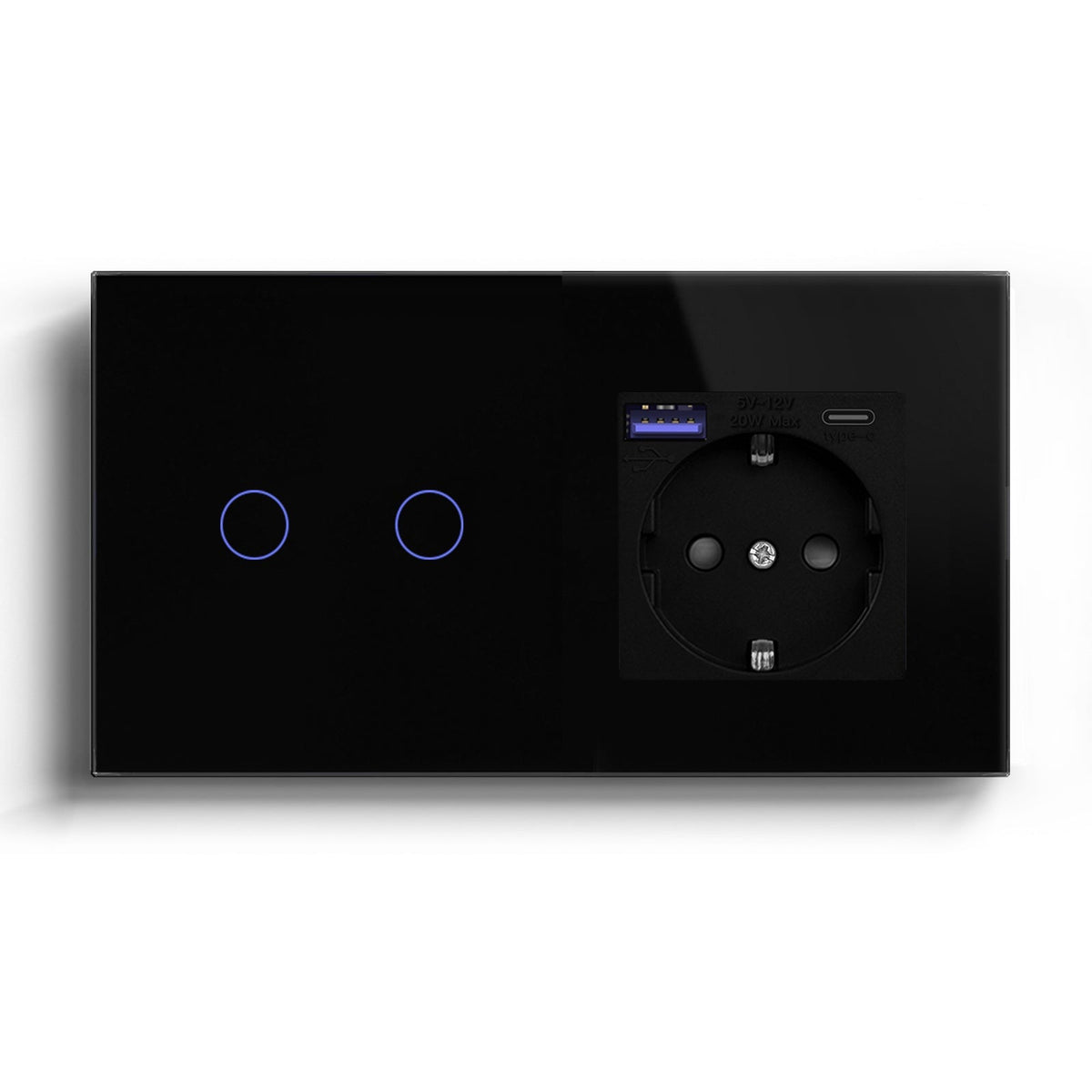
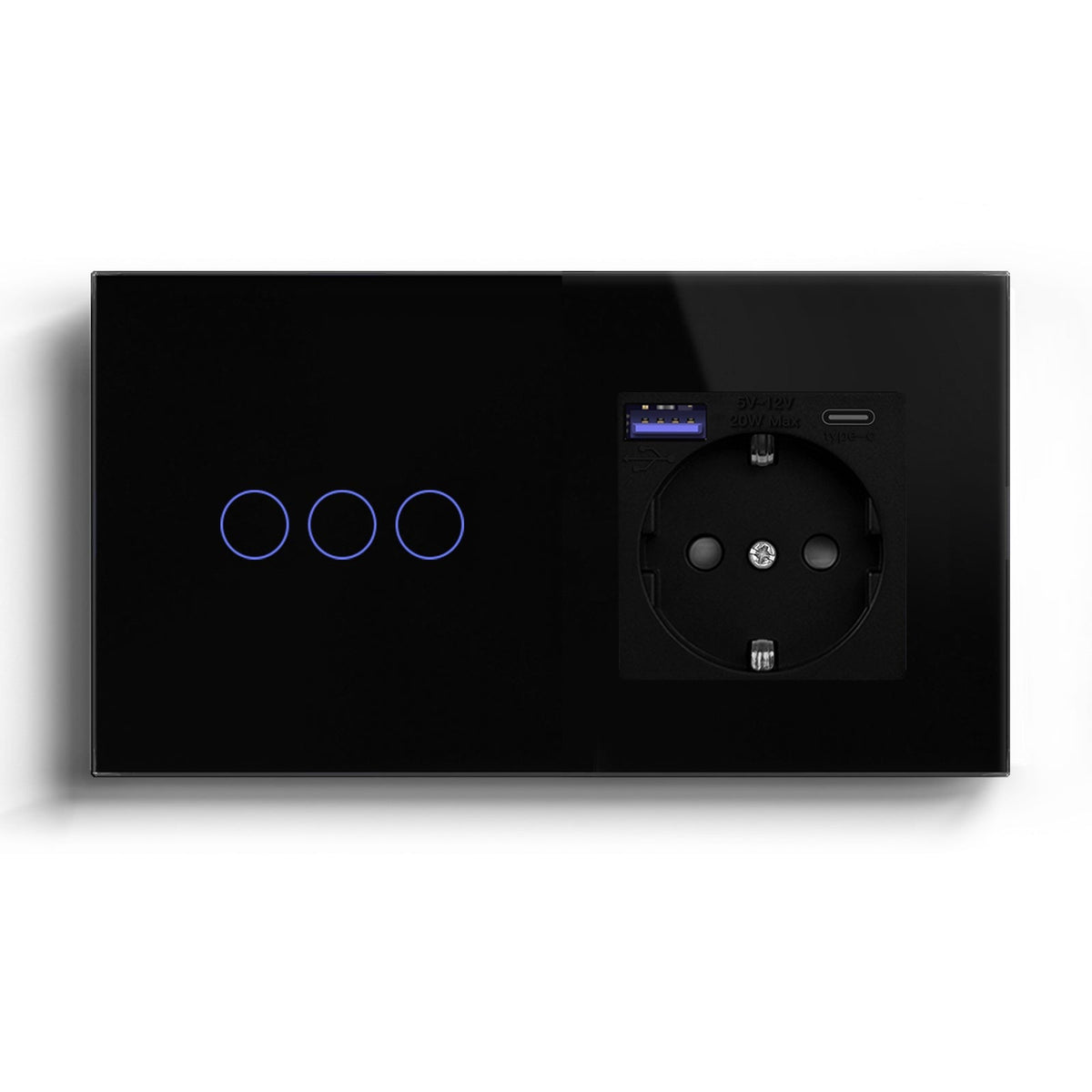
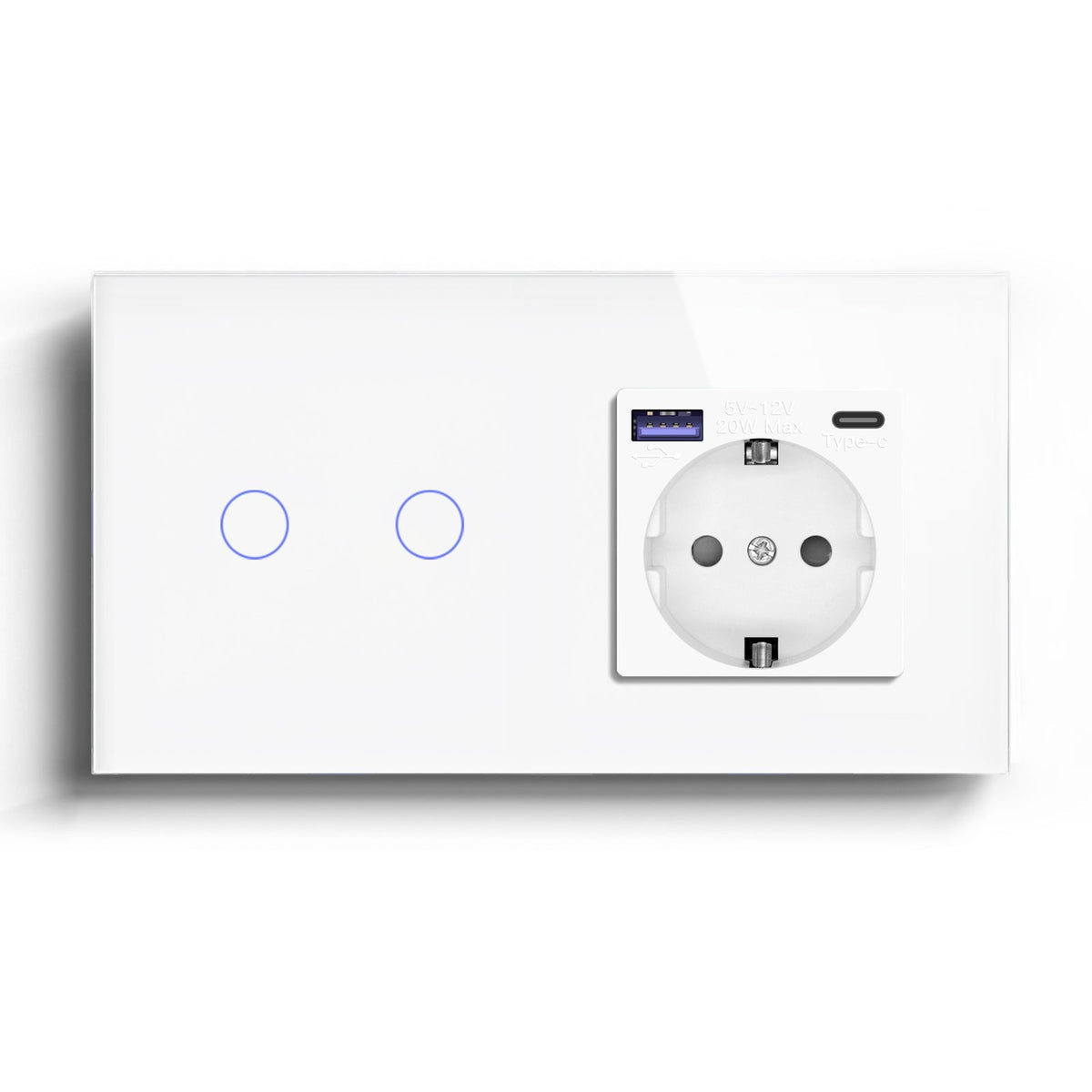
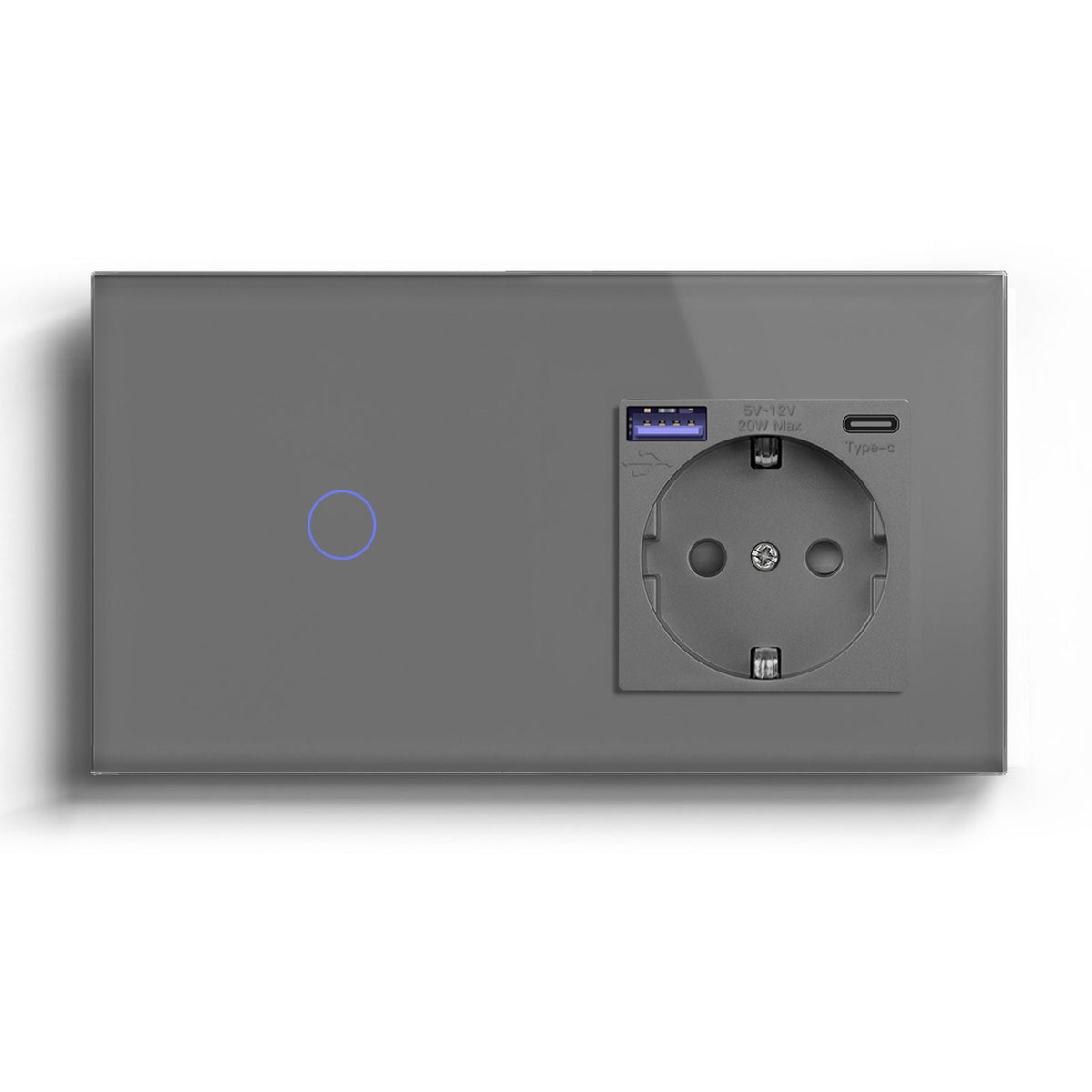
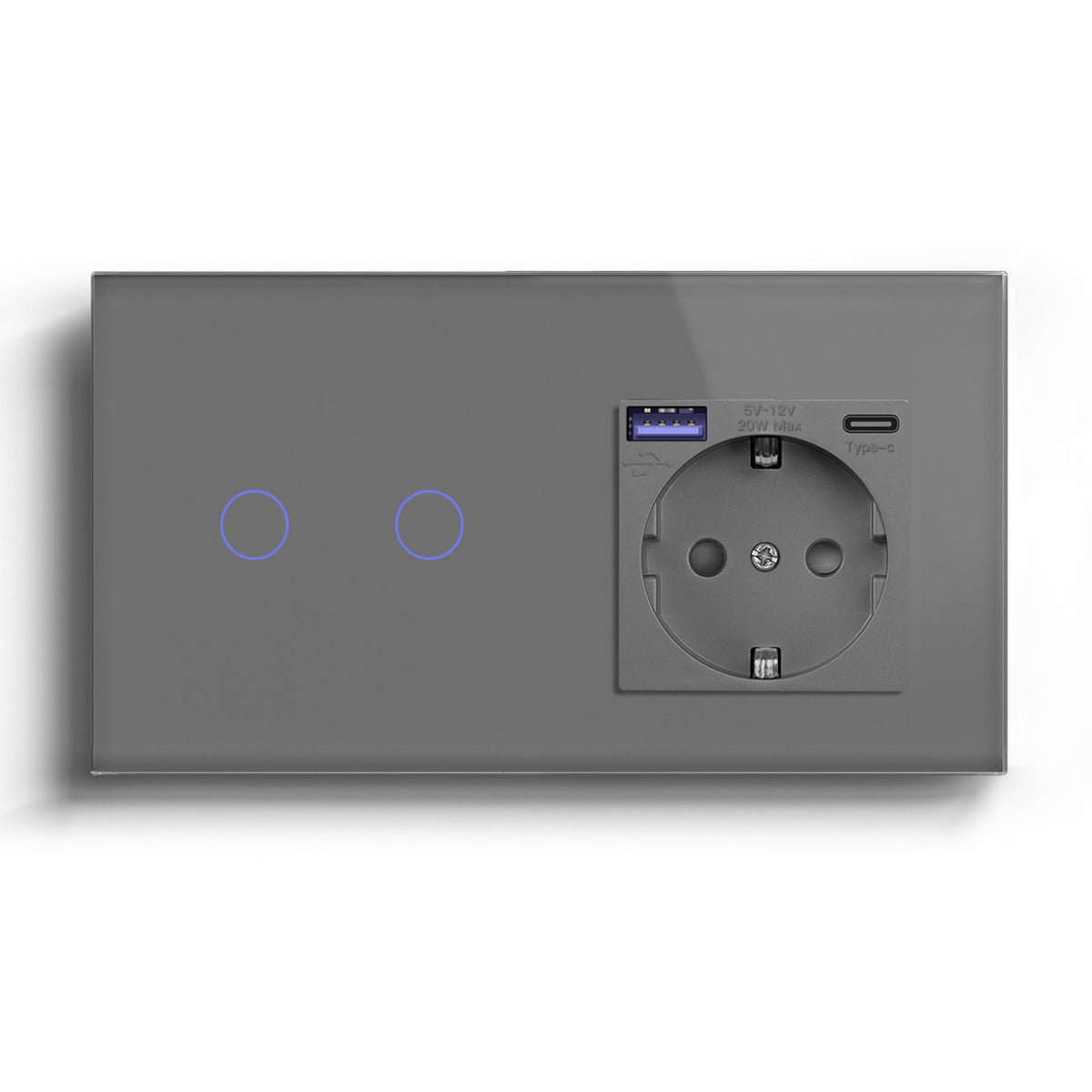
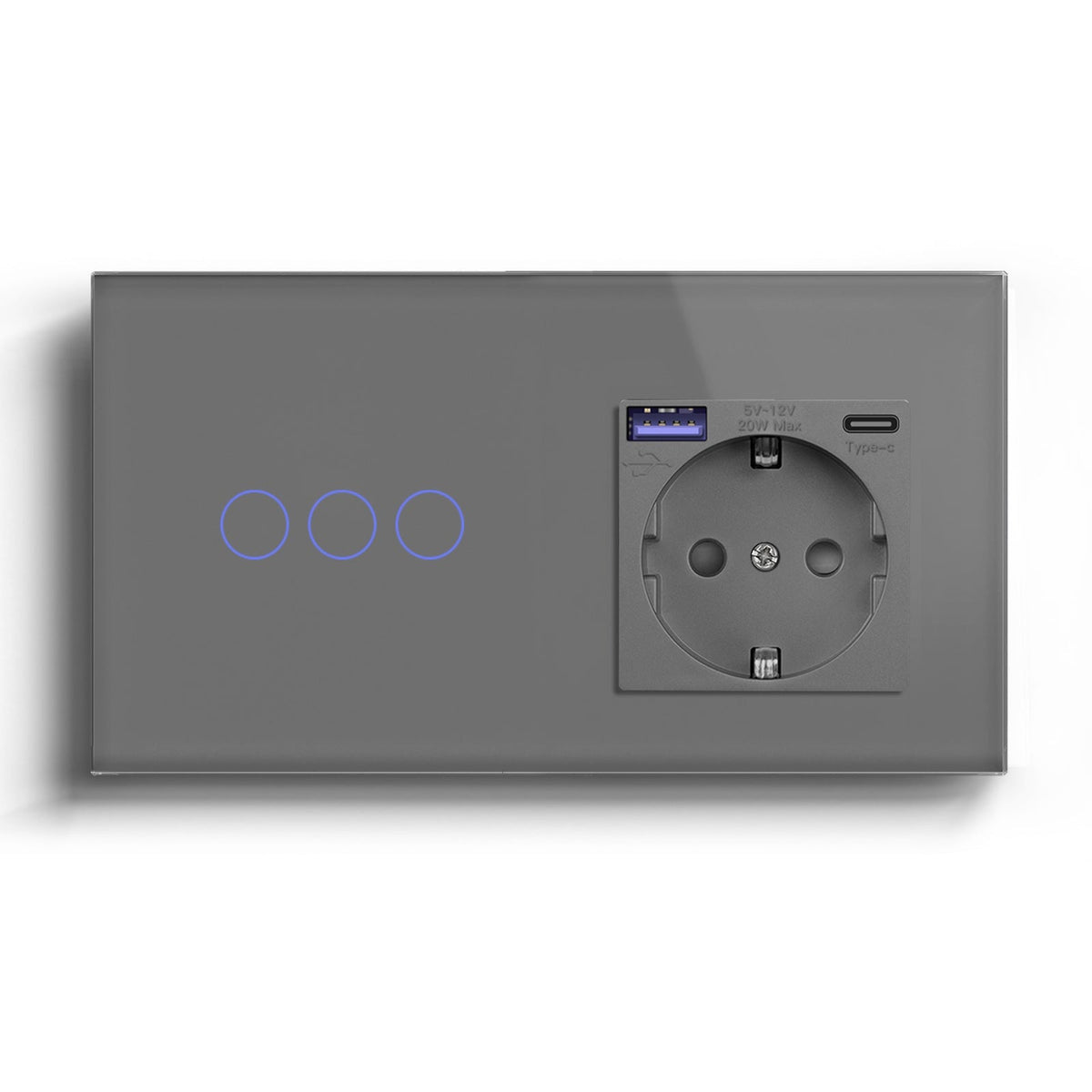
BSEED touch glass smart switches and smart wall switches preserve the familiar wall-control experience while adding Zigbee automation functions in the background.Wall switches remain the primary control method, while apps and voice assistants serve as additional control options.
This is a highly practical smart home design principle. It can also reduce future usage and after-sales support issues because the home can still be operated in a familiar way.
Smart Home Automation Scoring Criteria
Before adding a new automation scene, evaluate it from the following three perspectives, assigning 1 to 3 points for each item.
|
Question |
Low Score |
High Score |
|
Can the entire family understand the scene? |
Only one person knows it |
Everyone can use it |
|
Does it solve an everyday need? |
Rarely used |
Used most days |
|
Can the automation be overridden manually? |
No or unclear |
Yes, easily |
If an automation scene receives a low score, do not create it for the time being.A smart home does not need to include every possible automation function.A truly excellent system should be simple, practical, and easy for the entire family to use naturally.
Zigbee, Home Assistant, and Voice Assistants
When users want localized automatic control and more advanced system management, Zigbee is highly suitable for use with Home Assistant.With the right hub, app, or smart home platform, Zigbee can also work with voice assistant systems.
However, compatibility may vary between different devices and platforms. Therefore, always confirm compatibility before purchasing a large number of devices at once.For households using Alexa or Google Home, device names should be as simple as possible.
For example, using:
“Living Room Light”
is usually more convenient than using a complicated technical device name.If the household also uses Matter devices, it is best to keep room names and device naming consistent across different platforms.
When Is Zigbee Not the First Choice?
If a household only needs to install one smart switch in a small room, a WiFi smart switch may be simpler.For example, a BSEED WiFi smart switch can provide app and voice control without requiring users to understand or configure an additional hub.

If the user’s main priority is flexible switching between different smart home platforms, Matter may be a better choice.However, when a household plans to continuously expand its smart home system by adding:
- More rooms
- More devices
- More automation scenes
- More systematic smart home management
the advantages of Zigbee become more apparent.But if users do not want to use a hub or plan the smart home network in advance, the benefits of Zigbee will be limited.
Practical Smart Home Scenes for Families
It is recommended to prioritize automation scenes that match real-life habits:
1. Away Mode
Turn off selected lights and smart sockets.
2. Evening Mode
Dim the living room lights and close the curtains if motorized curtains are installed.
3. Nighttime Mode
Use low-brightness hallway lighting instead of turning on bright ceiling lights.
4. Morning Mode
Automatically open selected curtains and adjust the heating according to a preset schedule.
Heating automation requires careful configuration.
For example, underfloor heating systems respond relatively slowly. After using the system for a period of time, the heating schedule should be adjusted according to temperature changes in the home and the family’s daily habits.
How Does BSEED Meet Family Smart Home Needs?
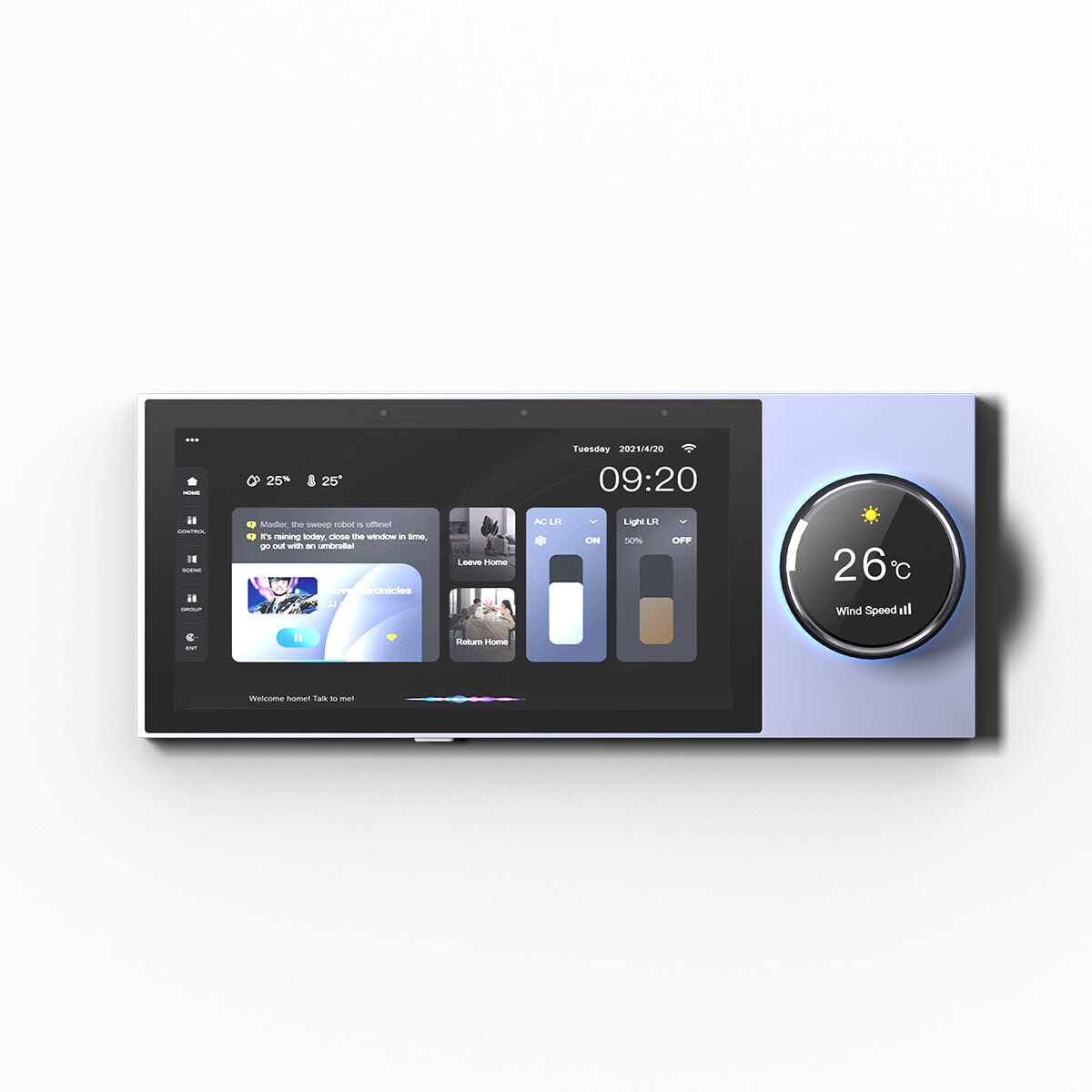
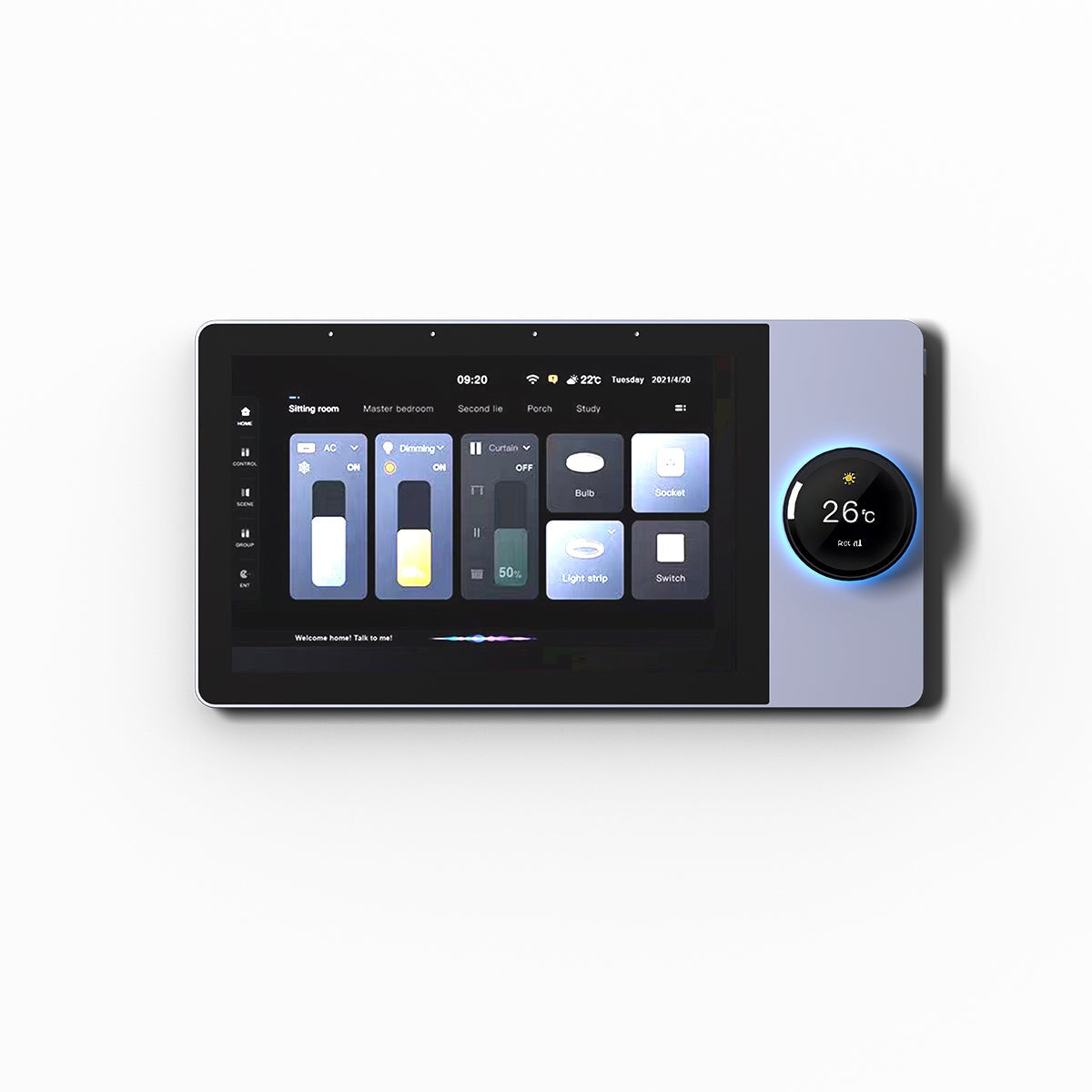
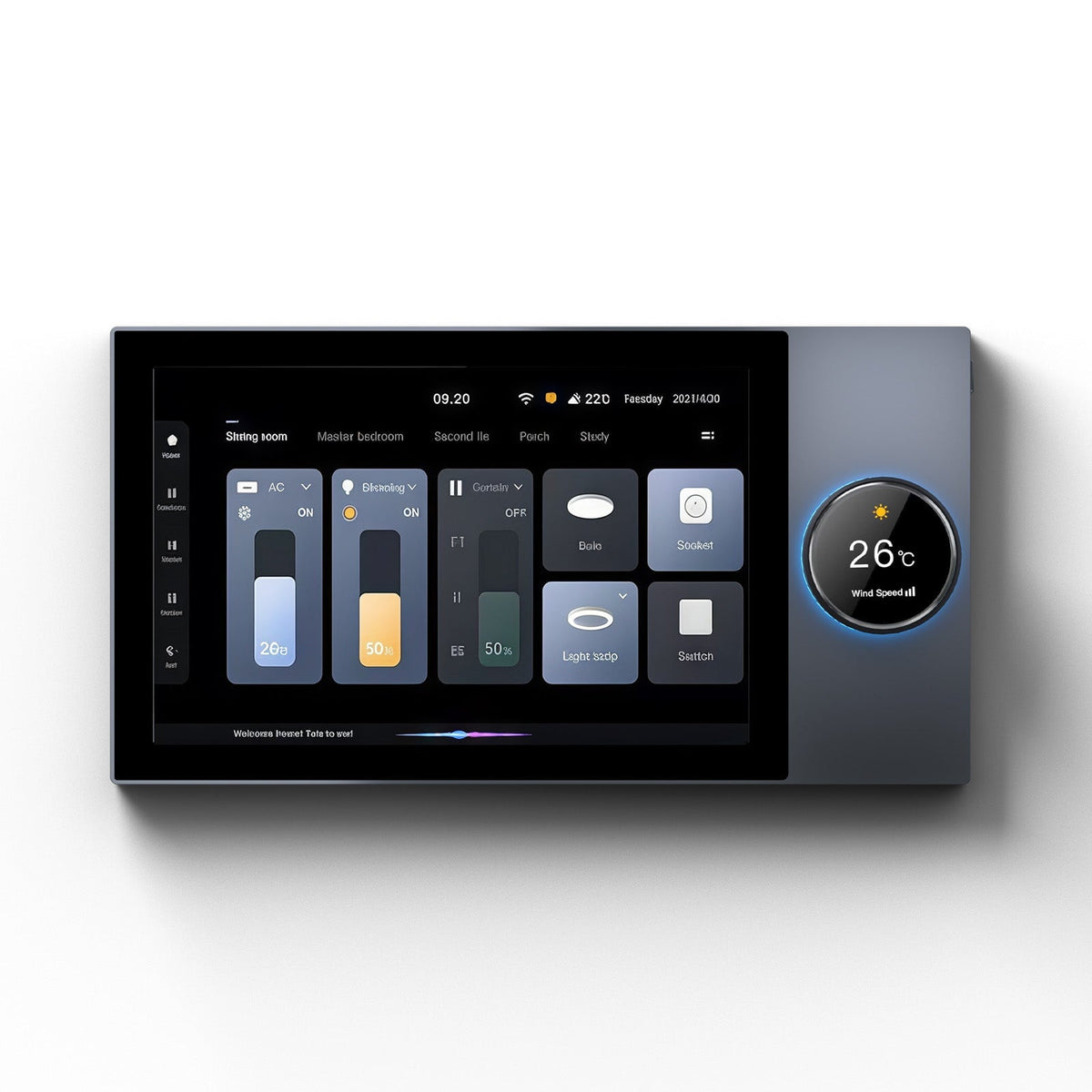
BSEED offers Zigbee smart switches, WiFi smart switches, Matter smart switches, smart sockets, dimmers, smart thermostats, curtain and roller shutter switches, as well as smart control panels.
This wide range of products allows families to start with lighting control and gradually add comfort-related devices while avoiding a visually inconsistent mix of products on different walls.
For distributors, this product portfolio also makes it easier to create different smart home packages.For example:
| Package Type | Main Products | Suitable Needs |
|---|---|---|
| Starter Family Package | Smart switches, smart sockets | Basic lighting and appliance control |
| Comfort Package | Smart switches, thermostats, curtain controls | Improved household comfort |
| Large Home Package | Zigbee mesh network, smart devices, control panels | Systematic management of multiple rooms and devices |
Frequently Asked Questions from Family Users
Is Zigbee stable enough for family use?
Yes.
With a suitable hub and a sufficient number of powered devices in the network, Zigbee can provide a relatively stable smart home connection for residential use.
However, weak signals or unstable responses may still occur if device placement is not properly planned.
Do children need to use a smart home app?
Not necessarily.
For shared family spaces, wall switches and simple voice commands are usually more natural.
Children do not need to learn complicated app operations and can use the wall switches directly, just as they would in a traditional home.
Can Zigbee smart devices help save energy?
They can help reduce unnecessary energy consumption.For example, schedules and automation scenes can prevent lights or certain appliances from remaining on for extended periods.
However, the actual energy savings still depend on household habits, the types of device loads, and how the smart home system is used in practice.A modern family smart home should not be merely one person’s technology hobby.
It should feel more like this: the home quietly understands the family’s daily rhythm and naturally supports everyone’s everyday life.