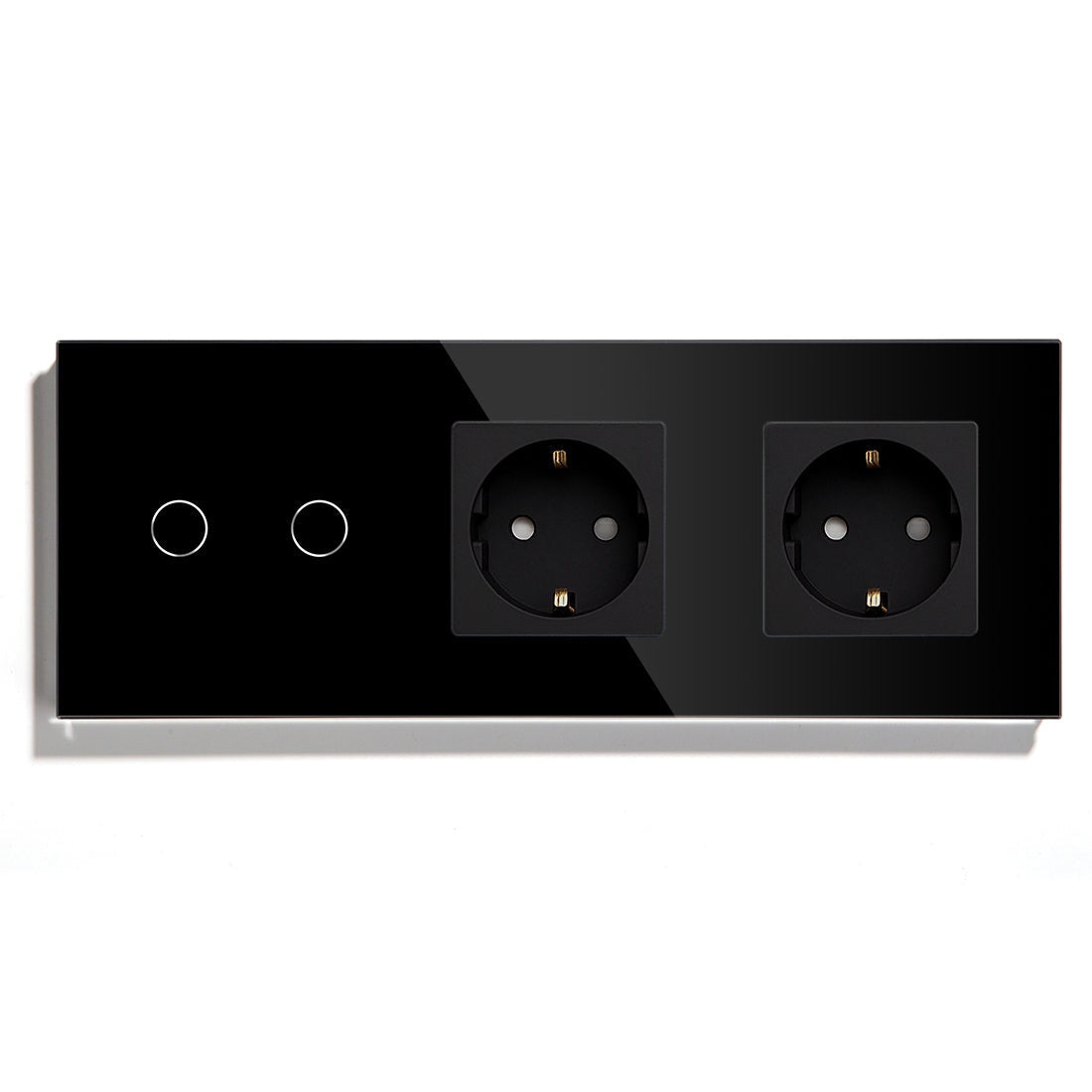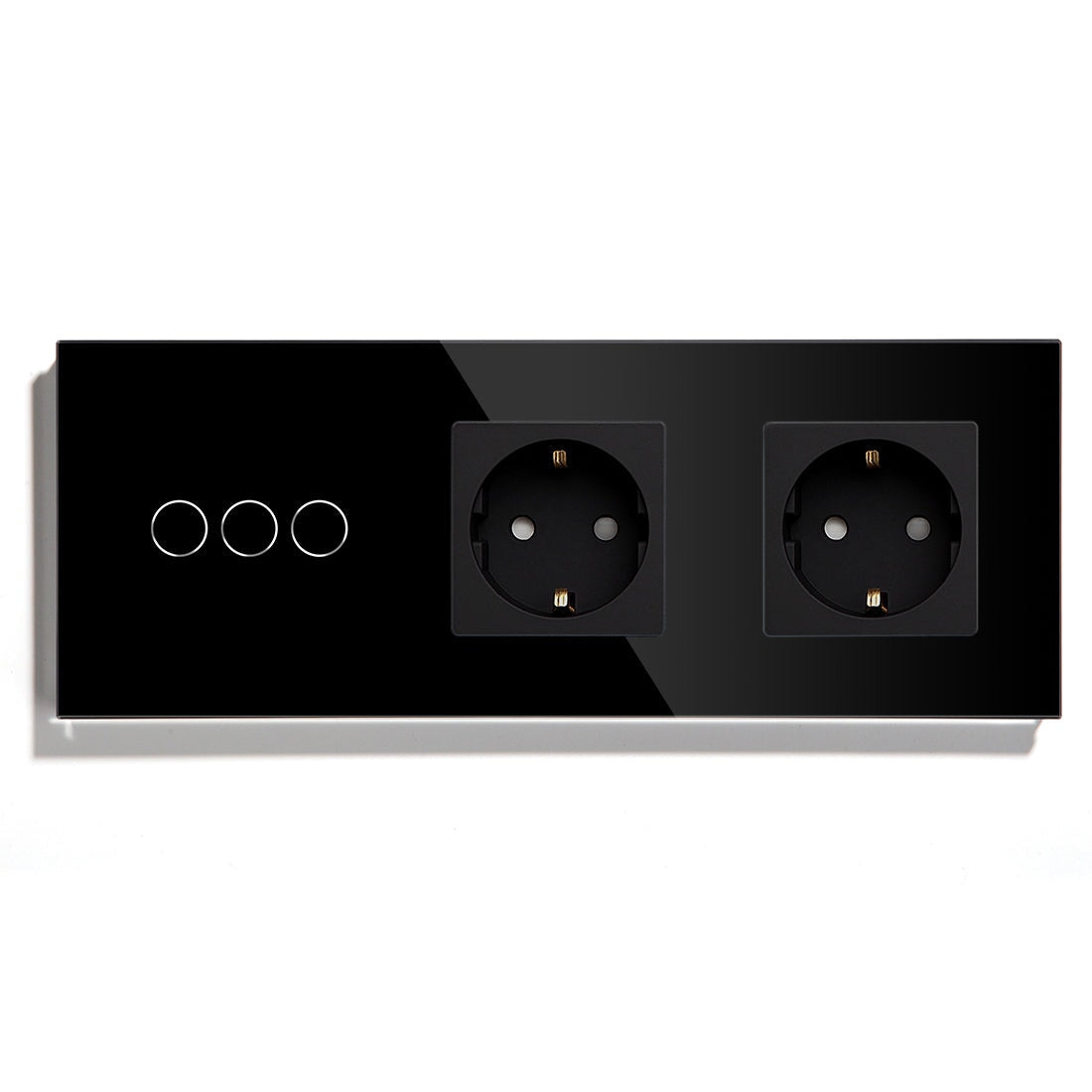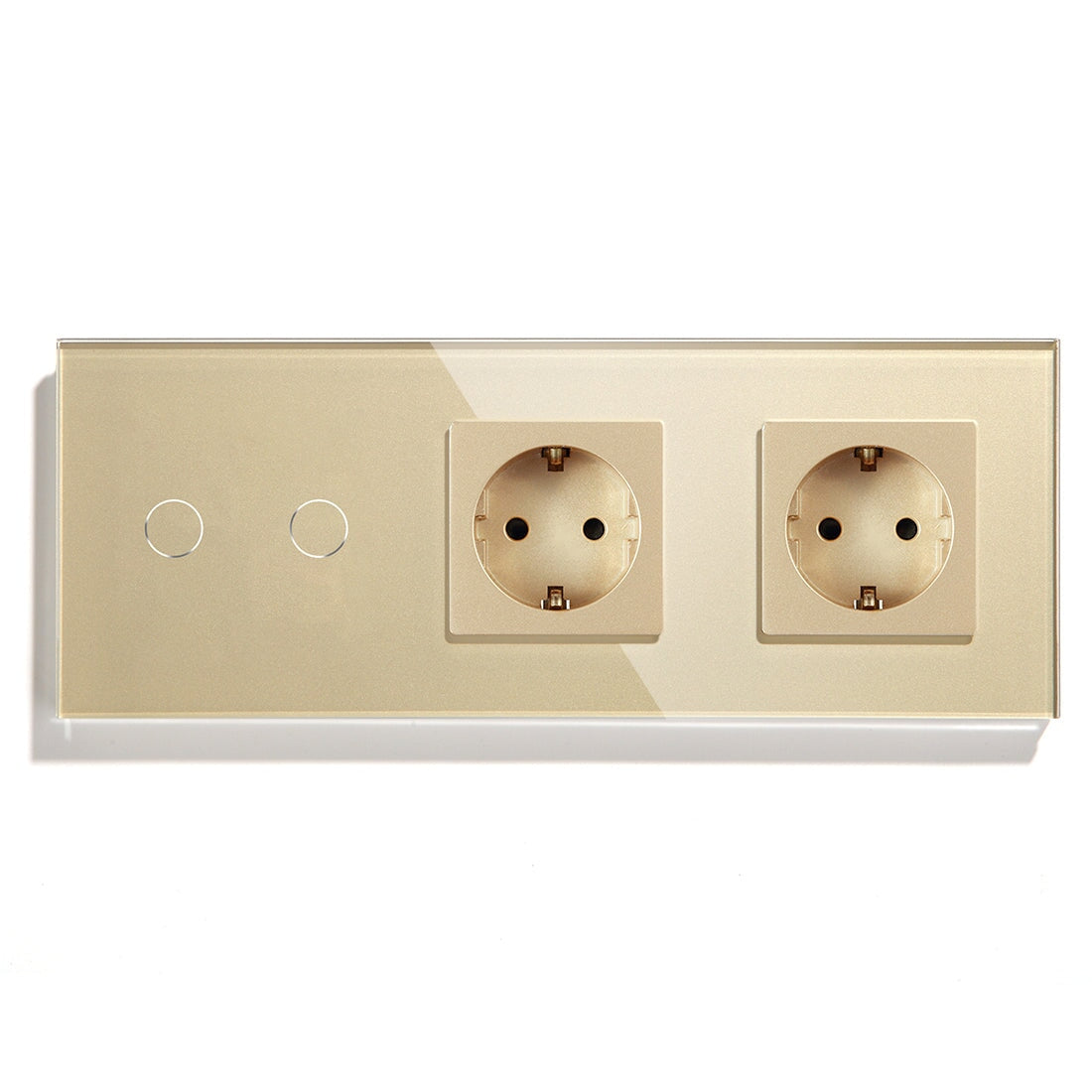
Smart Lighting Control with Zigbee Dimmer Switch
Smart lighting control with a Zigbee dimmer switch is a strong choice when the project needs more than basic on/off control. For a single room, WiFi may be enough. For a larger home with lighting scenes, roller shutters, sensors, smart sockets, and heating control, Zigbee often gives installers a more reliable structure.
The important point is this: Zigbee solves the communication side, not every lighting problem. If the LED driver is poor, the lamp may still flicker. If the wall box has no neutral wire, the product choice changes. If the hub is placed badly, the network may feel weak.
A good project starts with the load, then the wiring, then the protocol.
Why Zigbee Works Well For Smart Lighting
Zigbee uses mesh networking. In plain language, powered Zigbee devices can help pass signals across the home. This is useful in European apartments with thick walls, larger villas, and houses where the router is far from some switch boxes.
A BSEED Zigbee switch is a practical fit when the buyer wants multiple rooms to work together. Lighting can connect with a smart home control panel with Zigbee, Home Assistant, a Zigbee hub, roller shutter switches, smart thermostats, and smart sockets.
This matters for B2B buyers because larger projects need repeatable stability. One successful demo switch is not enough. The system must keep working after 20-30 devices are added.
What The Dimmer Actually Controls
A dimmer has two roles. It controls the electrical output to the lamp, and it communicates with the smart home system.
The electrical side is usually where complaints begin. LED lights rely on drivers. Those drivers decide how smoothly the light dims and whether it becomes unstable at low brightness.
If the customer reports flickering, check the LED driver before replacing the dimmer. I have seen this mistake more than once. The switch was fine. The lamp was not.
Zigbee Compared With WiFi And Matter
A BSEED WiFi switch is usually easier for small projects. It connects through the router and works well with Alexa or Google Home. For homes with fewer than 20 smart devices, WiFi is often practical.
A BSEED Zigbee switch is better for larger systems. The mesh structure helps with coverage, and Home Assistant users often prefer Zigbee for local automation.
A BSEED Matter switch is useful when the buyer wants cross-platform flexibility. Matter can make device pairing easier across major ecosystems, though advanced features may still depend on the platform.
None of these choices is always correct. The project size decides a lot.
Where A Zigbee Dimmer Switch Fits Best
Choose a Zigbee dimmer switch for:
1. Multi-room lighting projects.
2. Homes with more than 20-30 smart devices.
3. Home Assistant smart home systems.
4. Living rooms with scene control.
5. Projects combining lights, curtains, sockets, and thermostats.
6. Buyers who want less pressure on the WiFi router.
In a typical BSEED smart home project, the dimmer may work with a Zigbee roller shutter switch, a smart thermostat for floor heating, and a smart socket with energy monitoring. The end user sees one scene. The installer sees a network that must be planned.
Where Zigbee Is Not Necessary
Zigbee may be more than the customer needs. If the project only includes one bedroom switch and one living room switch, WiFi may be simpler. If the buyer does not want a hub, WiFi is easier to explain.
For customers who focus on ecosystem flexibility, a matter light switch may also be attractive. A Matter compatible smart light switch can be useful when the home includes Alexa, Google Home, Apple Home, and Home Assistant.
The wrong approach is choosing Zigbee only because it sounds more professional. Use it where the system benefits from it.
LED Load And Minimum Brightness
Many residential LED circuits have smaller loads than buyers expect:
|
Area |
Typical LED Load |
|
Bedroom |
20-50W |
|
Living room |
40-120W |
|
Corridor |
10-30W |
|
Hotel room |
30-60W |
The wattage rating of the dimmer is only one part of the selection. LED driver compatibility, dimming method, minimum load, and heat matter just as much.
Many LED drivers become unstable below 5-10% brightness. In real projects, a minimum brightness setting of 10-15% often creates a better user experience than forcing the lamp to dim lower.
Neutral Wire And No-Neutral Wiring
A neutral-wire Zigbee dimmer usually gives better stability. It handles low loads more easily and reduces ghosting. For new construction or major renovation, this is normally the preferred option.
A Zigbee light switch without neutral is useful in older European homes where rewiring is not practical. It can save time, but the installer must check the LED load and whether a bypass capacitor is needed.
This small step protects the buyer, the installer, and the supplier.
A Practical Selection Rule
Before ordering a Zigbee dimmer switch, use this rule:
1. Check the LED driver first.
2. Confirm whether the wall box has a neutral wire.
3. Choose Zigbee if the project needs scale or local automation.
4. Use WiFi for small, simple projects.
5. Use Matter when platform flexibility matters most.
6. Avoid residential dimmers for motors, fans, large transformers, or commercial lighting circuits.
For commercial projects, DALI, KNX, 0-10V, or contactor-based control may be the correct solution.
How BSEED Fits Zigbee Lighting Projects
BSEED offers smart light switches, Zigbee switches, WiFi switches, Matter switches, smart sockets, smart thermostats, roller shutter switches, glass panel smart switches, and smart control panels. This gives B2B buyers a way to build a consistent smart home package instead of mixing unrelated devices.
A Zigbee dimmer switch is worth choosing when the home needs stable lighting control across several rooms. Start with the LED driver, confirm the wiring, plan the hub location, and then select the switch. That order prevents most of the problems people wrongly blame on smart lighting.