BSEED Smart Light Switch: How to Reduce Energy Consumption in Smart Homes
I do not like energy-saving advice that sounds perfect and says nothing. "Use automation to save power" is too vague. A BSEED smart light switch reduces energy consumption only when it changes a real habit: lights left on, rooms heated at the wrong time, sockets forgotten overnight, or curtains ignored during strong sun.
Start with the waste you can see.
Do A Normal Evening Walk-Through
Do not inspect the home at noon with everything tidy. Walk through on a normal evening. Which lights stay on after people leave the room? Which hallway is too bright after midnight? Which decorative lamp runs because nobody wants to cross the room?
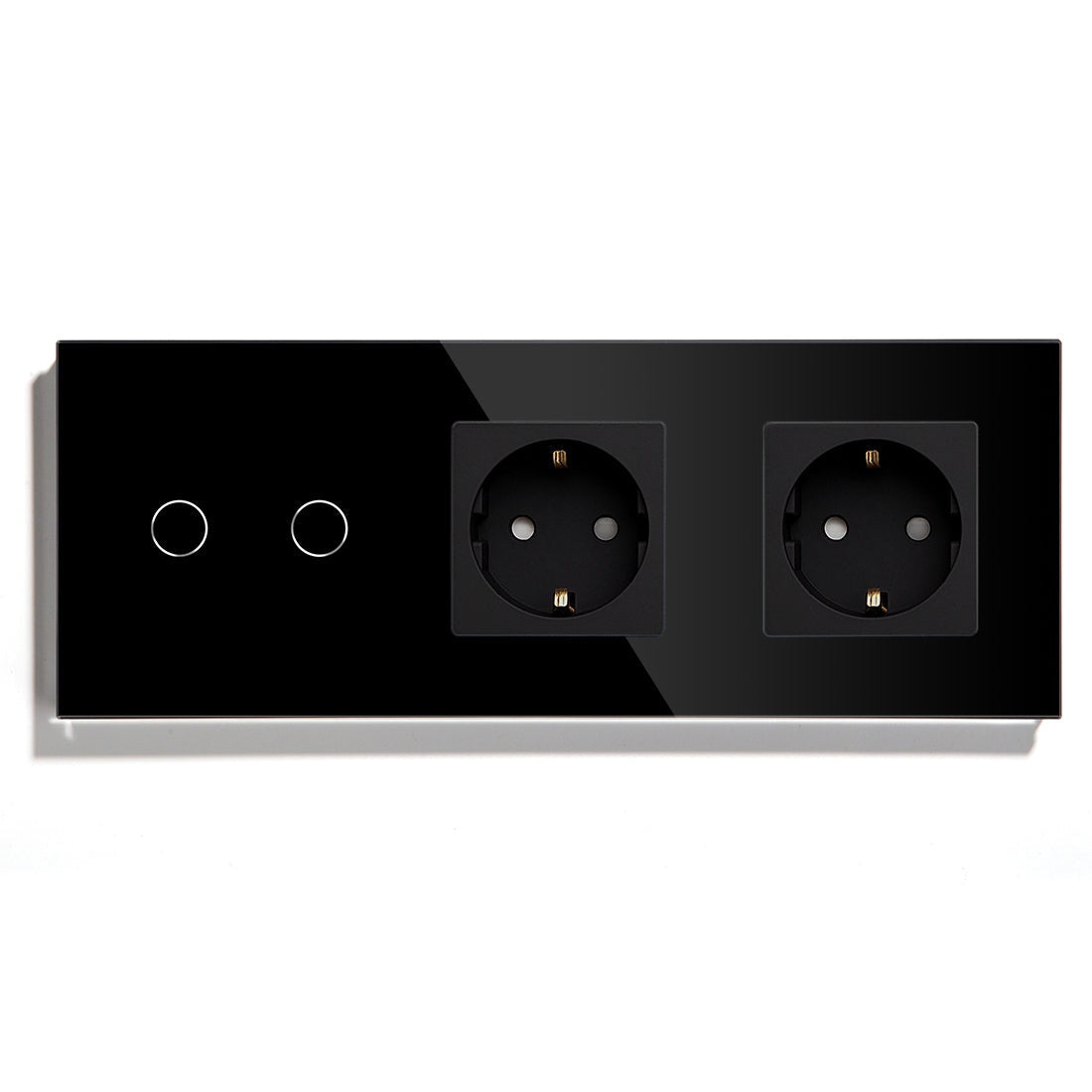
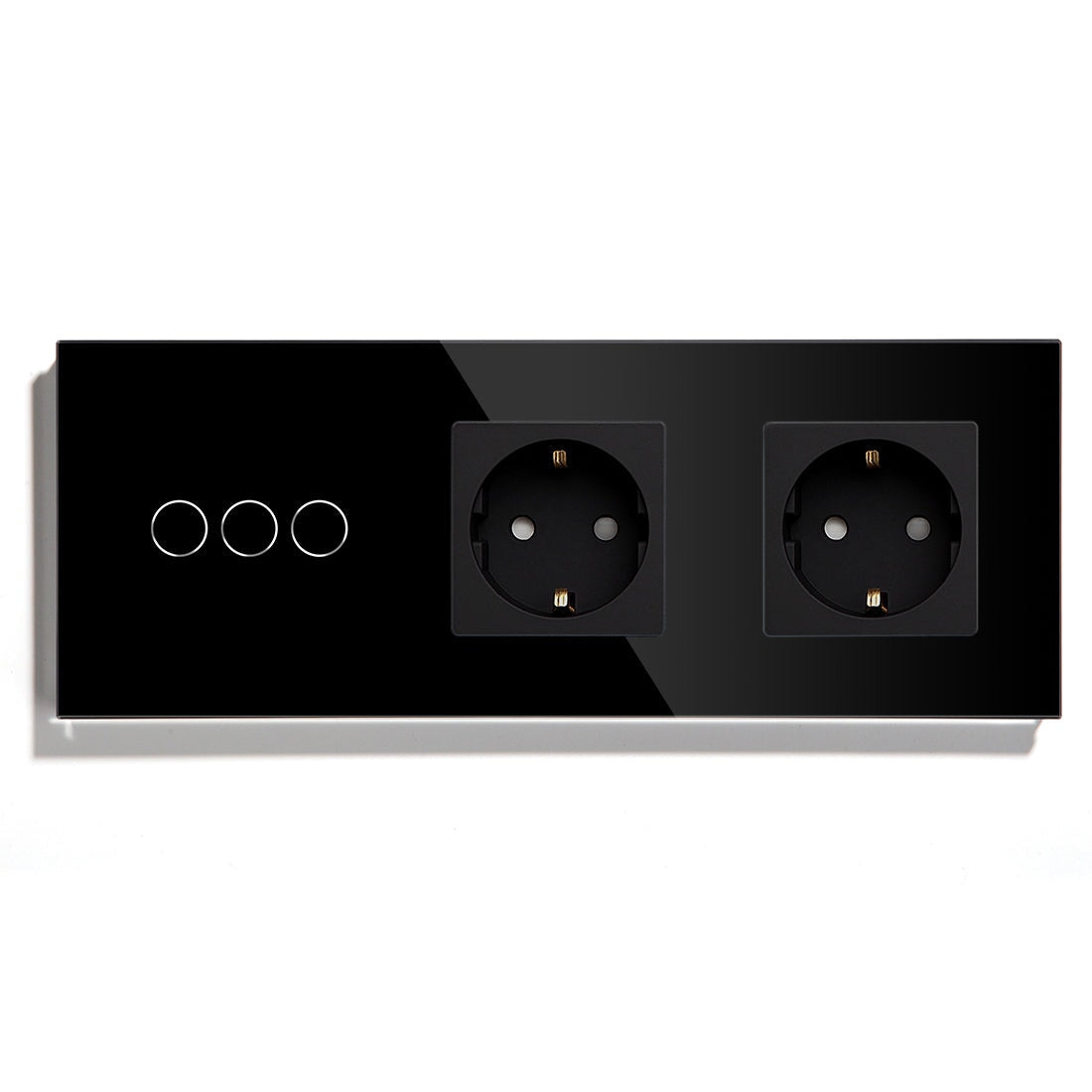
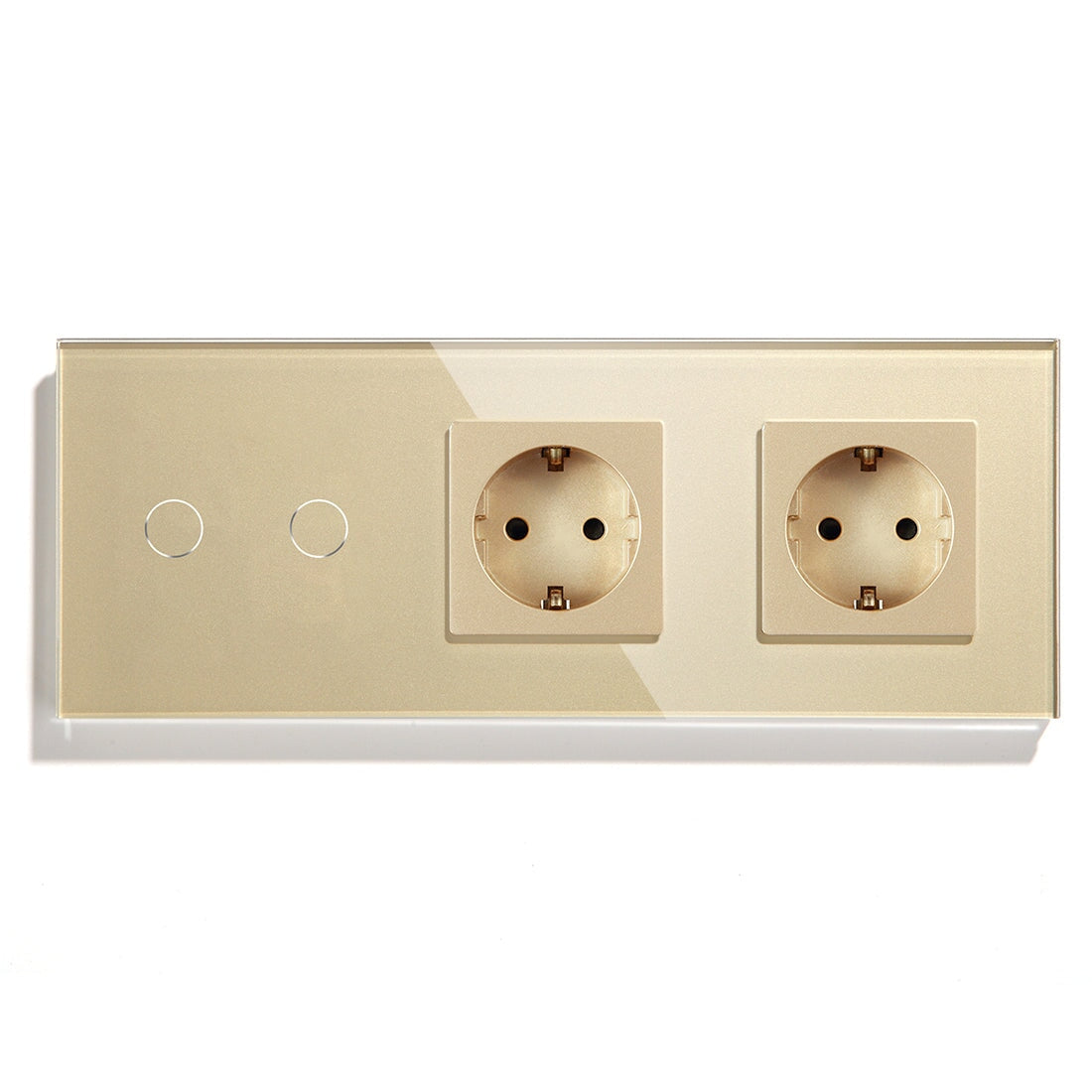
Those are the best targets for BSEED smart light switches, dimmer switches, and smart sockets.
Entrance lighting, hallways, staircases, living rooms, balconies, and children's rooms often reveal avoidable waste. The goal is not to make the home strict. It is to remove obvious waste without irritating the family.
Keep Manual Control
Energy automation fails when people feel trapped by it. A smart wall switch should still allow manual override. If a schedule turns off a light while someone is still using the room, the wall switch should fix the problem immediately.
This matters for guests, children, and elderly family members. Saving energy should not require everyone to understand the app.
Use Dimming Where It Feels Natural
A smart dimmer switch for LED lights can reduce consumption when full brightness is not needed. Living rooms, bedrooms, dining areas, and evening scenes are the usual places where dimming feels natural.
But dimming must be compatible with the LED lamps and drivers. Flicker or buzzing ruins adoption. If the family hates the dimming behavior, they will stop using the feature.
Combine Lighting With Sockets And Heating
Lighting is visible, but it is not the only energy habit. A BSEED smart socket can turn off selected lamps or plug-in devices. A BSEED smart thermostat can reduce unnecessary heating hours when schedules match real occupancy.
Do not promise one fixed saving percentage for every home. Insulation, climate, energy price, heating type, and family behavior all change the result. Promise better control. That is honest.
Energy Priorities Should Be Ranked
In many homes, the order is not equal. Heating habits may matter more than lighting. Forgotten sockets may matter less than a room kept warm all day. Curtains or roller shutters may support comfort in rooms with strong sun, but they will not replace proper insulation or heating control.
This is why the first energy scene should be based on the home, not on a generic checklist. A small apartment may start with lighting and sockets. A larger European home may get more benefit from thermostat schedules and shutter routines.
Lighting still matters because it is visible. When people see a hallway light turn off at the right time or a living room scene drop to a softer level, they trust the system more. That trust makes them more willing to accept heating schedules or socket automation later.
A Better Away Scene
An away scene should be selective:
l Turn off selected lights.
l Switch off non-essential smart sockets.
l Reduce heating in unused rooms if appropriate.
l Close curtains or roller shutters where privacy or heat control matters.
l Leave routers, refrigerators, security devices, and other essential loads untouched.
A bad away scene turns off too much and gets disabled. A good away scene removes small worries.
Small Data Helps
If the home uses a smart socket with energy monitoring, use the reading to find patterns. Maybe a desk corner stays powered all weekend. Maybe decorative lighting runs longer than expected.
The number does not need to become a spreadsheet project. It only needs to help the homeowner make a better routine.
A Seven-Day Energy Trial
For one week, track only three things: lights left on, heating running in empty rooms, and sockets that stay powered overnight. Do not track everything. The goal is to find the first practical scene.
At the end of the week, choose one automation. Maybe it is a hallway schedule. Maybe it is an away scene. Maybe it is a smart socket that turns off a decorative lamp. Small changes survive longer than dramatic rules.
If the first automation creates complaints, soften it. Extend the timer. Leave one lamp on. Exclude a socket. A smart home that saves a little less but stays accepted is better than a strict setup everyone disables.
Where BSEED Fits In Energy Control
BSEED smart light switches can sit at the center of a practical energy setup because lights are touched every day. Add smart sockets where plug-in loads matter, smart thermostats where heating schedules matter, and curtain or roller shutter switches where sunlight and privacy affect comfort.
The best energy-saving smart home is the one people keep using after the novelty is gone.
Energy control should feel like a quieter home, not a stricter one. That is the difference between a feature people keep and a feature they turn off.