BSEED Smart Lighting System for Modern Apartments
A BSEED smart lighting system for modern apartments should solve small daily problems before it tries to look “smart.” In an apartment, lighting is close to people. The switch is beside the door, the hallway is short, the bedroom is only a few steps away, and one bad lighting scene can annoy the whole family.
So I would not start with a full device list. I would start with one evening in the apartment.
Someone comes home, turns on the entrance light, walks into the living room, maybe closes the curtain, turns on a softer lamp, and later needs a low light path to the bathroom. That is where smart lighting earns its place.
Start With The Awkward Corners
Most apartments have two or three lighting points that bother people every day. The entrance is one. A dark hallway is another. The bedroom ceiling light is often too bright at night. The living room may need both working light and softer evening light.
Those are better starting points than asking, “Can we automate every circuit?”
A BSEED smart light switch can replace a normal wall switch while keeping the basic press-and-use habit. That matters. In a modern apartment, not everyone wants to open an app just to turn on a hallway light. Guests will press the wall switch. Children will press it. Someone half asleep will press it without thinking.
The smart part should sit behind that normal behavior.
The Wall Has To Look Right
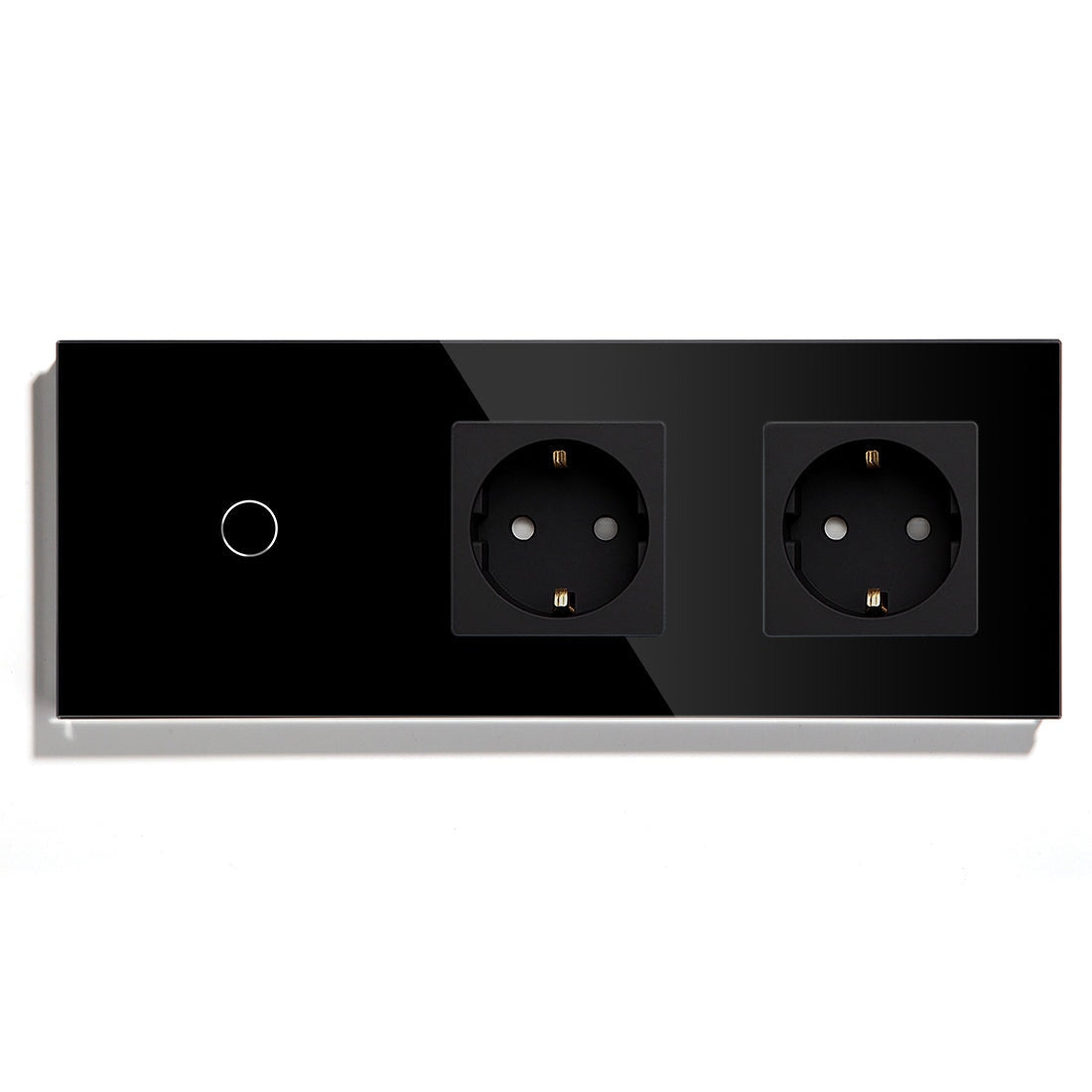
Apartment walls do not forgive messy choices. A large switch panel in a narrow hallway looks heavy. A random white socket beside a black glass switch can make the renovation feel unfinished.
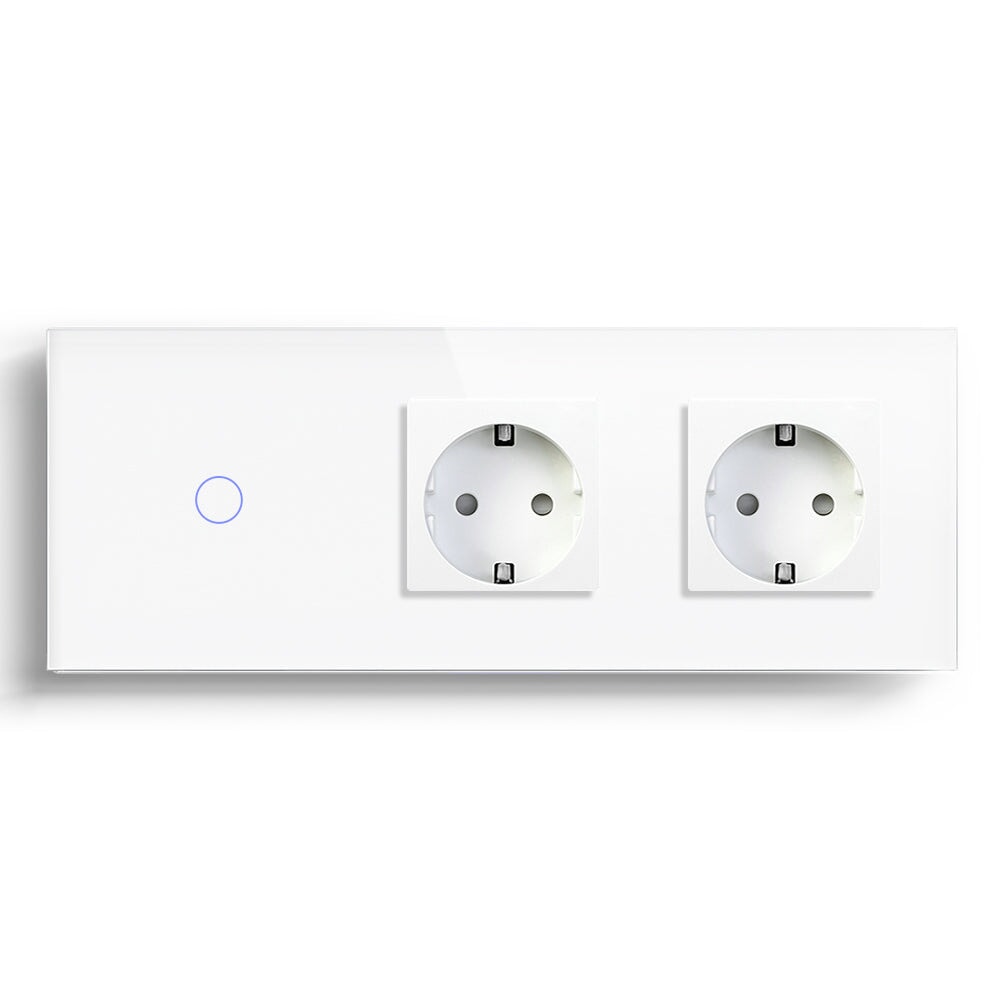
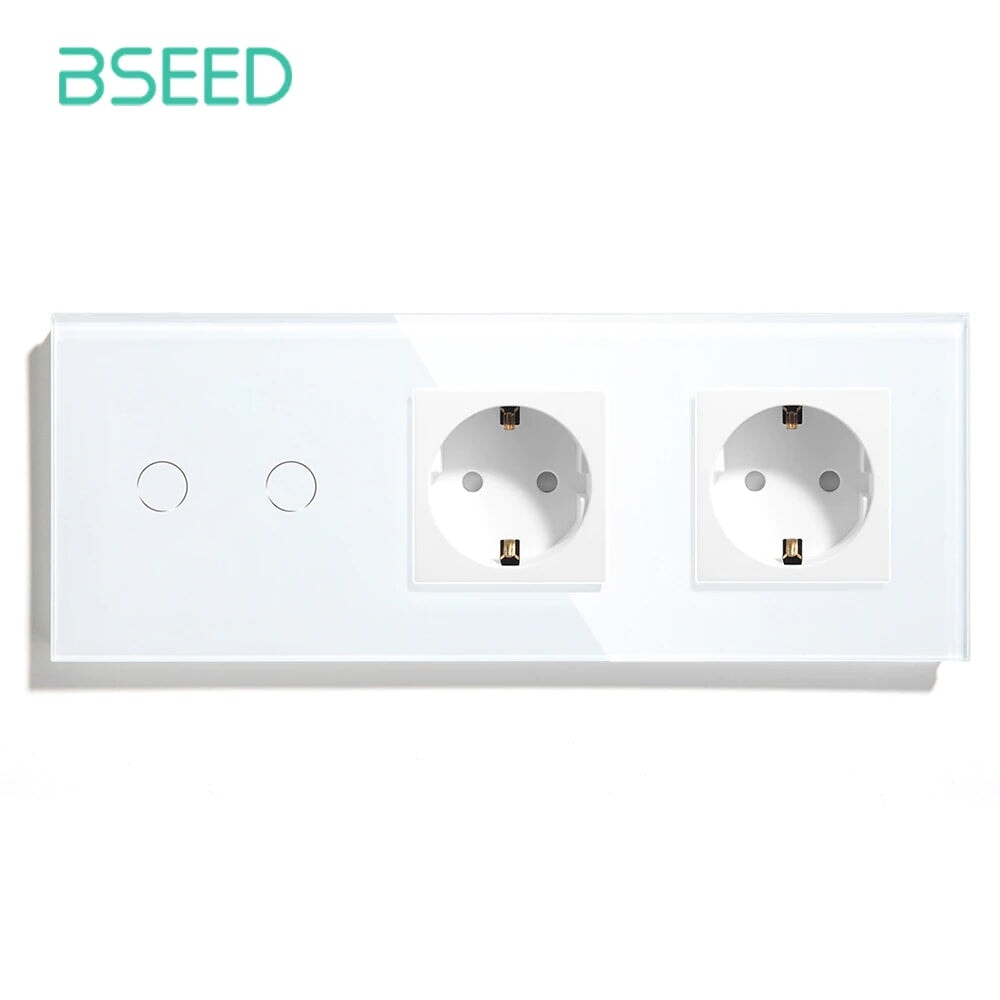
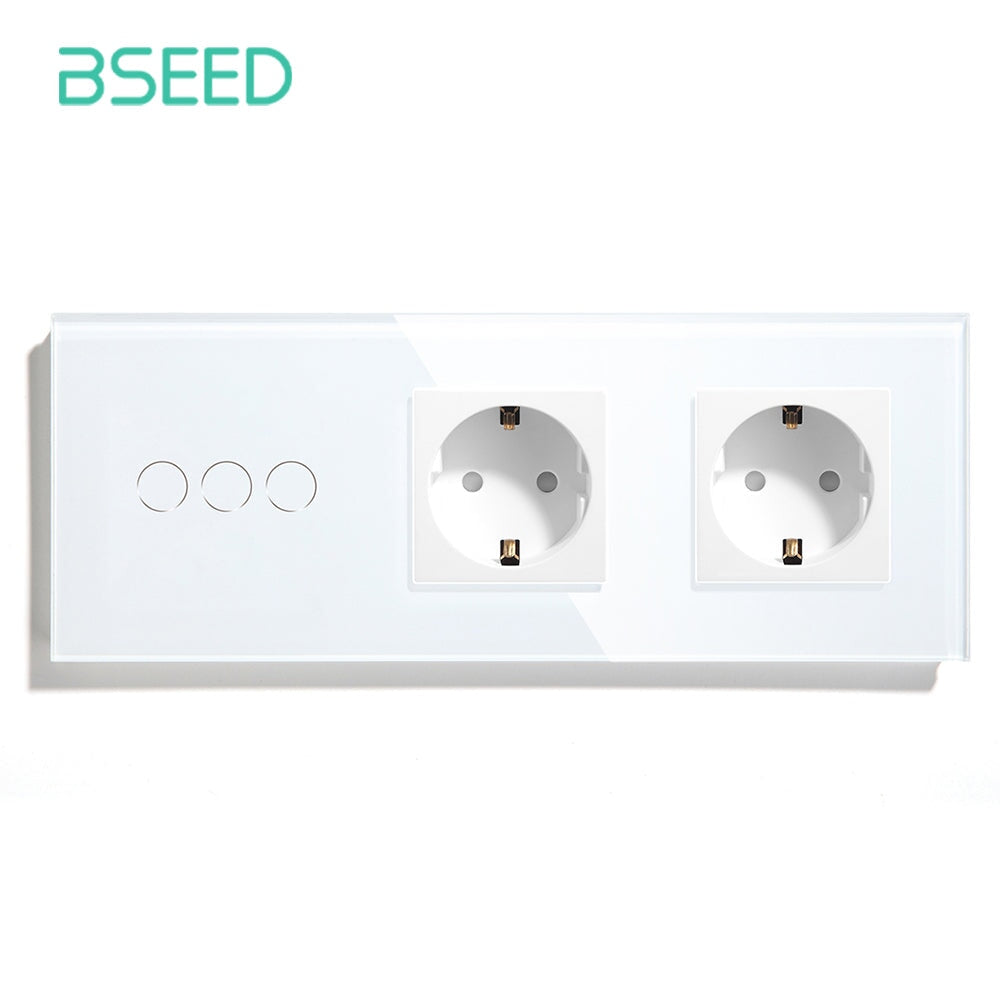
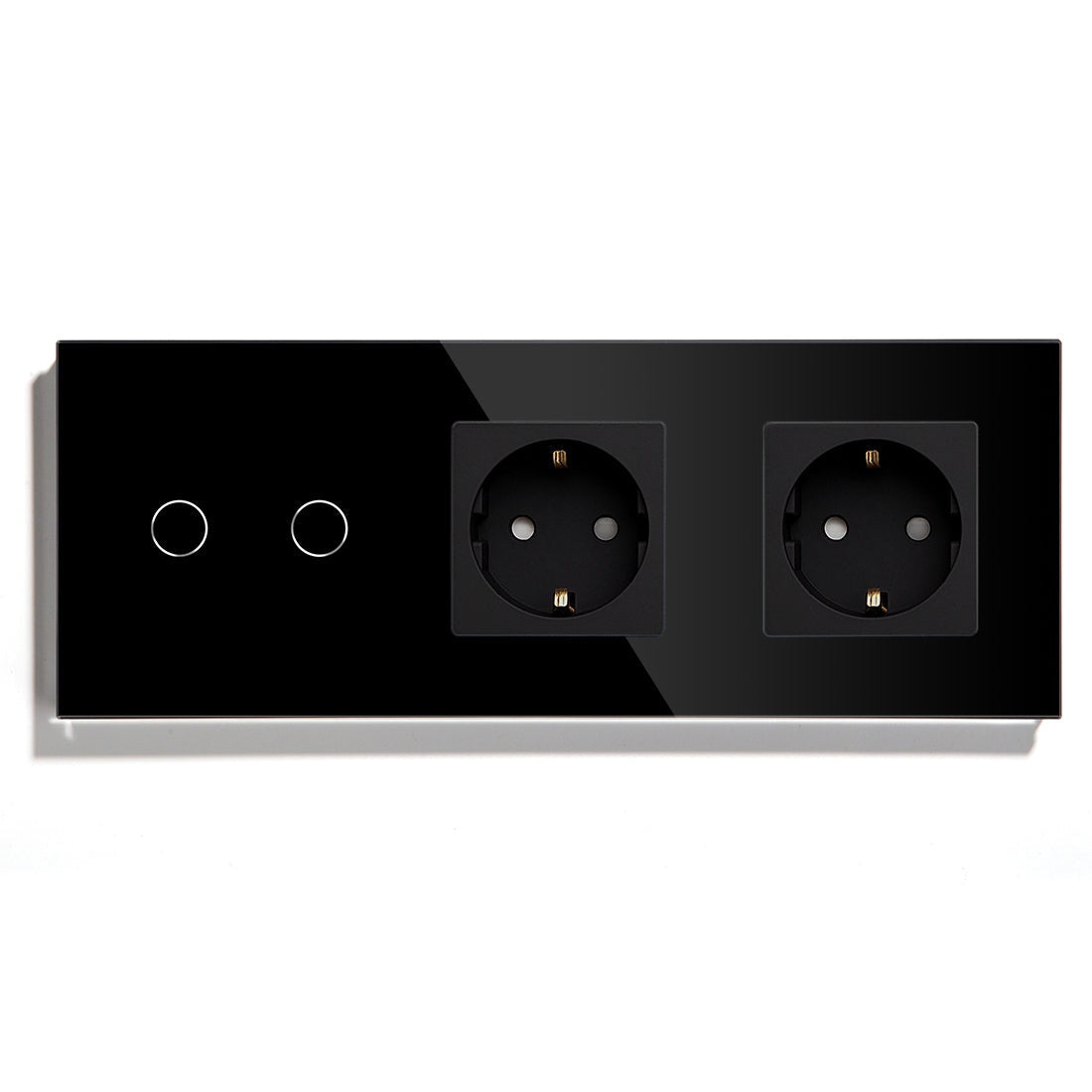
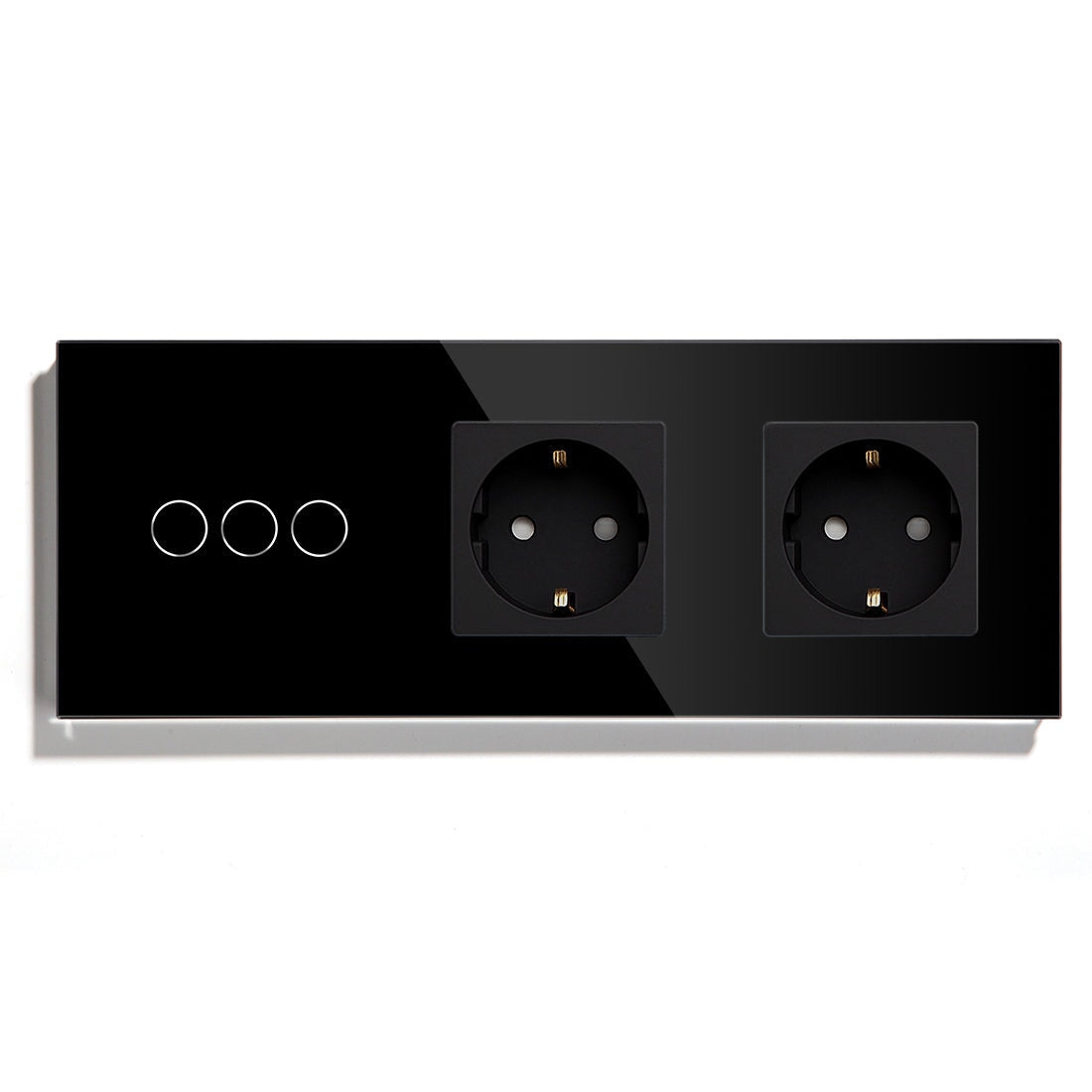
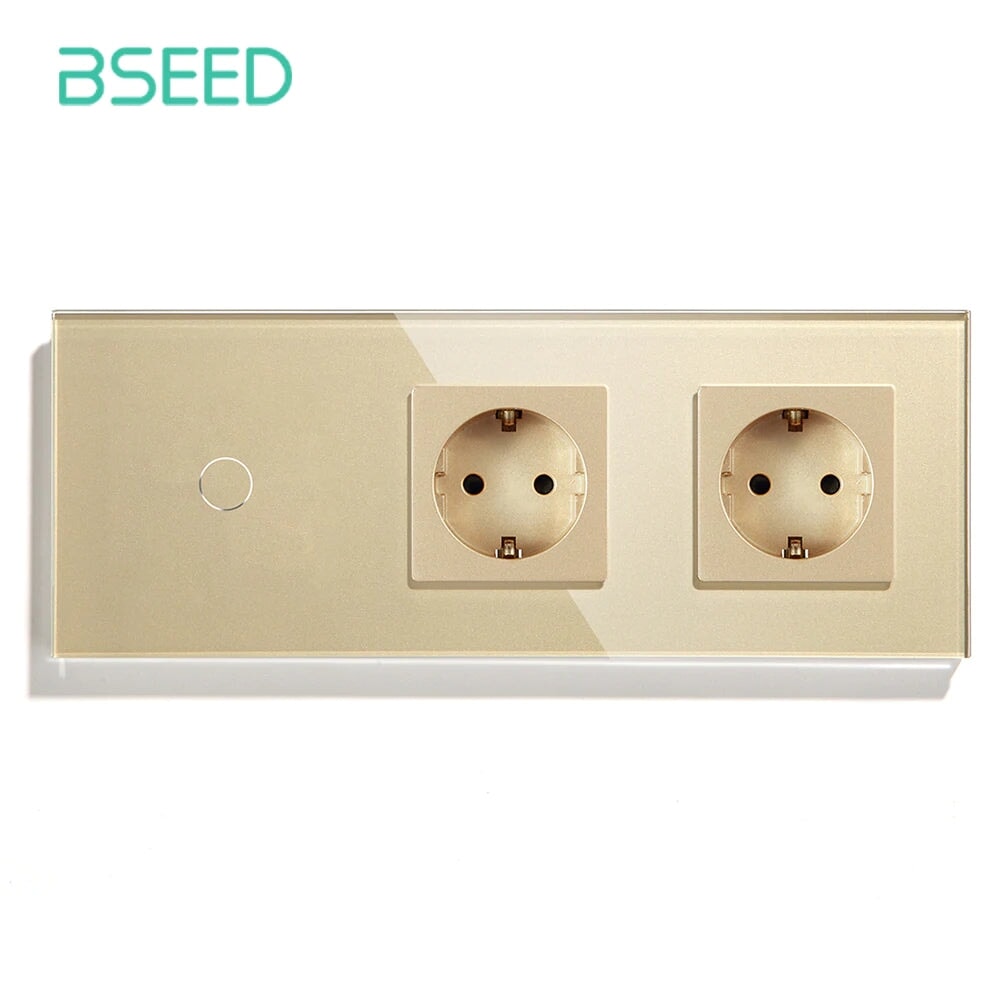
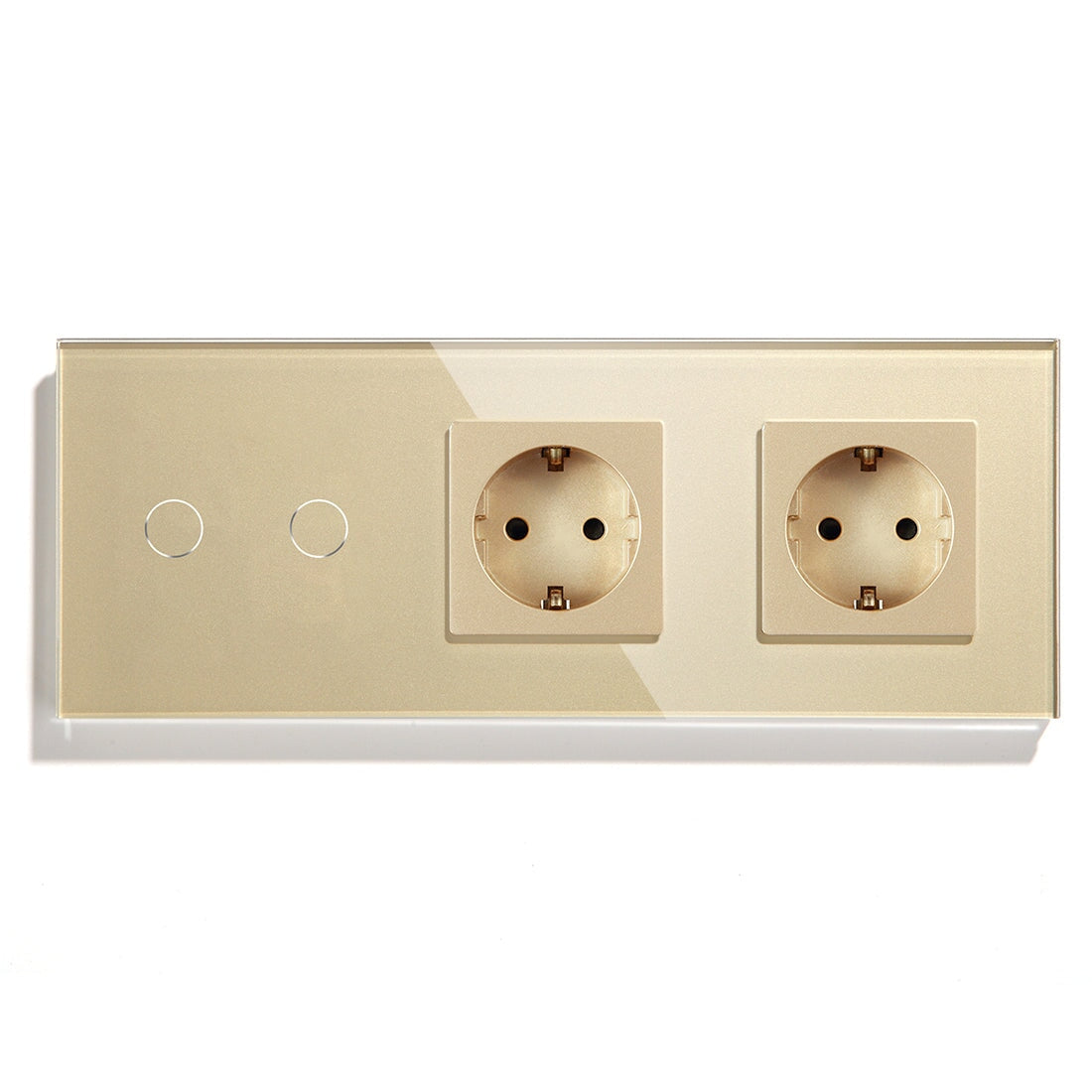
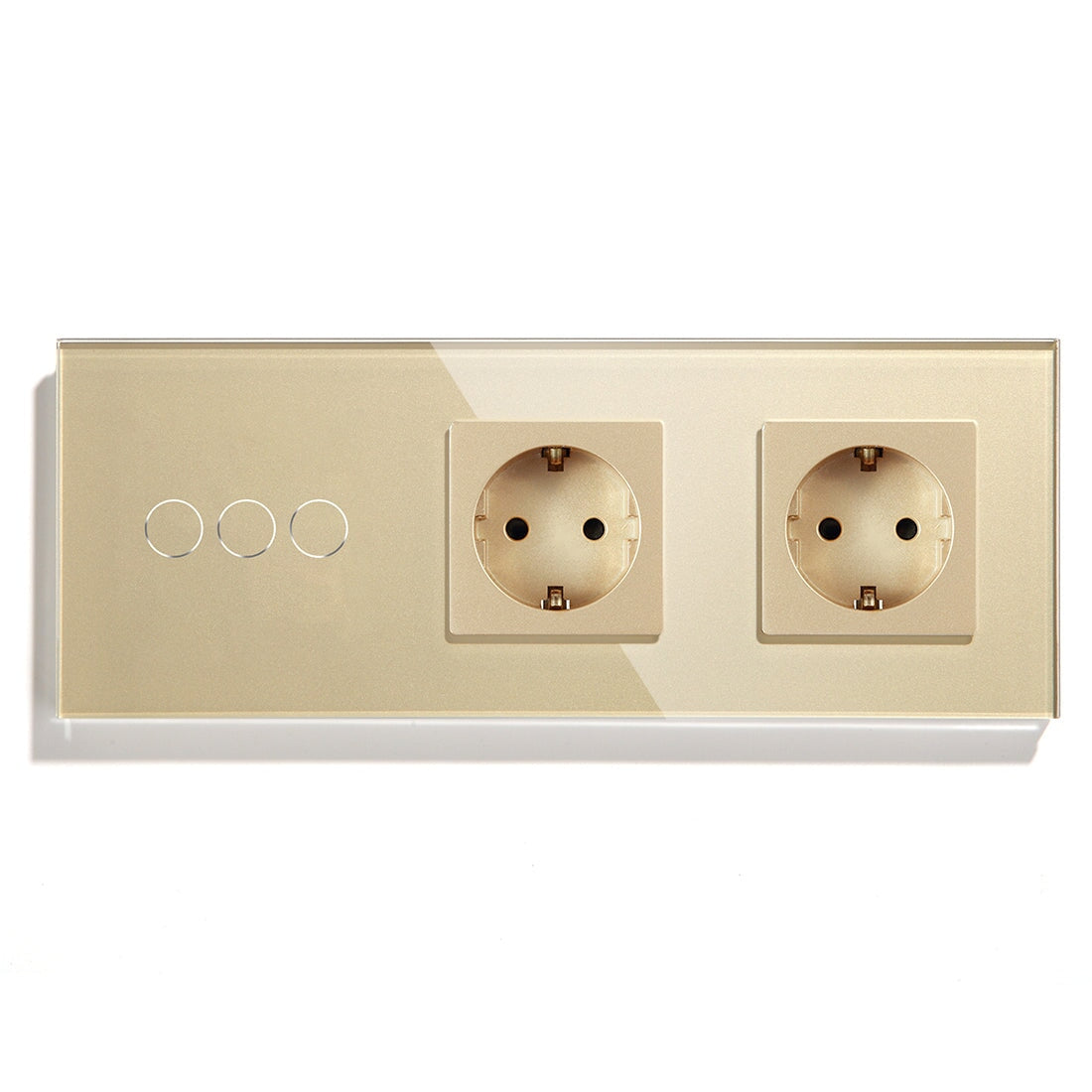
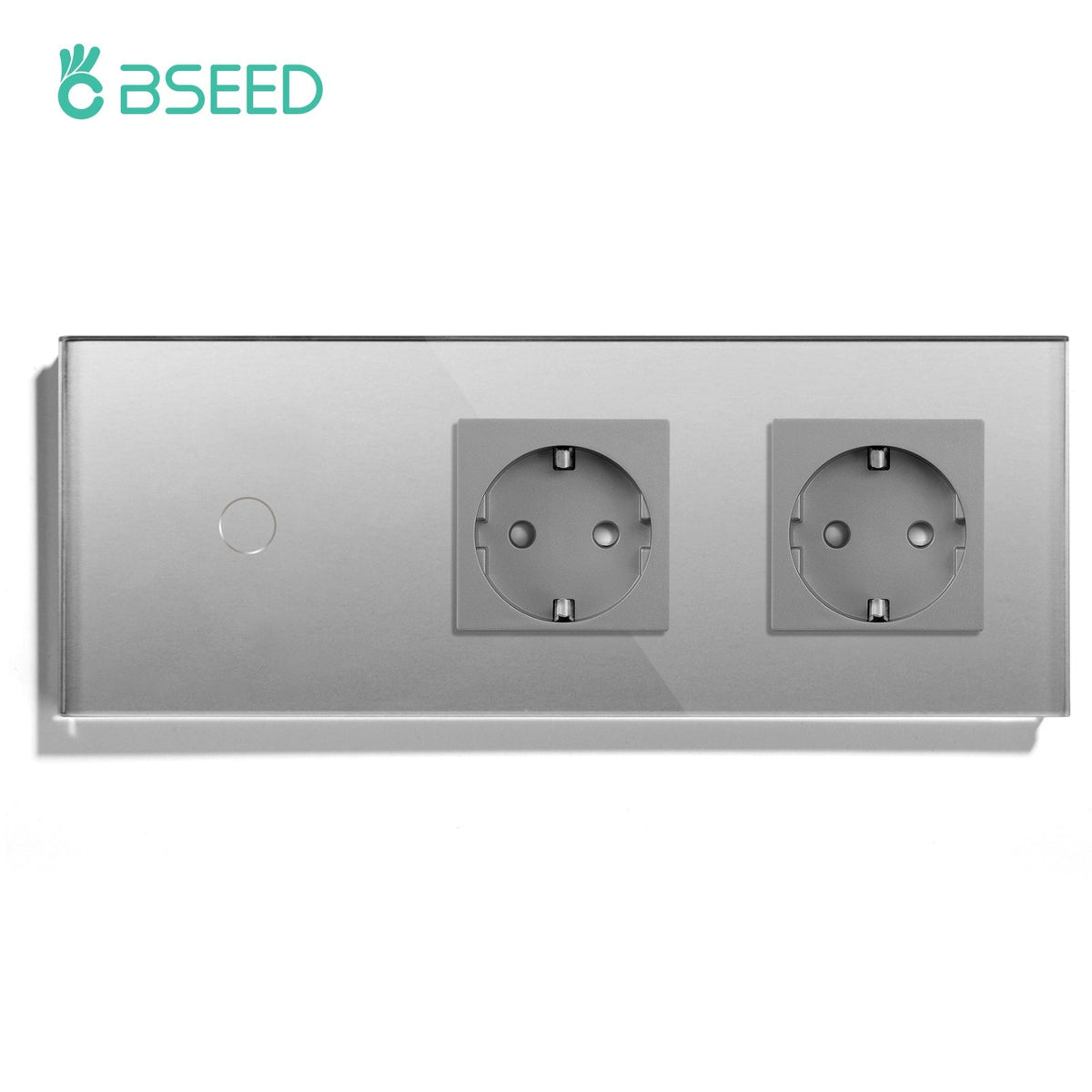
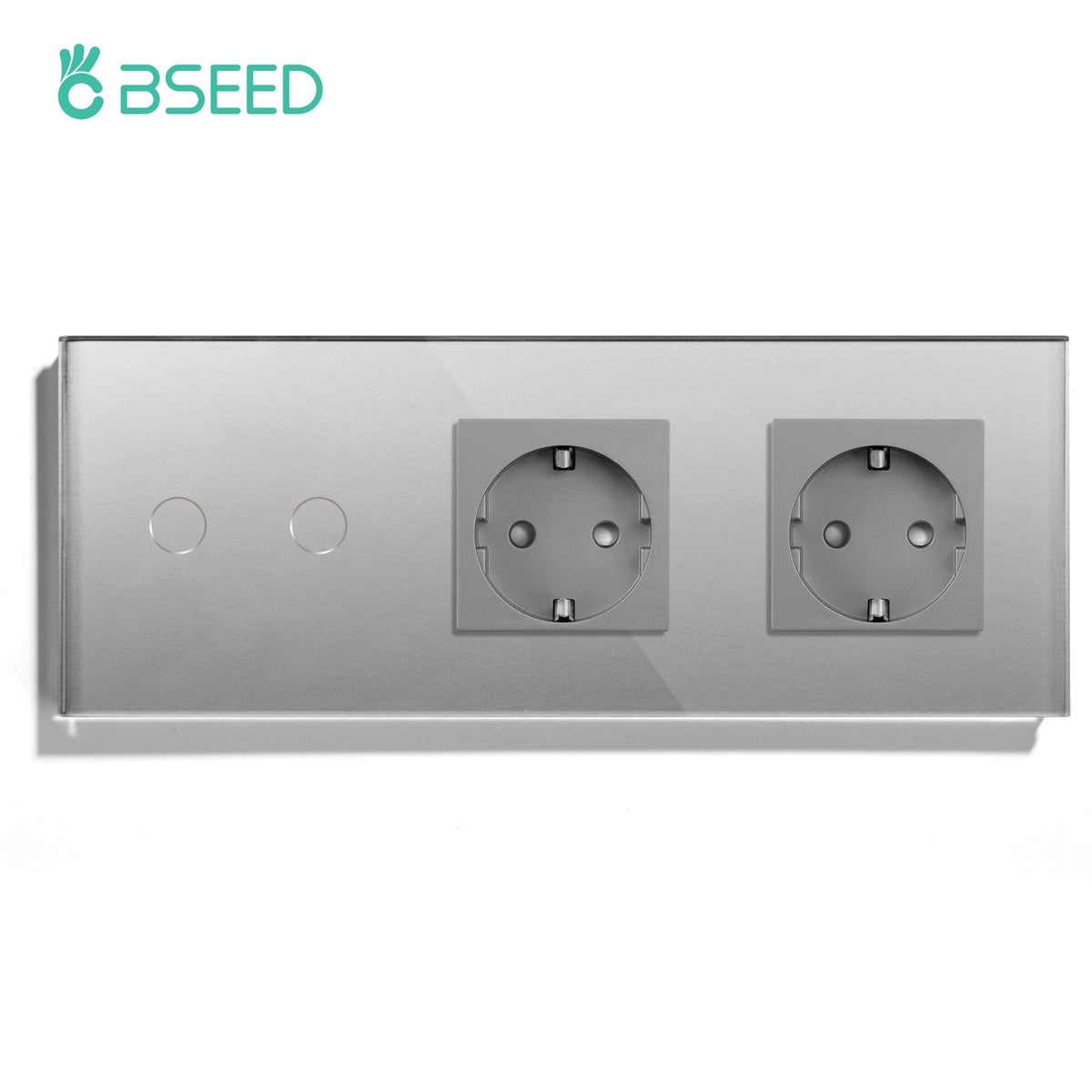
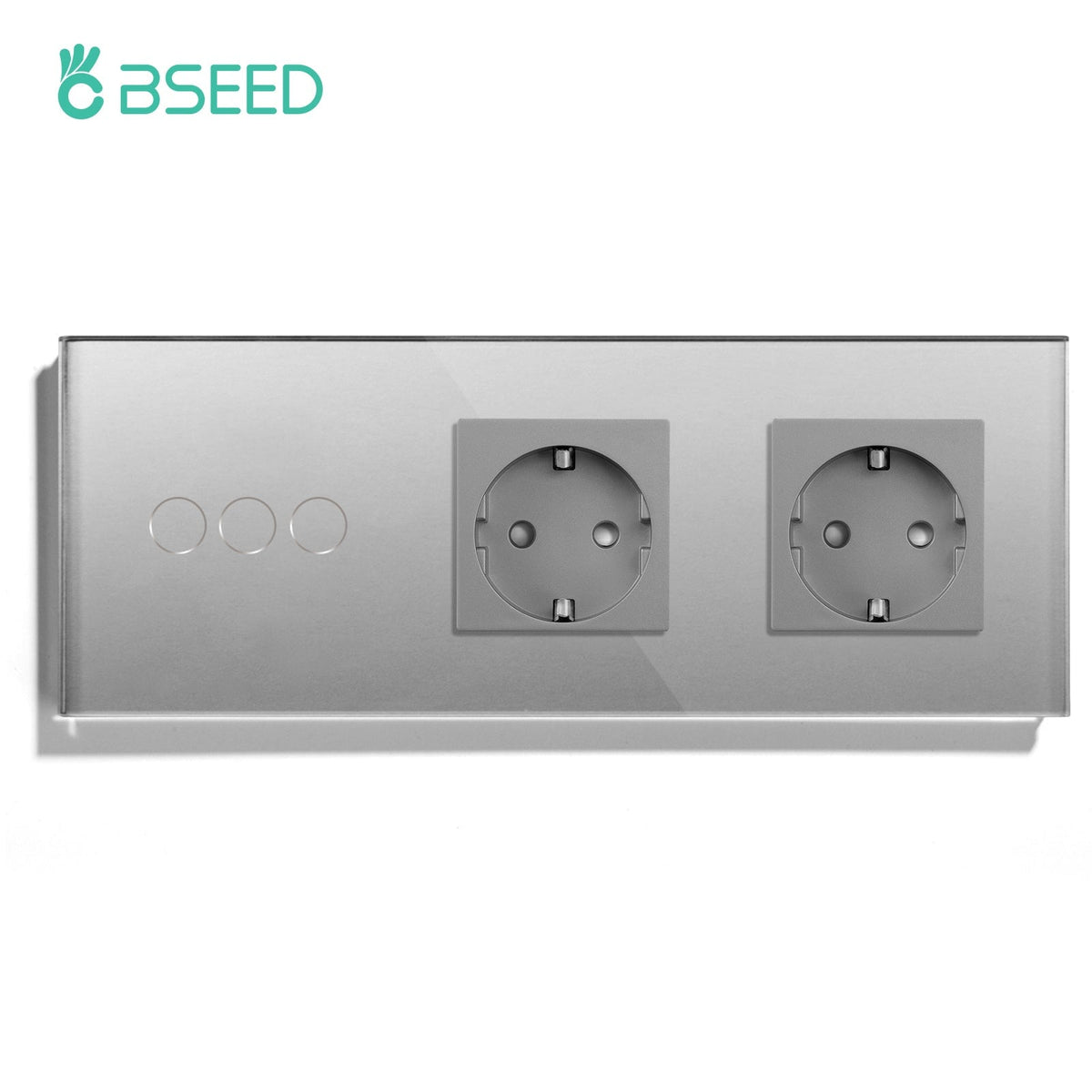
This is where BSEED touch glass smart switches and glass panel smart switches make sense. They are visible products, not hidden devices. The finish, color, gang number, and nearby sockets should be planned together.
A simple rule: if the apartment has one lighting circuit at that position, do not install a panel that looks like it belongs in a control room. Keep it neat. Keep it intentional.
For homeowners, this is not just design taste. The switch is something they see and touch every day.
Dimming Can Be Great, But It Needs Testing
A smart dimmer switch for LED lights is one of the best upgrades for a living room or bedroom. Done well, it changes how the room feels at night. Done badly, it flickers, buzzes, or drops out at low brightness.
I have seen buyers blame the smart dimmer when the real issue was the LED driver or lamp load. It happens often enough that I would check this before promising smooth dimming.
For most apartment projects, dimming is worth using in:
· bedroom main light or bedside lighting
· living room ceiling light
· dining area light
· soft evening light circuit
I would not dim every light just because the product catalog allows it. Kitchen task lighting, bathroom lighting, and storage areas usually need clear on/off control more than mood lighting.
Pick The Control Method After Counting The Home
For a small apartment, a BSEED WiFi light switch is often enough. The router is close, the device count may stay under 10-20 devices, and the homeowner mainly wants app control, schedules, or Alexa and Google Home voice control.
Zigbee is different. A Zigbee 3.0 smart light switch makes more sense when the apartment has several rooms, sensors, smart sockets, curtain switches, or Home Assistant control. It gives the setup more structure once the home grows.
Matter is useful when the family does not want to be locked into one platform. A Matter light switch can be a good fit when Alexa, Google Home, Apple Home, or Home Assistant may all be part of the home later.
Do not choose by buzzword. Count the rooms, circuits, devices, and platforms first.
A Few Scenes Are Enough
Apartment lighting scenes should be practical. Nobody needs ten dramatic scene names in a two-bedroom flat.
A good first setup might include a home entry scene, a soft evening scene, a night path, and an away scene. That is usually enough.
The night path is underrated. A low hallway or bedroom light can make the apartment easier to move through without waking everyone. The away scene should turn off selected lights and non-essential smart sockets, but it should not blindly cut power to devices that need to stay on.
Simple scenes survive daily use. Clever scenes often get deleted.
Check The Installation Limits Early
Not every apartment is ready for smart wall switches. Older wall boxes may be shallow. Some switch positions may not have a neutral wire. Rental homes may limit electrical work. Shared building areas may have rules.
If there is no neutral wire, the buyer may need a smart switch without neutral wire, but the wiring still has to be checked by someone qualified. If wall changes are not allowed, smart bulbs or plug-in lamps may be the safer first step.
For owned apartments or professional renovations, smart wall switches are usually cleaner. They keep wall control stable and avoid the common problem of smart bulbs losing power when someone turns off the old switch.
A Practical Apartment Lighting Plan
For a modern apartment, I would plan the BSEED setup like this:
1. Fix the entrance and hallway first.
2. Add bedroom comfort lighting.
3. Use dimming only where the LED load is suitable.
4. Match switches, sockets, and thermostats visually.
5. Choose WiFi for simple setups, Zigbee for larger systems, and Matter when platform flexibility matters.
BSEED fits this type of project because the apartment can start with smart switches, then add dimmer switches, smart sockets, curtain control, thermostats, or Matter/Zigbee devices later without changing the whole wall style.
The best apartment lighting system is not the one with the most functions. It is the one people stop noticing because the home finally behaves the way they expected.