BSEED Smart Home: Complete Automation Guide for Beginners
A BSEED smart home project should begin with the way a family actually uses the house. That sounds simple, but it is the part beginners often skip. They buy switches, sockets, curtain controls, and thermostats before deciding which daily problem they want to solve first.
Start smaller. One room is enough.
For a homeowner, the first goal is not to make the home look technical. It is to make a normal routine easier: getting up in the morning, turning off lights before sleep, closing curtains before a movie, or keeping a bathroom warm before the first person wakes up. If that first room feels natural after two weeks, the rest of the home becomes easier to plan.
Start With A Household Map, Not A Device List
Walk through the home at three times of day: morning, evening, and late night. Write down what people touch by hand. Light switches. Curtain controls. Sockets. Heating controls. Outdoor lights. The list will tell you more than a product catalog.
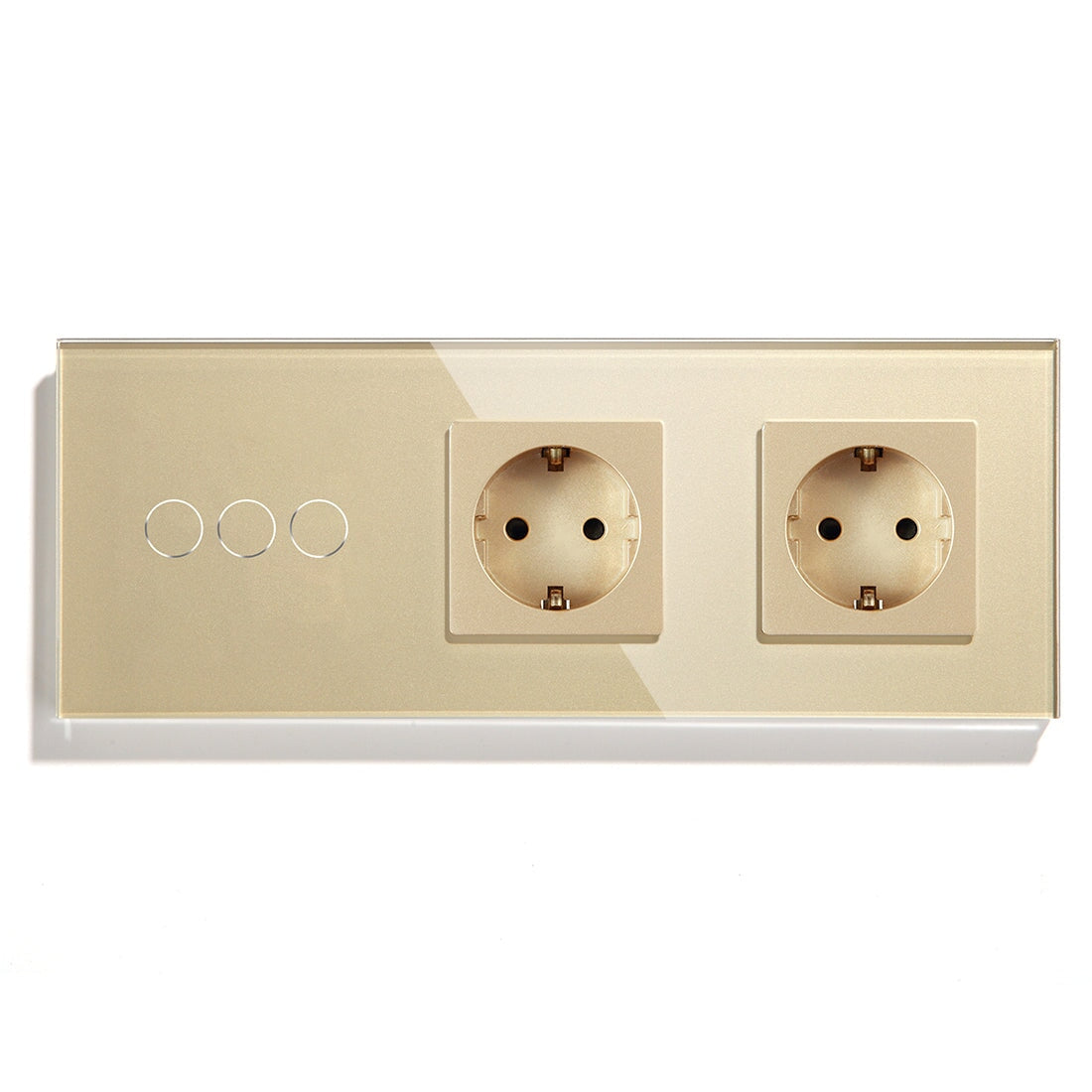
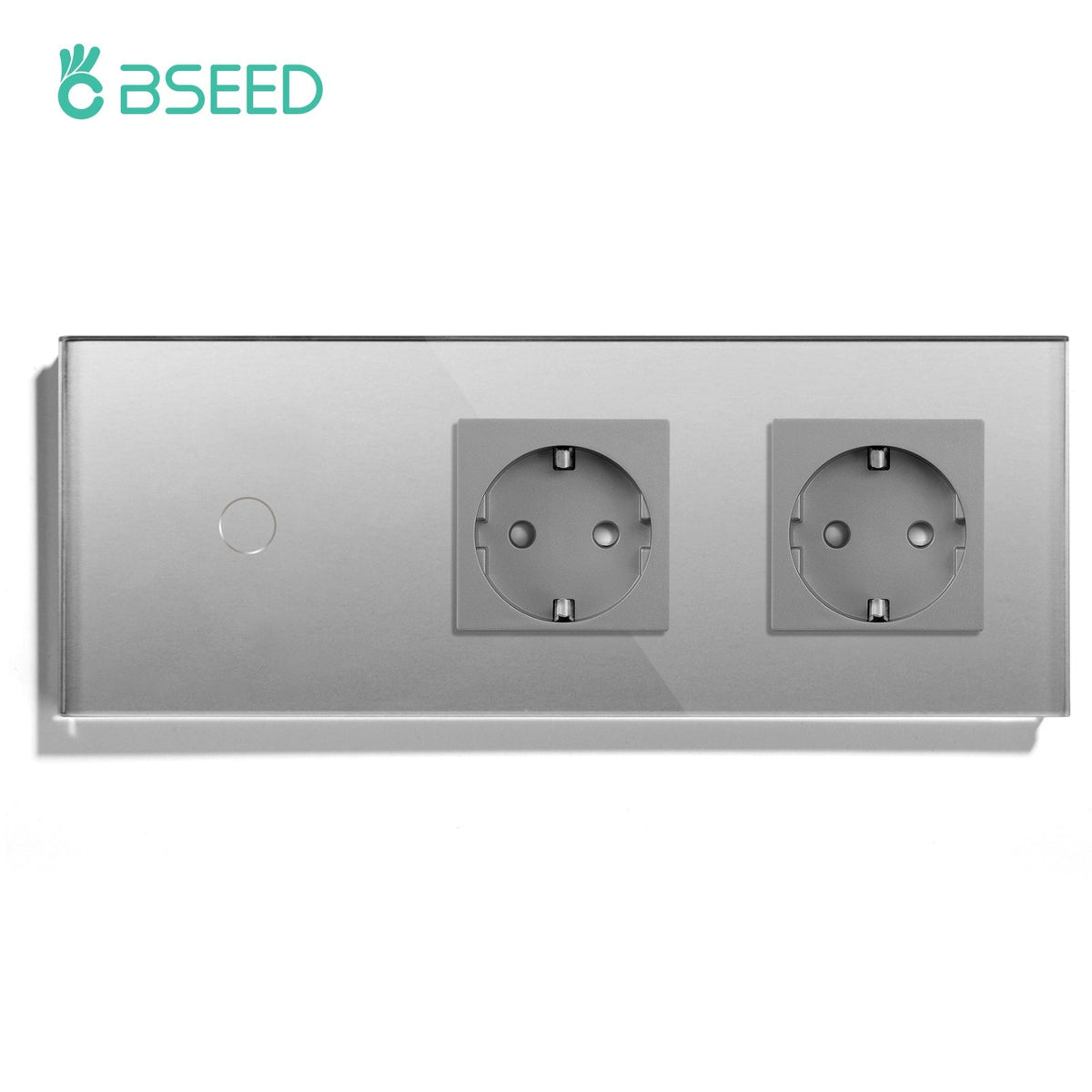
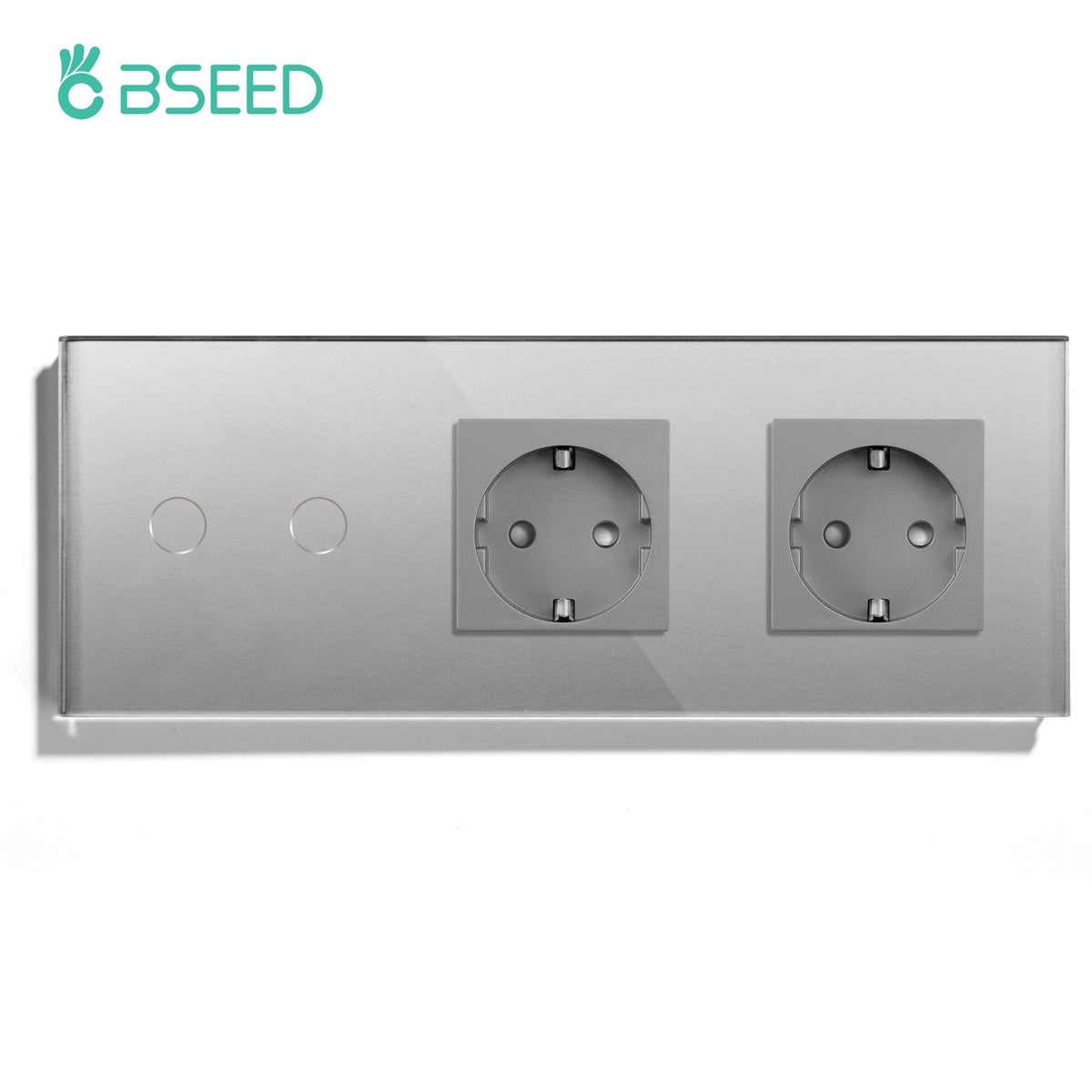
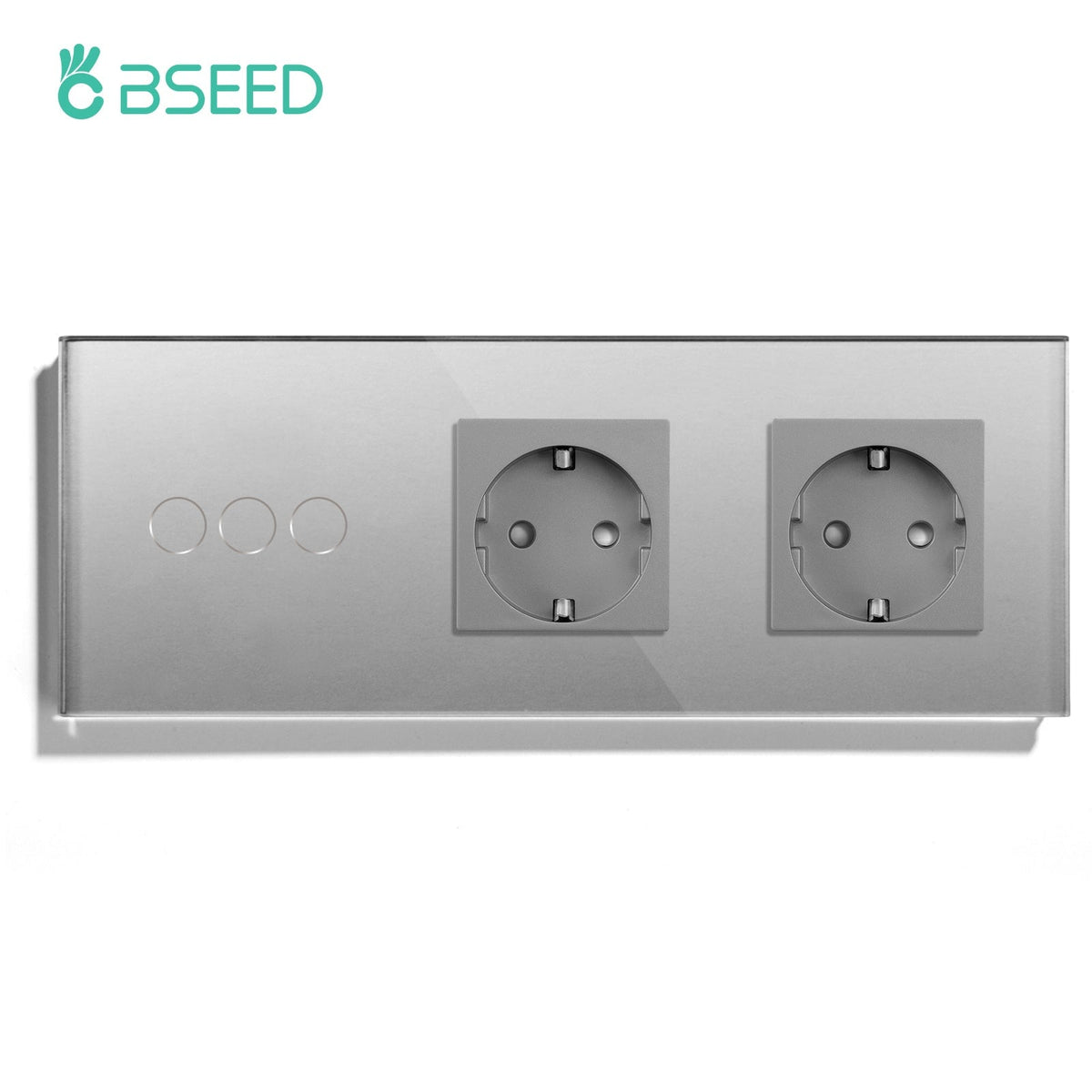
In a small apartment, the bedroom or hallway is usually the first good test area. A BSEED smart switch keeps the familiar wall control in place, then adds app control, voice control, and schedules around it. A bedside lamp may use a smart socket. A curtain switch can open curtains on a weekday schedule.
In a larger home, pick one living zone rather than the whole building. The living room often reveals how the system will behave because it combines lighting, curtain or roller shutter control, sockets, and sometimes heating.
Keep The Wall Useful
Many beginners think a smart home means using the phone for everything. That is a mistake. The wall switch should still work for guests, children, elderly family members, and anyone walking into the room with their hands full.
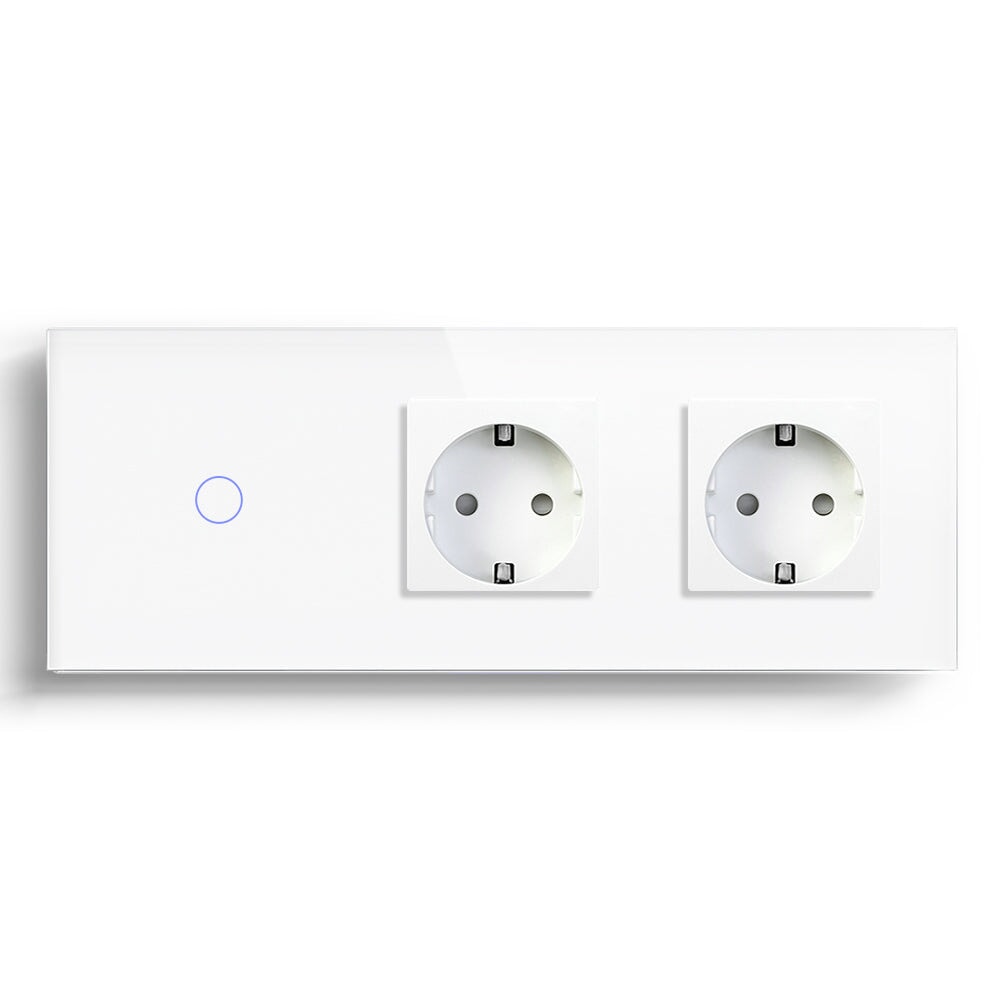
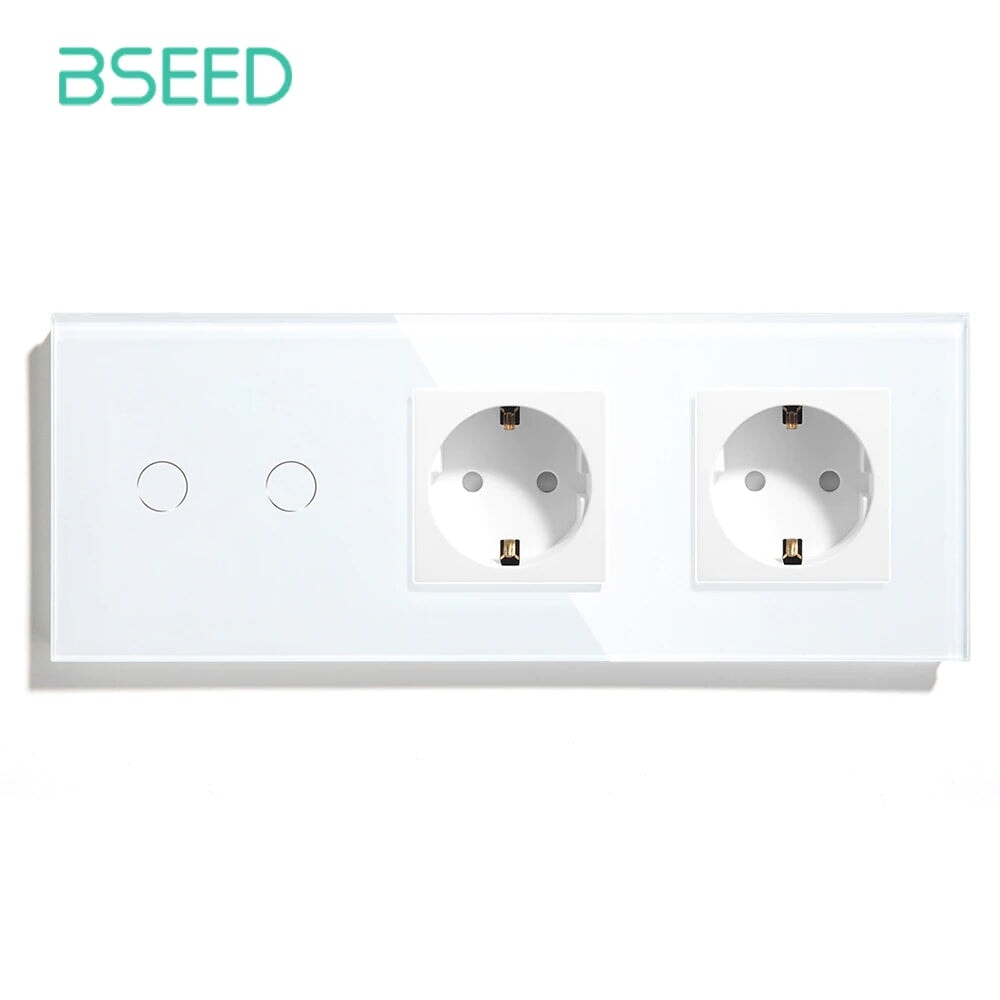
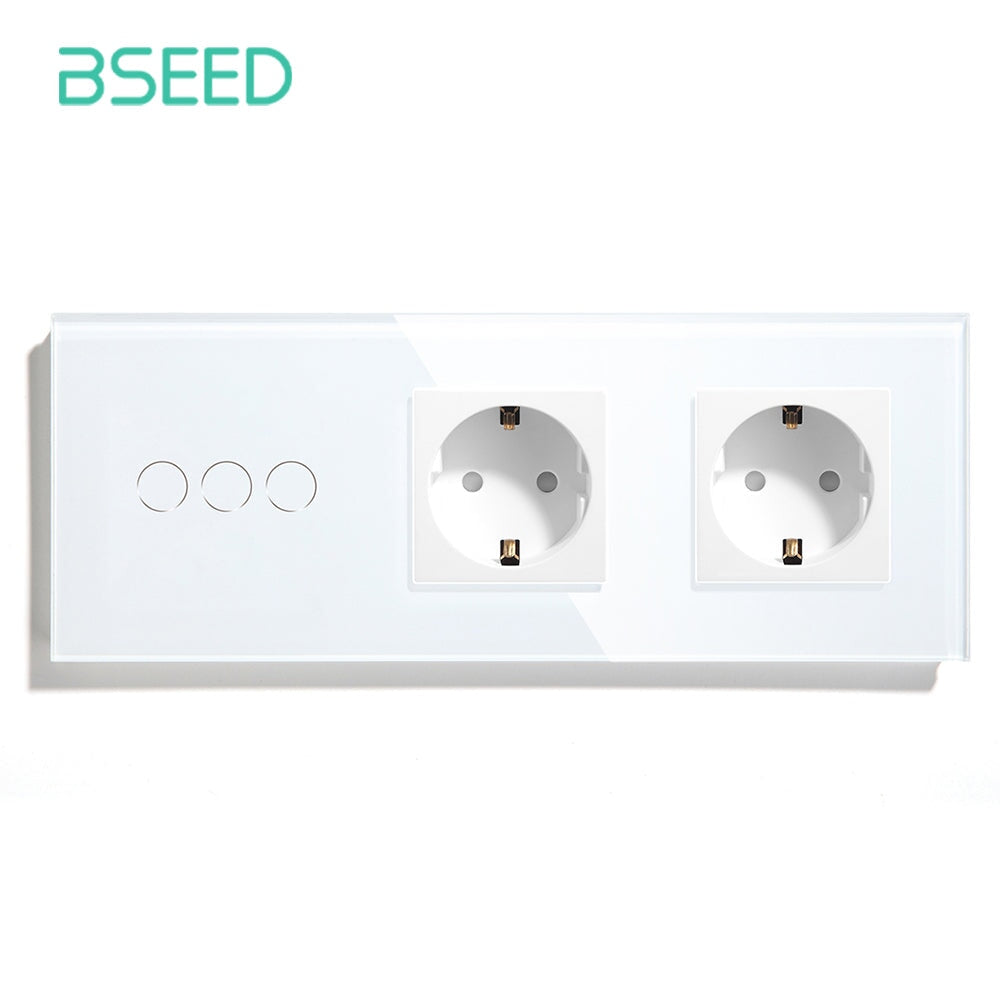
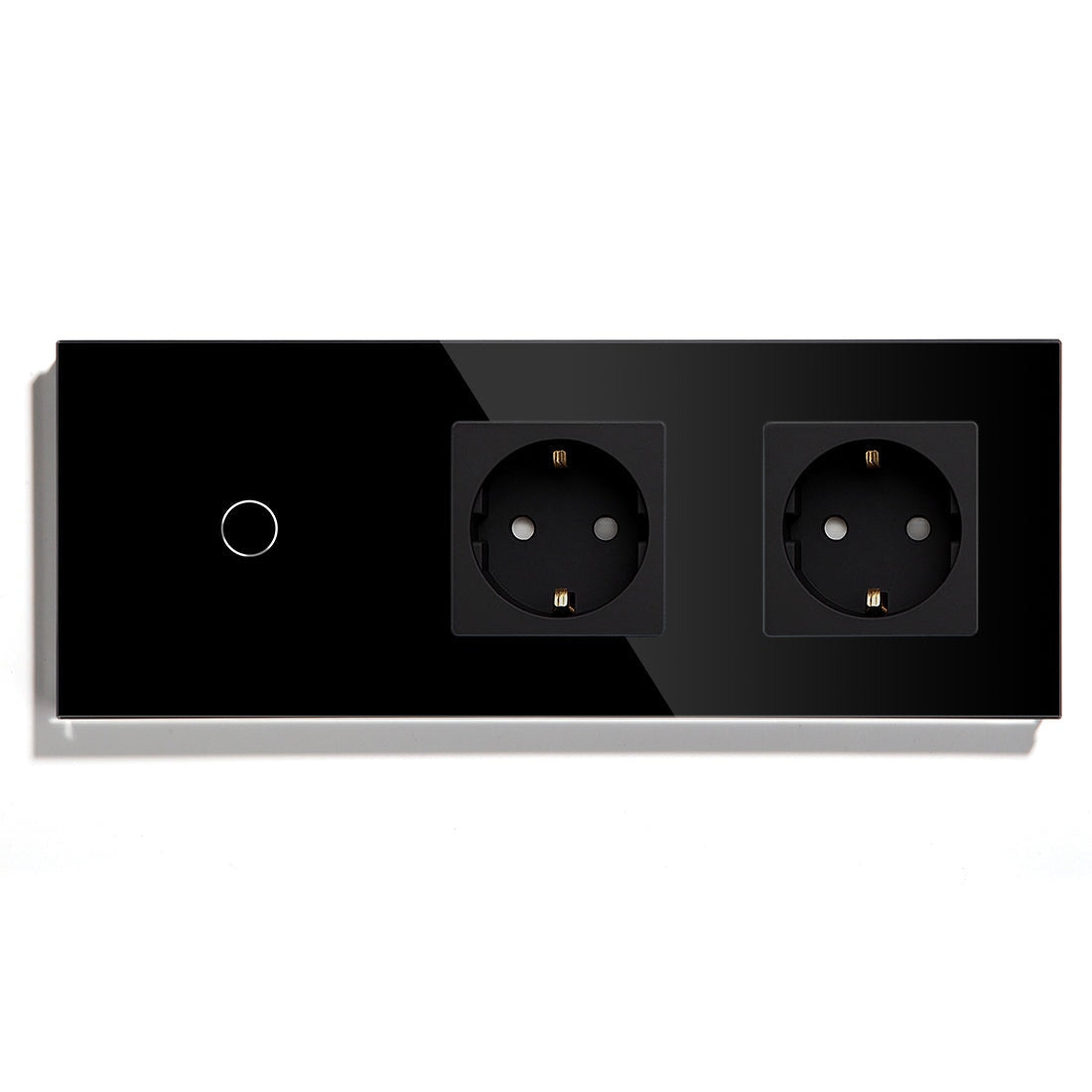
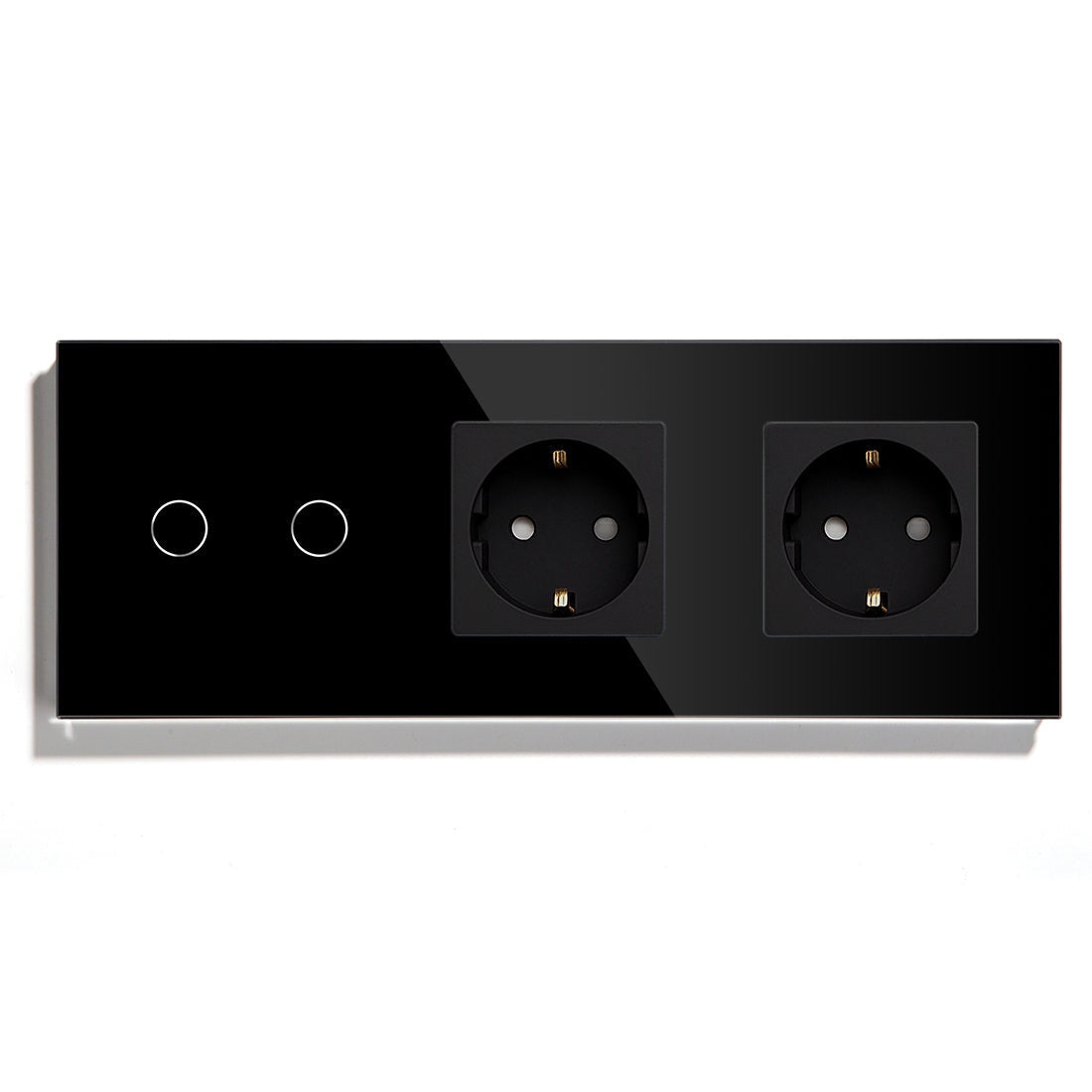
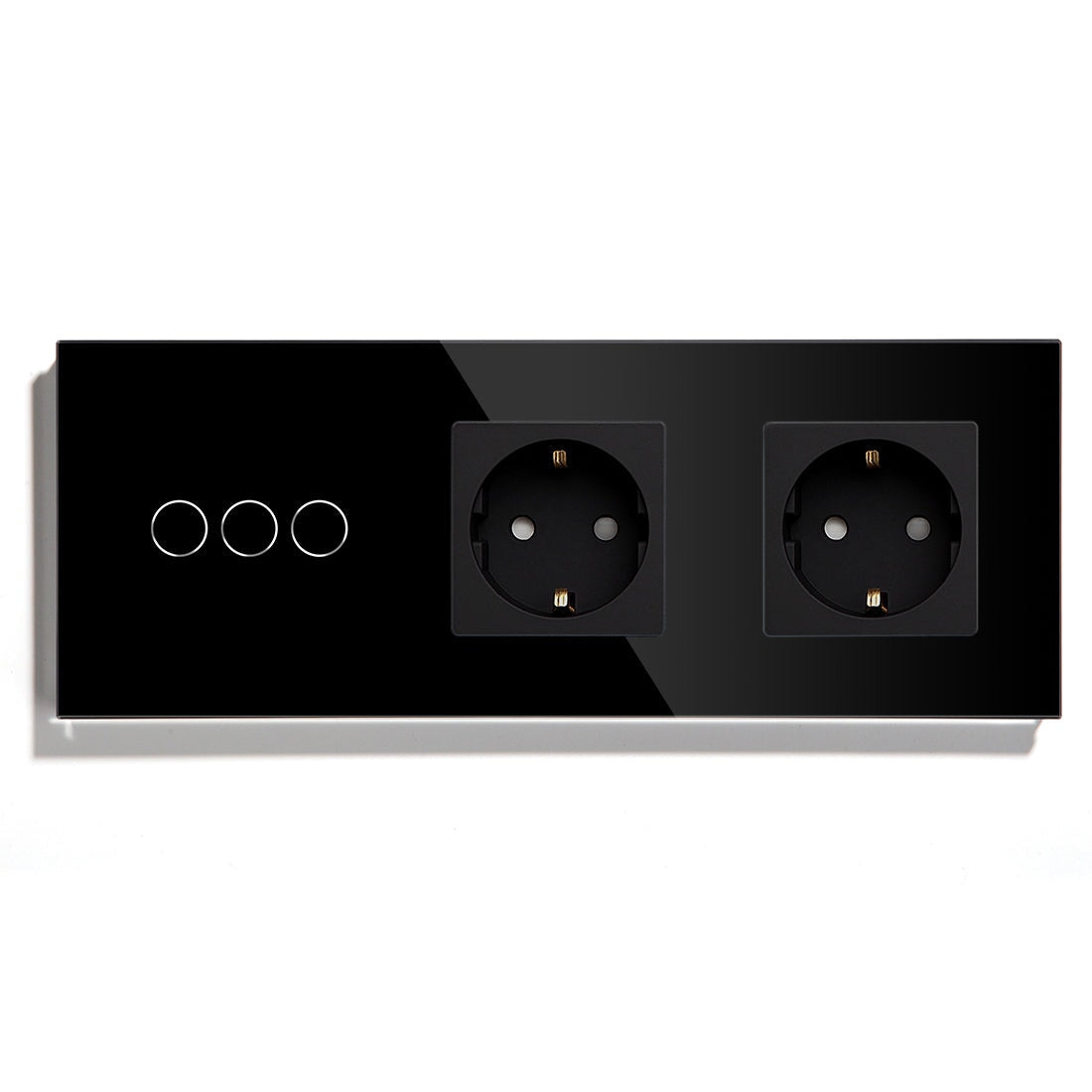
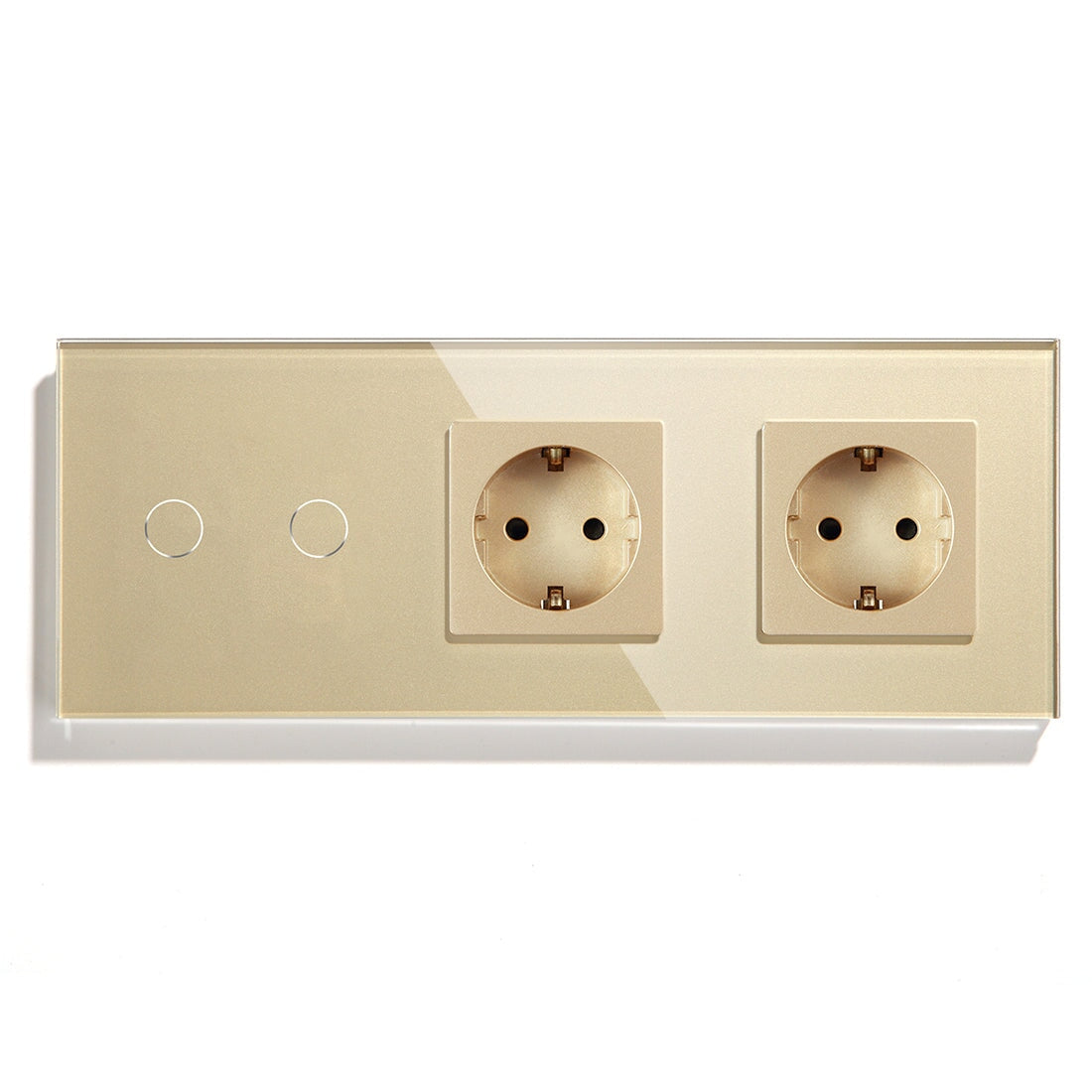
This is why a smart wall switch is usually a better first product than app-only control. A BSEED touch glass smart switch, WiFi light switch, or similar wall control can still feel familiar while supporting scenes and remote access. The family does not need to learn a complicated system on day one.
If the home has old wiring, check whether the switch box has a neutral wire. Some retrofit projects need a smart switch without neutral wire. That detail should be confirmed before buying, especially in older apartments where the switch box depth is limited.
Build Three Scenes First
Do not create twenty automations in the first weekend. Three scenes are enough for a beginner:
l Morning: open selected curtains, switch on soft lighting, and set a comfortable heating target where needed.
l Leaving home: turn off selected lights and sockets, close chosen shutters, and lower heating in rooms that do not need comfort temperature.
l Night: dim bedroom or hallway lighting, turn off decorative lamps, and leave only the devices that should stay powered.
These scenes are easy to understand. More important, they are easy to fix if something feels wrong.
Choose WiFi, Zigbee, Or Matter After The First Room
A small BSEED smart home can work well with WiFi devices when the router signal is stable and the number of devices is modest. That is why many homeowners start with a BSEED WiFi switch or WiFi touch light switch.
Zigbee becomes more interesting when several rooms are involved. A BSEED Zigbee switch or Zigbee light switch can join a mesh-style smart home system through a hub, which is useful when lights, sensors, sockets, and roller shutter switches need to work together.
Matter is worth considering when the family wants more freedom across Alexa, Google Home, Apple Home, or Home Assistant. A BSEED Matter switch or Matter compatible smart light switch can be a practical choice when the household does not want one platform decision to control the whole future.
The beginner version is this: do the first room well, then choose the network style before expanding.
Products That Make Sense Early
Lighting is the easiest place to begin because the result is visible every day. Curtains and roller shutters come next when privacy, sunlight, or heat gain matters. Smart sockets are useful for lamps and selected plug-in devices, but they should stay within the rated load. Smart thermostats make sense when the heating schedule is predictable, especially for floor heating or room heating zones.
BSEED can cover the main control points in a staged home: lighting, plug-in loads, curtain movement, roller shutters, heating, glass wall panels, and central control. For beginners, that range matters because the home can grow in stages while keeping a consistent wall style.
A Good First-Month Rule
Run the first room for 2-4 weeks before buying devices for the rest of the home. Check whether people still use the wall switch, whether scenes happen at the right time, and whether anyone in the household finds the system annoying.
A smart home that survives the first month quietly is usually ready to expand. One that needs constant app fixing is telling you to slow down.