


Photo
Videos
Instant customer service
30-day refund
Gratis verzending
1 jaar garantie
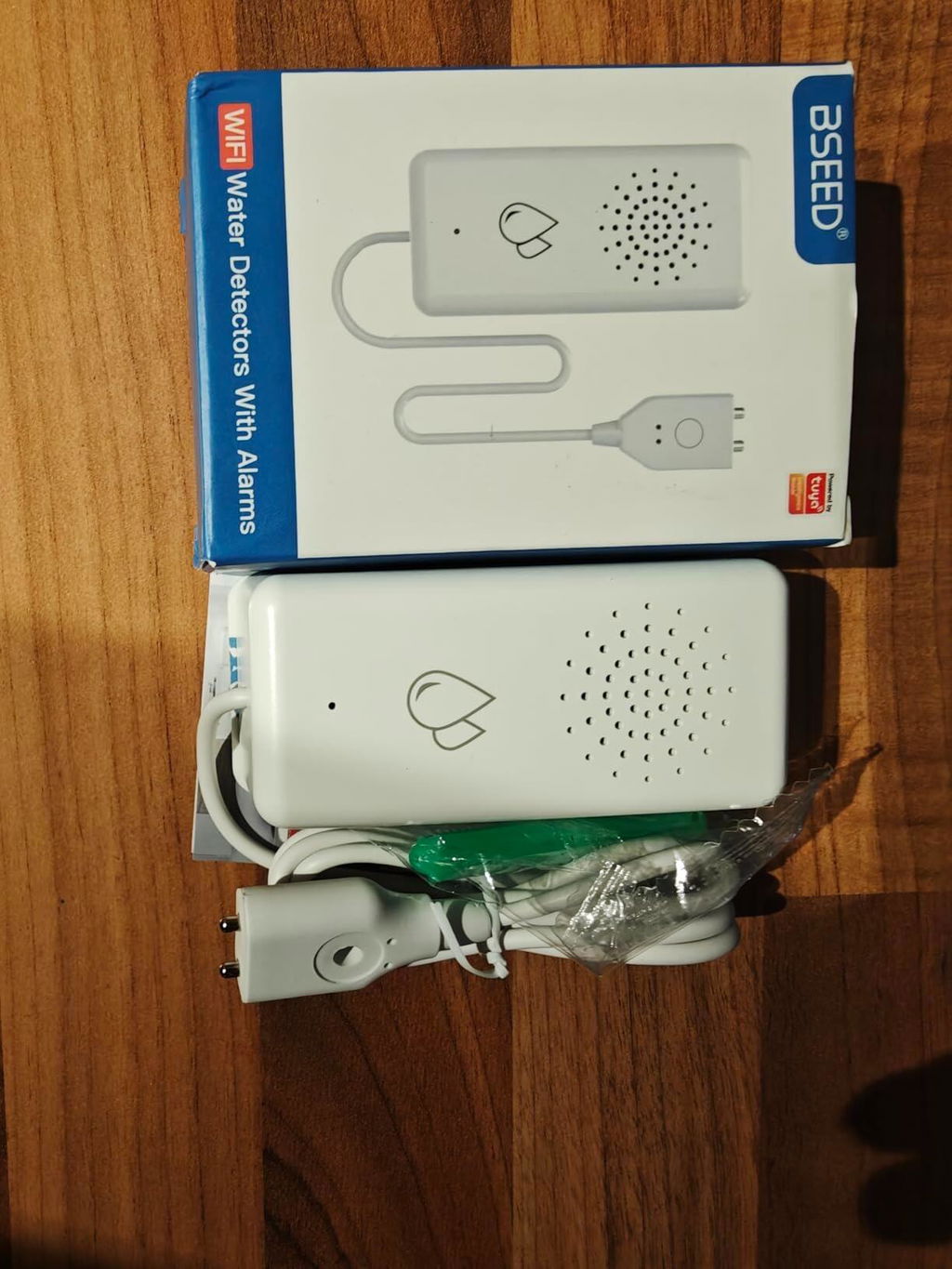
BSEED Smart Sensor Switch Wifi Sensor Switch Zigbe Sensor Switch Set Samrt Alarm DIY Part

KORTINGSCODE

 KORTINGSCODE
12%
OFF
Voor je eerste bestelling
subs12
COPY
COPIED
10%
OFF
Bestellingen boven €299
ORDIN10
COPY
COPIED
15%
OFF
Bestellingen boven €499
ORDIN15
COPY
COPIED
18%
OFF
Bestellingen boven €999
ORDIN18
COPY
COPIED
Type:Wifi Door Sensor
Kenmerken
Specificaties
Specifications
Brand
BSEED
Gateway:
BSEED ZigBee gateway hub
Protocol:
Zigbee 3.0 Protocol
Working Temperature:
-10℃-50℃
Working Humidity:
10%~95%RH
WiFi Frequency:
IEEE802.11 b/g/n
WIFI Standard:
Wifi 2.4G Hzb/g/n
APP:
Tuya / Smart Life
Voice Control:
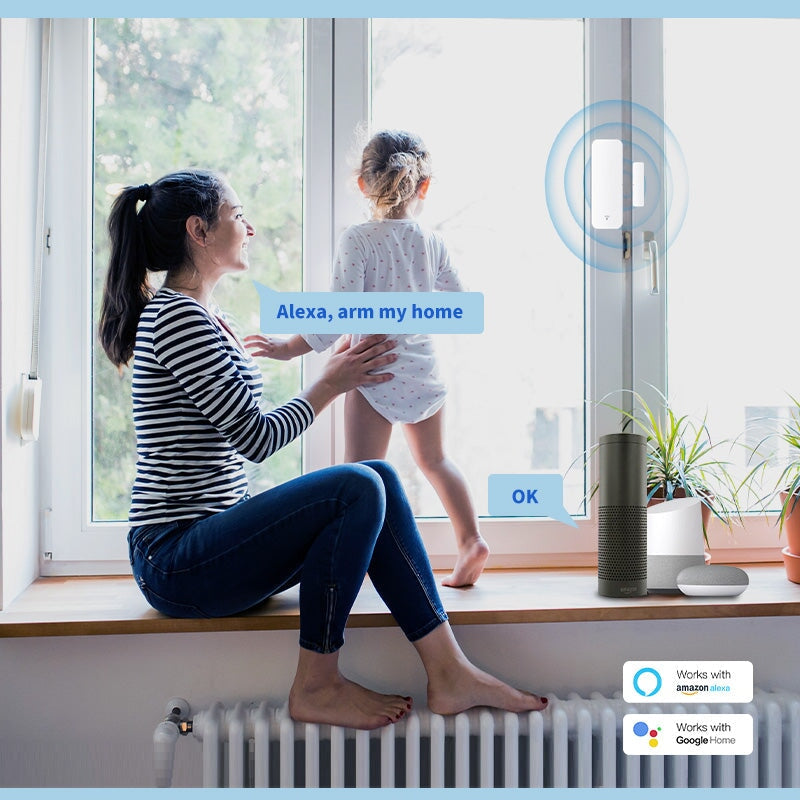
Google Home, Amazon Alexa
Warranty:
1 year
Certificaat
Handleiding & meer
Paklijst

Product * 1
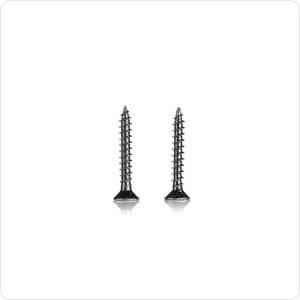
Schroefspijker * 2
Gebruikershandleiding * 1
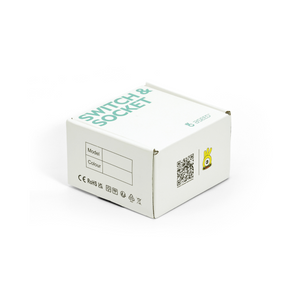
Pakket * 1
Aanbeveling uit dezelfde serie
€6.02
€7.86
€7.86
€9.01
€18.05
SHOW MORE
SHOW MORE
BSEED Smart Sensor Buying
customers choose the right smart home sensors based on what they want to monitor, connectivity, installation requirements, and usage scenarios.
From smoke, gas and water leaks to motion, door/window activity, temperature and humidity, BSEED offers both WiFi and Zigbee sensors to suit different smart home setups.
WiFi sensors are ideal for simple, direct connectivity, while Zigbee sensors are better suited to a connected smart home ecosystem with a Zigbee 3.0 gateway.
Customers can also choose individual sensors or sensor kits according to their home security and automation needs, making it easier to build a safer, smarter and more connected home.
Heb je nog meer hulp nodig?
HELP CENTER
Overzicht
Veelgestelde vragen
Beoordelingen
Veelgestelde vragen
I didn't find the product I wanted
We work hard to include as much information about our products in our product descriptions on the product page, You can combine the products you want through the DIY section, or contact our customer service staff.
What is a smart home sensor?
A smart home sensor is a device that detects changes in the home environment, such as motion, smoke, water leaks, gas, temperature, humidity, or door and window status. It can send real-time alerts to your smartphone or connect with other smart home devices to trigger automated actions.
What is the difference between WiFi and Zigbee sensors?
WiFi sensors connect directly to a compatible WiFi network, making them convenient for simple smart home setups. Zigbee sensors are designed to work with a Zigbee gateway and are ideal for larger smart home systems with multiple connected devices. The best choice depends on your existing smart home ecosystem and the number of devices you plan to connect.
Do Zigbee sensors need a gateway?
Yes. Most Zigbee smart sensors require a compatible Zigbee 3.0 gateway to connect to your smart home network and communicate with other devices. Before purchasing, check that the sensor and gateway use compatible Zigbee standards and ecosystems.
Where should I install a motion sensor?
Motion sensors can be installed in areas where movement detection is useful, such as hallways, living rooms, bedrooms, entrances, kitchens, offices, and garages. For the best performance, install the sensor where it has a clear view of the area you want to monitor and follow the manufacturer's recommended installation height and detection angle.
Can smart sensors send alerts to my phone?
Compatible smart sensors can send notifications to your smartphone when a specific event is detected, such as water leakage, smoke, unusual motion, or a door being opened.
Can smart sensors work together with other smart home devices?
Yes. Compatible smart sensors can be used to create smart home automation scenes. For example, a motion sensor can trigger smart lights, a door sensor can activate a security notification, or a water leak sensor can send an emergency alert. This allows individual devices to work together as part of a connected smart home system.
How do I choose the right smart home sensor?
Start by identifying what you want to monitor. Choose a water leak sensor for water-related risks, a smoke or gas sensor for home safety, a motion or human presence sensor for activity detection, a door/window sensor for security, or a temperature and humidity sensor for environmental monitoring. Then choose between WiFi and Zigbee based on your existing smart home setup and check whether a gateway is required.