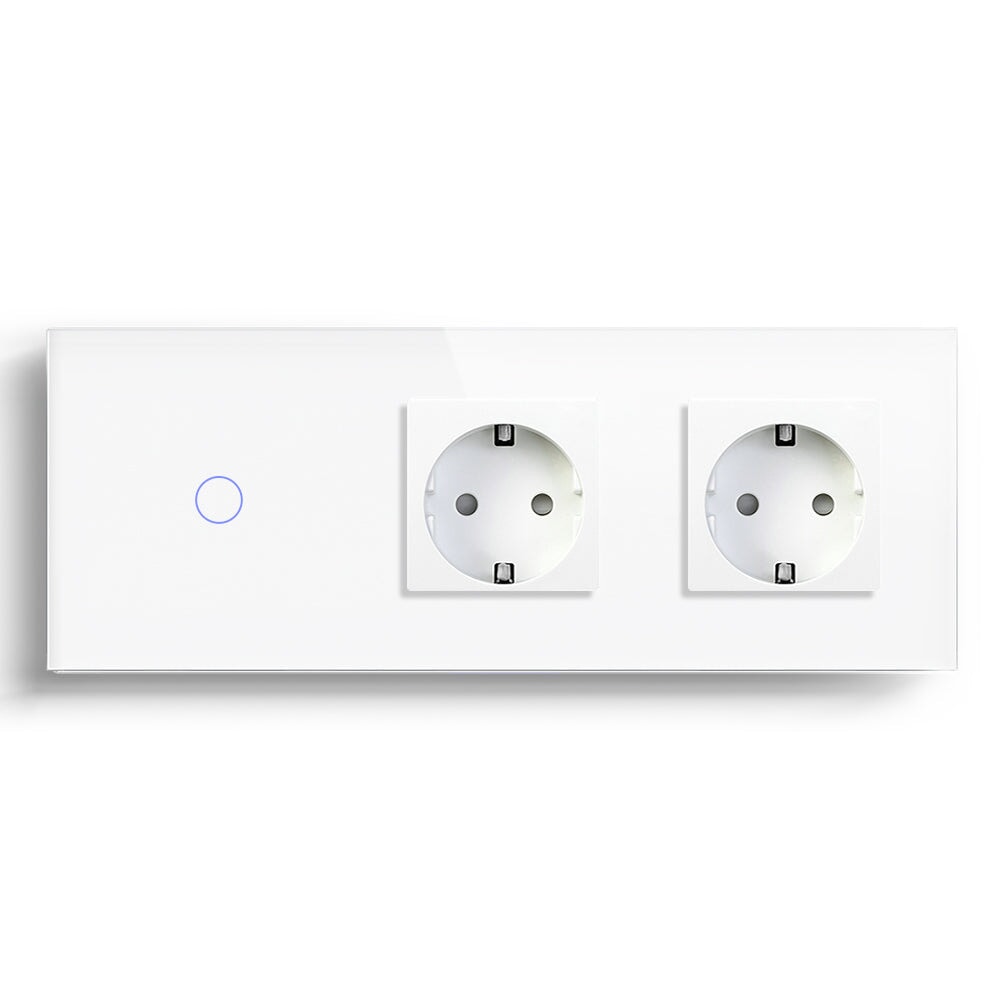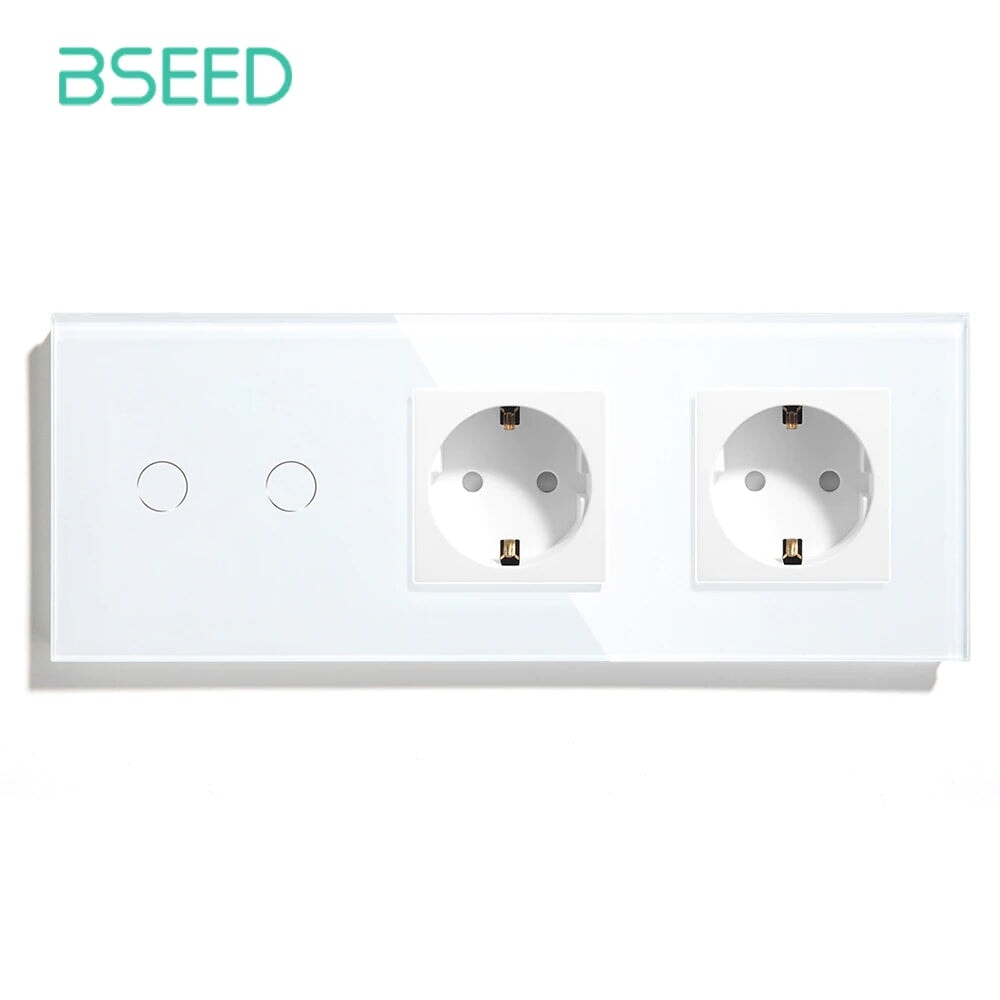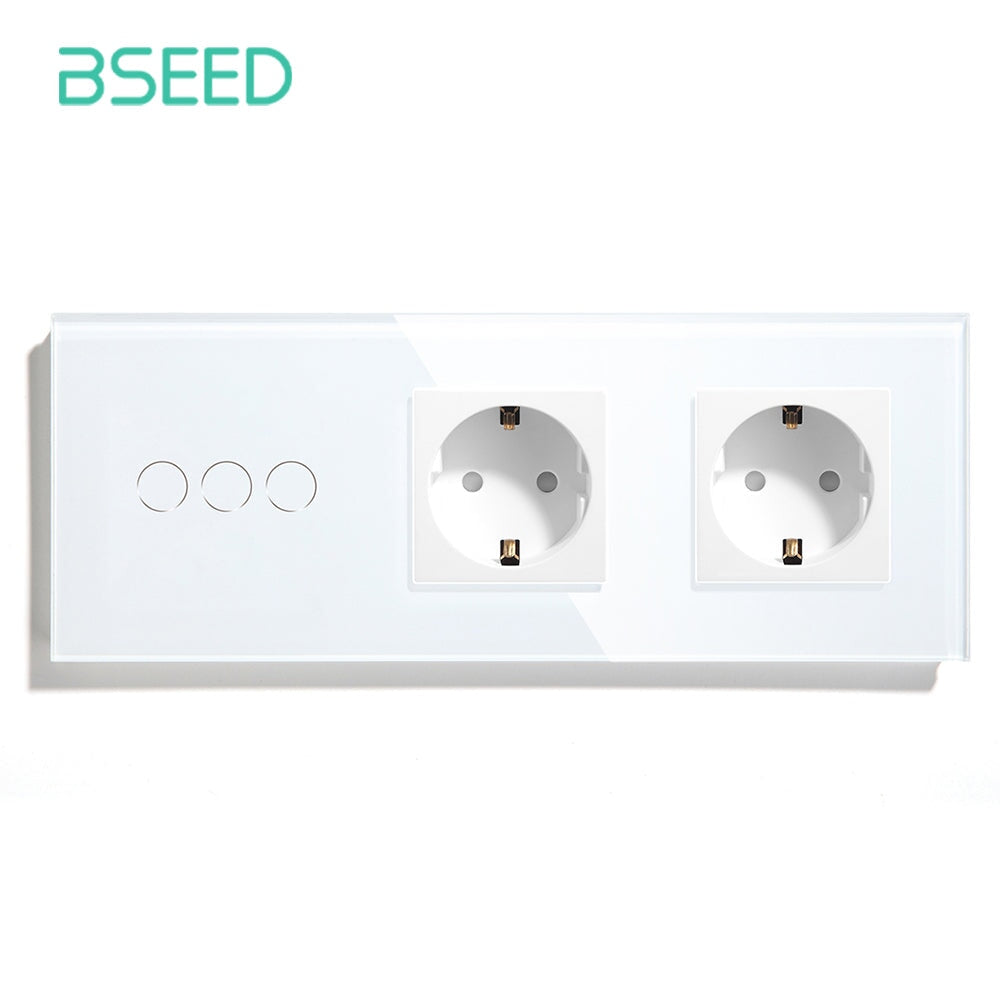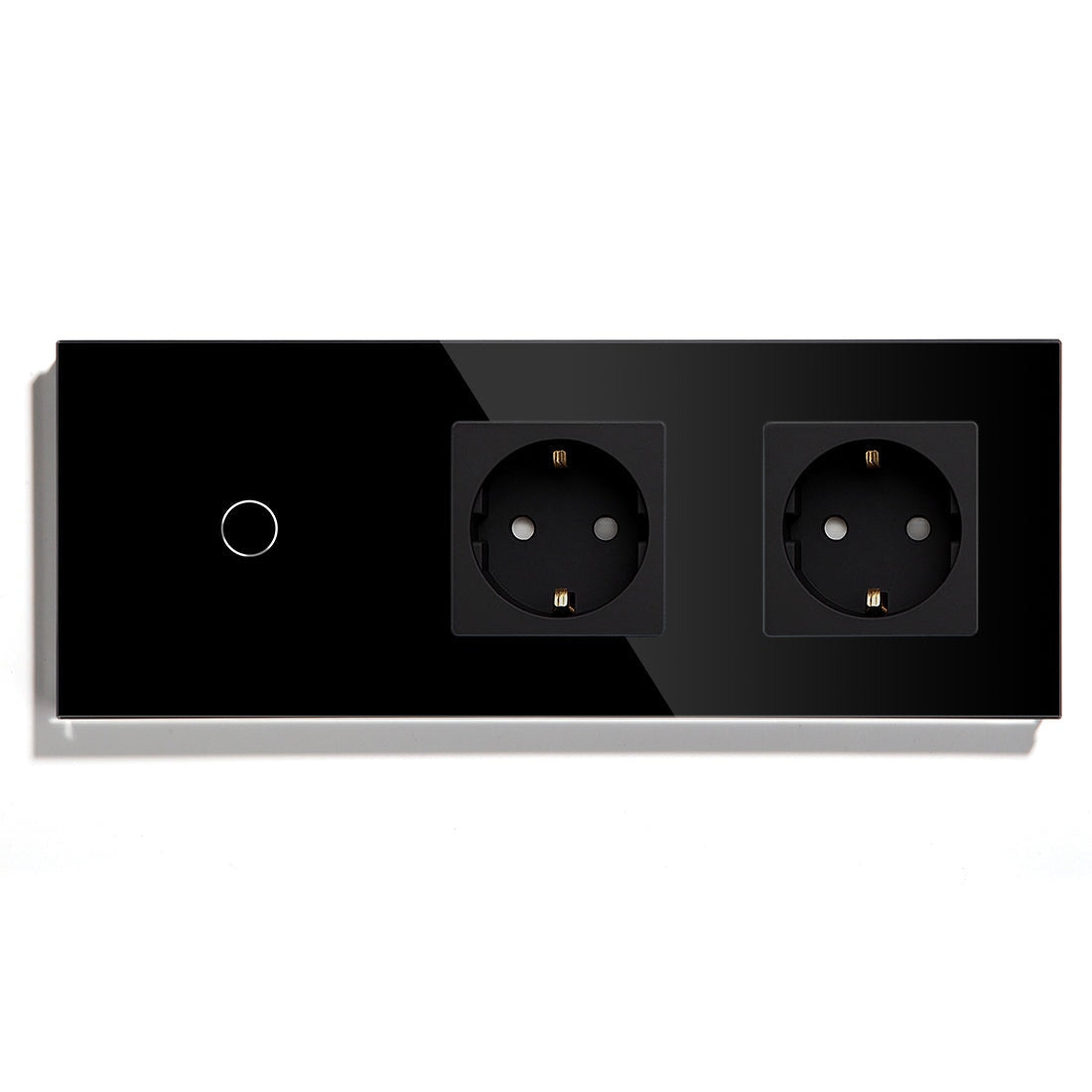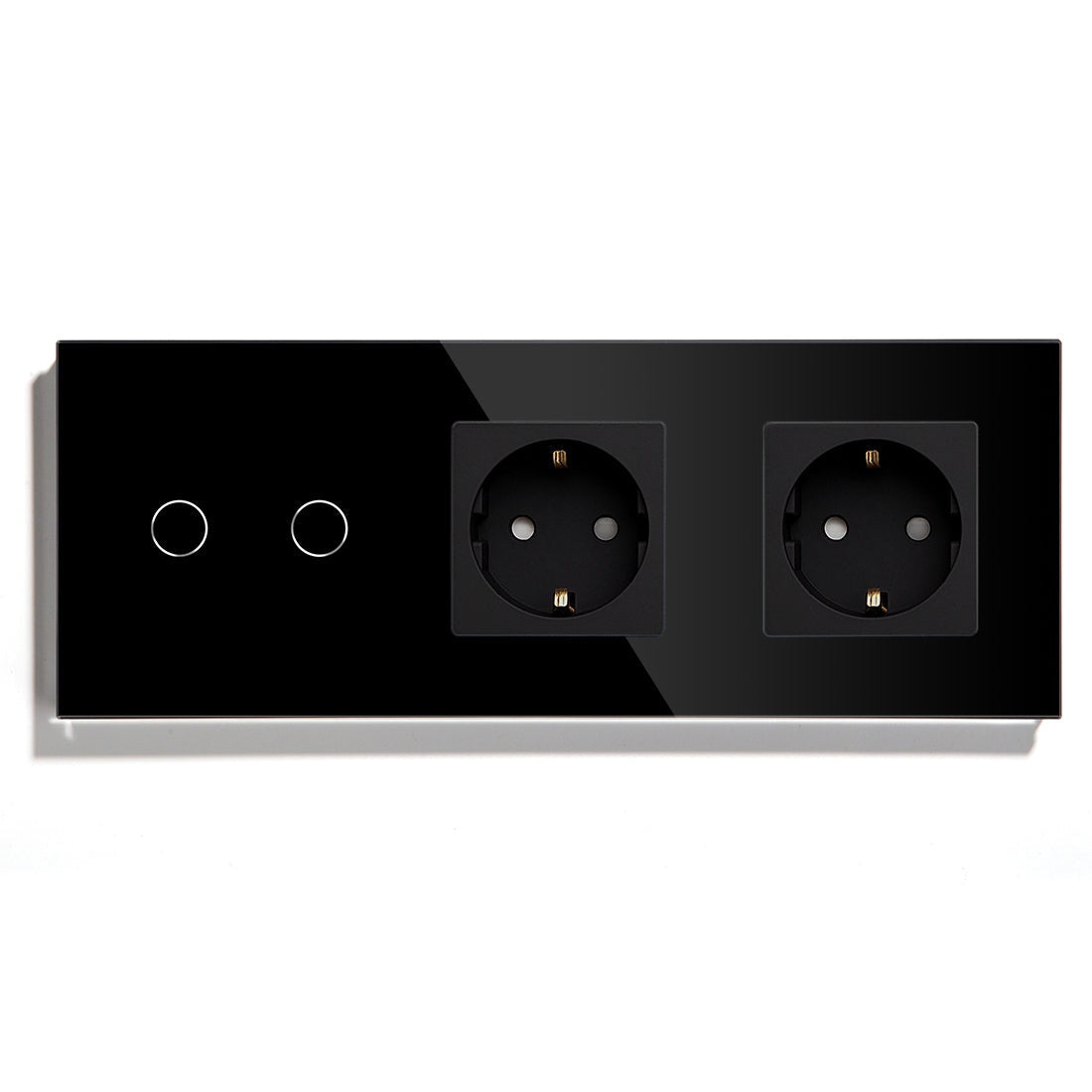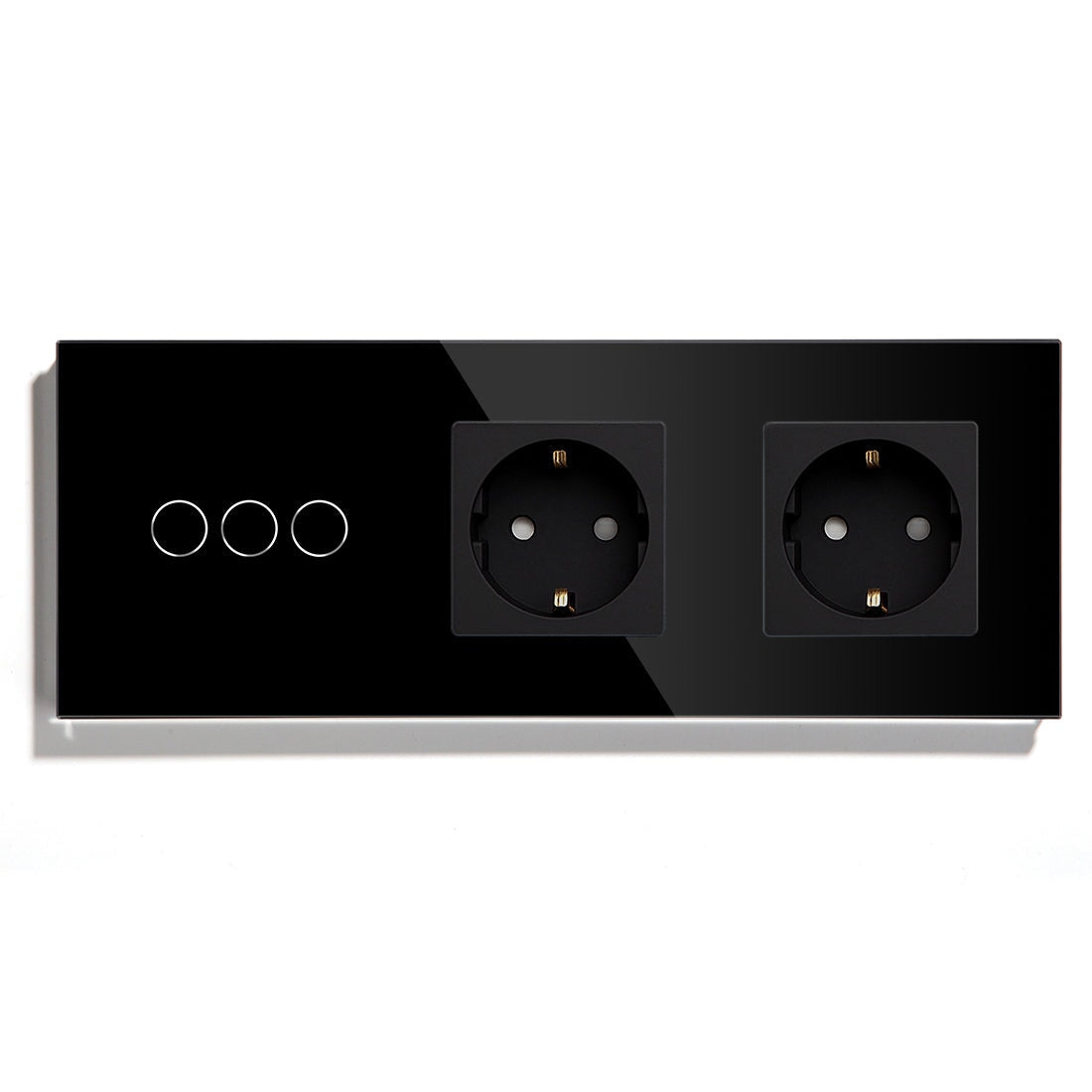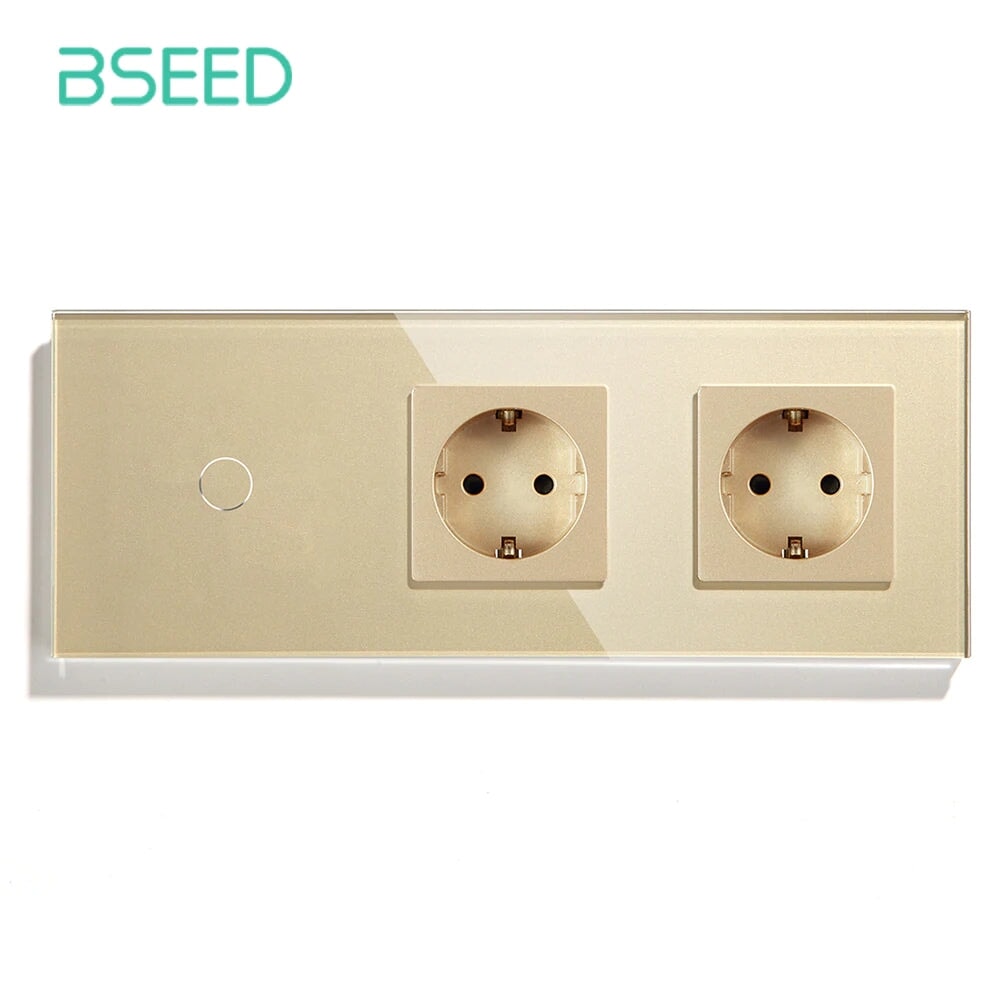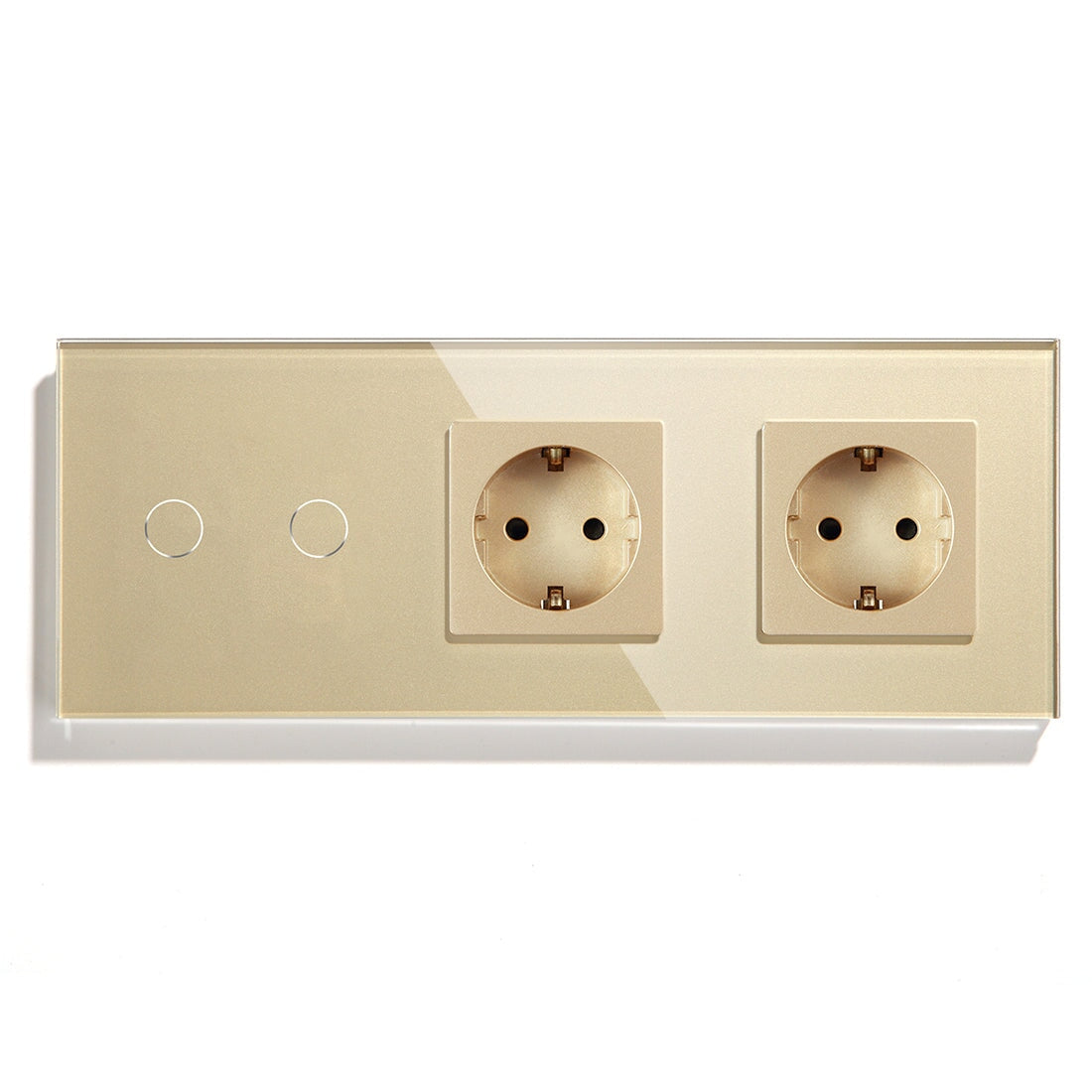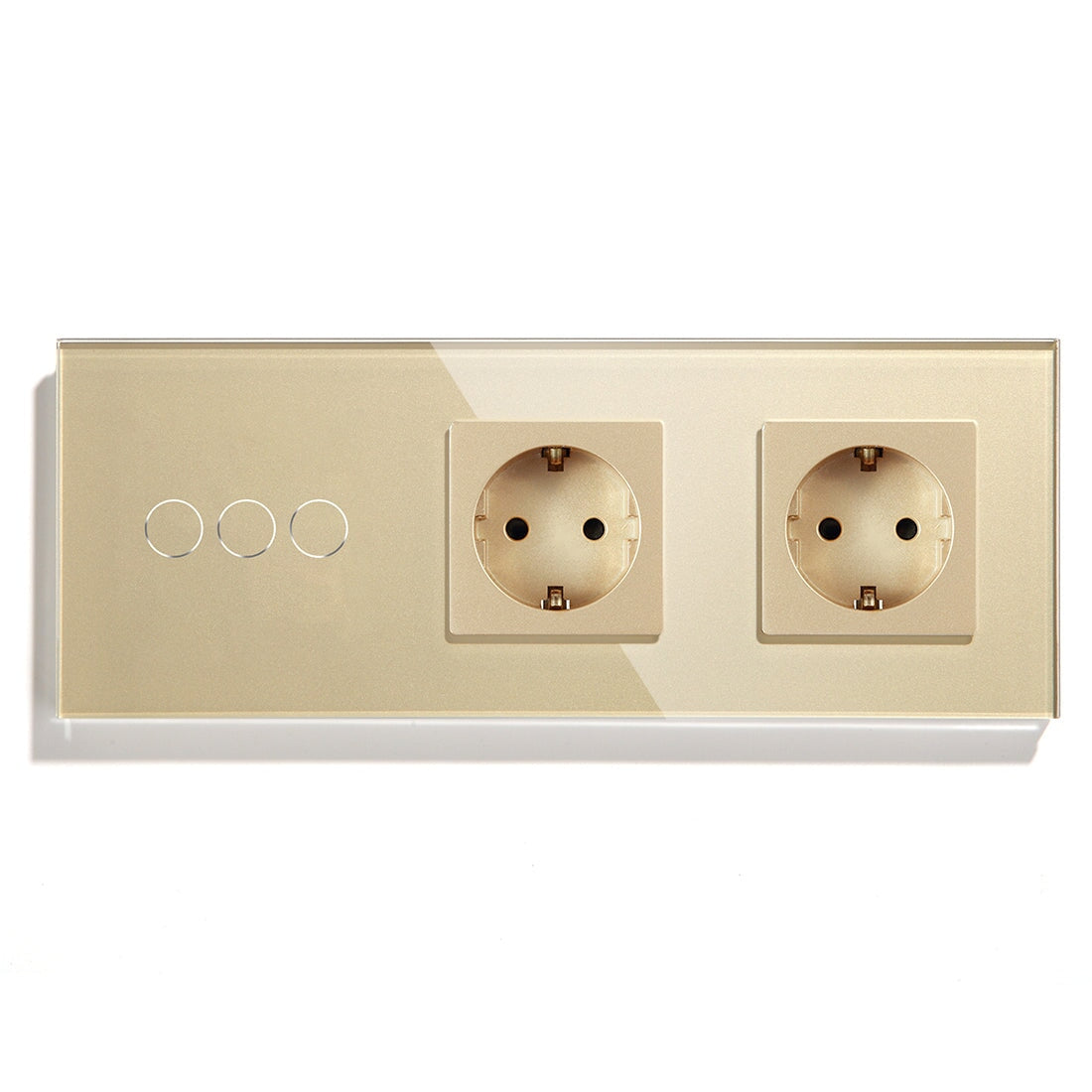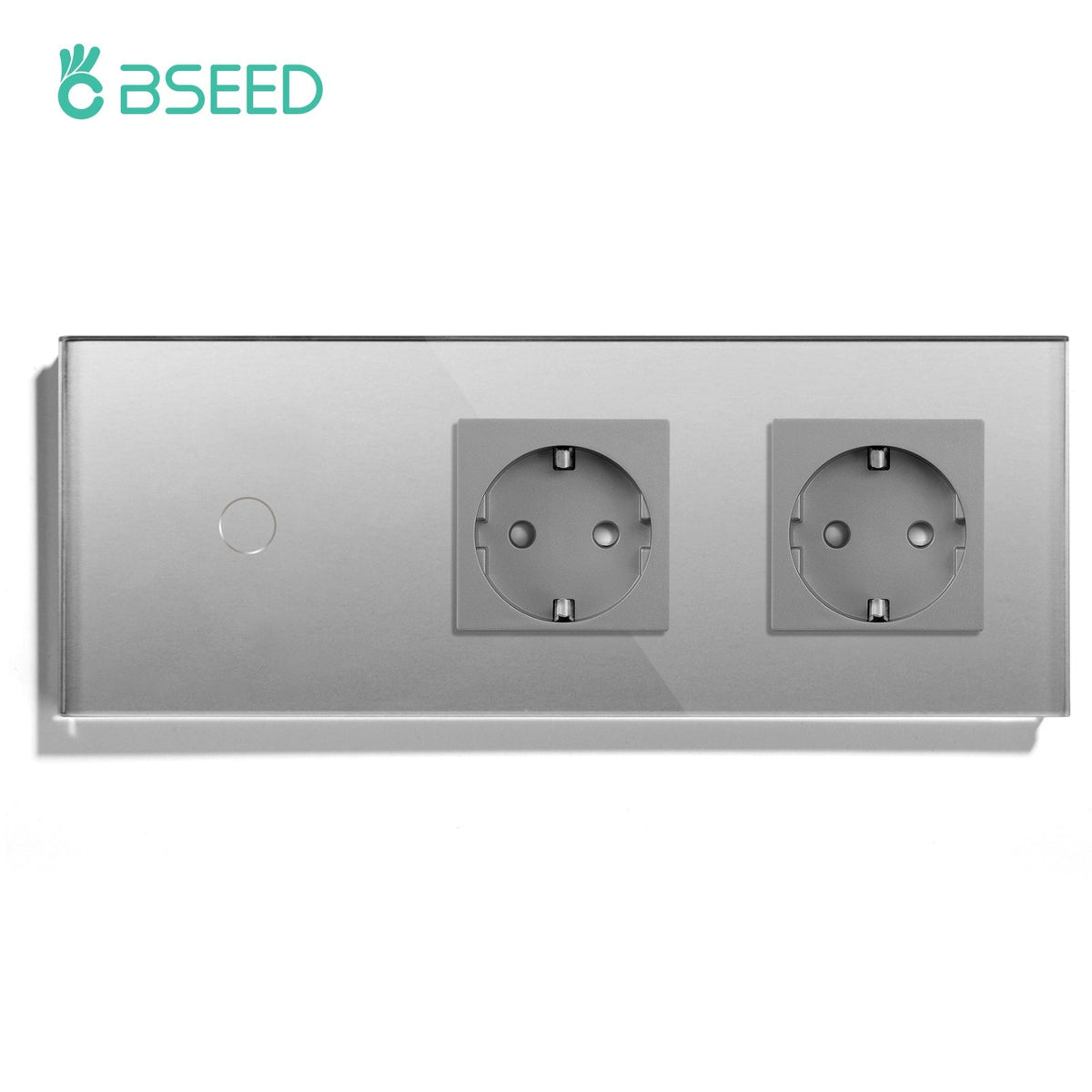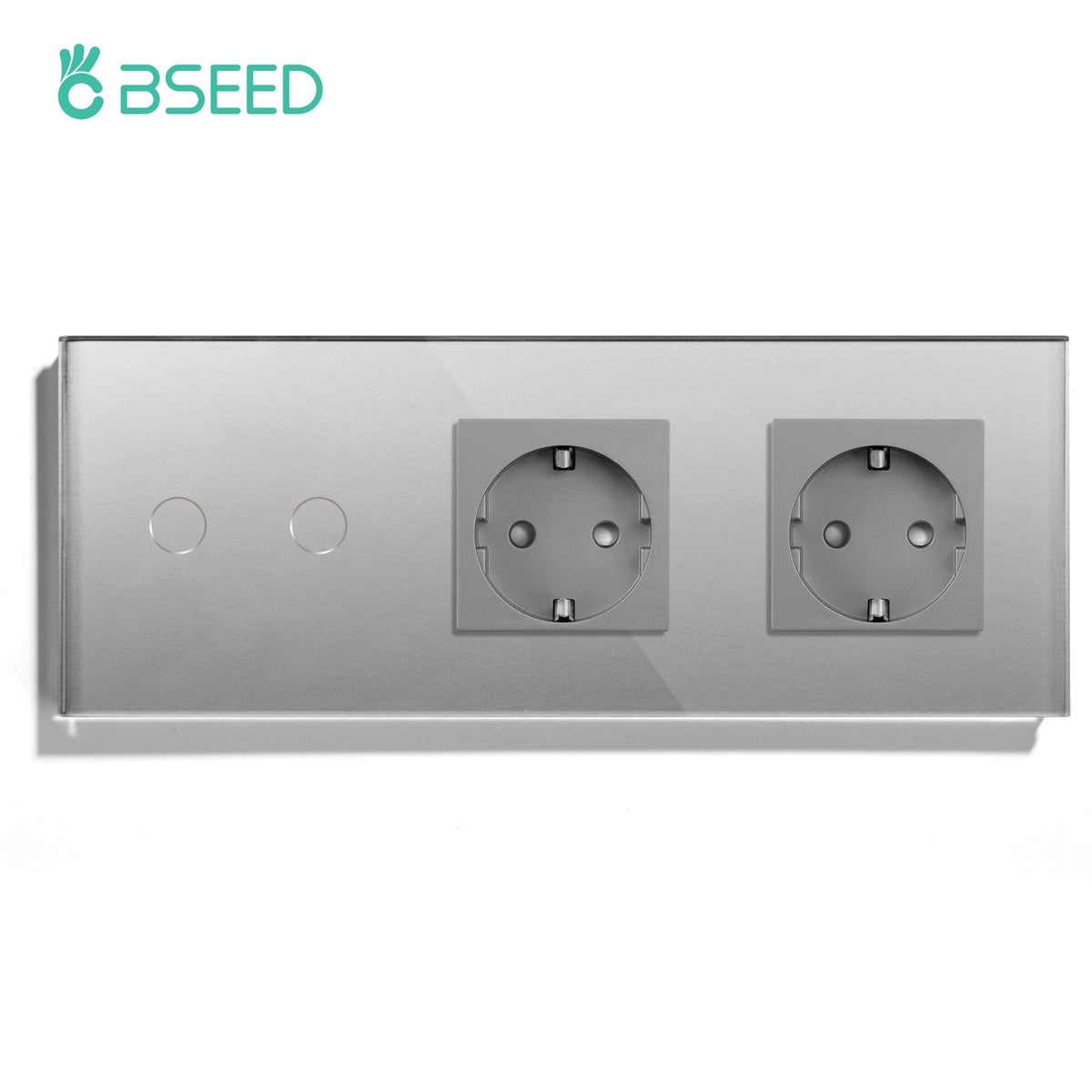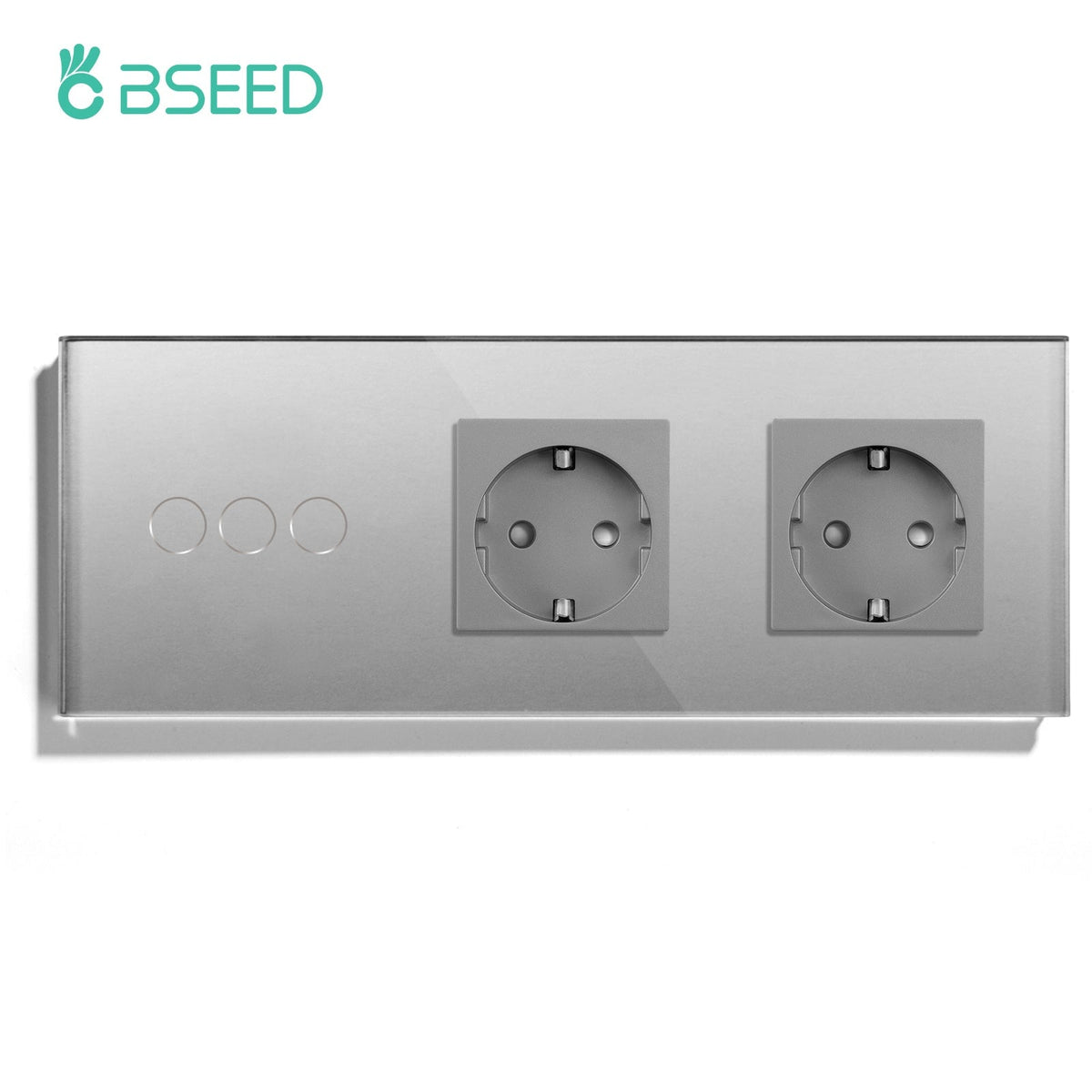
BSEED WiFi Touch Light Switch: Stylish Control for Smart Lighting
By 2026, smart lighting upgrades aren’t measured by whether the switch talks to a mobile app.

The difference lies in how well the switch blends into your home, how responsive it is to local commands, and whether it can take the daily long-term stress test before it reveals instability.
This shift is behind the soaring continuous demand for:
· wifi touch light switch
· matter light switch
· smart wall switch
· glass panel smart switch
· smart switch compatible with Alexa
· smart switch compatible with Google Home
· home assistant compatible switch
Vendors like BSEED Smart Home are carrying us across the chasm with ecosystems consisting of:
· BSEED smart switch
· BSEED Zigbee
· BSEED Matter switch
· smart thermostat
· smart socket
· zigbee roller shutter switch
· smart curtain switch with WiFi
· smart home control panel with Zigbee
“Wifi light switch” isn’t even an electrical fixture anymore; it’s pressed into service as part of the seriously considered finish of a room..
Why WiFi Touch Light Switches Became Popular in European Homes
Projects from between 2024 to 2066 have learned to trend toward “flush with the walls” glass interfaces with automation baked in rather than sticking with plastic switches or retrofit trends.
New build residential projects stress:
· touch glass smart switch surfaces
· hidden capacitive touch systems
· low height wall cut ins
· common wall textures
· minimum face visibility
Typical Installation Scenarios
· Luxury apartments
· Boutique hotels
· Renovated flats
· Smart office spaces
· Minimalist villas
Something first time buyers might not understand out the gate is that wall switch has a heavy hand in how quality any seen environment feels.
A cheap plastic switch ruins a nice wall.
That is why glass panel smart switch systems became one of the fastest-growing smart home categories in Europe.
Why Capacitive Touch Switches Are Different to Traditional Switches
Modern wifi touch light switch systems use capacitive sensing rather than mechanical buttons.
In simple terms, the glass surface senses small electrical variations from human touch instead of pressure.
This offers a couple of practical advantages:

Experienced installers often concern themselves more with installation stability than looks.
If you think about it, the more high-end a switch looks, the more touch-sensitive it needs to be on installation.
Where WiFi Touch Switches Can Do Poorly
Very few sellers discuss the environments where touch panels struggle to maintain stability.
High Humidity Conditions
Spaces like:
· spas
· bathrooms
· poorly ventilated kitchens
· areas that otherwise warrant a glass surface
can cause condensation layers to form.
Effects may be:
· Delayed responses to touch.
· Accidental activation.
· Unstable sensitivity.
Grounding Conditions
Capacitive touch systems are very sensitive to grounding, so in older buildings (think the majority of Germany, parts of France, Italy, Spain, and others) it can sometimes result in:
· Touch drift.
· False triggering.
· Unstable responses.
That’s why experienced installers will often still use physical relay switches for spaces that include:
· Garages
· Industrial workshops
· Utility rooms
· Higher levels of moisture
Why WiFi Smart Switches Are Not Always the Best Choice
Most people assume the more smart the smarter.
In terms of wifi that integration in the home, this isn’t always valid.
Making large installations often proves the opposite.
Homes larger than 180–250㎡ can experience:
· router congestion
· delayed automation
· poor roaming results
· overworked DHCP tables
· random de-syncing with voice assistants
This is why many pro installers still prefer from a large scale POC stand point zigbee 3.0 smart light switch systems for large home installations.
Average Automation Response Time

The fastest smart homes are the homes with the oldest protocol… no they are the homes with the fastest local execution path and the least congestion.
That is why many premium installations use:
· A Matter smart switch to join smart home ecosystems
· Zigbee switch for low-latency automation
· Home Assistant switches are orchestrated in multiple touch panels
· WiFi only where higher bandwidth is needed
Why No-Neutral WiFi Touch Switches Became Mission Critical
One serious retrofit for many countries in Europe is that there is often not a neutral wire behind an existing switch.
This generated demand for:
· a smart switch without neutral
· wifi light switch without neutral wire
· zigbee light switch without neutral
· matter compatible smart light switch
No-neutral brings easier installations in older apartments but at an engineering cost.
Common No-Neutral Problems
1. LED Flicker
Low-power LED drivers sometimes cannot counteract stable leakage current.
Symptoms:
· ghost illumination
· flickering
· relay not doing what you think this interruption reveals
2. Dimmer Compatibility Problems
Many failed smart dimmer switch for LED lights installations are caused by incompatible LED power supplies rather than faulty dimmers.
Trailing-edge dimming quality depends heavily on driver design.
3. Multi-Gang Stability Issues
As multi-gang panels get larger and more populous, the sensitivity of parasitic current balancing increases.
That’s why installers often recommend:
· Zigbee no-neutral switches for large homes
· WiFi no-neutral switches for apartments
· neutral-wire systems whenever renovation allows rewiring
Matter Over WiFi vs Matter Over Thread
By 2026, “a lot of buyers still just assume all Matter devices are the same,” McCurry says, “and they’re NOT.”
Matter Over WiFi
Best For
· apartments
· retrofits
· lower device counts
Advantages
· easy installation
· no dedicated hub
· strong bandwidth
Weaknesses
· router dependent
· higher standby power consumption
· congestion in large deployments
Matter Over Thread
Best For
· larger smart homes
· Home Assistant ecosystems
· Advanced automation scenes
Advantages
· self-healing mesh
· lower latency
· scalability
· less network overhead
Weaknesses
· requires thread border router
· more difficult to troubleshoot
· ecosystem maturity not there yet
Smart Thermostats and Smart Sockets Are Reshaping Smart Homes
Lighting is no longer the fastest-growing category in European smart homes.
It’s energy optimization.
This surging demand for:
· smart thermostat for floor heating
· touch screen smart thermostat
· smart socket with energy monitoring
· wall socket with USB C
· waterproof outdoor wall socket
Field installations across Europe show that properly configured floor-heating thermostats can reduce consumption of electrical heating in the property by:

Experienced integrators are starting to optimise heating systems more around:
· slab thermal response time
· Insulation depth/quality
· Outdoor/inside temperature trends
· occupancy with timing prediction
What Smart Switch Manufacturers Are Building Next
The newest smart home ecosystems are moving toward:
· Matter + Zigbee dual-protocol architecture
· local-first automation
· native Home Assistant compatibility
· integrated energy monitoring
· lower standby power consumption
· multi-admin ecosystem control
Manufacturers like BSEED Smart Home Official Website are increasingly designing ecosystems where:
· matter light switch
· zigbee light switch
· smart thermostat
· roller shutter switch
· smart curtain switch with WiFi
· smart socket
· smart home switch
Work together more as part of the distributed infrastructure and less as isolated smart devices.
That architectural change is defining the premium smart home experience in 2026.