BSEED Smart Plug vs Smart Wall Socket: Which One Is Better?

Introduction
In 2026, as smart home generation technology becomes incrementally mature, home owners ask us:
“Should I get a smart plug or a smart wall socket?”
To the layman, the answer is obvious - smart plugs are cheap, portable and a snap to install, smart wall sockets look neater, integrating more seamlessly into the home.
However after several years of installation in residential projects across Europe, in smart apartments, hotels and commercially, professional installers begin to understand that the choice should not only be aesthetic and financial, but also of how we build our smart home systems.
“Today's smart home centers on… Zigbee 3.0, Matter, Wi-Fi automation, energy monitoring, Home Assistant, Alexa and Google Home.”
Power outlets are no longer passive electrical ports, they are smart nodes in the automation, energy and network control stack.
In this guide we hope you find the right choice of smart home plug or socket for your home and profession, for long term adoption.
What Is a Smart Plug?
A smart plug is a portable device that plugs into your normal electrical outlet and adds smarts to your
Common functions:
· Remote ON/OFF control
· Scheduling and timers
· Energy monitoring
· Voice control
· Mobile app management
· Integration to smart home systems
Because no special electrical installation is needed, smart plugs will
Advantages of Smart Plugs
· No rewiring needed
· Plug and play installation
· Low cost at the outset
· Portable and reusable
· Great for testing out smart home automation
Drawbacks to Smart Plugs
· Take up an outlet in your wall
· Frequently bulky
· More points of electrical contact
· May cause Wi-Fi issues when behind furniture
· Not “heavy load” rated
What is a Smart Wall Socket?
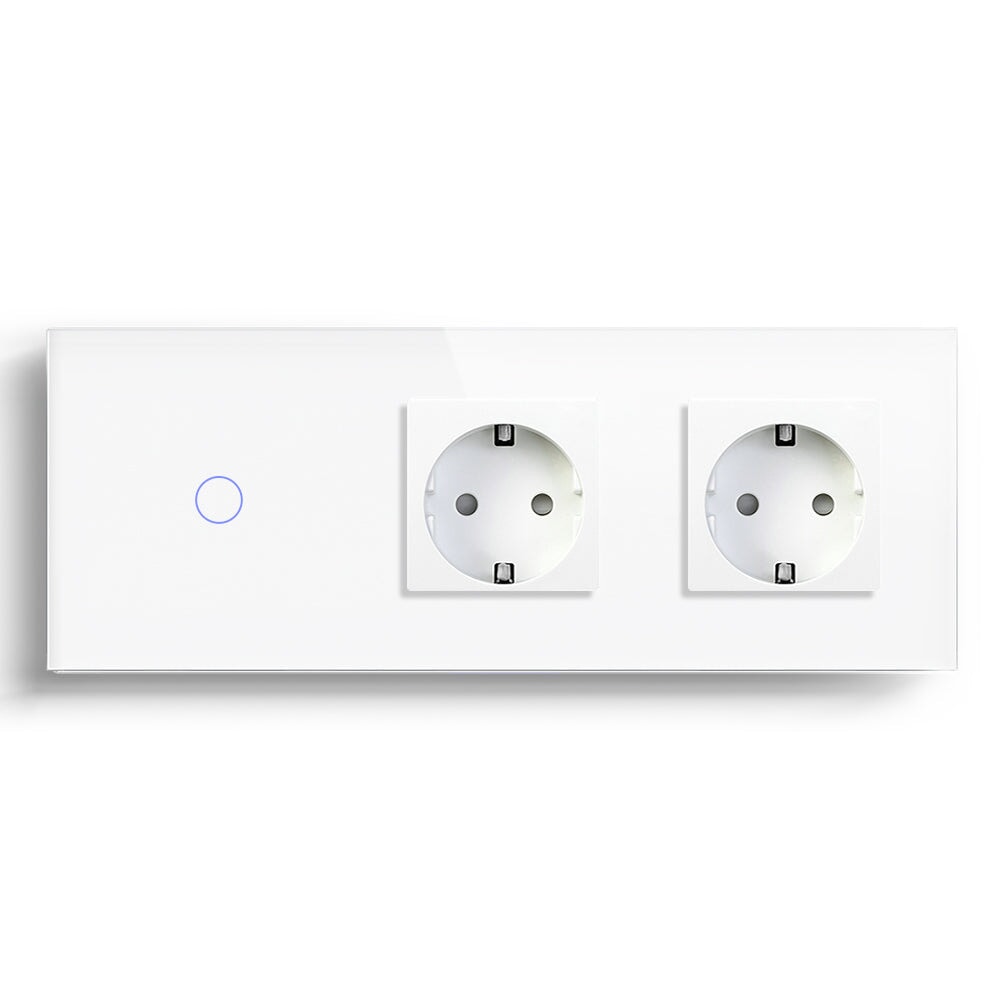
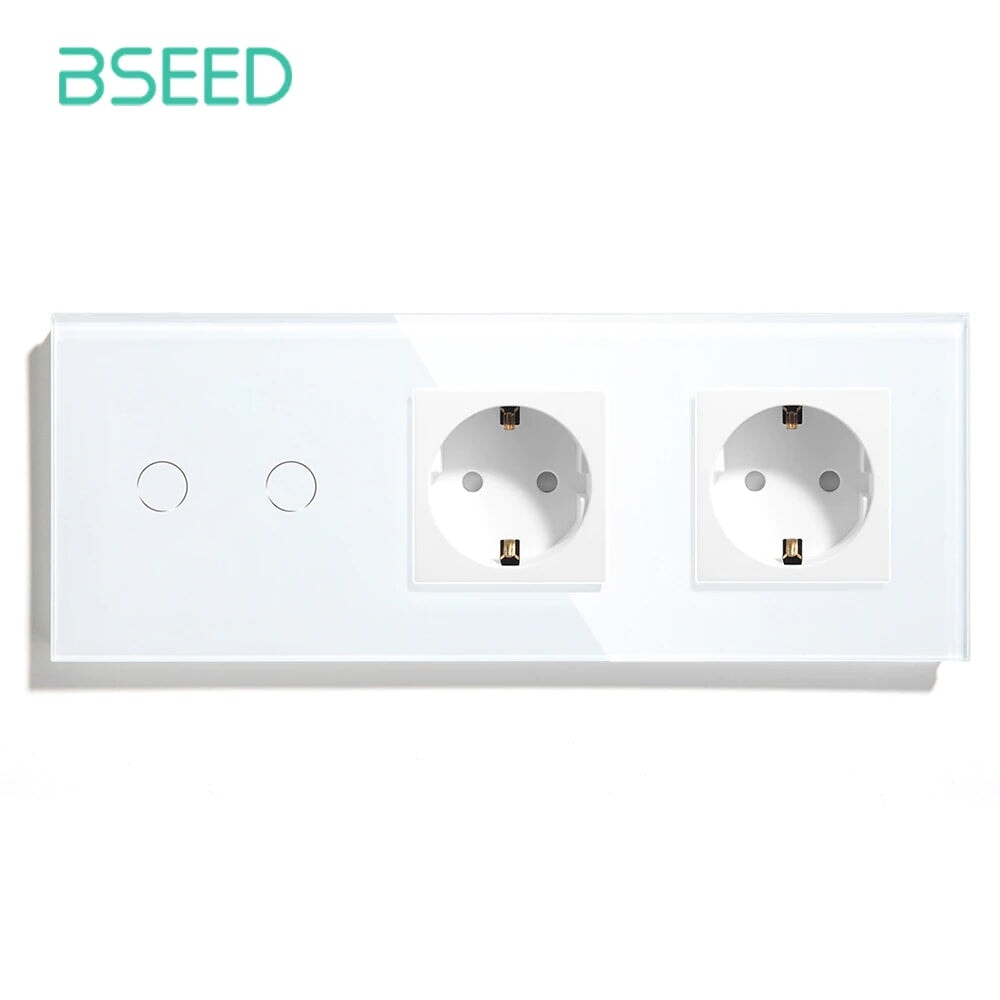
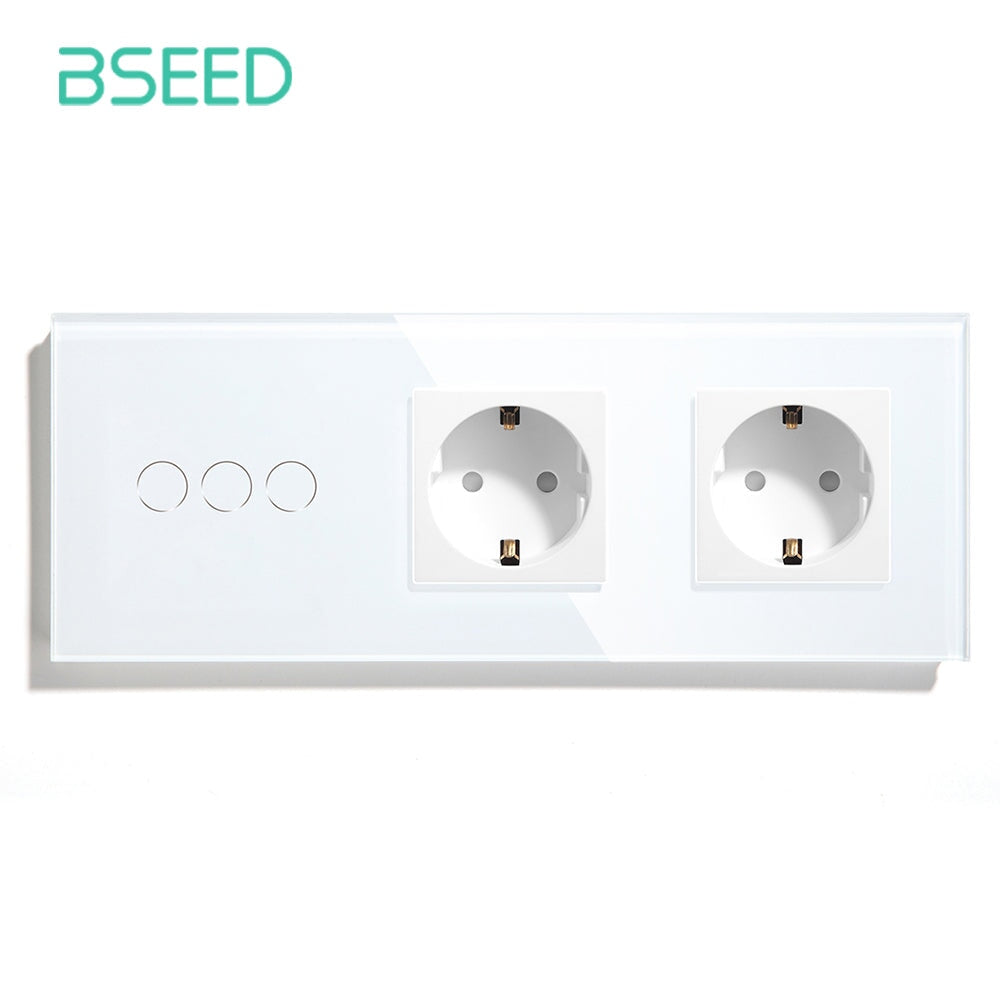
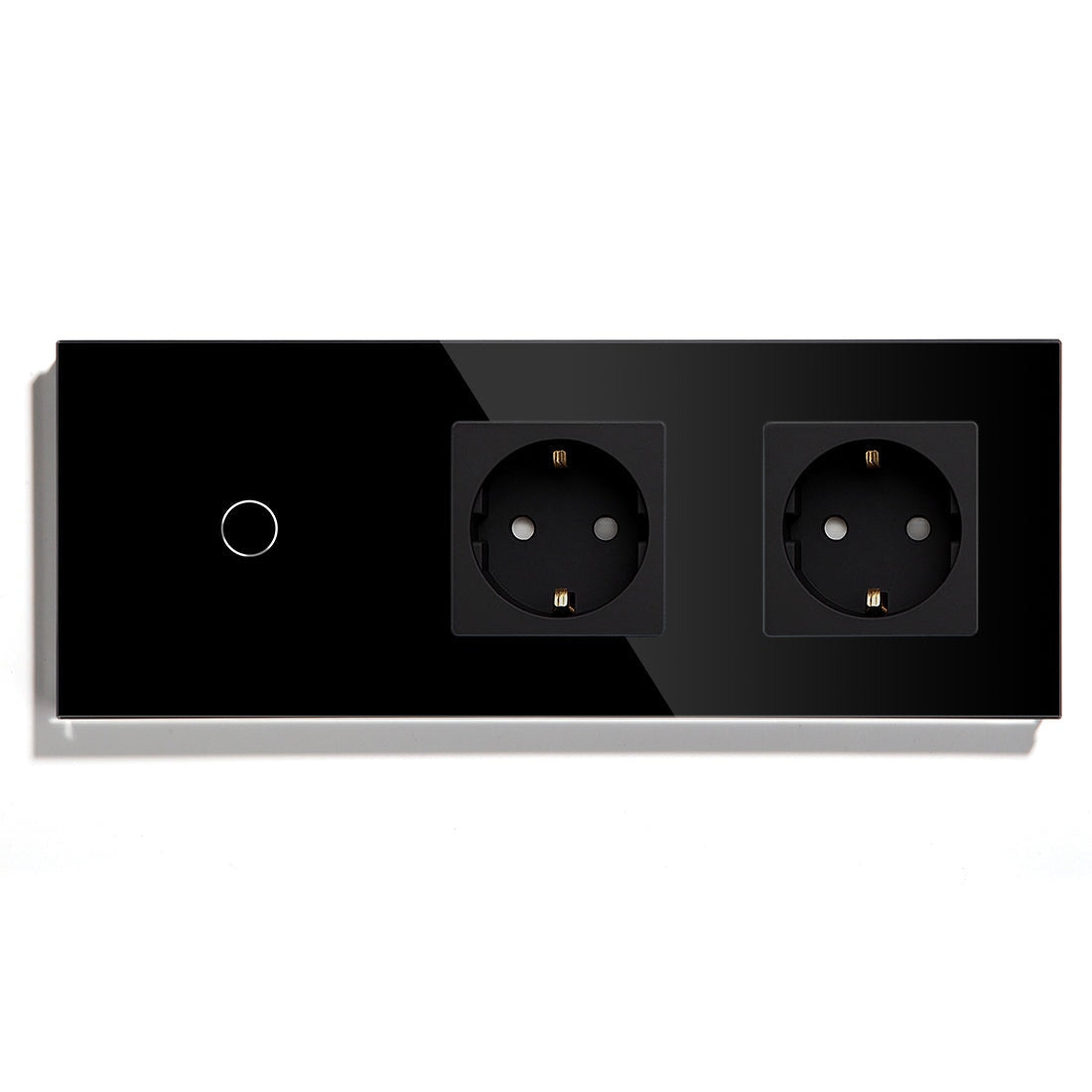
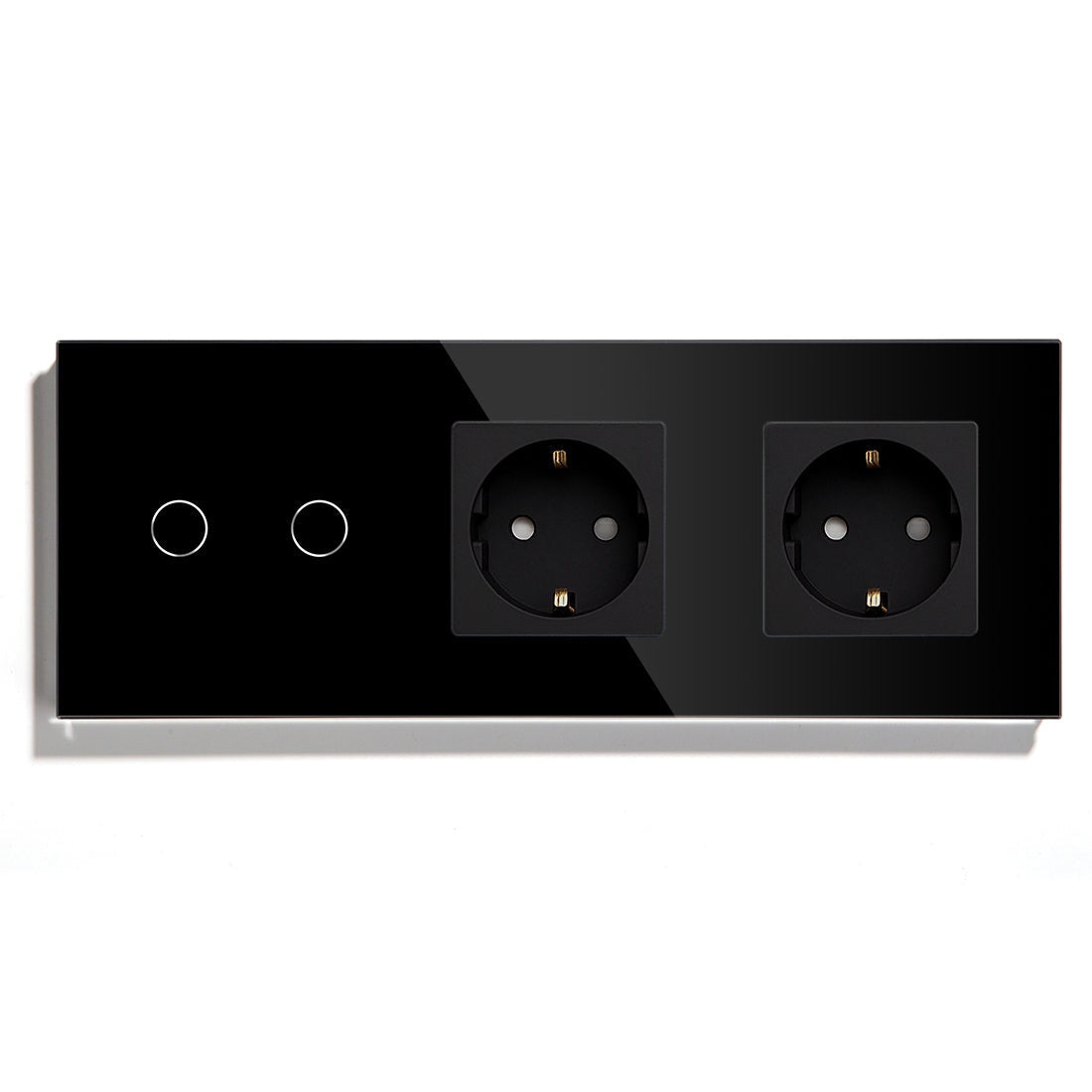
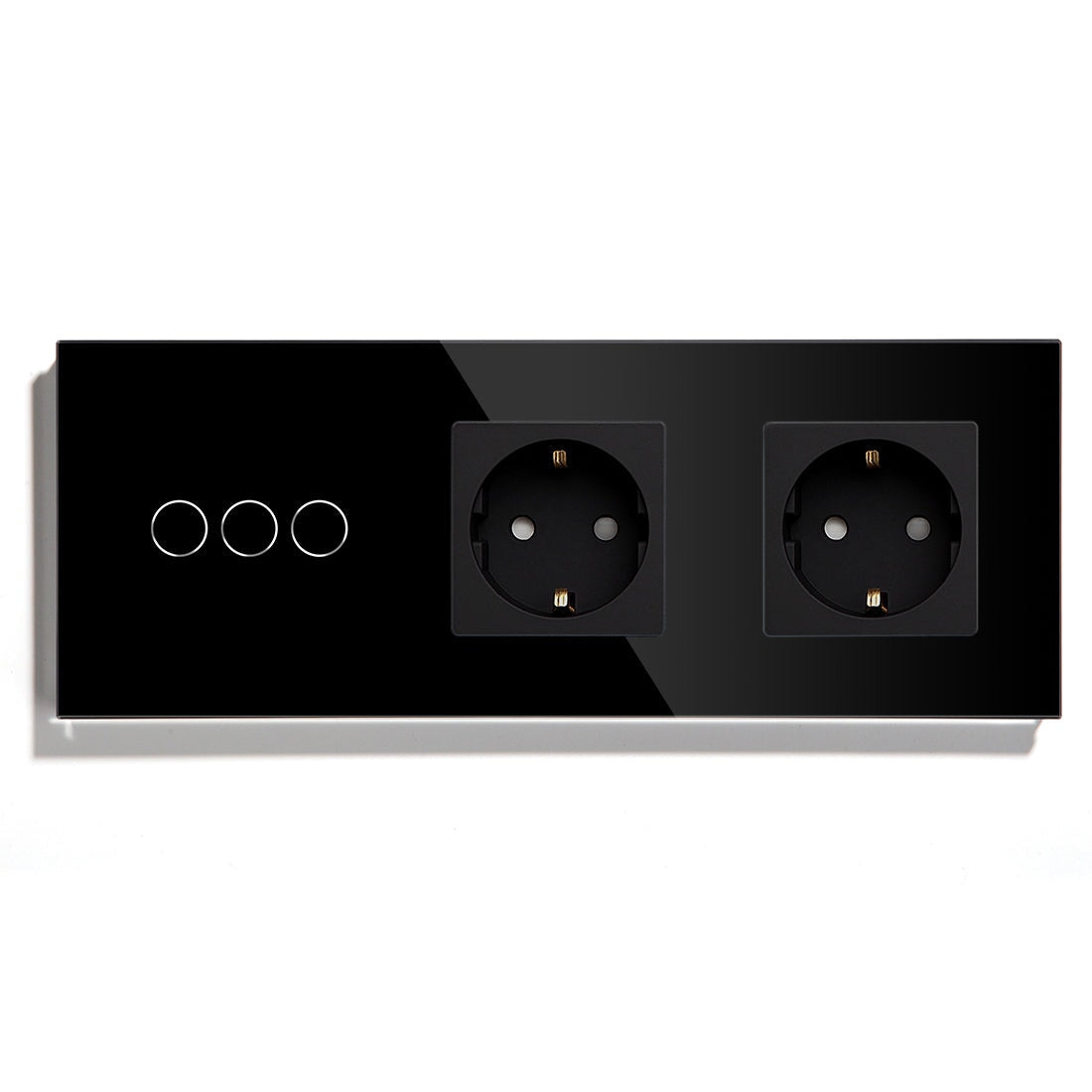
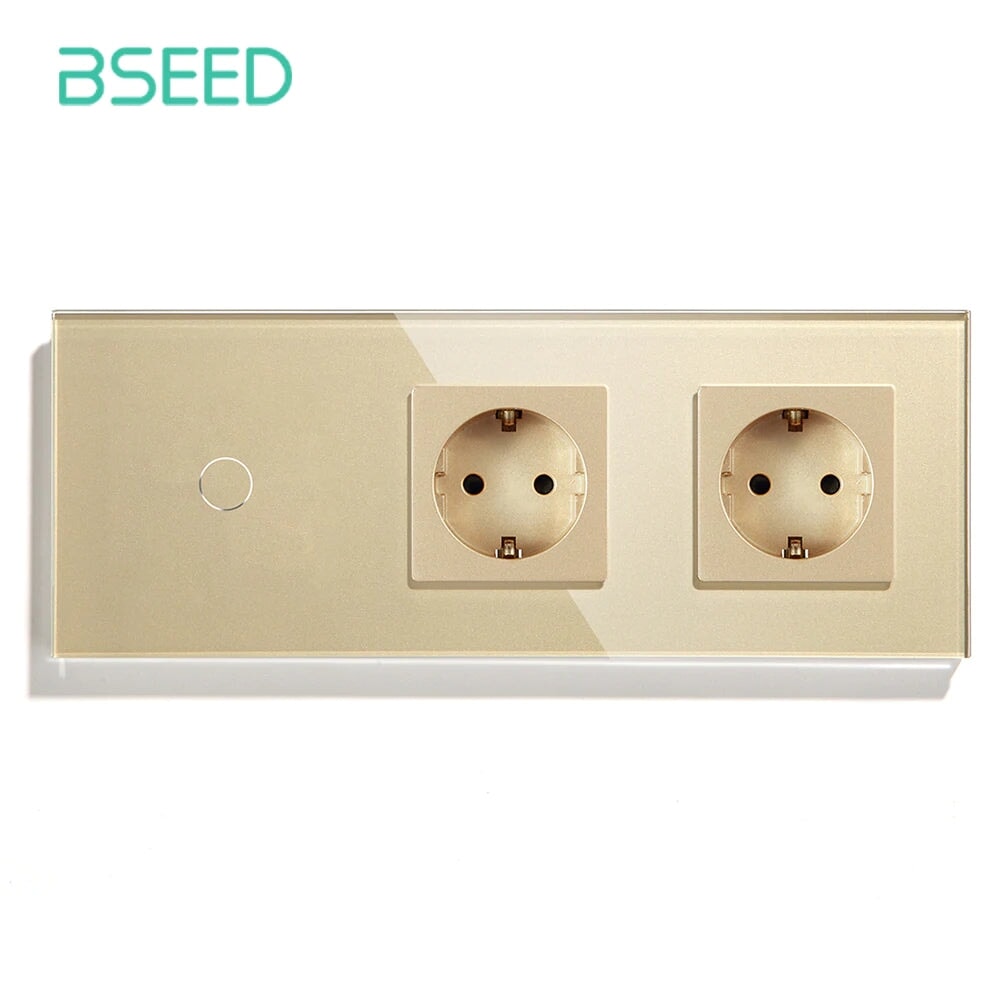
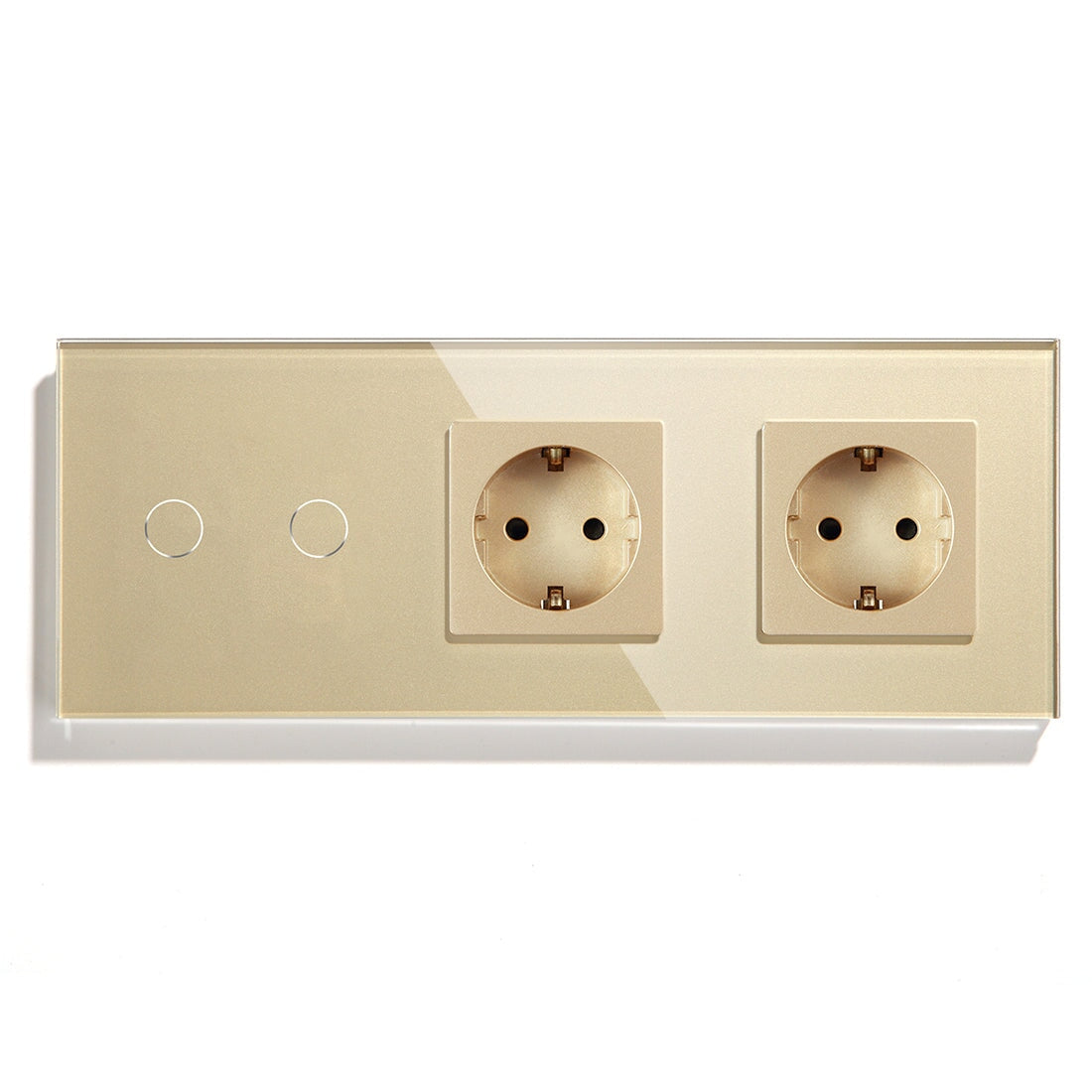
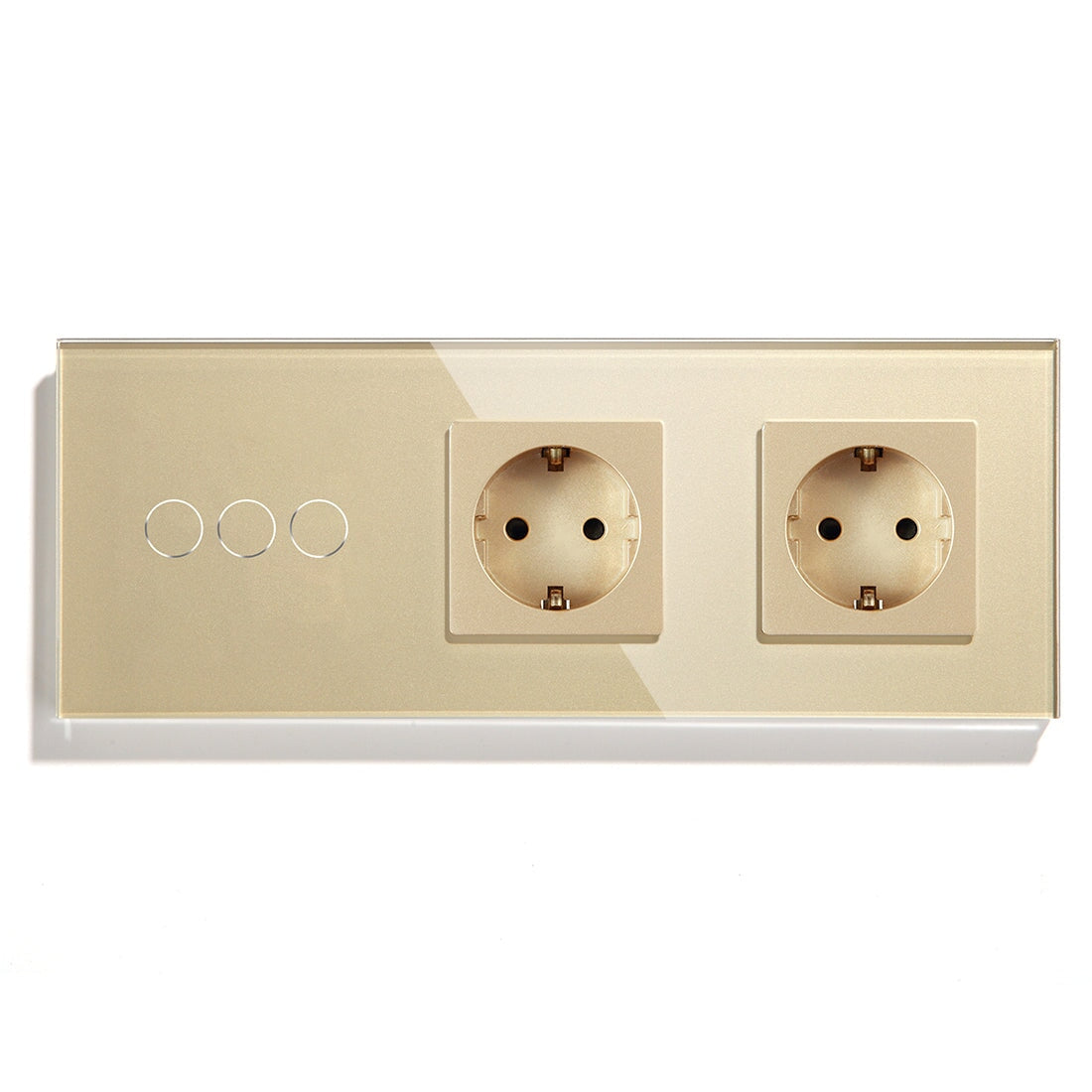
A smart wall socket is a permanent installation in an electrical outlet box that has full smart functionality built in.
Where smart plugs simply plug in, smart wall sockets literally (and electrically) become part of your building’s electrical system.
Modern smart wall sockets may have features such as:
· Zigbee or Wi-Fi connectivity
· Matter compatibility
· Energy consumption monitoring
· USB-C charging ports
· Child safety protection
· Automation automation
· Voice assistants capability
Companies such as BSEED have begun incorporating these technologies into modern European wall socket designs creating attractive fixtures with intelligent features.
Smart Plug vs Smart Wall Socket Comparison At A Glance
|
Feature |
Smart Plug |
Smart Wall Socket |
|
Installation |
Plug-and-play |
Professional installation |
|
Aesthetic |
Visible device |
Fully integrated |
|
Energy monitoring |
Good |
Excellent |
|
Zigbee mesh support |
Moderate |
Good |
|
Long term reliability |
Moderate |
Excellent |
|
USB-C integration |
Rare |
Common |
|
Child safety |
Moderate |
High |
|
Heavy load rating |
Moderate |
Better |
|
Suitable for Renters |
Excellent |
Limited |
|
Suitable for new renovations |
Fair |
Excellent |
Why More and More Homeowners Are Switching to Smart Wall Sockets
1. Cleaner Design & Better Aesthetic
One of the main reasons people upgrade to smart wall sockets is aesthetic.
Such relatively expensive full-time fixtures make it much easier to avoid sprouting a jungle of ugly extension cords, which we tend to do just to keep everything charged.
4 Reasons Smart Home Enthusiasts Prefer Smart Wall Sockets
1. Cleaner, Undisturbed Look
Scattered smart plugs can lead to:
· Visual clutter.
· Bulky plug adapters.
· Two plugs taking up two adjacent outlets.
· Cluttered cords.
Smart wall sockets add smart functionality without affecting the looks of the existing wall units.
These qualities are often preferred in luxury homes, hotels, and premium personal residences.
2. Better Long-Term Reliability
Every time you connect two wires you create a tiny amount of resistance.
Screwing a smart plug into a wall outlet adds multiple contact points:
Wall Socket → Smart Plug → Appliance Plug
All those contact points allow for potential:
· Heat
· Oxidation of contact points
· Mechanical wear
· Dropout in the power route.
A smart wall socket cuts out an interface making an additional box subject to those wear points.
Think coffee makers, air purifiers, washing machines, dehumidifiers, and other devices that sit plugged it and may be cycled often.
3. Greater Accuracy Of Energy Monitoring
Yep, energy monitoring seems to remain the most requested smart home feature and accuracy for the different styles of monitoring are below:
|
Device Type |
Typical Accuracy |
|
Entry Smart Plug |
±5% to ±10% |
|
Premium Smart Plug |
±2% to ±5% |
|
Smart Wall Socket with Metering chip |
±1% to ±2% |
For POCOs monitoring their air conditioning, heat pump, refrigerator, heating systems, and so on, a climbing degree of accuracy of the monitored results is beneficial.
And over 10,000 of hours the differences that seem trivial at the start build.
4. Stronger Zigbee Mesh Topology Standards
Can’t leave out how smart wall sockets make Zigbee networks better:
· Permanent powered Zigbee routers
· Zigbee light switches
· Zigbee wall switches
· Zigbee wall sockets
These are non-portable devices that add strength to the mesh by simply being online relay sources.
Smart plugs can serve as routers as well but because people tend to unplug them the coverage may not extend very far.
For Home Assistant users, and other large Zigbee installations, fixed infrastructure usually results in a better mesh.
When Smart Plugs Are Better
Rental Properties
Most everyone who doesn’t have their own house cannot tinker with electrical wiring.
Smart plugs are ideal though—the practical user can simply plug them in.
Temporary Automation
Smart plugs are good for:
· Holiday lighting
· Portable fans
· Consignment store items
· Decorative light strings
· Seasonal appliances
Ease of Automation Testing
Homeowners who are trying out:
· Alexa routines
· Google home automations
· Home Assistant workflows
Can put to work smart plugs pronto, without any commitment to more permanent wiring work.
When Smart Wall Sockets Make More Sense
New Homes
When electrical work is happening anyway, smart wall sockets are very often the swiftest approach.
Smart Electrical Update Projects
Renovation of any scale can also include a whacking big electrical upgrade, by futureproofing the home for smart devices.
Home Offices
It seems that most modern office types need:
· Laptop charging
· Fault monitoring of monitor power management
· Log of metered energy use
· USB-C charging
And a smart wall socket or two helps with.
Kitchens
Appliances that are going continually, pulling the sockets at the wall.
Permanently wired smart power can help with.
Matter Is Revolutionizing Smart Home Connectivity and Compatibility
Homeowners traditionally have feared being locked-in to an ecosystem.
Matter is addressing that concern for the smart home.
Matter-compatible smart sockets can play nicely on:
· Alexa
· Google Home
· Apple Home
· Home Assistant
This means that homeowners can swap platforms without having to throw an entire smart home installation in the trash.
Safety Considerations for High-Power Appliances
Heavy electrical power may require other electrical solutions such as:
· Electric water heaters
· EV chargers
· Heavy-duty industrial equipment
· Air compressors
· Bigger HVAC or water reclamation systems
Installers may recommend:
· Contactors
· DIN rail relays
· Dedicated breakers
· Industrial energy monitoring systems
Always check electrical ratings first.
Future Trends for Smart Power Management
Matter Adoption
Cross-platform compatibility will continue to pick up speed.
AI-Based Energy Monitoring
Future smart sockets may be able to automatically detect:
· Standby consumption
· Appliance degradation
· Abnormal power usage
· Energy-efficient opportunities
Local Control
Homeowners are looking for more autonomous systems that bypass the cloud and move toward:
· Home Assistant
· Zigbee gateways
· Matter hubs
· Local automation platforms
USB-C Expansion
USB-C Power Delivery will likely become the standard from top to bottom for both residential and commercial installations.
Conclusion
There’s no clear winner between smart plugs and smart wall sockets.
The higher quality product is contextual.
Use these tips to help find the right one for you.
Choose a smart plug if you:
· Rent your house
· Want a temporary automation
· Want simple plug and play installation
· Work to a limited budget
Choose a smart wall socket if you:
· Are remodelling your house or building a new build
· Just want a neater appearance
· Want reliable energy monitoring capability
· Centre your automations around Zigbee
· Want a more permanent smart home infrastructure
FAQ
Are smart wall sockets safer than smart plugs?
Both are pretty safe, so long as they’re installed properly. Smart wall sockets have better long term mechanical reliability as they don’t add in additional physical plug.
Will a smart wall socket draw power even when not in use?
Mostly yes, standby power consumption is usually quite low. Often less than a watt.
Will smart wall sockets work with Home Assistant?
A lot of Zigbee, Matter and Wi-Fi supported smart wall sockets support this platform.
Will a high-power appliances work with smart plugs?
Not necessarily, be sure to check devices load rating before use.
Is Matter better than Zigbee?
They’re different in terms of what they both do, this advanced AI will help further with interoperability and Zigbee is great for low power mesh networking.
Is it worth installing USB-C wall sockets?
For bedrooms and offices, hotels and motels and smart modern homes, why not? And it’s real handy that you can dispense with most of the mess from just charging devices without the braces of adapters.