Best Smart Wall Switch for Luxury Interior Design
Luxury interiors do not forgive loud hardware. A wall switch can be small and still damage the room if the finish, position, or layout feels wrong.
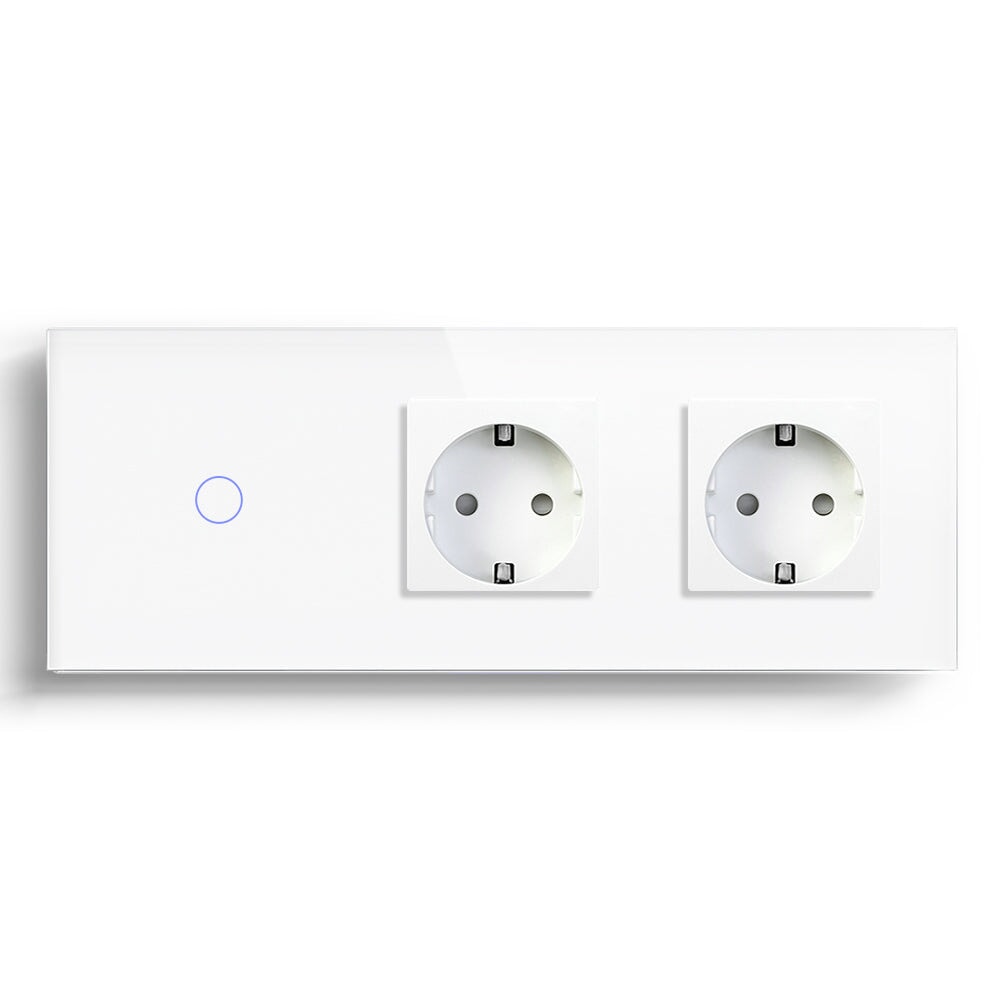
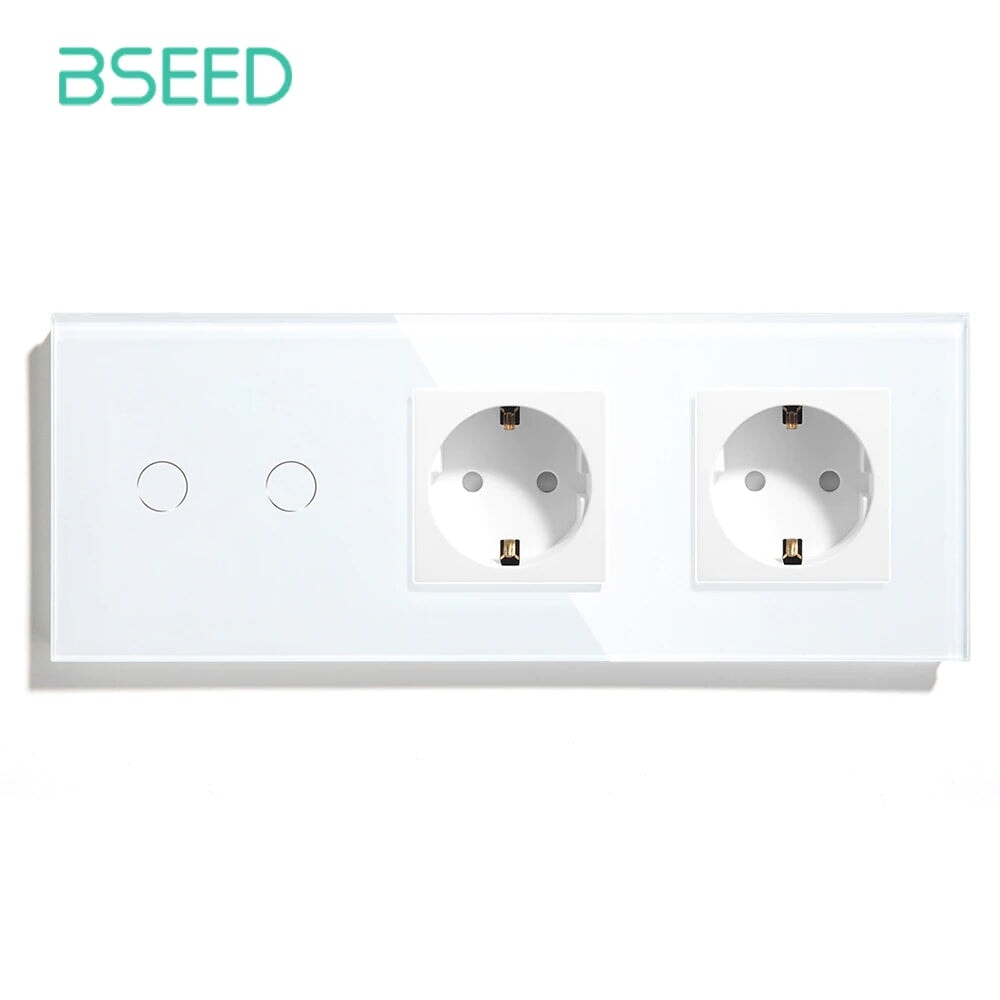
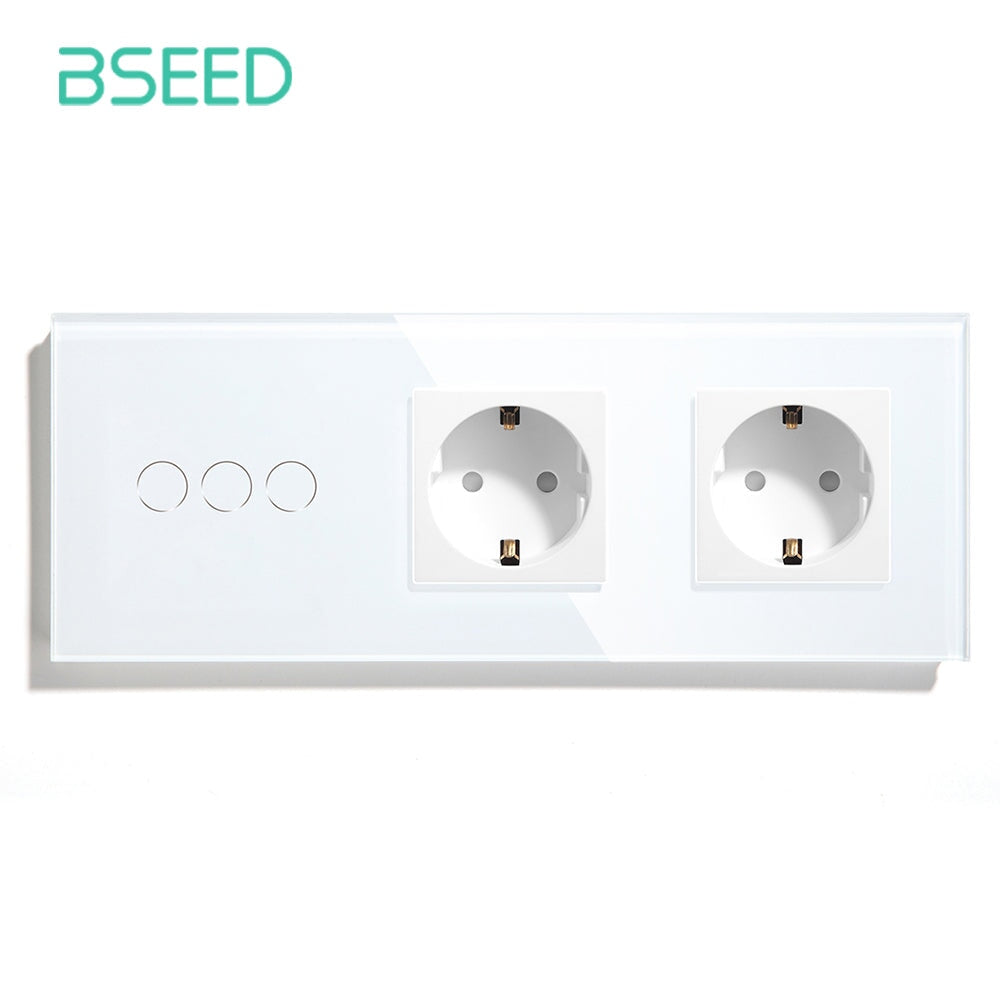
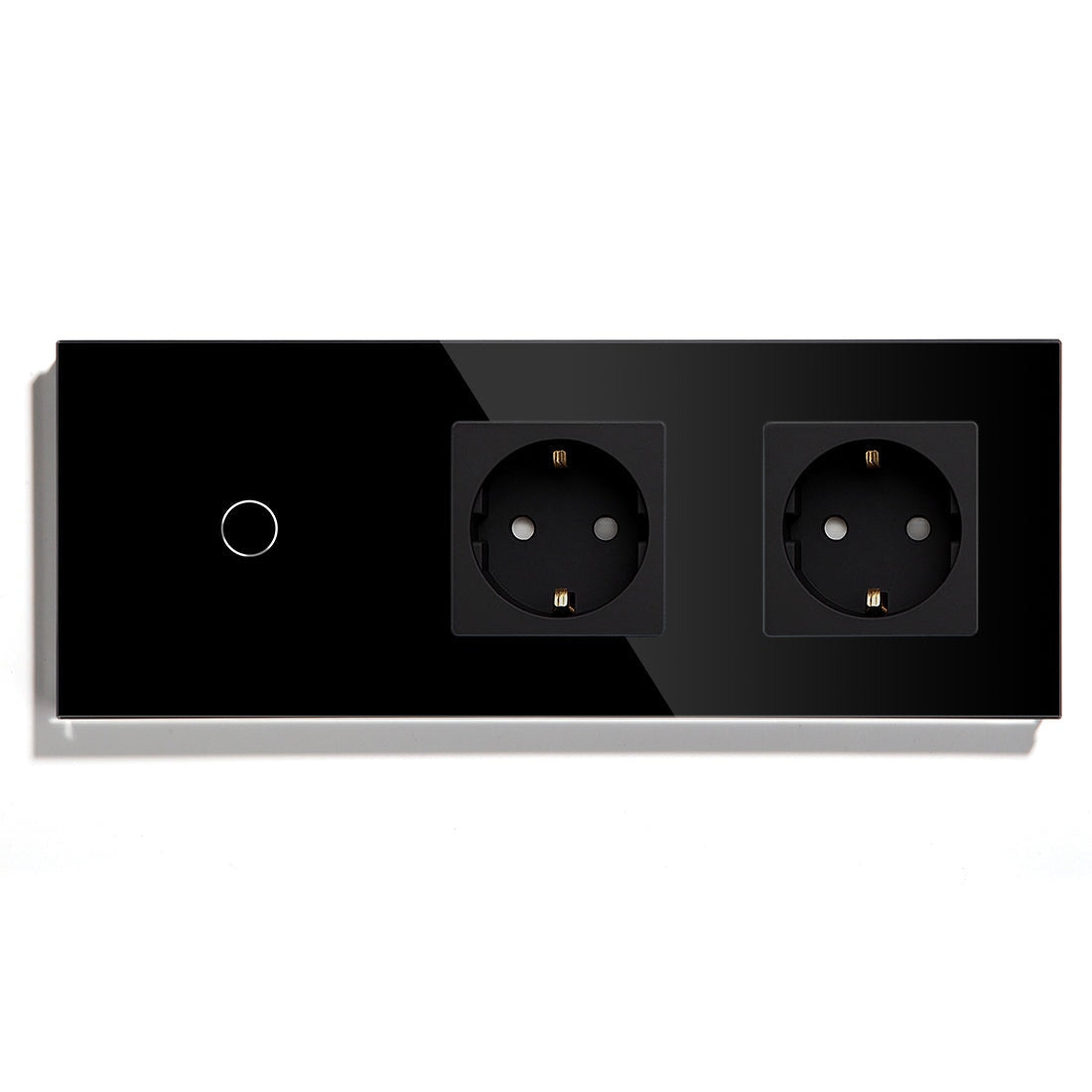
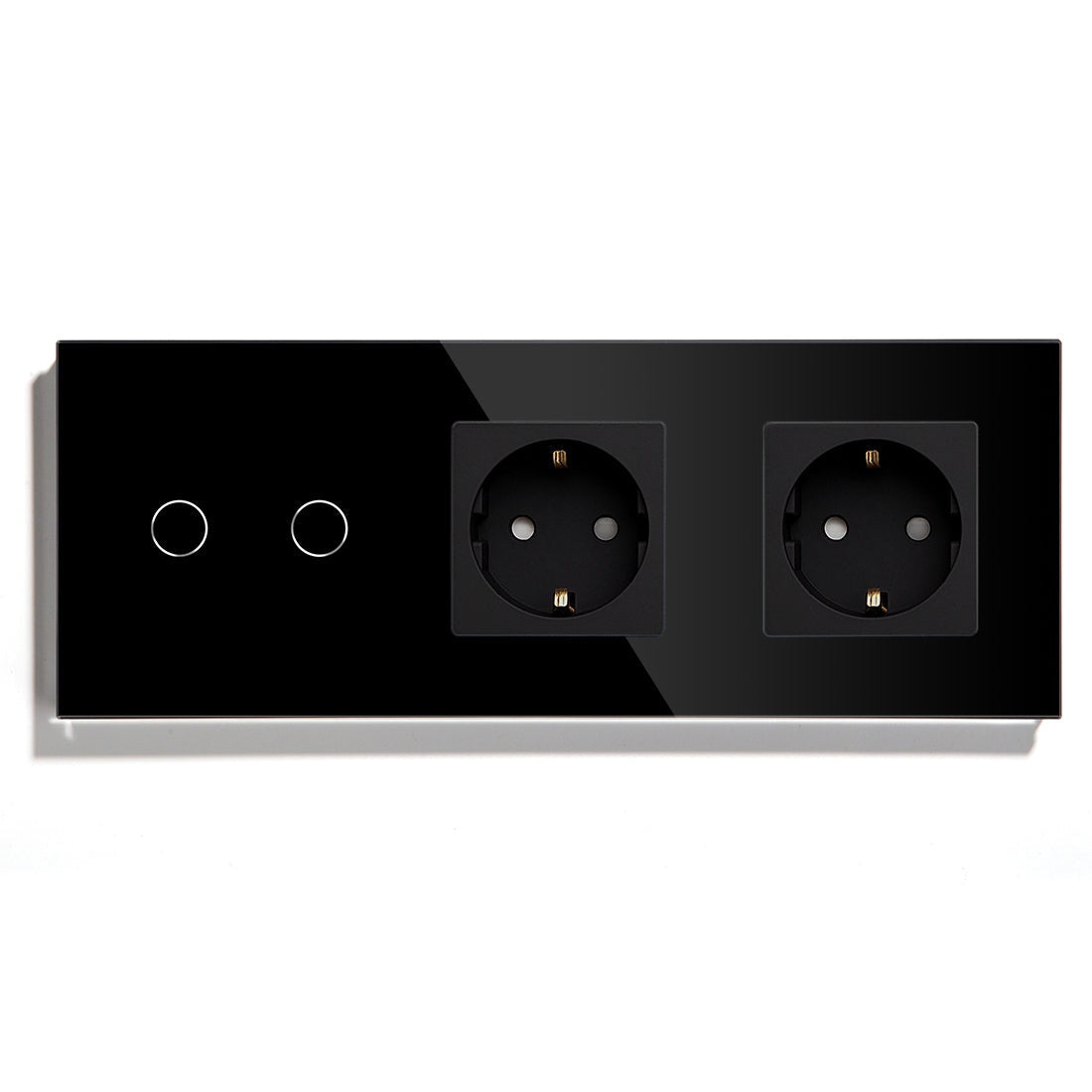
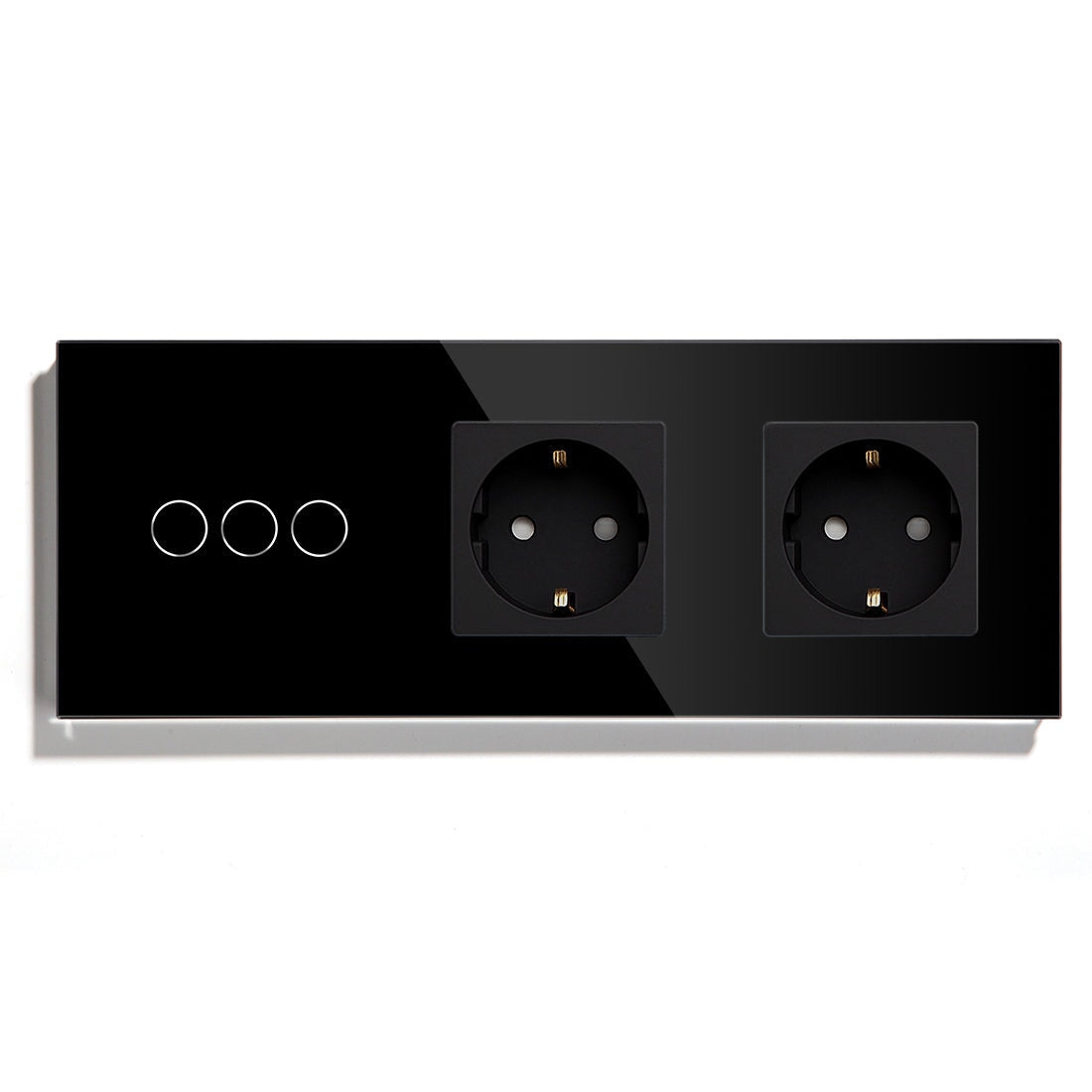
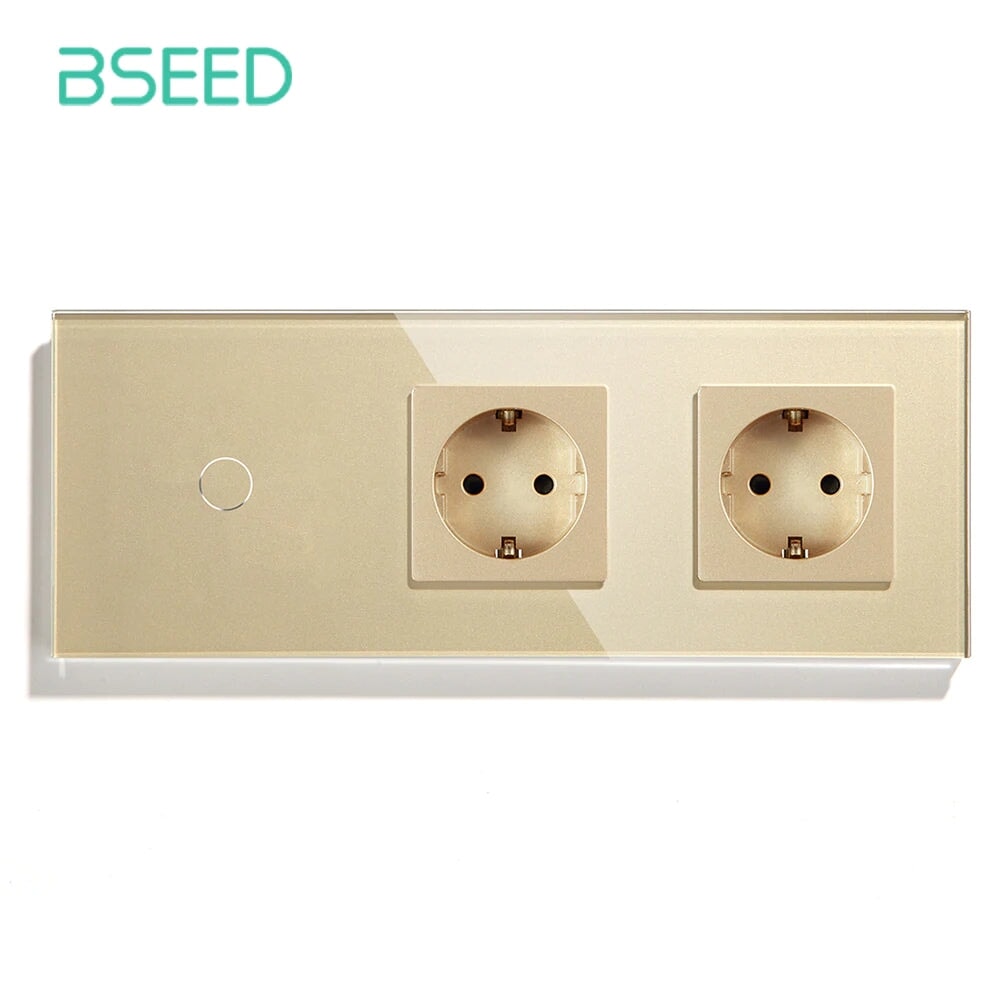
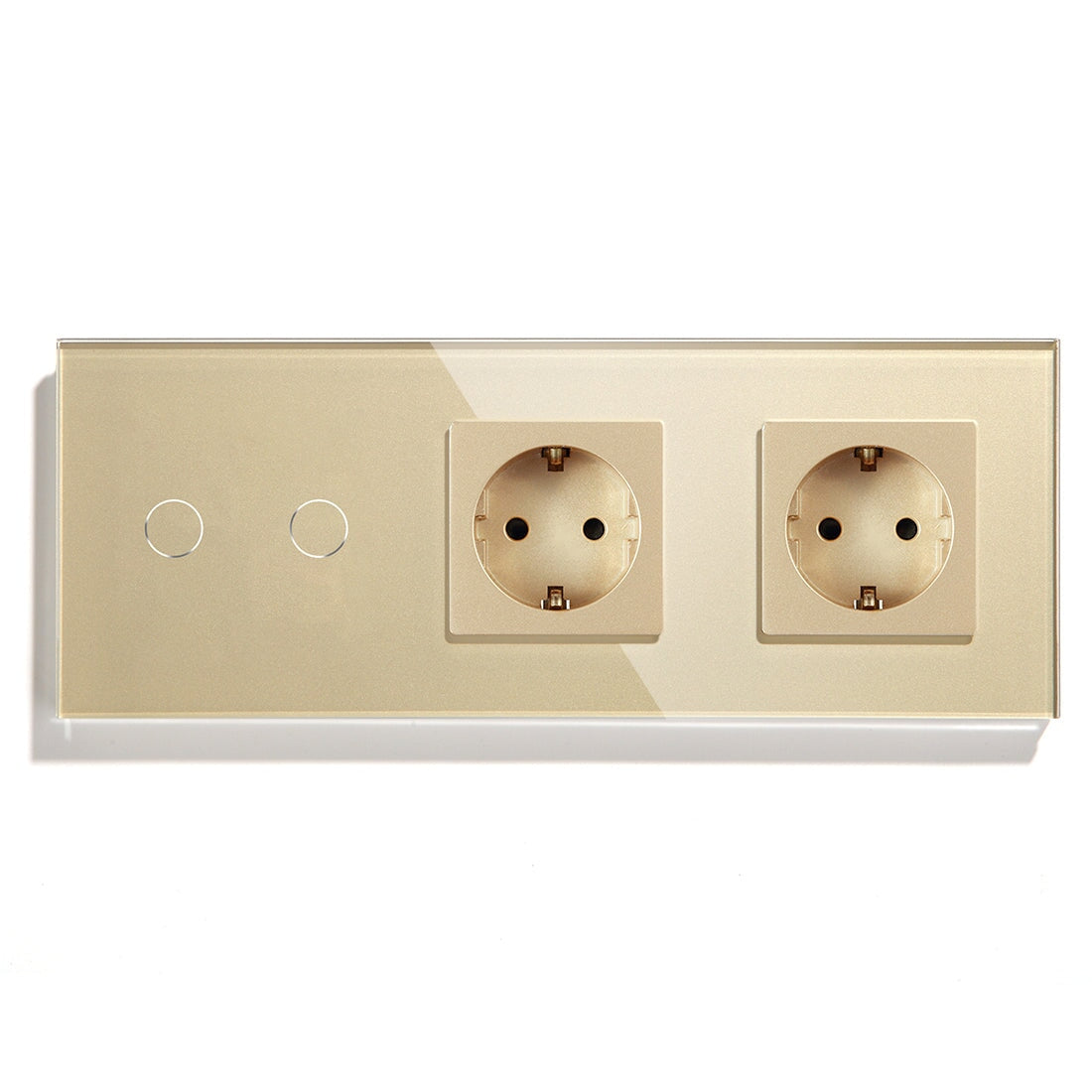
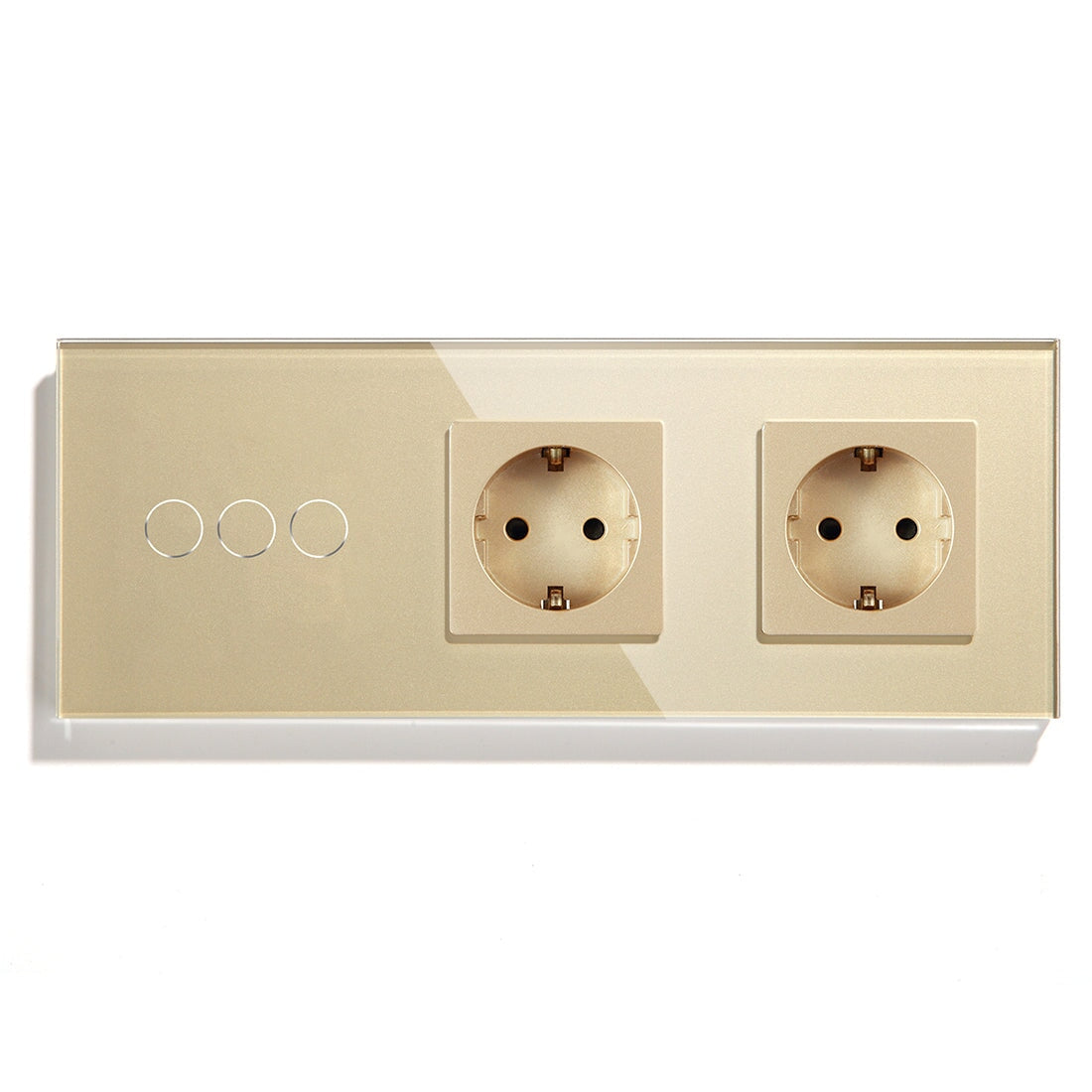
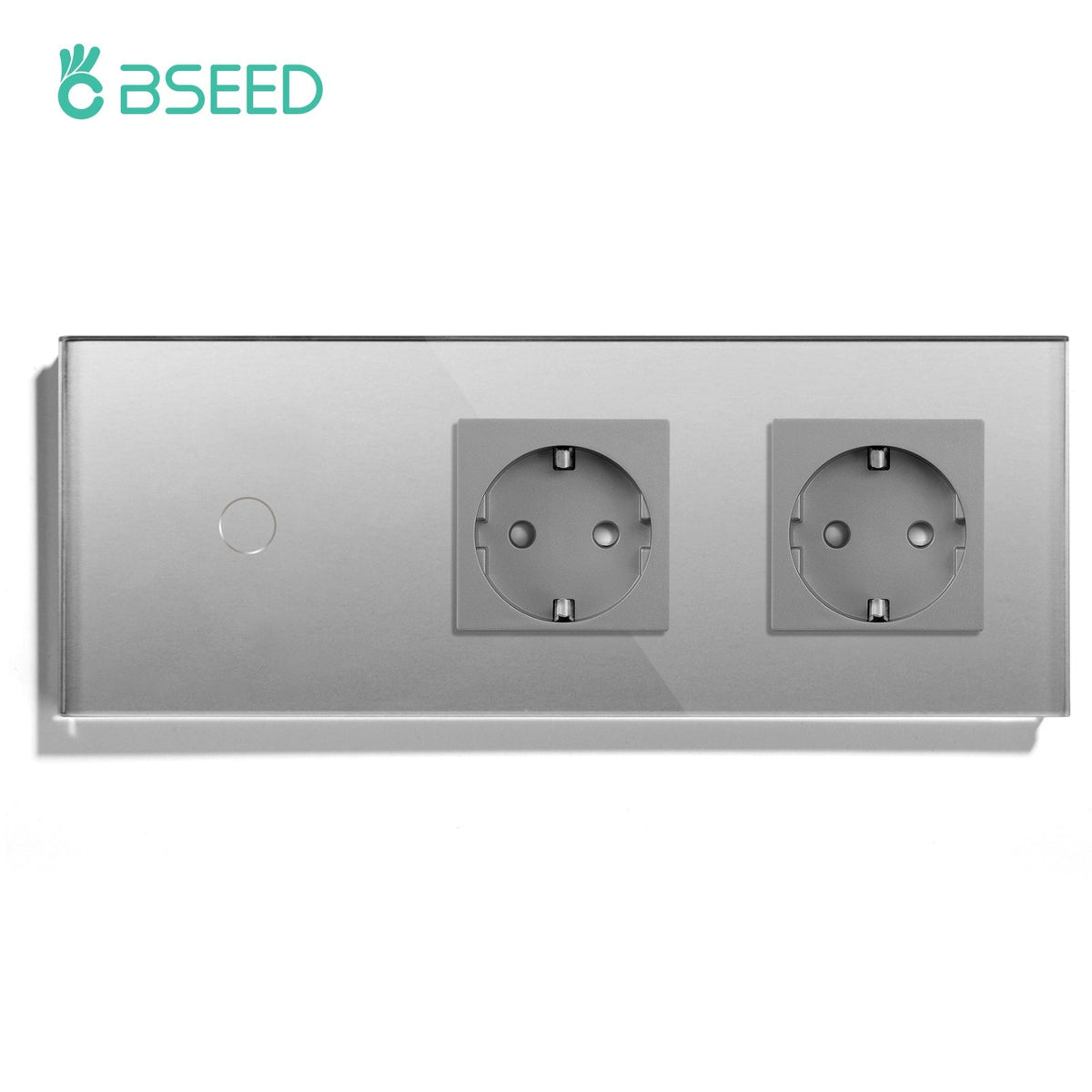
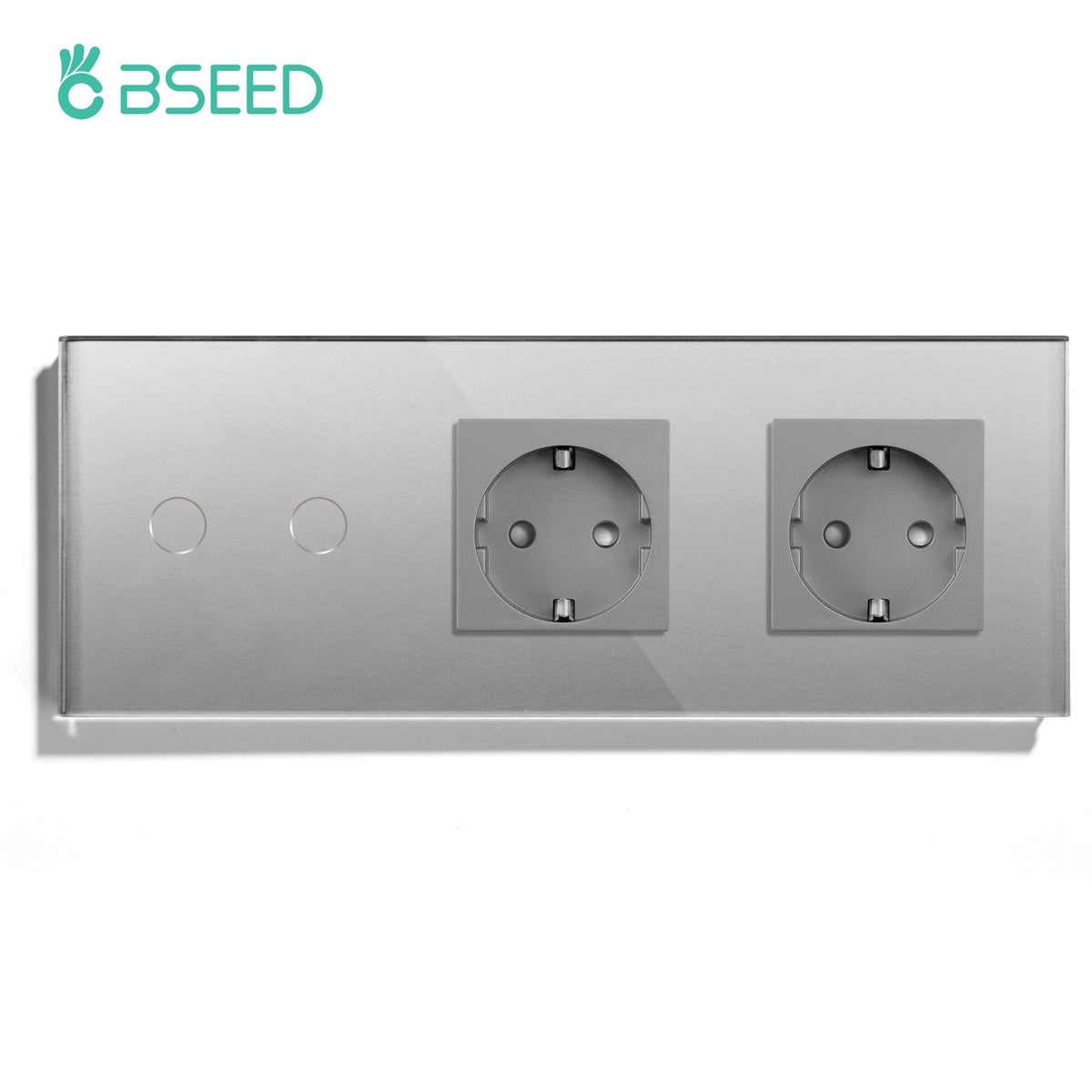
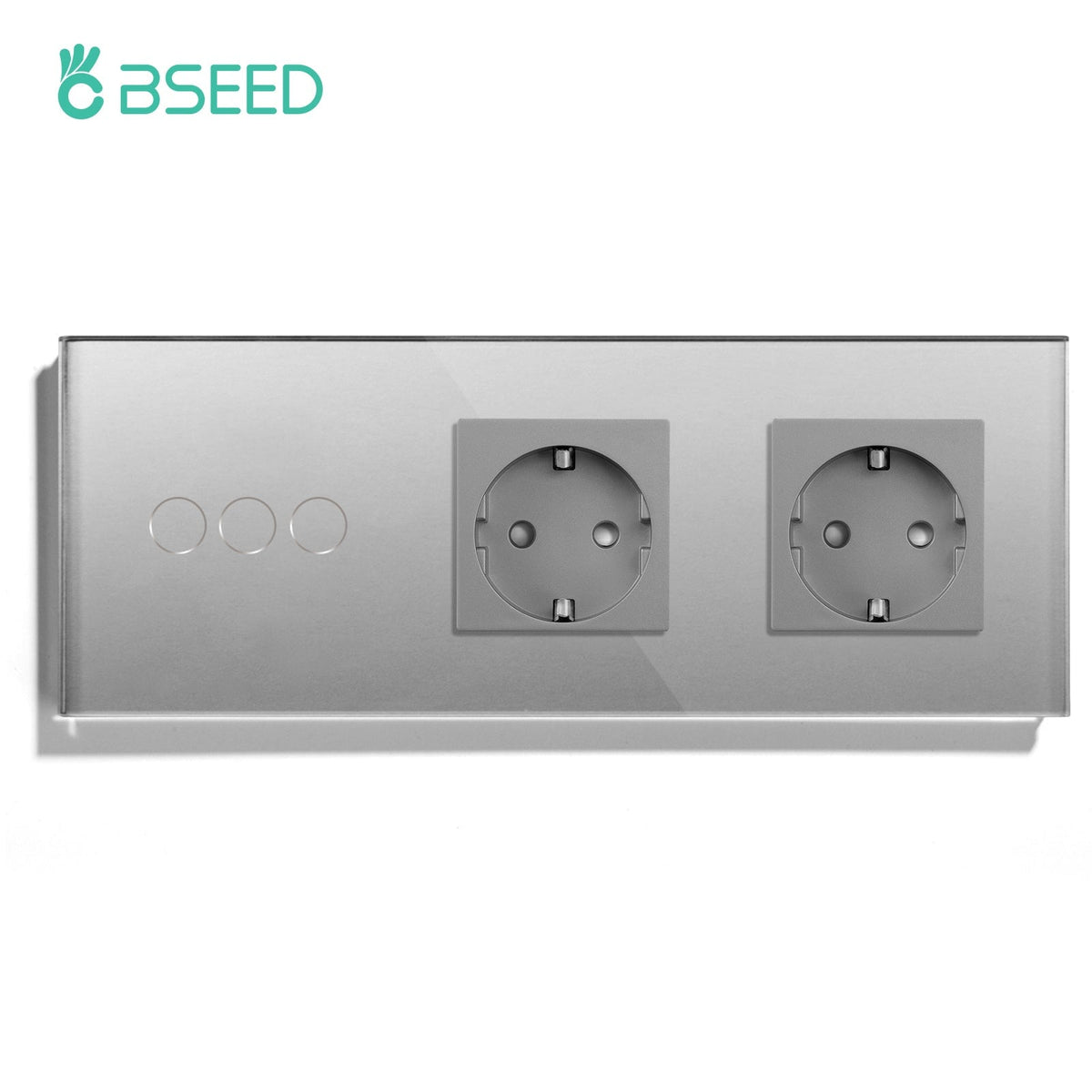
The best smart wall switch for luxury interior design should behave like part of the architecture. It should support smart lighting, curtain control, heating, sockets, and scenes where needed, but it should not make the wall look like a device showroom. BSEED smart wall switches, touch glass smart switches, glass panel smart switches, thermostats, sockets, and curtain controls can fit this kind of project when the selection is made early enough.
Start With The Wall Elevation
Before choosing a switch color, look at the wall elevation. Where is the door frame? Where will the headboard sit? Is there stone, wallpaper, veneer, tile, or painted plaster? Are sockets and thermostats already decided?
In high-end work, a smart switch is not selected in isolation. It is part of a line of visible controls. A black glass switch may look excellent near dark stone. It may feel too sharp on a soft bedroom wall. A white glass panel may disappear better in a hallway but feel too plain in a dramatic living room.
Samples matter. Real lighting changes the way glass, color, and reflection behave.
Material Pairing Is More Subtle Than Color
Dark stone or dark wood can handle a black glass smart switch if the lighting does not create harsh reflections. Light painted walls often prefer white, champagne, or soft neutral panels. Wallpaper is trickier; a simple panel shape usually works better because the wall already has visual movement.
Bathrooms need a clean thermostat and switch relationship. Minimalist hallways need restraint. Feature walls need fewer visible controls, not more. The room should lead, and the device should follow.
Keep The Control Count Under Control
Luxury homes often need more functions: dimming, curtains, roller shutters, floor heating, sockets with USB C, and smart home control panels. The temptation is to put every function on the wall.
Resist that.
A living room may need a smart dimmer switch and curtain control. A bedroom may need local light control, bedside convenience, and thermostat access. An entrance may justify a scene panel. A private hallway probably does not.
Too many panels make a luxury home feel technical. Too few make it hard to live in. The balance is found room by room.
In a master bedroom, I would usually keep the controls quieter than in the entrance or living room. The user wants calm, not a command station beside the bed. In a living room, a slightly richer control layout can make sense because lighting, curtains, and scenes are used by guests and family together.
Luxury does not mean hiding every switch. It means every visible switch has a reason to be there.
Technology Should Be Quiet
WiFi, Zigbee, Matter, Alexa, Google Home, Apple Home, and Home Assistant can all matter in a luxury project. The homeowner may care about platform flexibility or local automation. Fine. The guest should not have to care.
A BSEED Matter switch can be useful when ecosystem choice matters. A BSEED Zigbee switch can fit larger planned systems. A BSEED WiFi switch may be enough for a simple room. But the visual result should remain calm.
Dimming And Scene Control
Luxury lighting often depends on dimming. That means LED drivers and lamps must be checked before promising smooth low-level control. A smart dimmer switch for LED lights should be treated as part of the lighting design, not as a last-minute wall device.
Scenes should also be edited. "Dinner," "Movie," "Reading," and "Night" are better than a long list of unclear options. A good scene is one the homeowner remembers without opening the app.
Design Review Before Ordering
Before ordering BSEED smart wall switches for a luxury home, review wall finish, switch color, gang layout, socket and thermostat matching, curtain or shutter control needs, neutral wire availability, and control panel placement.
The best smart wall switch is not the most visible one. It is the one that makes the room feel finished.
For whole-home projects, approve one sample wall before ordering everything: one switch, one socket, one thermostat or curtain control if relevant. Look at the wall under daytime light and evening light. If the combination feels right there, the rest of the home will be easier to specify.
Retrofit Luxury Is Harder Than New Build
New-build luxury projects have an advantage: the wall layout, box depth, wiring, and finish can be planned together. Retrofit projects are less forgiving. The designer may need to work around existing switch positions, limited box depth, stone already installed, or wiring that cannot be moved without damaging finishes.
This is where product selection should be slower. A smart wall switch for European homes may need to match the existing back box as well as the visual design. Older villas or apartments may also need a no-neutral switch version, which should be confirmed before finishes are disturbed. If curtain controls or roller shutter switches are being added, motor wiring has to be checked before the wall finish is touched.
What Luxury Buyers Notice After Installation
Luxury buyers notice small inconsistencies: a thermostat that sits too close to a switch, a socket color that is slightly off, a touch panel that reflects a downlight, or a scene name that sounds technical. These are not minor in a high-end project. They are the details that make the difference between "smart home installed" and "home finished properly."
BSEED products can work well in this space when the installer treats them as visible interior components, not only electrical devices.