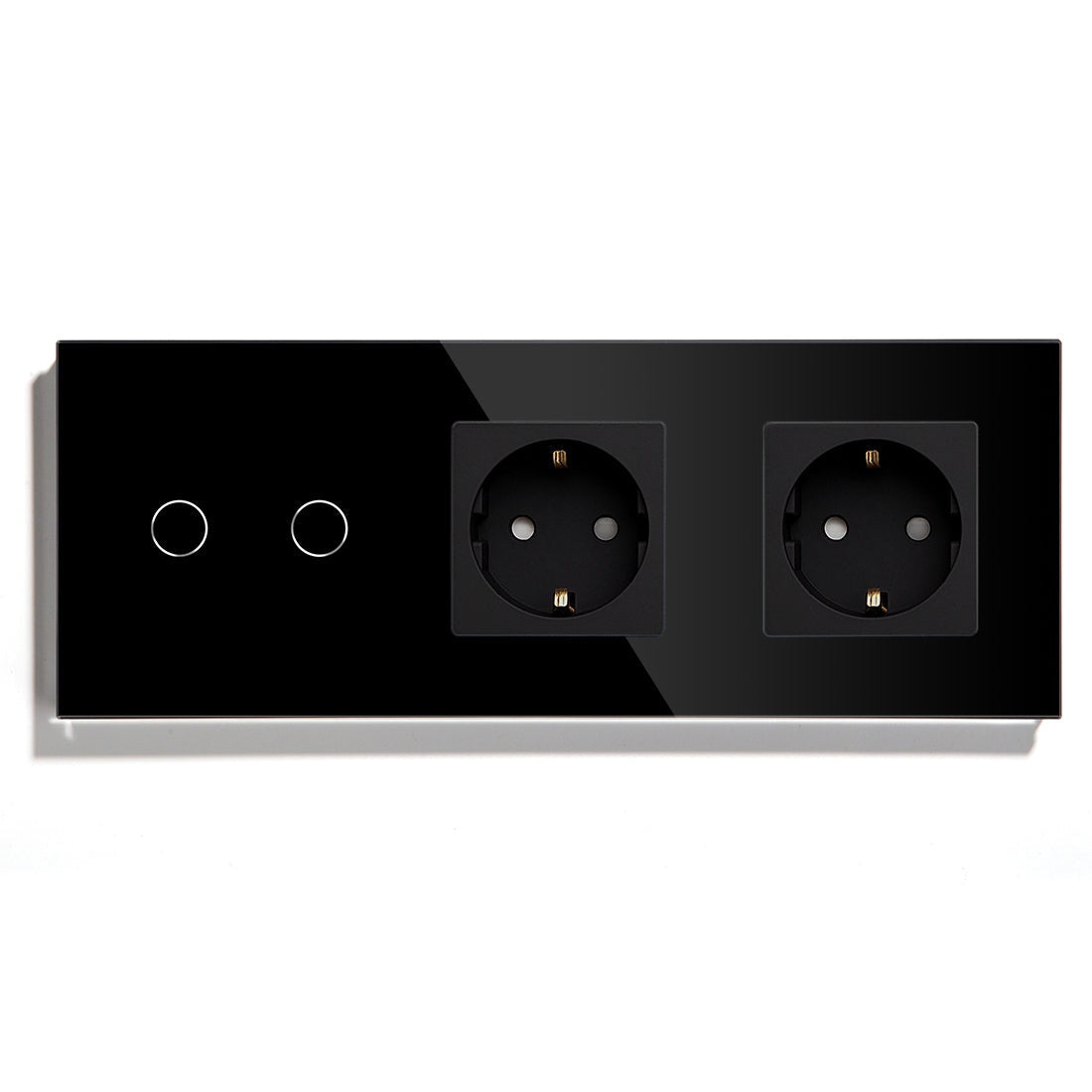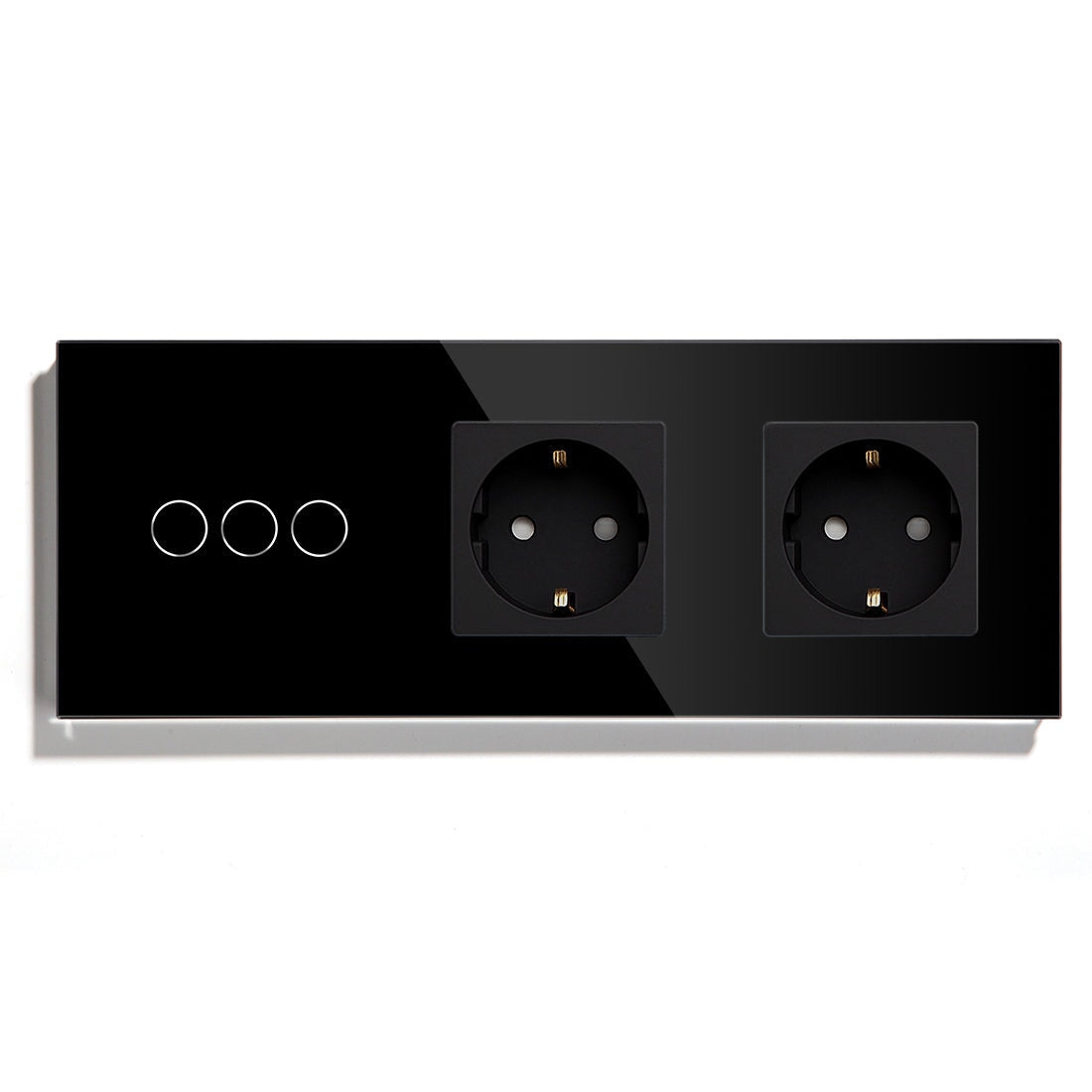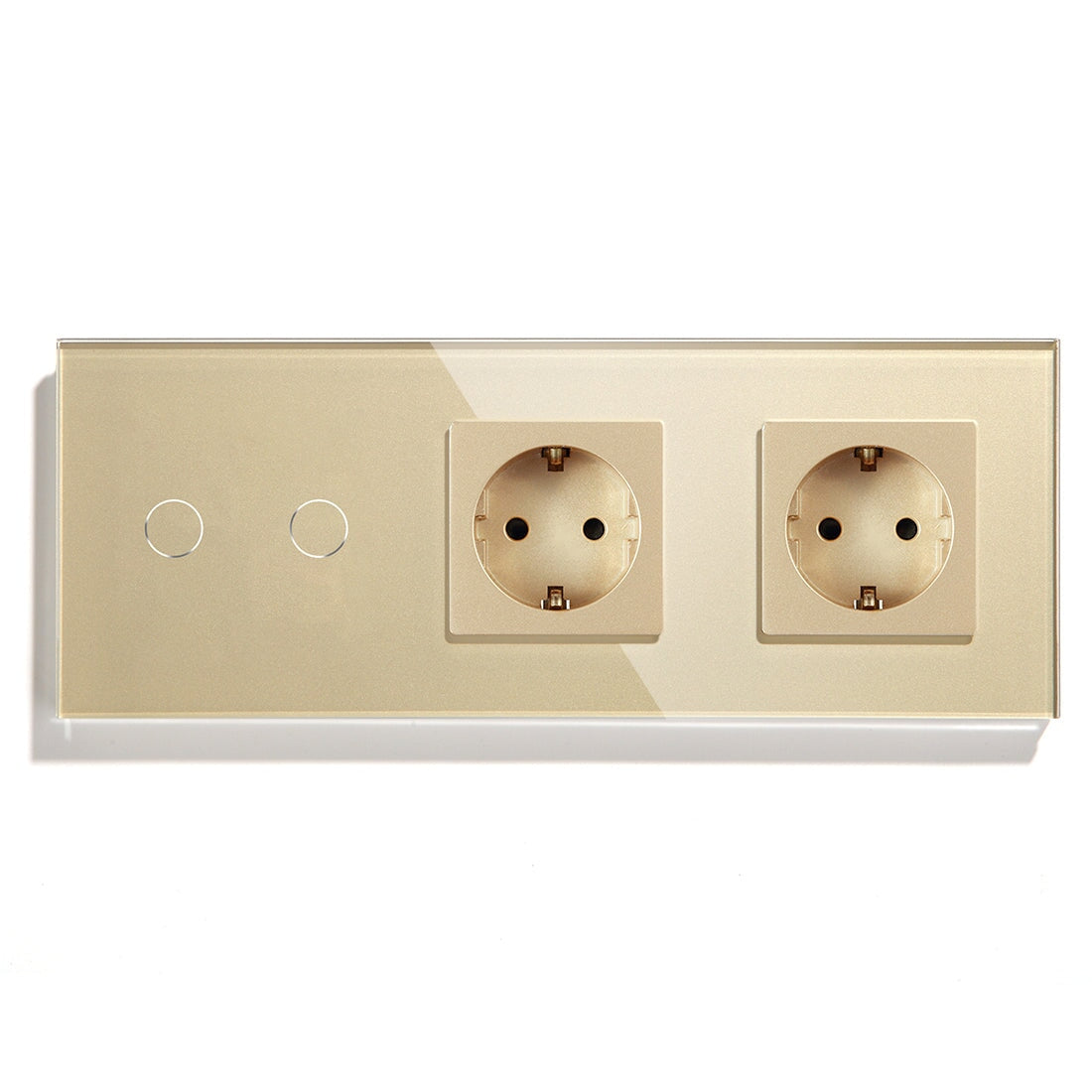
Zigbee Roller Shutter Switch for Smart Home Automation
A Zigbee roller shutter switch for smart home automation is worth choosing when the project has several motorized blinds, curtains, or shutters across different rooms. For one bedroom curtain, WiFi may be simpler. For a villa, duplex apartment, or Home Assistant project, Zigbee usually gives the installer a cleaner structure.
The reason is practical: coverage and coordination.
Roller shutters rarely stay as a standalone function once the customer starts building a smart home. They connect with lighting, schedules, room temperature, privacy, and sunlight control. That is where a wall switch becomes part of the home logic, not just a button for opening and closing.
One thing comes first, though. The switch must match the motor. If the motor wiring is wrong, no app can make the project professional.
Why Zigbee Makes Sense For Roller Shutters
Zigbee works through a mesh network. In simple terms, powered Zigbee devices can pass signals to other Zigbee devices nearby. That helps in European homes where the router may sit in the living room while shutter switches are installed near balconies, bedrooms, stair areas, or upper floors.
I have seen WiFi curtain switches work perfectly in a showroom and then struggle in a real house because the wall box was too far from the router. Zigbee is not immune to bad planning, but a well-built mesh gives installers more room to work.
A BSEED Zigbee roller shutter switch fits well when the project already includes BSEED Zigbee light switches, sensors, smart sockets, or a smart home control panel with Zigbee. Home Assistant users also tend to prefer this setup because more scenes can run locally instead of waiting for cloud response every time.
Check The Motor Before The App
A roller shutter switch usually controls open, close, and stop. Some projects also need position control, such as opening the shutter to 30% in the morning or closing it to 70% during strong sunlight.
That feature depends on the motor and calibration. Some motors have built-in travel limits. Some rely on timed movement. If those limits are not set properly, the shutter may stop early, run too long, or push against the end position. That is when after-sales trouble starts.
Before choosing the switch, check:
1. Motor voltage and rated current.
2. Open, close, and stop wiring.
3. Built-in limit settings.
4. Wall box depth.
5. Need for percentage position control.
6. Protocol choice: Zigbee, WiFi, or Matter.
Do this before talking about voice control. It saves time.
Where Zigbee Roller Shutter Control Works Best
A Zigbee roller shutter switch is a good fit for larger homes, multi-room automation, Home Assistant systems, and projects that already use Zigbee smart light switches. It is also useful when the buyer wants lighting, shading, and heating to work together.
A real scene might look like this: the living room lights dim to 25-30%, the roller shutters close, a smart thermostat adjusts floor heating, and selected smart sockets turn off standby devices. The user sees one scene button. The installer sees several devices that need to be planned in the right order.
That is why B2B buyers should think beyond the single switch. If the project may grow, choosing the protocol early matters.
When WiFi Or Matter Is The Better Choice
Zigbee is not automatically the best answer. If the customer only wants one smart curtain switch with app and voice control, a BSEED WiFi switch may be easier. No hub is needed, and the installation story is simpler.
Matter is worth considering when cross-platform support is the main selling point. A BSEED Matter switch can help when the buyer wants compatibility with Alexa, Google Home, Apple Home, or Home Assistant. That matters in retail channels and mixed-ecosystem homes.
For dealers, the rule is straightforward: sell WiFi for simple jobs, Zigbee for scale, and Matter for platform flexibility. A single-room retrofit and a whole-home automation package should not use the same selection logic.
Shading Is Part Of Comfort Control
Roller shutters are not just for privacy. They affect glare, heat, and how a room feels during the day. In a south-facing room, closing shutters during peak sunlight can reduce glare and help the cooling or floor heating system avoid unnecessary load.
BSEED smart home projects often combine roller shutter switches with smart dimmer switches for LED lights, smart thermostats, smart sockets, and touch glass panels. The value is in how these devices work together.
Useful scenes may include:
1. Morning mode: open shutters and bring lights up slowly.
2. Movie mode: close shutters and dim lights to 25-30%.
3. Away mode: close selected shutters and turn off unused sockets.
4. Summer mode: reduce glare during peak sunlight.
These scenes sound simple, but they only feel smooth when the motor, network, and device logic are set correctly.
Installation Mistakes I Would Avoid
The first mistake is assuming all shutter motors are wired the same way. They are not. Check the motor before promising compatibility.
The second mistake is hiding the Zigbee hub in a poor location. Zigbee works best when the mesh has enough powered devices and the hub is not buried behind metal cabinets or thick walls.
The third mistake is forgetting the wall box. Roller shutter wiring can be tight. A touch glass switch needs enough space behind it, especially when the installer has to keep terminals neat and serviceable.
Buying Rule For B2B Projects
Before ordering a Zigbee roller shutter switch, use this rule:
1. Confirm the motor type and load.
2. Check open, close, and stop wiring.
3. Confirm whether percentage position is required.
4. Choose Zigbee for multi-room or Home Assistant projects.
5. Choose WiFi for small, simple projects.
6. Choose Matter when ecosystem flexibility matters.
7. Match the panel style with lighting, sockets, and thermostats.
For heavy-duty shutters, industrial doors, garage doors, or safety-critical systems, use proper motor control equipment. A residential smart switch should not be pushed into that job.
How BSEED Fits Smart Home Automation
BSEED offers smart light switches, Zigbee switches, WiFi switches, Matter switches, smart sockets, roller shutter switches, smart thermostats, glass panel smart switches, and smart control panels. That range is useful because shutter control rarely stays separate from lighting and climate.
A Zigbee roller shutter switch is a strong choice when the home needs several controlled openings and reliable automation. Start with the motor, place the hub properly, then build the scene. That order keeps the project clean and reduces the kind of callbacks nobody wants.