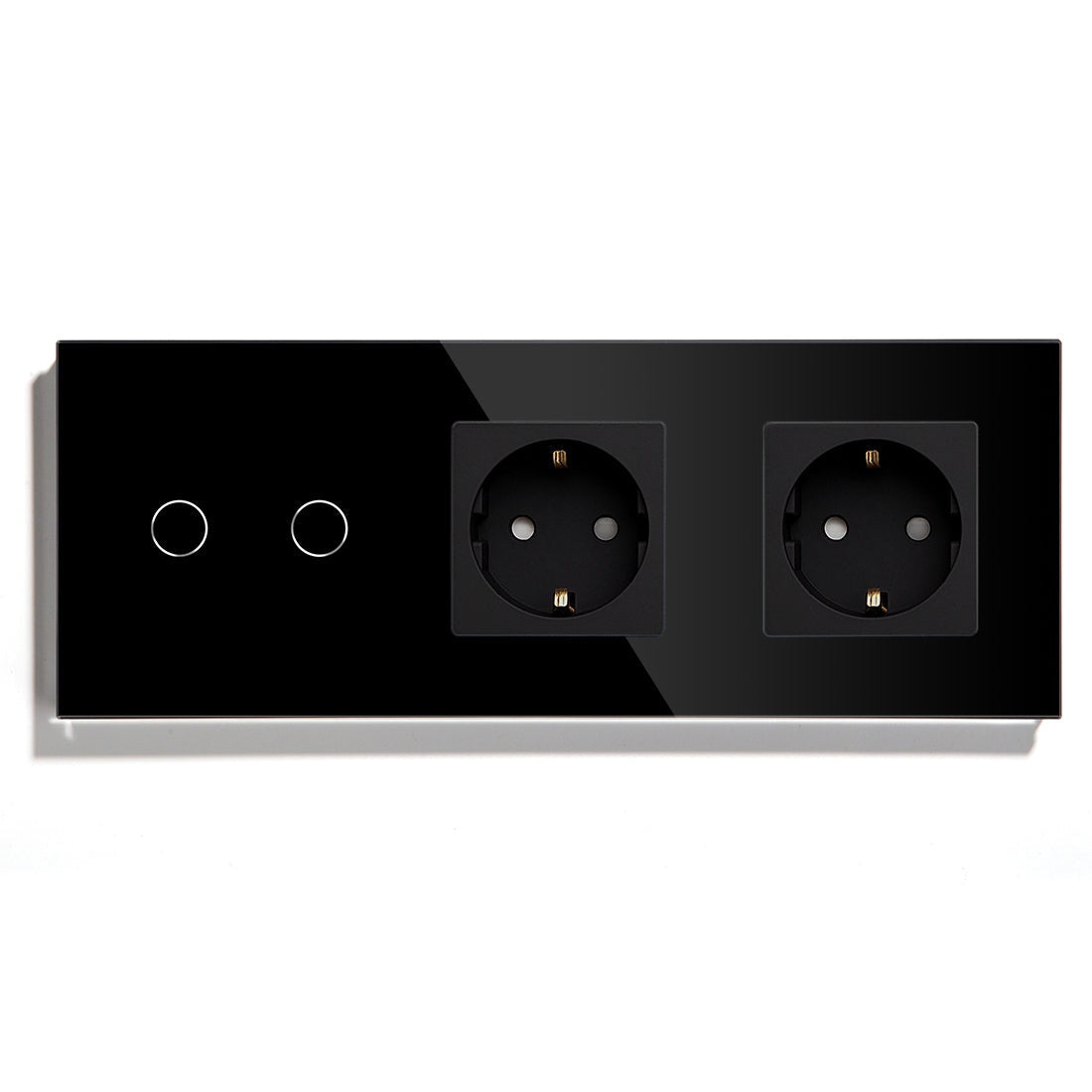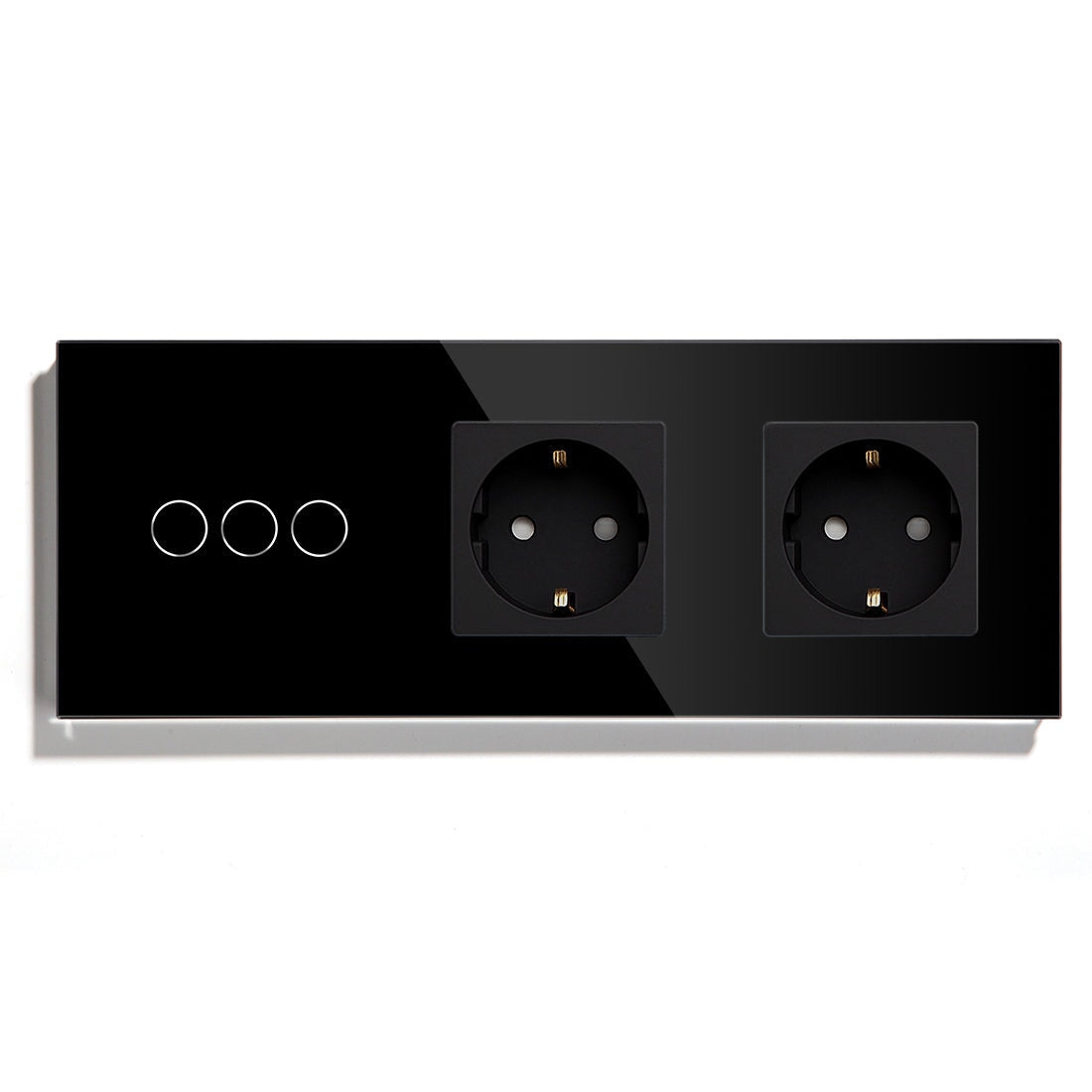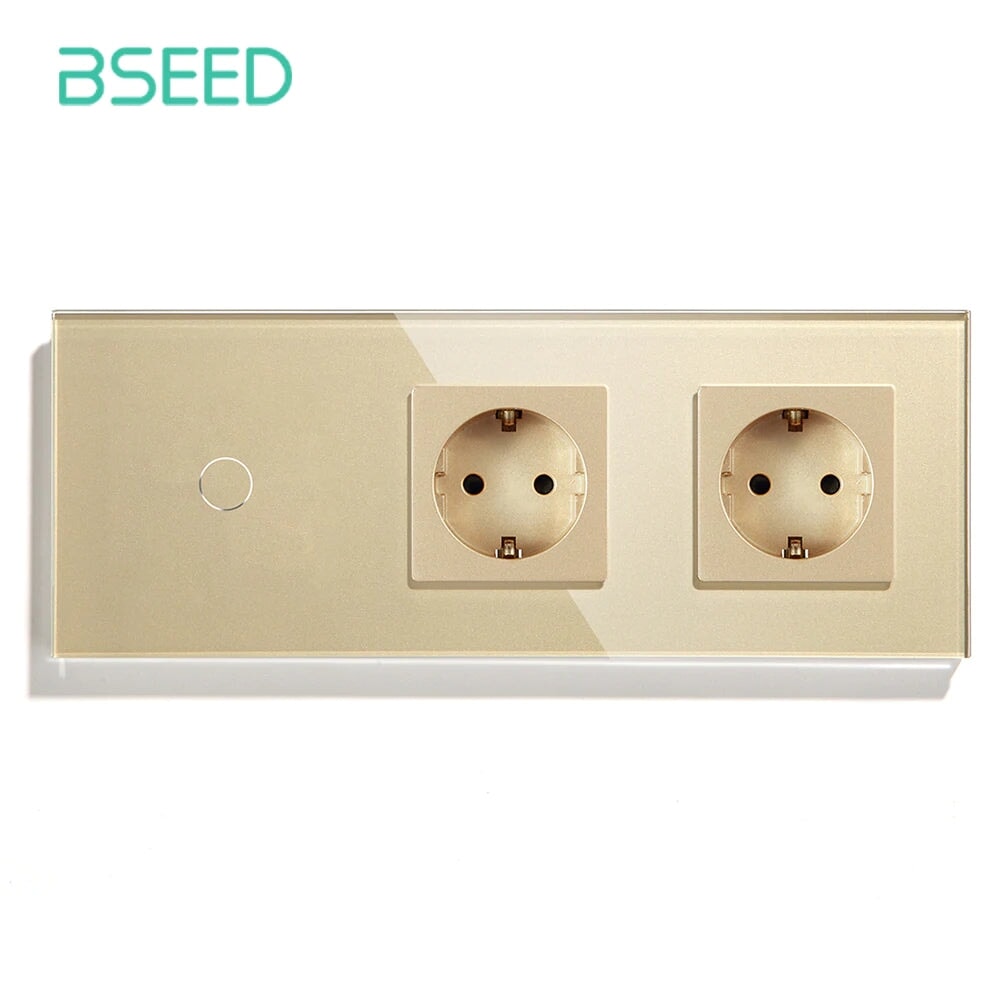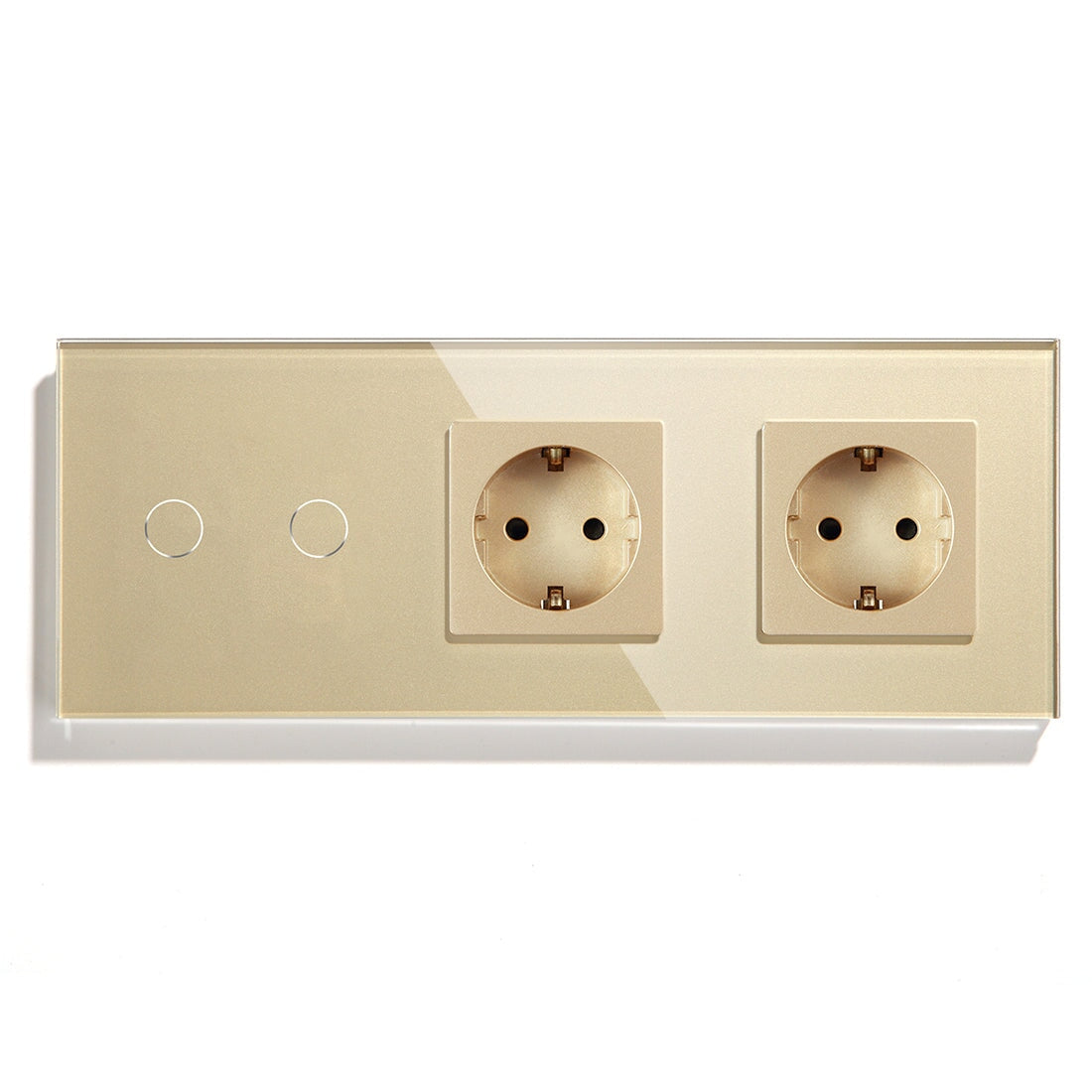
BSEED WiFi Light Switch: Why European Homes Are Upgrading in 2026
By 2026, European homeowners aren’t upgrading to a WiFi light switch just for the sake of voice control. We’re seeing this plateau of smart switch adoption because the electrical infrastructure, energy pricing, and smart home ecosystems have changed in tandem. A modern Berlin, Madrid, Warsaw or Amsterdam apartment expects lighting control to hook in to floor heating, occupancy automation, energy monitoring, roller shutters, hybrid Zigbee + Matter smart home systems.
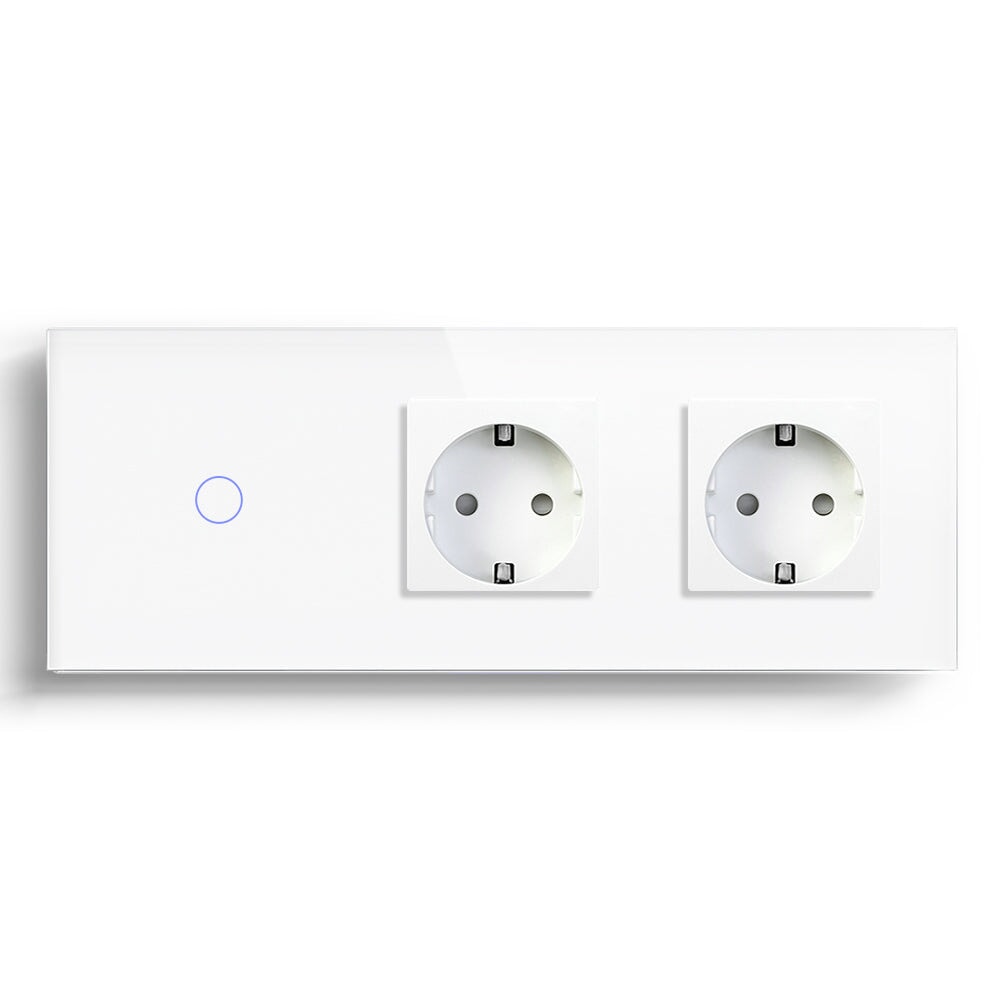
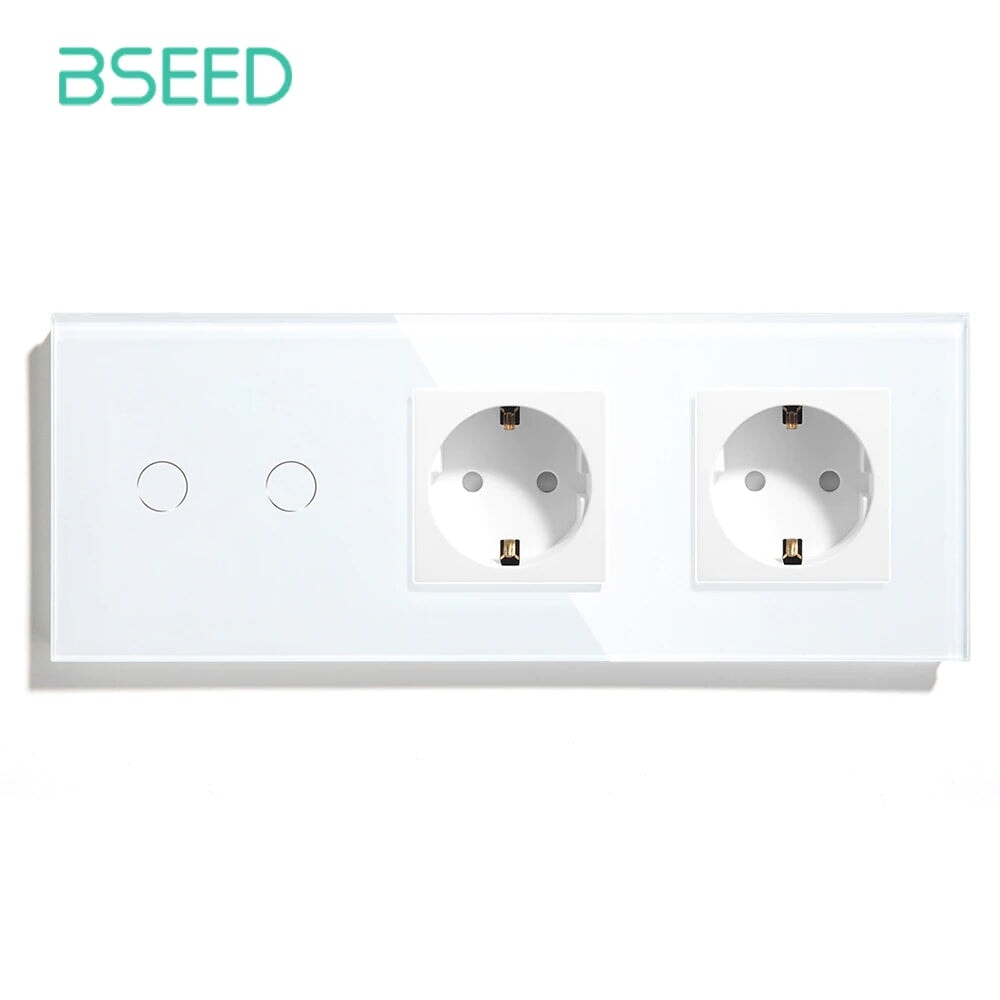
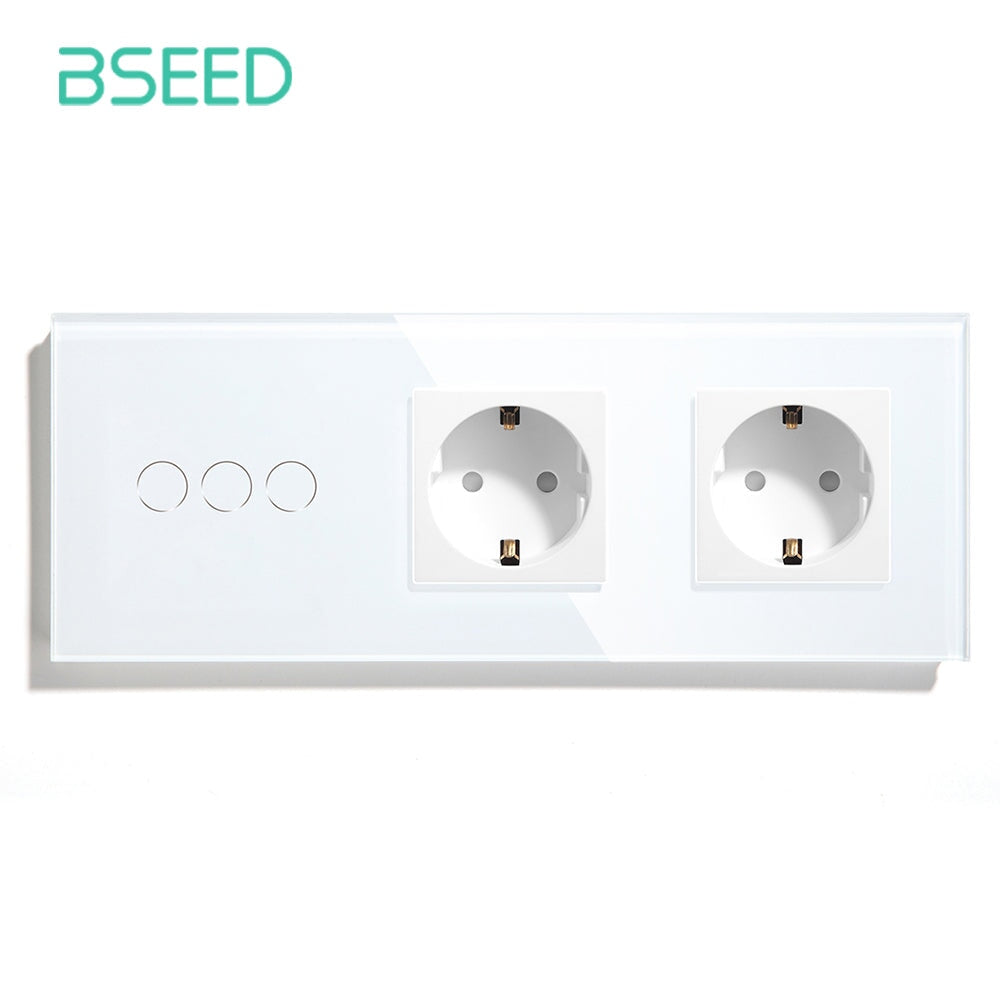
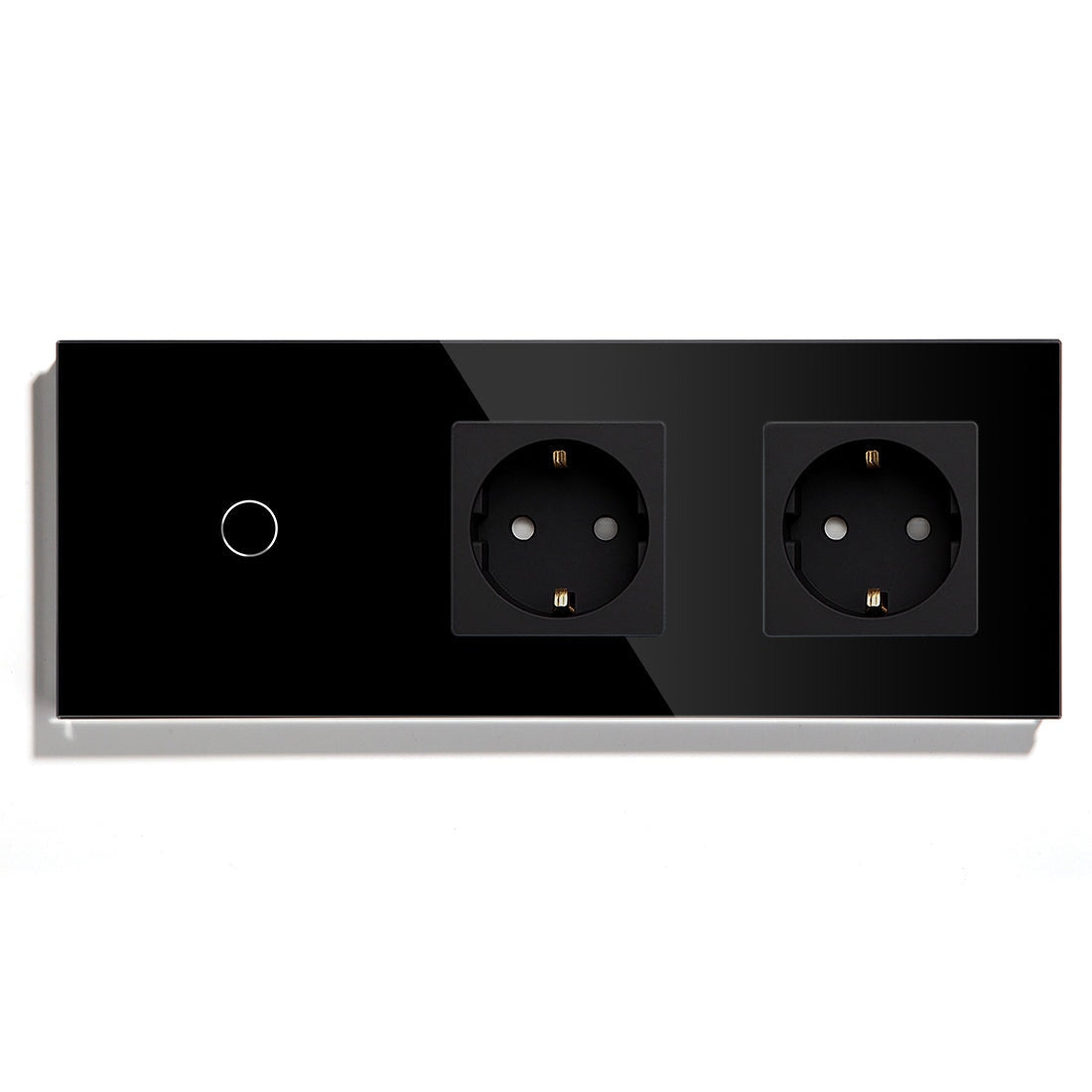
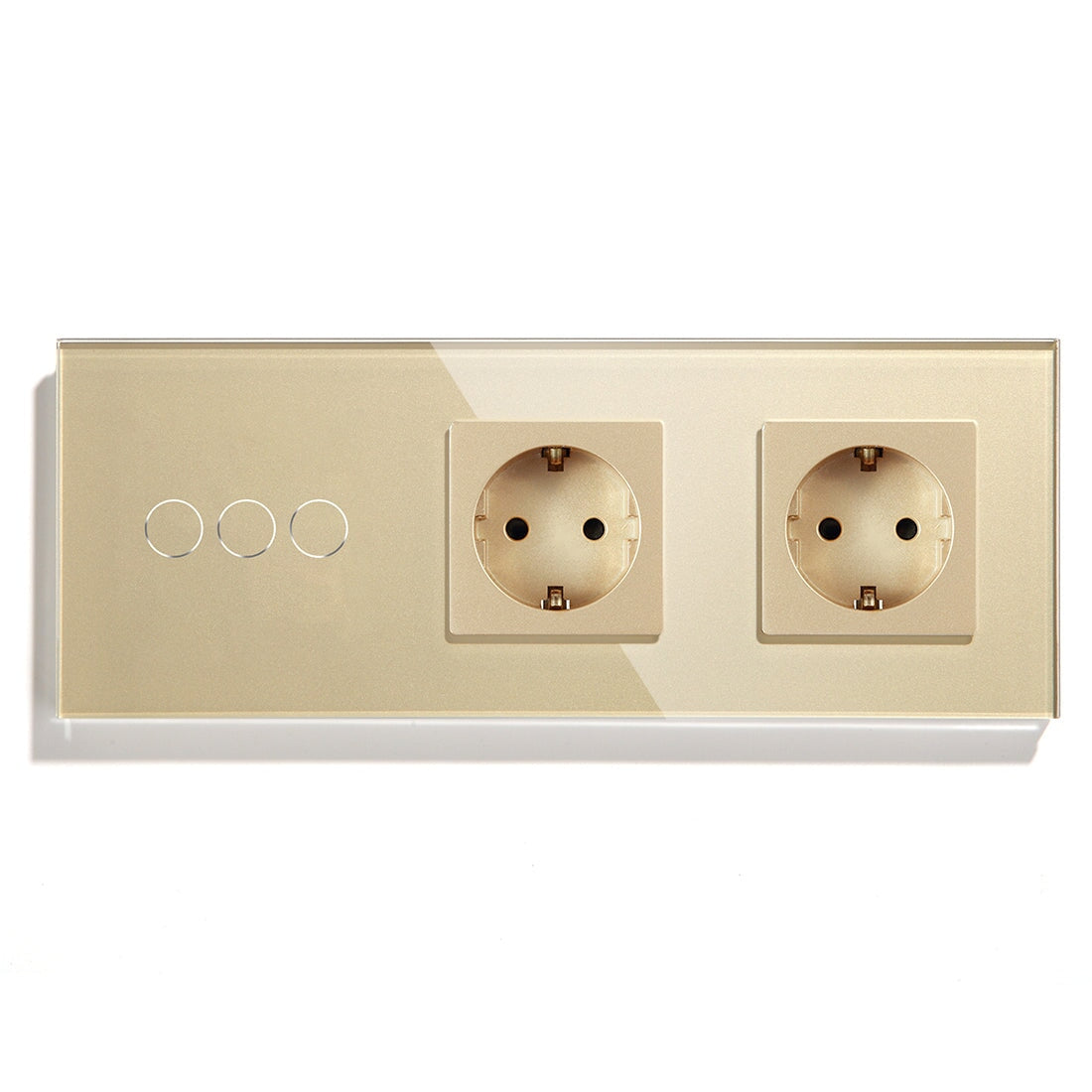
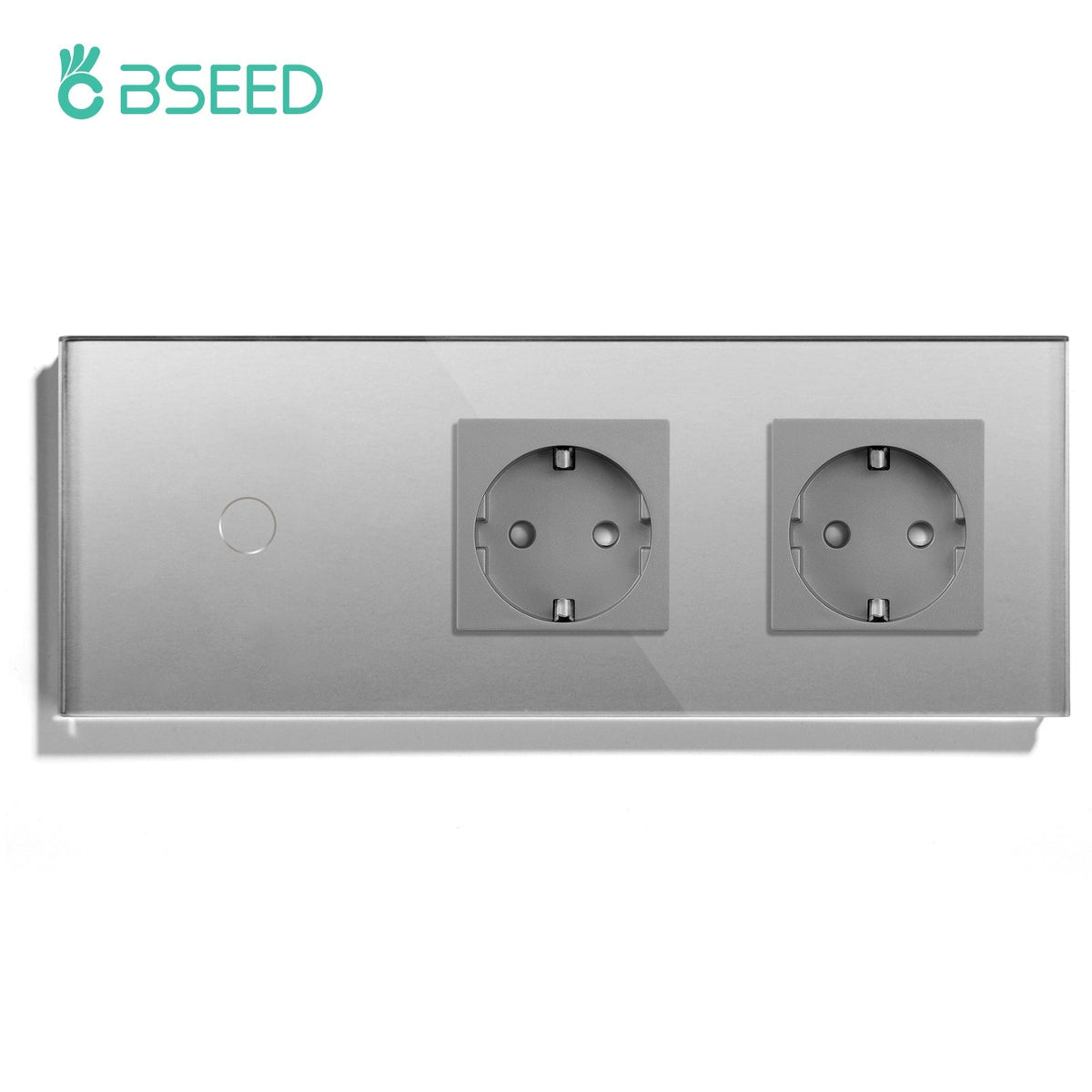
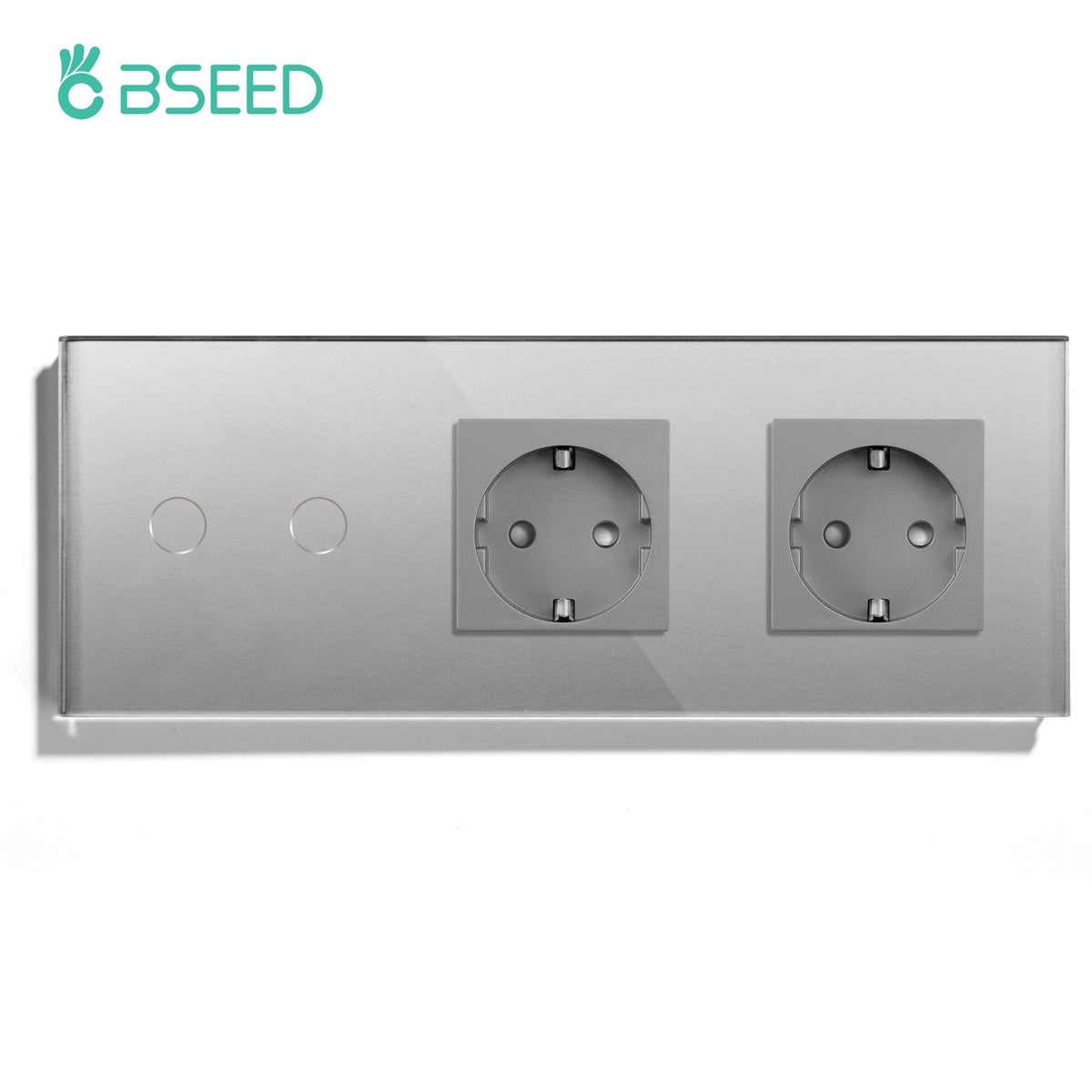
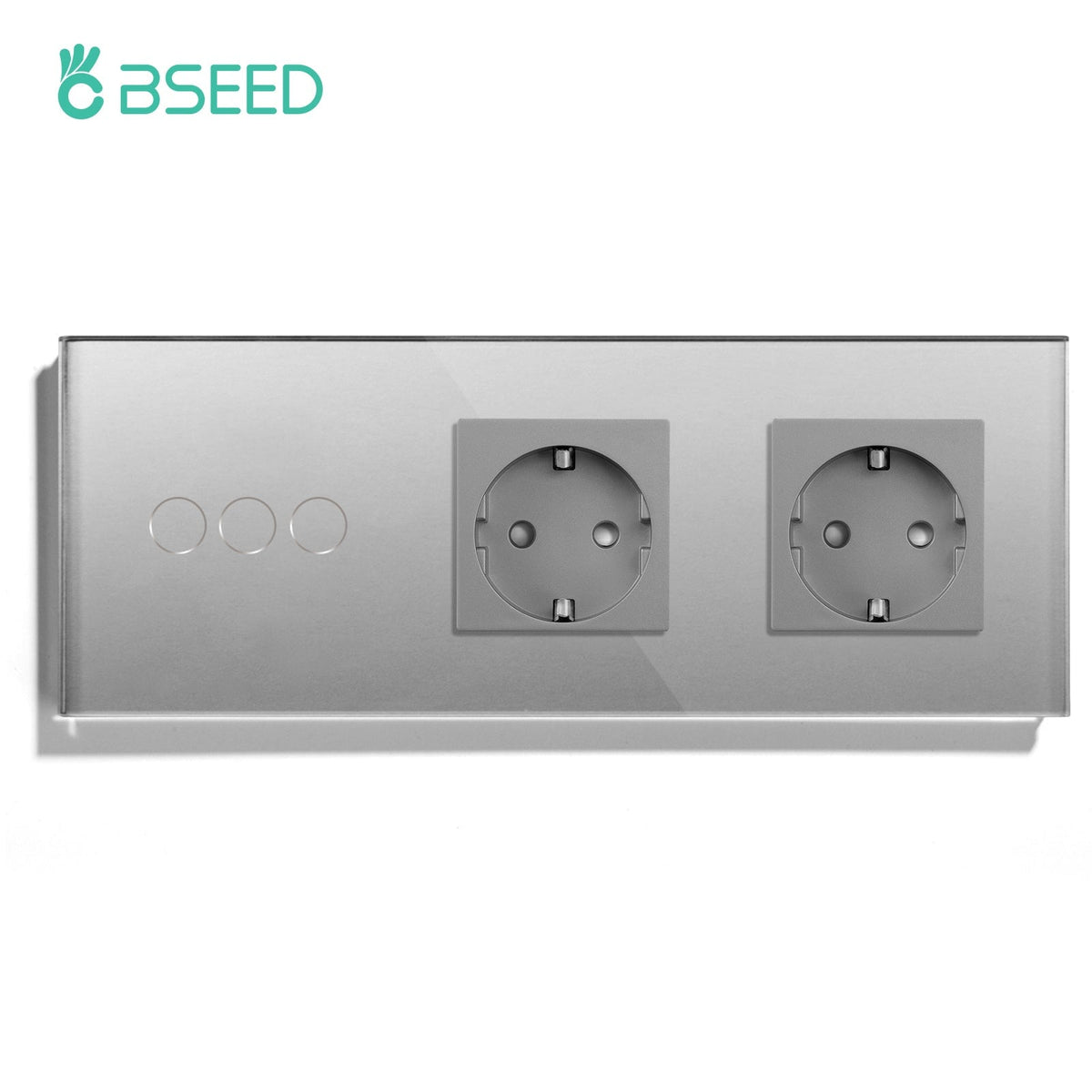
That’s why current-generation products like BSEED Smart Home, Zigbee 3.0 smart switches, Matter smart switches, smart wall switch for European homes, touch glass smart switch systems are being installed far beyond luxury projects. They are being added to residential electrical renovations across Europe.
Biggest surprise for many first time buyers is that app quality is no longer the primary reliability point. The electrical design behind the switch matters much more than the icon on the phone.
Why European Homes Are Replacing Traditional Wall Switches Faster Than Expected
Between 2023 and 2026 a number of market conditions accelerated smart switch adoption throughout Europe:
· Rising electricity cost
· Increased renovation of older apartments
· Growing Home Assistant deployment
· Wider Matter ecosystem compatibility
· Demand for local automation, not cloud dependence
· Expanding no-neutral smart switch technology
· More affordable Zigbee 3.0 infrastructure
A “regular” wall switch could only interrupt power. A smart light switch is now more of a distributed automation node inside the electrical network.
That difference changes the way experienced installers evaluate products.
The Hidden Technical Problem in European Apartments
The majority of buildings in Europe do not lend themselves to being retrofitted for smart home infrastructure.
Typical issues include:
 This is why cheap smart switches work well in showrooms, but not at the installation phase.
Installers tasked with smartening up apartments can find themselves spending as long on electrical compatibility issues as they do configuring apps.
Why WiFi Light Switches Will Always Rule the Entry-Level Smart Home
Typical applications
The most common deployment scenarios will be:
· Renovating apartments
· Smarter rental properties
· Entry-level small smart home utilising a few appliances in keep’n’eye on the house
· DIY retrofit
· Automating one room
· Integrating with voice assistant
Typical search query demand I found for 2026 including:
· wifi light switch
· Redundant. Wifi touch light switch
· smart switch compatible with Alexa,
· smart switch compatible with Google Home,
· smart wall switch
· touch glass smart switch
Where WiFi Smart Switches Work Well
If yours is a home where somewhere between 15 and 20 devices connected for automation, WiFi could remain the platform of choice because:
1. No hub is required
2. Fewer costs to install
3. Easier app onboarding
4. Quicker pairing with voice assistants
Light-switching duty in a typical 6 circuit lighting app, 2 smart sockets, 1 thermostat, and several voice assistants would suit a WiFi deployment.
That’s where the problem occurs, when homeowners try to scale beyond that.
Router Saturation Problem Most Buyers Never See Coming
If you buy a typical European smart apartment in 2026 you might have:
· 35-50 smart switches
· 20+ smart sockets
· sensors
· smart thermostats
· IP cameras
· TVs
· phones
· tablets
· EV charger monitoring
By then many consumer-grade routers will start showing
· packet loss
· unstable latency
· delayed automations
· device offline behavior
· multicast congestion
This is why experienced smart home integrators rarely build large projects fully around WiFi anymore.
Ironically sometimes stronger WiFi coverage can actually cause automation performance to be worse because overloaded routers are keeping more unstable devices online rather than forcing reconnect behavior earlier and that detail can surprise many first time smart home users.
Why Zigbee is More Frequently Chosen Smart Home Upgrade Path
Typical Keywords
· zigbee light switch
· zigbee switch
· zigbee 3.0 smart light switch
· tuya zigbee smart switch
· zigbee smart switch for Home Assistant
· zigbee roller shutter switch
Why Zigbee 3.0 Changed Smart Home Design
After 2024 Zigbee 3.0 matured and became more stable in:
· mesh routing stability
· low-power operation
· local automation response
· interoperability
· repeater coordination
A properly designed Zigbee network generally responds within 80-200ms, faster than many cloud dependent WiFi systems.
Professional installers increasingly use Zigbee for:
· lighting
· sensors
· roller shutters smart thermostats
· automation triggers
While reserving WiFi for:
· cameras
· streaming devices
· high-bandwidth applications
Matter Smart Switches Are Changing the Landscape of What Is Compatible
Typical Keywords
· matter smart switch
· matter light switch
· matter compatible smart light switch
· matter smart switch for smart home
· smart home devices compatible with Matter
Matter became one of the more important smart home protocol shifts between 2024 and 2026.
Before Matter:
· Apple HomeKit Required Dedicated Certification_
· Alexa Ecosystems Relied Heavily on Cloud APIs_
· Google Home Compatibility Varied by Brand
What it Doesn’t Automatically Fix_
What many buyers don’t know, is that if it’s a Matter product, it can’t be a bad product (or otherwise, the certification wouldn’t hold).
It doesn’t become a better:
· relay quality
· RF antenna design
· RF dimming stability
· thermal design
· power supply durability
A Matter switch that was poorly designed, still works like a poorly designed switch.
Just having a protocol standard doesn’t mean the device itself is good.
No-Neutral Smart Switches Just Became Essential Throughout Europe_
Typical Keywords_
· smart switch without neutral
· smart switch without neutral wire
· wifi light switch without neutral wire
· zigbee light switch without neutral
Most older European apartments were not wired with a neutral behind the light switch.
Without no-neutral support, it’s impracticable to wire those homes selling low-cost “overcorrected” smart light switches in large quantities.
This is why after 2020, the no-neutral smart switch solution was then among the world’s top smart home product segments.
Companies like BSEED Smart Switch Solutions aggressively entered into European markets for:
· no-neutral WiFi switches
· Zigbee no-neutral switches
· touch glass smart switches
· European retrofit smart wall switches
The Low-Wattage LED Problem Most Product Page Don’t Tell You About_
Wiring to cheap no-neutral switches suffers LED ghosting, frequent flickering at changeover and in dimming, random behavior, etc, especially among low-wattage LED bulbs.
And should you be importing an LED driver, this may make for an even bigger problem.
Troublesome types of bulbs include:
· imported LED drivers
· smart bulbs
· decorative filament LEDs
When wiring the light switch in the field, quickly learn that under 5-7 W loads need sometimes bizarre “bypass capacitors” or other types of trickery to work as expected, without eventually failing at installation or home use.
What a beginner assumes is:
The install is perfect (“hey, the switch did turn on!”)….
They thought successfully.
Shocking to learn!
An expert knows relay stability problems sometimes don’t show signs of a system failure until a couple days pass, getting loaded with capacitive electric shock, or lower loads, etc.
Smart Dimmer Switches Still Cause Installation Failures in 2026
Typical Keywords
· dimmer switch
· smart dimmer switch for LED lights
· touch glass smart switch
LED dimming compatibility is one of the hardest parts of smart lighting in the residential landscape to understand properly.
Getting it right depends on:
· leading-edge vs trailing-edge dimming
· build quality of TRIAC
· driver capacitance
· minimum electrical load
· PWM frequency stability
General Dimming Guidelines
 Smart bulbs and smart dimmer switches together on the same circuit is something that experienced installers try to avoid, because of automatization conflicts occurring quite frequently.
Why the home assistant changed how the smart switch is bought
Typical Keywords
· home assistant switch
· home assistant compatible switch
· smart switch compatible with Home Assistant
· home assistant compatible switch
Outages in cloud service from 2023 to 2025, changed how power users implemented smart homes.
Trillions of users have migrated to:
· Home Assistant
· Zigbee2MQTT
· local automation
· edge based smart home architecture
It’s not just about privacy motivated by this move to a new platform.
It’s about reliability too.
Architecture by size of project
 Most pro installations in 2026 are hybrid systems rather than single protocol environments.
Smart Thermostats Became Core Part of Lighting Automation
Typical Keywords
· smart thermostat
· smart thermostat for floor heating
· touch screen smart thermostat
The identical technology as European underfloor heating systems operate entirely differently than HVAC.
Floor heating response cycles often need:
· 30-90mins for significant temperature change
That delay is an issue for poorly designed AI automation logic.
Aggressive learning algorithms often result in an uncomfortable oscillation cycle.
What Experienced HVAC Integrators Actually Care About
Professional HVAC installers often care more about:
· hysteresis stability
· external floor sensors
· calibrated temperature offset
· relay durability
· Modbus or Zigbee integration
than animated touchscreen interfaces.
Before selecting a smart thermostat, installers check:
1. Electric vs hydronic heating compatibility
2. 220V vs dry contact output
3. Maximum relay current
4. Sensor compatibility
5. Smart home protocol support
Roller Shutter Switches Require Better Relay Engineering
Typical Keywords
· roller shutter switch
· smart curtain switch with wifi
· zigbee roller shutter switch
Motorized curtain systems and roller shutters can create:
· startup current surges
· inductive load spikes
· back EMF interference
Cheap relays will fail quickly under these conditions.
Recommended Features for Long-Term Reliability
Reliable shutter switches should include:
· 100,000+ relay cycle rating
· overload protection
· directional interlock logic
· local manual override
· motor lockout protection
This is crucially important for the typical multi-story European home where the shutters open/close several times a day.
Smart Sockets and Energy Monitoring Became Standard Features
Typical Keywords
· smart socket
· smart socket with energy monitoring
· wall socket with USB C
· waterproof outdoor wall socket
After Europe’s electricity pricing volatility results increased by the mid-2020s, energy monitoring went from optional novelty to common sense home management.
What Good Energy Monitoring Actually Looks Like
A trustworthy smart socket should offer:
· real-time wattage
· voltage monitoring
· historical energy graphs
· overload alerts
· local consumption export
Many low-budget devices still estimate power consumption rather than truly measure electrical load.
That difference makes itself known when monitoring:
· heaters
· floor heating
· EV charging
· high-load kitchen appliances
Why European Smart Wall Switchs Use Different Design Logic
Typical Keywords
· smart wall switch for European homes
· glass panel smart switch
· touch glass smart switch
European electrical installations differ significantly from the NorthAmericanideal.
 Because of this, European-focused manufacturers increasingly focus on the enabling of ultra-thin relay modules, lower thermal buildup, glass touch panels, no-neutral optimization, and multi-protocol integration
2026 Technology Trends Reshaping Smart Switch Systems
Matter Over Thread Expansion
Matter over Thread is increasingly important in premium smart homes because it improves:
· mesh reliability
· low-power communication
· local responsiveness
· network scalability
Local AI Automation
Modern smart homes increasingly process:
· occupancy detection
· energy usage
· lighting patterns
· automation behaviour
locally instead of through cloud servers.
This reduces:
· latency
· internet dependency
· cloud outage exposure
· privacy concerns
Multi-Protocol Smart Homes Became the Industry Standard
The most stable installations in 2026 usually combine:
· Zigbee for switches and sensors
· Matter for interoperability
· WiFi for camera and media
· Ethernet for infrastructure backbone
Single-protocol smart homes are now uncommon in professional deployments.
Smart Switch Selection Checklist for 2026
Choose WiFi Smart Switches If
· The home has less than 20 smart devices in total
· DIY installation is preferred
· Hub deployment isn’t planned
· The apartment is fairly small
Choose Zigbee Smart Switches If
· Large automation expansion is intended
· Home Assistant integration is important
· Faster local response is important
· Mesh stability needed
Choose Matter Smart Switches If
· Apple, Alexa, and Google ecosystems co-exist
· Long-term interoperability is important
· Cross-platform compatibility is important
Choose No-Neutral Smart Switches If
· Retrofitting older apartments
· Home without neutral wire
· European renovation project
Always check:
· minimum load compatibility
· LED driver stability
· bypass capacitor support
Choose Glass Panel Smart Switches If
· Modern European interior styling is important
· Capacitive touch control is preferred
· Flush wall aesthetics are important
Check for:
· anti-fingerprint coating
· touch sensitivity stability
· moisture resistance
Why Experienced Installers Evaluate Smart Switches Differently
Typically, the cheapest smart switch grows expensive after a few months of testing.
The most expensive model is not necessarily the most stable either.
Long-term reliability typically falls on:
1. Relay engineering quality
2. Electrical compatibility
3. Firmware maturity
4. Local automation support
5. Ecosystem interoperability
That is why experienced installers increasingly treat smart switches as part of the building’s electrical infrastructure rather than decorative accessories.
Manufacturers like BSEED Smart Home Systems continue to expand around:
· Zigbee 3.0 smart switches
· Matter smart switches
· smart thermostats
· touch screen thermostat systems
· smart sockets with energy monitoring
· Home Assistant compatible switches
· touch glass smart wall switches
· no-neutral WiFi light switches
because those are the technologies driving residential smart home upgrades around Europe in 2026.