BSEED Smart Home Upgrade Ideas for 2026
BSEED smart home upgrade ideas for 2026 should start with three things homeowners now care about more openly: platform freedom, energy awareness, and routines that do not require constant app checking. Buying random devices is still easy. Building a home that stays useful after the first month takes more judgment.
For 2026 upgrades, I would not begin with "automate everything." I would begin with the parts of the home that waste time, waste energy, or cause small daily irritation.
Upgrade Idea 1: Make Platform Choice Less Permanent
Many households no longer live inside one ecosystem. One person uses Alexa. Another prefers Google Home. A new phone may bring Apple Home into the conversation. A Home Assistant user may want more local control.
That is why Matter has become a more serious buying question for homeowners. A BSEED Matter switch or Matter smart switch for smart home projects can help when platform flexibility is the main concern. It does not replace good wiring or good device selection, but it can reduce the fear of choosing the wrong app family too early.
For a homeowner planning a 2026 renovation, I would ask: will this home still make sense if the voice assistant changes next year?
Upgrade Idea 2: Use Energy Awareness Where It Is Visible
Energy saving should not be vague. The best starting points are the devices people can understand: lights left on, heating running in unused rooms, plug-in devices that stay powered all day, and shutters or curtains that affect heat and glare.
A BSEED smart socket with energy monitoring can be useful for selected loads where the customer wants basic awareness. It is not a substitute for a professional energy meter, and it should stay within its rated load. Used properly, it helps homeowners see which everyday devices deserve attention.
For heating, a smart thermostat can reduce waste when schedules match real occupancy. In many homes, the best saving comes from avoiding unnecessary heating hours rather than from constant manual temperature changes.
Upgrade Idea 3: Add Comfort To The Morning Routine
Morning automation is one of the few smart home features that people keep using. Curtains open. Bathroom heating starts earlier. Bedroom lighting comes on softly. Kitchen or hallway lights turn on at a comfortable level.
BSEED smart curtain switches, roller shutter switches, smart thermostats, and smart light switches can all participate in that routine. The important part is restraint. Nobody wants a bright house at 6:30 a.m. just because an automation was written too aggressively.
Use softer lighting and room-by-room control. Let weekends behave differently from weekdays.
Upgrade Idea 4: Replace Wall Clutter With Consistent Controls
Modern homes often collect mismatched wall devices: old switches, separate curtain controls, different thermostat designs, and random sockets. A 2026 upgrade is a good time to clean up the wall.
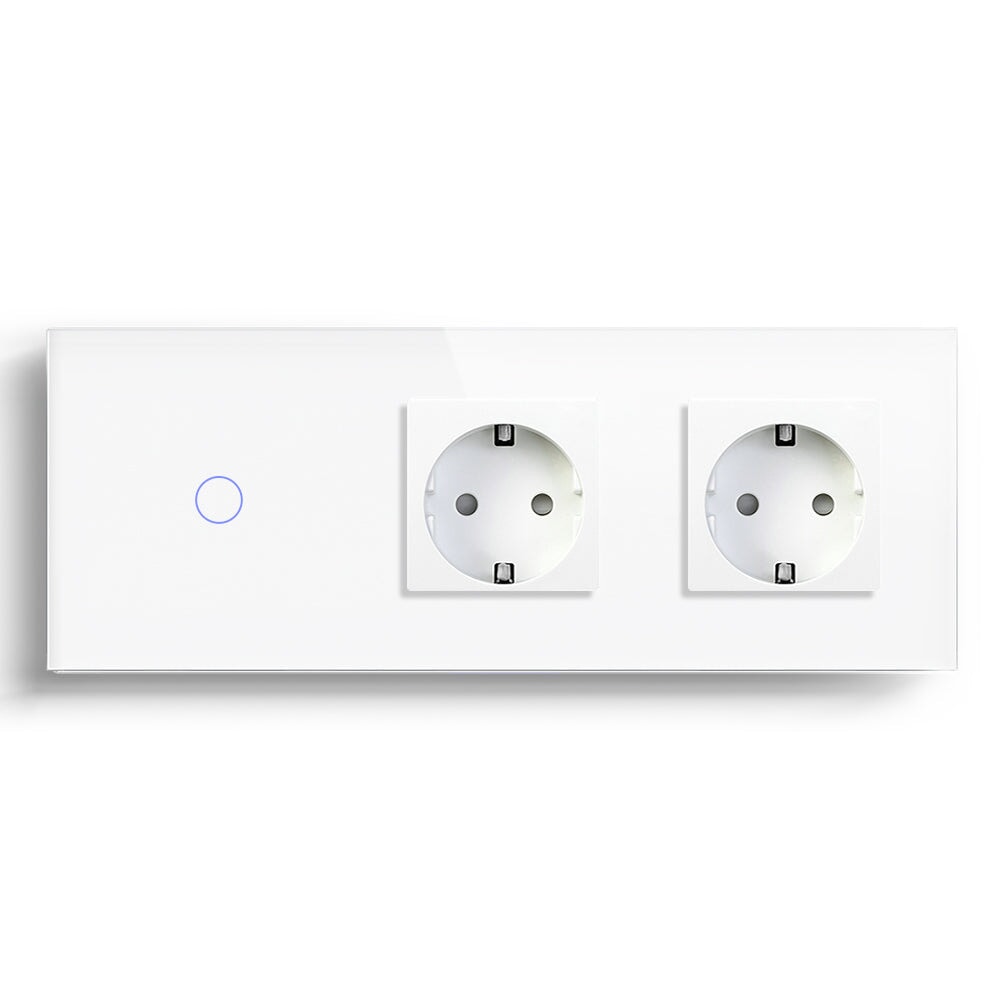
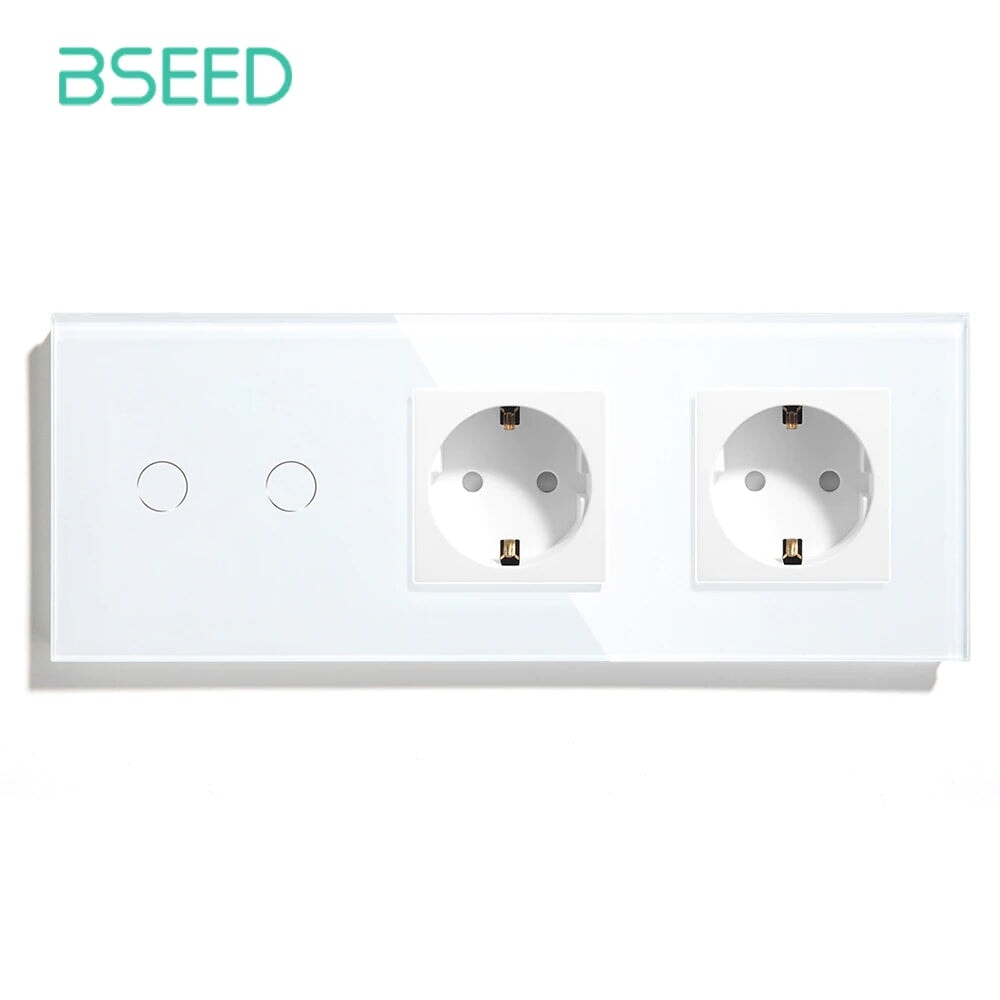
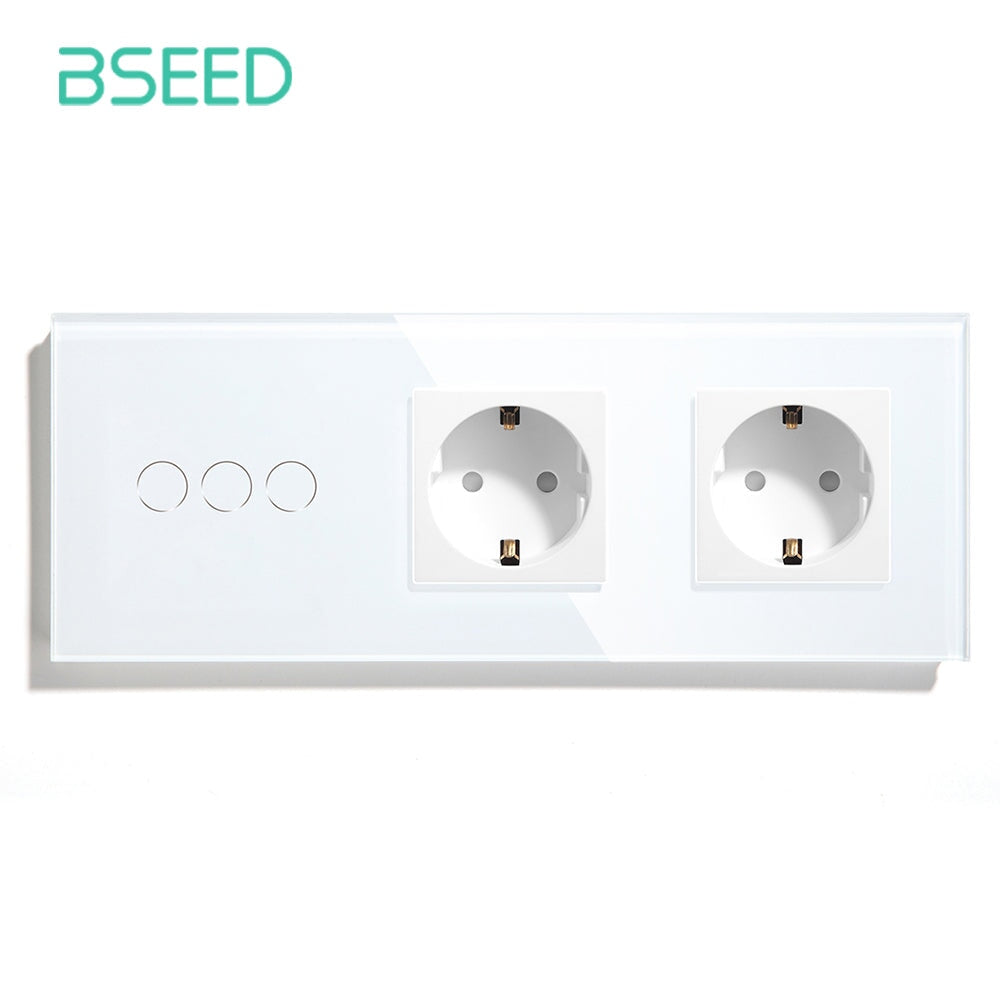
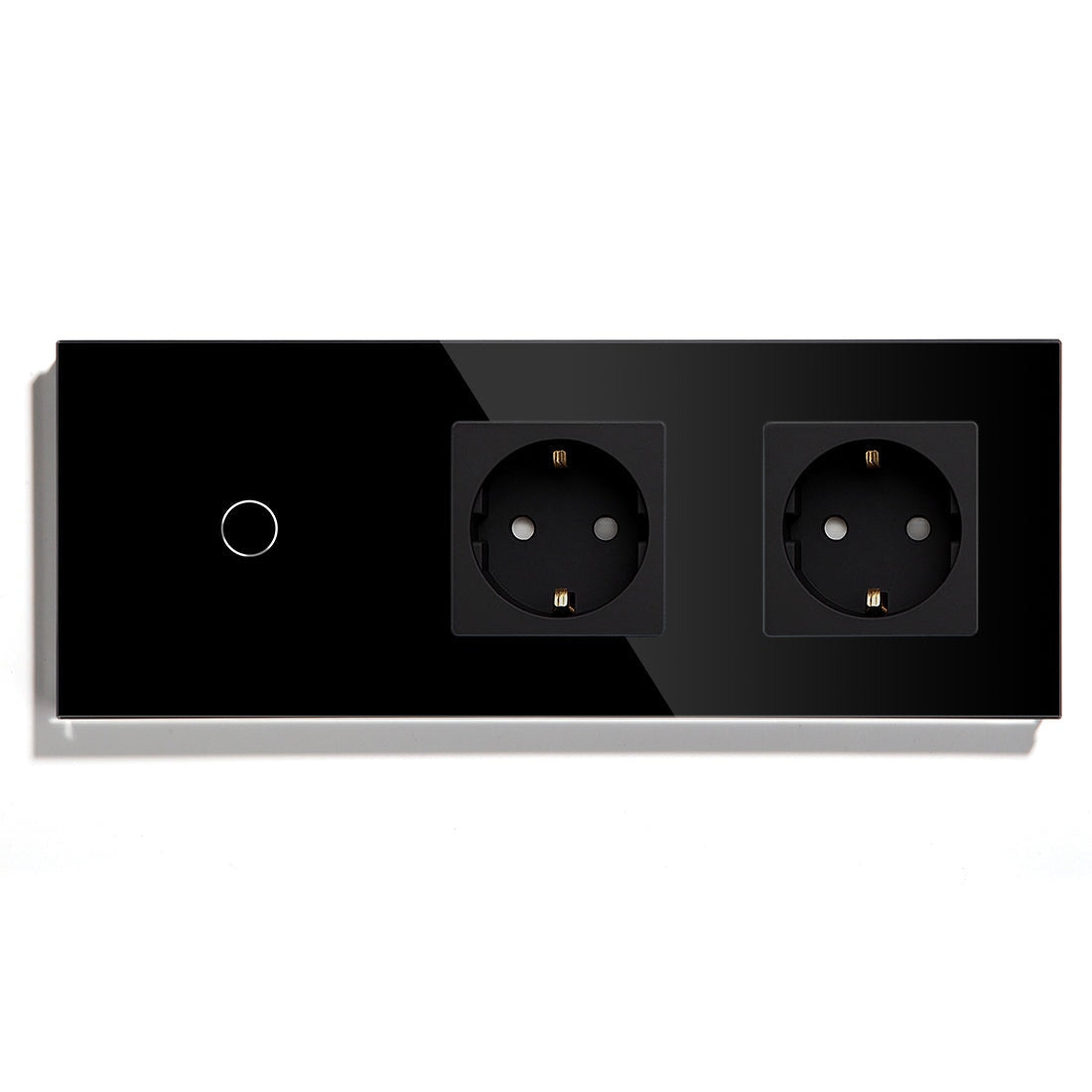
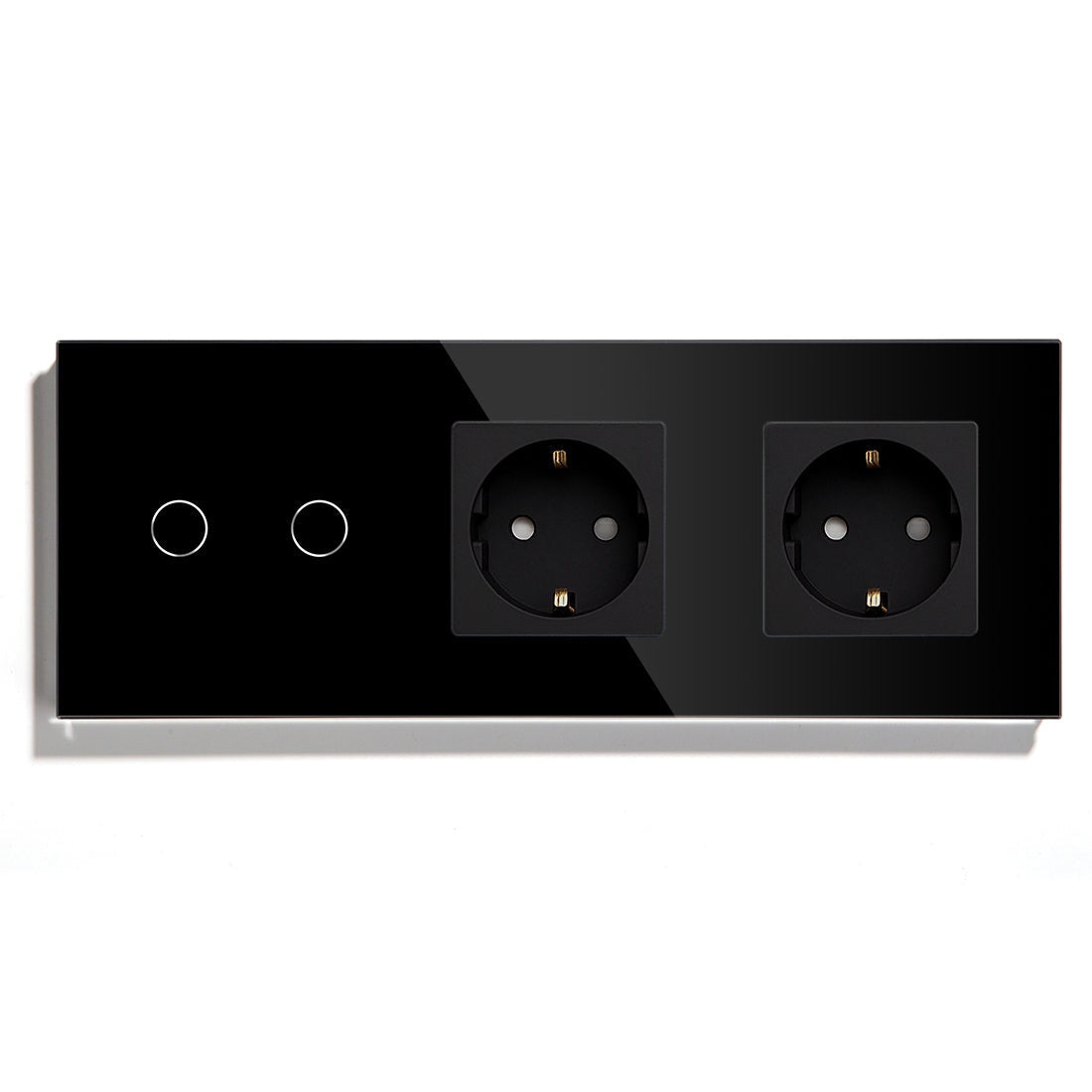
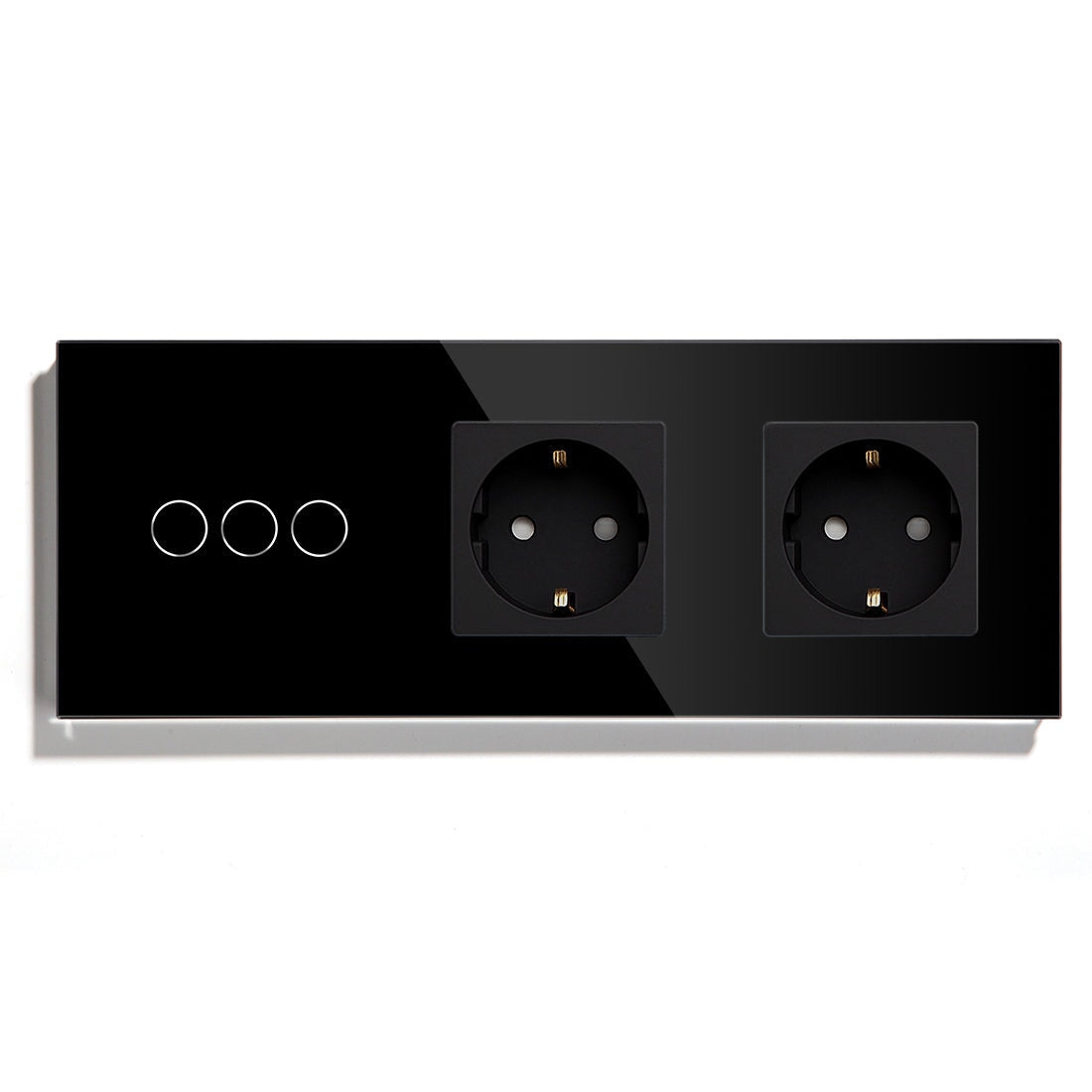
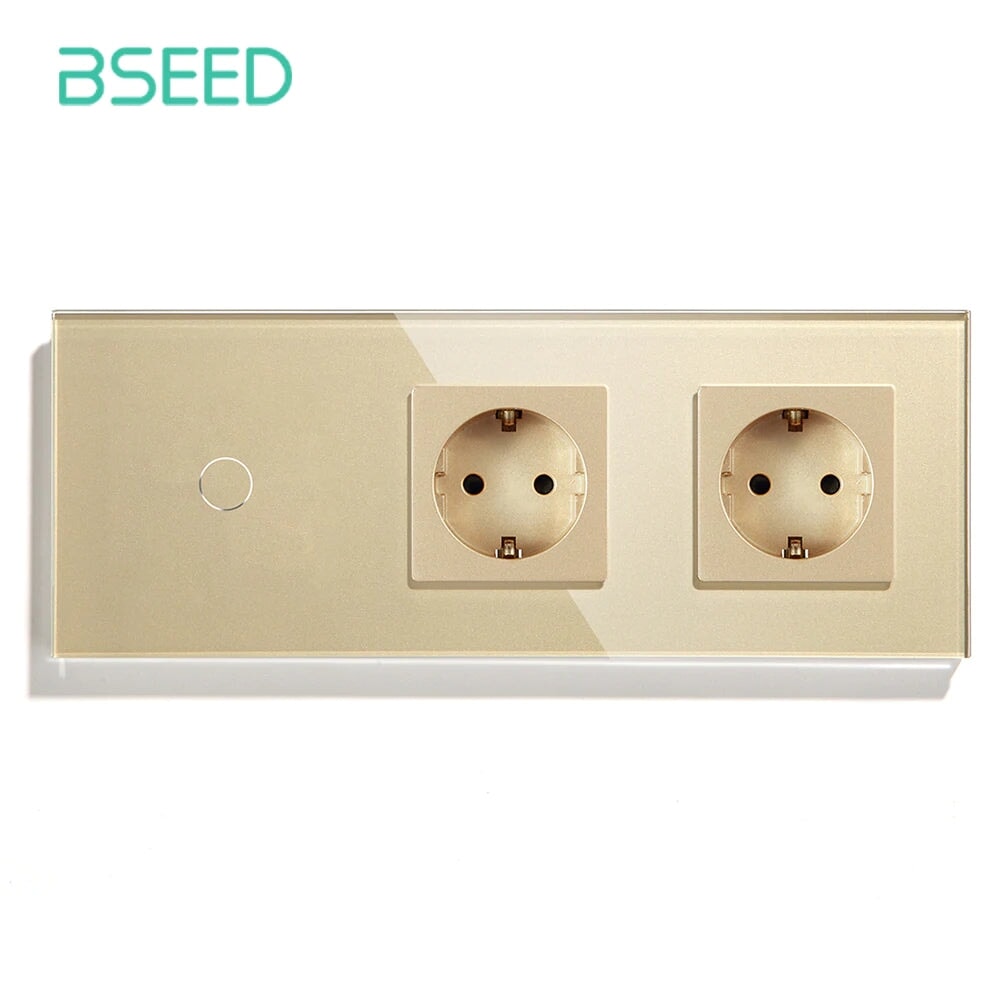
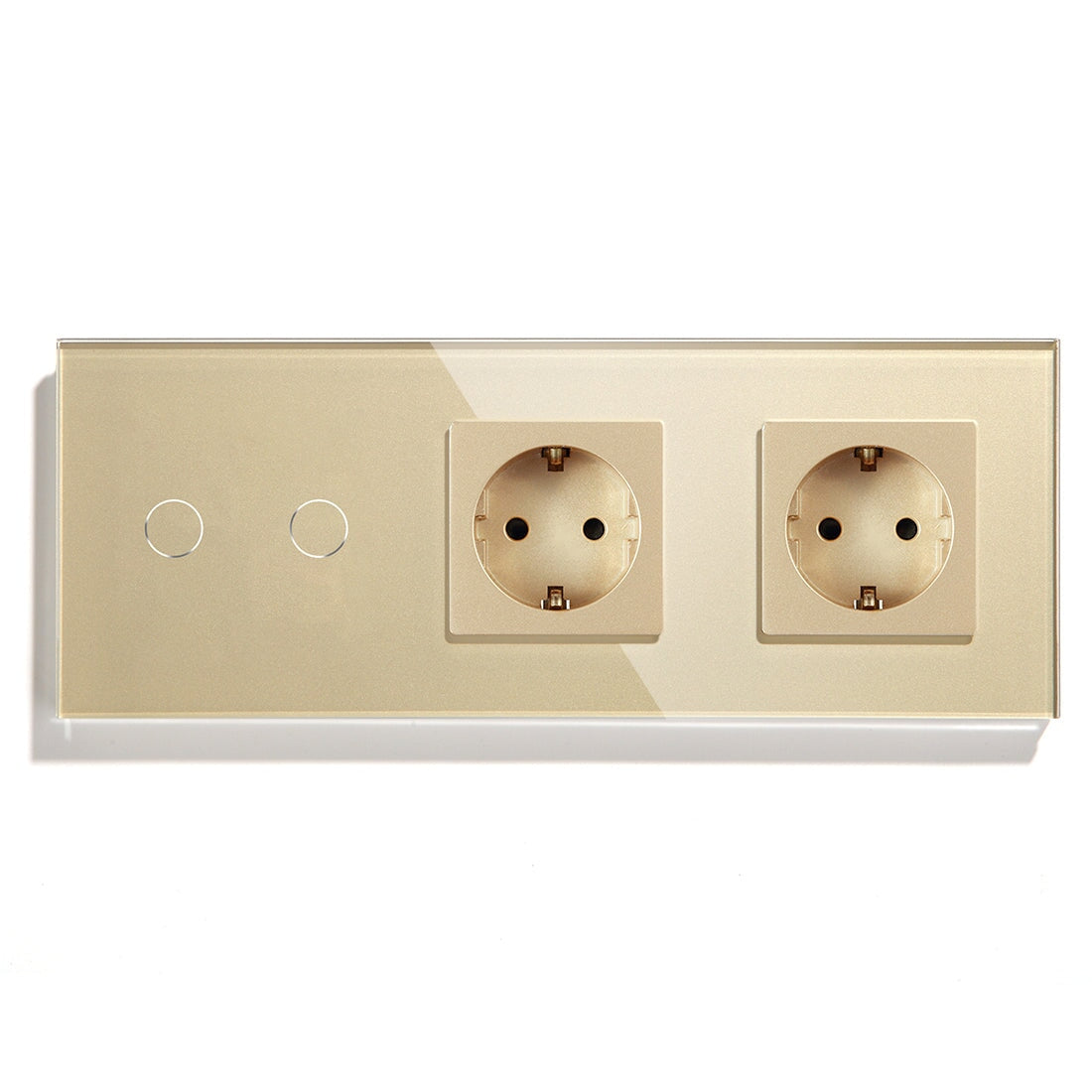
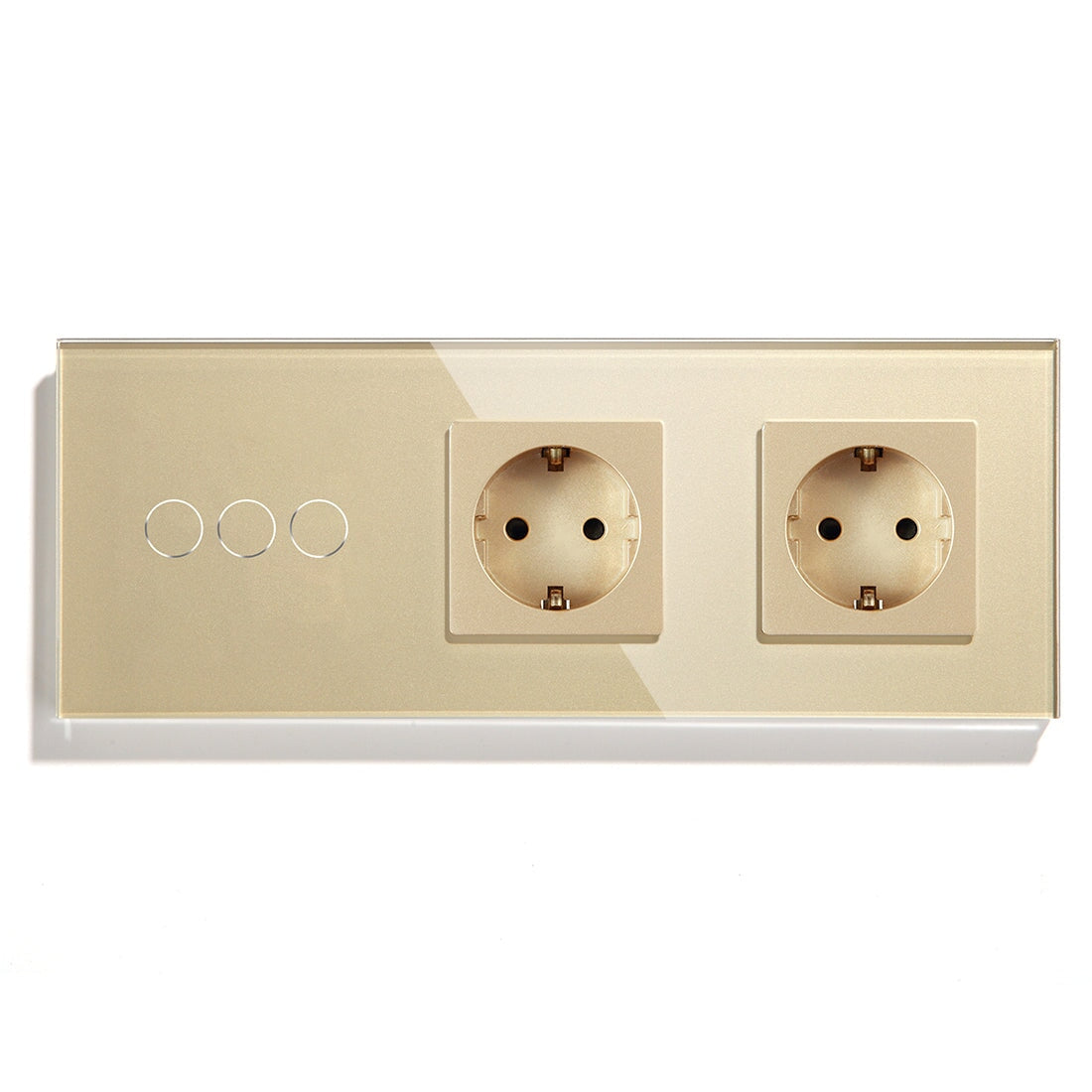
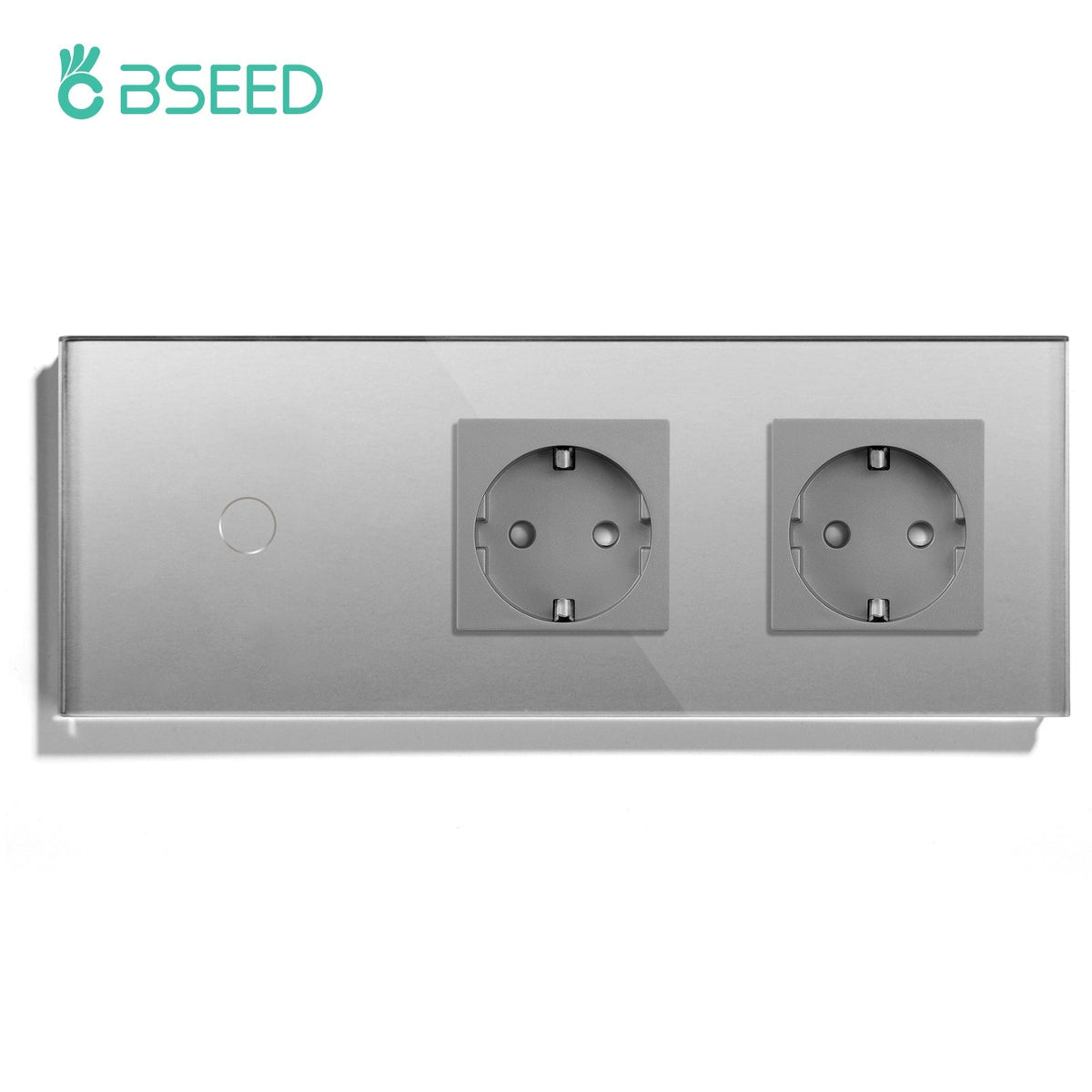
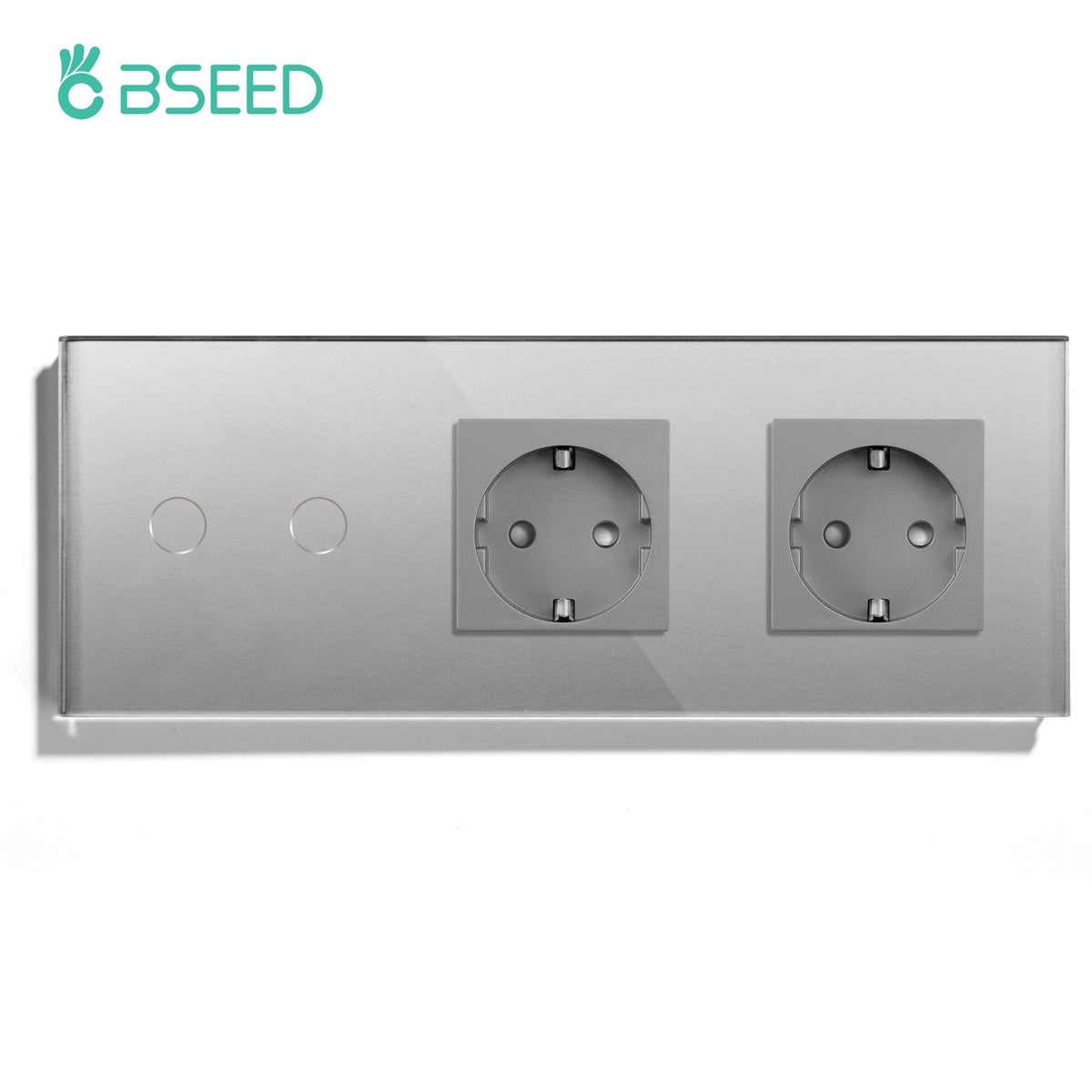
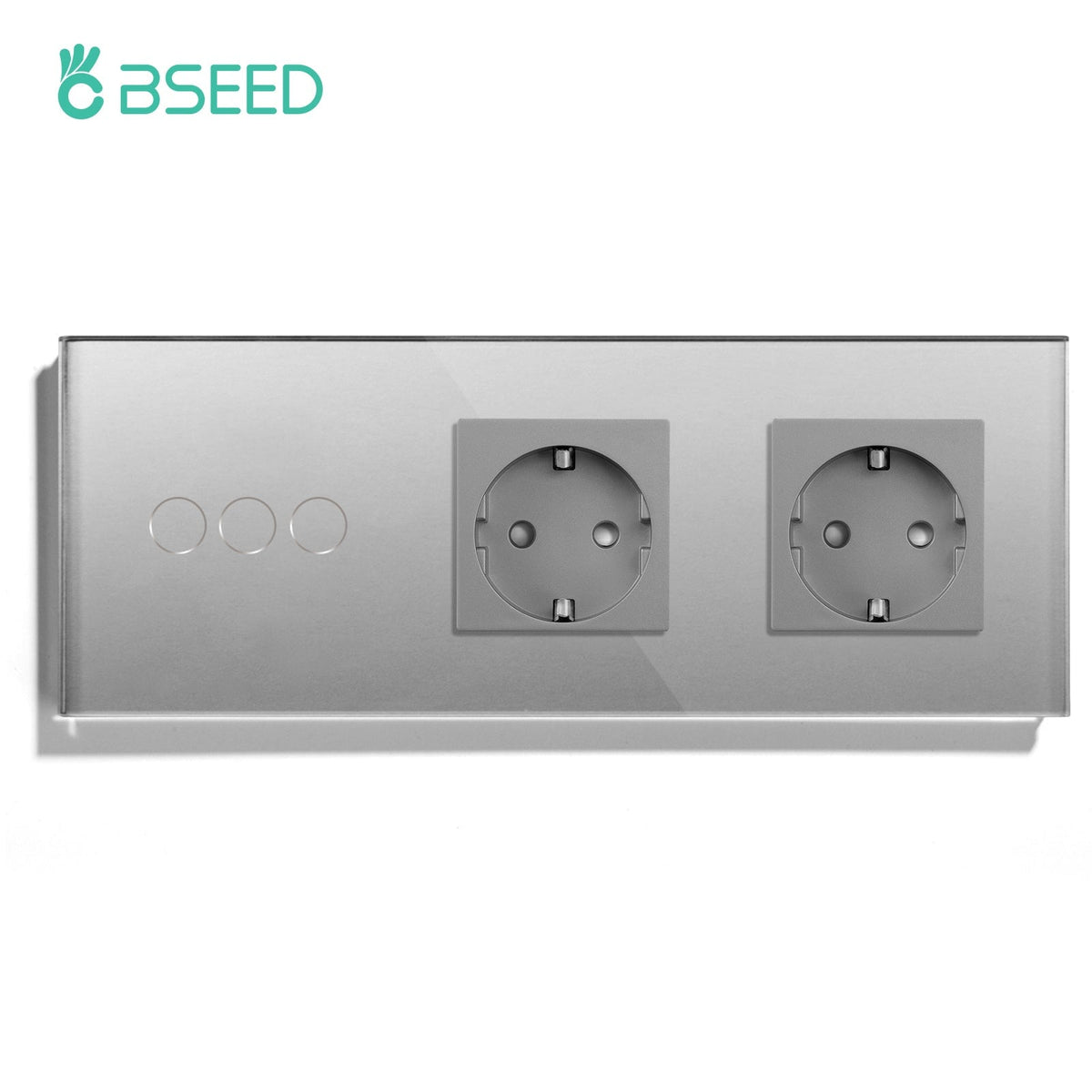
A touch glass smart switch, wall socket with USB C, touch screen smart thermostat, and smart curtain switch can create a cleaner visual system when selected with the same finish and layout logic.
This is not only about style. When controls look consistent, users understand the home faster. Guests also have less trouble.
Upgrade Idea 5: Create One Serious Away Scene
An away scene is worth building carefully. It can switch off selected lights and sockets, close chosen curtains or roller shutters, reduce heating in unused zones, and leave one or two lights available for presence simulation if the user wants that behavior.
The key word is selected. Do not turn off every socket blindly. Routers, refrigerators, security devices, and other essential loads must be excluded. Smart homes should make leaving easier, not risky.
Upgrade Idea 6: Let Automation Suggest, But Let People Decide
Smart home apps and platforms increasingly try to recommend routines or simplify scene creation. That can be helpful, especially for beginners. Still, the homeowner should decide which actions are acceptable.
For example, a suggested evening scene may dim lights and close curtains. Fine. A suggested energy scene that changes heating across the home without clear explanation may annoy people. Comfort is personal. Automation should remain adjustable.
A Practical 2026 Upgrade Order
For most BSEED smart home upgrades, this order feels sensible:
l Start with the routine that bothers the household most.
l Upgrade visible wall controls in the rooms used daily.
l Add curtain or roller shutter control where sunlight and privacy matter.
l Add smart thermostats where heating schedules are predictable.
l Use Matter when ecosystem flexibility is important.
l Use Zigbee or Home Assistant planning when the home is becoming a system, not a few devices.
The best 2026 upgrade is not the device with the longest feature list. It is the one the family still uses in winter, on a busy Monday morning, when nobody wants to troubleshoot anything.